
Bonneville Salt Flats in a One‑Day Tour: A Practical Guide
Nov 23, 2025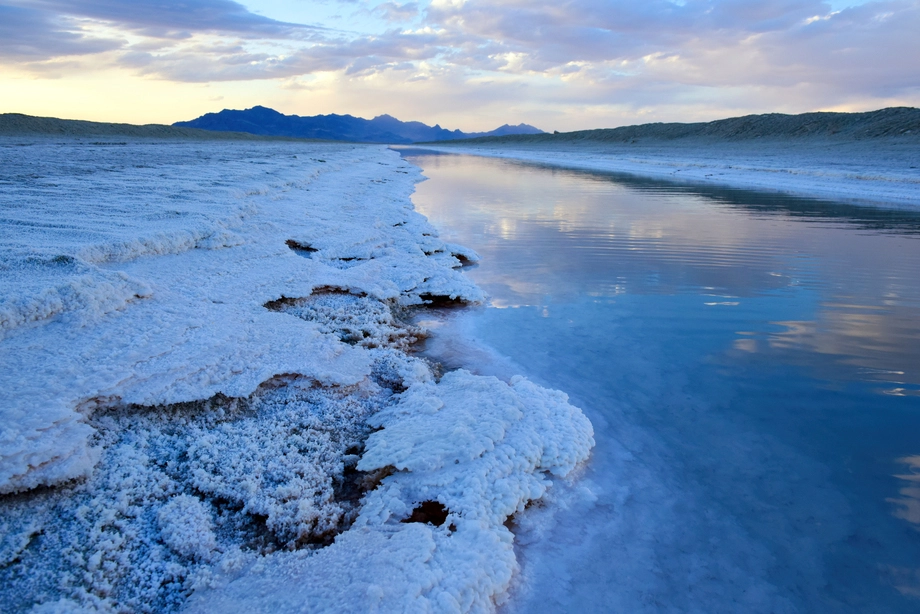
Planning a quick escape to the Bonneville Salt Flats is harder than it looks. The surface transforms with seasons, GPS can mislead, and the best photographs depend on a narrow light window. Here is a concise, field-tested guide that addresses those realities. It distills what local guides watch every day: road conditions, flood patterns, and timing. If you want the confidence of a well-run day and the flexibility to pivot when the salt is soft or the wind picks up, start here. 📸
Plan a one-day visit with zero guesswork
Best season and timing
The flats are usually dry and drivable from late June through October. Winter and early spring often bring a thin water layer that creates stunning mirror effects yet makes vehicle access risky. For a single day, aim for sunrise or the golden hour before sunset. Midday light can be harsh, while early and late hours deliver that famous horizon glow.
| Season | Surface | What it’s best for |
|---|---|---|
| Nov–Apr | Often wet, soft | Reflection photos, no driving |
| May–Jun | Transitional | Scouting, cautious walking |
| Jul–Oct | Mostly dry, firm | Driving access, long explorations |
Getting there and parking
From downtown Salt Lake City, take I‑80 west for about 110 miles to the “Bonneville Speedway” exit. Typical drive time is about 1 hour 40 minutes with normal traffic. Park at the Speedway access or the dedicated viewing area. Services are minimal, and restrooms are limited to nearby highway areas, so plan ahead. If you’d rather focus on photography than navigation, consider a curated city departure through Salt Lake City tours by MateiTravel.
Essential gear and safety checklist
- Sun and hydration: Broad-spectrum sunscreen, hat, sunglasses, and at least 2 liters of water per person. 🧴💧
- Footwear and layers: Closed-toe shoes for crust edges, light jacket for wind shifts.
- Navigation and backup: Offline maps, fully charged phone, and a physical landmark reference.
- Vehicle care: Keep normal tire pressure. Rinse salt off the undercarriage the same day.
- Permissions: Personal photography is fine, but commercial shoots may require BLM permits (Bureau of Land Management, 2023).
What to see and do in 6–8 hours
Signature stopping points
Start with the viewing area to get oriented. Then shift to the Speedway access for open horizons, hexagonal crust patterns, and minimalist compositions. On wet days, stay near the edge and use the water line for perfect reflections. A tripod, a microfiber cloth, and a 24–70 mm lens cover most needs. A short sunrise-to-sunset itinerary also pairs well with a city pick-up on day tours in Utah for a streamlined schedule.
Driving on the flats safely
Only drive when the surface is dry and firm. If the salt looks dark or slushy, turn around. Follow existing tracks and avoid sudden steering. There is no shade, so keep an eye on engine temperature. After you exit the flats, rinse the vehicle’s underbody at the earliest opportunity to reduce corrosion.
Short walks and micro-textures
Walk 5–10 minutes from the parking edge to find untracked salt polygons, then compose low to emphasize geometry. If there is a water sheen, step gently to avoid breaking the thin crust. Bring a small trash bag and pack out everything. Tiny details make the strongest images, especially when wind calms and the horizon melts into the sky. ✨
You found a hidden promo code!
Use code WOWBLOG at checkout and get 10% OFF any tour!
Limited time offer. Book now and save!
Browse ToursResponsible travel and essential regulations
Permits, closures, and weather calls
The area is managed for recreation and racing. Events or unusual flooding can prompt temporary closures. Commercial filming or large crew setups typically need BLM authorization (Bureau of Land Management, 2023). When in doubt, ask locally on arrival day or book with a guide who monitors conditions in real time via road cams and ranger updates.
Mirages, wind, and navigation tips
Mirages are common, especially on warm afternoons, and they can make distances appear shorter. Wind picks up quickly and changes surface texture within minutes. Mark your parking spot in your phone and take a bearing to a visible highway feature. If visibility drops, return to the edge and wait it out. Simple, conservative choices prevent most issues.
If you want a dependable door-to-door experience with local insight, MateiTravel’s Salt Lake City tours and select day tours in Utah use comfortable vehicles for groups and include private transfers. For travelers extending the trip, ask about pairing with Utah national parks or winter add-ons near Utah ski resorts. 🚐
Interesting facts
Speed heritage
Bonneville Speedway has hosted land-speed attempts for decades, thanks to the flat, open expanse and low vegetation. Racing dates and access vary by year, which is another reason to check conditions before you go.
Why the salt looks like tiles
The polygon patterns form as brine evaporates and salt crystals push upward, creating ridges that photograph beautifully at low sun angles.
Optical illusions everywhere
Heat shimmer and reflective water create illusions that stretch or hide the horizon. It is normal to misjudge distance on your first visit.
Why go with MateiTravel
Local expertise, original routes
Our experienced local guides adjust routes to light, water depth, and wind so you do not waste the best 20 minutes of the day. We design unique author tours that mix the flats with lesser-known viewpoints for variety and safety.
Comfortable transport, private transfers
MateiTravel operates convenient vehicles for large groups and offers private transfers, which matter when access points change with weather. You get smooth logistics, more time on the salt, and fewer unknowns.
Ready to turn a single day into an unforgettable memory? Reserve a tailored departure from the city with Salt Lake City tours, plan a custom schedule via day tours in Utah, or extend your route to iconic landscapes through Utah national parks. MateiTravel keeps your time focused on the view, not the logistics. 🌅
How long is the drive from Salt Lake City to the Bonneville Salt Flats?
Plan about 1 hour 40 minutes for the 110-mile drive along I‑80 west to the Bonneville Speedway exit under normal traffic.
When is the surface usually safe to drive on during a one-day visit?
Driving is typically feasible in the dry season from July through October. In winter and early spring the surface is often wet, so stick to walking and edge access.
How much water should I bring for a day on the flats?
Carry at least 2 liters of water per person. There is minimal shade and limited services, so hydration planning is essential.
Do I need a permit for photos or video at Bonneville?
Personal photography doesn’t require a permit. Commercial shoots and larger crews may need authorization from the Bureau of Land Management (Bureau of Land Management, 2023).
What if the salt looks dark or slushy when I arrive?
Do not drive onto it. Stay at the edge, use existing access points, and switch to walking or adjust timing with a guide who tracks real-time conditions.

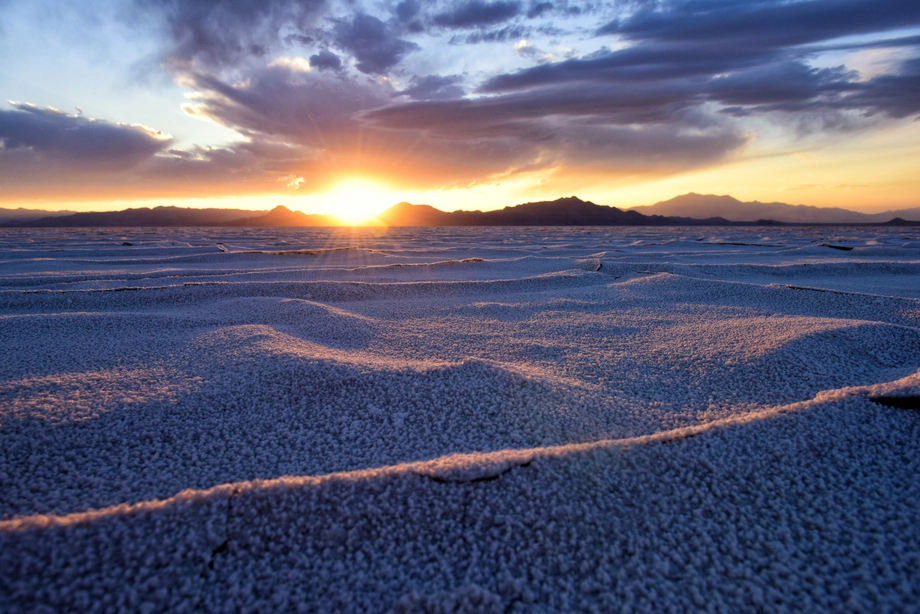 Bonneville Salt Flats – Sunset Adventure of the White Desert
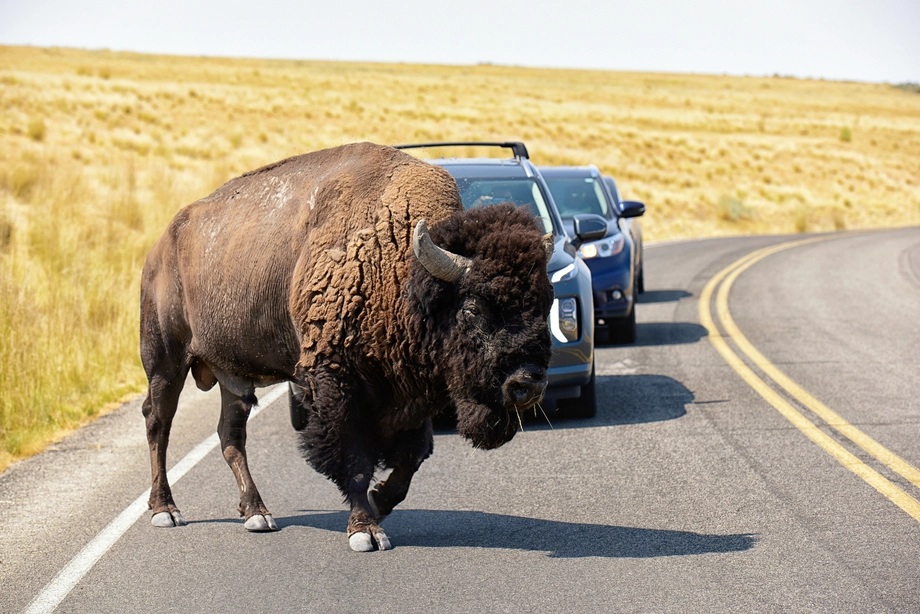 Antelope Island – Wild Heart of the Great Salt Lake Adventure
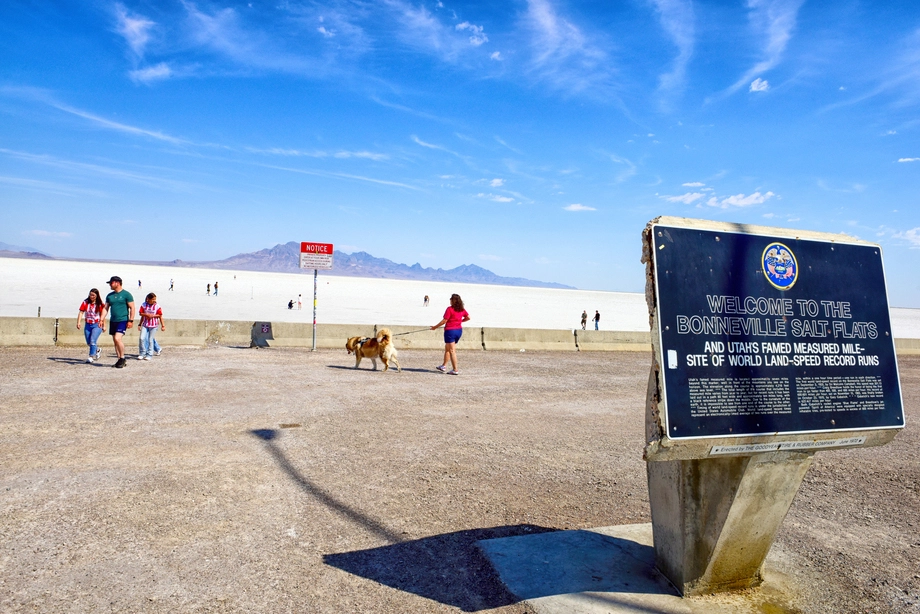 Bonneville Salt Flats – Journey to the Edge of the World
 Salt Lake City – The City of Zion. Historical Interactive Walking Tour
 Antelope Island Sunset Wildlife Expedition – Great Salt Lake Odyssey