
How Much Water to Take in the Heat: Safe Hydration Norms for a Salt Lake City Trip
Feb 10, 2026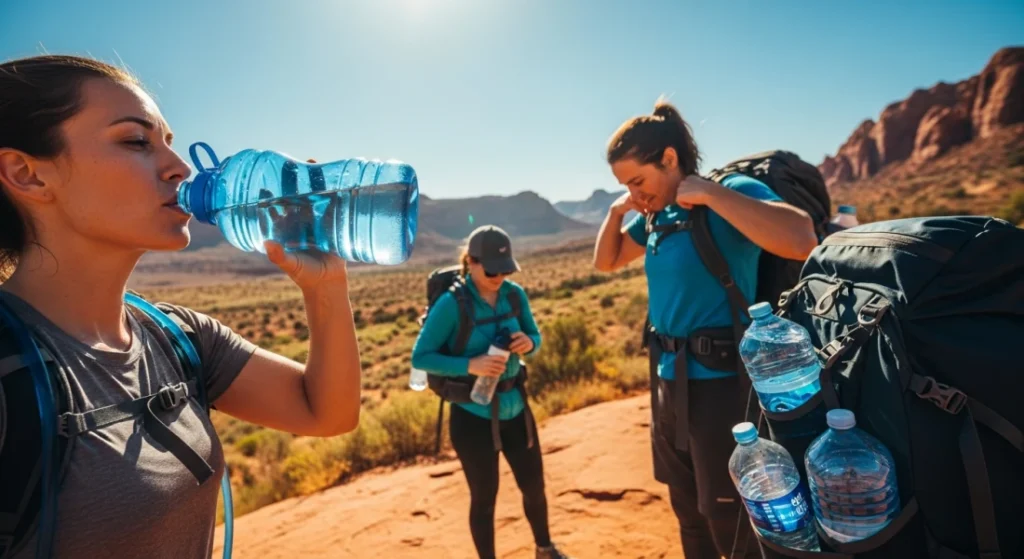
For Utah heat, plan roughly 0.4–0.6 liters per hour in sun, adjusted for your weight and effort, carry more in remote areas than in the city, and sip small amounts regularly instead of chugging rarely.
Heat in Utah feels different. Higher elevation, dry air, long days outside in national parks or on city walks mean you dehydrate faster than you expect. From my experience guiding travelers around Salt Lake City and the state’s parks, most people underestimate how much they should drink and overestimate how much they can comfortably carry.
This guide breaks down how to calculate your personal needs in hot conditions, how much to pack for city strolls, self-guided sightseeing and guided tours, and how to adjust for elevation and effort. You will also see typical mistakes visitors make, practical examples for real tour days, and clear tips so you stay safe without hauling an unnecessary load.
We will keep the numbers simple, focus on realistic situations around Salt Lake City and Utah, and give you practical benchmarks you can actually use on your next trip instead of abstract charts.
Why hot, dry conditions change how much you should drink
In dry Western climates your sweat evaporates so quickly that you often do not notice how much you are losing. You feel less sticky than in humid places, but you are still losing fluid with every step, and even more so at higher elevation around the Wasatch and the national parks.
On a long walking day your body also uses fluid for breathing, digestion and cooling your skin. Add direct sun on exposed streets in downtown Salt Lake City or open slickrock in Utah’s parks, and your loss can climb faster than you expect, especially if you are not used to heat.
Even short periods without drinking can shift how fluid is distributed inside your body. One randomized trial found that just 200 milliliters was enough to improve fluid distribution after 12 hours without drinking:
“200 mL was the minimum volume capable of improving water content distribution in participants after 12 h of water restriction.”
The takeaway is simple. Small, steady sips help. You do not need to chug huge amounts at once, but you do need to drink regularly, especially when you are out under the Utah sun for several hours.
How to estimate your personal fluid needs in hot weather
No single rule fits everyone. Body size, speed, fitness, clothing and sun exposure all change how much you lose. Still, most travelers benefit from a few simple baselines that keep the math easy when you are packing bottles for the day.
Step 1: Use a simple hourly baseline
For moderate walking in warm to hot conditions, a practical range for many adults is about 0.4–0.6 liters per hour. If you are moving slowly in the shade you might be closer to the lower end. If you are hiking uphill in full sun, you will likely need the upper end or more.
Think in small portions instead of big numbers. A 500 milliliter bottle per hour during the hottest part of the day is a handy mental shortcut and easy to apply on a city stroll or a trail.
Step 2: Adjust for your body weight
Lighter travelers usually need less than larger ones, especially at similar effort levels. You can use your weight to fine tune your hourly estimate. The table below gives a realistic starting range for warm conditions with light to moderate effort, such as a relaxed city walk or gentle trail.
| Body weight | Light effort (shade / cooler hours) | Moderate effort (sun / warmer hours) |
|---|---|---|
| 110–140 lb (50–64 kg) | 0.3–0.4 L per hour | 0.4–0.5 L per hour |
| 140–175 lb (64–79 kg) | 0.35–0.45 L per hour | 0.5–0.6 L per hour |
| 175–210 lb (79–95 kg) | 0.4–0.5 L per hour | 0.6–0.7 L per hour |
| 210+ lb (95+ kg) | 0.45–0.6 L per hour | 0.7–0.8 L per hour |
Treat these as starting points, not strict rules. If you naturally sweat more, wear dark clothes or carry a heavy pack, stay toward the higher end of the range. If you mostly stroll in the shade, you may need less.
Step 3: Factor in sun, terrain and pace
Where and how you move affects loss of fluid as much as the temperature itself. For example, walking gently through tree-lined streets in the morning is nothing like climbing a sunny viewpoint in Zion at noon.
When planning how much to carry, ask yourself three questions: How steep is the route, how much shade will I have, and how fast do I plan to move? Every “yes” to steep, exposed, or fast means adding a bit more to your hourly estimate.
You found a hidden promo code!
Use code WOWBLOG at checkout and get 10% OFF any tour!
Limited time offer. Book now and save!
Browse ToursHow much to carry for typical Utah outings
Most MateiTravel guests split their time between city exploring in Salt Lake, day trips to national parks and winter ski days. Each of these has different hydration demands and different options for refilling bottles.
The table below compares realistic carry amounts for common day plans in warm seasons. Volumes are per adult and assume a generally healthy person. Always adapt up or down if your body signals that you need more.
| Type of outing | Typical duration outside | Effort level | Suggested total per person | Refill access |
|---|---|---|---|---|
| Guided walking tour in downtown Salt Lake City | 2–3 hours | Easy, mostly flat | 0.5–1.0 L | Good. Cafes and public fountains along the route. |
| Self-guided sightseeing day in Salt Lake City | 4–6 hours on foot with breaks | Easy to moderate | 1.0–1.5 L carried at once | Excellent. Shops, restaurants and hotels for frequent refills. |
| Guided day trip to a Utah national park from Salt Lake City | 6–10 hours with short hikes | Moderate. Some sun exposure. | 2.0–3.0 L | Variable. Often refills at park visitor centers but not always on trail. |
| Independent half-day hike near a national park | 3–5 hours | Moderate to strenuous | 1.5–3.0 L | Limited. Usually only at trailhead. |
| Summer visit to the Bonneville Salt Flats | 2–4 hours in intense sun | Low walking, very high exposure | 1.5–2.0 L | Poor. Plan to be fully self-sufficient. |
Notice that city days rarely require carrying more than 1.5 liters at once because you can refill often. Remote scenic locations like the salt flats or some park overlooks require you to bring almost everything you will need from the start.
Pros and cons of carrying extra in the heat
Once travelers understand how much they may need, the next question is how much to carry on their body versus leaving in the vehicle or relying on refill points. There is no single right answer, but it helps to see the trade-offs clearly.
Pros of carrying a generous amount
- Safety margin: Extra bottles give you a buffer if a hike takes longer than planned, a trail is more exposed than expected, or a refill point is closed.
- Less stress: You can drink freely whenever you feel thirsty instead of rationing every sip and constantly checking how much is left.
- Flexibility: More fluid lets you extend a walk, add a side trail, or stay longer at a scenic viewpoint without worrying about finding a store.
- Support for others: With a bit extra, you can help a partner or friend who misjudged their own needs.
Cons of carrying a generous amount
- More weight: Every liter adds about one kilogram to your pack, which can make walking less comfortable, especially in the heat.
- Bulkier pack: Large bottles or bladders take space and can be awkward on narrow or steep sections of trail.
- Over-planning in the city: On a downtown stroll with plenty of cafes and fountains, hauling several liters is usually unnecessary and tiring.
- Waste risk: If you constantly bring far more than you need, you might end up discarding unused bottles at the end of the day.
A good compromise for many Utah days is to carry enough for 2–3 hours on your body and keep a reserve in the vehicle or plan clear refill stops, especially on organized tours where the schedule is known.
Practical examples from real tour days
Example 1: Guided walking tour in Salt Lake City on a hot afternoon
You join a small-group city walk with a local guide. The route covers historic blocks, a few gentle rises and some shaded segments. Total time outside is around 2.5 hours with several stops for stories and photos.
A practical amount to carry would be about 0.5–0.75 liters in an easy-to-access bottle. You will likely pass places where you can buy a cool drink if you want more, and many MateiTravel-style walking routes stay close to cafes and public buildings where you can step inside to cool down.
Example 2: Self-guided city day plus evening viewpoint
You plan your own route through Salt Lake City in the late morning, grab lunch, then head to a nearby overlook for golden hour. You expect roughly five hours of slow to moderate walking with some sun and some shade.
A smart plan is to start with about one liter on you, refill at lunch, and carry another 0.5–1.0 liters for the evening viewpoint. That way, you never carry more than 1.5 liters at a time but still cover roughly two to three liters across the whole warm day.
Common mistakes with hydration in Utah heat
- Underestimating dry climate: Visitors from more humid regions often feel “fine” because they are not drenched in sweat, then realize they are exhausted and thirsty later. Assume you are losing more fluid than you feel and sip regularly.
- Drinking only at mealtimes: Spacing drinks only around breakfast, lunch and dinner leaves long gaps, especially on scenic drives or hikes. Carry a bottle in hand or in an easy-access pocket and take small sips every 15–20 minutes while outside.
- Starting the day already dehydrated: Flying, air conditioning and coffee can leave you behind before you even begin a tour. Have a glass or two of plain fluid with breakfast so you start your day in a better state.
- Relying on uncertain refill points: Some viewpoints, trailheads or remote stops have seasonal or unreliable taps. Always check with your guide or host, and if in doubt, bring enough for the full outing.
- Carrying everything in one huge bottle: Large, heavy containers are awkward and make people less likely to drink often. Split your volume into two smaller bottles so you can stash one and keep one handy for frequent small sips.
Practical recommendations for planning your drinks in the heat
- Pre-load before heading out: Drink a moderate glass of plain fluid 30–60 minutes before leaving your hotel, especially for long drives to national parks or the Bonneville Salt Flats.
- Use the “one bottle per hour” mental check: For the hottest part of a day outside, expect to finish around 0.5 liters each hour and adjust up or down depending on your weight and effort level.
- Carry more on remote routes, less in the city: On a downtown walk with cafes everywhere, one small bottle usually works. On a long national park day from Salt Lake City, plan to be more self-sufficient and bring enough for the longest gap between known refills.
- Listen to your body’s early signals: Dry mouth, pounding heartbeat on easy terrain, or darker urine are early signs you need to drink more. Do not wait until you feel dizzy or develop a headache.
- Spread your intake: Take small, frequent sips while you walk instead of downing a big amount right before or right after an activity. This lines up with research showing that even modest amounts can improve your internal fluid balance.
- Match your plan to the itinerary: If you join a guided tour from Salt Lake City, ask the operator where the refill points are and how long you will be between them. That lets you calculate how much you need in your daypack.
- Pack smart, not heavy: Use light refillable bottles, avoid unnecessary extras in your bag and combine your fluid with sun protection and snacks so you stay comfortable without carrying a bulky load.

How MateiTravel trips help you manage hydration smartly
Thoughtful planning makes staying hydrated much easier. On curated walking experiences in downtown Salt Lake City, local guides keep group sizes small, share the route details ahead of time and pace the walk with stops near places where you can refill bottles or buy a cool drink.
Day excursions from Salt Lake City to Utah’s ski resorts or national parks usually include clear information about duration, terrain and exposure, so you know before departure how much you should bring for the longest stretch between reliable taps. On many itineraries, guides also point out visitor centers and facilities where you can refill, which helps you avoid carrying your entire daily amount on your shoulders.
If you are still deciding how to structure your Utah trip, you can explore tour options and build in hydration-friendly itineraries with MateiTravel. Clear schedules, local insight and realistic walking distances make it much easier to hit the right balance between safety and comfort.
Pros and cons of guided vs self-planned days for hydration
Your approach to planning your day also affects how much you need to think about drinks. Here is how guided and independent days typically compare when it comes to staying hydrated in the heat.
| Aspect | Guided day (city or park) | Self-planned day |
|---|---|---|
| Information on refill points | Guide usually knows exact locations and hours. | You must research or guess ahead of time. |
| Control over pace | Shared with group, but guides often adjust for heat. | Full control. Easy to misjudge time and distance. |
| Suggested carry amount | Often recommended before departure. | You estimate it yourself. |
| Risk of running out of fluid | Lower when routes are planned by locals. | Higher if you are new to the region or climate. |
| Flexibility to change plans | Moderate. Depends on tour structure. | High, but changes may disrupt your refill schedule. |
Neither option is automatically better. For many visitors, combining one or two structured days with one self-guided day offers a nice mix of security and freedom.
Conclusion: build a simple hydration habit for hot Utah days
Staying safe in Utah’s dry heat is less about obsessing over exact numbers and more about building a few reliable habits. Estimate a realistic hourly range for yourself, carry enough for the longest stretch between refills, and spread your intake across the whole day.
Pay attention to your body’s early signals, the route’s exposure and the availability of shops or taps, especially outside Salt Lake City. With a bit of planning and the right amount in your pack, you can enjoy Utah’s city streets and wide open landscapes without worrying about running dry.
If you prefer to explore with local support, consider a guided experience with MateiTravel so route planning, refill stops and realistic walking times are all taken into account for you.

 Antelope Island Sunset Wildlife Expedition – Great Salt Lake Odyssey
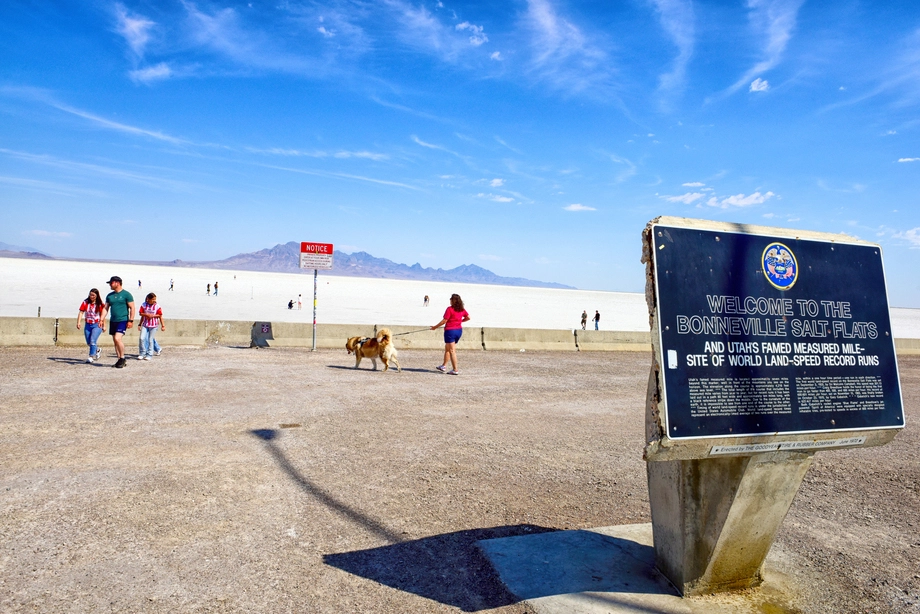 Bonneville Salt Flats – Journey to the Edge of the World
 Salt Lake City – The City of Zion. Historical Interactive Walking Tour
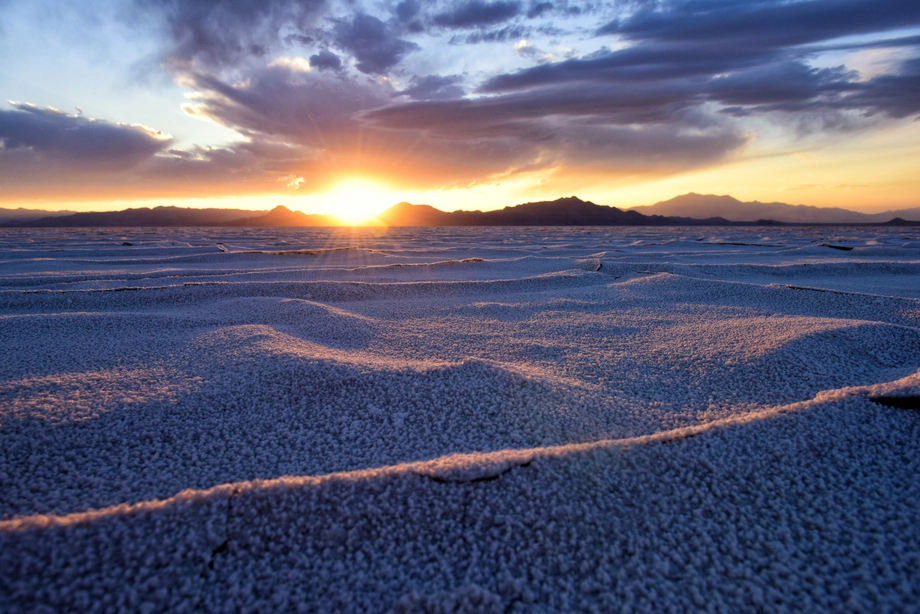 Bonneville Salt Flats – Sunset Adventure of the White Desert
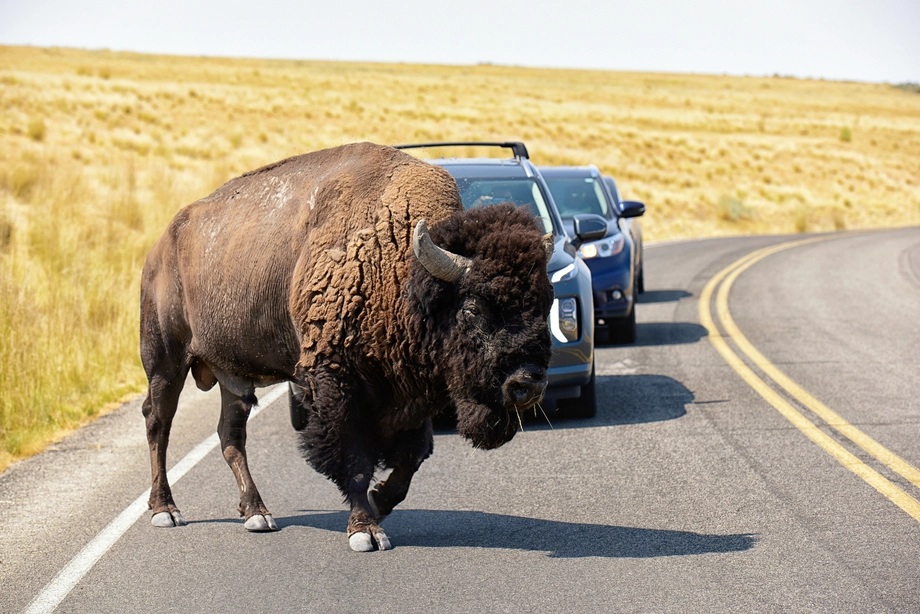 Antelope Island – Wild Heart of the Great Salt Lake Adventure