
Ski Salt Lake City package breakdown: realistic costs, inclusions and gaps
Mar 7, 2026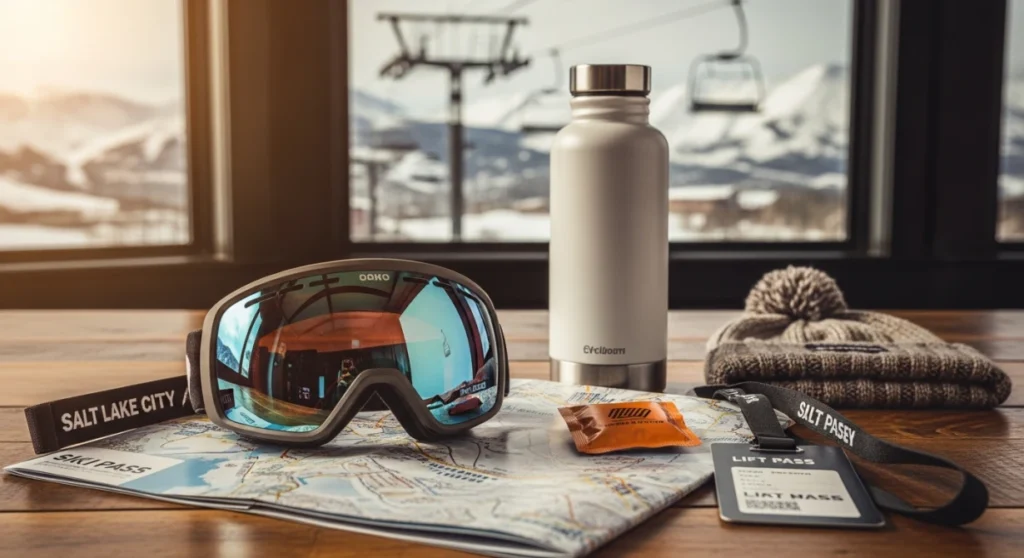
Salt Lake City ski and park packages usually cover transport and guiding, not lift tickets, rentals or meals. Plan around clear inclusions, then budget extras and a buffer to avoid surprise costs.
Many visitors land in Salt Lake City assuming a ski package will magically “cover everything”, then spend the first morning hunting for rentals, lift tickets and breakfast instead of riding fresh snow. The gap between what people think they bought and what they actually get is where budgets and moods fall apart. If you understand exactly how ski-focused day trips around Salt Lake City are structured, you can choose the right bundle, plug the gaps yourself and stop paying for things you do not need.
Local operators in Utah tend to focus on one thing very well at a time. Some organize smooth winter day trips from downtown to the nearby mountains. Others specialize in small-group walks through the city center or road itineraries to the state’s famous national parks. None of that is a “black box” if you break down which services are built in and which are always on you.
This breakdown treats your visit as a set of building blocks: transport, guiding, skiing or snowboarding time, national park sightseeing, and independent expenses. Once you see how each element is usually handled, you can assemble a custom plan that fits both your style and your wallet.
Price tiers and what they typically include
Utah experiences that combine Salt Lake City with mountains or parks generally fall into three price bands. The lower end tends to be walking experiences inside the city, the middle tier covers nearby outdoor day trips, and the upper range bundles long-distance national park routes.
Entry-level: downtown walking and orientation experiences
At the most affordable level you find guided walks in central Salt Lake City. Prices for these start from around $40 for options such as a historical interactive route through downtown. Groups stay intentionally small so everyone can ask questions, and routes highlight well known buildings together with places visitors usually miss.
These outings are valuable if you want context for the city that anchors your ski days. You meet a local guide at a central landmark, then explore on foot with stories about planning, architecture and development. What you pay covers the guiding and route planning. Food, drinks and any extra transport before or after are separate.
- Included: Local guide, structured city route, small group, stories about history and hidden corners.
- Not included: Meals, hotel pick-up, winter sports, gear, tickets to additional attractions.
- Best for: First afternoon or evening in town before your time in the mountains.
Mid-range: ski resort day trips from Salt Lake City
The middle tier is where a typical ski Salt Lake City package day looks. Here you pay for a full-day winter outing from downtown to nearby canyons or resort areas, then back again in time for evening plans. These are designed for visitors who do not want to drive on snowy canyon roads or compete for parking.
Round-trip transport with a driver-guide is the backbone of this level. You meet at a central pick-up point in the city, ride to the mountains while your guide briefs you on current snow, terrain options and where to start based on your ability. Once on the mountain you ski or ride independently, using their tips for choosing areas, rentals and food.
- Included: Transport between the city and the resort area, driver-guide, on-the-way briefing, suggestions for rentals, lift access options and places to eat.
- Not included: Lift tickets, rental equipment, lessons, lunch, travel insurance, tip for your guide.
- Best for: Solo travelers, couples, families and work trip visitors filling a free day with skiing without renting a car.
Higher range: multi-park road itineraries
At the upper end sit extended excursions from Salt Lake City that focus on Utah’s iconic national parks like Zion, Bryce Canyon, Arches and Canyonlands. Prices for these kinds of trips start around $99 for some day options out of the city, and rise based on distance and duration.
These road experiences usually cover round-trip driving from the city, time at major viewpoints, commentary about geology and history, plus short walks to overlooks or arches. They are built for people who want to see a lot of dramatic scenery without handling long, unfamiliar drives or the details of park entrance logistics.
- Included: Transport from Salt Lake City to featured parks or natural areas, planned scenic stops, light walks, guiding and stories along the way.
- Not included: Meals, lodging on multi-day routes, personal hiking gear, add-on activities not listed in the description.
- Best for: Travelers with only a few days who want efficient access to several major landscapes in Utah.
Main cost drivers you should pay attention to
Once you know the tiers, the next step is to understand which factors move your total cost up or down. You can then decide which parts to pay others to solve and which to keep flexible.
1. Distance and time in the van
The farther you go from Salt Lake City, the more you pay for vehicle time, fuel and guide hours. A short city walk or quick outing near town costs less than a full day of canyon driving or a long loop through multiple parks. If your budget is tight, favor nearby mountains or shorter park routes over sprawling itineraries.
2. Group size and level of personalization
Small groups are standard for downtown walking routes and many day outings, which already gives you decent personal attention. If you push for a private setup, the per-person cost goes up quickly because you are covering the guide and vehicle without others to share the bill.
Staying with a small shared group is often the sweet spot. You still get the chance to ask questions, learn the layout of the city or resort, and apply local advice, but your cost per person stays moderate.
3. Season and day of week
Demand peaks when snow conditions are best and during holidays. That can influence both the base price of guided experiences and your add-on costs like lift access or lodging. Weekdays outside of peak vacation times usually mean more availability and potentially better value, especially for winter outings.
4. What the operator actually bundles
The most important lever is what your chosen operator decides to include. In many winter day trips from Salt Lake City, the package centers on safe transport, guiding and information. Lift passes, rentals and lessons are left to you so you can match them to your skill level and preferred brand.
Similarly, national park routes cover the driving and guiding side, not every possible add-on once you are inside the park area. Reading the “included” line carefully is the simplest way to avoid being surprised later.
You found a hidden promo code!
Use code WOWBLOG at checkout and get 10% OFF any tour!
Limited time offer. Book now and save!
Browse ToursRealistic budget scenarios for different travelers
Instead of chasing an abstract per-day number, think in scenarios. The examples below show how inclusions and exclusions shift your planning, without assigning invented exact totals.
Scenario A: First-time visitor with one ski day and limited time
Imagine you fly into Salt Lake City for a work event, then have one free day before departure. You want to ski but do not want to rent a car, study winter driving rules or figure out where beginners should start.
Your likely spend pattern looks like this:
| Item | Who handles it | Budget impact |
|---|---|---|
| Round-trip transport to resort area | Day trip operator | Fixed, paid in advance with your booking |
| Guide’s briefing and on-site tips | Day trip operator | Included in the outing cost |
| Lift ticket | You purchase at or before arrival | Variable based on resort and duration |
| Rental equipment | You choose rental shop and gear level | Variable, can be trimmed by choosing standard gear |
| Food and drinks on the mountain | You decide when and where to eat | Variable, affected by how many meals you buy at resort prices |
| Gratuity for driver-guide | You | Flexible percentage of base outing cost |
In this scenario, your pre-paid piece is the outing that gets you safely to and from the mountains with local guidance. You then layer on lift access, gear and meals according to your comfort level and how aggressively you want to manage costs.
Scenario B: Family combining city, skiing and a national park
Now picture a family staying in Salt Lake City for three full days. They want one day centered on city history, one on skiing and one seeing a highlight park or natural area without driving for hours themselves.
A practical structure for them could be:
| Day | Core activity | Included in typical outing | Key extras to budget for |
|---|---|---|---|
| Day 1 | Small-group downtown walking exploration | Local guide, curated route, stories about planning and growth | Snacks, drinks, any museum entries before or after the walk |
| Day 2 | Ski resort day trip from the city | Transport, driver-guide, advice on terrain and services | Lift passes for each skier, rental gear, lessons if needed, mountain meals |
| Day 3 | Road outing to a national park or nearby wild area | Driving, key viewpoints, guided commentary, short walks | Park-related meals, personal equipment like warm layers, any optional add-ons |
The family can pre-book all three core experiences, which stabilizes a big part of their budget. They then retain flexibility on restaurants, gear quality and optional extras each day.
Hidden costs and risk buffers many visitors miss
Even savvy travelers underestimate a few predictable extras. Planning for them up front keeps a good-value itinerary from suddenly feeling expensive.
Winter clothing and personal gear
Ski clothing, gloves, goggles and base layers add up fast if you purchase them all on arrival. These are rarely bundled into any outing price. Borrowing pieces from friends or bringing what you own from home cuts this entire category, leaving you to rent only skis or boards on site.
Food markups in remote or resort areas
Once you leave downtown Salt Lake City, options narrow and prices often rise. Resort cafeterias and park convenience stops charge more than neighborhood spots in town. You can adapt by eating a larger breakfast in the city, packing some snacks and choosing one main hot meal in the mountains rather than several small ones.
Parking, if you self-drive on some days
Even if you rely on organized transport for your main winter outing, you might still rent a car for another day. Parking in central areas of the city or at popular viewpoints can add unplanned costs. When an excursion description mentions a specific meeting point, such as near a central library or information center, check nearby garages in advance to estimate and control that line of your budget.
Last-minute changes and no-shows
Changing an outing date late or missing the departure time can mean partial or total loss of what you paid. Build enough buffer time around arrival and departure days so you do not stack your main winter experience right up against a flight or other fixed commitment.
Travel budgets suffer more from small, repeated surprises than from one known big expense. Clear inclusions and a short list of expected extras usually lead to better overall value.
Budget planning checklist for a Salt Lake City ski-focused stay
Use this concise checklist to pressure-test any plan before you book.
- Clarify your main goal: Decide whether your priority is maximum ski time, seeing several parks, understanding the city itself, or a balanced mix of all three.
- Match goal to tier: Choose an outing type where the built-in services (transport, guiding, routing) cover the hardest parts of your plan.
- Read inclusions line-by-line: Confirm whether lift tickets, gear, meals or lodging are mentioned. If they are not clearly listed, assume they are your responsibility.
- Estimate extras per day: Add conservative ranges for lift access, rentals, meals and tips for each full day you are on the move.
- Add a 10–20% buffer: Reserve a small percentage of your total trip budget for unexpected costs like gear you forgot, extra snacks or an unplanned taxi.
- Check meeting points and times: Plan how you will reach each starting point and how long that transfer will take from your lodging.
Practical tips to get the most value from Utah ski and park experiences
Small decisions made before you arrive often matter more than chasing a slightly lower base price. These tips are specific to how local outings around Salt Lake City usually work.
- Book core transport and guiding first: Secure your winter day trip from the city to the mountains before you start buying lift passes or rentals so your main structure is locked in.
- Pre-check rental options: Use the guidance from your driver-guide about where to rent, but look up shop opening times and price ranges the night before so you can move quickly in the morning.
- Combine city walking with ski days: Plan a small-group downtown walk on a shorter ski day or arrival afternoon to understand the city that anchors your mountain time.
- Use national park outings strategically: If you only have a few days, pick a road itinerary that focuses on one or two key parks rather than trying to see everything, which often raises both cost and fatigue.
- Travel with layered clothing: Weather shifts quickly between city, canyon and park elevations. Layers let you stay comfortable without buying extra items on the spot.

Common mistakes travelers make with ski and park packages
Recognizing typical missteps helps you avoid both frustration and extra spending.
Assuming “all-inclusive” when it is not
Many guests assume a winter day outing includes lift access or rental gear because they have seen that model elsewhere. Around Salt Lake City, the more common pattern is transport plus guidance, with skiing expenses handled separately. Do not rely on assumptions. Confirm exactly what your payment covers.
Underestimating the value of local knowledge
Some travelers try to save by skipping any organized service and driving themselves everywhere on winter roads. They might reduce direct transport costs but end up losing time in traffic, searching for parking and figuring out which runs match their level. For many visitors, paying once for a driver-guide who knows the canyons and resort layouts is more efficient than learning everything from scratch for a single day.
Overpacking the itinerary
Trying to ski full days, walk the city for hours and visit distant parks all in two or three days leads to rushed decisions and unnecessary spending. Leave breathing room. A well-planned mix of one city walk, one or two ski days and a focused park outing usually delivers a richer experience than a frantic attempt to check every box.
How Utah ski and park outings fit together
To see how different experiences can be combined, it helps to compare their roles side by side rather than thinking of one “perfect” bundle. The following table contrasts three common components.
| Component | Primary purpose | Typical inclusions | Key extras you handle |
|---|---|---|---|
| Downtown walking exploration | Orientation and history of Salt Lake City | Local guide, small group, curated route | Meals, personal shopping, any additional tickets |
| Ski resort day trip | Safe winter access to nearby mountains | Round-trip transport, driver-guide, advice on terrain and services | Lift access, rentals, lessons, food, tips |
| National park road outing | See major Utah landscapes without driving long distances | Transport, viewpoints, short walks, commentary | Meals, personal gear, overnight stays if multi-day |
Treat each element as a building block. You can then decide how much time and budget to devote to skiing, to city understanding and to the best tours of Utah national parks that fit your schedule.
Where MateiTravel-style experiences fit into your plan
Companies like MateiTravel specialize in handling the routing, driving and guiding, so you spend your limited days actually skiing or exploring instead of sorting out logistics. Their small-group city walks, mountain day trips and park-focused outings are designed for people who want to make a short stay count without managing a complex road trip on their own.
When you structure your days around that kind of core service, you still control your spending on gear, food and extras. You simply remove the highest-stress pieces, such as canyon driving in winter or dealing with multiple park entrances on a tight schedule.
Ski-focused travel built around Salt Lake City works best when you see each experience as a clear set of inclusions rather than a vague “package”. City walks tend to bundle guiding and storytelling, winter day trips provide safe access to nearby mountains, and national park outings focus on efficient scenic coverage. Lift access, gear, meals and lodging almost always remain in your hands, where you can scale them to your budget and preferences.
Plan your trip by locking in the transport and guiding components first, then layer on skiing, city time and park exploration with realistic allowance for extras and a small buffer. That approach protects both your budget and your energy while keeping the focus on snow and scenery, not logistics. If you want help stitching these blocks into one smooth stay, MateiTravel can coordinate the core outings so you simply show up ready to enjoy them.
Do ski resort day trips from Salt Lake City include lift tickets?
No. These outings usually cover transport and guiding, while you purchase lift access separately to match your skiing style and timing.
What is typically included in a downtown Salt Lake City walking experience?
You can expect a local guide, a small group and a planned route past historic and lesser-known sites, but meals and extra entries are not part of the price.
Are rental skis and snowboards part of ski day trip prices?
Rental gear is almost always a separate cost. Driver-guides provide suggestions on where to rent, but you choose the shop and equipment level.
How should I budget for food on ski and park days?
Plan for higher prices in resort and park areas, then reduce the impact by eating a bigger breakfast in the city and bringing snacks.
Can I combine city walking, skiing and a national park visit in a short trip?
Yes. A common pattern is one day in the city, one on the slopes and one on a road outing, each booked as a separate experience.
What costs are easiest to underestimate on a winter visit?
Travelers often forget to account for clothing purchases, resort food markups, parking when they self-drive and fees for last-minute changes.
How much flexibility do I have if weather changes my ski plans?
You can usually adjust how long you ski or which terrain you choose, but outing dates and transport times are less flexible, so check policies before booking.
Why use organized day trips instead of renting a car for skiing?
Using a day trip means you avoid winter canyon driving, parking stress and route-finding and gain local insight on where to start your day.

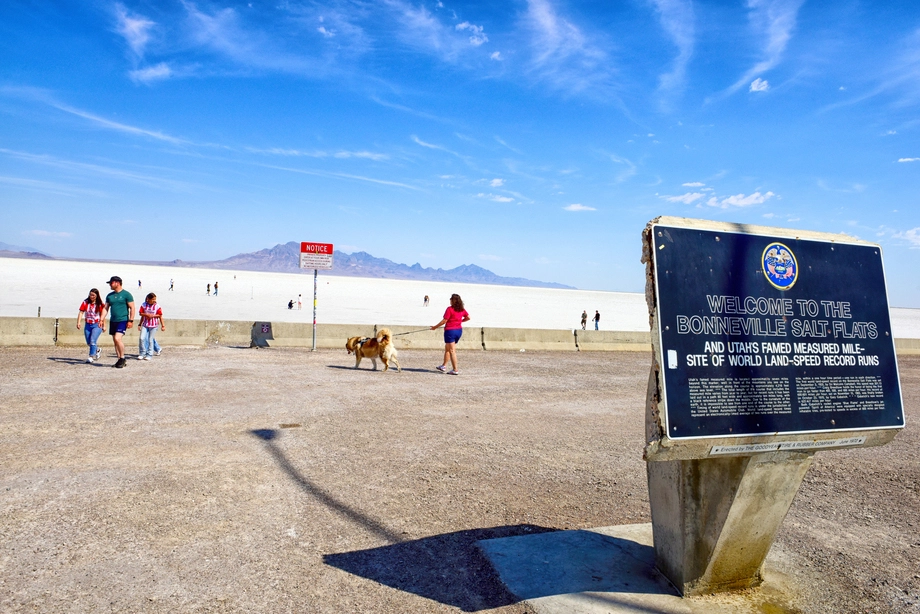
 Bonneville Salt Flats – Sunset Adventure of the White Desert
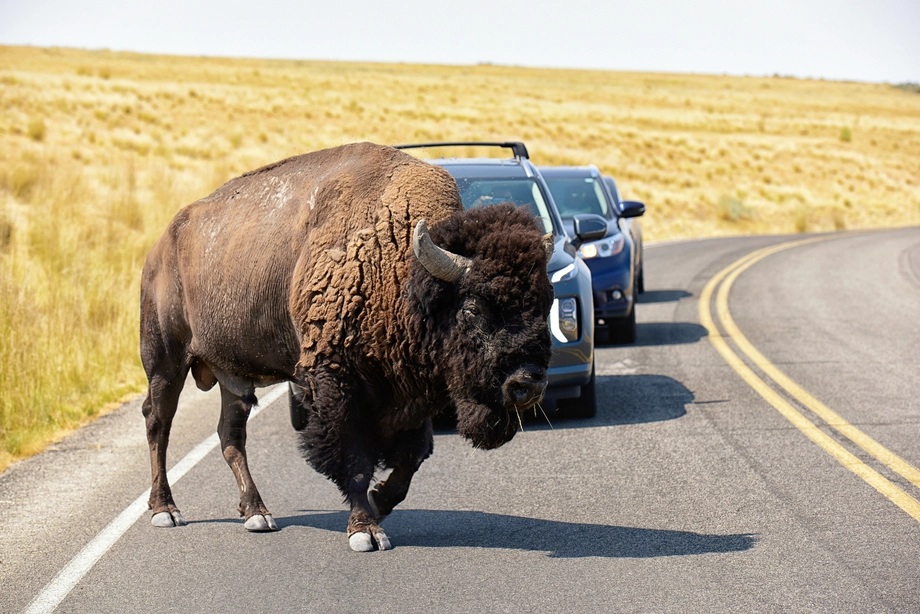 Antelope Island – Wild Heart of the Great Salt Lake Adventure
 Bonneville Salt Flats – Journey to the Edge of the World
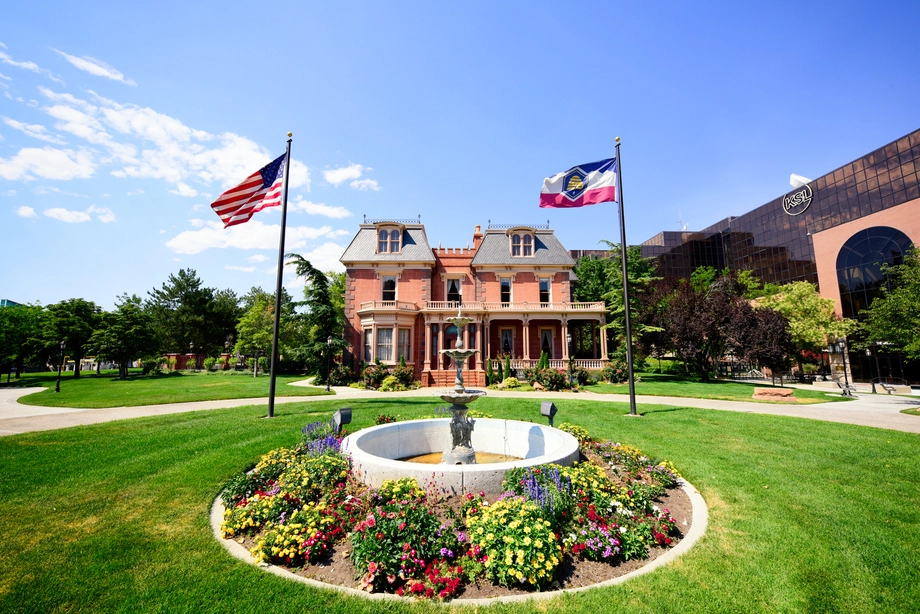 Salt Lake City – The City of Zion. Historical Interactive Walking Tour
 Antelope Island Sunset Wildlife Expedition – Great Salt Lake Odyssey