
Utah Ski Passes: How to Save on Skiing, Tours, and City Time in Salt Lake City
Jan 12, 2026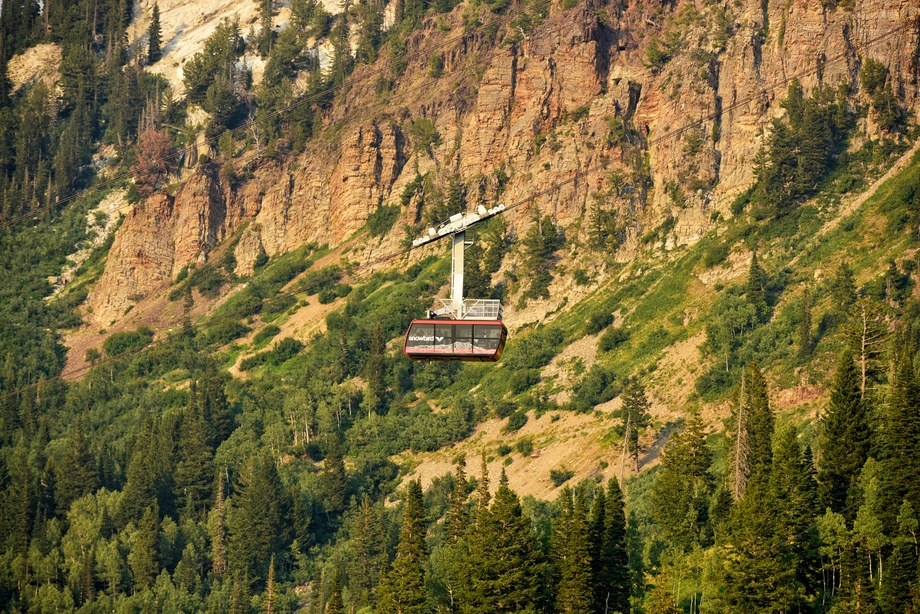
Plan ski days honestly, base in Salt Lake City, and mix resort day tours, walking tours, and national park trips so you only buy the Utah ski access you actually use.
Utah has become a favorite for travelers who want deep snow, varied terrain, and quick access from a major airport. The real challenge today is not finding great skiing. It is keeping your budget under control once you start adding up lift tickets, transport, lodging, and side trips. Smart planning around Utah ski passes can easily be the difference between a rushed, expensive weekend and a relaxed, value packed vacation.
This guide walks through how Utah ski passes typically fit into a trip that starts in Salt Lake City, and how to combine them with organized day tours so you pay for experiences, not confusion and wasted time. You will see how to choose the right pass type for your dates, when day tours to ski resorts make more financial sense than renting a car, how walking and city tours help you save on non ski days, and how to build affordable itineraries that mix skiing with Utah’s national parks and scenic highlights.
Along the way we will look at pros and cons of common strategies, real world style examples, frequent budgeting mistakes, and practical tips you can use before you book anything. If you are trying to stretch your money without cutting back on fun, this is a step by step way to think about Utah ski passes and overall trip design.
How do Utah ski passes fit into a Salt Lake City based trip?
Understanding basic pass and ticket options
Most visitors mix three elements when they budget for skiing in Utah. They consider day tickets or passes for the ski resorts, transportation from Salt Lake City, and activities for days when they do not ski. You do not need to know every pricing detail for each resort to plan well. You only need to understand how many ski days you really want and how flexible your dates are.
In general, more days on snow favor multi day passes or bundles. Short trips with one or two ski days can work well with single day access, especially when it is part of an organized day tour to the mountains. Season passes only make sense if you will return multiple times in one winter or stay for many weeks.
Why Salt Lake City is the budget anchor
Salt Lake City acts as your base of operations. You land at the airport, then decide how much of your time and money goes into city exploration versus ski days versus longer excursions into Utah. Lodging, food, and transportation costs are usually lower in the city than in resort villages, which already tilts the equation toward staying based in Salt Lake City and traveling out to ski on selected days.
That is where organized day tours to Utah ski resorts become part of the ski pass conversation. They bundle transport, local guidance, and flexible time on the slopes so you can treat ski access as a simple line item while you keep most of your trip centered in the city.
Balancing skiing with other Utah experiences
Many travelers want more than just lift laps. They also want to see national parks, salt flats, and wildlife. When you combine skiing with tours to Utah’s national parks from Salt Lake City or with single day sightseeing trips, your total number of ski days often drops. That shift can make expensive long duration passes less efficient compared with a mix of single day access and tours.
In practice, you might ski two or three days, join a small group walking tour of downtown, and then take a day tour to a national park. Looking at your trip this way keeps you focused on cost per experience, not just cost per lift ride.
What are the main ways to save on Utah ski passes?
Match pass type to actual ski days
The biggest savings usually come from aligning your pass choice with the number of days you will truly ski. Many people overestimate how much energy they will have at altitude, especially after travel. They buy access for five or six days and then only use three or four.
Before you decide, map out which days are for arrival, departure, city exploration, national park tours, and Utah ski resort days. Choose passes or tickets that cover only the confirmed ski days. If you feel great and want more time on snow, you can usually add an extra day later instead of wasting prepaid days.
Travel on off peak dates when possible
Prices for lodging and some ski access products tend to be lower outside holiday weeks and major weekends. While exact discounts vary by year and resort, the pattern is simple. Midweek and shoulder season travel usually means more room in your budget.
When your dates are flexible, build your plan around those quieter periods. You can then combine lower cost ski access with more available spots on day tours, including organized trips from Salt Lake City to the slopes or to national parks.
Use organized day tours to ski resorts strategically
Organized one day tours to Utah’s ski resorts start from Salt Lake City and include transfers to and from the mountains. For many visitors this is cheaper and less stressful than renting a car, paying for fuel, dealing with winter driving, and handling resort parking rules on their own.
These day tours give you flexible time on the slopes. You ride to the resort in the morning, enjoy the snow at your own pace, and return with the group. This setup lets you budget a clear daily cost for transportation and on site help with orientation, then decide separately how you want to handle the actual ski pass or lift access that day.
Combine ski days with non ski activities wisely
One of the most effective savings tactics is to treat ski access as one premium experience among several, not the only focus. Non ski days spent on walking tours in Salt Lake City or on day trips to nearby landscapes often cost less than full resort days but deliver a lot of value and memories.
When you design your schedule with this in mind, you naturally purchase fewer ski days. You still get a full trip, and you spread your budget across varied experiences instead of putting everything into passes you might not fully use.
You found a hidden promo code!
Use code WOWBLOG at checkout and get 10% OFF any tour!
Limited time offer. Book now and save!
Browse ToursIs a ski day tour from Salt Lake City cheaper than going on your own?
Cost structure comparison
When you compare doing everything on your own with using an organized day tour to a Utah ski resort, you should consider more than just lift prices. You pay for transportation, time, and the mental cost of planning as well. The table below summarizes a typical comparison for one ski day starting in Salt Lake City.
| Aspect | DIY with rental car | Organized day tour to ski resort |
|---|---|---|
| Transport from Salt Lake City | Rental car, fuel, possible parking fees | Included round trip transfer from the city |
| Planning effort | Research routes, parking, local rules | Route and logistics handled by tour operator |
| On site orientation | Find lifts, rentals, services alone | Help with orientation at the resort |
| Stress for new skiers | Higher, especially in winter driving | Lower, focus on learning and enjoying |
| Flexibility on the slopes | Arrive and leave on your own schedule | Flexible time on slopes within tour schedule |
In short, a day tour to a ski resort often looks slightly more expensive if you only compare raw transport costs. Once you add the value of guidance, saved time, and reduced stress, that small difference often disappears, especially for couples, groups of friends, or families who share the cost.
Time and stress savings
Time has a direct financial value on a short trip. Getting lost, misreading road conditions, or arriving late due to parking issues can cut hours off your ski day. An organized tour leaves from Salt Lake City, drives you to the resort, and brings you back on a predictable schedule so you maximize your time on snow.
For new skiers the stress reduction is even more important. Day tours reduce the mental load because someone else handles the local nuances. You are not trying to learn equipment, mountain layout, and city logistics all at once.
Who benefits most from ski day tours
These tours are especially useful for couples, groups of friends, and families whowant to share transport while keeping their time on the slopes flexible. Experienced skiers benefit from quick access to local information about conditions and terrain, which helps them make the most of a single day at a resort they do not know well.
Beginners and intermediate skiers benefit from lower stress on arrival. With help orienting themselves at the resort, they can focus on taking lessons, staying safe, and enjoying their first Utah turns instead of worrying about logistics.
What are the pros and cons of common Utah ski pass and tour strategies?
Advantages of using day tours and flexible passes
- Lower planning burden: Organized day tours from Salt Lake City bundle transport and orientation, which reduces the time you spend researching routes, parking, and schedules.
- Flexible ski time: You still choose how hard or easy you ski during the day. The tour mostly frames your arrivals and departures, not your actual time on the slopes.
- Better for mixed itineraries: When your trip includes city exploration and national park tours, buying only the ski days you will use usually costs less than a long pass.
- Suited to varied skill levels: Families and mixed ability groups can travel together while each person skis at their own pace once at the resort.
- Stress reduction for new visitors: If you do not know Utah, having a guide handle local nuances is worth real money in avoided mistakes.
Limitations and trade offs to consider
- Less departure flexibility: Day tours have set departure and return times, which may not match very early morning or late evening preferences.
- No ultra long ski marathons: If you like to ski from first chair to last chair, the group schedule might cut into your personal rhythm.
- Not ideal for pure ski only trips: Travelers who want nothing except back to back ski days may find that long duration passes and on site stays fit them better.
- Group dynamic: Even with small groups you share transport with other travelers, which some people may find less private than a personal vehicle.
- Fixed route choices: Tours go to specific resorts. If you want to chase every weather change minute by minute, independent travel offers more freedom.
Pros and cons table for pass strategies
| Strategy | Main pros | Main cons |
|---|---|---|
| Multi day or long pass | Lower cost per ski day when used fully | Money wasted if you ski fewer days than planned |
| Single day access with day tours | Pay only for days used, transport included | Set tour schedule controls start and end times |
| Mostly tours with few ski days | More varied experiences for similar total budget | Less total time on snow |
How can walking tours in Salt Lake City help you save?
Using “free walking tour” style days to balance the budget
Many travelers look for the equivalent of a free walking tour of Salt Lake City as a way to fill non ski days without spending much. Even when a guide led experience is not literally free, a focused few hour walk often costs far less than another full ski day, while still giving you a deep sense of place.
Because these days are less expensive than resort access, they are ideal for arrival days when you are tired or for taking a break from intense skiing. You still explore, learn history, and get oriented, but you slow your spending compared with another day on the slopes.
Self guided walking around downtown
Some visitors prefer a self guided walking tour of Salt Lake City. Downtown is compact enough that you can explore main sights, historic buildings, and public spaces on foot at your own pace. Doing this on a non ski day keeps your transport costs low and lets you decide when to stop for food or rest.
This self guided approach can be combined with a self guided tour of Salt Lake City by public transport or short rides between neighborhoods. It is especially useful for travelers who like flexibility and already enjoy researching city history before they arrive.
Benefits of guided walking tours led by locals
Guided walking tours in Salt Lake City center are led by local guides who know the city’s history, planning, and development. Group sizes are kept small, which gives you room to ask questions and adjust the pace slightly while you move between historic buildings and hidden corners.
Detailed route descriptions include distance, terrain, and estimated duration. That clarity helps you match each walking tour to your fitness, schedule, and interests. These tours work well on your first full day in the city, when you want quick orientation before you head to ski resorts or national parks.
Comparison: free style, self guided, and guided walking
| Option | Cost level | Main benefits | Best for |
|---|---|---|---|
| Free style wandering | Lowest | Maximum flexibility, no schedule | Spontaneous travelers on a tight budget |
| Self guided walking tour of Salt Lake City | Very low | Personal pace with basic route planning | Visitors who enjoy planning and exploring alone |
| Guided walking tour of Salt Lake City center | Moderate | Local stories, history, access to hidden spots | First time visitors who want context and Q&A |
How do national park and Utah day tours fit into a ski budget?
Adding national parks from Salt Lake City
Tours from Salt Lake City to Utah’s national parks include transfers, visits to famous viewpoints, and time for short hikes to arches, ridges, and canyons. They typically cover iconic locations such as Zion, Bryce Canyon, Arches, Canyonlands, and Capitol Reef. Guides share stories about geology, regional history, and local culture while you travel and on short walks.
These experiences shift your cost structure. You trade another ski pass day for a full day of desert landscapes and photography. When you look at your total spend for the trip, this balance often looks more satisfying than stacking more lift days, especially for travelers who may not ski from open to close every day.
Single day tours to Utah highlights
There are also single day tours from Salt Lake City that focus on natural landscapes closer to the city. Common routes include the Bonneville Salt Flats and Antelope Island. These tours are designed for travelers with limited time who still want to see Utah’s big open spaces, wildlife, and unique geography.
The organization is similar. You have transfers, a thought out route, commentary from a guide, and short guided walks. Many of these day tours start from around 35 dollars, with most full day trips around 99 dollars. That fixed price makes budgeting straightforward when you compare it with another full resort day.
Why non ski tours can support your ski budget
When you blend skiing with national park or scenic day tours, you control fatigue and cost at the same time. You avoid paying for ski passes on days when your legs are tired or weather is poor. Instead, you put that money into experiences that work in a wider range of conditions and appeal to non skiing members of your group.
This approach is particularly good for families or mixed interest groups. Skiers get enough time on snow, while others enjoy varied landscapes and stories. Your budget covers a more diverse set of memories rather than being concentrated in one type of activity.
What common mistakes make Utah ski passes more expensive than they need to be?
Typical budgeting errors
- Overbuying ski days: Many visitors pay for more ski days on a pass than they actually use because they forget to account for arrival, rest, and sightseeing days.
- Ignoring transport costs: People often focus on lift access but underestimate what they will spend on rental cars, fuel, and parking if they avoid day tours to ski resorts.
- Planning only around skiing: Visitors who do not budget for walking tours or national park trips sometimes end up booking them at the last minute at higher prices or skipping them entirely.
- Not checking group dynamics: Families and friends with very different energy levels may waste prepaid ski days when some members decide to rest.
- Misusing city days: Treating every non ski day as a shopping or idle day in the hotel can quietly raise food and incidental costs instead of using structured, reasonably priced tours.
Why these mistakes happen
These errors usually come from planning in a hurry or focusing on only one part of the trip, such as skiing, without considering how everything else fits around it. Online information about passes can be overwhelming, so people sometimes grab the first seemingly simple option, even if it does not match their actual schedule.
In many cases they also underestimate fatigue. Altitude, travel, and weather all affect how much skiing feels good. That is why writing out an honest day by day plan before buying any pass is so important.
How to avoid unnecessary spending
The most reliable way to avoid overspending is to plan your days in blocks. Mark which days are for airport and hotel transfers, which are for skiing, which might be for a walking tour of Salt Lake City, and which are for national park or Utah day trips. Then choose passes or single day tickets that match the specific ski blocks.
As several travel best practice guides note, planning the rhythm of a trip first and only then layering in products like passes or tours usually results in lower total cost.
Many ski travel guides emphasize that clear daily planning before purchase is the simplest way to prevent paying for unused ski days and rushed experiences.
General ski travel best practices
What practical tips and real world style examples can you use?
Actionable tips for saving on Utah ski passes
- Start with a calendar: Map out your arrival, departure, likely rest, and sightseeing days before you commit to any pass. Only then decide how many days you really need on snow.
- Anchor in Salt Lake City: Consider staying in the city and using organized day tours to ski resorts instead of moving between resort hotels. This can reduce lodging and transport costs.
- Mix guided and self guided days: Use a guided walking tour on your first day to learn the city, then a self guided walking tour of Salt Lake City later in the week as a low cost, flexible activity.
- Plan at least one non ski highlight: Add a day tour to a national park or to places like the Bonneville Salt Flats and Antelope Island to diversify your experiences without committing to more ski days.
- Check group preferences early: Talk with your travel partners about how many active days in a row they realistically want. Build rest or light activity days into the plan.
- Use small group tours to ask questions: Take advantage of small group sizes on walking and day tours to ask for local advice about restaurants, transport, and less obvious viewpoints. This can save money and time later.
Example 1: Four day winter break with a focus on skiing
Imagine a couple flying into Salt Lake City on a Thursday evening and leaving Monday morning. Instead of buying a three or four day ski pass, they use a more targeted approach. Friday morning they join a small group walking tour of the city center to learn the layout, history, and get local food tips. Friday afternoon is light exploration and rest.
On Saturday and Sunday they book organized day tours to Utah ski resorts, which include transport from the city, help with orientation at the resort, and flexible time on the slopes. They only pay for two full ski days that they know they will use. Their lodging stays in Salt Lake City, which keeps evenings affordable and gives them easy access to restaurants and city life.
Example 2: Week long trip mixing skiing and national parks
Consider a group of friends with seven days in Utah. They stay in Salt Lake City the whole time instead of moving between hotels. Day one is a guided walking tour to get oriented and understand the city’s planning and development. Day two is a self guided tour of Salt Lake City neighborhoods and viewpoints. These first days are low cost but information rich.
Days three and four are organized day tours to the ski resorts, with flexible time on the slopes. Day five is a rest and city day. Day six is a long day tour from Salt Lake City to one or more of Utah’s national parks, with transfers, scenic stops, and short hikes included. Because they only bought lift access for two or three days instead of six or seven, they can afford the national park tour without increasing the total budget much.
Example 3: Family with mixed interests and abilities
A family with two parents and two children wants both snow and scenery. They plan one organized day tour to a ski resort for everyone. The parents and one child ski, while the other child spends part of the day in beginner zones with help from local staff and the rest exploring base area activities.
They add a day tour to the Bonneville Salt Flats and Antelope Island, which interests everyone and has a clear, moderate cost starting from around 35 dollars for some routes, with most full day tours around 99 dollars. The remaining days include a mix of guided and self guided walking around Salt Lake City. The family ends up with a diverse trip that still costs less than buying multiple long duration ski passes.
Conclusion: How to think about Utah ski passes and tours as one system
Saving on Utah ski passes starts with seeing your trip as a whole system rather than a pile of separate purchases. When you anchor your stay in Salt Lake City, use organized day tours to ski resorts, and add affordable city and national park days, you reduce waste and increase variety.
The key is to buy only the ski access you will use, then fill the rest of your schedule with well planned walking tours, self guided city time, and day trips across Utah’s landscapes. This approach controls costs, reduces stress, and gives you more stories to bring home.
If you want help turning these ideas into a concrete itinerary, consider working with MateiTravel to combine ski days, city exploration, and national park tours into one coordinated plan.
Frequently Asked Questions
How many ski days should I plan before choosing a Utah ski pass?
Start by mapping your arrival, departure, likely rest, and sightseeing days. Once you see how many days remain for skiing, choose passes or single day access that match those specific days instead of guessing and overbuying.
When is it better to use a ski day tour from Salt Lake City instead of renting a car?
Day tours work best when you want to avoid winter driving, parking logistics, and route planning. They are especially efficient for couples, families, and small groups who share costs and value guided orientation at the resort.
What exactly does an organized day tour to a Utah ski resort include?
These tours start from Salt Lake City and provide round trip transfers to the ski resort, flexible time on the slopes, and local help with orientation once you arrive. You focus on skiing while the operator handles logistics and timing.
How can a walking tour of Salt Lake City help me save on my ski trip?
A walking tour costs far less than a full ski day but still delivers a strong experience through history, stories, and city orientation. Using walking days as rest days reduces the number of ski passes you need to buy while keeping your trip engaging.
What is the difference between a self guided and a guided walking tour of Salt Lake City?
A self guided walking tour of Salt Lake City uses your own research and pace to explore downtown and nearby areas. A guided walking tour adds a local guide, small group setting, and detailed stories about historic buildings, planning, and hidden spots.
How do national park tours from Salt Lake City affect my ski budget?
National park tours replace potential extra ski days with full days of scenery, short hikes, and guided commentary. You shift some spending from passes to tours, which creates a more varied trip without necessarily increasing the total budget.
What are the most common mistakes people make with Utah ski passes?
Frequent errors include overestimating ski days, ignoring transport costs, and planning only around skiing while forgetting walking tours or national park trips. These mistakes often lead to paying for unused pass days or missing out on non ski highlights.
How much do single day Utah tours from Salt Lake City typically cost?
Some day tours start from about 35 dollars, and most full day tours cost around 99 dollars. These prices make it easy to compare a tour day with the cost of another full ski day in your overall budget.
When should I schedule walking tours during my Utah ski trip?
Walking tours work best on your first full day in Salt Lake City for orientation, on rest days between ski days, or when weather makes skiing less attractive. They keep your days structured and interesting without the cost of additional ski passes.
How can MateiTravel help optimize my Utah ski and tour itinerary?
MateiTravel organizes walking tours, day trips to Utah ski resorts, and tours to national parks from Salt Lake City. By coordinating these elements, they help you match ski access, city exploration, and scenic excursions to your real schedule and budget.

 Bonneville Salt Flats – Sunset Adventure of the White Desert
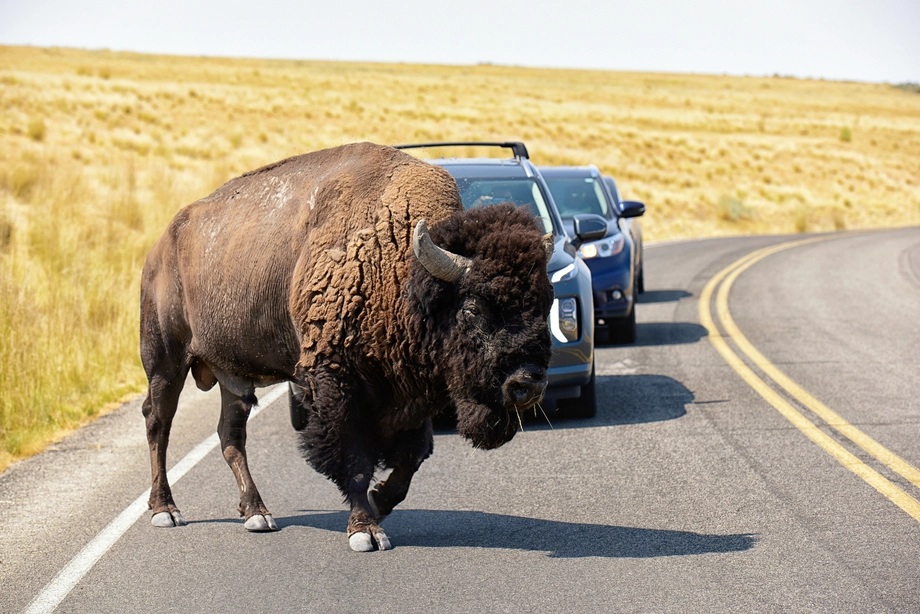 Antelope Island – Wild Heart of the Great Salt Lake Adventure
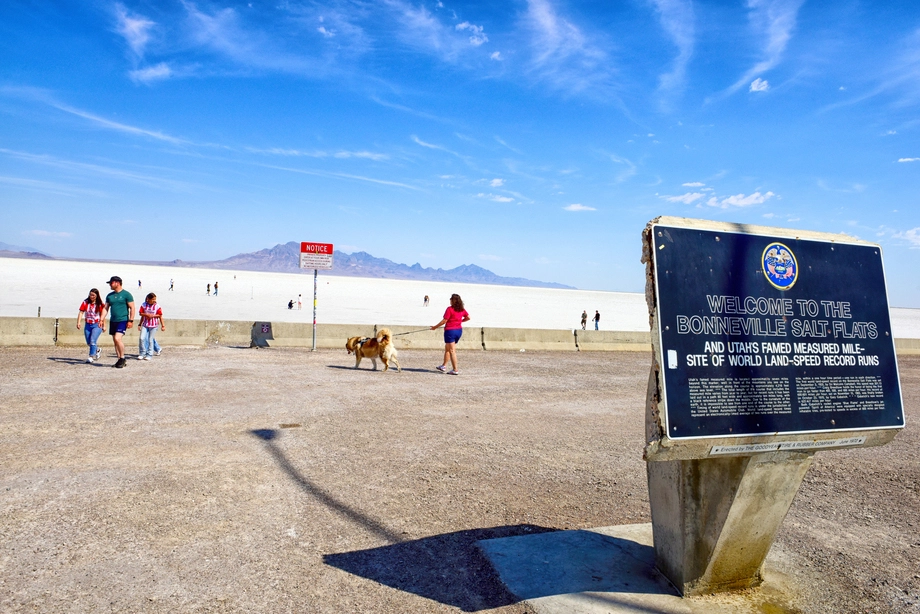 Bonneville Salt Flats – Journey to the Edge of the World
 Salt Lake City – The City of Zion. Historical Interactive Walking Tour
 Antelope Island Sunset Wildlife Expedition – Great Salt Lake Odyssey