
Shoulder Season Travel: When Are the Fewest Tourists in Salt Lake City and Utah?
Jan 8, 2026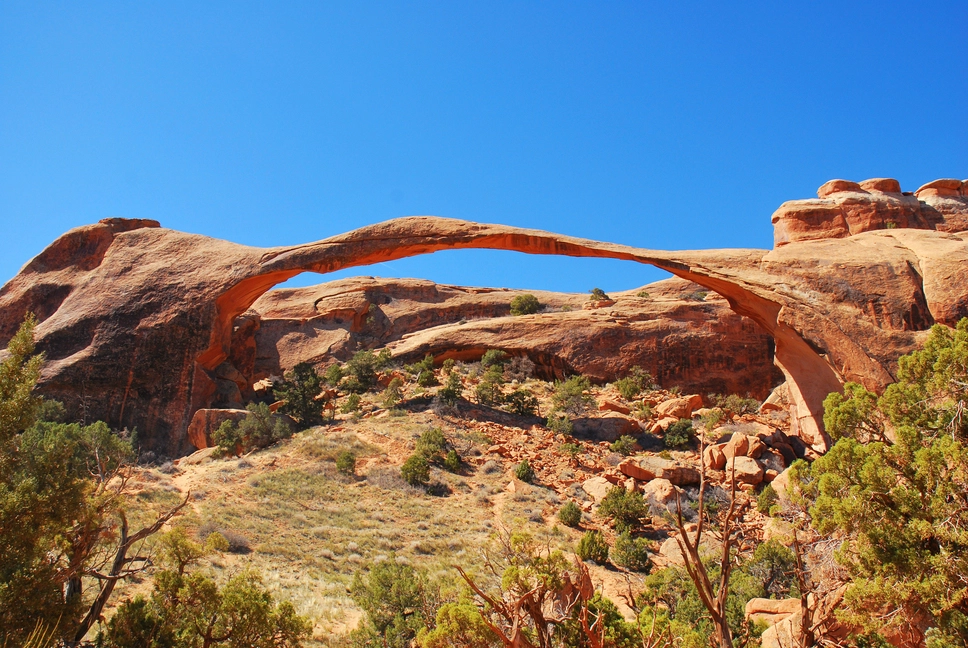
Shoulder and quieter seasons in Utah, especially spring and fall weekdays, offer fewer crowds for Salt Lake City walking tours, ski trips, and national park excursions, with manageable weather and more attentive guiding from local experts.
Travel demand has become more unpredictable in recent years, which makes timing your trip more important than ever. Flights and hotels can sell out in peak weeks while iconic locations feel almost empty just a few days earlier or later. From my experience planning trips across Utah, the biggest missed opportunity for many visitors is not choosing the right travel window, especially when they could enjoy the landscapes and cities with far fewer crowds.
This article explains how to use the shoulder season and quieter travel periods to your advantage when visiting Salt Lake City and the most famous places in Utah. You will learn how visitor flows change during the year, how weather affects your plans, and how to pick the best time for city walking tours, ski day trips, and excursions to national parks. You will also see real examples, typical mistakes, clear pros and cons, and practical tips to help you plan an easy and rewarding trip.
What does “shoulder season” really mean for Utah and Salt Lake City?
How tourism seasonality works
Tourism does not stay constant during the year. In many destinations there is a clear peak, a quiet off-season, and one or two transition periods. Researchers call this pattern “seasonality.” For example, a study of Banff National Park found that the difference between the busiest and the quietest times is more than double.
“The tourism seasonality ratio at Banff National Park ranges from 2.13 to 2.38, indicating significant and persistent tourism seasonality.”
Seasonal Variation in Visitor Satisfaction and Its Management Implications in Banff National Park
While this research focuses on Canada, the same pattern appears in many North American destinations. Utah’s national parks, ski resorts, and cities also go through strong swings between crowded and quiet weeks.
Definition of shoulder season
Shoulder season is the transition period between the high and low seasons. In practical terms, it is when:
- Demand softens: Fewer tourists than in peak months, but services still operate normally.
- Prices often ease: You may find better deals on flights, hotels, and tours.
- Weather is mixed but workable: Some days feel like peak season, others feel closer to off-season.
For Utah, shoulder periods usually appear in spring and fall, though exact weeks vary by activity, such as city walking, desert hiking, or skiing.
High, shoulder, and low season at a glance
To understand when you will see the fewest tourists, it helps to compare typical patterns rather than look for a single “magic week.” The table below gives a general orientation for Utah trips.
| Season type | Typical Utah timing* | Crowds | Service availability |
|---|---|---|---|
| High season (summer in parks, winter on ski slopes) | June–August for national parks; late December–March for skiing | Very busy at main viewpoints and in downtown areas | Maximum tours, longer hours, more events |
| Shoulder season | April–May, September–October (varies by elevation) | Moderate, often comfortable levels | Most tours and activities still running |
| Low season | November–early December, late March, parts of January in cities | Few tourists beyond weekends and holidays | Some services reduced; shorter hours possible |
*These are broad patterns, not exact fixed dates. Weather and holidays can shift them slightly from year to year.
When are city walking tours in Salt Lake City the quietest?
Guided walking tours: best months for fewer crowds
Guided walking tours in downtown Salt Lake City work best when sidewalks are not packed and midday heat is reasonable. Groups on these walks are intentionally kept small, which already avoids the feeling of mass tourism. For the quietest experience with a guide, aim for:
- Early spring: Late March and April often bring fewer visitors, yet most attractions in the center are open.
- Late fall: Early November, outside of holiday weekends, tends to be calm and cool, ideal for moving between historic buildings.
- Weekdays: Even in busier periods, Tuesday to Thursday tours are usually less crowded than weekends.
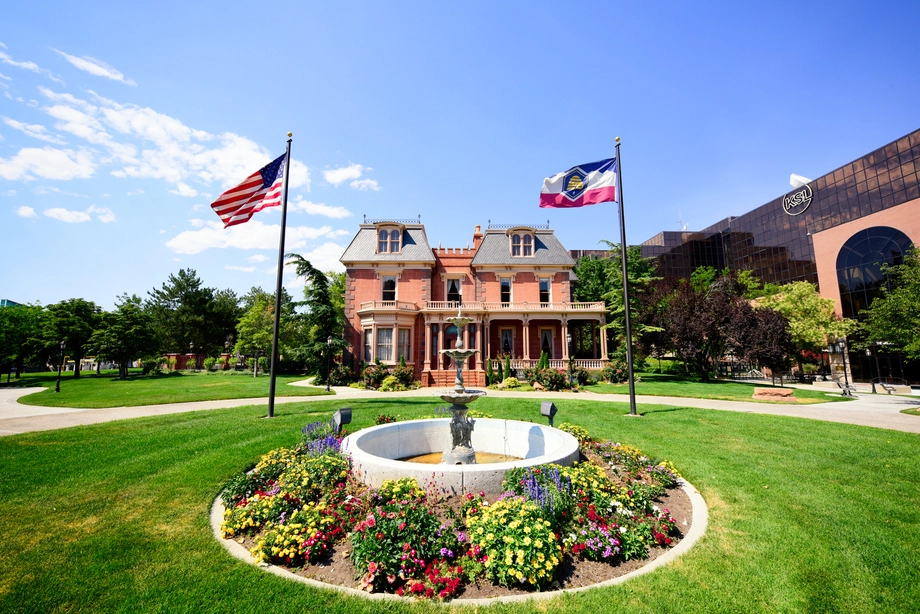
These guided walks are led by local experts who explain the city’s history, urban planning, and development. Routes combine well-known landmarks with small hidden corners that many visitors miss, especially when they only do a quick self-guided loop.
Self-guided walking tours vs guided options
Some travelers consider a self-guided walking tour of Salt Lake City, while others prefer a structured visit with a guide. The best option depends on how you like to explore and how much context you want.
| Aspect | Guided walking tour | Self-guided walking tour |
|---|---|---|
| Local insight | Live stories about history, planning, and local life | Depends on your research and guidebook quality |
| Flexibility | Fixed route and timing, but small groups allow questions | Full control of pace and stops |
| Navigation | Handled by the guide through downtown streets | You manage maps, detours, and wayfinding |
| Ideal time for fewer tourists | Shoulder months and midweek departures | Early mornings or evenings in any season |
In quieter months, both styles work well. During busy weeks, a guided tour can help you move efficiently even when there are more people around, while a self-led walk may require more planning to avoid peak hours.
Is a “free” walking tour realistic in Salt Lake City?
Many big cities advertise a free walking tour model that is technically tip-based. In Salt Lake City, options marketed as a completely free walking tour are limited. Even when the tour itself is low-cost, you still invest your time and attention, so you want to be sure you receive good structure and reliable information.
In practice, choosing a well-organized walking tour of Salt Lake City with clear route details, elevation information, and duration can offer better value than chasing a free option that might not match your schedule. The added benefit is that you can often book online in advance, then relax knowing exactly what you will see on your first day in town.
You found a hidden promo code!
Use code WOWBLOG at checkout and get 10% OFF any tour!
Limited time offer. Book now and save!
Browse ToursHow does seasonality affect day tours from Salt Lake City?
Day tours to Utah’s ski resorts
Winter travel has its own type of seasonality. Day trips from Salt Lake City to Utah’s ski resorts concentrate most demand in school holidays and long weekends. These excursions include transfers from the city, time on the slopes, and support from guides who help both beginners and experienced skiers orient themselves at the resort.
If your goal is fewer people on the roads and at the lifts, consider:
- Non-holiday weekdays: Midweek outside of Christmas and Presidents’ Day can be significantly quieter.
- Early or late in the snow season: Depending on conditions, the first and last few weeks can offer shorter lines and more flexible time on the slopes.
- Smaller groups: Organized day tours often run with a limited number of participants, which keeps the experience more personal even when the resort itself is busy.
These structured ski day tours reduce the stress of navigating winter driving, parking, and local rules. This is especially valuable for new skiers or visitors who do not know the terrain.
Day tours to Utah’s national parks
Many travelers use Salt Lake City as a starting point for trips to Utah’s national parks. Organized tours from the city focus on the famous “Mighty Five” parks. Routes usually include scenic drives, stops at signature viewpoints, and short hikes to arches, canyon rims, or viewpoints.
Crowds in these parks are strongly seasonal. The quietest experiences often occur in the shoulder months of spring and fall, away from school holidays. You still get good daylight hours, while temperatures on popular trails can be more comfortable than in peak summer.
Because these national park tours from Salt Lake City clearly list duration, effort level, and cost, it becomes easier to compare options for different seasons. When fewer tourists are around, guides can often devote more time to questions and deeper stories about geology and local history.
Other Utah day tours with lighter crowds
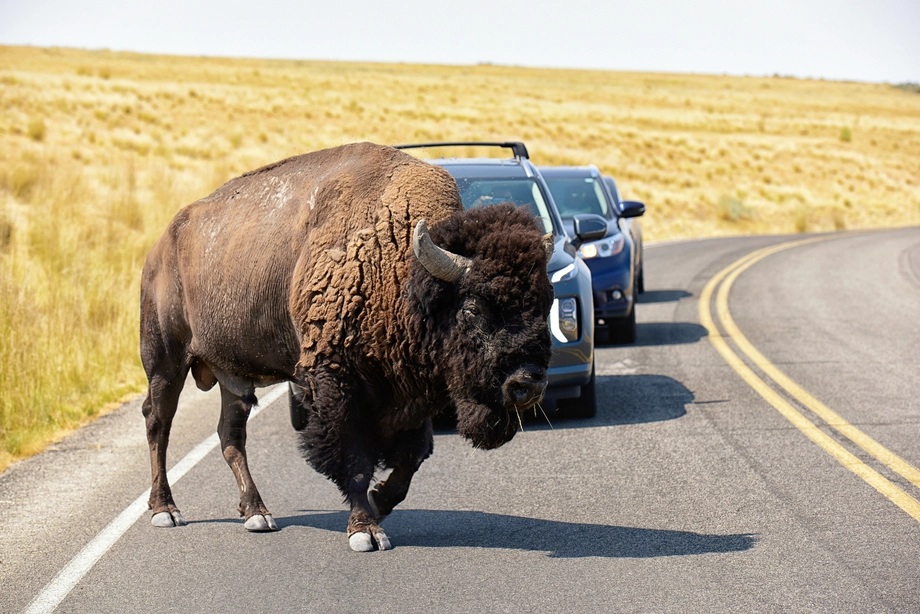
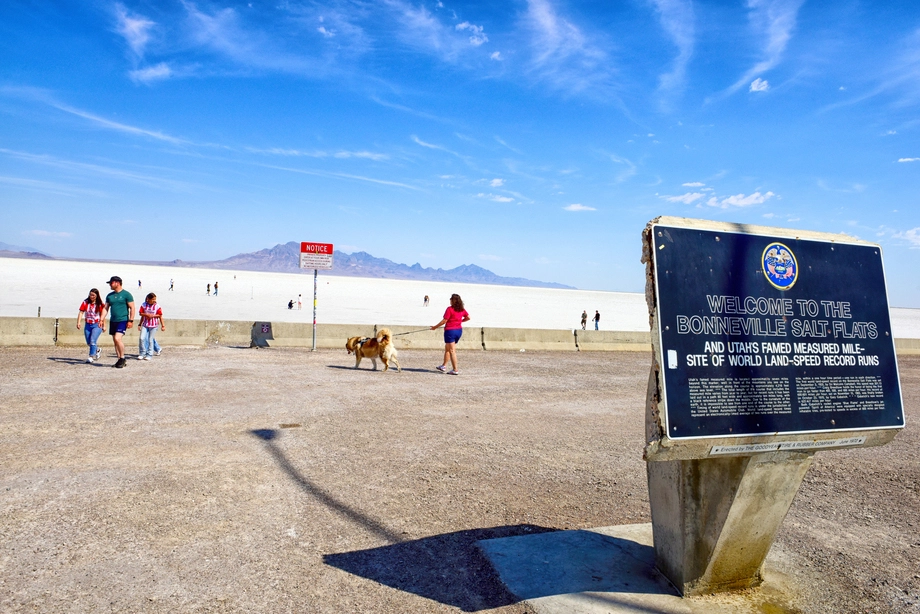
Beyond ski slopes and national parks, there are many other day trips that depart from Salt Lake City to unique landscapes. Options include visits to the Bonneville Salt Flats, Antelope Island, and other open spaces. These day tours are designed for travelers with limited time who still want to see signature Utah environments without handling logistics themselves.
For quieter experiences, look at shoulder season dates and midweek departures. Organized itineraries usually balance driving time with time on location so you can enjoy views, short walks, and wildlife watching without feeling rushed. For an overview of such options, you can explore Utah day tours from Salt Lake City that combine transport, guiding, and realistic schedules.
Pros and cons of traveling in the shoulder and low seasons
Main benefits of traveling when there are fewer tourists
- More space and calm: Viewpoints, city streets, and short trails feel more relaxed, which improves both photos and overall enjoyment.
- Better guide interaction: Smaller or less full tour groups give you more time to ask questions and get tailored tips from local guides.
- Flexible itineraries: With less pressure on schedules, it is often easier to adjust timing, make extra photo stops, or explore hidden spots.
- Potential cost savings: Accommodation and some tour prices may be lower than in peak weeks, especially for weekday travel.
- Local atmosphere: You interact more with residents than with other tourists, which can give a more authentic sense of place.
Limitations and challenges you should expect
- Changeable weather: Spring and fall can bring sudden rain, wind, or even snow at higher elevations, which may affect hikes and viewpoints.
- Shorter daylight: In late fall or early spring there are fewer daylight hours, which limits how many stops a day tour can reasonably include.
- Reduced schedules: Some attractions or services may operate fewer days per week or shorter hours in low season.
- Less festive atmosphere: If you enjoy big crowds and events, shoulder periods can feel a bit quiet in comparison.
- Need for flexibility: Travelers who expect fixed summer-style conditions might feel frustrated when shoulder season requires backup plans.
Realistic examples: How shoulder season changes your trip
Example 1: First day in Salt Lake City on a spring weekday
Imagine you arrive in Salt Lake City in mid-April on a Tuesday. Temperatures in the city are mild, and snow still sits on distant mountains. You book a guided walking tour on your first afternoon. Because it is a weekday in shoulder season, the group is small, and city sidewalks are not crowded.
Your local guide moves at a comfortable pace, stopping at historic buildings and small courtyards that would be easy to miss during a quick solo stroll. You ask several questions about the city’s grid layout and how it has changed over time. With fewer people, photos are easier, and you finish the walk with a clear mental map for the rest of your stay.
Example 2: National park day tour in late October
Now picture a day tour from Salt Lake City to one of Utah’s national parks in late October. The high summer rush has passed. Viewpoints are still open, and roads are mostly clear. Your group travels along scenic roads, stopping for short hikes to arches and viewpoints.
Crowds at the most popular overlooks are present but manageable. The guide explains geology in more detail and has time to help each traveler choose the best short trail based on fitness and interest. The day feels full yet not chaotic, which is typical for a well-planned shoulder-season visit.
Example 3: Ski day trip outside of holidays
Consider a ski day tour that leaves Salt Lake City on a non-holiday Wednesday in January. Snow conditions are good, but most weekend visitors have gone home. Transfer to the resort is smooth, and your group receives orientation help upon arrival.
New skiers benefit because the guide has time to explain where to rent equipment, how to read the trail map, and which slopes to try first. Experienced skiers appreciate quick access to local information on where conditions are best that day. Even if the resort is not empty, the absence of holiday crowds makes the whole experience feel calmer.
Common mistakes travelers make when chasing the quietest season
Planning without checking local patterns
- Ignoring regional differences: Travelers sometimes assume that all of Utah shares the same peak and low seasons, which is not true. Desert parks, ski resorts, and city centers each have their own patterns, so copying a generic “low season” guide can lead to surprises.
- Overlooking school holidays: Even in shoulder months, local and national holidays can briefly create peak-level crowds. Always check major holiday calendars before locking in dates.
- Underestimating weekday benefits: Some visitors focus only on months and forget that Tuesday to Thursday often feel very different from weekends in the same week.
Being unprepared for variable weather
- Packing only for one season: Shoulder periods can combine warm afternoons with chilly mornings. If you pack only light summer clothes, you may feel uncomfortable on early city walks or at higher viewpoints.
- Not having a backup plan: When a trail or outdoor stop is affected by weather, travelers without alternatives can lose most of a day. Having a list of museums, indoor views, or alternative routes avoids this stress.
Misunderstanding “free” or self-guided options
- Expecting a fully free walking tour: In some destinations, tip-based walks are heavily promoted. In Salt Lake City, the better structured options are usually clear about pricing. Relying on the idea of a completely free walking tour can result in disappointment or poor use of time.
- Underestimating navigation effort: A self-guided walking tour of Salt Lake City is appealing for flexibility, but it requires preparation, map use, and sometimes trial and error. Without that, you may miss important buildings and stories that a local guide could easily share.

Practical tips for choosing the best travel window with fewer tourists
Time your trip carefully
- Target shoulder months: For city walks and national park visits, look at April to May and September to October, then avoid school vacation weeks inside those months.
- Prioritize weekdays: When possible, plan guided tours and day trips from Salt Lake City for Tuesday, Wednesday, or Thursday to enjoy naturally lower crowds.
- Use early and late hours: Even in busier weeks, an early morning walking tour of Salt Lake City will feel quieter than a midday stroll, especially near central attractions.
Match activities to the season
- Combine city and nature: In cooler shoulder periods, split your time between downtown walking tours and short hikes in nearby landscapes to balance urban and outdoor experiences.
- Align skiing with off-peak weeks: For ski day tours, try to travel outside of major holidays so the organized transfer and on-site guidance deliver maximum value.
- Plan realistic distances: Day tours to national parks from Salt Lake City are long but manageable when daylight is sufficient. In months with shorter days, choose itineraries that clearly show drive times and stop durations.
Prepare for flexibility and comfort
- Layer your clothing: Pack layers for spring and fall so you can adapt during a walking tour or between sunny viewpoints and shaded streets.
- Book key tours in advance: Even in quieter seasons, the best organized tours can fill up. Secure your preferred dates, then keep your free days flexible around them.
- Ask guides for local timing tips: During a walking tour of Salt Lake City, use the chance to ask which nearby sights or day trips work best at that time of year. Local advice often beats generic online lists.
How guided tours help you maximize quieter seasons
Benefits of expert-led city walking tours
Guided walking tours through central Salt Lake City are particularly useful on your first day. You receive an overview of the city’s structure, hear stories about how it was planned and developed, and discover small side streets and courtyards that casual visitors overlook. In periods with fewer tourists, guides can modify pacing, pause longer at viewpoints, and answer more detailed questions.
Because tour descriptions usually specify distance, duration, and terrain, you can choose a route that matches your comfort level. This clarity is important in shoulder months when weather can change and you may want to know exactly what to expect.
Advantages of organized day trips from the city
Organized day tours, whether to ski resorts, national parks, or unique landscapes like salt flats and islands, remove many of the uncertainties of off-peak travel. Transport, navigation, and timing are handled for you, and guides provide real-time updates if conditions change.
When visitor numbers are lower, these tours often feel even more personal. You spend less time in queues, more time at viewpoints, and you can enjoy thoughtful commentary about geology, wildlife, or local stories without being lost in a large crowd.
Reducing stress for both beginners and experienced travelers
For first-time visitors to Utah, shoulder season can feel risky because of changing weather and less predictable crowds. Having a local guide for walking tours and day trips reduces that risk. They know which areas are comfortable in current conditions and which routes to adjust or skip.
Even experienced travelers benefit. For example, seasoned skiers on Utah resort day tours appreciate quick access to local insights on where snow is best that day, while confident hikers on national park trips gain from guides’ knowledge about trail conditions and lighting for photography.
Choosing the right season is one of the most effective ways to improve your Utah trip without spending more money. Shoulder and quieter periods around Salt Lake City and the state’s main attractions can offer a rare mix of calmer crowds, reasonable weather, and attentive guiding. When you align your walking tours, ski day trips, and national park excursions with these windows, each experience feels more spacious and personal.
In essence, avoiding the absolute peaks gives you more freedom and deeper contact with the places you visit. With realistic expectations about weather, clear planning, and support from local guides, shoulder season becomes not a compromise but often the best way to explore Utah. If you are ready to plan such a trip, consider reaching out to MateiTravel to match your preferred dates with the quietest and most rewarding tours.
English
FAQ
When is the best time to visit Salt Lake City for a quieter walking tour?
The calmest periods for guided walks are usually late March to April and early November, especially on weekdays. These shoulder months offer workable weather and fewer crowds on downtown streets and at main historic sites.
How does a guided walking tour compare to a self-guided walk in Salt Lake City?
A guided tour gives you structured stories, local context, and navigation handled by an expert, which is ideal if it is your first day in the city. A self-guided walk offers full flexibility but demands more preparation and map use to avoid missing important buildings or viewpoints.
Are there really free walking tours in Salt Lake City?
Completely free, tip-only walking tours are not as common here as in some European cities. In practice, you will usually get better value from clearly priced, well-organized tours that publish their routes, duration, and terrain so you know exactly what to expect.
When are Utah’s national parks least crowded if I start from Salt Lake City?
The quieter experiences often fall in April–May and September–October, outside school holidays. Organized day tours in these shoulder months still reach major viewpoints and short hikes but face fewer crowds than in peak summer.
What are the advantages of booking ski day tours in off-peak weeks?
Outside holiday periods, ski day trips from Salt Lake City benefit from smoother transfers and shorter lift lines. Guides also have more time to help beginners orient themselves and to share local tips with experienced skiers about the best slopes that day.
What common mistakes do travelers make when aiming for low season?
Typical errors include ignoring how patterns differ between ski resorts, cities, and parks, and not checking school holidays inside shoulder months. Many also underestimate how quickly shoulder-season weather can change and forget to pack layers or backup indoor activities.
How can I avoid crowds on a Utah day tour from Salt Lake City?
Choose shoulder months and aim for Tuesday to Thursday departures whenever possible. Selecting tours that clearly explain drive times, stop durations, and group size also helps you understand how your day will unfold and how much space you will likely have at each stop.
Is shoulder season a good time for first-time visitors to Utah?
Yes, as long as you are ready for some weather variation and slightly shorter daylight, shoulder periods can be ideal. Guided walking tours, ski day trips, and national park excursions run normally, but you enjoy calmer viewpoints, lighter traffic, and more interaction with local guides.

 Bonneville Salt Flats – Sunset Adventure of the White Desert
 Antelope Island – Wild Heart of the Great Salt Lake Adventure
 Bonneville Salt Flats – Journey to the Edge of the World
 Salt Lake City – The City of Zion. Historical Interactive Walking Tour
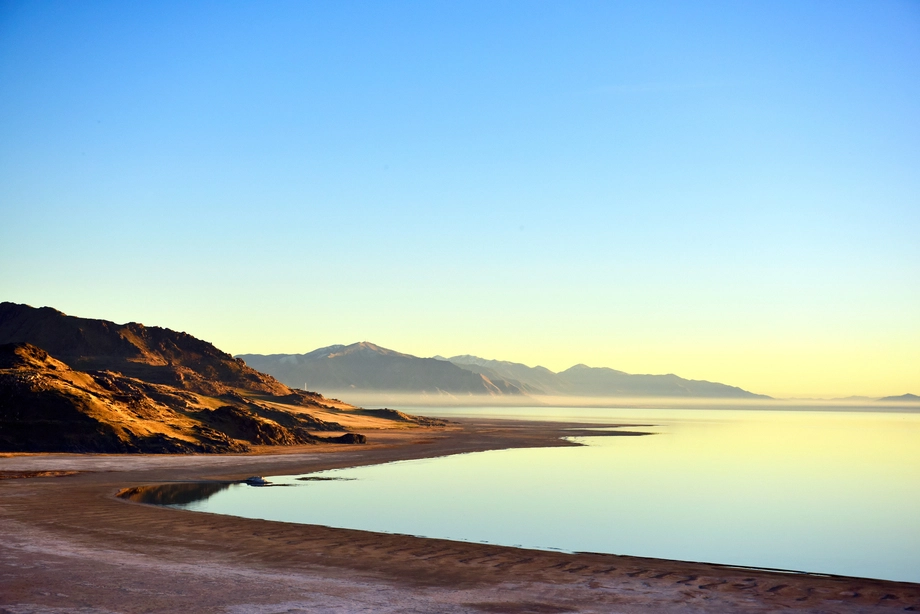 Antelope Island Sunset Wildlife Expedition – Great Salt Lake Odyssey