
What to Pack for a One-Day Hike in Utah: Checklist
Dec 2, 2025
Utah’s trails reward smart preparation. From red rock desert to alpine ridgelines, conditions swing fast, and the right kit turns a good walk into a confident, safe adventure. As tour planners who work with local guides and group logistics, we see the same success pattern over and over. Plan for sun, heat, and surprise winds. Carry essentials that punch above their weight. And use a checklist so nothing critical gets left in the car.
🥾 Core Day-Hike Essentials for Utah
Hydration, navigation, and safety first
Heat and elevation can sneak up on even experienced hikers. According to the National Park Service (2024), Utah hikers should have two liters of water per person, durable footwear, sun protection, a map, and a whistle. That is the baseline for most easy to moderate routes. Add a hydration strategy if your trail has limited shade. Electrolyte tabs help on exposed slickrock days. A small map or downloaded offline map keeps you oriented when cell coverage drops.
“Always pack at least two liters of water per person, durable footwear, sun protection, maps, and a whistle for any Utah hike.”
National Park Service, 2024
Clothing that adapts to the terrain
Layering beats guessing. Desert mornings can be cool, afternoons blazing, and canyon breezes surprisingly chilly. Choose moisture-wicking base layers, a light insulating mid layer, and a weatherproof shell you can stuff into a daypack. The Outdoor Foundation notes a weatherproof jacket and compact nutrition are standard across US day hikers, which lines up perfectly with Utah’s fast-changing conditions.
“Hydration, layered clothing, a light source, and compact nutrition are core kit items for American day hikers.”
Outdoor Foundation, 2024
Smart add-ons that matter in Utah
Utah trails often have sand, slickrock, and uneven steps. Trekking poles save knees on descents. A headlamp covers late finishes and shaded slot canyons. Lip balm with SPF, a brimmed hat, and sunglasses with UV protection protect against high-reflectance sandstone. And yes, carry a small trash bag. Pack it in, pack it out. ♻️
🧭 The Utah Day-Hike Checklist
Use this practical list to move fast without forgetting essentials. Adapt it to the season and the exact trail.
- Hydration and fuel: Two liters of water per person, hydration bladder or bottles, electrolytes, energy snacks like bars or nuts.
- Sun and weather: SPF 30+ sunscreen, brimmed hat, UV sunglasses, lip balm with SPF, light insulating layer, weatherproof jacket.
- Navigation and light: Paper map or offline map, compass or GPS, headlamp with fresh batteries.
- Footwear and comfort: Durable hiking shoes or boots, breathable socks, lightweight trekking poles, small sit pad.
- Safety and health: Whistle, personal ID, basic first aid kit, blister care, personal medications.
- Extras that help: Phone in airplane mode for battery, power bank, multi-tool, small trash bag, quick-dry towel.
The American Hiking Society highlights Utah’s rapid temperature shifts and sun exposure. Build your kit accordingly and err on the side of shade breaks and steady pacing. According to the American Hiking Society (2024), “For Utah, adapt your essentials list to account for rapid temperature changes and sun exposure.”
You found a hidden promo code!
Use code WOWBLOG at checkout and get 10% OFF any tour!
Limited time offer. Book now and save!
Browse Tours🗺️ Planning Tips From the Trail
Match your pack to your route
Short city foothill walks differ from long slickrock loops in national parks. A 16–22 liter daypack fits the list above while leaving room for layers. If you are combining viewpoints and short hikes near Salt Lake, plan a lighter load and top up water between stops.
For curated options that balance time, terrain, and viewpoints, browse Day Tours in Utah. These itineraries share what to bring for each route and season, which simplifies your prep.
Seasonal adjustments that pay off
Spring brings snowmelt and muddy approaches. Consider waterproof footwear and gaiters. Summer requires early starts, extra electrolytes, and shade strategies. Fall can be perfect but windy on ridges. Winter day hikes near ski country may need microspikes and a warmer mid layer. A light emergency blanket weighs almost nothing and doubles as a wind shield.
Safety habits that make a difference
Tell someone your plan and turnaround time. Check weather and trail conditions before you leave. Carry a whistle and know three blasts signal distress. For quick urban-access routes and canyon introductions with a safety-minded approach, see Salt Lake City tours that spotlight personal essentials like snacks, ID, and first aid.
✨ Interesting facts
Utah’s landscapes shape your kit
Sandstone reflects sunlight more than forest floors, so sunscreen and hats do extra work. Narrow canyons can be 10–20 degrees cooler than open slickrock. That is why a light layer often earns its spot even on hot days. 🧢
National park routes are closer than you think
Many classic day hikes sit within comfortable reach of gateway towns. That makes single-day park visits practical with the right start time. If you want a streamlined plan that pairs top trails with transport, check the Utah National Parks options.
Local guides save time and energy
Seasoned Utah guides know when to start for shade, where to refill water, and which overlooks are less crowded. That know-how often lets groups carry less “just-in-case” gear because pacing, breaks, and route choices are smarter from the start. ⚙️
🚐 Why plan with MateiTravel
Experience on the ground
Our local, seasoned guides tailor day plans to skill level and weather. We share packing advice before departure, including sturdy footwear, water, sun protection, and layers, so you arrive prepared and relaxed.
Original routes and effortless logistics
MateiTravel builds unique, thoughtfully timed day tours. Comfortable vehicles handle large groups and private transfers, which means your pack focuses on essentials rather than extra items for uncertain schedules.
Practical value you can feel
You get ready-to-go checklists, clear timing, and routes that maximize scenery without rushing. That is how a single day in Utah feels rich, safe, and memorable. When you are ready, explore curated options across the state with guided day tours and start packing with confidence.
Ready to hike smarter, not heavier? Book with MateiTravel, bring the essentials, and let local expertise handle the rest.
How much water should I carry for a Utah day hike?
Plan for at least two liters of water per person, as recommended by the National Park Service (2024). Add electrolytes for hot or exposed routes to maintain energy and hydration.
What exactly goes into the basic first aid and safety kit you mention?
Pack a small kit with bandages, blister care, personal medications, and a whistle. Include your ID and a light emergency blanket to handle wind or a cooling break in canyons.
What’s the difference between packing for desert slickrock versus a mountain trail?
Desert routes demand stronger sun protection, electrolytes, and a brimmed hat, while mountain trails often require an extra insulating layer and possibly trekking poles for elevation changes. Both benefit from a headlamp and a reliable map.
What if I start late and finish near sunset?
Carry a headlamp with fresh batteries and a warm mid layer. Set a turnaround time and use three whistle blasts if you need help, following standard backcountry signaling guidance.
How do MateiTravel day tours help with packing and logistics?
MateiTravel provides route-specific packing guidance and organizes timing and transport, so you carry only what you need. Local guides optimize start times, shade breaks, and water stops for comfort and safety.

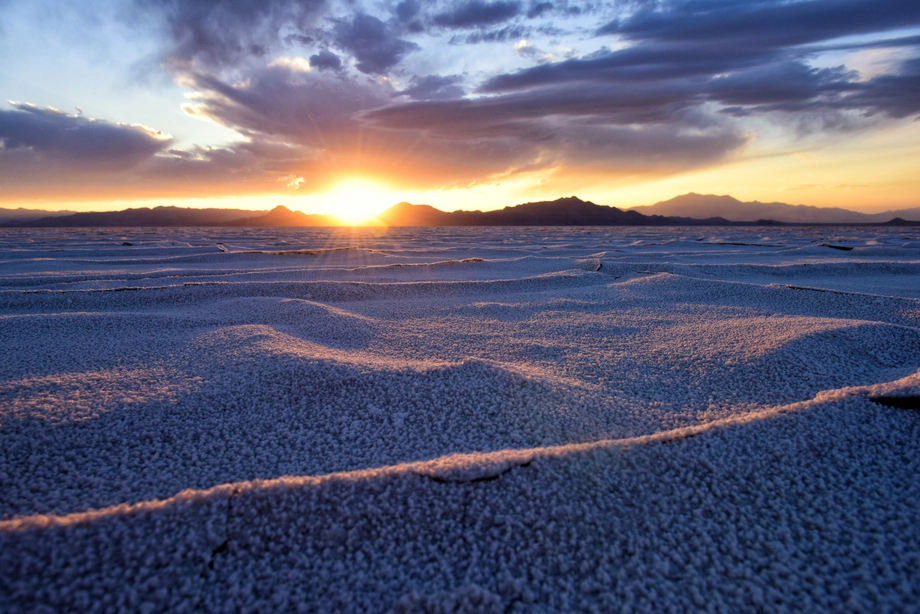 Bonneville Salt Flats – Sunset Adventure of the White Desert
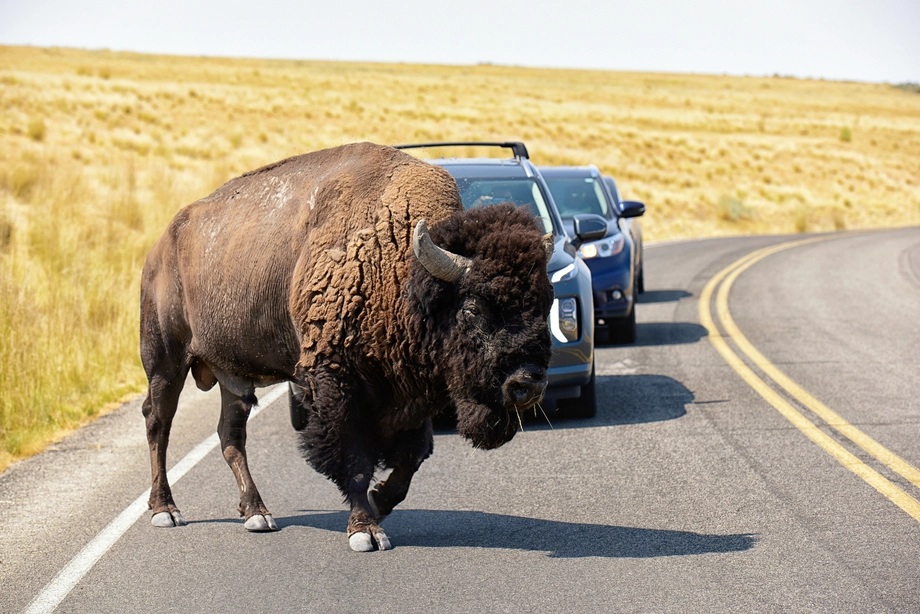 Antelope Island – Wild Heart of the Great Salt Lake Adventure
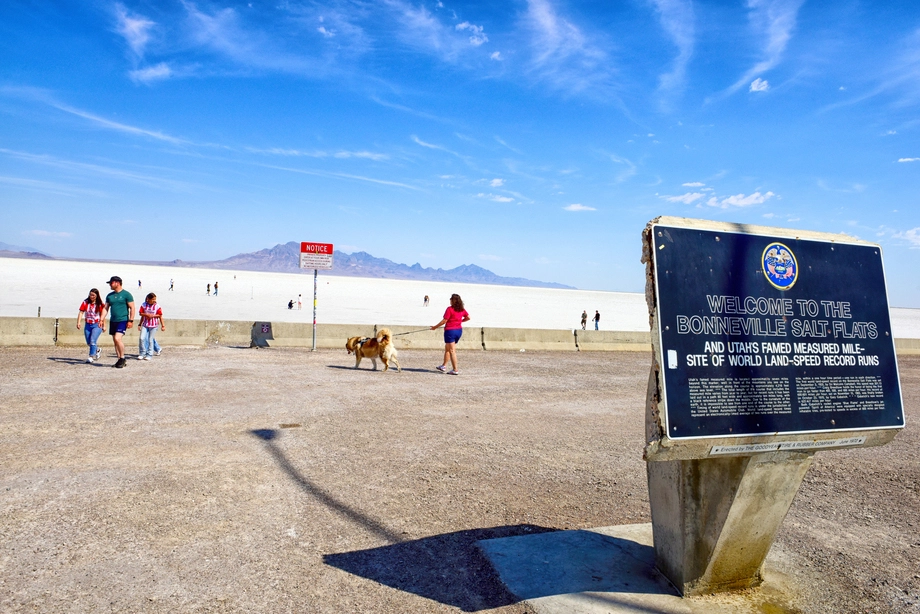 Bonneville Salt Flats – Journey to the Edge of the World
 Salt Lake City – The City of Zion. Historical Interactive Walking Tour
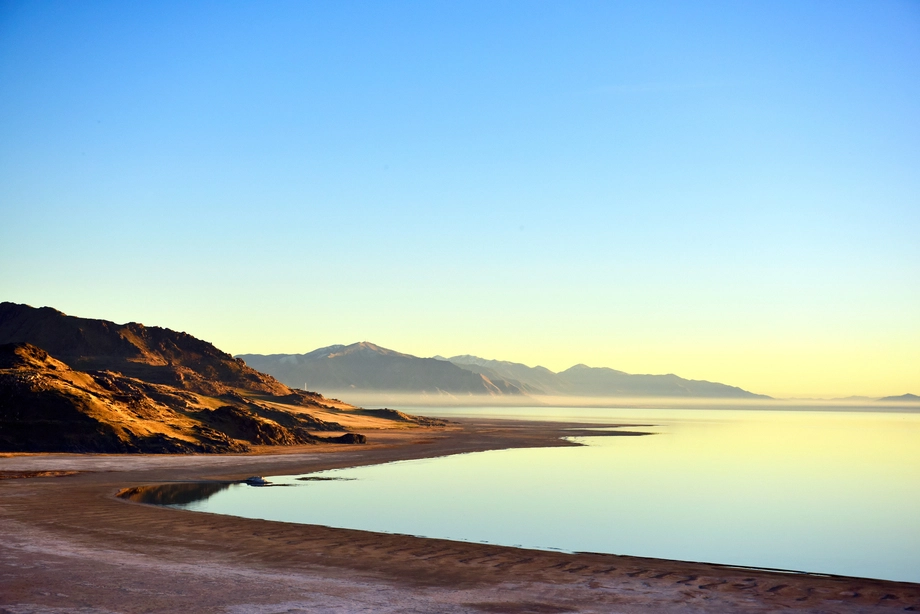 Antelope Island Sunset Wildlife Expedition – Great Salt Lake Odyssey