
What to Do in a Snowstorm at a Resort: Safe, Smart Ideas and Utah Side-Trips
Jan 21, 2026
When a snowstorm shuts your resort, avoid risky skiing and switch to safer options like city walking tours, Utah day trips, or rest days so the storm actually improves your overall trip.
Winter resorts promise blue skies, perfect snow, and long days on the slopes. Then a heavy storm rolls in, lifts close, visibility drops, and suddenly your carefully planned ski day is on hold. Knowing what to do in a snowstorm at a resort is the difference between a wasted day and one of the most memorable parts of your trip.
In this guide, we will look at how to stay safe when conditions deteriorate, how to turn a storm day into a surprisingly rich travel experience, and how to use nearby options in Utah, including city walks and day trips, to rescue your vacation. We will also cover common mistakes, real-world style examples, and practical tips so you can adapt fast instead of just waiting it out.
Along the way, you will see how a structured plan for what to do in a snowstorm at a resort can actually expand your trip, from exploring downtown streets on a guided or self-guided walking tour in Salt Lake City to adding flexible day excursions to national parks with minimal stress.
How dangerous is it to ski or ride during a snowstorm?
Why visibility and collisions matter more than fresh powder
A storm day can look tempting. Fresh snow, quieter lifts, fewer people at the base. The real problem is what you cannot see. Flat light, whiteout conditions, and wind-driven snow all reduce your ability to spot obstacles, ice patches, or other riders in time.
Research on ski and snowboard injuries shows how risky collisions can be. One study from Colorado found that crash-type incidents were strongly linked with more serious trauma.
“Collisions were independently associated with increased injury severity (OR, 3.9; 95% CI, 2.0-7.6; p < 0.001).”
In simple terms, poor visibility multiplies the odds that two people or a person and an object end up in the same place at the same time. That is the big storm-day problem, even for strong skiers and riders.
How resorts react when the weather turns severe
Most resort teams scale operations depending on wind, snow rate, and avalanche risk. They might close upper lifts, put holds on exposed chairs, or shut whole areas while patrol works. Groomers and snow safety crews may be shifted to priority zones, not every run.
From a guest point of view that often looks like long lines on the few open lifts, slow progress around the mountain, and fewer safe route options back to your lodging. If avalanche danger spikes or lightning appears, operations can pause entirely.
When you should absolutely stay off the slopes
There are times when the answer is easy. Stay off the hill. That includes any moment when the resort itself advises against skiing or snowboarding, when you can barely see the next lift tower, or when wind makes chairs swing or closes key lifts.
If you feel pressure to ski because you paid for a ticket, treat that as a red flag. Storm days are exactly when you protect your body, your group, and the rest of your trip by choosing safer options off the snow.
What can you safely enjoy on the resort during a storm day?
Indoor amenities you probably overlook
Resort villages often hide a lot of value behind their doors. When snow is blowing sideways, it is a good time to explore spas, pools, gyms, or wellness centers. Many properties sell day access to saunas and hot tubs even if you are not staying there.
Game rooms, lounges, and quiet reading corners become social hubs during storms. This is a chance to rest legs, hydrate properly, and reset your schedule for the next clear window without feeling like you are wasting time.
Food, drink, and local flavor
Slope-side restaurants and bars are usually less rushed when the main lifts close. You can turn the day into a tasting tour: late breakfast, long coffee, then a slow local dinner. Ask staff about regional dishes or seasonal specials that are easy to miss on a normal rush-through lunch.
In short, treat food as part of the experience, not just fuel. A storm is the perfect excuse to feast and linger a bit.
Planning and learning for the next clear day
Downtime is ideal for planning. Study trail maps, identify safer routes, and pick meeting spots for your group. If you have access to resort orientation videos or avalanche-awareness talks, a storm day is the perfect space to watch them.
You can also read about the area’s history, geology, and culture. That context makes the mountain feel less like a white blur and more like a real place you understand and remember.
You found a hidden promo code!
Use code WOWBLOG at checkout and get 10% OFF any tour!
Limited time offer. Book now and save!
Browse ToursHow can you turn a storm day into a city exploration?
Using the resort as a base for a city break
Many Utah ski trips run through the Salt Lake City area. That opens a simple option when weather shuts lifts for more than a few hours. Go to the city, explore its streets, and come back when the storm eases.
Storms that are brutal up high often feel manageable down in the valley. Roads may still be passable, and visibility far better. That makes a cultural or urban day both safe and surprisingly easy to arrange.
Guided walking tours in downtown Salt Lake City
Local guides run small-group walks through the downtown core that work well as a first-day orientation or as a bad-weather backup. These walks focus on historic buildings, city planning, and the way Salt Lake developed over time. Because groups stay small, it is easy to ask questions and go deeper on the stories that interest you.
You can browse clear descriptions of each route in advance, including distance, elevation changes, and time needed. That matters when you are tired from skiing or dealing with changing weather. You can book online and know exactly what your afternoon looks like before you leave the resort.
Self-guided and free-style city walks
If you prefer to move at your own pace, you can design a self-guided walking tour in Salt Lake City. Use the same basic downtown routes, then add coffee stops, bookstores, or views that match your style. Storms at altitude often mean dramatic, cloud-wrapped mountain backdrops from the city streets.
Some visitors like to build their own version of a free Salt Lake City walking tour by combining public spaces, open buildings, and short informative stops. You still get a rich sense of place, just without a fixed schedule or group.
Should you book storm-proof day trips from Salt Lake City?
Why organized day trips reduce weather stress
When you base in or pass through the city, organized day trips are a powerful safety net for a stormy ski week. Operators can adjust departure times, fine tune stops, or suggest alternate days when the forecast looks better, which is much harder to juggle on your own.
You avoid the mental load of checking back roads, comparing forecasts for several canyons, and figuring out where parking is even allowed during heavy snowfall. That alone keeps group stress much lower.
Day trips to Utah ski resorts from the city
One option is to flip your plan. Instead of staying locked into a single resort, you join a day trip from Salt Lake City to different Utah ski areas. These trips include transfers to and from the mountains and help you orient quickly once you arrive.
You get flexible time on the slopes while local staff handle the practical side. That works well for couples, small groups of friends, or families who want to ski together without arguing about maps and roads in bad weather. It also gives experienced skiers faster access to local advice and lowers stress for people who are new to snow sports.
National park tours as a totally different storm-day backup
If the storm pattern looks stubborn over the high Wasatch peaks, consider a bigger pivot. Tours from Salt Lake City to Utah’s national parks take you to places like Zion, Bryce Canyon, Arches, Canyonlands, and Capitol Reef.
These trips include rides to and from the parks, hits on the classic viewpoints, and short hikes to arches, ridges, or canyon overlooks. You travel on scenic roads with planned stops, while a guide explains geology, history, and local stories. When storm systems hit one region, guides can often adjust the timing or focus on parks with better conditions.
What about short one-day nature trips when the resort is closed?
Quick escapes to iconic Utah landscapes
Some days you just need to get out of the storm zone for a few hours. Short one-day trips from Salt Lake City to the wider Utah landscape work especially well when your resort plan is falling apart but you still want to see something big.
Common routes include the Bonneville Salt Flats or Antelope Island. These combine open horizons with manageable travel times. You get a strong sense of Utah’s wider character without committing to multi-day travel.
How these day tours are structured
These one-day outings are designed for people with limited time who still want to fit in a couple of major sights. The price usually starts around 35 dollars, with many full one-day options about 99 dollars. That cost generally covers transfers, a planned route, guiding, and support on short walking sections.
In practice you get a balance between time on the road and time actually exploring, which keeps the day full but realistic. It is a great choice for families, friend groups, or anyone who wants stress-free travel instead of managing logistics during a snowstorm.
Comparing Utah day options for a storm-affected trip
To make choices easier when your ski resort is shut, it helps to compare the main types of outings you can pivot to from the Salt Lake area.
| Option | Main focus | Typical duration | Best for |
|---|---|---|---|
| Downtown walking tour | History, architecture, city stories | 2–3 hours | First-time visitors, culture lovers |
| Day trip to ski resort | Skiing or riding with easy logistics | Full day | Couples, families, mixed-skill groups |
| National park tour | Scenery, short hikes, viewpoints | Full day or longer | Travelers wanting “Mighty Five” style sights |
| One-day Utah landscape trip | Salt flats, wildlife, open spaces | Half to full day | Storm backups, limited-time visitors |
Pros and cons of leaving the resort during a snowstorm
Advantages of pivoting away from the slopes
- Safety: You avoid the elevated collision and injury risk that comes with poor visibility and partial lift closures.
- More experiences: You can fit in city culture, history, and national parks instead of just waiting in your room.
- Lower stress: Organized tours remove the need to research back roads, parking rules, and weather windows by yourself.
- Better use of time: You still get a full day of meaningful activity while the storm does its work on the snowpack.
- Local insight: Guides share stories and context that you rarely get if you just stay at the resort bar.
Limitations and trade-offs to keep in mind
- Less spontaneity: Joining set tours means following someone else’s schedule and pace.
- Added cost: City tours and day trips are extra on top of your lodging and lift tickets.
- Travel time: You spend part of the day in vehicles instead of walking directly from your room to activities.
- Weather uncertainty: Occasionally the storm clears faster than expected, and you may miss a surprise powder window.
- Energy management: Packed itineraries can be tiring right when your body might benefit from simple rest.
Common mistakes people make during a resort snowstorm
Underestimating risk because “it’s just snow”
Many guests assume that if the resort is technically open, they are fine to ski every part of it as usual. That ignores the way visibility and wind change real risk on the ground. As the research on collisions shows, when riders cannot see each other well, outcomes get more serious more often.
To avoid this mistake, match your terrain choices to what you can actually see, not what is usually safe on a bluebird day. If visibility collapses, call it.
Staying stuck in the room instead of adjusting the plan
Another frequent error is doing nothing. People sit in their hotel rooms refreshing the forecast and feeling frustrated. By the time they decide to do something else, most of the day is gone.
You can avoid this by deciding in advance that if lifts are closed or conditions look poor at a certain time, you will pivot to a Salt Lake City walking tour, a self-guided city loop, or a simple spa and food day.
Trying to self-drive unfamiliar winter roads
Storms often make mountain canyon roads the most dangerous part of your trip. Visitors who are not used to high-elevation snow sometimes try to drive anyway because they do not want to “waste” their gear rental or lift ticket.
It is better to lean on transfers included in day trips whenever possible. That way local drivers with area knowledge handle chains, traction laws, and variable conditions.
Ignoring fatigue and overbooking backup activities
Finally, some people try to cram in a full city itinerary, late night drinks, and an early powder hunt the moment the storm breaks. That is a shortcut to tired legs and higher crash risk.
Use storm days to rest strategically. Pick one or two key activities, not five. Let your body reset so you can enjoy clearer days fully.

Practical tips to make your storm plan actually work
Set a simple decision rule for the day
It helps to agree on a trigger. For example, if upper lifts are closed by 10 a.m., or if visibility is below a certain level from the base, your group moves to Plan B. Clear rules remove arguments and guilt about leaving the hill.
Write this down the night before if a storm is forecast. Everyone will know what to expect when they wake up.
Keep one “urban day” pre-planned
Prepare a light city plan you can activate at short notice. That might be a morning downtown walk with a guide, lunch in a neighborhood you want to explore, and an afternoon museum or café crawl.
Think of it as your personal version of a free Salt Lake City walking tour, shaped to your interests. When a storm hits, you simply slot in that plan instead of starting from zero.
Use organized tours for the longer pivots
For anything beyond a quick city stroll, use structured options. Day trips to Utah ski resorts from the city, national park tours, and one-day Utah landscape excursions all include transfers and guidance. That keeps you away from the stress of winter driving and route planning.
MateiTravel, for example, focuses on putting all those pieces together so you can decide quickly and still get a meaningful day out while the mountains reset.
Balance your week, not just the day
Try to see the storm in the context of your whole trip. A full rest day with light walking can make your next two ski days better. A well-timed national park side-trip might become the part of the vacation you talk about most later.
So when in doubt, pick the option that leaves you feeling more rested, informed, and excited, not just the one that squeezes in the most miles.
Two storm-day scenarios and how to handle them
Case 1: Family ski week blocked by a two-day storm
Imagine a family of four on a Utah ski vacation. A strong system rolls in on day three, upper lifts close, and the forecast shows another 24 hours of heavy snow. They decide to split their response.
On the first storm day they book a small downtown walking tour from Salt Lake City. The guide introduces them to historic streets, building stories, and how the city was laid out. The next morning they take a one-day trip to see open desert landscapes and wildlife, which gives the storm time to settle and rebuild powder for their final ski days.
Case 2: Friends’ trip with mixed skill levels
A group of friends with different ski abilities shares a short trip. The least experienced member is already tired when a storm arrives, limiting terrain. Instead of forcing everyone out, they agree to explore the city for half a day and then rest.
They create their own self-guided walking tour in Salt Lake City using a rough loop, coffees, and views. The stronger skiers get a break from constant coaching, while the newer skier rests enough to feel confident again when the weather clears.
Quick comparison of storm-day choices
Which backup makes the most sense for you?
Different travelers will favor different options. To keep it simple, you can think in terms of how active you want to be and how far you want to travel from the resort base.
| Preference | Best choice | Effort level | Notes |
|---|---|---|---|
| Stay close and rest | Spa, lounge, indoor resort activities | Low | Great when your body needs recovery |
| Light activity, short travel | Guided or free-style city walking tour | Low–medium | Good mix of culture and movement |
| Full-day adventure | National park or landscape day tour | Medium | See iconic Utah sights without self-driving |
| Still want to ski | Day trip from city to another resort | Medium–high | Use local guidance to find better conditions |
How MateiTravel fits into a flexible storm strategy
In practice, the most reliable storm strategy is not one specific activity. It is access to several backup options that are easy to activate when the weather shifts. That is where a company focused on Utah tours, like MateiTravel, can help.
They handle the structure, timing, and transfers for city walks, ski day trips, national parks, and one-day excursions. You bring your preferences and energy level, and together you build a realistic Plan B that can turn a snowstorm at your resort into a highlight instead of a headache.
Storms do not have to ruin your time at a winter resort. When lifts close or visibility drops, you can stay safe, explore nearby cities, and even add national parks or desert scenery to your trip.
The key is to treat bad weather as a cue to pivot, not a reason to sit and wait. With simple decision rules and a few ready-made options, a snowstorm becomes an opportunity to deepen your experience of Utah.
If you want help building that kind of flexible plan, consider using MateiTravel tours and walking experiences as your backup layer. You will come home with more stories, not just more complaints about the weather.
FAQ
What is the safest thing to do when visibility drops during a snowstorm?
The safest move is to scale back or stop skiing when you cannot clearly see terrain features or other riders. Research shows collisions are linked with more severe injuries, so poor visibility is a major signal to shift to indoor or city-based activities instead.
How can I quickly pivot from a closed resort day to a city experience?
Set a clear rule in advance, such as deciding that if key lifts are closed by mid-morning you will head into the city. Then rely on a pre-planned walking route or small-group downtown tour so you are not wasting time researching options when the storm hits.
What exactly is a guided walking tour in downtown Salt Lake City?
It is a small-group walk led by a local guide through the central area of the city. Routes focus on historic buildings, planning, and development, and because groups are small, you can ask questions and get detailed stories as you go.
How is a self-guided walking tour different from an organized one?
A self-guided walking tour in Salt Lake City uses similar streets and landmarks, but you choose the pace and stops on your own. An organized tour adds a guide, a set time frame, and structured stories, while a self-guided option feels more flexible and informal.
What should I avoid doing during a resort snowstorm?
Avoid insisting on skiing full speed in whiteout conditions or driving unfamiliar winter roads just to reach a different lift. Both choices raise risk without adding much value, especially when safer alternatives like city walks or organized day trips are available.
How much time do I need for a downtown walking tour versus a full day trip?
Most city walking tours take around two to three hours, which fits nicely into a half-day storm plan. Full day trips to ski resorts, national parks, or signature Utah landscapes usually fill the whole day with transfers, viewpoints, and short walks.
When is it worth booking a national park tour instead of waiting for better ski weather?
If the forecast shows at least a full day of poor visibility and lift closures, it often makes sense to commit to a national park or landscape tour. That lets you turn a lost ski day into a major highlight, especially when visiting iconic spots like Zion or Bryce Canyon.
How do organized day trips from Salt Lake City help during storms?
They include transfers, planned routes, and guiding, so you are not dealing with winter driving, parking rules, or last-minute logistics yourself. This reduces stress and lets you still enjoy a full, structured day while the mountains recover from heavy snowfall.
What role can MateiTravel play in planning for stormy days?
MateiTravel organizes Utah tours from Salt Lake City, including walking experiences, ski resort day trips, national park visits, and one-day nature outings. Using their options as a backup layer gives you ready-made alternatives whenever your resort gets shut down by a snowstorm.

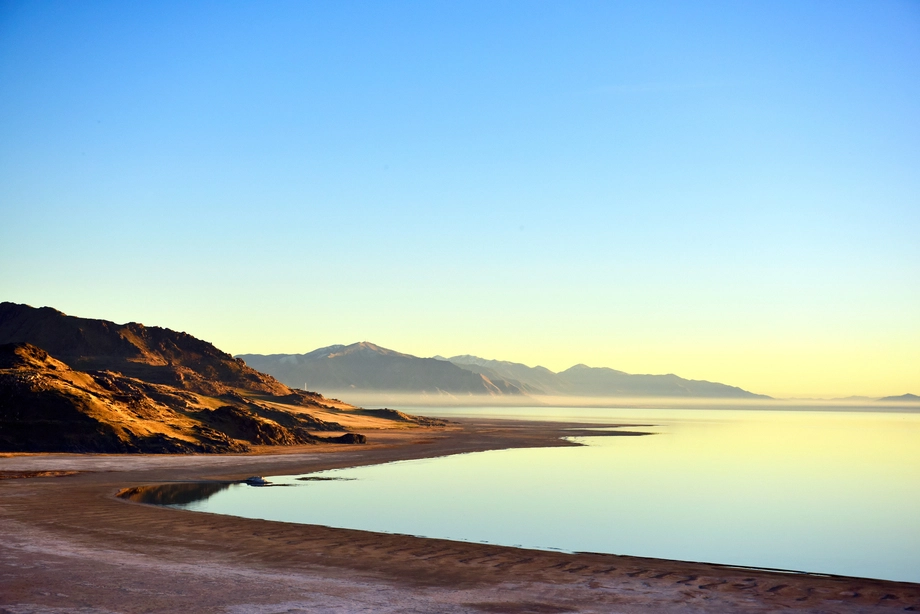 Antelope Island Sunset Wildlife Expedition – Great Salt Lake Odyssey
 Salt Lake City – The City of Zion. Historical Interactive Walking Tour
 Bonneville Salt Flats – Sunset Adventure of the White Desert
 Antelope Island – Wild Heart of the Great Salt Lake Adventure
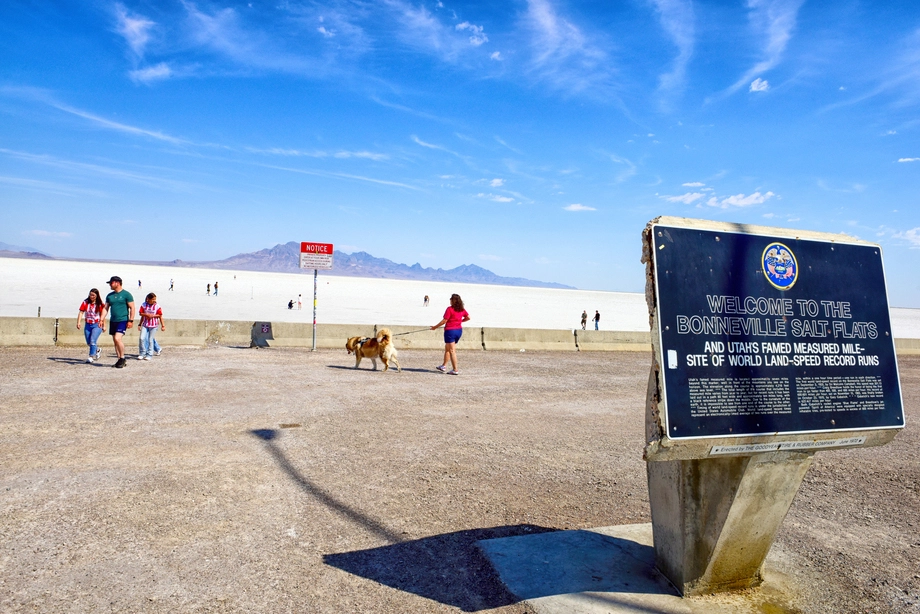 Bonneville Salt Flats – Journey to the Edge of the World