
Salt Lake City Day Trip Planner to Bryce Canyon, Including Senior Discount Tips
Jun 9, 2026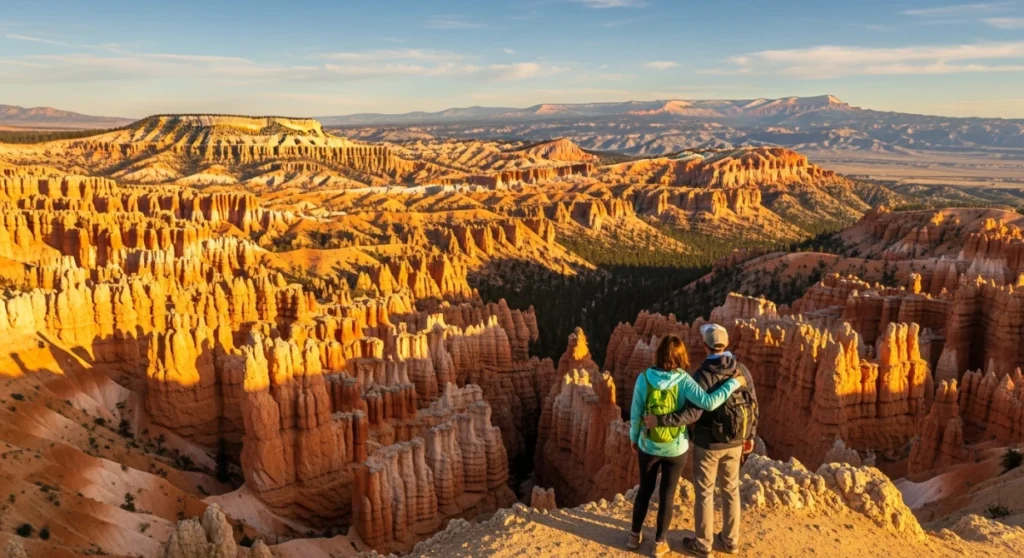
Yes, a same-day Bryce Canyon trip from Salt Lake City is possible, but it is a very long day with more than 9 hours of driving. For many seniors, a guided trip or overnight plan is the lower-stress choice.
The mistake we see most often is treating Bryce Canyon like an easy add-on from Salt Lake City. On a map it looks doable, but once you combine roughly 4.5 hours each way on the road, Bryce’s high elevation, and the time needed to see more than one overlook, the day gets tight fast.
This kind of route planning matters most for travelers with limited time, mixed mobility, or older adults in the group. A Bryce Canyon day trip from Salt Lake City is a real category of long-distance national park outing, and the difference between a rewarding day and an exhausting one usually comes down to pacing, not enthusiasm.
Is a Bryce Canyon day trip from Salt Lake City realistic for you?
Yes, but only for the right traveler profile. If you are comfortable with an early departure, a long return drive, and a limited park plan, it can work. If you are traveling with seniors, are sensitive to altitude, or want a full hike plus a relaxed pace, a guided trip or overnight stay is often the wiser choice.
We plan these Utah routes around the hidden constraint, which is total energy load rather than just mileage. A same-day run is most realistic for travelers who can accept one major park experience, not a leisurely full-day exploration with lots of spontaneous stops.
Use this quick filter before you commit:
- Good fit for a same-day self-drive: Two confident drivers, comfortable with pre-dawn departure and night driving, happy with viewpoints and one short walk.
- Good fit for a guided day: Solo travelers, couples, visitors unfamiliar with Utah roads, and families with seniors who want less decision fatigue.
- Better as an overnight: Anyone wanting the signature hike plus several viewpoints plus a relaxed lunch and rest breaks.
- Usually not ideal as a same-day dash: Travelers with significant mobility limits, those who tire easily at altitude, or anyone uneasy with a 9-plus-hour driving day.
If your group includes older adults, the key question is not age alone. It is whether everyone handles long seated travel, thinner air, cooler temperatures, and stair or slope walking without a late-day crash.
What are the real driving realities from Salt Lake City to Bryce Canyon?
The drive is long enough to shape the whole day. Expect about 270 miles and roughly 4.5 hours each way, which puts a same-day round trip above 9 hours of driving before park stops, meals, or traffic delays.
That number is why so many DIY plans fail in practice. People budget “a few scenic stops” and a full park visit, then discover that every extra half hour pushes the return into darkness and fatigue.
For this route, the driving burden breaks down like this:
| Phase | What it means in practice | Main planning risk |
|---|---|---|
| Salt Lake City to Bryce area | Roughly 4.5 hours of highway time with minimal detours | Late departure cuts directly into park time |
| Inside or near the park | Viewpoint stops, parking circulation, shuttle waits in season, restroom breaks | Park logistics consume more time than expected |
| Bryce area back to Salt Lake City | Another roughly 4.5 hours, often after walking at elevation | Driver fatigue and dark-road stress |
Season matters too. In summer, longer daylight helps, but parking stress rises. In cooler months, road conditions and shorter days can make the return feel more demanding even when crowds are lighter.
This is exactly where a structured option can help. Our Utah Day Tours are built for travelers who want a realistic schedule instead of guessing how much time they can squeeze into one day.
You found a hidden promo code!
Use code WOWBLOG at checkout and get 10% OFF any tour!
Limited time offer. Book now and save!
Browse ToursHow does Bryce’s elevation and climate affect a one-day visit, especially for seniors?
Elevation can turn a simple sightseeing stop into a tiring day, even for otherwise healthy travelers. Bryce ranges from about 6,300 feet to over 9,000 feet, so shortness of breath, fatigue, and faster dehydration are common, especially if you arrived from lower elevation and started the day before dawn.
Seniors do not automatically have problems at altitude, but they often benefit from a more conservative plan. The issue is cumulative load: long drive, less water than usual, cooler air, walking uphill from viewpoints, and a rushed schedule.
We build altitude-aware pacing into park days because the difference between a good visit and an overdone one is often simple:
- Start hydrating early: Drink water before arrival, not only once you feel thirsty in the park.
- Choose your walk after you arrive: If anyone feels winded at the rim, stick to overlook stops instead of forcing a descent.
- Expect cooler temperatures: Bryce can feel much cooler than Salt Lake City, particularly in the morning and at overlooks.
- Use shorter efforts first: Begin with easy rim viewpoints before deciding on a longer trail.
- Protect the return drive: If the group looks drained by early afternoon, cut the hike and keep energy for the trip back.
For mixed-age groups, the safest default is a rim-focused plan with the option to add only part of a trail. That gives seniors a meaningful Bryce experience without committing everyone to a longer climb back out of the canyon.
When is the best time of year and time of day to attempt this route?
The best setup is a long-daylight period with an early arrival at the park. Summer and early fall give you more usable daylight, but they also bring heavier parking pressure, so you need to leave Salt Lake City very early if you want the smoothest day.
In peak season, parking at popular viewpoints such as Sunrise and Sunset Points can fill early. Bryce’s free shuttle, which generally runs from late April through October, helps manage congestion, but it should be treated as a planning tool rather than a guarantee of zero waiting.
Here is the practical tradeoff by season:
- Late spring through early fall: Best daylight for a same-day run, but more visitors and more parking competition.
- Mid-summer: Easiest for daylight, hardest for crowd management at main stops.
- Shoulder season: Often less hectic, but mornings are colder and your timing margin is smaller.
- Short-day periods: Usually the least forgiving choice for a same-day out-and-back unless your plan is very limited.
Best time of day is simple. Arrive early enough that you are not fighting late-morning parking patterns, and leave the park early enough that the return drive does not become the hardest part of the trip.
Which plan variant should you choose: self-drive, guided day tour, or make it multi-day?
Choose self-drive only if your group can handle the full burden of timing, navigation, and fatigue. Choose a guided day if you want the route to feel manageable. Choose multi-day if comfort matters more than checking Bryce off in one day.
This is the decision point that matters most. The park itself is not the only challenge. The full experience includes departure logistics, rest-stop discipline, parking strategy, walking choices, and the mental load of getting home safely after a long day.
| Plan | Best for | Main strengths | Main drawbacks |
|---|---|---|---|
| Self-drive | Independent travelers with strong stamina and ideally two drivers | Maximum flexibility, easiest to customize stops | Long driving burden, parking stress, more decision fatigue |
| Guided same-day trip | Seniors, solo travelers, mixed-age groups, short-stay visitors | Less logistics, no driving fatigue, clearer pacing, local guidance | Less spontaneous than solo driving, still a long day |
| Multi-day park trip | Travelers who want Bryce without rushing | More comfortable pace, better time for viewpoints and walks | Requires more time in the itinerary |
For travelers comparing DIY against a guided option, the hidden cost of going alone is not just fuel or car rental. It is the toll of staying alert on unfamiliar roads before sunrise and after a tiring afternoon at elevation.
Our view is straightforward: if your party includes seniors or anyone who would rather spend energy on the canyon than on the highway, look first at Utah National Parks Tours. We design these routes from Salt Lake City with realistic drive time, viewpoint time, and walking level in mind, and we are transparent when a route is better handled as more than a single long day.
Self-drive pros and cons for senior travelers
Self-driving gives you control, but it demands the most from the person behind the wheel. For seniors, or for adult children traveling with senior parents, flexibility can be helpful, but only if the driver is not sacrificing safety and comfort to preserve the schedule.
- Pros: You can shorten the day, skip hikes, and leave the park the moment the group is ready.
- Pros: Private pacing works well for travelers who need more restroom or stretching breaks.
- Cons: The return leg often hits when everyone is most tired.
- Cons: If parking is full at a key stop, you must improvise while still protecting the schedule.
Guided day trip pros and cons for senior travelers
A guided trip removes the hardest part of the day, which is managing the route while preserving everyone’s energy. It does not make Bryce close to Salt Lake City, but it does make the experience more focused and less draining.
- Pros: No one in your group has to do the long round-trip drive.
- Pros: Small-group pacing and clear walking information help mixed-mobility groups choose better.
- Pros: Local guides can set expectations around viewpoints, brief walks, and realistic stop lengths.
- Cons: You are working within a structured day rather than building every stop yourself.
What does a realistic one-day itinerary actually look like?
A workable same-day schedule starts very early, limits extra stops, and treats one signature park experience as enough. If you try to combine a leisurely breakfast, multiple detours, and a full 2 to 3 hour hike, the plan usually breaks.
The sample below is deliberately conservative. It is built for daylight discipline, senior comfort, and enough flexibility to downgrade from a hike to viewpoints if the group feels the altitude.
- 5:30 to 6:00 a.m. departure from Salt Lake City: Leave early enough to protect time at the park. Waiting until after a relaxed city morning usually costs too much of your usable day.
- Morning highway segment: Keep stops efficient. Focus on restroom, coffee, and stretch breaks rather than scenic detours.
- Around 10:30 to 11:00 a.m. Bryce arrival window: Start with rim viewpoints first so everyone can assess energy and breathing before committing to a trail.
- Late morning to early afternoon: Visit the main overlooks. In shuttle season, use the shuttle if parking at major points is congested.
- Optional mid-day walk: If the group feels strong, do part of the Queen’s Garden area or the full Queen’s Garden plus Navajo Loop only if everyone understands it commonly takes 2 to 3 hours and will compress the rest of the day.
- Early to mid-afternoon departure from Bryce area: This protects the return drive and reduces the risk of arriving back in Salt Lake City extremely late.
- Evening return: Build in one or two brief stretch stops on the way back. Expect a full day, not a casual outing.
If you want the signature first-time hike, the Queen’s Garden and Navajo Loop combination is the benchmark trail, but it is the first thing to cut if seniors are tired, the weather is colder than expected, or your arrival ran late. The right swap is not “no Bryce.” It is “Bryce by overlooks and shorter walking.”
A gentler rim-focused version for seniors
The senior-friendly version prioritizes viewpoints, benches, photo stops, and short level walks. It gives you the shape of the canyon without forcing the hardest part of the terrain, which is climbing back out after a descent.
For many older travelers, this is the sweet spot. You still get the key Bryce experience, but you save energy for the long return and reduce the chance that the day ends feeling punishing.
- Best choice if: One or more travelers are not acclimated to altitude.
- Best choice if: Your group wants scenery more than exercise.
- Best choice if: You want to keep the option of an earlier departure back to the city.
What buffers and fallback options should you build into the day?
You need at least one clear downgrade path before you leave Salt Lake City. On this route, the smartest plan is not the most ambitious one. It is the one that still works if parking is messy, someone feels the elevation, or the morning drive takes longer than expected.
We recommend choosing your fallback in advance, not in the middle of the park when everyone is tired. That keeps the day calm and avoids group friction.
- Fallback A: Skip the full loop hike and do viewpoints only.
- Fallback B: Walk only part of a trail, then turn around before the steeper return becomes the issue.
- Fallback C: Shorten time in the park by 45 to 60 minutes to preserve a safer, easier return drive.
- Fallback D: If the group is dragging before arrival, make it a sightseeing day and save hiking for a future multi-day trip.
What to skip if time is tight is straightforward. Skip extra scenic detours, skip trying to cover every named point, and skip any hike that begins late enough to force a rushed climb out.
Where do senior discounts actually help on this route?
The most meaningful senior savings usually apply to park entrance, not to every part of the day. For eligible travelers, the National Park Service senior pass can reduce or cover entrance costs where applicable, but it does not remove the core challenges of distance, altitude, and timing.
This matters because some travelers chase small savings while overlooking the bigger cost drivers, which are energy, comfort, and transportation burden. Guided trips are generally more about convenience and realistic planning than deep senior discounts, so the right question is where a discount truly changes the day.
- Where seniors may save: National park entrance benefits if eligible for a senior pass.
- Where prices are often more fixed: Transportation-heavy guided experiences and long-route logistics.
- What to bring: Any pass or eligibility documentation you may need to present at the entrance or when confirming park benefits.
- Why it matters less than people expect: On a same-day Bryce trip, the bigger stress points are the 9-plus hours of road time and physical pacing once you arrive.
If discount eligibility is part of your decision, build around it honestly. Use entrance savings where they apply, then judge the rest of the day on comfort and feasibility, not on the assumption that every travel component has a senior rate.
What should you do before leaving Salt Lake City?
A short pre-start checklist prevents most avoidable problems. For this route, good preparation is less about gear and more about protecting time, hydration, and mobility from the first hour of the day.
- Commit to your plan variant: Decide the night before whether you are doing viewpoints only, viewpoints plus a short walk, or a longer hike.
- Pack for temperature swings: Bring layers because Bryce will usually feel cooler than the city.
- Carry water and simple snacks: Hydration matters more at elevation, and regular intake helps older travelers maintain energy.
- Wear stable walking shoes: Even overlook visits often involve paved inclines, uneven edges, or longer-than-expected walks from parking.
- Check your group’s mobility honestly: If anyone is hesitant in the morning, downgrade early rather than after a tiring drive.
- Protect the next day: Do not schedule a packed morning in Salt Lake City after this trip if you can avoid it.
If Bryce is only one part of a short Utah stay, it can help to spend your first day on something easier and lower effort. Our Salt Lake City Walking Tours are built for first-day visitors who want clear route descriptions and a comfortable pace before deciding whether a big national park day belongs in the rest of the itinerary.
When should you stop trying to force a same-day Bryce trip?
Stop forcing it when the day only works on paper. If your plan requires perfect parking, a full signature hike, no altitude slowdown, and a smooth late-night drive back, it is not a strong same-day plan.
The honest answer for many travelers is that Bryce is worth visiting, but not always worth compressing into a single out-and-back from Salt Lake City. That is especially true for seniors who would enjoy the scenery far more on a paced itinerary than on a check-the-box sprint.
Our practical recommendation is simple. If you still want a one-day version, keep it tight and conservative. If you want Bryce to feel memorable rather than merely completed, move toward a structured park itinerary that gives the canyon room to breathe.
From Salt Lake City, a same-day Bryce visit is possible, but it is never a small outing. The route works best when you limit the day’s ambition, respect the elevation, and protect the return drive as much as the park visit itself. For seniors and mixed-age groups, viewpoint-based touring or a guided plan is usually the most comfortable way to make the day worthwhile. If you want a lower-stress next step, review the Bryce-ready options in Utah Day Tours or explore broader Utah National Parks Tours and send your dates, group size, and mobility level for a better-paced plan.
Can I do Bryce Canyon in one day from Salt Lake City without feeling rushed?
You can, but only if you accept a very early start, limited extra stops, and a focused park plan. A relaxed pace usually points toward a guided trip or an overnight.
Is Bryce Canyon too high for senior travelers?
Not always, but the elevation can cause fatigue and shortness of breath, especially for visitors coming from lower elevations. Rim viewpoints and shorter walks are often the safer first choice.
Should I plan the Queen’s Garden and Navajo Loop on a same-day trip?
Only if your group arrives on time, feels strong at altitude, and understands that the hike can take 2 to 3 hours. It is the first item to cut if the day starts slipping.
Does the Bryce shuttle solve parking problems?
It helps during its operating season, but it is not a guarantee against waiting or busy conditions. Early arrival still gives you the best odds of a smoother visit.
Where do senior discounts usually matter most on this route?
The most useful savings are typically tied to eligible national park entrance benefits. They do not change the long drive or the physical demands of the day.
Is self-driving better than a guided trip for older adults?
Self-driving gives you full control, but it also puts the longest and most tiring task on your group. Guided travel is often better when comfort, pacing, and reduced stress matter more than total flexibility.
What is the best low-effort way to see Bryce on a same-day visit?
Use a rim-focused plan with major viewpoints, short walks, and plenty of sitting and hydration breaks. That approach preserves energy for the drive back to Salt Lake City.

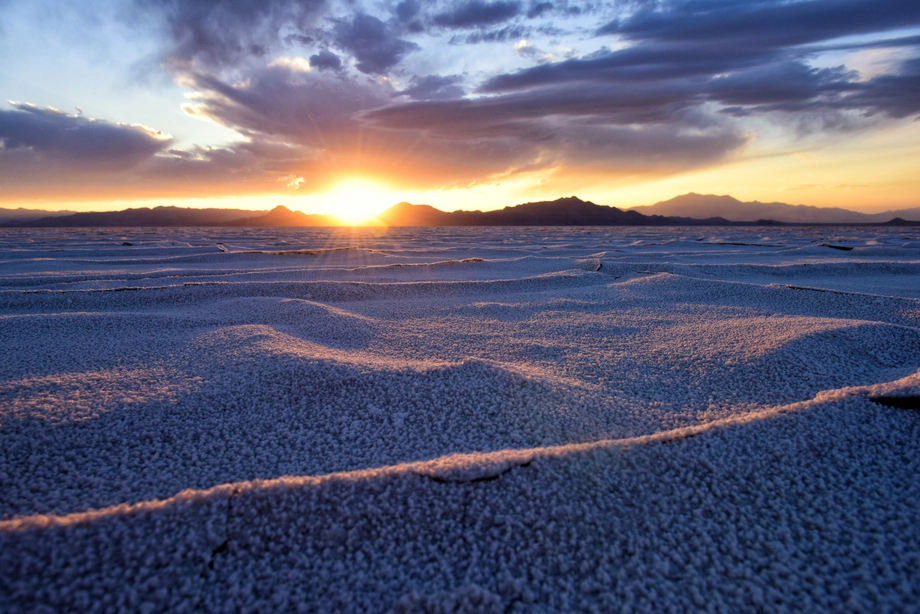 Bonneville Salt Flats – Sunset Adventure of the White Desert
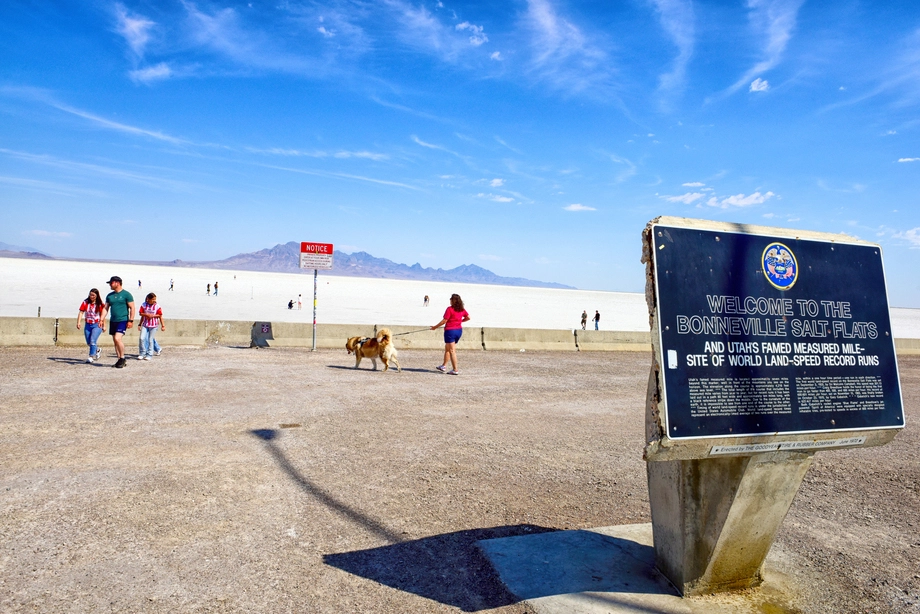 Bonneville Salt Flats – Journey to the Edge of the World
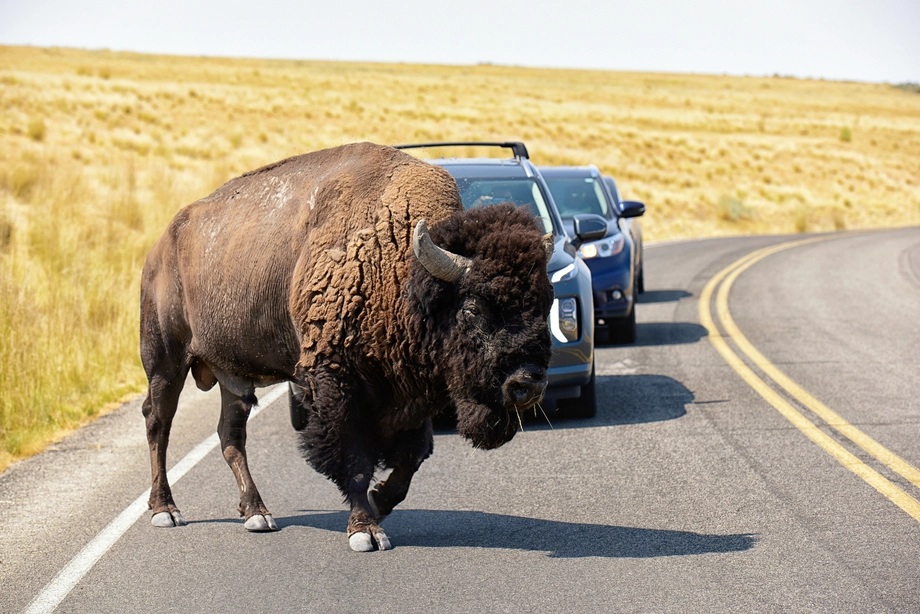 Antelope Island – Wild Heart of the Great Salt Lake Adventure
 Antelope Island Sunset Wildlife Expedition – Great Salt Lake Odyssey
 Salt Lake City – The City of Zion. Historical Interactive Walking Tour