
Morning Routes in Zion: Where to Be at 6:00 AM for Epic Views
Jan 13, 2026
Be at a carefully chosen canyon-floor or viewpoint route by 6:00 AM for cool air, soft light, and fewer crowds, then keep your afternoon flexible and use guided tours for longer regional days.
By the time most visitors roll into Zion National Park late in the morning, trailhead parking lots are filling up, the shuttle line is long, and the soft sunrise light has already disappeared from the cliffs. The real magic happens earlier. Around 6:00 AM the canyon is quiet, the air is cool, and the sandstone walls begin to glow. Planning where to be at that exact hour is the difference between a rushed day and a deeply memorable one.
This guide walks through the best early morning routes in Zion, what type of traveler each suits, and how to fit them into a wider itinerary in southern Utah. You will see how to pair a dawn hike with southern Utah scenic day tours, how travelers coming from Salt Lake City can structure their national park time, and how to decide between self-guided exploration and organized experiences. Along the way you will find pros and cons, common mistakes to avoid, and practical tips grounded in how visitors actually move through the region.
What makes 6:00 AM such a prime time in Zion?
Why early light changes the entire experience
At 6:00 AM in Zion, light, temperature, and crowds all work in your favor. The low sun slides across the canyon, lighting one wall while the other stays in shadow. Colors shift minute by minute, which is ideal for photography and for simply slowing down to watch the scene evolve.
Temperature is usually at its daily low in the early morning. That matters on exposed trails where mid-day heat can turn a moderate walk into a slog. When you start early, the steepest or most exposed sections can be done before the heat builds, then you retreat to shade or riverside areas later.
Crowd patterns and why timing matters
Zion is one of the most visited national parks in the United States. National Park Service data shows that visitation has climbed dramatically in the last decade, with peak hours late morning through mid-afternoon.
In recent years, Zion has consistently ranked among the top five most visited U.S. national parks, with several million visitors annually concentrated in a handful of popular areas.
National Park Service visitation data
Being on the trail at 6:00 AM means you are already past the first viewpoint or deep into the canyon while others are still parking. That translates into quieter paths, fewer people in your photos, and a calmer overall mood.
How sunrise timing shapes your route choice
Sunrise timing shifts throughout the year, but the principle is the same. Choose one key place to be around first light, then build the rest of your morning and afternoon around that. A viewpoint on the canyon rim, a river walk, or a classic climb all look very different at dawn.
Think of sunrise as your anchor. Once you choose that location, you can work backward to decide your wake-up time, shuttle strategy, and what you will realistically fit in before lunch.
Which Zion routes work best at 6:00 AM?
Riverside and canyon-floor walks for a calm start
For many travelers the most rewarding 6:00 AM moments happen close to the Virgin River. Easy to moderate riverside paths are ideal if you prefer a gentle start or are still adjusting after a long drive from Salt Lake City or beyond.
These routes usually offer flat or rolling terrain, soft light on the canyon walls, and the sound of water as a constant background. Early morning is also kinder for families who might not be ready for a steep climb right away but still want to feel that they seized the day.
Canyon viewpoints for big-sky sunrise
Rim and viewpoint hikes demand more effort early in the day but reward it with classic sunrise vistas across Zion’s formations. The key advantage at 6:00 AM is temperature. You can tackle steeper sections in the cool morning and then linger at the top as the sun rises fully.
These routes fit travelers who like to “earn” their view, are comfortable with moderate elevation gain, and want that iconic first-light photo looking over the canyon rather than up at its walls.
How to match route difficulty to your day plan
It helps to think of your Zion day as a set of energy “blocks.” A steeper sunrise hike uses more of that energy early. If you still want a full afternoon exploring, plan easier riverside or short interpretive walks later so you do not burn out by mid-day.
Those traveling as part of a broader Utah itinerary, including national park tours from Salt Lake City, often appreciate a balanced approach. A more ambitious sunrise route one day can be followed by a gentler, guide-led experience on another day, where logistics and navigation are handled for you.
You found a hidden promo code!
Use code WOWBLOG at checkout and get 10% OFF any tour!
Limited time offer. Book now and save!
Browse ToursHow can travelers from Salt Lake City build Zion mornings into their itinerary?
Using Salt Lake City as a launchpad
Salt Lake City works well as a starting point for exploring southern Utah. Organized tours from the city include transfers to multiple national parks, including Zion, Bryce Canyon, Arches, Canyonlands, and Capitol Reef. This structure appeals to visitors who prefer to avoid complex self-driving logistics on unfamiliar desert roads.
When your Zion visit is part of a larger loop originating in Salt Lake City, your early morning in the park is often the most flexible block of time. Afternoon and evening segments may be more constrained by transfer schedules, check-in times, or group meeting points, so protecting that 6:00 AM window for your favorite route is wise.
Pairing Zion with other national parks in one trip
Many travelers aim to see several of Utah’s “Mighty Five” parks on one journey. Tours from Salt Lake City to the national parks typically include signature viewpoints, short hikes, and scenic drives, with clear information about trip length, terrain, and effort levels. That allows you to budget energy across several days rather than pushing too hard in one place.
A realistic approach is to give Zion one strong dawn session and then reserve your next “big sunrise” for a different park. For instance, a sunrise in Zion followed by another early start at Bryce Canyon or Arches creates varied experiences without repeating the same pattern every day.
How Arches and Zion fit together in a regional plan
Some visitors want to see both red-rock icons in one journey. Day tours from Salt Lake City to Arches National Park focus on short hikes to arches, fins, and viewpoints, combined with context about geology and regional history. These experiences complement Zion’s deep canyon setting and give a broader feel for the state’s landscapes.
If you plan to book such a day from Salt Lake City and also dedicate time to Zion, spacing intensive days apart helps. For example, place a guided Arches day in between two self-guided mornings in Zion so that one day is more structured while another is more freeform.
How do MateiTravel experiences complement a Zion sunrise?
Walking tours in Salt Lake City before or after your park days
Not every day in Utah has to be an early alpine start. An slc walking tour with a local guide is a low-effort way to ease into your trip before driving south to Zion or to decompress after several canyon days. These group walks run through downtown landmarks and lesser-known corners, while guides share stories about city planning, architecture, and local history.
Groups are intentionally kept small, which means you can ask logistical questions about the rest of your Utah journey. Detailed route descriptions, including distance, duration, and terrain, help you decide whether to schedule this on an arrival day or after a long drive back from the parks.
Linking ski days and desert days in one Utah journey
Utah makes it possible to ski in the mountains and stand among red cliffs in a single trip. Day tours to the state’s ski resorts include transfers from the city, orientation help at the resort, and plenty of flexible time on the slopes. They remove the need to figure out parking, mountain layouts, or local rules on your own.
These ski day experiences can bookend a desert section that includes Zion. After several early canyon mornings, a more relaxed, structured ski day can feel like a change of pace. It also works the other way around: one or two days on the slopes followed by quieter sunrise hikes among sandstone walls.
Southern Utah scenic day tours for non-drivers
For travelers who prefer not to drive, southern Utah scenic day tours from a base in Salt Lake City or within the region become very attractive. These itineraries include curated viewpoints, short walks to arches and ridgelines, and commentary on geology and local stories. Transfers are built in, so you are free to focus on landscapes rather than directions.
Integrating one or two of these guided days with self-guided Zion mornings gives you variety. You enjoy the independence of choosing your own 6:00 AM route in Zion while relying on a guide for longer connecting days between parks or cities.
What are the main pros and cons of 6:00 AM routes in Zion?
Advantages of early morning hiking
- Cooler temperatures: The early start lets you handle exposed sections before heat builds, which is especially important for families or anyone sensitive to high temperatures.
- Fewer crowds: Starting around 6:00 AM generally means quieter trails, more space at viewpoints, and an unhurried feel at popular photo spots.
- Better light for photography: Low-angle light brings out textures and colors in the rock, making both wide vistas and close-up details more striking.
- Flexibility later in the day: When your primary hike is done by late morning, you can choose to rest, take a scenic drive, or join a guided experience without pressure.
- Wildlife activity: Many animals are more active at dawn, which increases your chances of spotting them compared with mid-day hours.
Limitations and challenges to be aware of
- Very early wake-up: Reaching the trail by 6:00 AM often means waking before dawn, which some travelers find difficult, especially after long drives.
- Logistics with shuttles and transfers: Depending on seasonal transportation schedules, you may need to plan carefully to reach certain trailheads that early.
- Limited visibility before sunrise: Pre-dawn segments require attention to footing and route-finding, which may not suit those uncomfortable in low light.
- Temperature swings: Layers are essential, since it can feel cold at the start and quite warm only a few hours later.
- Fatigue later in the day: If you are not used to early starts, you may feel tired mid-afternoon and need to adjust other activities accordingly.
Real-world examples: How do different travelers use 6:00 AM in Zion?
Example 1: First-time visitors on a short Utah trip
Imagine a couple flying into Salt Lake City for a long weekend. On day one they take a guided slc walking tour in the afternoon. The easy pace and local perspective help them adjust to the region while also getting practical advice on driving routes and weather patterns.
The next morning they drive toward Zion. On their full day in the park, they set their alarm early and are on their chosen riverside route by 6:00 AM. By late morning they return to the trailhead as crowds peak, then spend the afternoon taking short, flat walks and relaxing by the river before returning north.
Example 2: Multi-park explorers using guided days
Another traveler plans a week in Utah with a focus on variety. They begin with one of the day tours from Salt Lake City to Arches National Park, which covers transfers, short hikes to key arches, and interpretive stops. With that logistics-heavy day handled by a guide, they conserve energy for their Zion segment.
Two days later they are in Zion, where they choose a viewpoint route for sunrise. They begin hiking in cool air, reach the rim close to 6:00 AM, and watch the canyon brighten. In the afternoon they simply drive scenic roads and stop at pullouts rather than committing to more long hikes.
Example 3: Family combining ski and desert days
A family arrives in winter or spring wanting both snow and red rock. Their first full day is a guided ski-resort day. Transfers, resort orientation, and flexible time on the slopes help them enjoy the mountains without worrying about logistics or local nuances.
After that, they head south. By the time they reach Zion, the kids understand early wake-ups from ski days, so a 6:00 AM canyon-floor walk is more acceptable. They keep the route moderate and finish by mid-morning, then spend the rest of the day resting and taking short, flat walks near the river.
What are common mistakes people make with Zion mornings?
Misjudging driving and shuttle time
Many visitors underestimate how long it takes to reach the trail by 6:00 AM. Parking, potential shuttle waits, and last-minute packing all eat into your buffer. As a result they start later than planned, hit the steepest sections in the sun, and lose the quiet atmosphere they wanted.
The fix is simple. Decide your target arrival at the trailhead, then work backward and add 20–30 minutes of margin for unexpected delays. Pack as much as possible the night before so you are not searching for gear in the dark.
Overloading the day after an early start
A tempting mistake is to treat a 6:00 AM hike as just the start of a jam-packed schedule. Travelers then stack multiple demanding routes, long drives, and evening plans on top of one another. By late afternoon fatigue sets in and small issues like missed turns, forgotten water, or short tempers become more likely.
A better strategy is to make the sunrise route the “main event.” Keep the rest of the day flexible and lower-intensity with scenic drives, short walks, or even a rest block back at your lodging.
Ignoring temperature swings and layers
People often dress only for the pre-dawn chill. Two hours later, exposed sections feel hot and there is nowhere to stash a heavy jacket. Overheating reduces comfort and sometimes leads to cutting the route short.
Dress in thin, removable layers and bring a light pack so you can adjust as the sun rises. In practice this makes a huge difference between a refreshing early outing and an uncomfortable one.
Not aligning routes with the wider itinerary
Some travelers commit to a very demanding 6:00 AM hike without considering that they have a long drive or guided day immediately afterward. This can make a ski day, a walking tour, or another national park visit feel less enjoyable because everyone is already tired.
Checking your schedule for the next 24–48 hours helps. If you know a structured guided day is coming, you can either ease up on your sunrise route or lean into it, depending on how much rest the guided day will allow.
Skipping water and snacks because “it’s early”
Cool air can mask how much effort you are putting in. Many people bring less water or food at dawn, thinking they will eat breakfast later. That can leave you low on energy just as the light and views are at their best.
Bring at least a small snack and adequate water, even on easy trails. Eating something small at the viewpoint helps you enjoy the moment instead of thinking about when you will next reach the car.

What practical tips make a 6:00 AM Zion route smoother?
Plan the day before, not the morning of
Preparation the evening before is one of the most effective ways to protect your sunrise window. Lay out clothing layers, pack your bag, pre-fill water bottles, and confirm any transportation times ahead of time. This cuts down on decision-making when you are still waking up.
It also helps to decide your exact route in advance. Study maps, check estimated distances and elevation gain, and align that with how you felt on previous days of your trip.
Use your wider Utah itinerary to pace yourself
Your early Zion morning is not happening in isolation. If you are also taking southern Utah scenic day tours, ski-resort day trips, or additional park visits, think of your energy over the entire week. Alternate more demanding days with easier ones.
For example, schedule a structured walking tour in Salt Lake City on the day after a big Zion sunrise. You still keep learning and exploring, but with a slower pace and someone else leading the way.
Time your meals and hydration around the start
Try to eat something small before you start, even if you do not feel hungry. It gives you baseline energy. Then pack a simple snack to eat at your 6:00 AM viewpoint or turnaround point, when you can sit and enjoy the light.
Hydration is just as important. Even when temperatures are low, the dry climate and elevation can leave you dehydrated. Sip gradually rather than trying to drink a large amount at once.
Keep an eye on weather and seasonal adjustments
Sunrise time and overnight lows change by season. In winter, a 6:00 AM trail start might be colder and darker than you prefer. In summer, you might want to be even earlier to beat the heat. Adjust your plan by a small amount rather than holding rigidly to a fixed clock time.
Checking the forecast the day before is critical. If a storm or extreme heat is predicted, be willing to shorten your route and spend more of the day on scenic drives or guided experiences that allow quick shelter if needed.
How do self-guided mornings compare with guided tour days?
Comparing experience types
Once you know you want a 6:00 AM Zion moment, the next question is how to integrate that with the rest of your Utah trip. Self-guided exploration gives you maximum freedom around sunrise. Guided days provide structure and local insight for longer drives, other parks, or city experiences.
The table below contrasts a self-planned Zion morning with a guided national park day that starts and ends in Salt Lake City.
| Aspect | Self-guided Zion morning | Guided national park tour from Salt Lake City |
|---|---|---|
| Logistics | You handle driving, parking, timing, and navigation yourself. | Transfers, timing, and route are organized by the guide team. |
| Flexibility at 6:00 AM | High. You choose exact start time, route, and pace. | Moderate. Schedule is set, but early departures are coordinated for you. |
| Context and stories | Depends on your own research and guidebooks. | Local guides explain geology, history, and hidden details along the way. |
| Energy demands | Higher mental load due to planning and navigation. | Lower mental load so you can focus on scenery and photos. |
| Best use | Ideal for focused sunrise hikes and lingering in one canyon. | Ideal for seeing multiple highlights or another park in a single day. |
How different guided days complement Zion mornings
In short, you can think of your Zion sunrise as the freeform, immersive part of your trip, and your guided days as the connective tissue that expands your reach without multiplying stress. A day tour from Salt Lake City to Arches National Park adds variety, while ski-resort and city walking days add contrast in climate and setting.
This combination is especially effective for visitors who want to sample several Utah experiences within a limited schedule. You get the satisfaction of planning and executing your own Zion sunrise, while leaving long drives and complex routing to professionals.
Sample weekly structure using both approaches
To illustrate how these pieces fit together, consider the comparison below. It contrasts a fully self-driven week with one that incorporates guided services while still protecting early mornings in Zion.
| Day | Independent-focused week | Week with MateiTravel-style support |
|---|---|---|
| 1 | Drive to Salt Lake City, explore on your own. | Arrive in Salt Lake City, join a downtown walking tour with local guide. |
| 2 | Long self-drive to Arches, self-guided hikes, drive back. | Day tour from Salt Lake City to Arches with transfers and short guided hikes. |
| 3 | Drive yourself to Zion, arrive late, brief evening stroll. | Drive to Zion with energy preserved after guided Arches day. |
| 4 | Self-guided Zion sunrise hike at 6:00 AM, afternoon explorations. | Same self-guided Zion sunrise, but with more energy thanks to reduced planning load earlier in the week. |
| 5 | Drive back to Salt Lake City, plan next steps alone. | Optional day tour to ski resort or other scenic destination with transfers. |
Conclusion: How should you think about 6:00 AM in Zion?
The clearest way to approach Zion is to treat your 6:00 AM window as premium time. Choose one route that fits your fitness and your wider schedule, then build the rest of the day around that moment rather than cramming more into it. Early starts give you cooler air, softer light, and a quieter canyon, all of which are hard to recreate later.
At the same time, think beyond a single park. When you combine a self-guided Zion sunrise with guided city walks, ski-resort days, or national park tours from Salt Lake City, you get a richer sense of Utah without overcomplicating logistics. MateiTravel can help with the structured parts of your journey so your 6:00 AM in Zion stays focused on what matters: walking into the quiet canyon light while the day is still young.
FAQ
How early should I wake up to start a Zion route by 6:00 AM?
Work backward from your trailhead arrival time and add 20–30 minutes as a buffer. Consider driving time, parking or shuttle logistics, and a few minutes to adjust layers and pack your bag at the trailhead, especially on your first day in the park.
What is the main benefit of starting a Zion hike at 6:00 AM?
The biggest advantages are cooler temperatures and fewer crowds during the most scenic light. You can complete the steepest or most exposed sections before heat builds and enjoy quieter viewpoints, which is harder to achieve later in the morning.
How can I combine a Zion sunrise with a guided day tour from Salt Lake City?
Many travelers schedule a self-guided 6:00 AM hike in Zion on one day and then book a guided national park or Arches day tour from Salt Lake City on another. This way, your Zion morning stays flexible, while longer transfers and multiple stops on other days are handled by professional guides.
What is a realistic day plan after a 6:00 AM Zion hike?
After a dawn route, most visitors do best with a lower-intensity afternoon. That might mean short riverside walks, scenic drives with pullouts, or simply resting before another active day. Overloading the same day with multiple demanding hikes is a common cause of fatigue and reduced enjoyment.
How do MateiTravel walking tours in Salt Lake City fit into a Zion-focused trip?
A guided walking tour in downtown Salt Lake City works well either at the start or end of a Utah itinerary. It provides context about the city’s history and layout in a small group, while also giving you a slower day that pairs nicely with earlier, more demanding 6:00 AM starts in Zion.
Can I see both Zion and Arches on the same trip without driving every day?
Yes. One option is to visit Zion on your own schedule, including a 6:00 AM sunrise hike, and use organized day tours from Salt Lake City to Arches National Park for the long transfer and key viewpoints there. This approach balances independence in Zion with structured support on longer, multi-stop days.
What are the most common mistakes people make with early Zion hikes?
Typical errors include underestimating travel and shuttle time, planning too many demanding activities after the hike, ignoring temperature swings, and bringing too little water or food. Planning the night before and treating your sunrise route as the day’s main focus helps avoid most of these problems.
How can I pace a week that includes Zion, Arches, and a ski day?
A balanced structure is to start with a guided walking tour or ski-resort day from Salt Lake City, follow with a guided Arches day, and then schedule a self-guided 6:00 AM Zion hike. This alternates high-effort mornings with more structured days where logistics and navigation are handled for you.
Is a 6:00 AM Zion route suitable for families with children?
Yes, if you choose moderate riverside or canyon-floor routes and keep the day’s overall effort realistic. Families often do well with an easy 6:00 AM walk followed by rest or low-key activities, rather than trying to stack multiple strenuous hikes on the same day.

 Bonneville Salt Flats – Sunset Adventure of the White Desert
 Antelope Island – Wild Heart of the Great Salt Lake Adventure
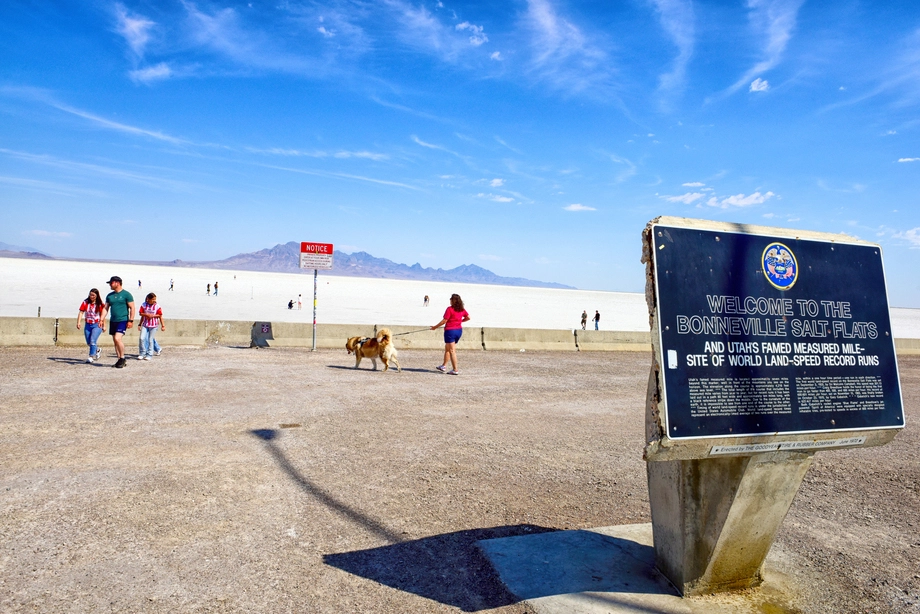 Bonneville Salt Flats – Journey to the Edge of the World
 Salt Lake City – The City of Zion. Historical Interactive Walking Tour
 Antelope Island Sunset Wildlife Expedition – Great Salt Lake Odyssey