
Desert And Children: How To Make Trips Safe On Tours From Salt Lake City
Jan 11, 2026
Use Salt Lake City as a base, favor guided day tours for logistics and safety, keep walks short, protect from sun, hydrate often, and balance city days with desert or ski outings for a kid-friendly Utah trip.
Family trips into the desert are becoming a signature part of many Utah vacations. Parents want their children to see red rock arches, wide open salt flats, and mysterious canyons, yet they also worry about heat, remoteness, and safety. When your base is Salt Lake City, you also have to decide how much to explore on your own and when to lean on local guides.
This article walks you through how to make desert travel with kids safe and enjoyable while using Salt Lake City as your hub. You will see how guided day tours, walking tours in the city, and national park trips fit together, and where an independent tour in Salt Lake City or a self-drive tour from Salt Lake City can work for families. You will also get specific packing lists, common mistakes to avoid, pros and cons of different formats, and ready-made itinerary ideas.
Why desert trips with children need special planning
Unique climate challenges in desert regions
Desert landscapes around Utah can look calm and easy to walk, yet conditions change quickly. Intense sun, low humidity, and big temperature swings between day and night put extra stress on young bodies. Children lose water faster and often do not recognize their own early dehydration or overheating.
Even short walks to viewpoints or arches can feel tougher than the distance suggests. Trails that appear flat on a map may include exposed rock, sandy sections, and little to no shade. Planning with kids means assuming that heat and dryness will make each step harder than the same distance in a city park.
How kids respond differently to heat and dryness
Children regulate body temperature less efficiently than adults. They often run or jump when they should slow down, and they may not ask for water until they are already thirsty. That means parents must monitor their condition actively instead of waiting for them to complain.
In practical terms, this means shorter activity blocks, more scheduled breaks, and strict routines around drinking. It also means choosing routes where you can easily cut the plan short if a child becomes tired, uncomfortable, or overwhelmed by the environment.
Choosing the right season and time of day
In many Utah desert areas, late spring and early fall offer more moderate temperatures for family trips. If your travel dates fall in hotter months, focus on early morning and late afternoon activities, and keep the mid-day for indoor or shaded experiences.
When you use organized tours from Salt Lake City, you often get clear descriptions of distance, terrain, and timing. That helps you pick departures that avoid the harshest heat. It also simplifies your decisions about what is realistic for the youngest person in your group.
How to choose the best desert experience around Utah for families
Guided day tours from Salt Lake City
Many families base themselves in the city and then join guided day tours into Utah’s natural landscapes. These tours typically include transport, a thoughtfully planned route, and a guide who explains geology, history, and local stories. Parents can focus on their children instead of navigating unfamiliar roads or puzzling over trailhead directions.
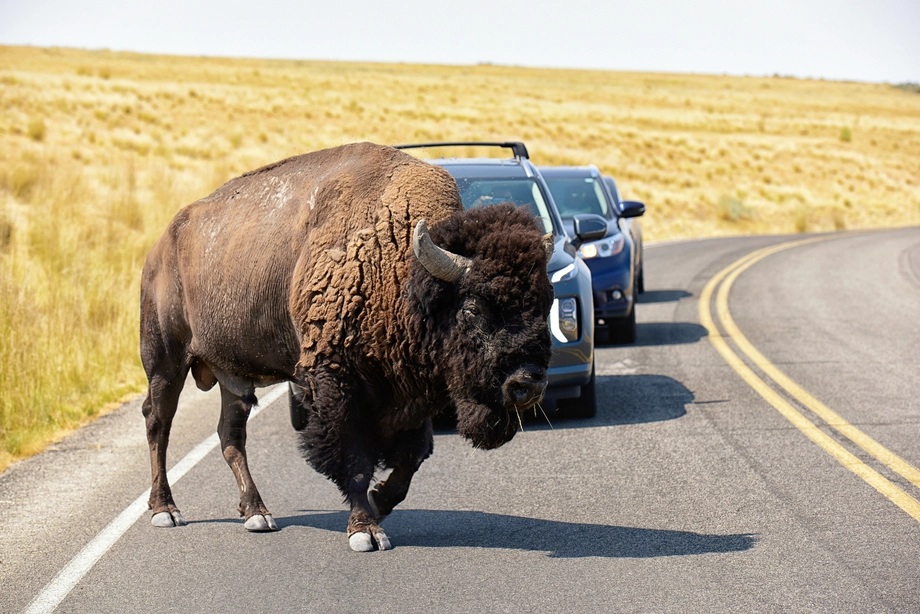
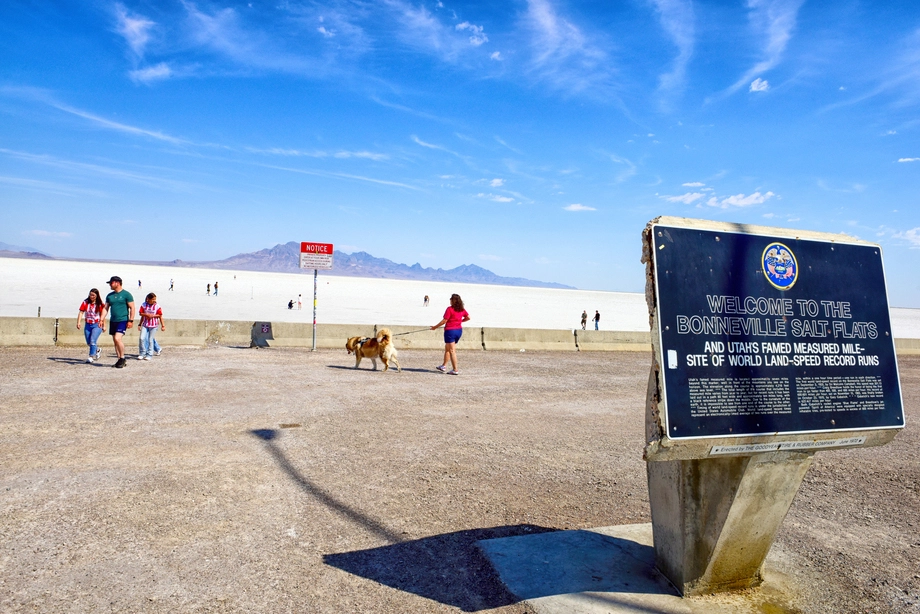
Some one day itineraries from the city visit wide open spaces like the Bonneville Salt Flats or wildlife areas such as Antelope Island. Others are designed as day tours from Salt Lake City to Arches National Park or to Utah’s other national parks. For families with limited time, this format gives a rich overview of the region without the stress of managing every detail alone.
When a self-drive tour from Salt Lake City makes sense
An independent tour in Salt Lake City or a self-drive tour from Salt Lake City can work well for families who already have desert experience and prefer to travel on their own schedule. Driving yourselves gives you the freedom to stop whenever the kids need a break, to linger at favorite viewpoints, or to return early if the day becomes too hot.
However, independent travel also means parents must handle all navigation, safety decisions, and timing. You have to research road conditions, parking options, and local regulations, and you need backup plans if a trail feels too exposed for your children. For many first-time visitors, that workload is significant and can reduce their ability to stay focused on the kids.
Combining city walking tours and desert excursions
Walking tours in Salt Lake City are an excellent soft start for children before they experience longer desert outings. These group city walks usually explore the downtown area with local guides, small groups, and routes that pass historical buildings and hidden corners. The pace is manageable, and there is plenty to look at, which keeps kids engaged.
Because these walking tours include clear descriptions of distance and terrain, parents can choose the right option for their family’s fitness level. They also give everyone time to adapt to the local climate and elevation, which is especially helpful if you plan to add national park visits or desert hikes later in the trip.
You found a hidden promo code!
Use code WOWBLOG at checkout and get 10% OFF any tour!
Limited time offer. Book now and save!
Browse ToursSafety essentials for children in hot, dry environments
Hydration and nutrition strategies
One of the most critical safety factors in the desert is hydration. Children should drink small amounts of water regularly instead of waiting for big, infrequent gulps. As a rule of thumb, plan for frequent water breaks, even on relatively short walks.
Salty snacks and light meals help balance fluids and energy levels. Packing simple foods also prevents “energy crashes” that can make children clumsy or irritable on uneven ground. Guided tours often allow time for short snack breaks, but you still need to bring what your kids are likely to eat.
Outdoor safety guidelines often stress that parents should watch for early signs of heat illness in children, including flushed skin, unusual fatigue, and reduced sweating, especially during active play.
Outdoor safety guidelines
Clothing, sun protection, and basic gear
In the desert, clothing is one of your main safety tools. Lightweight long sleeves, hats that cover the neck, and breathable fabrics protect children from direct sun while keeping them relatively cool. Good closed shoes with grip are important for rocky or sandy surfaces, even on short walks.
High SPF sunscreen, sunglasses, and a small personal backpack for older children allow them to carry their own water and sunhat. Families on guided tours benefit from guides reminding them to reapply sunscreen or add layers if the evening turns cooler on the way back to Salt Lake City.
Managing distance, pace, and rest
With kids, success depends less on how far you go and more on how you pace the day. Plan shorter hikes or viewpoint walks than you would choose for adults, and build in time for unstructured breaks where children can sit, snack, or quietly explore nearby safe areas.
On guided day tours, the route is usually designed with logical rest stops and photo opportunities. That structure helps families avoid the common trap of pushing onward “just a little farther” when everyone is already tired. If you travel independently, set a firm turnaround time and stick to it, even if the trail still looks enticing.
Pros and cons of guided tours versus independent desert travel
Advantages of guided family tours
Guided trips from Salt Lake City, whether into national parks or other desert areas, offer a tightly organized experience that removes many unknowns. Transport, key viewpoints, and timeframes are planned in advance, and parents can rely on the guide’s local knowledge. This reduces stress and makes it easier to respond calmly if a child needs attention.
For ski resort day trips, the benefits are similar. There is a transfer to Utah’s ski areas, flexible time on the slopes, and assistance with orientation at the resort. Families new to mountain environments appreciate this structure because it gives them quick access to local information and reduces anxiety about logistics.
Limitations of guided tours
Guided tours also come with limits that parents should understand. Group schedules may not match your child’s natural rhythm or nap times. It can be harder to change plans mid-day if a child is suddenly tired or overwhelmed, especially when traveling with other participants.
You also share the guide’s attention with the rest of the group. Although groups are typically small on walking tours in Salt Lake City, families who want full flexibility might still feel constrained by set departure and return times.
Balanced overview: pros and cons lists
To help you decide what works best for your situation, here is a clear look at the benefits and drawbacks of using guided tours with children.
- Advantage: Reduced planning load. Transport, route, and timing are handled for you, which frees mental space for watching your kids.
- Advantage: Local knowledge. Guides explain history, geology, and safety considerations, adding depth without extra research on your part.
- Advantage: Clear expectations. Detailed descriptions of duration, distance, and terrain make it easier to judge if a tour fits your children.
- Advantage: Support for beginners. For first-time visitors to Utah’s deserts or ski resorts, guides help reduce uncertainty and stress.
- Advantage: Social element. Small groups can be motivating for school-aged children who enjoy meeting other travelers.
- Limitation: Fixed schedule. You have less freedom to adapt the timing if a child needs extra rest or wants to stay longer at a favorite spot.
- Limitation: Shared attention. Guides split their focus across the group, so you may get less personalized pacing than on a private trip.
- Limitation: Predefined route. Families who love spontaneous detours may feel confined by a set itinerary.
- Limitation: Group dynamics. Different ages and abilities in the group sometimes mean compromises in walking speed or stop frequency.
- Limitation: Booking commitment. You need to commit in advance, which can be challenging for families with unpredictable schedules.
Guided versus self-drive: quick comparison
In practical terms, parents usually choose between a guided experience and driving themselves. The table below summarizes key differences for families thinking about desert or national park days out.
| Aspect | Guided tour from Salt Lake City | Self-drive family trip |
|---|---|---|
| Planning effort | Low, route and logistics are organized | High, you research and plan every segment |
| Driving stress | None for parents, you ride as passengers | Parent drives, must stay focused for long distances |
| Local insights | Guide shares history, geology, and stories | Depends on your own research |
| Schedule flexibility | Fixed departure and return times | Full control of timing and stops |
| Child-focused attention | You can focus entirely on kids during transfers | Attention split between driving and parenting |
Practical family itineraries: real-world style scenarios
Soft landing: city walking tour plus open landscapes
Imagine a family arriving in Salt Lake City for the first time. On day one, they join a group walking tour of the downtown area led by a local guide. The small group size lets them ask questions, pause to adjust a child’s hat, and learn how the city grew and developed.
The next day, they book a one day tour from the city into Utah’s natural surroundings, perhaps focusing on open spaces like salt flats or wildlife areas. The parents do not have to worry about driving, and the guide structures the day with short, manageable walks and regular stops. The children experience the desert environment in small doses, with transport and timing handled.
Focused nature day: national park tour from the city
Another family wants their children to see iconic red rock formations but only has a few days in Utah. They choose one of the tours that start in Salt Lake City and head to national parks, for example a tour that reaches Arches. The itinerary includes transfer to and from the park, stops at key viewpoints, and short hikes to arches and ridges that are appropriate for mixed-age groups.
Because duration, distance, and terrain are clearly described beforehand, the parents can decide if their youngest child is ready for each optional walk. They carry water, snacks, and sun protection while the guide explains local geology and shares stories that captivate older kids. In the end, everyone returns to the city tired but safe, without the parents needing to navigate or calculate driving times.
Adding a Utah ski resort day for variety
Some families combine desert experiences with mountain days. They might join a day tour from Salt Lake City to one of Utah’s ski resorts. These tours include transfers to the resort, flexible time on the slopes, and help with orientation for those new to the area.
Parents with children who are trying skiing or snowboarding for the first time appreciate that they do not need to study local transportation or resort layouts in advance. The contrast between snowy mountains and nearby desert landscapes creates a memorable, well-rounded trip without adding logistical complexity.
Common mistakes parents make in the desert
Underestimating sun and heat
One frequent mistake is assuming that a short, seemingly easy walk will not require serious sun protection or extra water. Parents may leave hats or sunscreen in the vehicle, thinking they will be back quickly. In the desert, even fifteen minutes of direct sun can be overwhelming for small children.
To avoid this, treat every step away from the vehicle or tour bus as if it could take longer than planned. Bring water, hats, and sunscreen even for brief photo stops. On guided tours, use each pause as a reminder to check how your child looks and feels.
Overambitious hiking plans
Another common error is using adult hiking times or distances as a guide for planning family outings. Children typically walk slower, take more breaks, and may be distracted by rocks, sand, or viewpoints. In hot, dry air, these differences grow even larger.
Prevent this by choosing shorter routes than you think you need and by accepting that you might not see every single viewpoint. In many Utah national park tours, the emphasis is on a few carefully chosen stops rather than trying to cover every trail, which naturally protects families from overdoing it.
Ignoring logistics and local guidance
Some parents decide to explore entirely on their own without recognizing how much local knowledge matters in desert environments. They may not fully understand road conditions, parking availability, or how long it takes to move between points of interest. This can lead to rushed visits or late finishes that are hard on children.
Listening to local guides, reading detailed tour descriptions, and being realistic about travel times all help avoid this trap. When in doubt, favor an organized day with clear logistics over an improvised plan that could stretch far beyond children’s comfort.
Step-by-step checklist before you travel
Planning and booking with local support
When your trip centers on Utah, consider using MateiTravel to organize key parts of the journey. They arrange walking tours in Salt Lake City, day trips to ski resorts, and tours from the city to Utah’s national parks. Each tour description includes information about duration, distance, terrain, and overall effort, which is vital when you travel with children.
Book online in advance so you can secure spots on the days that best fit your family’s energy levels. Mix lighter days, such as city walks, with more intense days like national park excursions. This balance keeps the trip enjoyable for both kids and adults.
Health, safety, and packing essentials
Before departure, talk with your child’s healthcare provider if you have concerns about heat, altitude, or activity levels. Then prepare a small, consistent kit that you carry every day, even on shorter outings. This should include basic first aid items, high SPF sunscreen, hats, and enough water for each person.
Add simple, familiar snacks and a light extra layer for cooler evenings. Let older children participate in packing their own small backpack so they feel involved and understand that desert safety is a shared responsibility.
On-the-day routines that keep kids safe
The day of your tour or self-drive outing, start with a calm breakfast and a quick review of the schedule with your children. Explain roughly how long you will be in the vehicle, how long the walks will be, and when breaks are planned. This reduces anxiety and constant questions.
During the outing, set regular “check-in” moments where everyone drinks water, reapplies sunscreen, and adjusts clothing. Whether you are on a guided bus heading toward Arches or walking through downtown Salt Lake City on a city tour, these small rituals create a predictable rhythm that keeps children safer and more comfortable.

Comparing family-friendly Utah experiences
Different experiences, different demands
Not every activity around Salt Lake City places the same physical and mental demands on children. A flat city walking tour, a long desert day, and a mountain ski trip require different levels of endurance and preparation. Understanding these differences helps you schedule them in the right order.
Here is a simple comparison to guide your planning when choosing between city, desert, and mountain experiences for your family.
| Experience | Main focus | Typical effort level | Best for ages |
|---|---|---|---|
| Downtown walking tour in Salt Lake City | History, architecture, hidden city spots | Low to moderate walking on city terrain | School-aged kids and teens, adaptable for younger with stroller |
| Day tour from Salt Lake City to Arches or other national parks | Desert scenery, short hikes, viewpoints | Moderate due to travel time and sun exposure | Children who can handle short walks and follow safety instructions |
| Day trip to a Utah ski resort | Skiing or snowboarding, mountain scenery | Moderate to high physical effort on slopes | Kids ready for lessons or gentle slopes with supervision |
How cost fits into decision-making
Budget is always part of family planning. Many one day tours from Salt Lake City that visit natural landscapes and open spaces start around a modest price point, with most day trips priced under one hundred dollars. This can be good value when you consider that transport, guiding, and logistics are included.
Independent self-drive days may look cheaper at first, especially if you already have a vehicle. However, you should factor in fuel, potential parking fees, wear on the driver, and the extra time you will spend planning. For some families, paying for a well-structured guided day is a worthwhile trade for a safer, more relaxed experience.
Practical tips to keep desert travel with kids safe
Actionable recommendations
To pull everything together, here are concrete steps you can apply immediately when planning a desert-focused trip around Utah with children.
- Plan short first. Choose the smallest reasonable distance and activity level, then increase only if your children handle it easily.
- Use detailed tour descriptions. Read route length, terrain, and timing carefully when booking with MateiTravel so nothing surprises you on the day.
- Set hydration rules. Decide in advance that everyone drinks at every stop or photo break, whether they feel thirsty or not.
- Protect early and often. Put on hats and sunscreen before you leave the vehicle or hotel, not after the sun already feels strong.
- Balance the week. Alternate demanding days, such as national park visits or ski slopes, with easier city days to prevent cumulative fatigue.
- Listen to children’s cues. If a child suddenly becomes quiet, slows down, or looks flushed, treat it as a signal to rest and cool down.
- Lean on local expertise. Where possible, join guided walking tours or day trips so you can focus on parenting while someone else handles navigation and timing.
Conclusion
Traveling into desert landscapes with children can be both safe and deeply rewarding when you respect the environment’s demands and plan around your kids’ needs. Using Salt Lake City as a hub, you can combine city walking tours, guided national park days, and even ski resort trips into a balanced, family-friendly itinerary. The key is to manage heat, distance, and logistics so that adults stay calm and attentive while children remain curious rather than exhausted.
In essence, you do not need to choose between adventure and safety. With thoughtful preparation, realistic pacing, and support from local experts such as MateiTravel, your family can experience Utah’s deserts and mountains in a way that feels both memorable and secure.
FAQ
How can I decide between a guided tour and a self-drive family trip from Salt Lake City?
Think about how much planning and driving you want to handle while watching your kids. Guided tours reduce logistics and driving stress, while a self-drive trip gives you complete control of stops and timing but demands more preparation and focus.
What makes walking tours in Salt Lake City a good starting activity for kids?
City walking tours use small groups, local guides, and clear route descriptions, so parents know the distance and terrain in advance. They offer a gentle way for children to adjust to the local climate before longer desert or national park days.
How long and demanding are typical day tours from Salt Lake City to Arches or other national parks?
These tours usually include significant travel time plus several short walks to arches, ridges, or viewpoints. The effort level is moderate because of the combined effect of transport, sun exposure, and walking, so they suit children who can handle brief hikes and follow safety instructions.
What are the most common safety mistakes parents make when taking kids into the desert?
Parents often underestimate sun and heat, choose overly ambitious hikes based on adult abilities, and overlook logistical details like driving times. Planning shorter routes, carrying sun protection for every stop, and using local guidance helps avoid these pitfalls.
How often should children drink water during desert outings?
It is safer to offer small amounts of water regularly rather than waiting for kids to feel very thirsty. Using every rest or photo stop as a scheduled drink break keeps hydration steady and reduces the risk of heat-related problems.
What should we pack for a family desert day starting from Salt Lake City?
Bring lightweight long-sleeve clothing, hats, high SPF sunscreen, sunglasses, plenty of water, simple snacks, and a basic first aid kit. A light extra layer is also useful because temperatures can drop in the evening on the way back to the city.
How can MateiTravel help make our Utah family trip safer and less stressful?
MateiTravel organizes walking tours in Salt Lake City, day tours to national parks, and ski resort trips, all with clear information on distance, terrain, and duration. This structure lets you choose suitable activities and focus on your children while guides handle navigation and logistics.
Is it realistic to combine a desert tour and a ski resort day in one family vacation?
Yes, many families enjoy both desert landscapes and mountain slopes during the same trip. The key is to use organized day tours with transfers so you are not overwhelmed by planning and can manage children’s energy across very different environments.

 Bonneville Salt Flats – Sunset Adventure of the White Desert
 Antelope Island – Wild Heart of the Great Salt Lake Adventure
 Bonneville Salt Flats – Journey to the Edge of the World
 Salt Lake City – The City of Zion. Historical Interactive Walking Tour
 Antelope Island Sunset Wildlife Expedition – Great Salt Lake Odyssey