
Private Zion Helicopter Scenic Flight With a Ground Guide: What the Short Walk Adds
May 24, 2026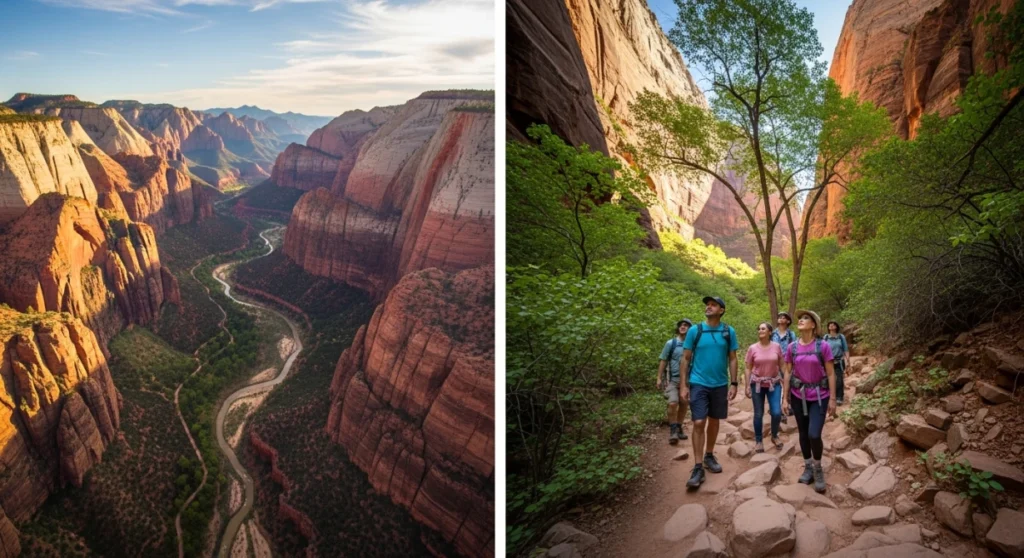
A short guided walk after a Zion scenic flight is worth it when you want scale, texture, and context without a long hike. It matters most for mixed-ability groups, short stays, and travelers who want an easy but meaningful ground experience.
The mistake we see most often is treating the ground portion as a throw-in after the expensive part is already booked. In Zion, that short walk is often the part that turns a dramatic overview into something you can actually understand, remember, and match to your group’s energy.
This is a planning question inside the broader category of tailored national park touring. It matters most for travelers deciding between a flight-only splurge, a full hiking day, or a mixed approach that gives them broad coverage from the air and an easy, guided canyon experience on the ground.
We design Utah park days for real time limits and real fitness levels, not just for strong hikers. That is why we usually evaluate the flight and the walk as one combined experience, with the ground segment chosen to add contrast, scale, and context rather than simply repeating what you already saw from above.
Who even considers this kind of Zion combo, and why does the ground question matter?
A flight plus a short guided walk is best for travelers who want Zion’s big visual sweep without committing to a long, strenuous hike. The ground question matters because the flight shows the canyon system efficiently, but the walk is what restores human scale and makes those aerial views meaningful.
This combination tends to come up for mixed-ability groups, visitors with one day in the area, photographers who want both overview and texture, and travelers building Zion into a wider Utah route. It is also a strong fit for people starting from Salt Lake City who want Zion folded into a realistic plan instead of trying to self-manage every transfer, viewpoint, and stop.
A flight-only experience can be enough if your goal is simply to see Zion from above and move on. But if you want to come away understanding what the canyon walls look like up close, how the rock feels in scale, and why certain formations matter, the added ground segment usually carries more value than its short duration suggests.
- Best fit: Short stay visitors, older but mobile travelers, families with varying stamina, and people who want coverage without an all-day hike.
- Less compelling: Travelers who already plan a major hike and are using the flight only as a quick scenic extra.
- Often overlooked: People worried about logistics. In practice, coordinated planning usually makes the day calmer than trying to piece it together independently.
If you are comparing Zion as part of a broader Utah trip, our Utah National Parks Tours show the kind of clear pacing, transport logic, and walking-level descriptions we use when fitting a scenic flight and an easy canyon segment into a larger schedule.
What does the helicopter portion give you, and what can’t it do?
The flight gives you range, structure, and a true big-picture read of Zion’s canyon system. What it cannot do is deliver texture, physical scale, or the slower interpretive layer that makes rock, vegetation, and human history feel real.
From the air, Zion makes sense as a landscape. You can see how side canyons relate to each other, how cliffs and mesas fit into one system, and why some formations are far more dramatic in context than from a single roadside pullout. Aerial touring is especially strong for revealing remote-looking sections and helping first-time visitors understand the park’s overall shape.
Its limitation is compression. Canyon walls that would feel towering from the ground can look flattened into patterns, and distances become abstract. You may recognize famous forms from above, but you do not get the close visual cues that tell your brain how tall a wall is, how layered the rock looks, or how light changes when you stand inside the canyon rather than over it.
That is why we do not treat the air segment as a complete substitute for being in Zion. It is the efficient overview. It is not the intimate experience.
You found a hidden promo code!
Use code WOWBLOG at checkout and get 10% OFF any tour!
Limited time offer. Book now and save!
Browse ToursWhat does the short guided canyon walk add that the air cannot?
The short walk adds scale, texture, and interpretation. It lets you feel what the helicopter can only summarize, and a guide connects those close-up details to the larger landscape you just saw from above.
On the ground, rock color separates into layers, surfaces become readable, and vegetation stops being a green wash and starts becoming part of the story of the canyon floor. This is where travelers finally understand how narrow some spaces feel, why water and erosion shaped what they saw from above, and how the park works at human speed rather than scenic-postcard speed.
Guiding matters because the best short walk after a flight is not just any easy stroll. It should decode what you already saw. According to Zion National Park’s ranger-led activities, guided hikes such as those on the Watchman route are valued for the insight they add about geology, wildlife, and human history. A private guide on an accessible route should deliver that same interpretive advantage while matching the pace and mobility of your group.
This is also where memory improves. People tend to remember a canyon more clearly when they can connect an aerial shape to one wall, one bend, one patch of vegetation, or one viewpoint they actually stood beside. That anchoring effect is the practical reason the walk is often worth paying for.
- Scale: A cliff that looked decorative from above becomes physically impressive when viewed from the base or from a lower overlook.
- Texture: You notice striations, rock fragments, shade, plants, and the canyon floor in a way the air segment cannot provide.
- Story: A guide can tie geology, park history, and daily conditions to what you just saw, instead of leaving the flight as a beautiful but disconnected panorama.
- Accessibility: A short route can deliver these gains without the effort of a classic long hike.
Who benefits most from adding the walk, and who might reasonably skip it?
The walk delivers the most value for mixed-ability groups, travelers with limited time, and anyone who wants understanding rather than just sightseeing. It is easier to skip if your goal is purely aerial viewing or if you already have a substantial hike planned.
| Traveler profile | Add the short walk? | Why |
|---|---|---|
| Family with kids | Usually yes | The flight creates excitement, and the easy ground segment gives kids a concrete place to explore without requiring a long trail day. |
| Older but mobile couple | Usually yes | A well-chosen route can stay short and manageable while adding close canyon detail that a vehicle stop or flight-only plan misses. |
| Photographer | Strong yes | The air offers composition and geography. The walk adds foreground detail, rock texture, and scale references. |
| Checklist visitor with very little time | Depends | If the goal is maximum coverage in the shortest window, flight-only may be enough. If memory and meaning matter, add the walk. |
| Fit hiker with a full day available | Sometimes no | A major hike may already provide the deep ground experience, so the add-on walk can feel redundant. |
| Group with low fitness or uneven stamina | Usually yes | The combo often beats a long independent hike because it delivers both overview and immersion without demanding endurance. |
The most common objection is cost. Our view is simple. The walk is worth extra money when it solves a real trade-off for your group: not enough time for a major hike, uneven mobility, or a desire to understand Zion rather than merely glance at it.
It is less compelling when the ground piece becomes a duplicate. If you are already planning a meaningful hike or if nobody in your group wants interpretation, a flight-only scenic segment may be the cleaner choice.
How do you choose the right short walk after the flight?
The right route is short, realistic, and intentionally different from the flight perspective. It should fit your group’s energy, use legal access, and show a close-up side of Zion that the air segment could not fully deliver.
We choose these walks by contrast, not by fame alone. If the aerial portion gave you broad canyon geometry, the ground route should emphasize walls, vegetation, river corridor feel, or a lower-angle viewpoint. A weak pairing is one that simply repeats the same landmark from farther away or turns a relaxed day into a rushed march.
Distance, elevation, and surface matter more than trail prestige. We are used to publishing clear route descriptions for our walking experiences, and we apply the same honesty here. A “short walk” should be described in plain terms: how long it is, whether it is flat or sloped, what the footing feels like, and what kind of stop-and-look pacing it allows.
- Start with fitness reality: Decide whether your group needs mostly flat terrain, can handle gentle elevation, or wants something slightly more active.
- Match the visual goal: Pick one close-up payoff. That could be canyon walls, river-level perspective, vegetation, or a carefully chosen overlook.
- Avoid duplication: Ask whether the walk adds a new visual language or just restates the flight from a lower angle.
- Respect the schedule: Leave enough margin for transfers, waiting, and normal park movement so the day still feels easy.
- Plan for attention span: For kids or less enthusiastic walkers, a shorter route with more interpretation often works better than a longer “easy” trail.
If your larger goal is deciding how to spend limited time on Utah day tours, this same principle applies well beyond Zion. Good short walks are selected for payoff per minute, not for bragging rights.
How do regulations and daily park logistics affect where a guide can actually take you?
Regulations shape the ground segment more than most visitors expect. A good plan works within shuttle systems, parking limits, legal loading areas, and daily congestion instead of assuming you can freely improvise once you arrive.
This is one of the strongest arguments for coordinated planning. Zion ground access can be limited by where private vehicles may park, when shuttle use becomes necessary, and how much time it takes to move between points. For guided ground segments, route choice is never just about scenery. It is about what is legal, realistic, and low-stress on the day.
That means the best post-flight walk is not always the most famous option. It is the route that fits the actual operating conditions, your mobility profile, and your available time buffer. Experienced ground planning reduces the common failure points: missed windows, confusing meeting spots, and a walk that sounds easy on paper but becomes tiring because the approach and access were not thought through.
- Your responsibility: Share your group size, ages, mobility limits, and hard time constraints early.
- Guide responsibility: Choose a lawful, realistic route and sequence the day around current access patterns.
- Shared responsibility: Keep expectations aligned. A smooth Zion day depends on accepting practical limits rather than chasing every famous stop.
On safety and environmental concerns, the honest answer is that scenic flight operators work under their own regulations, while the ground portion should stay on appropriate, lower-impact routes rather than pushing mixed-ability groups into fragile or more demanding terrain. For park rules and environmental guidance, the right standard is to plan within official conditions, not around them.
What does an efficient combined day look like in practice, and who handles what?
An efficient day has clear stage ownership: the air segment is coordinated with a partner operator, and the ground segment is designed and guided as one coherent Zion experience. The client’s job is to provide honest constraints; our job is to turn those constraints into a workable sequence with clear deliverables.
When this service is the right fit, the process is straightforward. First, we confirm whether your goal is broad scenic coverage, easier mobility, or both. Then we shape the day around a compatible short walk instead of bolting one on at the end.
Process stages and responsibilities
- Fit check: We assess whether your group would benefit more from a flight-only plan, a flight plus easy walk, or a traditional hike-focused day.
- Constraint gathering: You tell us your time window, starting point, group makeup, and comfort level with walking surfaces and elevation.
- Route pairing: We propose a ground segment that complements the aerial perspective and fits legal access and realistic pacing.
- Day design: We align the moving parts so the experience feels like one Zion day rather than two separate bookings.
- Ground guiding: On the walking portion, the guide adapts the pace, answers questions, and keeps the route honest to the promised difficulty.
Timeline and expected deliverables
Before booking is finalized, the key deliverable is a plain-language plan. It should state the likely walking level, the type of terrain, the purpose of the walk, and how the day fits into the wider travel schedule. If you are building Zion into a longer Utah route from Salt Lake City, that plan should also protect the rest of your itinerary from unrealistic transit assumptions.
We consider the planning good when the client can answer four questions before arrival: How much walking is involved? What kind of close-up experience are we adding? Where are the likely stress points? What is the backup logic if timing or conditions shift?
How can you tell whether the extra ground segment is actually worth it for your group?
The add-on is worth it when it changes the quality of the day, not just the length of it. A good combined plan should feel more understandable, more personal, and less stressful than a flight-only booking plus improvised sightseeing.
These are the acceptance criteria we use. The walk should be clearly described, not vaguely labeled “easy.” It should add a different perspective from the flight. It should be realistic for the slowest person in the group. And it should fit the day without turning every transfer into a rush.
- Good sign: You can explain in one sentence why this specific walk belongs after the flight.
- Good sign: The route description includes distance, general terrain, and effort level in plain English.
- Warning sign: The only reason for adding the walk is “since we’re already there.”
- Warning sign: Nobody has addressed shuttle, parking, or meeting-point realities.
- Warning sign: The route choice seems driven by fame rather than fit.
If a proposal passes those tests, the extra time and cost are usually justified. If not, you are better off simplifying the day.
What should you prepare before asking for a custom Zion flight-and-walk plan?
The fastest way to get a useful proposal is to send practical constraints, not vague preferences. Group size, age range, mobility, and time window matter more than saying you want “the best views.”
A short preparation list helps us recommend a plan that is both efficient and honest. This is especially important for travelers trying to combine Zion with other Utah stops in the same trip.
- Group profile: Number of travelers, age mix, and whether anyone needs flatter terrain or frequent stops.
- Available window: Half day, most of a day, or one part of a multi-park route.
- Starting point: Whether you are coming from Salt Lake City or another Utah base.
- Walking tolerance: Comfortable distance, preferred pace, and any concern about uneven surfaces or incline.
- Main interest: Big views, geology, photography, easy access, family pace, or a balanced overview.
- Priority question: Whether you are deciding between a flight-only outing, a classic hike, or the combined approach.
For most readers, the practical next move is to request a Zion-focused day or broader Utah park plan with those details included, so the recommended flight and ground segment are designed together rather than purchased as unrelated pieces.
For most groups, the short guided walk is worth it when it adds scale, detail, and interpretation without pushing the day into fatigue or logistics stress. The flight gives you Zion’s vast layout. The walk gives you the close-up experience that makes that overview stick.
If your party is time-poor, mixed in fitness, or simply wants more meaning from the scenic portion, the combined approach often delivers more value than either a long independent hike or a flight-only plan. Explore the Zion-inclusive options on our Utah parks pages, then contact MateiTravel with your group size, time window, and walking comfort so we can design a flight-and-walk day that actually fits.
Is the short walk mainly for hikers?
No. Its main purpose is to add close-up scale and interpretation, and it can be selected for low to moderate fitness rather than for athletic challenge.
Will we see the same landmarks from the air and on foot?
Not necessarily, and that is usually better. The strongest plans pair the aerial overview with a ground route that adds a different angle or a more intimate canyon detail.
Can older parents still benefit from the combo?
Yes, if the ground segment is chosen honestly for their mobility level. A shorter, flatter route often gives them far more payoff than trying to force a famous longer hike.
Does adding a guide make the day more complicated?
Usually the opposite. A guide helps sequence transfers, access, and pacing so you are not solving shuttle, parking, and route choices on the fly.
When is flight-only the smarter choice?
It makes sense when your goal is purely scenic coverage from above or when you already have a substantial ground hike elsewhere in the trip.
What makes a “short walk” a good one after a scenic flight?
It should be clearly described, realistic for the slowest traveler, and selected to add something the air segment could not provide.
What details should we send before requesting a plan?
Share group size, age range, starting point, available time, and walking comfort. Those details matter more than broad statements about wanting easy views.

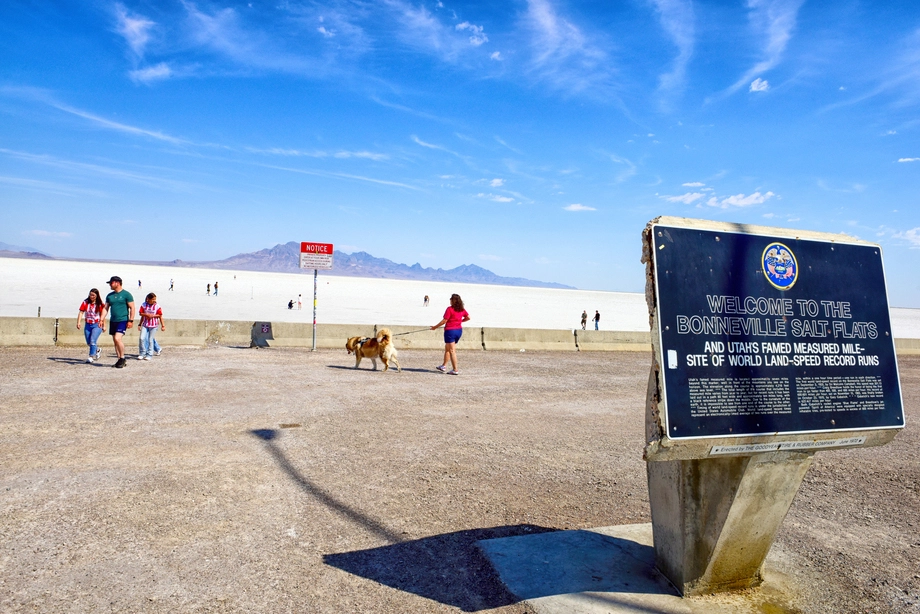 Bonneville Salt Flats – Journey to the Edge of the World
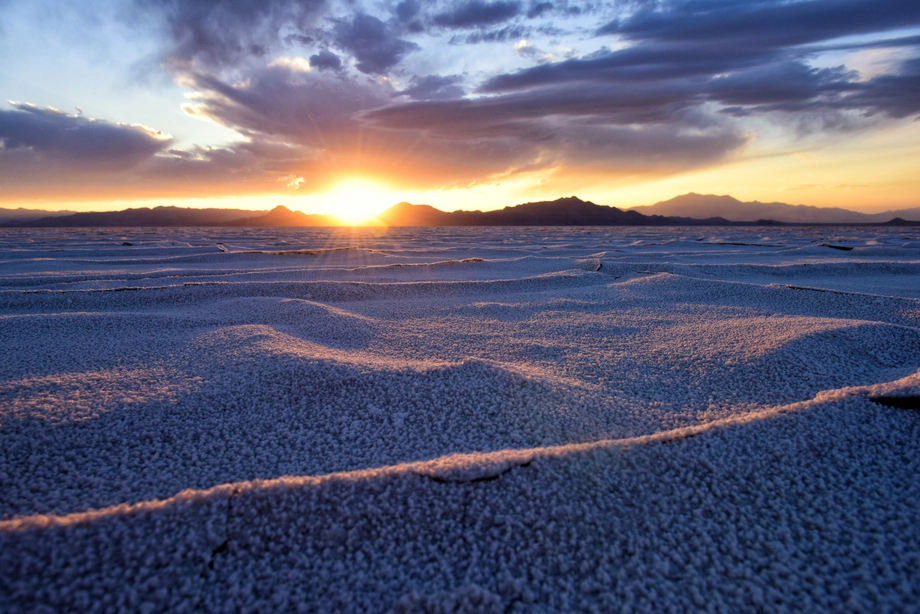 Bonneville Salt Flats – Sunset Adventure of the White Desert
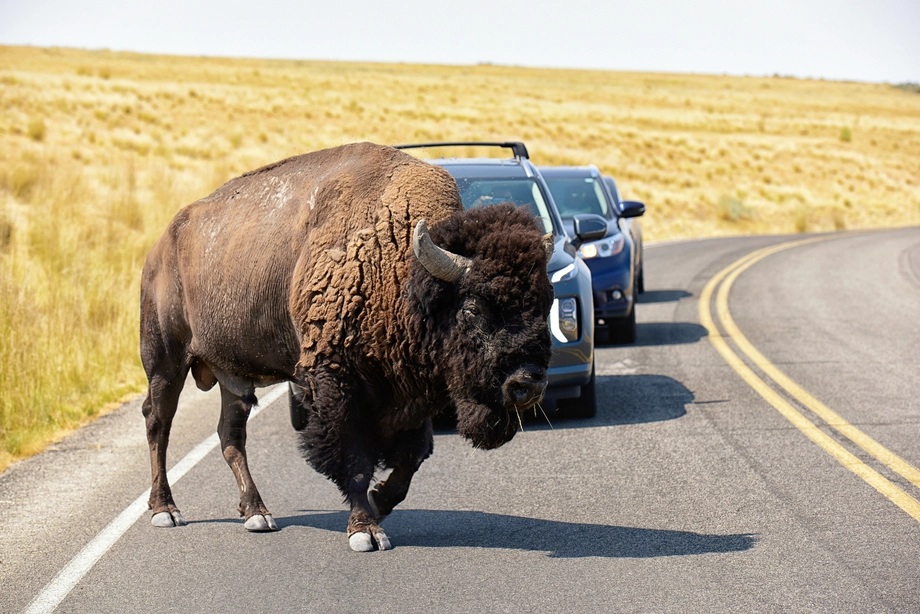 Antelope Island – Wild Heart of the Great Salt Lake Adventure
 Salt Lake City – The City of Zion. Historical Interactive Walking Tour
 Antelope Island Sunset Wildlife Expedition – Great Salt Lake Odyssey