
Leave No Trace rules in Utah explained for hikers, skiers and every SLC walking tour
Jan 27, 2026
Follow Leave No Trace in Utah by staying on established routes, packing out waste, choosing stoves over fires and respecting wildlife. Guided SLC walks, ski trips and park tours help you build these habits easily.
Utah’s landscapes look wild and untouched, but behind every postcard view is a simple truth. Popular trails, national parks, ski resorts and even a casual SLC walking tour put real pressure on fragile desert and mountain environments. What separates a place that still feels wild in 20 years from one that looks trampled is how visitors apply the Leave No Trace principles in the real world.
This guide breaks down the core Leave No Trace rules in clear, practical language and shows how to use them across Utah. You will see how they apply in national parks, on day trips from Salt Lake City, at ski resorts, and even during a self guided tour of Salt Lake City. You will also find pros and cons, real examples, common mistakes, and concrete tips you can use on your next trip with or without a guide.
What does Leave No Trace really mean in Utah?
Core principles in everyday language
Leave No Trace is a set of ethics for visiting nature without damaging it. In Utah, where cryptobiotic soil, scarce water and intense sun create fragile systems, these principles are less about perfection and more about smart, consistent habits.
The basics usually include planning ahead, traveling and camping on durable surfaces, disposing of waste properly, leaving what you find, minimizing campfire impacts, respecting wildlife and being considerate of other visitors. Each one looks a bit different in a canyon, a ski area or in downtown Salt Lake City green spaces.
Why Utah is especially sensitive
Much of Utah’s public land is high desert. A single boot print off trail can crush living soil that takes years to recover. In canyons and around rivers, shorelines erode quickly when crowds shortcut paths or stand on the same fragile bank for photos.
Snow hides impacts in winter, but trash, food scraps and broken branches reappear once it melts. That is why Leave No Trace matters just as much on a ski day as during a summer hike.
How Leave No Trace connects to guided and self guided tours
Guides in Salt Lake City and around Utah already build many Leave No Trace habits into their itineraries. Group sizes stay small, routes use durable sidewalks or established trails, and guides point out where to stay on path.
On a self guided tour of Salt Lake City or a solo hike in a national park, you become your own guide. The principles stay the same, you simply apply them without someone reminding you at every stop.
How to apply Leave No Trace on walking tours in Salt Lake City
Small downtown walking groups
Group walking tours in central Salt Lake City use sidewalks and paved plazas, which are naturally durable surfaces. That already aligns with Leave No Trace because you are not trampling vegetation or fragile soil.
Local guides keep groups small so everyone can ask questions and stay together. That size also reduces crowding at narrow corners, historic staircases and hidden courtyards.
Respecting history and hidden spots
Downtown routes often pass historic buildings and tucked away places that most visitors miss. Leave No Trace here means not leaning on delicate railings, not climbing on monuments and never carving or writing on walls or trees.
Because tours explain the city’s planning and growth, visitors understand why certain areas are protected or recently restored. That context makes it easier to choose respect over “just one quick shortcut.”
Self guided routes and “free” walking styles
Some visitors prefer a flexible, almost salt lake city free walking tour style, exploring on their own with a map or audio. The same courtesy rules apply. Stay on marked paths, use trash cans, keep noise reasonable and avoid blocking narrow sidewalks for long photo sessions.
In short, treat urban spaces like shared trailheads. They are part of the broader Utah experience and deserve the same care you give a national park overlook.
You found a hidden promo code!
Use code WOWBLOG at checkout and get 10% OFF any tour!
Limited time offer. Book now and save!
Browse ToursLeave No Trace in Utah’s national parks and day trips
Structured tours from Salt Lake City
Many visitors start their Mighty Five adventure right in Salt Lake City. Organized trips provide transport to Zion, Bryce Canyon, Arches, Canyonlands and Capitol Reef, plus guidance at key viewpoints and on short hikes.
These tours naturally support Leave No Trace. Drivers stick to paved roads and designated parking. Guides choose existing trails to arches, ridges and canyons and clearly explain where stepping off route would damage soil or plants.
Short hikes to viewpoints and arches
Typical itineraries include brief walks to overlooks, arches and canyon rims. On these outings, Leave No Trace is about simple choices. Walk single file in narrow sections, pass slower hikers politely and give people space for photos without pushing past sensitive edges.
If you want a quiet moment, ask the guide where to pause without blocking the route or crushing vegetation. They already know which rock outcrops are durable and which slopes crumble underfoot.
Scenic drives and photo stops
Driving Utah’s scenic roads can feel low impact, but photo pullouts can get crowded quickly. Use official pullouts, do not park on fragile shoulders and avoid standing on steep roadside banks that erode easily.
Before leaving the vehicle, decide what you really need to bring. Empty drink bottles or snack wrappers left in the car can never blow away into canyons or washes.
Leave No Trace at Utah ski resorts and snow day tours
Transit and logistics from Salt Lake City
Day trips from the city to nearby ski resorts provide a simple way to enjoy the snow without learning local rules from scratch. Transport is arranged, which reduces individual car traffic and parking pressure in mountain canyons.
Less traffic means less pollution and lower risk of roadside damage. It is a quiet but real form of Leave No Trace that starts before you even click into your skis or board.
On the slopes and around lifts
On groomed runs, staying in bounds and following resort signs is the main Leave No Trace practice. Do not cut through closed areas or duck ropes. Those barriers usually protect young trees, wildlife habitat or unstable snow.
At lift lines and rest areas, keep gear organized and trash secured. Small items dropped in winter, like snack wrappers, often do not get cleaned up until snow melts, and by then they have spread downslope.
Helping beginners and reducing stress
Organized ski days from Salt Lake City give first timers and families help with orientation. When people feel less stressed, they make better choices about where to stop, how to avoid blocking narrow spots and how to follow mountain rules.
Experienced skiers on these trips also benefit. Guides can quickly share local information, such as sensitive tree islands to avoid or areas where wildlife often cross.
Pros and cons of guided tours for Leave No Trace in Utah
Advantages of guided experiences
- Built in education: Local guides explain why certain areas are fragile, which makes Leave No Trace feel logical instead of restrictive.
- Safer routing: Group routes stick to established paths, paved city walks and approved ski areas, which reduces damage and confusion.
- Lower planning load: Visitors can focus on the landscape while guides handle driving, timing and rules.
- Small group size: Compact groups create less noise, less trail crowding and fewer off trail detours.
- Online booking clarity: Clear details about distance, terrain and elevation help guests choose trips within their ability, which cuts down on risky shortcuts.
Limitations to keep in mind
- Less flexibility: Fixed schedules may skip quieter times of day when impacts could be lower.
- Shared responsibility: Some guests rely too heavily on guides and forget they still have personal Leave No Trace duties.
- Group dynamics: In any group, a few people may ignore advice about staying on trail or managing trash.
- Photo pressure: Popular viewpoints can feel rushed, which tempts some visitors to step off durable surfaces for a “better” angle.
- Transport footprint: Although shared vehicles help, motor travel still has environmental costs that need balancing with careful on site behavior.
Cooking, fires and waste: what the research tells us
Stoves versus campfires
Fire scars and half burned logs are some of the most visible impacts in wild areas. Research on visitor behavior has found that many people still use wood fires even when they carry stoves.
The majority of visitors used stoves for cooking. However, in all but the Desolation Wilderness, at least 50% of visitors had a wood fire on.
For Utah, especially in dry seasons, this means choosing a stove whenever possible. Fire restrictions are common, and even when fires are legal, the cumulative effect of many small fires can be significant.
Leave No Trace with food and trash
Whether you are on a city walk, at a park overlook or in a ski lodge, food scraps do not belong on the ground. Organic waste still attracts animals and changes their behavior.
Use trash cans or pack waste out. If bins are full, carry it with you until you find another one instead of leaving items beside overflowing containers.
Restroom choices and water protection
Organized day trips usually stop at restrooms at visitor centers, lodges or trailheads. Using them is one of the simplest Leave No Trace decisions you can make. It protects soil, water and other visitors’ experience.
When facilities are not available, move well away from streams, lakes or washes. That habit keeps water sources clean for people and wildlife downstream.
Common mistakes visitors make with Leave No Trace in Utah
Top errors to watch out for
- Shortcutting trails: Cutting switchbacks or taking “direct” lines crushes fragile soil and widens paths.
- “Harmless” rock stacks: Rearranging rocks for photos disturbs habitat and can mislead other hikers.
- Overusing campfires: Even with a stove, some campers build fires out of habit, creating scars and increasing risk in a dry state.
- Feeding or approaching wildlife: Human food changes animal behavior and can lead to conflicts.
- Litter from quick snacks: Small items like wrappers or bottle caps often get dropped during short stops and then forgotten.
Why these mistakes happen
Most people do not intend to harm landscapes. Many simply copy what they see others doing or underestimate how fragile Utah environments can be.
Busy schedules, fatigue and the pressure to get the best photo also push visitors toward bad choices, especially near crowded viewpoints or at the end of a long day.
How to avoid them in practice
Slow down at decision points. Before stepping off trail, adding a rock to a pile or feeding an animal, pause and ask whether the action supports or breaks Leave No Trace.
On tours, use your guide as a resource. They would rather answer one more question than see another scar on the landscape.

Practical tips and recommendations for low impact travel in Utah
Actionable steps for every visitor
- Plan your route: Read the provided details on distance, terrain and elevation so you pick outings that match your fitness and skills.
- Pack light but smart: Bring a small bag for water, layers and a dedicated trash pocket so litter never “accidentally” falls out of your hand.
- Use stoves: When camping or picnicking, cook on a stove instead of building a wood fire unless local guidance clearly supports fires.
- Stay on durable surfaces: In cities, that means sidewalks. In parks, it means established trails and rock, not soil or vegetation.
- Follow guide instructions: If a guide sets a boundary, treat it as a hard line, not a suggestion.
- Share the space: Keep noise low at viewpoints, move aside for faster groups and give others room to enjoy the scenery.
- Teach your group: If you travel with friends or family, explain the basics so everyone helps protect the places you visit.
Using guided tours as a learning tool
Think of a group trip from Salt Lake City as an on site class in Leave No Trace. Notice how guides manage rest stops, where they choose to walk and how they talk about local history and geology.
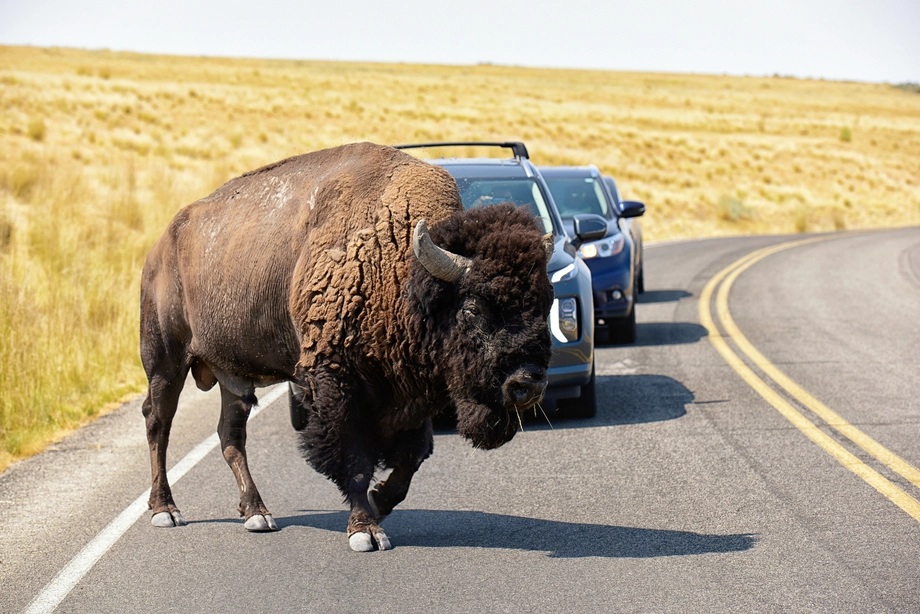
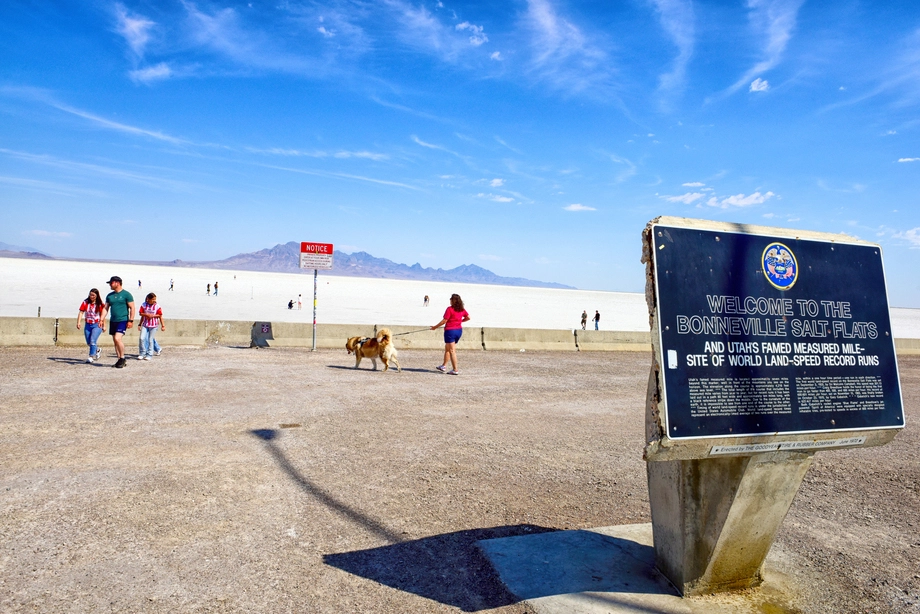
Later, when you explore on your own, you can copy those choices, whether you are visiting Antelope Island, the Bonneville Salt Flats or a quiet neighborhood park.
Examples of Leave No Trace done right on real Utah trips
Case 1: First day in Salt Lake City on foot
Imagine you arrive in the city and join a downtown group walk on your first day. The local guide keeps the group small, leads you along sidewalks past historic buildings and into a little known courtyard.
Instead of stepping into planters for a better angle, everyone stays on paved paths. Questions about the city’s layout turn into a quick chat about how urban planning can either protect or pressure nearby natural areas. You leave with photos, context and zero extra impact on the places you visited.
Case 2: National park highlights with short hikes
On another day, you travel from Salt Lake City to two of Utah’s national parks. The driver handles the miles, while the guide explains geology and local stories. At each key viewpoint, the group walks the marked trail, uses established overlooks for photos and takes short, guided hikes to arches and ridges.
At lunch, everyone packs out their own trash, including tiny food scraps. No one builds a fire at the picnic area. The result is a full, realistic itinerary that still leaves the sites ready for the next visitors to enjoy.
Comparing guided, free style and self guided options for low impact travel
City and nature options side by side
| Experience type | Main setting | Leave No Trace support | Best for |
|---|---|---|---|
| Guided downtown walking group | Salt Lake City streets and plazas | Strong. Small groups, local guide, fixed routes | First time visitors, history fans |
| Self guided city walk | Urban core and nearby parks | Medium. Depends on your own choices | Independent travelers, repeat visitors |
| Guided park day trip | National parks and viewpoints | Very strong. Clear briefings, managed stops | Mighty Five explorers, photographers |
| Day trip to ski resort | Mountain slopes near SLC | Strong. Shared transit, resort rules | Skiers and riders of all levels |
Costs and impact balance for day trips
| Trip style | Typical cost range | Key inclusions | Impact control |
|---|---|---|---|
| City day trip from SLC | From about $35, many around $99 | Transport, guide, short walks | Moderate, depends on group habits |
| Nature focused day trip | Often around $99 | Transport, planned route, guided hikes | High, strong Leave No Trace structure |
| Independent driving | Variable fuel and fees | You handle everything | Fully dependent on your knowledge |
These numbers give a sense of how structured trips can combine realistic budgets with good impact control. They are not exact prices for every option but show the general pattern you can expect.
How MateiTravel helps you travel light on the land
Built in Leave No Trace thinking
MateiTravel designs Salt Lake City walks, ski day trips and national park outings with small groups, thoughtful routing and clear information on distance and terrain. That structure reduces the chance of guests feeling rushed or overextended, which is when most poor Leave No Trace choices happen.
Guides share local stories and simple, memorable tips instead of long rule lists. You learn enough to act responsibly without feeling lectured.
Choosing your next low impact adventure
If you want to see Utah’s highlights without wrestling with logistics, a guided walk, ski day or park tour from Salt Lake City is a strong option. You get built in Leave No Trace support, plus the freedom to focus on the experience.
When you are ready to explore, consider booking your next Utah adventure with MateiTravel. You bring curiosity, they bring the planning and the low impact mindset that keeps these places special.
Leave No Trace in Utah is not about perfection. It is about small, consistent choices that protect deserts, canyons, cities and snowy slopes. Guided walks, ski days and national park trips from Salt Lake City can make those choices easier by building them into routes, group sizes and schedules.
Whether you join a compact downtown walk, a day at a mountain resort or a long awaited visit to the Mighty Five, the same principles apply. Stay on durable surfaces, manage waste, skip unnecessary fires and respect wildlife and other visitors. With that habit set, every trip becomes more rewarding and the places you love stay wild and welcoming for the next time you visit.
FAQ
What are the most important Leave No Trace habits for Utah’s national parks?
The key habits are staying on established trails, packing out all trash and using stoves instead of wood fires whenever possible. These simple steps protect fragile desert soil, keep viewpoints clean and reduce fire risk in a dry climate.
How do guided day trips from Salt Lake City support Leave No Trace?
Guided trips handle transport, choose established routes and keep groups small, which limits off trail wandering and parking impacts. Guides also share local stories and practical advice that make Leave No Trace easier to understand and follow.
What is the difference between a guided SLC walking tour and a self guided city walk for impact?
A guided group walk offers built in structure, local guidance and small group sizes that naturally reduce crowding and damage. A self guided walk gives more freedom, but you must take more responsibility for staying on sidewalks, using trash cans and respecting historic sites.
Why is using a stove better than building a campfire in Utah?
Research shows that even when visitors carry stoves, many still build wood fires, which leads to scars and higher fire risk. Stoves cook efficiently without using wood, leaving the site cleaner and safer for future visitors.
How can I avoid common Leave No Trace mistakes on short hikes to arches and viewpoints?
Avoid shortcuts, stay behind railings and do not step on vegetation or loose soil for photos. Move aside at narrow spots, keep noise low and pack a small bag for water and a trash pocket so you do not drop wrappers or bottles.
Do city walking tours in Salt Lake City really need Leave No Trace?
Yes, because urban areas include historic sites, landscaped spaces and small parks that are easy to damage through crowding, litter or climbing. Treat sidewalks and plazas like shared trailheads and respect local rules and infrastructure.
How do ski resort day trips from Salt Lake City relate to Leave No Trace?
Shared transport reduces parking pressure in mountain canyons, and guides help visitors understand resort boundaries and rules. On the slopes, staying in bounds, managing trash and respecting closures are the main Leave No Trace practices.
What does it cost to join a low impact day trip in Utah from SLC?
Many organized day trips start around $35, with most nature focused day tours costing about $99. Those prices typically include transport, a planned route and guide support that help you travel with less impact.
How can MateiTravel help me travel more responsibly in Utah?
MateiTravel offers small group city walks, ski days and national park trips designed with Leave No Trace in mind. They provide clear route details and local guidance so you can enjoy Utah’s highlights while minimizing your impact.

 Antelope Island Sunset Wildlife Expedition – Great Salt Lake Odyssey
 Salt Lake City – The City of Zion. Historical Interactive Walking Tour
 Bonneville Salt Flats – Sunset Adventure of the White Desert
 Antelope Island – Wild Heart of the Great Salt Lake Adventure
 Bonneville Salt Flats – Journey to the Edge of the World