
Planning Gentle Guided Zion Hikes Under Two Miles for Seniors the…
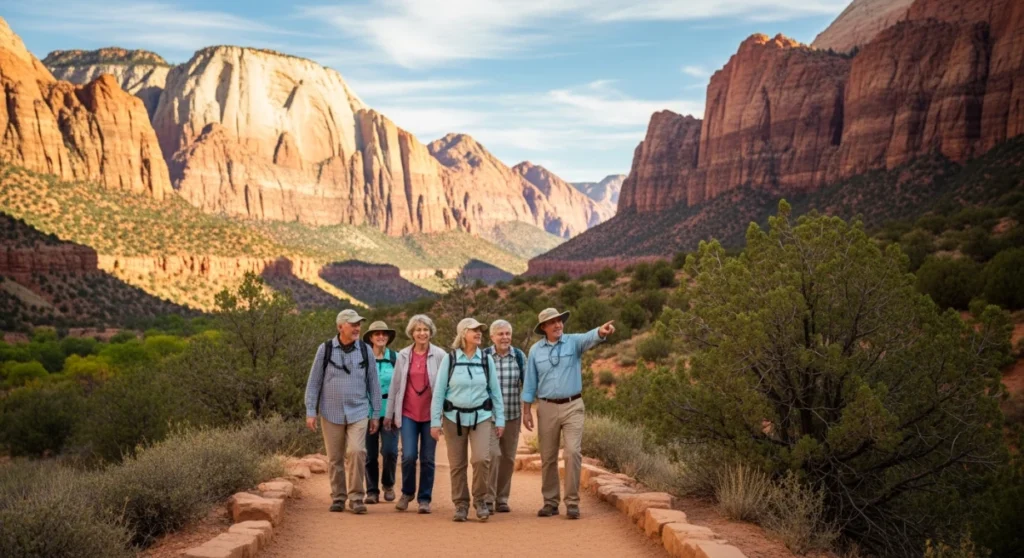
For seniors, the best under-two-mile Zion outing is one with clear walking levels, transport support, small groups, and optional short stops. Judge the full day’s effort, not mileage alone.
Most people who say they want an easy Zion outing start by looking at distance alone, then end up with a route that is short on paper but awkward in practice because of uneven footing, shuttle timing, or too much standing between stops. That mismatch matters more now because many park visitors want the scenery without the stress of managing parking, reservations, and trailhead logistics on their own.
When you are planning gentle guided Zion hikes under two miles for seniors, the safer approach is to screen the day in stages: first the format, then the transfer load, then the walking surface, then the stop-by-stop pace. That order prevents a common mistake, which is picking a famous viewpoint first and discovering later that the day around it is the tiring part.
Use this workflow only when the day needs to stay easy from start to finish
This planning method works best for older travelers who want guided help, short walks, built-in context, and fewer decisions during the day. It is a strong fit for couples, friends, and families who are comfortable with light walking but do not want to handle the full Utah road trip puzzle themselves.
Skip this workflow if your group wants a longer backcountry outing, a self-driven schedule with flexible detours, or a more athletic pace. In that case, a low-mileage sightseeing plan may feel too structured, even if the scenery is excellent.
- Good fit: You want iconic park views, brief walks, and commentary about geology, history, and local stories.
- Good fit: Someone in the group tires more from logistics than from a short stroll.
- Not a fit: Your priority is covering many miles or chasing difficult trail goals.
- Not a fit: The group prefers to improvise every stop without a guide or schedule.
Listings with clear duration, approximate daily timing, walking level, and included transportation are far easier to match to an older traveler than vague “see it all” descriptions.
When a guided format saves real energy
The biggest advantage is not just having a guide on the trail. It is removing long drives, unfamiliar parking routines, and the need to decode park logistics before the first walk even begins.
| Tour format | Typical starting point | Approximate duration | Walking level | Why it helps seniors |
|---|---|---|---|---|
| Utah national park tours | Salt Lake City | About 7 hours on some tours | Walking or walking/auto | Round-trip transport, scenic drives, viewpoint stops, optional short walks |
| Salt Lake City historical walking tour | Main entrance of the FamilySearch Center | About 3 hours | Walking | Small-group city format shows how clearly listed walking expectations can reduce guesswork |
Preparation: gather the right inputs before you compare options
Before choosing a specific outing, collect details that affect comfort more than raw mileage. A senior-friendly day succeeds when the whole schedule, not just the trail itself, matches the group’s energy.
- Set the walking limit: Keep the total planned walk under two miles and ask whether that means one outing or several short segments across the day.
- Define the support level: Decide whether the group needs full transport from Salt Lake City, a guide for context, or both.
- Check standing tolerance: Some travelers handle half a mile well but struggle with repeated boarding, waiting, and photo-stop standing.
- Use listing details as a filter: Favor tours that clearly show duration, approximate daily schedule, walking level, and what is included in the price.
Optional accelerators help narrow the field faster. If one person uses a mobility aid or needs smoother surfaces, add wheelchair accessible Zion canyon shuttle and trail recommendations to your screening notes so you do not judge suitability by distance alone.
What to look for in a listing before you ask any follow-up questions
| Selection point | What a helpful listing shows | Why it matters for a low-mileage day |
|---|---|---|
| Duration | A clear overall time, such as about 3 or 7 hours | Long days can be tiring even when walks stay short |
| Daily timing | An approximate schedule | Helps you judge meal timing, rest windows, and pacing |
| Walking level | Walking or walking/auto | Quickly separates scenic-stop days from heavier itineraries |
| Included items | Transport and guided commentary | Reduces planning load and confusion during the trip |
| Group size | Small groups, often up to 11 or 13 | Makes questions easier and pace adjustments more realistic |
You found a hidden promo code!
Use code WOWBLOG at checkout and get 10% OFF any tour!
Limited time offer. Book now and save!
Browse ToursExecution: build the day step by step
Start with the travel burden, not the trail. For many older visitors, the difference between a pleasant day and an exhausting one is whether someone else handles the long transfer, the sequence of stops, and the timing between them.
- Choose the day format first: If the group wants a broad Utah experience without self-driving, begin with guided park options from Salt Lake City that include transport and scenic stops.
- Prioritize walking/auto formats: These usually leave room for viewpoints and optional short outings instead of committing the whole day to continuous walking.
- Screen for stop quality: Favor itineraries that mention overlooks, canyon rims, arches, or photo stops, because these can deliver a strong sense of place with less effort.
- Check how context is delivered: Good commentary on geology, history, and local stories keeps the day engaging even when the actual walk is brief.
- Match group dynamics to group size: Smaller groups are better when your party may need extra questions, a slower boarding pace, or a pause to settle in.
If you are comparing the best tours of utah national parks for an older traveler, do not reward the fullest itinerary by default. Reward the clearest one, because clarity is what lets you judge whether the day stays gentle all the way through.
How to shape a two-mile maximum into a comfortable experience
Treat the two-mile cap as the ceiling, not the target. Many seniors do better with several shorter segments linked by scenic driving and seated interpretation than with one continuous walk that uses the whole limit.
- Break up movement: A pair of short walks with time to sit often feels easier than one longer push.
- Front-load the best scenery: Put the must-see stop early, before energy drops and decision fatigue sets in.
- Protect the return window: Leave margin near the end of the day so no one has to “power through” the last stop.
- Use questions to gauge comfort: In small groups, ask the guide early how much standing is expected between walk segments.
Practical recommendations that make senior-friendly planning smoother
These adjustments are simple, but they prevent most of the avoidable problems I see with low-mileage outings. Each one matters more than shaving off a quarter mile on paper.
- Pick transparency over hype: If a tour description is vague about walking level or schedule, move on and compare one that spells it out.
- Favor transport-inclusive plans: Round-trip service from Salt Lake City removes one of the hardest parts of a park day.
- Use small groups to your advantage: Ask route and stop questions before departure so pace issues are handled early, not on the spot.
- Treat optional walks as optional: A scenic drive with brief photo time can still make the day worthwhile if someone tires sooner than expected.
- Watch cumulative load: Count transfers, wait time, and repeated vehicle exits as part of the effort, not just the trail distance.

Verification: confirm that the plan is truly gentle
A senior-ready plan should be easy to explain in one minute. If you cannot summarize where the group starts, how long the day lasts, what the walking level is, and where the shorter fall-back moments happen, the plan is not ready yet.
Use these signals before booking or finalizing the day:
- Clear logistics: You know the starting point, total duration, and approximate schedule.
- Clear walking expectation: The outing is labeled in a way that signals light movement, such as walking/auto or a plainly described walking level.
- Clear comfort margin: The best scenery does not depend on completing the longest optional segment.
- Clear interaction: The group size is small enough that questions and pace concerns can be raised comfortably.
Two realistic planning scenarios
A daughter planning for her parents wants dramatic scenery but worries about long driving and confusion at the park. She chooses a guided Utah park day from Salt Lake City with scenic stops and optional short walks, and the result is better energy at each viewpoint because the transfer and schedule are already handled.
A retired couple wants context more than mileage and prefers to ask questions as they go. They select a small-group format where the walking level is clearly stated, then treat each short stop as optional; they finish the day satisfied instead of drained, even though they see fewer locations than a faster group would.
Fallback paths when a step fails
Sometimes the perfect short outing is not available, or a listing looks promising but stays too vague. That is when fallback choices keep the day practical instead of forcing a poor fit.
- If the itinerary is too long: Switch to a shorter city or scenic format on another day and save the park outing for when the group has more energy.
- If the walking level is unclear: Choose a better-documented option rather than assuming “easy” means the same thing to every operator.
- If one traveler has mobility concerns: Shift focus to shuttle-supported sightseeing and smoother, lower-effort stops rather than trying to use distance as the only measure.
- If your group dislikes long road segments: Use a local guided walk in Salt Lake City as a lower-load alternative, especially one led by a local guide in a small group where questions are welcome.
That last option is not a substitute for canyon scenery, but it is a smart recovery plan when an older traveler still wants a guided experience with manageable pacing. Small-group downtown walks can deliver meaningful stories, historic buildings, and hidden corners without the strain of a full park transfer day.
The safest way to plan a short Zion-style outing for older travelers is to judge the entire day, not just the trail length. Clear tour details, transport support, small groups, and optional short walks are the signals that usually matter most. When the schedule is transparent and the pace can flex, a low-mileage day stays enjoyable instead of feeling like work. If you want help matching that kind of outing to your group, MateiTravel can narrow the options quickly.
Why is distance alone a poor way to judge an easy Zion outing?
A short route can still feel hard if the day includes long transfers, repeated standing, or awkward stop timing. Total effort matters more than the mileage number by itself.
What tour details should I check first for a senior-friendly day?
Start with duration, approximate schedule, walking level, and what is included. Those details show whether the day is manageable before you look at scenery.
Are small groups better for older travelers?
Usually yes, because questions are easier to ask and pacing concerns are easier to address. The available tours described here range up to 11 or 13 people on some outings.
When does a guided Utah parks tour make more sense than self-driving?
It helps when your group wants major viewpoints and short walks without handling long drives, parking, or trailhead logistics on its own. That is especially useful if time is limited.
How should I use a two-mile limit when planning for seniors?
Use it as a maximum, not a goal. Several short segments with rest and scenic driving often feel better than one continuous walk.
What is a sensible fallback if a park day seems too demanding?
Choose a shorter guided walk with a clearly stated walking level, such as a small-group city outing. It keeps the day active without the load of a long transfer.
 Antelope Island Day Tour or Sunset Wildlife Tour: Which Fits Your Salt Lake City Schedule?
 How to Dress for Changing Weather on Antelope Island
 How to Photograph People at Bonneville Salt Flats at Sunset
 How to Dress for Wind and Glare at Bonneville Salt Flats
 What a Guide-Led Utah Day Tour Handles for You
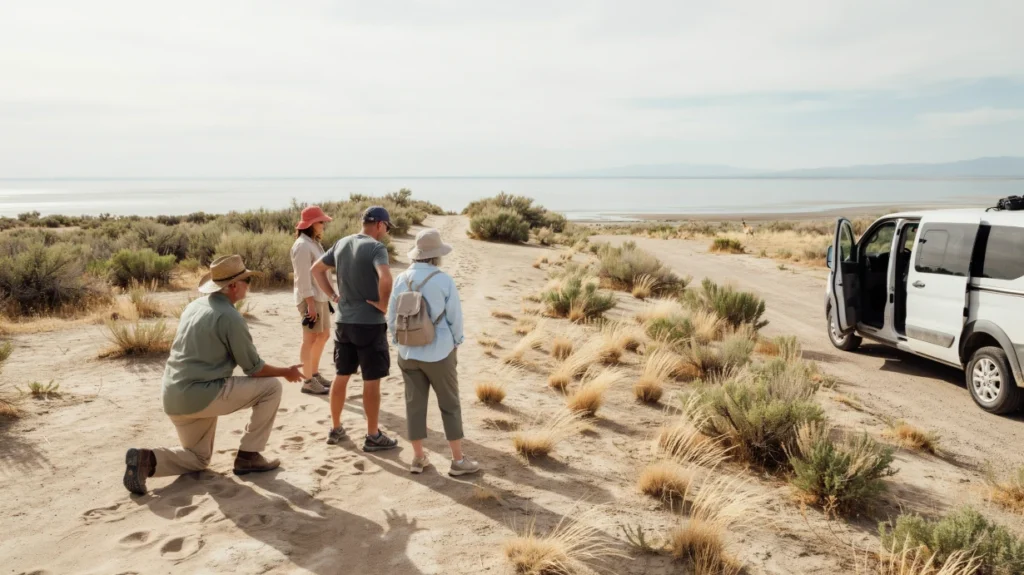 Why Wildlife Sightings Cannot Be Guaranteed on Antelope Island

The tour was great and beautiful. Dima, the tour guide, explained everything clearly and had some...
Read more →What a beautiful experience! The drive is about 2 hours one way with interesting scenery the...
Read more →(From North Carolina on a business trip) '+ 'HANDS DOWN the best tour/guide I’ve ever had. And...
Read more →Went to Antelope Island. Terrible. Tour guide didn\'t do what he said he was going to...
Read more → Bonneville Salt Flats – Sunset Adventure of the White Desert
 Antelope Island – Wild Heart of the Great Salt Lake Adventure
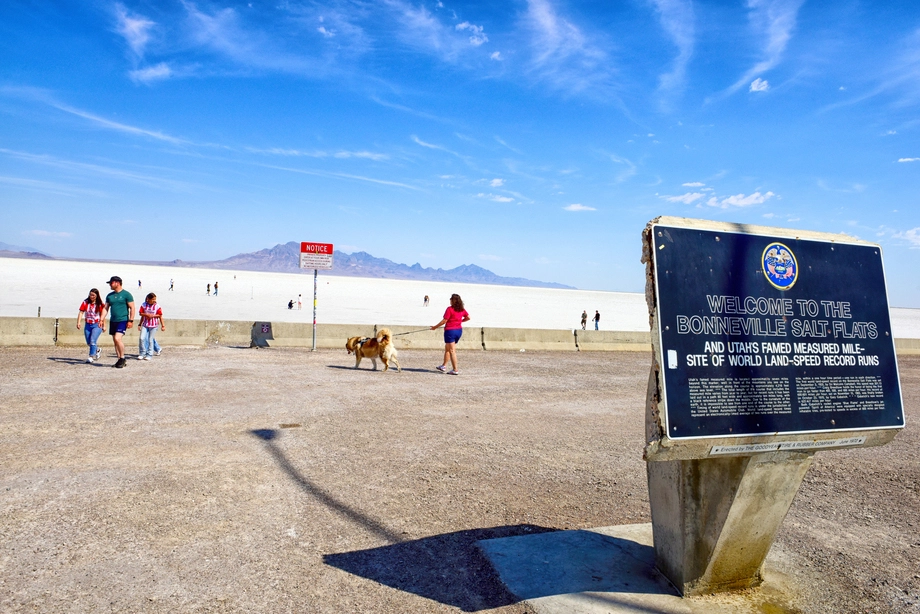 Bonneville Salt Flats – Journey to the Edge of the World
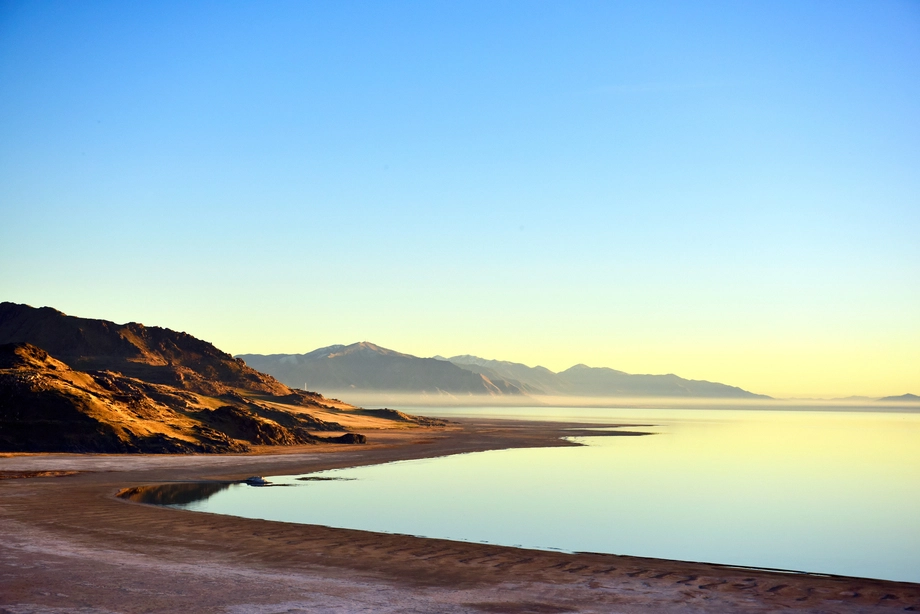 Antelope Island Sunset Wildlife Expedition – Great Salt Lake Odyssey