
Planning a Utah national parks vacation without a rental car from Salt Lake City
Mar 14, 2026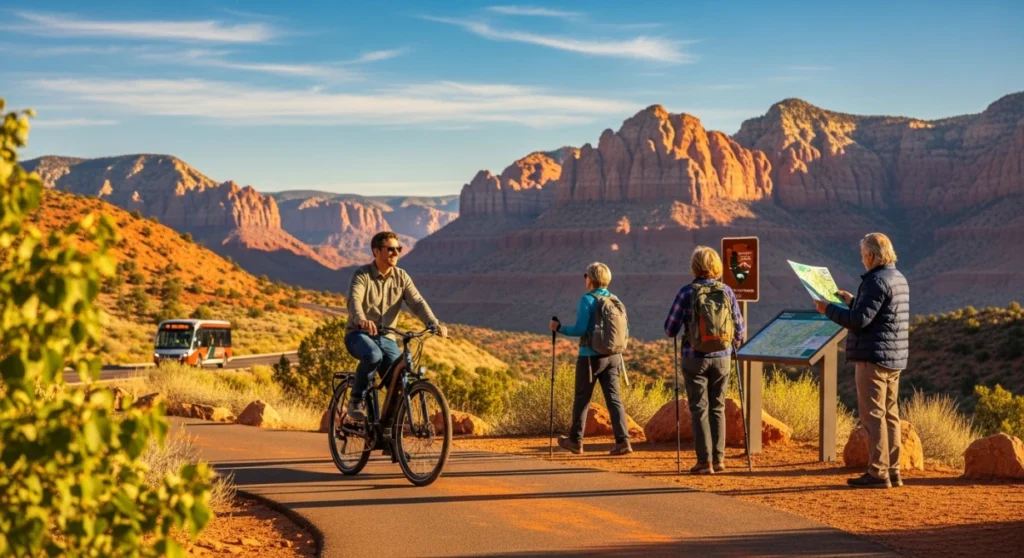
Use Salt Lake City as your hub, book guided small-group park days with transport, rely on free and private shuttles near the parks, and keep at least one buffer day to handle weather or schedule changes.
Most people assume a Utah park trip means a long rental car line at the airport, hours of highway driving, and hunting for parking at crowded viewpoints. Then they arrive in Salt Lake City tired from travel and already stressed about navigating remote desert roads. You can skip all of that and still see the cliffs, arches, and canyons that brought you here, but only if you plan your logistics as carefully as your bucket‑list views.
The catch is that information about car‑free routes is scattered, and many visitors do not realize how much they can combine shuttles, small groups, and local guides until it is too late. If you want a utah national parks vacation without ever touching a steering wheel, you need to commit to a different style of planning from day one.
Let us walk through how to decide if a no‑car plan fits you, how to prepare the pieces from Salt Lake City, and how to troubleshoot common roadblocks before they wreck your schedule.
When a car‑free national parks trip makes sense (and when it does not)
Before you start booking anything, check whether a no‑car approach matches your travel style and constraints. It works very well for some travelers and poorly for others.
Good fit: choose car‑free if most of these are true
- You dislike long drives: You would rather spend your energy walking in canyons than concentrating on unfamiliar highways or mountain roads.
- You are comfortable on structured days: Set departure times and shared schedules feel fine as long as you see the highlights and have time for photos and short walks.
- You prefer local context: Hearing stories about geology, history, and local life from a guide matters more than driving every mile yourself.
- Your trip is short: You have only a few days and want to cover the maximum scenery with minimum planning overhead.
- You travel light: You can manage with one suitcase or backpack that is easy to load in a van or shuttle.
Poor fit: reconsider car‑free if these matter more
- You want long independent hikes: Full‑day backcountry routes often start early or end late, beyond typical guided schedules or shuttle timetables.
- You need extreme flexibility: If you like changing plans midday based on mood or clouds, fixed departures may feel restrictive.
- You have complex gear: Photographers with multiple cases or travelers with bulky equipment may find small vans and shuttles limiting.
- You are visiting very off‑season: Some in‑park shuttles and regional services run less often outside peak months, which increases waiting and reduces options.
If you are somewhere in the middle, you can still go mostly car‑free by using guided transport for the big jumps between areas, then relying on free park shuttles or short walks for local exploring.
What to prepare before you book anything
A smooth no‑car trip starts with a short checklist. These decisions act as your framework so you can later plug in specific tours and shuttles.
Decide your “home base” strategy
Salt Lake City works as a natural hub because it has an airport, hotels, and easy meeting points for guided trips. Some travelers stay there every night and join day or multi‑day excursions that include round‑trip transport. Others move on after a night or two and combine park shuttles and regional bus services from there.
- Single base in Salt Lake City: Simple packing, fewer hotel changes, ideal if you want several guided park days plus local city walks or a ski day.
- Moving base: Better if you are combining Greyhound segments to Vernal or Dinosaur, or spending extra nights closer to a specific park for sunrise and sunset.
Clarify your walking and activity level
Most small groups and park shuttles are designed for light to moderate walking. You will be on your feet at overlooks, short trails, and visitor centers but not pushing into strenuous terrain unless clearly labeled as such.
Before you book, write down:
- Maximum time you enjoy walking in a day without feeling rushed or exhausted.
- Any mobility limits that affect stairs, uneven ground, or standing for long periods.
- Your must‑see features, such as canyon rims, arches, or lake views, so you can match them with available routes.
Choose your season with transport in mind
Transport patterns in Utah shift with the calendar. Shuttles are more frequent in busier seasons, while winter can add road and weather uncertainty but also quieter viewpoints.
- Spring and fall: Strong balance of active shuttle systems, mild temperatures, and good visibility for scenic drives.
- Summer: Plenty of daylight, frequent shuttles, but hotter conditions, so shorter hikes and more water stops matter.
- Winter: Interesting if you mix ski days with park visits and prefer guided driving on winter canyon roads.
You found a hidden promo code!
Use code WOWBLOG at checkout and get 10% OFF any tour!
Limited time offer. Book now and save!
Browse ToursStep‑by‑step: building a no‑car itinerary from Salt Lake City
Once you know your base, walking level, and season, you can lay out your actual days. Think in terms of transport “layers”: regional access, guided days, and local park movement.
Step 1: Anchor your start and end in Salt Lake City
Book your flights or long‑distance bus into Salt Lake City first. This is your main gateway where you can join guided trips, short walking tours of downtown, or ski day excursions in nearby canyons without driving.
Plan at least one full day in the city buffer between flights and desert days. That margin protects you from delays and gives you time to adjust to altitude and time zone.
Step 2: Pick your primary guided park days
For most car‑free visitors, the core of the trip is made of guided small groups that include round‑trip transport from Salt Lake City to major viewpoints and short hikes. These excursions typically:
- Start from a clear meeting point in the city center, so you can walk or take a short ride there.
- Include scenic drives with stops at overlooks, arches, or canyon rims for photos and leg‑stretching walks.
- Offer commentary about geology, history, and local stories that deepen what you see through the window.
- State their walking level and typical schedule, so you know if the pace fits your comfort zone.
Use that information to match trips to your priorities. For example, one day might focus on dramatic cliffs and canyons, while another features wide open desert or salt flats.
Step 3: Add short experiences around Salt Lake City
On arrival or departure days, keep things lighter. Join a small downtown walking tour with a local guide to get oriented and hear how the city was planned and built. These group walks keep numbers low, so you can ask questions and learn about both major landmarks and tucked‑away spots you would likely miss alone.
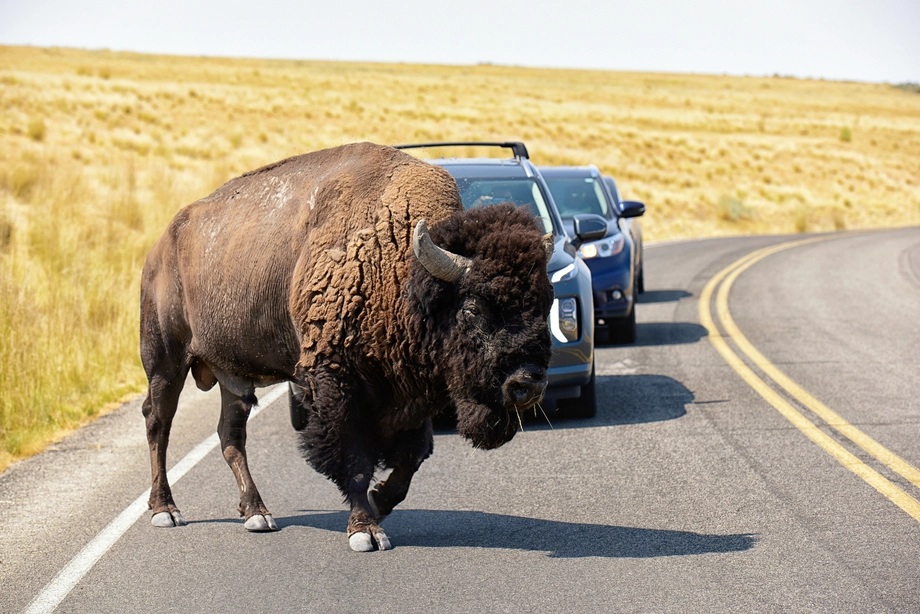
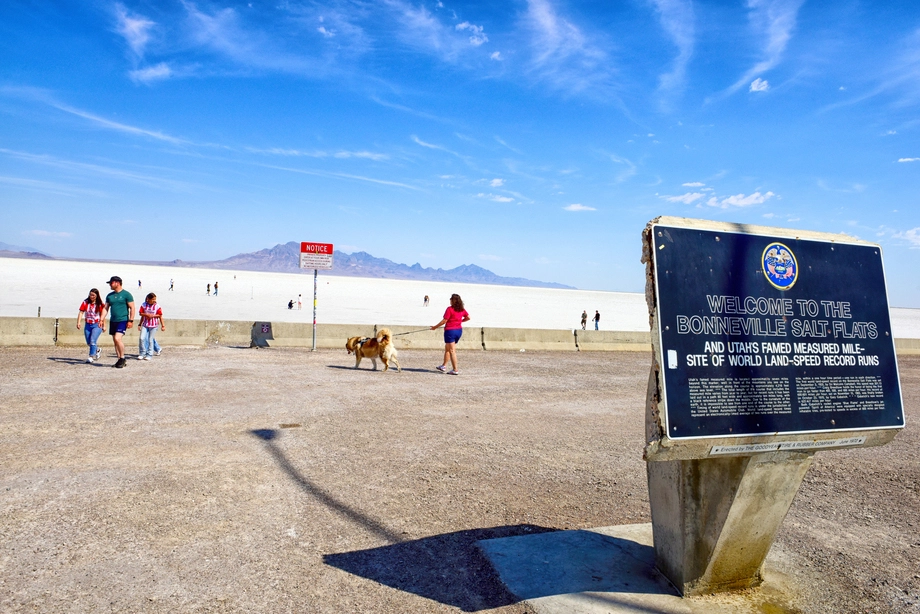
You can also add half‑day or evening excursions like a sunset visit to the Bonneville Salt Flats or a wildlife‑focused outing at Antelope Island on the Great Salt Lake. Many of these run 3 to 7 hours and combine driving with easy walking.
Step 4: Use park and private shuttles instead of driving
When you are closer to specific parks, you do not need your own car to reach the main trailheads and viewpoints. Several free and paid shuttle systems do the work for you.
- Zion: A free shuttle operates within both the park and the nearby town of Springdale and stops at major canyon locations, viewpoints, and facilities.
- Bryce Canyon: A free seasonal shuttle connects key viewpoints and visitor services at the rim during busier months.
- Moab area: A private company such as Porcupine Shuttle can move you between town and popular access points, including Arches, so you can hike without worrying about parking a rental.
Well‑designed shuttle systems turn crowded scenic roads into relaxed viewing corridors. You can focus on the cliffs and canyons instead of hunting for trailhead parking or managing traffic.
Check current shuttle routes and hours for your dates and match your overnight stays so you can board them without long extra transfers.
Step 5: Combine regional buses for extended routes
If you want to reach the eastern side of Utah without driving, long‑distance bus lines can help. Service between Denver and Salt Lake City includes stops in Dinosaur, Colorado, and Vernal, Utah, which place you within reach of nearby protected areas and scenic zones.
These segments are useful if you have more time and want to layer park visits with lesser‑known landscapes, or if you are linking a broader Southwest trip without flying between cities.
Step 6: Plan one flexible buffer day
Add at least one open day with no fixed excursions. Use it for:
- Weather recovery: Shift a key scenic day if heavy clouds or storms land on your original date.
- Rest: Sleep in, then explore downtown Salt Lake City on foot at a gentle pace.
- Bonus outing: Add an extra city walk or a day of skiing with transport handled if the weather and your energy cooperate.
Comparing main transport choices for car‑free visitors
Use this table to understand how your core options differ when you are not driving yourself.
| Option | Typical Use | Pros | Cons |
|---|---|---|---|
| Small‑group guided park trips | Multi‑stop days from Salt Lake City to major viewpoints and short hikes | Transport included, local guide, clear schedule, no parking stress | Fixed timetable, less flexible for long independent hikes |
| Free in‑park shuttles | Movement between viewpoints and trailheads once you are at Zion or Bryce Canyon | No car needed inside park, frequent stops at key sights | Operates on set routes and hours, can be busy at peak times |
| Private shuttles near Moab | Access from town to Arches area and other popular trailheads | Removes need for parking, supports one‑way hikes | Requires advance planning, extra cost compared to free shuttles |
| Greyhound‑type regional buses | Longer jumps between cities and gateway towns like Vernal or Dinosaur | Car‑free intercity travel, connects multiple regions | Limited daily schedules, needs careful coordination with local plans |
If you prefer having someone coordinate several of these layers, look at Utah National Parks Tours that start and end in Salt Lake City and already bundle scenic drives, walking time, and guiding.
How to sanity‑check your itinerary before you pay
Once you sketch your days, run through a verification pass. This saves headaches when you are already on the ground.
Check timing and connections
- Arrival and first excursion: Make sure there is at least a half‑day between landing and your first guided trip, or better, a full night.
- Return days: Avoid early‑morning flights after late evening excursions so delays do not threaten your departure.
- Shuttle links: Confirm that park or private shuttles are running at the times you plan to move between viewpoints and trailheads.
Confirm walking level and group size
Revisit each guided day’s description and note the stated walking level and group limit. Many excursions around Salt Lake City cap groups around a dozen participants. That size is small enough that you can interact with the guide but large enough for shared costs.
Ask yourself:
- Can every person in my party handle the stated walking level comfortably, including at altitude and in sun or cold?
- Will group size feel personal enough for your preferences or would you prefer even more independence inside the parks using shuttles?
Stress‑test weather flexibility
Look at each day and identify at least one backup plan. For example, if a sunset salt flats trip faces poor weather, your fallback might be a historical walking tour or an indoor museum visit in the city.
Note which days are the most “high‑stakes” for views and ensure they are surrounded by more flexible activities.
Fallbacks when things do not go as planned
Even with good planning, transport systems and desert weather do not always cooperate. Have clear backup paths in mind so one disruption does not ruin the entire trip.
If a guided park day sells out or cancels
- Switch to another available route: Consider an alternative small‑group destination available on your dates, such as a different canyon or salt flats outing.
- Use the day in the city: Join a downtown walking tour with local guides and save your park day for a different date.
- Extend to nearby experiences: Check if there is space on another same‑day outing like a Great Salt Lake wildlife evening.
If shuttles are full or delayed
- Go earlier or later: Shift your park shuttle usage to the first departures of the day or closer to sunset when demand can drop.
- Focus on fewer zones: Instead of racing through many stops, pick one area and explore several viewpoints or short trails within walking distance.
- Reorder your schedule: Swap the order of viewpoint visits, tackling less popular spots first and saving marquee stops for a quieter window.
If weather turns poor mid‑trip
- Swap activities: Move city‑based walking tours or indoor visits into the worst weather window and protect your key scenic drives and viewpoints for clearer times.
- Shorten hikes: Replace long routes with shorter, safer walks from major shuttle stops while still seeing iconic cliffs or hoodoos.
- Lean on your guide: On small‑group days, ask your guide about safe alternative viewpoints that still give you striking scenery in clouds or light rain.
Practical tips to make a car‑free parks trip work smoothly
- Book key days first: Secure your main guided park days and any limited‑capacity experiences before filling in city walks or free days.
- Stay near meeting points: Choose lodging in downtown Salt Lake City within straightforward reach of your morning pickup spots.
- Pack for temperature swings: Layers, sun protection, and a small daypack matter more when you spend hours outside and cannot return to a car trunk.
- Carry snacks and water: Even on guided days, your energy level will be better if you bring your own extras between official stops.
- Keep confirmation details offline: Save screenshots of meeting times and locations so you are not relying on patchy cellular data.

Example scenarios: what a no‑car trip can look like
Scenario 1: 4 full days based in Salt Lake City
This example shows a traveler who wants variety without changing hotels.
| Day | Morning | Afternoon / Evening |
|---|---|---|
| Day 1 | Arrive in Salt Lake City, check in | Relaxing downtown walk, early night |
| Day 2 | Full‑day small‑group excursion to desert viewpoints and short hikes | Return to city, dinner near hotel |
| Day 3 | Guided city walking tour exploring history and hidden corners | Optional sunset excursion to Bonneville Salt Flats |
| Day 4 | Buffer morning for rest or museums | Departure |
This traveler never drives, yet still gets vast landscapes, local stories, and a sense of the city itself.
Scenario 2: 6 days mixing parks and a ski day
This traveler visits in winter or early spring and prefers cooler temperatures.
- Day 1: Arrival and easy walk around downtown to stretch after travel.
- Day 2: Full‑day guided ski outing from the city, including round‑trip canyon transport and on‑the‑way tips about terrain and services.
- Day 3: Rest morning, then a historical walking tour in the afternoon.
- Day 4: Guided small‑group day toward canyon or desert viewpoints for contrast with the snow.
- Day 5: Buffer day for weather, extra skiing, or a salt flats or Great Salt Lake wildlife excursion.
- Day 6: Departure.
They experience both mountains and desert without ever driving on winter roads or worrying about resort parking.
Pros and cons of relying on small groups versus shuttles
Both approaches avoid rental cars but feel very different when you are on the ground.
Small‑group guided days
- Pros: Someone else drives, narrates, and manages timing. You see a lot in a short window and get context from a local guide.
- Cons: Less room to linger at one viewpoint or rearrange your day on a whim.
Mostly shuttle‑based exploring
- Pros: Maximum flexibility once you are at the park. You can choose your own stops and time at each place.
- Cons: You handle all logistics, and shuttles may only reach certain zones or run at specific hours.
Many travelers blend them. They use small group tours utah national parks for long transfers from Salt Lake City, then hop on free park shuttles for fine‑grained exploring on extra days.
Common mistakes on car‑free Utah trips
A few recurring errors cause most of the stress for visitors who skip rental cars.
- Underestimating distances: Even with transport included, Utah is a big state. Do not try to squeeze too many far‑flung destinations into a short stay.
- Ignoring time zones of buses and flights: When connecting regional buses and flights, double‑check time zones and layovers so you do not miss departures.
- Not reading walking level details: Some people book scenic days and then discover the walking is more than they expected. Always match the described effort to your group.
- Skipping buffer time: A tight schedule with no free day leaves you no way to adapt to weather or minor delays.
How to know your no‑car plan is solid
Before you hit “book”, look for these clear signs that your plan is realistic.
- Every long transfer has a driver or bus booked: There is a specific guided excursion or scheduled bus for each big movement between areas.
- City days and park days alternate well: You are not stacking several intense days in a row without a lighter day for recovery.
- Key experiences are reserved: Your must‑see canyon or salt flats outing is confirmed, not left to last‑minute hope.
- Backup options exist: For each major outdoor activity, you can name at least one indoor or city‑based substitute.
- Everyone in your group understands the pace: You have talked through early departures, time on the road, and walking expectations together.
If those boxes are checked and the schedule still feels exciting rather than exhausting, your car‑free plan is in good shape.
Seeing Utah’s canyons, arches, and salt flats does not require a rental car if you carefully combine guided days, park shuttles, and a smart base in Salt Lake City. The key is to start with your walking comfort, pin down long transfers with small‑group trips or bus services, then leave enough buffer for weather and rest. Verify each step by checking connections, group sizes, and backup options before you pay. With that structure in place, you can focus on enjoying the scenery while local drivers and guides handle the roads and logistics. When you are ready, you can let a MateiTravel itinerary tie these elements together so you simply show up and explore.
Can I visit multiple parks from Salt Lake City without renting a car?
Yes. You can string together small-group guided days that include transport from Salt Lake City, then use shuttle systems inside individual parks for additional exploring.
How far in advance should I book guided days from Salt Lake City?
Reserve core park days as soon as you know your travel dates, especially in busy seasons, then add city walks or buffer days around them.
Is a car-free trip suitable for families with kids?
It can work well if everyone can handle light to moderate walking and set schedules, and if you leave space for rest days between longer excursions.
What should I pack for a no-car Utah itinerary?
Pack layers for changing temperatures, sun protection, a small daypack, and enough snacks and water to stay comfortable between scheduled stops.
Do shuttle systems inside parks run all year?
Some park shuttles are seasonal, so you need to confirm routes and operating dates for Zion and Bryce Canyon before finalizing your plan.
How do I choose the right small-group tour for my fitness level?
Look for clear descriptions of walking time, terrain, and group size, then match those details to what each person in your party comfortably enjoys.
What if weather disrupts my planned desert day?
Use your buffer day to shift the desert outing and fill the bad-weather window with a city walking tour or indoor attractions instead.
Can I add a ski day to a car-free parks trip?
Yes. You can join a ski day with round-trip canyon transport from Salt Lake City so you enjoy the slopes without driving winter roads.

 Bonneville Salt Flats – Sunset Adventure of the White Desert
 Antelope Island – Wild Heart of the Great Salt Lake Adventure
 Bonneville Salt Flats – Journey to the Edge of the World
 Salt Lake City – The City of Zion. Historical Interactive Walking Tour
 Antelope Island Sunset Wildlife Expedition – Great Salt Lake Odyssey