
Park City Ridge Scramble Safety Courses: Who Actually Needs One?
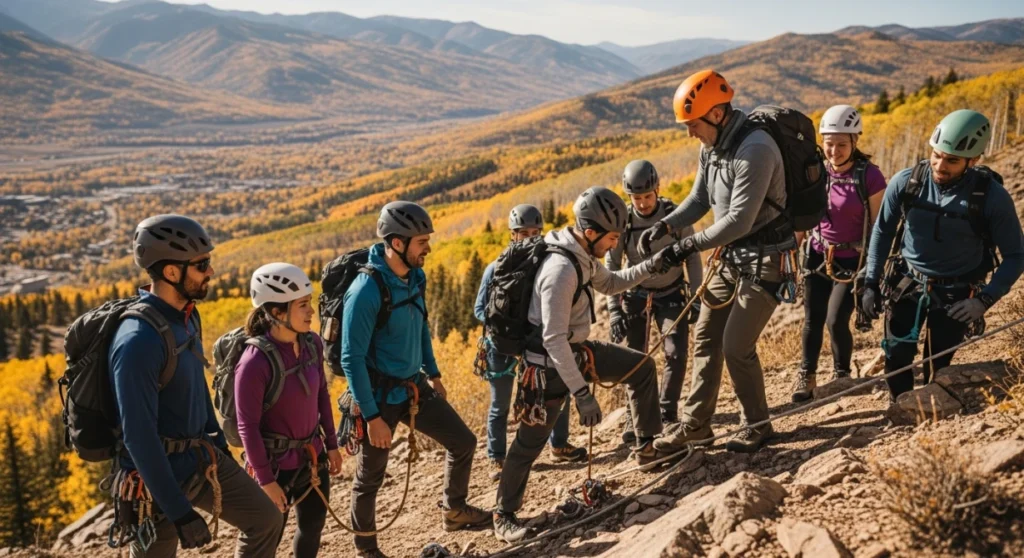
You likely need formal instruction if your Park City objective involves grade 2 or 3 scrambling, exposure, loose rock, or independent route-finding. If not, stay on marked resort-style trails or choose a simpler guided mountain day.
The mistake we see most often is not bad fitness. It is mislabeling a mountain day. Visitors look at a ridge from town, a lift, or a mellow trail and assume they can decide on the spot whether it is “just hiking” or something more serious.
Around Park City in summer, that line matters because benign resort terrain and true scrambling can sit very close together. If your trip is short, the smartest move is to classify the outing first, then match it to your actual comfort with exposure, route-finding, and changing conditions.
Who actually needs a Park City ridge scramble safety course?
You definitely need a course if your objective involves grade 2 or 3 scrambling, meaningful exposure, loose rock, or route decisions where a slip could have serious consequences. You may not need one for a simple resort ridge walk or straightforward grade 1 terrain, but only if you stay within clear limits.
The easiest way to answer the question is to picture yourself in one of these visitor groups, not in a vague category like “active” or “outdoorsy.” General fitness helps, but it does not replace movement skills on rock, composure above steep drop-offs, or the ability to judge terrain when the line is not obvious.
- Definitely need a course: You want an airy ridge with hands-on moves, steep rock steps, loose sections, off-trail travel, or anything that sounds like grade 2 or 3 scrambling.
- Definitely need a course: You would rely on a stronger friend to choose the line, judge conditions, and get you through crux sections.
- Strongly consider a course: You have hiked a lot but have little experience on exposed ridges, using hands for upward progress, or retreating once terrain gets serious.
- Strongly consider a course: You are visiting for the first time and your plan is to “see how it feels” after reaching a high point or lift top.
- Probably fine without a course: You want a marked, non-technical resort trail, viewpoint loop, or ridge walk where hands are occasional for balance rather than required for progress.
For many short-stay travelers, the right answer is not “take a technical course immediately” or “go anyway.” It is “choose the right kind of mountain day.” That is where we help most: sorting visitors into realistic objectives before a scenic outing turns into a technical one by accident.
What does “ridge scrambling” around Park City really mean?
In this area, ridge scrambling means terrain that goes beyond normal hiking because your hands, balance, and route judgment become part of forward progress. A resort trail or viewpoint loop is different: it is usually marked, more forgiving, and meant to be walked rather than solved.
This distinction matters because summer visitors often group several very different outings under the same label. A chairlift-accessible crest, a broad ridge path, and a narrow rocky spine above it can all look close together on a map or from a distance, yet they demand completely different skills.
For practical trip planning, think in three local-style categories rather than one broad “ridge day” bucket.
| Objective type | What it usually feels like | Course need | Best fit |
|---|---|---|---|
| Resort ridge walk or viewpoint loop | Marked trail, obvious line, limited exposure, hiking pace | Usually no | Visitors wanting scenery without technical commitment |
| Grade 1 scramble | Steeper ground, some hand use, bigger consequences if you drift off route | Maybe, depending on experience | Confident hikers who know their limits |
| Grade 2 to 3 scramble | Exposure, loose rock, route choices, hands-on movement where a slip could be serious | Yes, or do not attempt | People with formal instruction or equivalent skills |
If what you really want is fresh air, views, and a straightforward mountain day, stay in the first category. That is often a better vacation choice than forcing yourself into terrain that belongs in a technical-skills setting.
You found a hidden promo code!
Use code WOWBLOG at checkout and get 10% OFF any tour!
Limited time offer. Book now and save!
Browse ToursWhere does hiking end and scrambling begin on Park City-style terrain?
Hiking starts to become scrambling when your hands are needed for progress, the line is less obvious, and the consequences of a mistake rise sharply. Grade 1 is still close to hiking, while grades 2 and 3 are the range where formal instruction becomes the sensible standard.
External scrambling guidance commonly treats grades 1 to 3 as a progression in technical difficulty and exposure. The practical takeaway for Park City visitors is simple: grade 2 and 3 terrain is not just “a harder hike.” It is a different kind of movement problem, often with more consequence, where helmets, ropes, and protection are commonly recommended and prior instruction matters.
Grade 1
Grade 1 usually means you may use your hands now and then, but the terrain still feels mostly like hiking. The route is often fairly intuitive, and many experienced mountain hikers can manage this level without technical equipment if conditions are stable and they stay honest about their comfort level.
Grade 2
Grade 2 is where many visitors misjudge themselves. Exposure becomes more noticeable, route choices matter more, and loose rock or awkward steps can create situations where a simple slip is no longer a minor issue.
Grade 3
Grade 3 is firmly in the category where you should already have training and experience before the trip. Even when the individual moves are not extreme, the combination of exposure, decision-making, and consequence makes it inappropriate as an improvised vacation outing.
This is why “I lift weights,” “I run marathons,” or “I ski a lot” is not enough. Scrambling risk is shaped by terrain judgment, movement efficiency on rock, and how you react when the ridge suddenly feels much narrower in person than it did from below.
Which decision bucket are you in?
Most readers fit into one of three buckets: definitely need a course, should strongly consider a course, or probably do not need one if they stay within strict limits. The right bucket depends more on terrain and decision-making than on raw fitness.
Use this as a filter before you commit to a plan, not after you are already standing on an exposed shoulder trying to talk yourself into continuing.
1. Definitely need a course
You belong here if any of the following are true. If this sounds like your plan, the correct move is to get instruction from a qualified scrambling or mountaineering provider before attempting that objective.
- Your route is likely grade 2 or 3: It includes exposure, sustained hands-on sections, or terrain where a helmet and rope would not feel out of place.
- You expect off-trail decisions: The line is not clearly marked, and wrong turns could place you on steeper or looser ground.
- You have little exposure experience: You freeze, rush, or lose balance awareness near drop-offs.
- You are following stronger partners: You would be the least experienced person in the group and depend on others for key calls.
- Conditions are uncertain: Recent weather, loose surfaces, or lingering snow would change the seriousness of the route.
2. Should strongly consider a course
You are in the middle bucket if the route may be only mildly technical on paper, but your personal experience is thin. This group includes many capable hikers who are one terrain step short of where their confidence says they are.
- You hike often but rarely scramble: Endurance is solid, but steep rocky movement is not routine.
- You have done exposed trails, not exposed ridges: A narrow airy section feels very different from a steep hiking path.
- You have limited route-finding practice: You are comfortable following a trail, less comfortable choosing the safe line when the trail fades.
- Your trip is short: There is pressure to make the most of one weather window, which can tempt bad decisions.
If you cannot fit a full course into the trip, treat that as a planning constraint, not a reason to stretch into technical terrain anyway.
3. Probably do not need one, if you stay within limits
You may be fine without formal scrambling instruction if your day is clearly non-technical and you are disciplined about not upgrading the objective mid-route. This applies to marked resort walks, broad ridgelines with obvious paths, and mellow mountain outings where turning around is easy.
- Stay on signed routes: Do not peel off onto side spurs or rocky ribs just because they look close.
- Keep the goal scenic, not technical: Views, fresh air, and lift-accessed terrain are enough for the day.
- Turn around early: If a section starts demanding real hand use or feels exposed beyond your comfort level, that is your answer.
- Do not let group momentum set the standard: Your safe limit matters more than the boldest person’s opinion.
If that lower-commitment style sounds more like what you actually want, our Utah day tours are a practical next step for a structured outdoor day from Salt Lake City without having to improvise local logistics.
How should you assess your own readiness before the trip?
A useful self-assessment looks at six things: fitness, movement comfort, experience with exposure, navigation skill, group makeup, and current conditions. Weakness in any one of them can move you into a higher-risk bucket even if the rest look good.
This checklist works best when you answer conservatively. If you find yourself justifying, minimizing, or saying “I think I can probably handle it,” treat that as useful information.
- Fitness: Can you still move carefully when tired, or does fatigue make you clumsy and impatient? Ridge terrain punishes poor foot placement more than it punishes slow pace.
- Movement comfort: Have you used hands and feet together on steep rock before, or would that be new? Technical-looking terrain is not the place for first experiments.
- Exposure response: Do you stay calm near edges, or do you stiffen up and rush? Mental exposure management is a real skill, and courses teach it for a reason.
- Navigation and route-finding: Can you recognize when the easy line has ended and retreat before you get trapped? On ridges, the hardest part is often choosing correctly, not simply moving upward.
- Group composition: Is everyone independently capable, or is one person carrying the judgment for the rest? A mixed-ability group often becomes less safe, not more safe.
- Season and conditions: Are surfaces dry and stable, or could recent weather make holds looser and decisions more serious? Conditions can turn a borderline plan into a poor one fast.
Families should be especially strict with this checklist. Technical scramble instruction is usually adult-focused, and for most family trips the better choice is a marked, non-technical mountain day rather than trying to convert a vacation outing into a skills test.
What does a good ridge or backcountry safety course near Park City typically cover?
A good course teaches judgment as much as movement. The most useful topics are hazard assessment, route-finding, weather awareness, safe movement on rock, basic equipment use, and decision-making under pressure.
That matters on ridges because the real problem is rarely one dramatic move. It is the accumulation of small decisions on loose rock, in changing weather, with exposure affecting how clearly you think and move.
- Hazard assessment: Reading loose rock, understanding how quickly conditions can change, and spotting when an easy-looking line is becoming serious.
- Route-finding: Identifying the safer line, recognizing when you have drifted off it, and knowing when to retreat.
- Movement skills: Balance, body positioning, and efficient use of hands and feet on steep ground. This is as much about control as strength.
- Mental management: Staying composed in airy terrain and avoiding panic, freezing, or rushed decisions.
- Basic equipment awareness: Understanding when a helmet, harness, rope, or protection enters the picture and why that threshold matters.
- Group decision-making: Communicating clearly, pacing the day realistically, and not letting the strongest person quietly set risk for everyone else.
When you look at course options, focus on curriculum and instructor qualifications. You want a structured introduction to terrain judgment and movement skills, not just a gear list or a fast outing with minimal explanation.
What should you prepare before booking a course or choosing the non-technical alternative?
Prepare a route category, an honest skill inventory, your group details, and your time constraints before you commit to anything. Those inputs will tell you whether formal instruction makes sense now or whether a simpler mountain day is the better trip choice.
This is the mountain-planning version of a readiness check. The clearer your inputs, the easier it is to avoid wasting time on the wrong option.
- Your intended objective type: Resort walk, grade 1 scramble, or likely grade 2 to 3 terrain.
- Your actual background: Hiking, prior scrambling, comfort with exposure, and any route-finding experience.
- Group profile: Adults only, mixed ability, kids, or one strong leader with less experienced followers.
- Trip reality: How many days you have, whether you can fit a course, and whether you would enjoy a lower-pressure day more.
- Your red lines: No helmets, no ropes, no serious exposure, or no off-trail travel. These are useful limits, not signs of weakness.
If your answer is “I do not want rope-level exposure, but I do want a memorable mountain setting,” choose the simpler option on purpose. We run organized day trips designed for visitors who want an easy, structured Utah outing without having to decode transport and timing by themselves, and we also offer Salt Lake City Walking Tours with local guides, small groups, and room for questions, which work well as a first-day orientation before you make mountain plans.
What is the practical setup flow if you are still deciding?
The simplest setup flow is to classify the terrain first, test your readiness second, and only then decide between instruction and a non-technical day. Last-minute decisions on the ridge are where many avoidable mistakes begin.
- Classify the objective: Put it in one of three boxes: resort trail, grade 1, or grade 2 to 3.
- Run the self-check: Be strict about exposure comfort, route-finding, and group skill gaps.
- Apply the course threshold: If the outing is grade 2 or 3, or close enough that you are uncertain, seek formal training rather than guessing.
- Choose the fallback early: If a course is unrealistic for this trip, switch to a marked, non-technical mountain day before travel, not after arrival.
- Use a first-day reset if needed: If you are new to the area and still calibrating, begin with a lower-commitment city or scenic day so you do not make your hardest terrain choice while rushed or jet-lagged.
That first-day reset is underrated. Our city walks are built around local guides, small groups, and clear route descriptions, so they give visitors a low-key way to get oriented, ask practical questions, and start the trip grounded instead of overcommitted.
Why do people get this decision wrong, and what should you do if a course is not realistic?
People get it wrong when they confuse strength with scrambling skill, assume all terrain near a resort is equivalent, or plan to decide “once they see it.” If a course does not fit your trip, the right response is to downgrade the objective, not rationalize it.
The most common failure patterns are predictable.
- “I’m fit, so I’m ready.” Fitness supports the day, but it does not teach exposure management or route judgment.
- “I’ll just follow experienced friends.” Borrowed experience is not the same as having your own basic competence.
- “It’s inside a resort area, so it’s all basically hiking.” Marked trails and off-trail ridges are not the same risk category.
- “We’ll see how it looks when we get there.” Terrain nearly always feels more serious up close than it did from below.
- “A short trip means we should squeeze in the ambitious option.” Short trips are exactly when objective selection needs to be more conservative.
If you are not pursuing technical training on this visit, build the trip around what you genuinely want from the day. That might be a resort-style walk, a scenic Utah outing from the city, or a broader landscape day such as our Utah National Parks Tours, which are designed for travelers who want iconic viewpoints and short walks without managing a full road-trip plan themselves.
For many visitors, that is the better answer: choose a mountain or scenery day that matches the trip you actually have, not the one your most adventurous friend imagined.
You do not need a scramble safety course for every summer mountain outing near Park City, but you do need one when the route crosses into grade 2 or 3 terrain, real exposure, loose rock, or independent route-finding. If your plan is a marked resort walk or a clearly non-technical ridge day, staying within those limits is often the smarter choice. The key is to classify the objective before the trip, then be honest about your comfort with exposure and decision-making, not just your fitness. If you land in the non-technical or unsure category, start with a simpler organized day on our site and keep the mountain day enjoyable instead of turning it into a skills gamble.
Can a strong hiker skip a scrambling course?
Not automatically. Strong hiking fitness does not replace skill with exposure, route-finding, or movement on loose rock.
Is a marked resort trail the same as a ridge scramble?
No. A signed trail is usually designed for walking, while an off-trail ridge or rocky side spur can quickly move into a more serious category.
What is the clearest sign that I should not improvise this objective?
If the route sounds like grade 2 or 3, or you expect to rely on friends for key decisions, treat that as a stop sign and seek instruction first.
Do families with kids usually need a technical scrambling course?
Usually no, because those courses are generally adult-focused. Most family trips are better on well-marked trails and scenic viewpoint outings.
If I only have one free day, should I still try the ambitious ridge?
A short trip is a reason to simplify, not to stretch. Pick a lower-commitment outing if you cannot fit training into the visit.
What should I look for in a good course?
Look for a course that covers hazard assessment, route-finding, weather, movement skills, and equipment awareness, taught by qualified instructors.
What is the best fallback if I want mountain scenery without technical risk?
Choose a non-technical resort-style walk, scenic mountain outing, or another structured Utah day that keeps logistics simple and terrain straightforward.
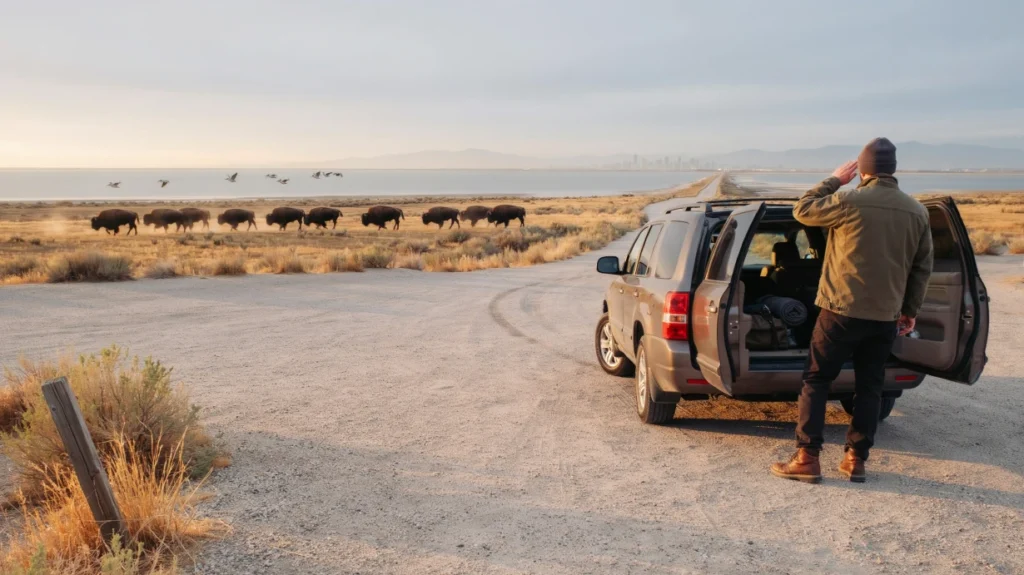 Antelope Island Day Tour or Sunset Wildlife Tour: Which Fits Your Salt Lake City Schedule?
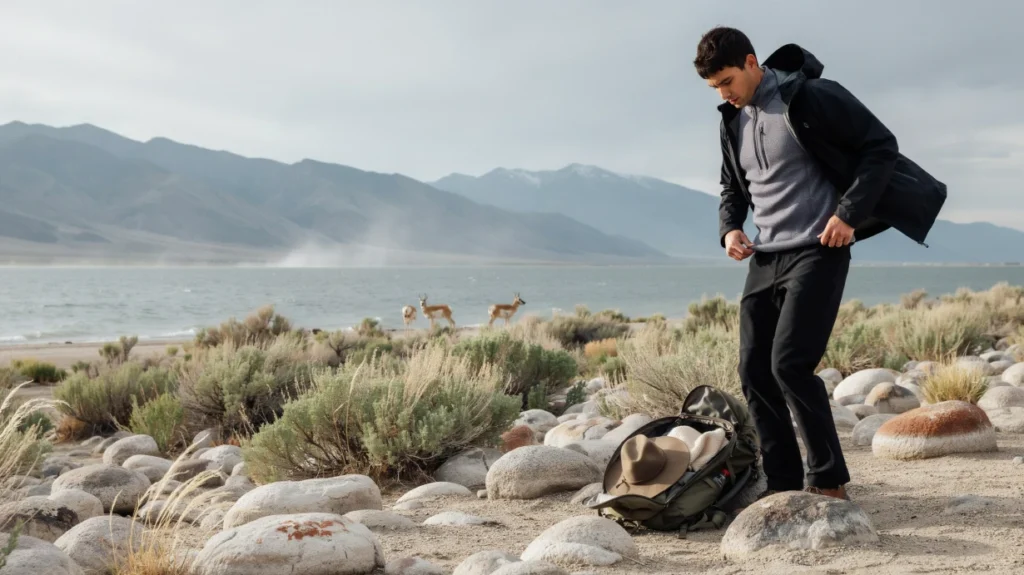 How to Dress for Changing Weather on Antelope Island
 How to Photograph People at Bonneville Salt Flats at Sunset
 How to Dress for Wind and Glare at Bonneville Salt Flats
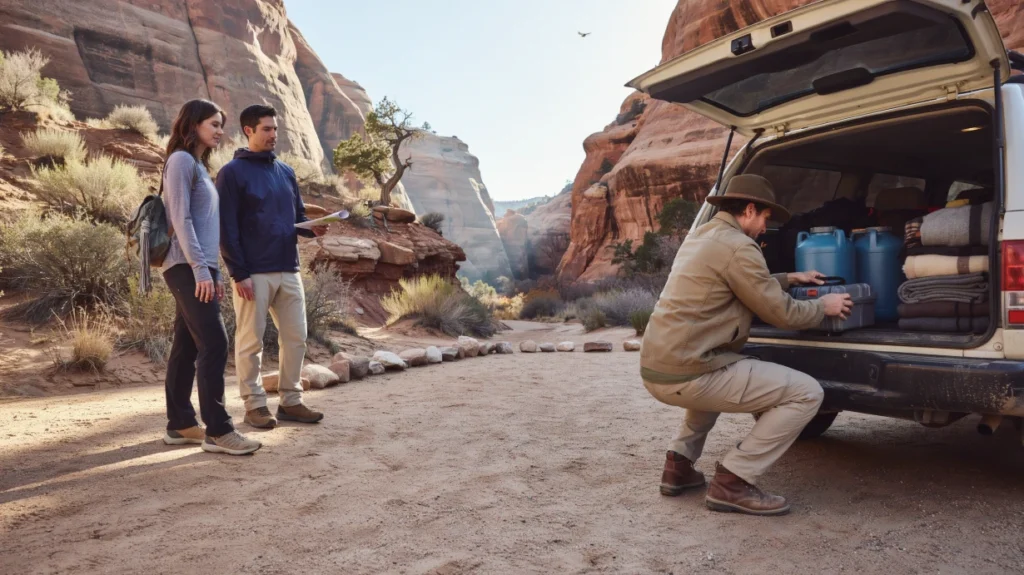 What a Guide-Led Utah Day Tour Handles for You
 Why Wildlife Sightings Cannot Be Guaranteed on Antelope Island

The tour was great and beautiful. Dima, the tour guide, explained everything clearly and had some...
Read more →What a beautiful experience! The drive is about 2 hours one way with interesting scenery the...
Read more →(From North Carolina on a business trip) '+ 'HANDS DOWN the best tour/guide I’ve ever had. And...
Read more →Went to Antelope Island. Terrible. Tour guide didn\'t do what he said he was going to...
Read more → Antelope Island – Wild Heart of the Great Salt Lake Adventure
 Antelope Island Sunset Wildlife Expedition – Great Salt Lake Odyssey
 Bonneville Salt Flats – Sunset Adventure of the White Desert
 Bonneville Salt Flats – Journey to the Edge of the World