
Park-and-Ride Combined Park Tours Around Utah National Parks With Luggage Storage: Who They Fit
Jul 24, 2026
Utah Park-and-Ride lots are commuter facilities, not tourist luggage-storage hubs. A guided, hotel-based or gateway-town plan works best for travelers who can tour with a daypack and leave larger bags behind.
The common mistake is treating a Utah Park-and-Ride lot like an airport bag check or a European tourist transfer hub. Travelers want a simple combination of easy parking, no stressful park driving, and somewhere safe to leave suitcases, but those three needs are rarely solved by one commuter parking lot.
For visitors considering Utah’s national parks from Salt Lake City, Moab, or St. George, the practical question is not whether a lot has a convenient name. It is whether your overnight base, tour meeting point, vehicle, and luggage plan work together without leaving you responsible for bags during a full park day.
What do travelers mean by a park-and-ride tour with luggage storage?
Most travelers mean a trip where they park a rental car outside the touring route, join transportation or a guided outing, and keep large luggage somewhere other than the vehicle. Utah’s formal Park-and-Ride network does not function as an all-in-one tourist base with documented bag storage.
The desired outcome is sensible: avoid unfamiliar roads, congestion near popular attractions, shuttle decisions, and the inconvenience of moving a suitcase from stop to stop. The issue is that commuter infrastructure and visitor logistics serve different purposes.
UTA Park-and-Ride facilities are intended for transit users. They emphasize appropriate parking behavior and vehicle responsibility, but they are not marketed as staffed luggage-storage facilities, locker centers, or long-term tourist baggage depots.
- What a commuter lot can do: It may provide a place to leave a vehicle while using public transit, subject to the rules posted for that location.
- What it does not automatically do: It does not provide a documented place to check suitcases, protect valuables, receive travelers, or coordinate a national parks itinerary.
- What to verify yourself: Check the relevant provider’s current parking rules before relying on any lot, particularly if you expect to leave a car beyond a normal transit day.
That distinction matters most when travelers search for the best national parks near Salt Lake City and assume a city transit lot can serve as the launch point for several days of park travel. A park day can be straightforward, but a multi-day luggage arrangement needs an accommodation or operator-confirmed solution.
When is a park-and-ride-style Utah park day the right fit?
This approach fits travelers who can separate their touring essentials from their larger bags and who have a stable place for the rest of their belongings. It is strongest when a hotel, vacation rental, or appropriate gateway-town base handles the role people mistakenly expect a commuter lot to fill.
| Traveler type | Why the model can work | Best practical setup |
|---|---|---|
| Fly-in visitors with a rental car and one suitcase each | They can leave luggage at their Salt Lake City accommodation and use the car only for arrival, departure, or limited local driving. | Stay in one place, bring a daypack on the guided outing, and confirm the meeting arrangement before booking. |
| Road-trippers passing through Salt Lake City | They can use a city night as a reset point before continuing toward park country. | Keep the car at the hotel when possible, tour with only daily essentials, then resume the road trip after returning. |
| Ski travelers adding a park-focused day | They often value organized transportation because they do not want to learn another set of regional driving and parking patterns. | Leave ski gear and larger bags at the accommodation, then schedule the park day between lodging nights. |
| Carry-on-only travelers | Minimal luggage makes handoffs, hotel storage requests, and full-day outings much easier. | Use one compact daypack and avoid planning around a facility that has not confirmed baggage services. |
At Matei Travel, we organize Utah national park excursions around the way visitors actually move through the state: a Salt Lake City arrival, a rental car that is useful on some days but unnecessary on others, and lodging that should carry the burden of larger bags. Our Utah National Parks Tours are designed for travelers who want transportation, viewpoints, short walks, and local context without managing every part of a long park drive themselves.
Who should avoid a strict park-and-ride model?
A strict version of this plan is a poor fit when luggage cannot realistically stay at an accommodation or when the group needs regular access to bulky items. In those situations, simplify the trip by choosing a gateway-town base and treating guided transport as a touring tool, not as a luggage solution.
- RV travelers and gear-heavy groups: Large vehicles, outdoor equipment, and frequent repacking make a commuter-lot approach unnecessarily fragile.
- Families with many large bags: Strollers, car seats, multiple suitcases, and children’s supplies are easier to manage from a hotel or rental base.
- Visitors expecting a staffed bag desk: If your plan depends on formal luggage acceptance, do not assume it exists at a transit parking facility.
- Travelers changing accommodations on tour day: A checkout-to-tour-to-check-in day needs confirmed baggage arrangements, not a last-minute parking workaround.
You found a hidden promo code!
Use code WOWBLOG at checkout and get 10% OFF any tour!
Limited time offer. Book now and save!
Browse ToursWhat problems does this approach solve, and where does it fail?
A guided, park-and-ride-style day can reduce driving, navigation, and parking stress, but it does not eliminate responsibility for your car or belongings. It succeeds when the car and large luggage are already settled at a suitable base before the tour begins.
Visitors are usually trying to solve three separate problems. Combining them into one assumption is what creates trouble.
- Parking near or inside parks: A guided day can remove the need to make every driving, route, and parking decision yourself.
- Not wanting to drive long distances: Organized transport is particularly useful for travelers who would rather spend their attention on scenery, short walks, and stops than on an unfamiliar itinerary.
- Managing bags between checkout and an activity: This is an accommodation and timing question first. Ask where bags can remain before you commit to the outing.
For example, someone researching how to visit Zion National Park may focus on getting into the park and overlook the hotel checkout time. The cleaner plan is usually to book the activity on a day when luggage can stay at the same accommodation, or to confirm an alternative baggage arrangement directly with the accommodation before booking.
No parking location is risk-free. Keep valuables out of sight, do not leave passports or essential medications in a parked vehicle, follow posted rules, and choose hotel or accommodation parking when it is available and appropriate for your stay. Those are sensible precautions, not a guarantee of security.
How do we set up a realistic guided park day?
A workable day begins with deciding where the car and full-size bags will remain, then planning the tour around that answer. The traveler is responsible for accurate trip details and packing; we can help assess the route and tour fit when you share those details before booking.
Stage 1: Choose the overnight base
Your accommodation should normally be the default home for large luggage. A Salt Lake City hotel can work well for a departure-and-return park itinerary, while a gateway-town lodging base is usually more practical when your trip centers on southern or eastern Utah.
If Salt Lake City is the start of your trip, an arrival day does not have to become a transportation puzzle. Our Salt Lake City Walking Tours are led by local guides and suit a first day in the city, giving you an orientation option while bags remain at your accommodation.
Stage 2: Decide where the car stays
Use hotel parking, accommodation parking, or an appropriate local arrangement when that is available for your itinerary. Consider a Park-and-Ride lot only as transit background infrastructure, not as your presumed luggage depot or default overnight tourist parking solution.
If you plan to use any transit facility, verify current rules directly with the relevant authority. Do not build the rest of a tour day around an assumed parking duration, security level, or storage service that has not been documented.
Stage 3: Pack for the tour, not for the whole trip
Bring the items you need during the day, rather than every item you own. Exact luggage arrangements should always be confirmed with the operator for the specific departure, because group size, route, and vehicle configuration can affect what is practical.
- Carry on you: Water, weather-appropriate layers, medications, identification, phone, camera, and personal essentials.
- Leave at the base: Large suitcases, spare clothing, souvenirs, ski equipment, and items not needed during the tour.
- Confirm in advance: The meeting point, return timing, walking level, what is included, and whether the specific outing can accommodate the items you intend to bring.
Stage 4: Match the route to the available time
The closest national parks to Salt Lake City for a weekend road trip are not necessarily the easiest ones to treat as a single casual day out. Driving distance, overnight location, desired walks, and return time all affect whether guided transportation or self-driving makes more sense.
Our day trips use a deliberate balance between travel time and time on location. If you have only one extra day in Salt Lake City before or after a park itinerary, the Utah Day Tours section can be a better fit for a nature-focused outing that does not require you to reorganize a larger multi-day park route.
What should you confirm before requesting or booking a tour?
The acceptance standard for a good plan is simple: you know where your car will be, where your large bags will be, what you will carry, and how you will get back to your lodging. If any of those answers is uncertain, resolve it before the tour date rather than treating the meeting point as an improvised storage solution.
When you contact us, provide the details that determine whether a park-and-ride-style plan is genuinely suitable. That lets us recommend a realistic route rather than force your trip into a commuter-lot concept that does not match your needs.
- Dates and party size: Include the days you are available and the number of travelers.
- Starting point: State whether you begin in Salt Lake City, Moab, St. George, or another location.
- Transportation: Tell us whether you will have a rental car and whether you need to return it on a particular date.
- Lodging pattern: Share where you sleep before and after the outing, especially if checkout is involved.
- Luggage situation: Describe the number and general size of bags, plus any essential gear or mobility items.
- Tour preferences: Name the parks, short hikes, viewpoints, and walking level that matter to your group.
In return, a useful planning outcome is not a vague promise that luggage will “work out.” It is a day-by-day recommendation that identifies the appropriate base, the sensible use of your rental car, the likely touring format, and the questions that still need confirmation.
What is the best next step for a low-hassle Utah parks trip?
The best next step is to choose a route that treats luggage as an accommodation issue and transportation as a touring decision. For many visitors, that means leaving large bags at their base and joining a guided park day with only what they need.
Review the sample routes in our Utah National Parks Tours section, note the parks and dates that matter to you, and compare them with your lodging plan. A clear request built around those facts is far more useful than asking whether a commuter parking lot can hold luggage.
Utah Park-and-Ride facilities can support transit use, but they should not be treated as staffed luggage-storage hubs or guaranteed long-term tourist parking. The most reliable alternative is a stable lodging base, a daypack-only touring plan, and transportation that matches the route rather than complicating it.
This model works best for light packers, fly-in visitors, and road-trippers who can leave large bags behind for the day. Travelers with RVs, many bags, or frequent hotel changes should use a more conventional lodging-base approach instead.
For a route built around your dates, starting point, car, and luggage constraints, review Matei Travel’s Utah National Parks Tours and send us those trip details with your tour request.
Do Utah Park-and-Ride lots have luggage lockers?
Do not assume they do. These facilities are designed for transit users and are not marketed as tourist baggage-storage centers.
Can I leave my rental car at a Park-and-Ride lot while visiting a national park?
Check the posted rules for the specific lot before relying on it. A hotel or other accommodation arrangement is usually a more practical place to leave a vehicle during a tour.
What should I bring on a guided Utah parks day?
Carry only daily essentials such as water, layers, medication, identification, and personal items. Confirm any luggage-related limitations for your particular departure before booking.
Is a guided park day useful if I already have a rental car?
Yes, if you want to avoid managing long drives, parking decisions, and route planning for that day. Your rental car can remain useful for airport transfers and independent portions of the trip.
What if my hotel checkout happens before the tour ends?
Ask your accommodation about baggage options before you commit to the itinerary. Do not plan to solve the gap by leaving suitcases at an unconfirmed transit facility.
Is this approach suitable for families with children?
It can be, provided the family can leave larger items at a lodging base and travel with manageable daily essentials. Families with extensive gear may prefer a gateway-town stay and a simpler day-by-day plan.

 Bonneville Salt Flats – Sunset Adventure of the White Desert
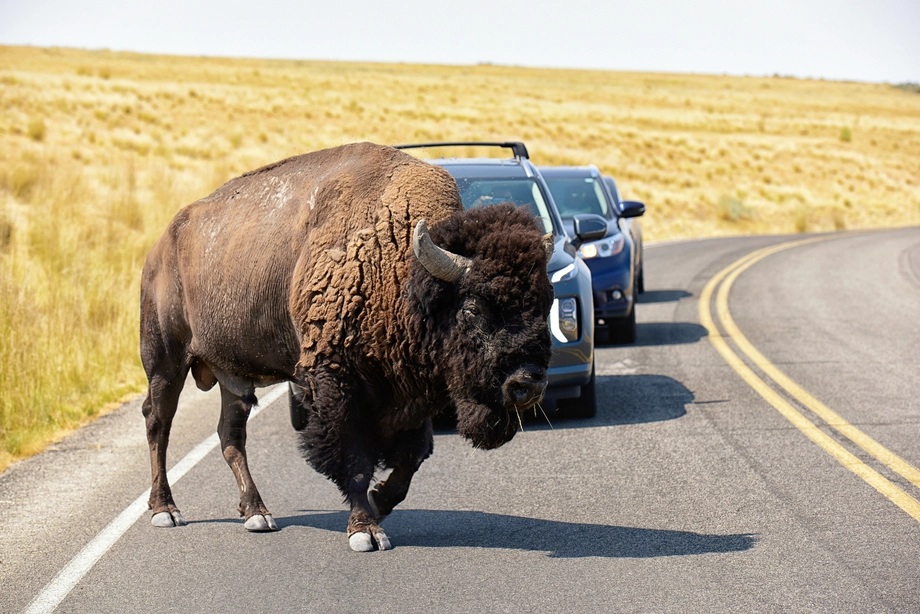 Antelope Island – Wild Heart of the Great Salt Lake Adventure
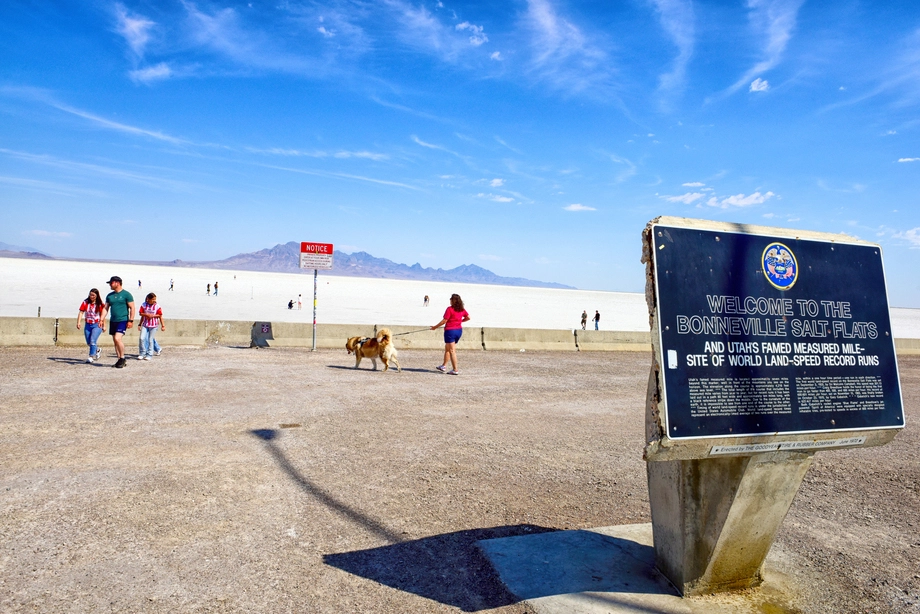 Bonneville Salt Flats – Journey to the Edge of the World
 Antelope Island Sunset Wildlife Expedition – Great Salt Lake Odyssey
 Salt Lake City – The City of Zion. Historical Interactive Walking Tour