
Why a Guide in Parks Matters: Real Cases from Utah Routes and Walking Tours in Salt Lake City
Feb 11, 2026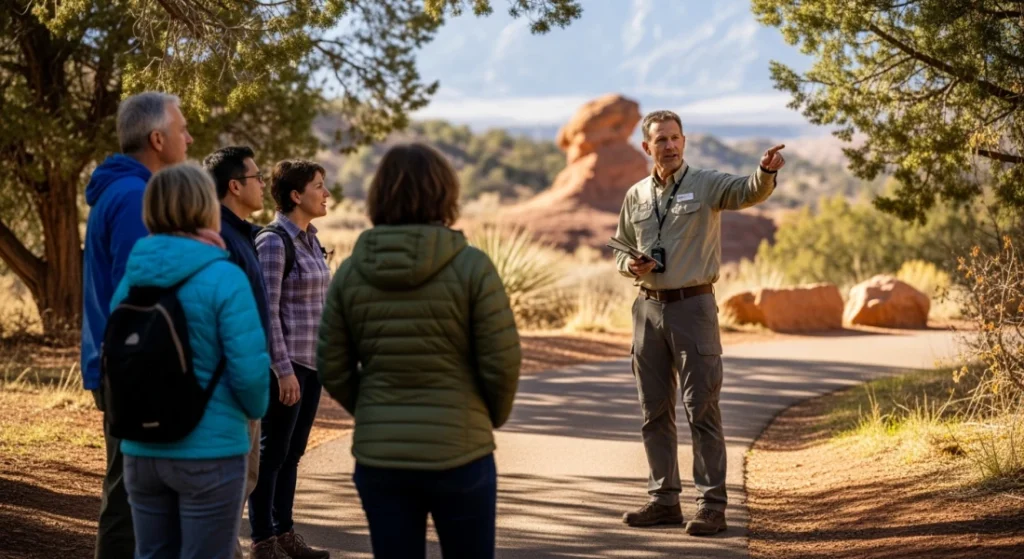
Guides in Utah parks and Salt Lake City cut risk, stress, and planning time while adding context and realistic routing. Use them on key days, then explore freely with new confidence.
More travelers come to Utah every year with a tight schedule and big expectations, then realize on the ground that “just driving to the park and hiking a bit” is not as simple as it sounded at home. Distances are bigger, weather is sharper, and the best viewpoints are not always obvious from the map. That is where a human guide stops being a luxury and becomes the difference between a rushed checklist day and a memorable, safe experience.
In this article, we will unpack why a guide matters in national parks and on city routes, using real-world style cases from Utah: walking tours in Salt Lake City, day trips to ski resorts, and tours to the “Mighty Five” national parks. You will see where a guide adds the most value, when a self-guided day is enough, and how to choose the right format for your own trip.
Why does a guide matter so much in parks and natural areas?
Safety and risk management in unfamiliar terrain
Most Utah parks look friendly from Instagram, but on the ground you are dealing with desert, canyons, elevation, and fast-changing weather. A guide reads these signals in real time and adjusts the route before problems appear. That means choosing the right trail for the group’s fitness, avoiding exposed sections during storms, and planning water and shade stops, not just “winging it” from a map.
On guided tours to Utah’s national parks that start in Salt Lake City, the guide also manages the driving logistics. They know where to refuel, when to arrive to avoid parking chaos at popular trailheads, and when to reverse the order of stops if a thunderstorm is building over a canyon rim.
Orientation and efficient routing
Park maps are great for seeing the big picture, not so great for timing a real day. Many travelers underestimate how long short trails or viewpoint stops take once you factor in parking, shuttles, and crowds. A guide understands how the whole system works and builds a realistic plan that fits your hours of daylight and energy.
Instead of you trying to guess which three viewpoints in a huge park are actually worth the detour, a guide prioritizes. On a compact day that includes scenic drives, photo stops, and short hikes, they decide what to skip so you do not end up exhausted in the dark, still far from Salt Lake City.
Context: turning scenery into a story
Without context, many viewpoints blur together as “pretty rocks.” A guide brings the landscape to life with geology, human history, and local stories. For visitors, that context is often what makes a park stick in memory, not just the photo.
On national park tours from Salt Lake City, guides explain how the Colorado Plateau formed, how early settlers moved through the region, and what current conservation issues look like on the ground. In the city itself, local guides show how Salt Lake’s grid, historic buildings, and hidden courtyards all fit into a bigger story of planning and development.
Reducing decision fatigue on a short trip
Travelers with only a few days in Utah do not want to spend their evenings comparing 15 trail descriptions and trying to match them to tomorrow’s weather. A guide cuts through that noise. They give you a clear plan, explain options in plain language, and then handle the countless micro-decisions during the day.
In short, you trade hours of pre-trip research and on-the-spot stress for an organized, curated experience where your main job is to enjoy the route and ask questions.
How does a guide change your first day in Salt Lake City?
From random wandering to a structured first impression
The center of Salt Lake City is compact, but it has layers: religious heritage, pioneer history, and a very particular way the city was planned and built. Group walking tours of downtown led by locals are designed as a smart first-day overview. Instead of a random stroll, you get a curated loop that weaves together major landmarks and a few hidden corners.
These small-group tours keep numbers down so you can actually ask the guide about architecture, daily life, or where to eat later. Route descriptions usually include duration, distance, and terrain, so you know whether a 2‑hour walk or a longer, more in-depth option suits you.
When a guided walk beats a self-guided walking tour of Salt Lake City
A self-guided walking tour of Salt Lake City works if you love doing your own research and moving at your own pace. You can follow a map on your phone, stop for coffee whenever you want, and skip anything that does not interest you. The tradeoff is that it takes more prep to understand what you are seeing.
With a guide on your first day, you compress a lot of that learning into one walk. You hear how the city grid was laid out, why certain public spaces matter, and which “hidden” spots behind the main façades are worth returning to. Later, you can explore on your own with that mental map already in place.
Is a free walking tour in Salt Lake City enough?
Many travelers search for a free walking tour in Salt Lake City because it sounds budget-friendly and flexible. Free tours can be great for a quick overview if you are short on cash or unsure about committing to a paid visit yet. However, they usually follow a fixed route, can have larger groups, and depend heavily on tips.
Paid group walking tours keep groups smaller, which means more time for questions and custom explanations. They also tend to include lesser-known alleys or viewpoints that a quick free route might skip. If you care more about depth than just ticking main landmarks, a focused paid tour with a local guide is usually the better value.
How guided city tours connect to your wider Utah trip
There is a practical side too. Many visitors build the rest of their Utah itinerary while already in Salt Lake. A local city guide can help with that, suggesting realistic day trips, explaining how long drives actually feel, and clarifying which national parks fit your time and fitness level.
That advice, combined with the orientation you get in town, makes it easier to choose whether to join organized tours around Salt Lake City or rent a car and go self-guided for certain days.
You found a hidden promo code!
Use code WOWBLOG at checkout and get 10% OFF any tour!
Limited time offer. Book now and save!
Browse ToursCase study: Guided day in Zion and Bryce from Salt Lake City
Planning the route from the city
Imagine you have only one spare day and you want to see two famous parks. Without a guide, you start comparing maps, drive times, shuttle schedules, and entry rules. With an organized tour from Salt Lake City, much of that work is done for you. Departure time, pickup points, and park entry are set, so your job is simply to be ready.
The guide has already chosen which viewpoints to visit and which short hikes make sense for a mixed group. They know when to hit each park so you miss the worst of the crowds and parking pressure.
On-trail experience with commentary
Once you are in Zion or Bryce Canyon, the guide explains how those towering cliffs and hoodoos formed, and points out details you would easily miss. You hear about erosion patterns, native plants, and how people managed to live in these landscapes centuries ago. The walk becomes a moving classroom rather than just a photo hunt.
Because the group is small, you can ask about alternate trails if you are more or less fit, or whether a specific viewpoint works if you do not like heights. That flexibility is hard to build alone when you are still figuring out the map and shuttle system.
Handling surprises and changing conditions
Now imagine an afternoon thunderstorm building over the canyon. A solo traveler may not recognize the signs early enough and stay too long in exposed areas. A guide sees the pattern and shifts the plan, swapping an exposed rim trail for a safer forested walk or more time at a sheltered overlook.
In the bus or van back to Salt Lake City, you can review photos, ask follow-up questions about geology or other parks, and plan your next day trip with expert input still at hand.
What this day looks like without a guide
Without a guide, you might still see spectacular views, but you are much more vulnerable to timing errors and fatigue. It is easy to underestimate how long it takes to drive between parks, find parking, hike, and then return to the city. Many travelers end up cutting their day short or driving tired in the dark.
So, while both versions check the “visited Zion and Bryce” box, the guided version tends to feel calmer, safer, and richer in memory, especially if this is your first time in Utah.
Case study: Guided ski resort day vs going alone
Arrival and orientation at a Utah ski resort
A day trip from Salt Lake City to a Utah ski resort sounds simple. In reality, you need to solve transport, parking, lift tickets, and orientation on the mountain. Organized day tours include transfer from the city to the resort, which removes immediate parking stress.
On arrival, a guide helps you understand the resort layout. Where are the beginner slopes, advanced runs, and best places for a break. That is useful for both confident skiers who want to maximize terrain and beginners who are nervous about ending up on a slope that is too hard.
Support for different experience levels
Guided ski day trips are designed for couples, groups of friends, and families with mixed abilities. A guide can suggest separate meeting points and times so everyone skis at their own level, then reconnects easily. They help beginners choose gentle slopes and start with less intimidating runs.
Experienced skiers benefit too. Guides provide quick, local insight on where the snow usually stays good during the day, which lifts see the worst lines, and how to thread together runs into a satisfying loop without constant map checks.
Flexible time on the slopes
These tours are not about following a flag all day. You usually get flexible time to ski independently, with the guide’s job focused on orientation, safety tips, and logistics. That is ideal for travelers who want a bit of structure but still enjoy exploring the resort on their own.
In practical terms, it means less time stuck in queues you could have avoided and more time actually moving on snow. First-time resort visitors in particular find that guidance very calming.
Stress reduction for first-time or nervous skiers
For someone new to ski resorts, the entire system can feel overwhelming. Where do you rent gear, how do you read trail markers, what if you take the wrong lift. A guide answers those questions before they spiral into anxiety.
By the time you ride back to Salt Lake City, you have a clear sense of how a Utah ski resort day works, which makes it easier to return another time with or without a guide.
Guided vs self-guided: what really changes?
Key differences at a glance
To see the tradeoffs more clearly, it helps to compare guided tours, self-guided days, and loosely structured tours around Salt Lake City that balance both approaches.
| Experience type | Main benefit | Main limitation | Best for |
|---|---|---|---|
| Guided park or city tour | Safety, context, efficient routing handled by a pro | Less spontaneous, fixed schedule and route | First-time visitors, short stays, families |
| Self-guided day | Maximum flexibility and full control over timing | More planning, higher risk of timing or route mistakes | Experienced travelers, repeat visitors |
| Hybrid (guided transfer + free time) | Easy logistics plus room for personal exploration | Less depth than a fully guided day, some research still needed | Independent travelers wanting low-stress transport |
In essence, a guide trades a bit of freedom for a big gain in comfort, learning, and safety. The shorter your trip and the less you know the region, the more that trade makes sense.
Guides as time multipliers on short stays
When you have only one or two days, every hour counts. A guide reduces wasted time from wrong turns, closed trails, or unrealistic routes. That is as true for downtown walking tours as it is for long drives to national parks.
For example, a guided downtown walk in Salt Lake gives you a strong mental map of the city in just a couple of hours. The same effect in a national park compresses what could be weeks of reading into a single, immersive day.
Where self-guided makes more sense
There are situations where self-guided is a smart choice. If you have a full week in Utah, enjoy planning, and are comfortable reading trail maps and weather forecasts, you might reserve guided days just for the most complex parks or activities.
A self-guided walk between spots you already learned on a prior tour, or a relaxed driving loop to nearby viewpoints, can be perfect once you have the basics. The trick is to use guides strategically where the learning curve or risk is highest.
How tours around Salt Lake City bridge the gap
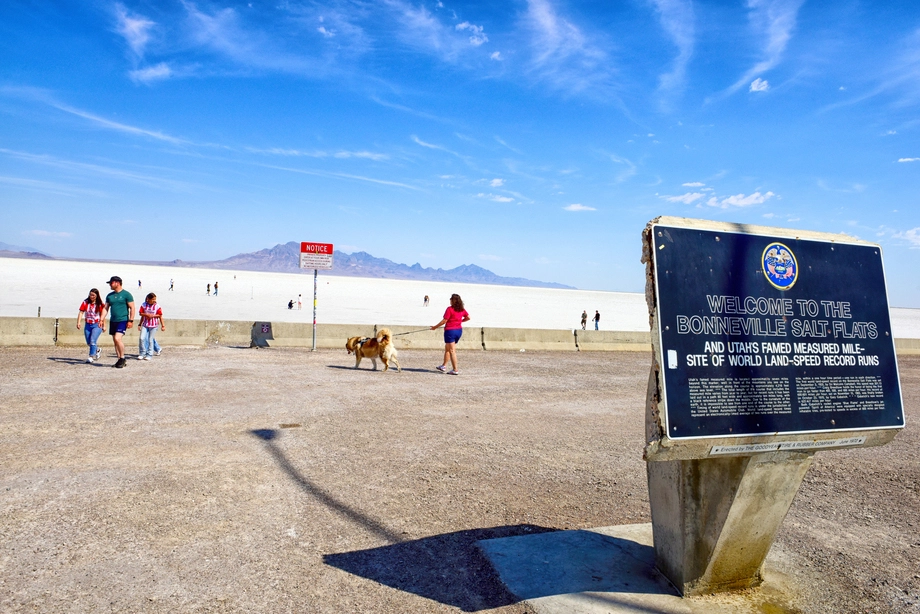
Day tours from Salt Lake to natural areas like the Bonneville Salt Flats or Antelope Island often combine structured transport with guided storytelling and short, easy walks. Prices typically start around 35 dollars, with many one-day outings sitting near 99 dollars.
This format is ideal if you want to see big landscapes without becoming an expert in local driving rules, trail conditions, or parking. You get a balance between rich experiences on site and a realistic, sustainable pace.
Pros and cons of guided tours in parks and cities
Advantages of using a guide
- Safety boost: Guides read terrain, weather, and group ability better than a typical visitor, which reduces the chance of getting into unsafe situations.
- Deeper understanding: You learn geology, history, and local stories that are hard to pick up from signs alone, especially on tight schedules.
- Less stress: Someone else handles logistics like timing, parking, route choice, and backup plans, so you can relax into the experience.
- Better use of time: Guides know which viewpoints and trails deliver the best payoff for the time and effort you can give.
- Local connections: You can ask for recommendations on food, additional sights, and realistic next steps for the rest of your Utah trip.
Limitations of guided tours
- Less flexibility: You follow a set schedule and cannot always linger as long as you want at a specific spot.
- Group dynamics: You share the day with other travelers whose pace or interests may differ from yours.
- Added cost: You pay for professional time and transport, which can be more than a DIY day if you already have a rental car and experience.
- Fixed narratives: Some tours follow a well-practiced script, which may feel less spontaneous for very independent travelers.
- Limited customization: In a shared group, you may not be able to fully tailor the route to your personal interests.
Balancing the tradeoffs
In many cases, the sweet spot is to pick one or two guided days at the start of your trip. Let those days give you safety, context, and a mental map, then explore more freely afterwards. That way you enjoy the best parts of both guided and self-guided travel.
For families, first-time visitors, or anyone with a very limited schedule, the benefits of guided park tours usually outweigh the drawbacks, especially in complex terrain.
Common mistakes travelers make without a guide
Underestimating distances and timing
Travelers often look at a map, see “just a couple of inches” between Salt Lake City and a national park, and assume it is an easy morning drive with time for multiple hikes. They forget to factor in speed limits, mountain roads, parking, shuttle waits, and photo stops.
This leads to rushed days, skipped viewpoints, or dangerous late-night drives back to the city. Guides avoid this by building realistic schedules from the start.
Choosing the wrong difficulty level
Trail descriptions can be misleading if you are not used to local conditions. A “moderate” trail in Utah desert heat at altitude can feel hard to someone used to sea-level walks in shade. Without a guide, travelers sometimes end up on routes that are too strenuous or too exposed.
Guides read the group and adjust, suggesting shorter loops or alternative viewpoints when needed, which reduces the risk of exhaustion or accidents.
Missing key highlights or hidden gems
With so many options, it is easy to accidentally skip the very viewpoint or short trail that would have made your day. You might park at a popular stop but walk the wrong way, or not realize a short spur trail leads to a famous arch or canyon view.
A guide prioritizes and connects these highlights, while also showing you a few quieter spots where you can experience the park without heavy crowds.
Over-planning or under-planning
Some visitors show up with a rigid minute-by-minute schedule that collapses as soon as they hit traffic. Others arrive with almost no plan, expecting to “figure it out on the spot,” then lose hours deciding between options. Both extremes waste energy and time.
Guided days offer a prepared structure with built-in flexibility, which is usually more realistic than either hyper-detailed spreadsheets or pure improvisation.
Ignoring weather and seasonal factors
Utah weather can swing fast. Summer heat, sudden thunderstorms, or winter ice change what is safe or enjoyable in parks and on city streets. Visitors without local context might push on in poor conditions or give up too early, missing safer alternatives.
Local guides adapt routes and timing to the actual season and forecast, preserving the day even when the original plan no longer fits.

Practical tips for choosing and working with a guide
Decide where a guide adds the most value
Before you book, ask yourself which days feel most complex or high-stakes. Long national park loops, ski resort days, and your first day in Salt Lake City are prime candidates. More relaxed scenic drives or repeat visits can stay self-guided.
As a rule of thumb, the less you know a region and the less time you have, the more value a guide brings to that particular day.
Check group size, pace, and focus
Look for tours that clearly state group size, route difficulty, and the balance between walking, driving, and free time. Small groups make it easier to ask questions and adjust to your needs. This is especially true for city walking tours and short hikes in parks.
If you care more about photography, wildlife, or history, choose tours that highlight those angles in their description so you are not stuck on a route that does not match your interests.
Share your expectations early
When you meet your guide, briefly explain your fitness level, any fears (like heights), and what you most want from the day. That could be “learn about geology,” “get the best photos,” or “avoid crowded spots as much as possible.”
With that information, guides can adapt in subtle but important ways, from choosing a less exposed viewpoint to timing stops for better light.
Use questions to get extra value
One big advantage of guided tours is live access to a knowledgeable local. Ask about park regulations, future trail ideas, restaurants in Salt Lake City, or how to structure the rest of your Utah loop.
Those side conversations often save you from common planning mistakes later in the trip and help you decide when you can go self-guided with confidence.
Combine guided and self-guided days
A smart pattern is: guided day at the start, then self-guided exploration using what you learned. For example, begin with a downtown tour of Salt Lake City, follow with a guided national park or ski resort day, then use remaining days to revisit places or explore nearby areas independently.
In practice, this gives you the depth and safety of guided travel where it matters most and the freedom of self-guided days when the learning curve is lower.
Costs, timing, and planning a short Utah trip with guides
Understanding typical day-trip formats
Most organized day tours from Salt Lake City fall into three broad types: city walking tours, day trips to nearby natural highlights, and longer drives to headline national parks. Each has its own rhythm, from a couple of hours on foot to full days on the road with several stops.
Knowing the format helps you stack days without overloading yourself. For example, pairing an easy city walk with a rest evening, then a longer national park day after you have adjusted to time zone and altitude.
How day tours balance driving and time on site
Well-designed day tours aim for a balance between time in the vehicle and time at the actual destination. You travel on scenic roads with planned stops rather than just rushing from A to B. At the site, you usually mix short, accessible walks with photo stops so the day feels rich but not exhausting.
Tours from Salt Lake City to national parks often include clear information on duration, fitness level, and schedule. This transparency lets you choose realistically instead of guessing from a map alone.
Example comparison: city, nearby nature, national parks
To put different options in context, here is how a typical day might look across three types of tours starting in Salt Lake City.
| Tour type | Approx. duration | Main activities | Who it suits best |
|---|---|---|---|
| Downtown walking tour | 2–3 hours | Historic buildings, city planning story, hidden spots | First day visitors, anyone wanting orientation |
| Day trip to nearby nature | Half to full day | Scenic drives, short walks, wildlife or open landscapes | Families, travelers with one free day |
| National park loop from SLC | Full day | Key viewpoints, short hikes, geological and historical stories | Those wanting “Mighty Five” highlights without self-planning |
From a planning point of view, it makes sense to mix at least one of each if your schedule allows. That way you see both the urban side of Utah and its most emblematic natural spaces.
Where MateiTravel fits into your planning
If you prefer to keep logistics simple and focus on the experience itself, working with a specialized operator like MateiTravel gives you a single place to coordinate city walks, ski resort day trips, and national park tours from Salt Lake City. Their routes are designed with clear details about distance, elevation, and effort.
That level of upfront clarity helps you choose the right mix of guided days and free time for your own travel style, without guessing how demanding a route really is.
How guides enhance learning, according to park experts
Guided experiences as “living classrooms”
Park professionals often describe guided hikes and talks as one of the most effective ways to connect visitors with protected areas. Instead of reading panels in isolation, you get explanations in the exact place where events happened or features formed.
Guided programs help visitors explore parks safely while deepening their understanding of natural and cultural resources through direct, place-based learning.
National Park Service
That idea applies just as well to city streets as to canyon rims. A person who walks with a guide tends to remember more and feel more connected to what they saw.
Why that matters for your own trip
In the end, travel is not only about collecting places. It is about building a story in your head that makes sense of what you are seeing. Guides, whether in parks or in downtown Salt Lake City, are essentially storytellers with a strong safety and logistics toolkit.
Used intentionally at key points in your itinerary, they can transform a rushed checklist of stops into a coherent journey you understand and remember.
Using a guide in parks and on city routes is less about following a flag and more about borrowing local expertise when it matters most. In Utah, that can mean safe, insightful days in national parks, calmer first impressions of Salt Lake City, and smoother ski trips to nearby resorts. When you mix guided days with free exploration, you keep your freedom while avoiding the most common planning and safety pitfalls. If you want that balance for your own trip, start by choosing one or two key days where a guided tour will give you the most confidence and clarity, then build the rest of your route around them.
FAQ about guides in Utah parks and Salt Lake City
Why should I book a guided tour instead of exploring Utah parks on my own?
A guided tour gives you safety, context, and realistic timing that are hard to match on a first visit. Guides handle logistics, read weather and terrain, and make sure you see the best viewpoints and short hikes for your fitness level in the time you have.
When is a guided walking tour in Salt Lake City better than going self-guided?
A guided walk is especially useful on your first day in the city. In 2–3 hours you get oriented, hear how the city was planned and developed, and discover hidden spots you can revisit later on your own, instead of wandering randomly with a map.
Is a free walking tour in Salt Lake City enough for a deep understanding of the city?
Free tours can give you a quick overview, but often have larger groups and fixed routes. If you want more depth, smaller group sizes, and time for questions, a paid group tour led by a local guide usually offers a richer experience.
What are the main advantages of using a guide in national parks?
The biggest advantages are improved safety, better use of limited time, and a much deeper understanding of geology and history. Guides also help you avoid common mistakes like underestimating distances, picking trails that are too difficult, or missing key highlights.
What common mistakes do travelers make when visiting Utah parks without a guide?
Typical errors include underestimating drive and hike times, choosing routes too difficult for their fitness, ignoring weather changes, and trying to fit in too many stops. These mistakes often lead to rushed days, fatigue, or even unsafe situations.
How do guided ski resort day trips from Salt Lake City work?
Guided ski days usually include transfer from Salt Lake City to a Utah ski resort, help with orientation on the mountain, and flexible time on the slopes. Guides support both beginners, who need reassurance and route choices, and experienced skiers who want quick access to the best terrain.
Can I combine guided and self-guided days in one Utah itinerary?
Yes, and it is often the smartest approach. Many travelers start with a guided city walk and a guided national park or ski day, then use what they learned to explore more freely on self-guided days afterward.
How much do organized day tours from Salt Lake City typically cost?
Many one-day outings from Salt Lake City, especially to nearby natural highlights, start around 35 dollars, with most day tours priced near 99 dollars. Prices reflect factors like distance, duration, park entry, and whether transport is included.
What information should I share with my guide at the start of a tour?
Tell your guide about your fitness level, any fears such as heights, and what you most want from the day, like photography or avoiding crowds. This helps them adapt the pace, choose suitable viewpoints, and focus their commentary on what matters most to you.
How can MateiTravel help me plan guided experiences in Utah?
MateiTravel specializes in organizing city walking tours, day trips to Utah’s ski resorts, and tours to national parks starting from Salt Lake City. Their clearly described routes and small-group format make it easier to choose the right mix of guided and self-guided days for your trip.

 Antelope Island Sunset Wildlife Expedition – Great Salt Lake Odyssey
 Bonneville Salt Flats – Journey to the Edge of the World
 Salt Lake City – The City of Zion. Historical Interactive Walking Tour
 Bonneville Salt Flats – Sunset Adventure of the White Desert
 Antelope Island – Wild Heart of the Great Salt Lake Adventure