
Moab stargazing tour essentials: staying warm, safe, and completely awed
Mar 9, 2026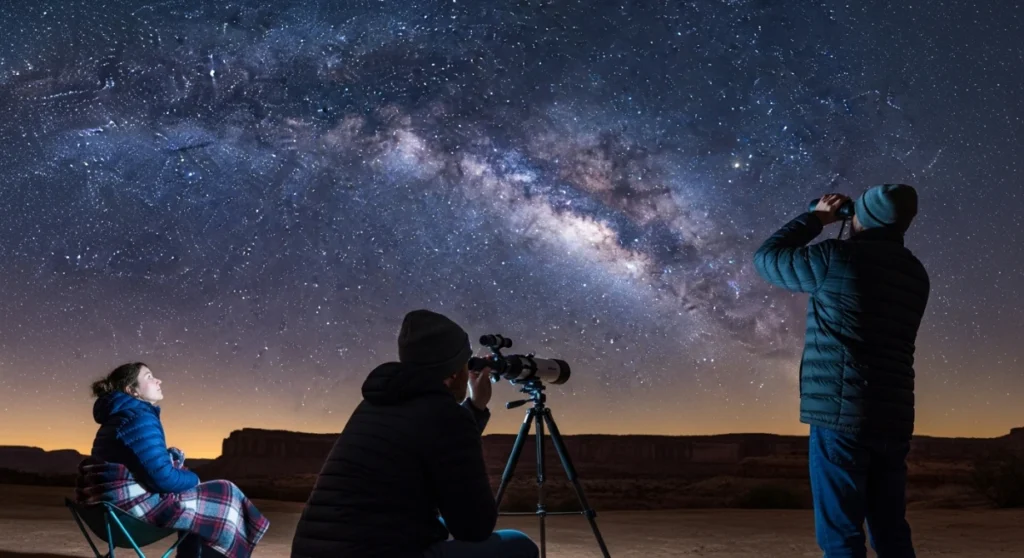
Set a clear goal, dress in real desert-ready layers, and lock in light, water, and logistics. Use a strict go/no-go checklist so your Moab stargazing night stays warm, safe, and focused on the sky.
People imagine a glowing Milky Way over red rock arches, then end up shivering, squinting into the dark, and counting minutes until the van heads back. The desert at night feels colder than most visitors expect, and small oversights with clothing, timing, or navigation can turn a magical sky into a stressful few hours. If you plan your Moab night under the stars like a checklist instead of a casual walk, you arrive at your tour already warm, safe, and free to actually enjoy the show.
Define your goal and what “ready for the night” really means
Before you think about gear, decide why you are going out in the dark. The way you prepare for a relaxed sky-watch is different from a photography mission or a family outing with kids. A clear goal gives you measurable readiness criteria instead of guessing on the hotel bed ten minutes before pickup.
Core goals to choose from
- Simply be amazed: You want a relaxed evening, easy walking, and time to soak up the sky with minimal fuss.
- Learn the sky: You care about constellations, planets, and stories, and want to remember them next time you look up.
- Capture photos: You are willing to carry extra gear and spend time adjusting settings for Milky Way or star-trail shots.
- Share it with family: Comfort, warmth, and short walks matter more than staying out until 2 a.m.
Measurable readiness criteria
Instead of “I think I packed enough”, use simple checks. If you meet all of them, you are realistically prepared for several hours outside in cool desert night air.
| Category | Ready when… |
|---|---|
| Warmth | You can remove at least one layer and still stay warm, and add one more if the wind picks up. |
| Feet | Your shoes are closed-toe with socks that stay dry and comfortable when standing for 30–60 minutes. |
| Visibility | You have a small light that can be dimmed or covered to protect night vision. |
| Hydration | You carry your own water and can comfortably go 3–4 hours without refilling. |
| Navigation | You know your meeting point, time, and how you will return to lodging without guesswork. |
| Awe factor | You have at least one simple plan to deepen the experience, such as a star chart, journal, or photography idea. |
Use that table as your first go/no-go filter at the hotel. If any box is still “no”, fix it before you lock the door.
Must-do essentials: non‑negotiables for any Moab night sky outing
This is the “do not skip” list. If you cannot meet these basics, reschedule your evening. A moab stargazing tour is much more enjoyable when these are locked in.
Layered clothing that matches desert reality
- Base layer: Lightweight, long-sleeve top and long pants that feel dry against your skin rather than cotton that clings if you sweat.
- Insulating layer: A warm sweater or fleece you could comfortably wear while standing outside for 30 minutes.
- Outer layer: A wind-resistant jacket with enough room for all layers underneath.
- Accessories: Hat or beanie, thin gloves, and a buff or scarf for neck and face if wind picks up.
Do a quick “lobby test”. Stand still for five minutes near the hotel entrance at night. If you are already cool, you need another layer for the open desert.
Footwear and ground comfort
- Shoes: Closed-toe, stable walking shoes or boots, not sandals. Sand and rocks cool down fast after sunset.
- Socks: One pair of warm, non-cotton socks that stay comfortable if you stand mostly in one spot.
- Ground: If your tour allows, bring a small sit pad or folded jacket to sit or kneel without touching cold rock directly.
Light and visibility without ruining the view
You need enough light to move around safely but not so much that you blind yourself or others.
- Primary light: A small flashlight or headlamp you can partially cover with your hand to dim the beam.
- Backup: Phone light as an emergency option, used sparingly.
- Manners: Point your beam at the ground, not into faces, and switch it off when the guide is pointing out stars.
Water, snacks, and basic health items
- Water: At least one full bottle per person, even on cool nights, to avoid altitude and desert dehydration.
- Snacks: Something simple you can eat in the dark without mess, such as nuts, bars, or crackers.
- Personal meds: Any prescription you might need during a 4–6 hour window and a basic pain reliever if your doctor allows it.
Tour logistics locked in
- Meeting time and location: Verify the exact spot and time with your operator in the daytime and set two alarms.
- Pickup and drop-off plan: Know how you get back to your room if you are dropped in town late at night.
- Weather confirmation: Check for last-minute updates from your guide about cloud cover or wind changes.
If any of these logistics are unclear an hour before departure, contact your operator. Do not assume it will “work out” in the dark.
You found a hidden promo code!
Use code WOWBLOG at checkout and get 10% OFF any tour!
Limited time offer. Book now and save!
Browse ToursShould-do upgrades: comfort and better views
Once your non-negotiables are handled, focus on items that significantly improve comfort and sky quality without being essential for safety.
Comfort boosters that matter over several hours
- Warm drink: A small insulated bottle with tea, cocoa, or just warm water can make a huge difference after midnight.
- Hand or toe warmers: Single-use warmers can help if you tend to get cold easily.
- Compact seat: If your tour allows it and space in the vehicle exists, a low folding seat or simple foam pad helps you relax.
Tools for learning the night sky
- Printed star map: A simple chart for the current season that you can use even if your phone battery drops.
- Notebook or journal: Jot down 3–5 objects you actually saw and their rough position so you remember them later.
- Pre-trip app session: Spend 10 minutes with a sky app in your hotel to learn where major constellations will be that night.
Photography basics without overpacking
If you want photos, keep expectations realistic. You do not need a full studio, but you do need control and stability.
- Stable support: A small travel tripod or a way to brace your camera on rock or a backpack.
- Manual control: Practice changing ISO, shutter speed, and focus in the daytime so you are not learning in the dark.
- Battery plan: Cold nights drain batteries faster, so charge fully and, if you carry a spare, keep it close to your body.
Nice-to-do extras that elevate the experience
These are not required at all, but they help turn a good night into one you remember for years. Add them after warmth, safety, and logistics are fully covered.
- Personal ritual: A short intention, quiet moment, or written reflection can help you mark the experience.
- Shared stories: Bring one myth or cultural story about a constellation to share if the guide invites conversation.
- Day-plus-night combo: If you join one of the Utah National Parks Tours for daylight scenery near the region, use what you learned about geology and history to imagine the landforms silhouetted under the stars.
Execution order and timing windows
Thinking in time windows keeps you from rushing around at the last minute or realizing your jacket is still damp from an earlier hike.
One week before your stargazing night
- Confirm dates: Make sure your night does not follow an exhausting full-day itinerary if you know you fade early.
- Check moon phase: New moon or thin crescent means darker skies, while a bright moon washes out faint stars but highlights the landscape.
- Assess clothing: Try on layers, shoes, and accessories so you have time to replace anything uncomfortable.
24 hours before
- Weather check: Look for cloud cover, wind, and temperature after sunset and around midnight.
- Hydrate steadily: Sip water through the day instead of chugging right before departure.
- Charge devices: Fully charge your phone, camera, and any lights.
3–4 hours before pickup
- Eat a balanced meal: Choose something filling but not heavy, so you are not distracted by hunger or discomfort.
- Pack your bag: Put every item from your must-do list in one place and re-check against your criteria table.
- Dress base and mid-layers: Put on everything except your outer jacket and hats, which you can add near departure.
30–60 minutes before
- Lobby test: Step outside dressed as you plan to start the tour and adjust layers.
- Check meeting logistics: Look again at the meeting time and route to get there.
- Bathroom stop: Use facilities before leaving town, especially if restrooms may be limited later.
Risk controls and how to avoid critical mistakes
Most ruined nights trace back to the same small set of errors. If you address them directly, you reduce the chance of a miserable experience to near zero.
Typical risks and how to manage them
| Risk | Early warning sign | Control action |
|---|---|---|
| Getting too cold | You notice fingers or toes going numb within 15–20 minutes. | Add layers immediately, move around gently, and use hand warmers if you have them. |
| Dehydration or headache | Dry mouth, rising headache, or fatigue long before you expect to be tired. | Drink small, regular sips of water and have a light snack. |
| Tripping or minor falls | You are guessing where rocks or steps are in low light. | Use your light angled at the ground and walk slower than you would in daytime. |
| Getting separated | You lose sight of the group or guide in the dark. | Agree on a visible regroup point and stay within comfortable voice range. |
| Night driving stress | You feel uncomfortable driving unfamiliar roads after hours in the cold. | Plan transportation that keeps your night driving short and simple, or rely on guided transport where available. |
Common critical mistakes
- Underestimating wind chill: Desert air plus even light wind makes thin hoodies feel useless. Treat wind as a multiplier on cold.
- Wearing only cotton: Cotton stays damp and makes you feel colder once temperature drops.
- Assuming phone light is enough: Phones are bright, drain quickly, and are awkward for steady low-level lighting.
- Packing too much and not using it: Heavy bags that you never open become a burden in the dark.
Clear desert skies look inviting from indoors, yet once you are standing still on cold ground, even a mild temperature drop feels sharper than expected. Prepare for how it feels, not just what the forecast says.

Short scenarios: what a prepared vs unprepared night feels like
Scenario 1: Prepared and present
Two friends arrive fifteen minutes early at the meeting point with layered clothing, warm drinks, and a simple star chart. On site, they sit comfortably on foam pads, adjust one extra layer when the wind picks up, and walk slowly with small lights aimed at the ground. Because nothing about warmth or logistics distracts them, they pay full attention to the guide’s explanations and leave with clear memories of specific constellations and a few satisfying photos.
Scenario 2: Under-dressed and distracted
Another couple shows up in light hoodies and sneakers with thin ankle socks, thinking the afternoon warmth would last. Within thirty minutes, one of them is stomping feet to stay warm and frequently glancing back at the van. They cut the night short, remember being cold more than the sky, and both agree they would only try again if they could “somehow stay warm this time”.
Connecting stargazing with other Utah park experiences
If you are also exploring Utah’s big landscapes, night skies can become the “second chapter” of your daytime adventures. For example, you might combine a day exploring well-known viewpoints on one of the best tours of Utah national parks with a local evening under the stars near the same region, so you see silhouettes of formations you admired in daylight. The geology and history you hear during the day help you imagine how these landscapes formed under countless similar skies.
Canyonlands tours from Moab or other nearby excursions often highlight sweeping horizons that become even more dramatic at night when distant towns disappear and only starlight outlines the canyons.
Go / no-go readiness checklist
Use this as your final decision gate ten to fifteen minutes before you leave your room. Be strict with yourself. The goal is to avoid a night that is technically possible but unnecessarily uncomfortable.
Must-have items check
- Clothing: I have at least three layers on top, long pants, closed shoes, and something for my head and hands.
- Light: I carry a small light that I can dim, plus my phone as backup.
- Water and snacks: I have enough for 3–4 hours without refilling.
- Logistics: I know exactly where and when to meet the guide, and how I will get back afterward.
- Health: I packed any personal medications needed for the next 6 hours.
Should-have comfort and learning check
- Warmth booster: I have at least one extra item for comfort, such as a warm drink, hand warmers, or a sit pad.
- Sky-learning tool: I prepared a simple way to remember what I see, like a star chart or notebook.
- Photography plan (if relevant): I practiced my camera settings and have a way to stabilize it.
Clear go / no-go criteria
- Go: All must-have items are checked, and I feel confident I can stand or sit outside for at least 30 minutes without strong discomfort during the lobby test.
- No-go or reschedule: I am already cold in current layers, do not know exactly where to meet the guide, or feel unsure about how I will return to my lodging late at night.
- Re-check: If only one item is missing and easy to fix, correct it first, then repeat the checklist.
Treat “no-go” as a smart decision, not a failure. It is far better to reschedule or adjust than to spend a once-in-a-trip night wishing you were back in your room.
A memorable stargazing night near Moab is less about perfect gear and more about honest preparation. Decide your main goal, hit your safety and warmth criteria, then layer in comfort and learning tools. Use time windows to prevent last-minute stress and rely on simple risk controls rather than reacting once you are already cold or disoriented. With that structure, you are free to focus on the sky instead of your toes. When you are ready to fit a star-filled evening into a bigger Utah adventure, MateiTravel can help you line it up with the right daytime experiences.
How cold does it really feel during a Moab stargazing outing?
It often feels significantly colder than the forecast once you stand still on rock or sand. Plan for at least one more warm layer than you would wear for an evening walk in town.
What is the single most important clothing item to bring?
A warm, wind-resistant outer layer you can easily put on or take off is critical, because desert wind makes lighter tops feel thin very quickly.
Do I need a special red headlamp for a night tour?
No. Any small light that you can dim or partially cover works, as long as you keep the beam aimed at the ground and switch it off while looking at the sky.
How early should I arrive at the meeting point?
Plan to be there about fifteen minutes before the agreed time so you can adjust layers, check gear, and avoid rushing or getting lost in the dark.
Is it worth bringing a tripod for night sky photos?
Yes, if you care about photography. A small stable support makes it much easier to capture clear images with longer exposures.
What should I do if I start feeling too cold during the tour?
Add any spare layers immediately, move gently to warm up, use hand warmers if you have them, and tell your guide so they can help adjust the plan.
Can I stargaze after a full day exploring Utah parks?
You can, but be realistic about your energy. Avoid scheduling a very late night right after your most intensive hiking or long driving day.
How do I know if I am truly ready to head out for the night?
Use the final go/no-go checklist. If all essential items are covered and you feel comfortable standing outside during a short lobby test, you are ready.

 Antelope Island – Wild Heart of the Great Salt Lake Adventure
 Bonneville Salt Flats – Journey to the Edge of the World
 Salt Lake City – The City of Zion. Historical Interactive Walking Tour
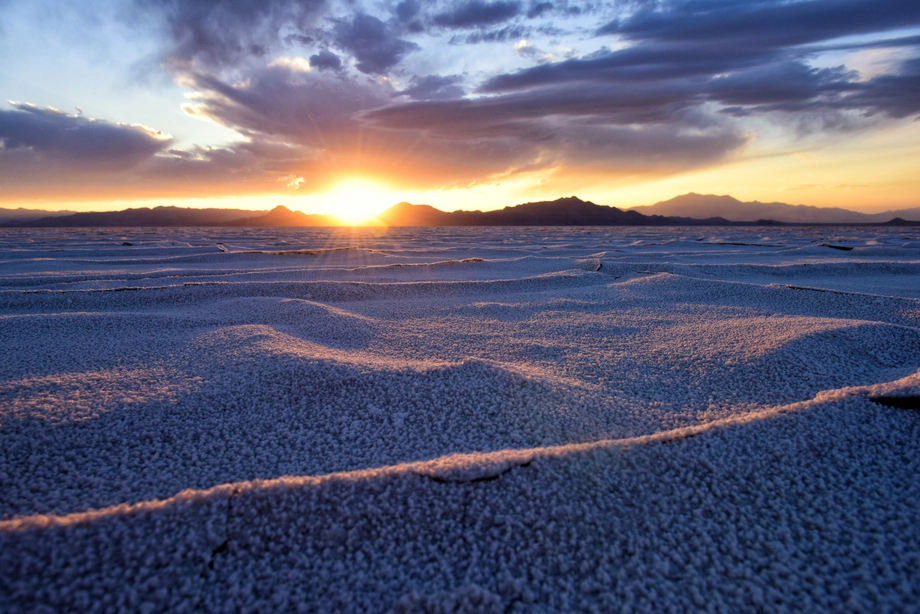 Bonneville Salt Flats – Sunset Adventure of the White Desert
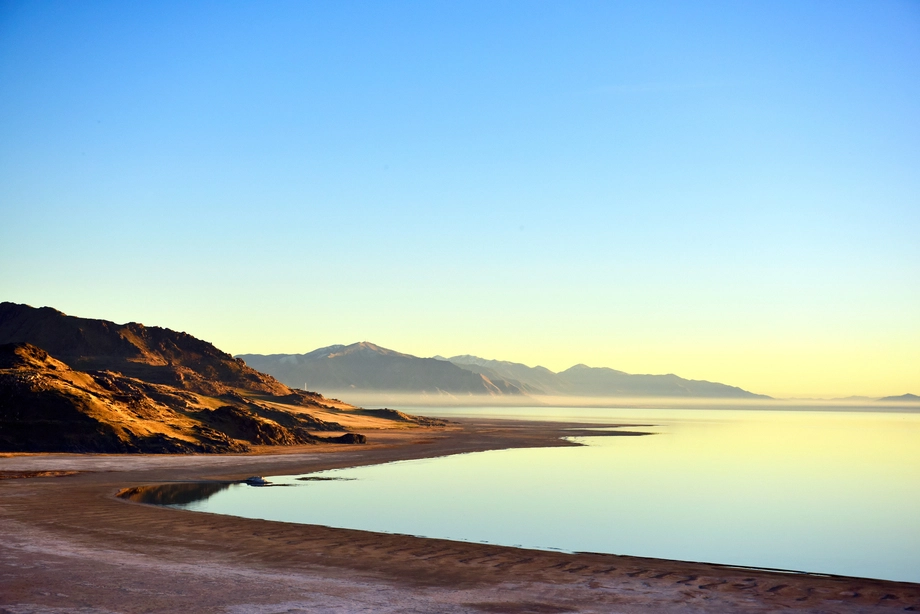 Antelope Island Sunset Wildlife Expedition – Great Salt Lake Odyssey