
Moab hiking tours for non-hikers: easy trail expectations and gentle options
Mar 17, 2026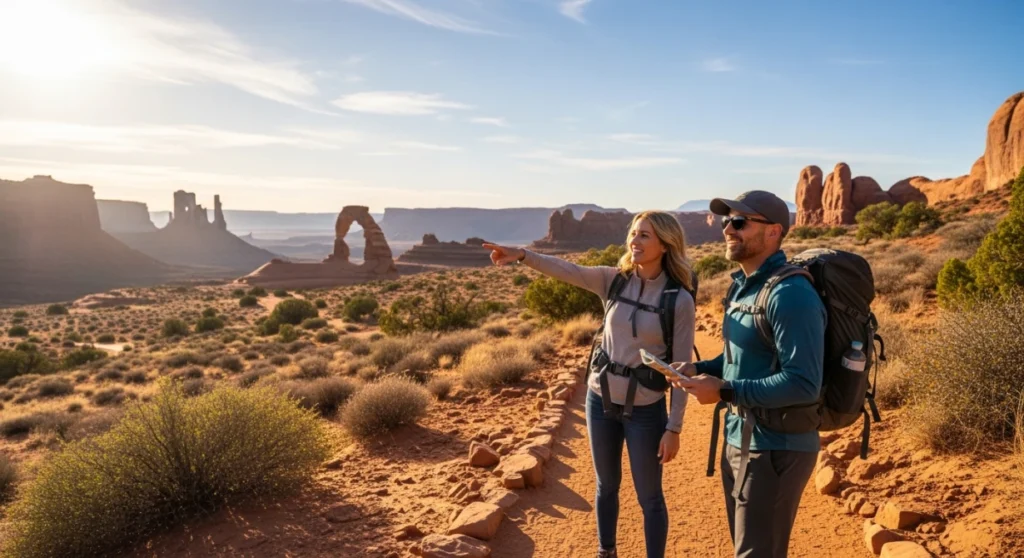
Non-hikers can enjoy Moab-style desert scenery on easy routes by choosing short, guide-supported walks, wearing stable shoes, and planning for sun and water. Start modestly, pace yourself, and build confidence gradually.
Many people arrive in Moab excited for the red rocks but quietly worried they are “not hikers.” They picture hours of sweating on steep cliffs when they really just want safe, beautiful walks and great photos. That gap between Instagram images and real human bodies is exactly where easy desert routes shine for first-timers.
The high-desert environment around Moab rewards even short, flat strolls with big scenery. You do not need backcountry skills or peak-level fitness to enjoy arches, canyons, and glowing sunsets. What you do need is realistic expectations about terrain, timing, and how guided outings differ from going out alone.
If you choose carefully, moab hiking tours on gentle paths can feel more like extended scenic walks than “serious hiking,” while still giving you that immersive canyon country experience.
What “easy” actually means on Moab-area trails
In cities, an “easy walk” often means paved sidewalks, frequent shade, and benches. In the canyon country near Moab, even a beginner-friendly trail usually means dirt or rock underfoot, direct sun, and some small ups and downs. The walk may be short and straightforward, but the setting changes how your body feels the effort.
Most relaxed routes focus on reaching a viewpoint, natural arch, or canyon rim without long climbs. Distances stay modest and pacing is slow, often with frequent stops to look around or take photos. The intensity comes more from sun, dry air, and uneven surfaces than from long mileage.
Guided options in Utah that include walking often mix driving and short strolls. For example, some Utah national parks tours combine scenic drives with optional easy walks to overlooks or along canyon rims, with your guide setting a calm, inclusive pace.
How an “easy trail” usually feels for a non-hiker
- Underfoot: Expect hard-packed dirt, rock slabs, or sand rather than smooth pavement. You focus a bit more on your footing, but you move slowly enough to adjust.
- Elevation: There may be short slopes or a few steps, yet the total climb is limited. You should be able to chat while you walk rather than gasp for air.
- Time on your feet: Many relaxed outings involve 20 to 60 minutes of walking broken into segments, with stops at viewpoints, shade breaks, and time at the van or car.
- Overall effort: For most non-hikers with basic mobility, it feels like a long city walk with extra heat and scenery, not like a workout class.
Where people misread “easy” in the desert (and why it matters)
The most common surprise for first-time visitors is that “easy” describes the trail’s technical difficulty, not how your body will interpret it under sun and altitude. A route can be non-technical and still feel challenging if you are not used to walking outside for an extended time.
Moab sits in a dry climate, and even short strolls can feel more intense than the same distance at home. Dehydration, sun glare, and unfamiliar rock surfaces all add up. Non-hikers sometimes underestimate these, which makes otherwise gentle outings feel overwhelming.
Typical misconceptions non-hikers have before they go
- “Easy means flat like a park path.” In practice, you may step up or down short rock ledges, navigate small slopes, and walk on angled rock, even when the overall route is beginner-friendly.
- “Short distance means low effort.” A half-mile in hot sun on rock can feel tougher than two miles on a shaded city path, especially if you are not used to dry air.
- “A guided tour means I don’t need to prepare.” Guides handle navigation and context, but your body still needs water, decent shoes, and basic sun protection.
- “Viewpoints are right next to the road.” Many iconic vistas require a brief walk from the vehicle, sometimes including a small hill, steps, or sandy sections.
Understanding these differences ahead of time lets you choose outings that match how you actually move today, not how you wish you moved on your best day years ago.
You found a hidden promo code!
Use code WOWBLOG at checkout and get 10% OFF any tour!
Limited time offer. Book now and save!
Browse ToursComparing easy walking experiences in Utah: Moab-style trails vs guided scenic outings
You may be weighing a Moab stay that focuses on walking paths against broader Southwest tours in Utah that include easy strolls. Both can work for non-hikers, but the feel of your day changes depending on how much time you spend on foot versus in a vehicle.
| Experience type | Walking focus | Typical pace | Best for |
|---|---|---|---|
| Self-guided easy trails near Moab | More continuous walking on unpaved paths, with flexible distance | Set by you, can pause often but you manage your own timing | Visitors comfortable finding their way and judging their effort |
| Guided Utah national park day tours | Short, optional walks from viewpoints and parking areas | Group pace, usually relaxed with frequent interpretive stops | Travelers who want scenery, stories, and low-stress logistics |
In both cases, you are on your feet enough to feel the landscape, not just drive through it. The tradeoff is between freedom to linger on one trail versus having a guide structure your day across several locations.
How to choose the right style of easy outing if you rarely hike
Non-hikers do best when the day is planned around their comfort zone. That includes how long they like to be outside, how much sun they tolerate, and how confident they feel walking on uneven ground. Thinking through a few decision points makes it easier to pick an option that feels welcoming rather than intimidating.
Decision point 1: How much time do you truly want to walk?
Before you book anything, be honest about how much continuous walking you enjoy at home. If a one-hour stroll in your neighborhood feels long, you will probably enjoy desert walks more when they are broken into short segments with clear breaks.
- If you prefer shorter efforts: Look for experiences that describe multiple viewpoints with optional short walks rather than long one-way routes.
- If you are okay on your feet for a few hours: You can handle slightly longer paths that wander out to a viewpoint and back at a casual pace.
Decision point 2: How important is a guide for you?
Some travelers feel calmer when someone else is in charge of timing, navigation, and safety decisions. Others enjoy figuring things out themselves. Longer southwest tours utah that include walking stops are useful if you want structure without having to track maps or parking.
If you like asking questions and hearing local stories, small-group guided walks and scenic drives can make even short strolls feel richer. The guide’s commentary turns a simple walk to an overlook into a deeper look at geology and local history.
Decision point 3: Are you traveling with mixed-ability friends or family?
Groups often include one enthusiastic walker and several people who are less sure about hiking. In that case, flexibility is crucial. Look for outings that allow some people to relax at a viewpoint while others walk a bit farther, without anyone feeling stuck or rushed.
Day tours in Utah that combine driving and walking are often built with this in mind, so older relatives, kids, and less active adults can all participate at their own level.
Common planning mistakes non-hikers make (and how to avoid them)
Most beginners do not get into trouble because the trail is extreme. They struggle because small planning oversights pile up until a manageable walk feels unpleasant. Preventing that is easier than it looks once you know what to watch for.
Overestimating fitness in desert conditions
People routinely underestimate how sun, heat, and dry air amplify effort. A distance that feels fine at home can feel surprisingly draining in the open desert, especially in the middle of the day. Non-hikers sometimes choose routes that are reasonable on paper but uncomfortable when the sun is high.
- Prevention: Aim for easier, shorter walks than you think you “should” be able to do, especially on your first day. Schedule the most exposed walking for earlier or later hours if possible.
- Prevention: Build in intentional breaks to sit, drink, and simply enjoy the view instead of pushing through.
Wearing the wrong shoes
City sneakers or casual sandals can handle smooth pavement but may feel slippery or unstable on rock, dirt, or sand. That does not mean you need technical boots. It does mean you benefit from closed-toe shoes with a bit of grip and a snug fit.
- Prevention: Choose comfortable walking shoes with a tread that does not slide easily on smooth floors. If they handle stairs and grass at home without slipping, they are usually adequate for easy desert paths.
- Prevention: Make sure the shoes are broken in before your trip so you do not discover hot spots miles from the car.
Underestimating water and sun exposure
Even when temperatures feel mild, dry air draws moisture from your body faster than you may notice. Sun reflection from light-colored rock adds to the intensity. Beginners often bring too little water or delay drinking until they feel thirsty.
Research on light to moderate outdoor walking shows that even short outings are more comfortable and safer when people drink small amounts regularly and protect their skin from direct sun rather than waiting for clear signs of thirst or sunburn.
- Prevention: Carry your own water bottle, even on guided outings with vehicle access. Sip consistently, not just at the end of the walk.
- Prevention: Wear a brimmed hat, sunglasses, and lightweight layers that cover your shoulders and arms so your energy goes to enjoying the view, not fighting the sun.
What to expect on easy, guide-supported walking days in Utah
If you are nervous about going out on your own, look at day experiences where walking is part of a broader schedule. Many of the best tours of utah national parks operate this way, blending scenic drives with short, accessible walks that non-hikers can handle comfortably.
These experiences typically start from a central city meeting point. From there, a driver-guide manages the road portions, shares information about the landscape, and leads you to viewpoints or short paths once you reach the parks or scenic areas.
Typical flow of a relaxed walking-focused day tour
- Meet-up and briefing: You gather at a defined city point, meet the guide, and hear a quick overview of the day’s route, expected walking level, and timing.
- Scenic drive segments: The group travels between locations in a comfortable vehicle while the guide talks about geology, history, and what you will see at the stops.
- Short walks at viewpoints: At each stop, there is time to stretch, walk to overlooks or along the rim, and take photos. Walks are usually optional and kept to a gentle level.
- Return with time to spare: You arrive back in the city with enough evening left for dinner or a stroll, without worrying about driving in the dark.
These structured days are particularly attractive if you want big scenery with minimal stress. You see more than you might on your own, and you can always sit out a short walk if you feel tired.

How Moab-style easy walks compare to other Utah day experiences
Moab’s surroundings are known for arches, canyons, and slickrock, while other parts of Utah feature salt flats, island landscapes, and historic city centers. If you are shaping a broader trip and like the idea of varied, beginner-friendly walking, it helps to see how different options feel for non-hikers.
| Area / style | Walking surface | Effort level for non-hikers | Scenery highlights |
|---|---|---|---|
| Moab and canyon country | Dirt, rock slabs, some sand | Light to moderate, depending on sun and small slopes | Canyons, arches, desert vistas |
| Salt Flats and island landscapes near SLC | Firm salt crust, island trails, mixed road and paths | Mostly light, with options to stay near the vehicle | Open white plains, lake views, wildlife on islands |
| Downtown walking tours in Utah cities | Paved sidewalks and plazas | Light, with frequent stops at buildings and points of interest | Historic architecture, city planning stories, hidden corners |
If you are unsure about unpaved trails, starting with easier city-based walking or mixed driving-and-walking experiences can build confidence. Later in the trip, short paths near Moab feel less intimidating because your body already remembers what it is like to be on your feet for a bit longer than usual.
Action checklist: preparing for easy Moab-area walks as a non-hiker
A little preparation turns “I hope I can handle this” into “That was actually enjoyable.” Use this short checklist to get yourself ready without overcomplicating things.
- Set a realistic comfort range. Decide how many minutes you are happy to walk in one stretch at home, then choose routes or outings that match or slightly undercut that time.
- Test your footwear. Wear the shoes you plan to bring on a few neighborhood walks that include slopes, steps, and maybe a bit of grass, and only pack them if they feel stable and comfortable.
- Plan your sun strategy. Lay out a brimmed hat, sunglasses, and a lightweight long-sleeve layer so you do not rely only on sunscreen to stay comfortable.
- Practice carrying water. Get used to walking with a small pack or crossbody bag that fits a bottle, so it feels normal to sip frequently on the trail.
- Choose guide-supported experiences first. If you feel nervous, start with structured days such as scenic Utah park tours or city walking tours before trying longer self-guided paths.
- Build in rest days. Alternate more active days with lighter ones so your legs and energy stay fresh instead of accumulating fatigue.
Putting it together: what non-hikers can genuinely expect
You do not need to be athletic to enjoy the canyon country around Moab. With honest expectations and modest preparation, easy trails will feel like extended, scenic walks with a few extra considerations for sun and footing. Guide-supported experiences add structure and reassurance, especially if you prefer someone else to manage timing and route choices.
If you plan conservatively, drink steadily, and listen to your body, the red rock landscape becomes accessible rather than intimidating. Thoughtful tour providers such as MateiTravel design Utah days that blend driving, storytelling, and optional easy walks so travelers who rarely hike can still stand at dramatic viewpoints and feel the scale of the desert.
For a low-stress introduction to this region, consider starting with a guided day that features short walks and scenic stops, then decide if you want to explore more trails on your own afterward with your new confidence.
Are easy trails near Moab suitable if I rarely exercise?
Many relaxed routes are manageable for people who only walk occasionally, provided you keep distances short, pace yourself, and respect the effects of sun and dry air.
Do I need special hiking boots for beginner-friendly desert walks?
No, most non-hikers do fine in comfortable closed-toe walking shoes with some grip, as long as they fit well and are broken in before the trip.
How much water should I carry on an easy desert outing?
You should always bring your own bottle and sip regularly, even on short walks, because dry air and sun make you lose moisture faster than you may notice.
Can I skip a walk segment on a guided day tour if I feel tired?
On many small-group scenic days, shorter walks from viewpoints are optional, so you can stay near the vehicle or overlook while others walk farther.
What time of day is most comfortable for non-hikers on desert trails?
Mornings and later afternoon usually feel more comfortable, as midday sun and heat make even short, easy paths feel more intense.
Will I slow the group down if I walk slowly on a guided outing?
Beginner-friendly experiences are planned at a relaxed pace, and guides are used to guests taking their time on short paths and photo stops.
How can I tell if an outing is truly beginner-friendly before booking?
Look for clear descriptions of walking time, terrain, and optional segments, and favor tours that explicitly mention easy, short walks and flexible stops.
Is it better to start with a city walking tour before trail walks?
Many non-hikers find that beginning with an urban walking tour helps them get used to being on their feet before trying unpaved paths later in the trip.

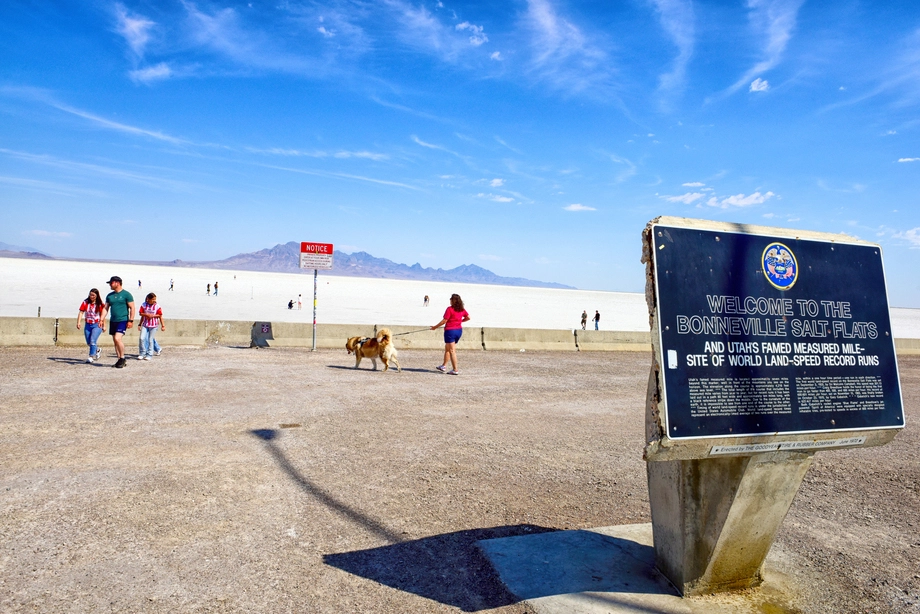 Bonneville Salt Flats – Journey to the Edge of the World
 Salt Lake City – The City of Zion. Historical Interactive Walking Tour
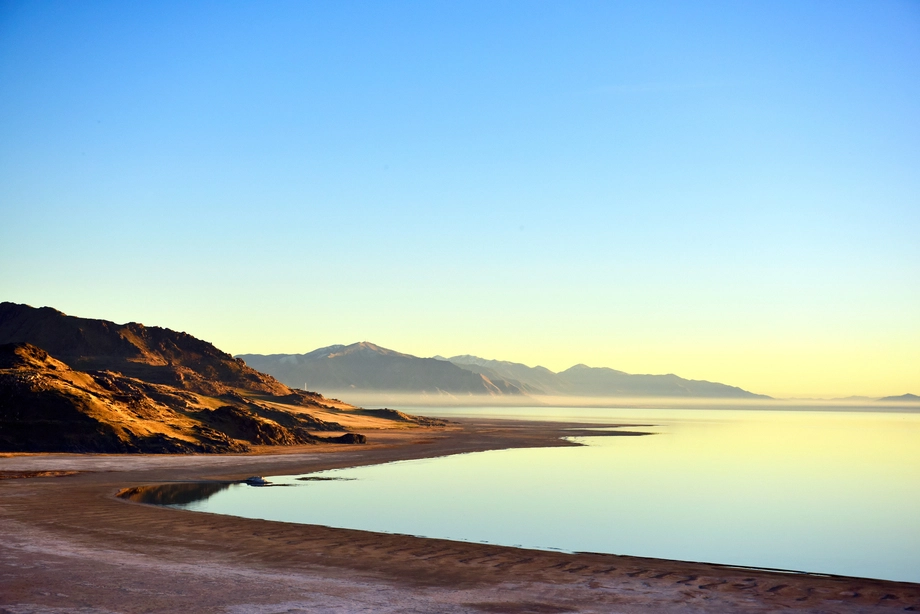 Antelope Island Sunset Wildlife Expedition – Great Salt Lake Odyssey
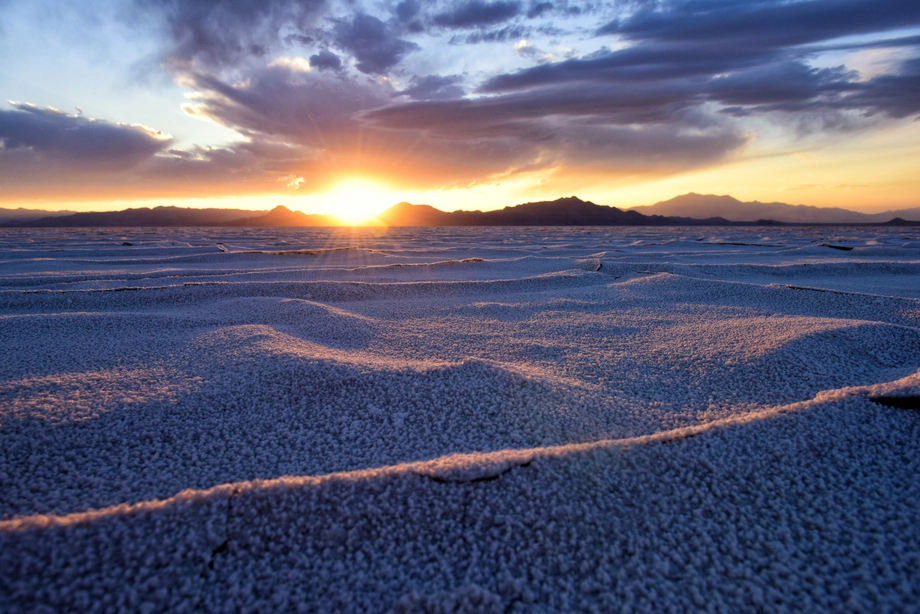 Bonneville Salt Flats – Sunset Adventure of the White Desert
 Antelope Island – Wild Heart of the Great Salt Lake Adventure