
Moab and Canyon Country Guided Trips: What a Full Day Actually Feels Like
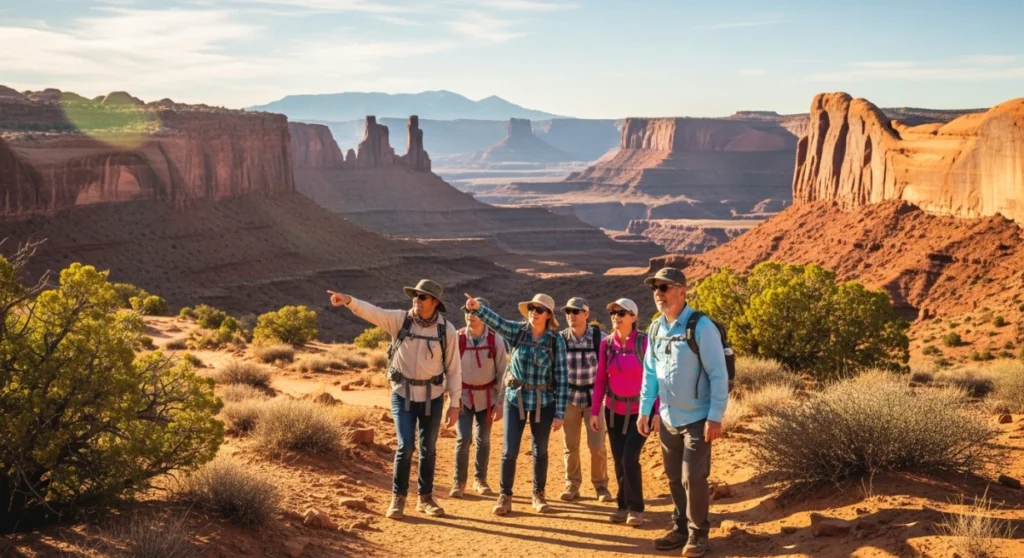
A full guided day in Moab usually feels like 6 to 8 hours of changing effort, not nonstop strain: hiking, instruction, breaks, heat management, and a tired but satisfied finish. The best fit depends more on season, pacing, and comfort with exposure than on athletic bravado.
People often underestimate Moab in two opposite ways. They either imagine a full guided day as an extreme, nonstop adrenaline push, or they assume it is just a scenic drive with a few easy walks. In practice, the day sits in the middle: structured, physical, and vivid, with the biggest difference between “amazing” and “too much” usually coming from pacing, heat, and logistics rather than raw difficulty.
When we talk about a full-day guided Moab and canyon country trip, we mean a professionally organized day that usually puts you in the field for about 6 to 8 hours, often within a broader Utah itinerary for travelers coming from Salt Lake City or already staying in southern Utah. This matters if you are trying to decide whether one day is enough, whether a guided option is worth it, and whether your energy, schedule, and comfort level match the kind of terrain Moab is known for.
If you found us while comparing options as specific as small-group e-bike canyon tours around Moab with local trail permits included, the more useful question is broader: what kind of full day do you actually want your body and attention doing? That is the choice that determines whether you should book a technical canyon day, a hiking-focused outing, a scenic drive with short walks, or a photo-led schedule with more waiting for light and less mileage.
When is a full-day guided Moab trip the right fit?
A full day is the right fit when you want one meaningful canyon-country experience, not a rushed checklist of viewpoints. It suits travelers who can stay active for several hours, handle uneven ground, and want someone else managing route choice, timing, and safety decisions.
This is often the sweet spot for visitors with limited vacation time. Many are threading Moab into a broader Utah trip from Salt Lake City, which means the day has to work hard without feeling chaotic. That is exactly where guided structure earns its value: fewer guesses, fewer wrong turns, and better use of the hours when light, temperature, and energy are best.
It is also a strong fit if you are excited by canyon landscapes but do not want to self-manage the hidden variables. In Moab, those variables include route finding in complex terrain, realistic timing, heat buildup, and weather judgment in areas where flash-flood awareness matters.
For travelers trying to place Moab inside a bigger itinerary, our Utah National Parks Tours are built around exactly that problem: seeing places like Arches and Canyonlands from Salt Lake City without carrying the full planning load yourself.
Which full-day format feels most like your kind of day?
The main formats feel very different even when they use the same landscape. The best choice depends less on the word “adventure” and more on whether you want movement, technical learning, scenic comfort, or time to compose photos.
Most full-day guided experiences in Moab fall into four practical buckets. The terrain may overlap, but the emotional rhythm of the day does not.
| Trip style | What the day feels like | Typical effort | Best for |
|---|---|---|---|
| Technical canyoneering | Alternates between hiking, instruction, problem-solving, rappels, and tight canyon movement | Moderate to high, with bursts of focus and exposure | Adventure-seekers, curious first-timers comfortable trying gear |
| Hiking-focused canyon day | Steadier walking pace with more emphasis on terrain, viewpoints, and canyon immersion | Moderate, with fatigue building gradually | Travelers who want a physical day without ropes |
| Scenic 4×4 or Jeep plus short walks | More seated travel, frequent stops, less sustained exertion, strong payoff in scenery | Low to moderate | Mixed-ability groups, families, visitors protecting energy |
| Photography-oriented outing | Less distance can still feel long because of waiting, repositioning, and chasing light | Low to moderate physically, high in patience and attention | Photographers and travelers who care more about light than mileage |
Technical canyoneering is the most misunderstood. Full-day trips in this category commonly mix hiking, rappelling, slot-canyon travel, and sometimes wading, which means the body never settles into one repeated motion for eight hours. That variety is why many adventurous beginners enjoy it more than they expect, provided they are comfortable listening closely and trying something new.
Hiking-focused canyon days feel simpler but are not automatically easier. A long stretch on slickrock, sand, or uneven ground can wear people down more than a shorter technical section with good instruction and rest points. Scenic vehicle-based days, by contrast, preserve energy and work well when one person in the group wants the landscape more than the workout.
- Choose technical canyoneering if you want skills, instruction, and a strong sense of progression through obstacles.
- Choose a hiking day if you like steady movement and want to stay focused on landscape rather than rope systems.
- Choose scenic driving plus short walks if your group has mixed fitness, heat concerns, or only moderate appetite for exertion.
- Choose a photography-led day if timing, angles, and light matter more to you than covering ground quickly.
You found a hidden promo code!
Use code WOWBLOG at checkout and get 10% OFF any tour!
Limited time offer. Book now and save!
Browse ToursWhat does a full day in the canyon actually feel like, hour by hour?
Most people experience a full guided day as a changing arc: anticipation early, concentration in the middle, heat or fatigue after lunch, and a satisfied slowdown on the way back. It rarely feels like eight identical hours of hiking.
The exact route varies, but the body-level experience is consistent enough to picture in advance. Knowing that rhythm helps you decide whether the day sounds energizing or draining.
Early start, meetup, and the mental shift into canyon mode
The first part of the day is usually quieter than people expect. You meet, sort gear, confirm water and layers, and drive toward the trailhead or canyon access point. If you started from Salt Lake City as part of a larger trip, this is the phase where good planning matters most, because the difference between “big day” and “too much driving” is whether transport and timing were thought through before you arrived.
Emotionally, this stage is mostly anticipation. You are still comfortable, still clean, and still wondering whether the trip will be harder than advertised. A good guide lowers decision load here by setting pace expectations, clarifying the sequence of the day, and spotting concerns early, especially around heights, heat, or tight spaces.
Safety briefing and first contact with the terrain
The first real shift happens at the trailhead or canyon entry. The ground becomes uneven, the scale of the landscape starts to register, and the day stops feeling like transport and starts feeling like immersion.
On a technical outing, this is where instruction begins in plain terms. First-timers are usually taught how the gear works, how to move near an anchor, how to listen for commands, and what to do with hands and feet during a rappel. On a hiking or scenic day, the equivalent is route expectations: how long the first section is, where breaks make sense, and what kind of footing to expect.
The first obstacle, descent, or narrow section
This is often the emotional peak of the morning. Even confident travelers feel a small spike of nerves at the first rappel, the first drop into a canyon, or the first section where the walls close in and the outside world disappears.
Then the nerves usually settle fast. Once people complete the first technical move or realize the guide is setting a measured pace, the day becomes less about fear and more about attention. That is why many beginners describe the middle of the trip not as scary, but as absorbing. Your brain is busy enough that you stop checking the time.
Lunch, shade strategy, and the truth about midday heat
Midday is where a guided day either stays enjoyable or starts to unravel. In spring and fall, lunch can feel like a welcome pause in comfortable conditions. In warmer months, the same break becomes a heat-management tool, with route choice, start time, and rest spacing doing a lot of invisible work.
People worried about exhaustion often imagine a full day as continuous output. In reality, organized canyon days are usually built around alternating effort with brief resets: a harder section, then slower travel; exposure, then instruction; movement, then food and water. That rhythm matters more than total duration.
What you tend to feel at lunch is not total depletion. It is more often a mix of confidence and the first hint that your legs, shoulders, or focus are working. This is the point where guests start appreciating having someone else judge whether to push on, slow down, shorten breaks, or keep the afternoon simpler.
The afternoon section and late-day fatigue
Afternoon energy is more honest. By then, your body has stopped pretending it is fresh, and even scenic sections can feel slower because your footing is less snappy and the sun has had time to do its work.
This is also when a well-matched route feels great. The right day leaves you tired but still interested in your surroundings. The wrong day leaves you mentally done, moving only because the route requires it. That difference is why we place so much weight on season, route style, and your own comfort with exposure before the trip is set.
Return to the vehicle and the ride back
The last stretch usually feels longer than the morning, even when it is not. Once the technical tension is gone, you notice your calves, your feet, the dust on your clothes, and the fact that you have been concentrating for hours.
The ride back is part decompression, part recap. People are usually quieter for a while. Then the details start coming back, especially the first obstacle, the narrowest section, or the moment the canyon opened up again. A good full day ends with that specific kind of tiredness where you feel used up in a satisfying way, not wrecked.
How hard is “can hike all day” in real life?
In practice, “can hike all day” means you can keep moving for several hours with breaks, uneven footing, and changing temperatures without needing a fast pace. It does not mean being a runner, a climber, or someone who trains for endurance sports.
What catches people out is not usually mileage alone. It is the combination of sun exposure, stepping on rock and sand, occasional scrambling or lowering yourself through awkward spots, and staying mentally engaged. Even easier canyon-country terrain asks more from ankles, balance, and concentration than a flat city walk.
For most guests, the honest test is simpler than any fitness label. Can you handle a long sightseeing day where you are on your feet repeatedly, then add several sustained outdoor segments in heat or dry air? If yes, many full-day options remain realistic, especially when the route is chosen to match your pace.
- A full day will likely suit you if you recover well from normal hikes, can carry water comfortably, and do not mind a tired finish.
- Choose a milder format if one member of your group struggles with heat, balance, or long stretches without easy exits.
- Choose half-day instead if your vacation already includes long drives, several park stops, or back-to-back active days.
- Be cautious with technical options if heights or confined spaces create panic rather than manageable nerves.
Mixed-ability groups are common, and route choice matters more than group identity. A couple or family can absolutely enjoy a full day together, but the day should be designed around the least comfortable person, not the most adventurous one.
If your trip is being built from a city base with limited time, our Utah Day Tours reflect the same planning philosophy we use across Utah: clear expectations about duration, walking, and how the day balances travel time with time on the ground.
What does a first-timer actually do on a technical canyon day, and how is safety handled?
A first-timer is usually learning, not improvising. On a technical day, beginners are commonly given instruction on gear use, movement, and communication before they ever handle the first descent.
This is one reason full-day Moab canyoneering is more accessible than the word “technical” suggests. Many such trips are designed for adventurous beginners with normal fitness, because instruction and professional gear are part of the day rather than something guests are expected to bring as prior expertise.
You should still picture active participation. You may clip into gear, follow step-by-step rappel instructions, move through narrow rock corridors, brace on uneven surfaces, or wade through shallow pools depending on conditions and route style. The experience feels hands-on, but it is structured hands-on.
Safety in canyon country is not just about equipment. It is also about judgment before and during the day. Flash floods are a real risk in slot-canyon environments, which is why weather review and route decisions are not side notes. Professional guides manage those calls, and for first-time visitors that alone can justify going guided instead of guessing from a trail description.
We never frame these trips as risk-free, because that would be dishonest. What a well-run guided day does offer is better risk management: instruction at the right moment, route selection that matches the group, and the freedom for guests to focus on the experience instead of carrying every technical and environmental decision themselves.
How does the season change the feel of a full day?
Spring and fall usually feel the most balanced for a full canyon-country day because temperatures are more moderate and the effort stays enjoyable longer. Summer can still work, but it changes the schedule, route choice, and how seriously you need to take heat.
The broad canyoneering season in Moab generally runs from March through November. Within that span, the same “full day” can feel very different depending on when you go.
In spring, people often notice how much easier it is to stay curious and energetic into the afternoon. You can pay attention to the landscape instead of constantly managing body temperature. Fall tends to offer a similar advantage, especially for travelers who want a long day without the psychological drag of intense heat.
Summer is where false confidence shows up. The issue is not only whether you are fit. It is whether the route starts early enough, whether there is a realistic shade and lunch strategy, and whether the group can keep drinking and moving before the sun turns a moderate outing into a slog. This is why route selection and timing are part of trip design, not afterthoughts.
Season also changes the travel equation for visitors linking Moab with a bigger Utah plan. Longer daylight can help, but a hotter day can still feel shorter because the useful high-energy window is narrower. We organize Utah trips with that tradeoff in mind so that the day fits your season instead of fighting it.
Is guided really better than doing it yourself, and when is half-day smarter?
Guided is usually better when your time is limited, the terrain is unfamiliar, or the route involves technical movement, flood-sensitive areas, or complex navigation. Half-day is smarter when you want a taste of canyon country without committing your whole body and schedule to it.
DIY can absolutely make sense for straightforward viewpoints or well-known easy walks. But first-time visitors often misjudge not the beauty of the place, but the friction around it: trailhead timing, how slow slickrock feels underfoot, where energy drops, and how much mental effort navigation takes in open terrain or narrow canyon systems.
That matters even more if you only have one free day in Utah. A guided day can deliver a more coherent experience because someone is already making the invisible choices that preserve the best parts of the day. You spend less time debating where to go first and more time actually being there.
| Question | Full-day guided | Half-day guided | DIY |
|---|---|---|---|
| Best use case | One major canyon-country day with structure | Lower commitment or mixed-energy schedule | Simple sightseeing if you know your limits |
| Decision load | Lower for guest | Lower for guest | Highest |
| Heat and pacing management | Built into the day | Easier by shorter duration | Up to you |
| Technical access | Possible with instruction | Sometimes limited | Usually not appropriate for beginners |
| Fit for tight Utah itinerary | Strong if well integrated | Good if preserving energy matters | Can waste time if planning is off |
For nervous travelers, half-day is not a compromise in a bad sense. It is often the right product. If you are unsure about heights, tight spaces, or fatigue, a shorter outing can give you the landscape and the guidance without turning the day into a test of endurance.
How do we organize a Moab day so it stays enjoyable instead of overwhelming?
Our job is to match the day to the person, then coordinate the logistics so the guest experiences the canyon rather than the planning burden. Your job is to tell us the truth about fitness, comfort with heights or tight spaces, dates, and whether you want the day to feel more scenic, more technical, or more relaxed.
That division of responsibility is what makes a one-day Moab plan realistic for travelers starting in Salt Lake City or stitching canyon country into a larger parks trip. We organize guided trips across Utah, including national parks such as Arches and Canyonlands, and we rely on local guides and small-group formats because they make it easier to ask questions, move at a comfortable pace, and understand what is happening around you.
Stage 1: Fit check and trip style selection
We start with the real filters, not generic adventure labels. Those filters are season, available day length, comfort with exposure, and whether you want skills and obstacles or mostly scenery and movement.
The deliverable at this stage is a recommendation for the style of day that makes sense. The acceptance test is simple: you should be able to picture the day and say, “Yes, that sounds like my kind of tired,” rather than hoping motivation will cover a mismatch.
Stage 2: Routing, guide coordination, and schedule shaping
Once the format is clear, we structure the day inside the larger Utah itinerary. That can mean deciding whether Moab belongs as a dedicated adventure day, a scenic parks day, or part of a longer national parks sequence.
We own the planning logic and travel flow. Local guides own on-the-ground route execution, technical instruction where needed, and situational decisions in canyon terrain. This split matters because good experiences in Utah depend on both macro-planning and local judgment.
Stage 3: Pre-trip clarity for the guest
Before the day, we aim to give practical expectations, including approximate duration, walking level, and what kind of terrain and pacing to expect. That transparency is already part of how we present our tours more broadly, because guests make better choices when they know whether a day means short overlooks, longer walks, or a more demanding canyon format.
The deliverable here is confidence, not hype. You should know what to wear, what to carry, how early the day may begin, and what the likely stress points are for your specific group.
Stage 4: Day-of execution and quality control
On the day itself, quality is not measured by how exhausted you are at the end. A good full day means the route matches the season, the guide adjusts pace to the group, and the experience feels full rather than frantic.
Our practical acceptance criteria are straightforward.
- The schedule is coherent so transport, activity time, and return do not fight each other.
- The route matches the group rather than forcing every traveler into the most technical version available.
- The pace stays sustainable with breaks, food, and water use built into the rhythm.
- The day preserves attention so you are still enjoying the canyon late in the outing, not simply enduring it.
Client preparation checklist
The easiest way to improve your day is to answer the planning questions honestly before anything is booked. Most bad matches start when travelers describe the trip they wish they wanted instead of the one they will actually enjoy.
- State your real fitness level. Say whether you can handle several active hours on uneven ground, not whether you once did a hard hike on vacation.
- Flag any concern with heights, narrow spaces, or heat. These are route-shaping details, not embarrassing admissions.
- Describe your ideal day in plain language. For example: scenic and moderate, hands-on and adventurous, or photo-focused and unhurried.
- Share your full travel context. A canyon day feels different if it sits between long drives or other park days.
- Pack for dry air and sun. The landscape can feel forgiving in photos and much harsher once you are moving through it.
If you already know you want Moab, Arches, or Canyonlands woven into a bigger trip from Salt Lake City, the practical next step is to browse our Utah national parks itineraries, choose the sample day that feels closest to your ideal pace, and send an inquiry with your dates, fitness, and preferred style.
A full guided day in Moab and canyon country usually feels like a well-paced progression, not a nonstop grind: early anticipation, a focused middle, a heat-aware lunch break, slower afternoon legs, and a satisfying return. The best predictor of whether you will love it is not whether you are “hardcore,” but whether the route, season, and effort level match your body and your travel plan. If you want that day to fit cleanly into a Utah trip from Salt Lake City, use Matei Travel’s Utah National Parks Tours or Utah Day Tours as your next step and send a short inquiry with your dates, fitness, and the kind of Moab day you want.
How long is a full guided canyon-country day in Moab?
Most full days are about 6 to 8 hours in the field. That time usually includes a mix of movement, instruction, breaks, and the return to the vehicle.
Do I need climbing experience for a technical canyoneering day?
No. Many full-day technical outings are designed for adventurous beginners, with gear and step-by-step instruction built into the experience.
Is a full day just eight hours of nonstop hiking?
No. The day usually alternates between walking, problem-solving, short rests, safety briefings, and in some cases rappelling or moving through narrows.
When is the most comfortable season for a full day in Moab?
Spring and fall are usually the easiest seasons for all-day comfort because temperatures are more moderate. Summer can still work, but it needs earlier starts and more careful route planning.
What if I am worried about heights or tight slot canyons?
You do not have to force a technical route. Many travelers are better served by a hiking-focused or scenic day with less exposure and fewer confined sections.
Can families or couples with mixed fitness still enjoy a full day?
Yes, if the route style matches the least comfortable member of the group. Scenic vehicle-based days or moderate hiking formats are often the best fit.
Why not just plan the day myself?
DIY works best for simple sightseeing, but guided days reduce navigation stress, improve timing, and add professional judgment around weather, terrain, and pacing. That matters most when you have limited time and unfamiliar canyon conditions.

Dima, owner and guide, is passionate in his advocacy for the health of Utah\'s parks and...
Read more →Such an amazing trip and experience. Dima is a cool tour guide, very humorous and willing...
Read more →Your was super thorough and guide was very helpful and informative throughout the tour
Read more →Our guide was very knowledgeable, friendly and helpful. We saw lots of interesting parts of Utah...
Read more →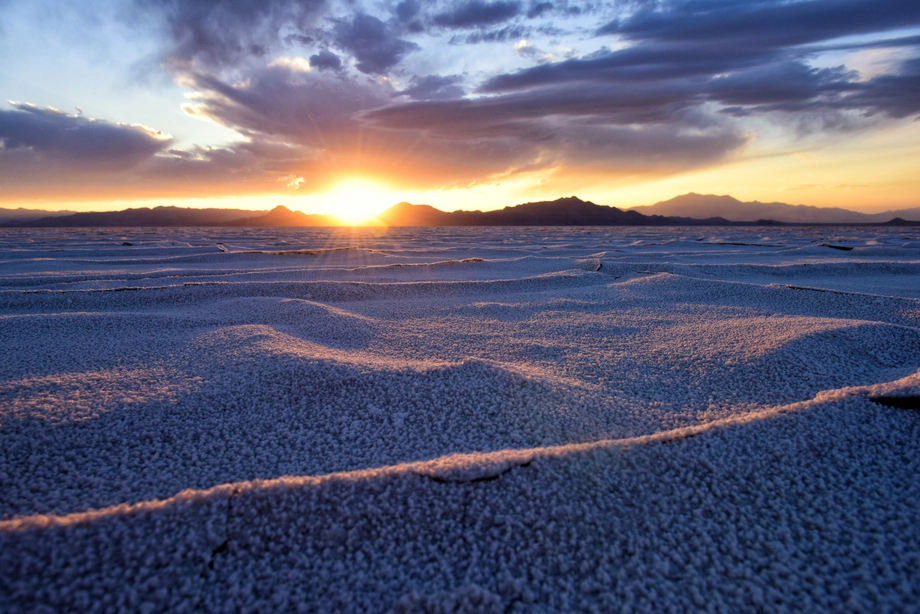 Bonneville Salt Flats – Sunset Adventure of the White Desert
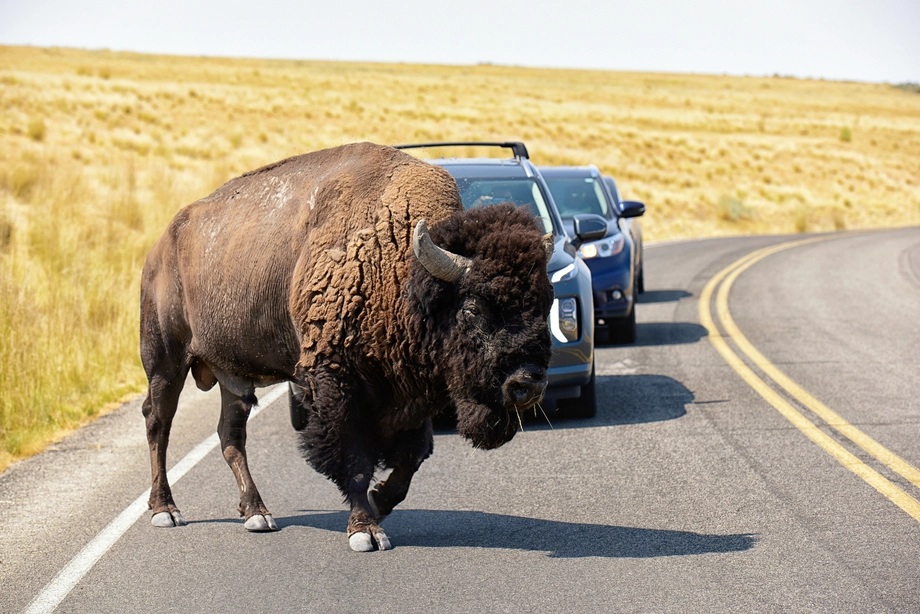 Antelope Island – Wild Heart of the Great Salt Lake Adventure
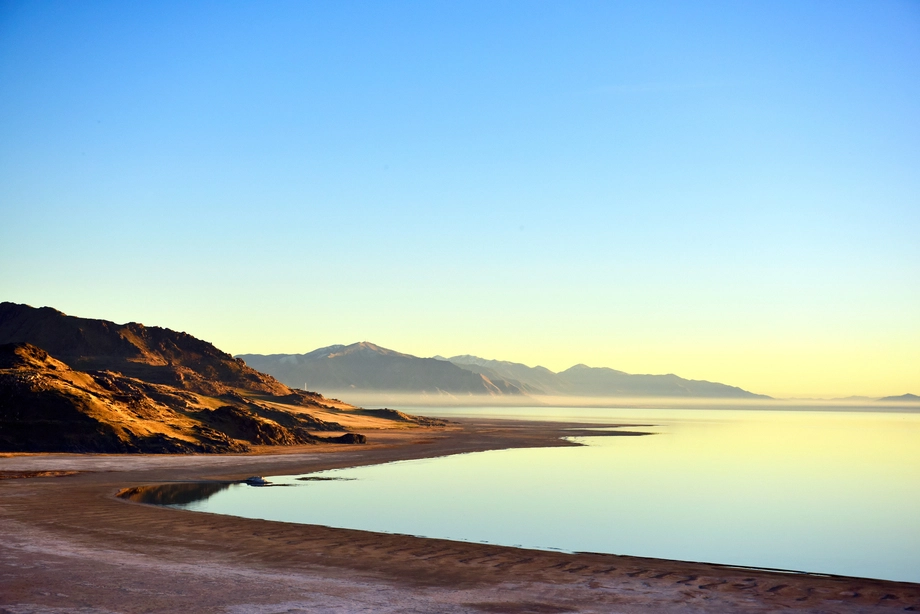 Antelope Island Sunset Wildlife Expedition – Great Salt Lake Odyssey
 Bonneville Salt Flats – Journey to the Edge of the World