
Moab and Canyon Country Guided Trips: Plan for Heat and Distance
Aug 4, 2026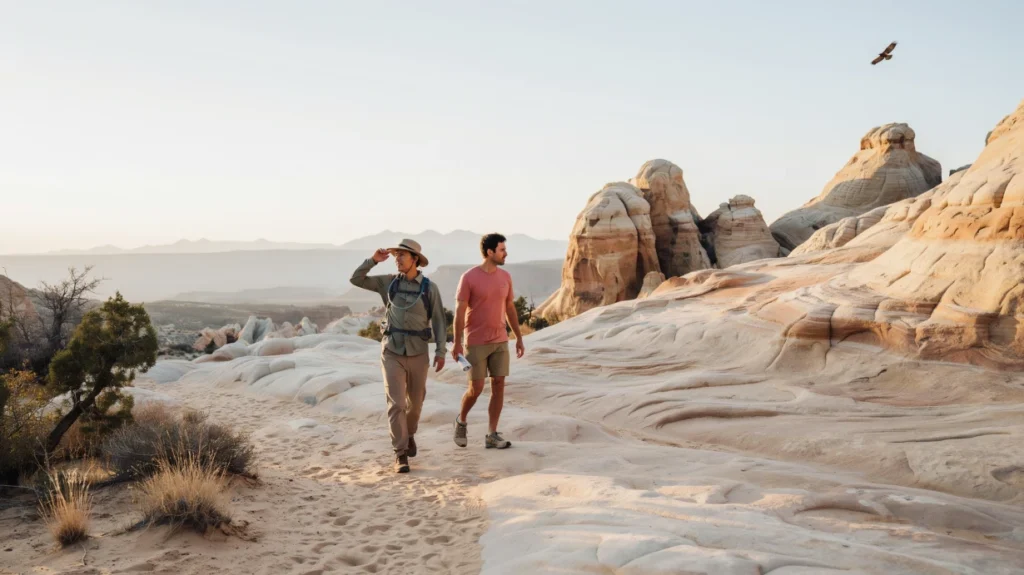
A successful Moab trip starts with cooler activity windows and realistic driving time, not a long list of stops. In summer, prioritize short early hikes, breaks, and an overnight or multi-day plan from Salt Lake City.
The Moab itinerary that looks efficient on a map can become exhausting by late morning: a long drive, exposed trail, dry heat, and one more scenic stop that seemed close enough. Moab and Canyon Country guided trips are desert travel decisions, especially for visitors starting in Salt Lake City, because comfort depends less on how many landmarks you include than on when you move, how far you drive, and how much walking the group can genuinely enjoy.
We plan these days from the temperature window outward. That means putting hikes, overlooks, and photography time in the cooler parts of the day, then fitting drives and rest into the hotter hours instead of asking guests to push through the desert simply to complete a checklist.
What do “Moab and Canyon Country” mean for a guided trip from Salt Lake City?
For practical trip planning, Moab and Canyon Country usually mean the Arches and Canyonlands area, plus the scenic roads, overlooks, short walks, and canyon landscapes around them. Most visitors coming from Salt Lake City need to treat this as a substantial road-trip commitment rather than a quick park excursion.
Arches National Park and Canyonlands National Park are close enough to combine within a broader Moab stay, but reaching the area from Salt Lake City takes a meaningful portion of the day before any trail time begins. That changes the right question from “How many parks can we see?” to “What will still feel enjoyable after transportation, heat, stops, and walking are counted?”
Our Matei Travel Utah National Parks Tours begin with that reality. They are designed for travelers who want Utah’s major parks, including Arches and Canyonlands, without personally managing the transfer, scenic routing, walking level, and park-to-park timing of a long road trip.
Start with your actual base, not your wish list
A traveler sleeping in Moab can use sunrise and evening light efficiently. A traveler beginning in Salt Lake City must first absorb the long approach drive, which leaves less room for extended hiking and makes a same-day return far more demanding.
- Salt Lake City base: Best for a highlights-focused day only when the group accepts significant time in the vehicle and limited hiking, or for an itinerary that includes overnight time near Moab.
- Moab-area overnight: Better for sunrise trail access, a midday reset, and an evening viewpoint or photography stop.
- Mixed ages or heat-sensitive travelers: Better served by accessible viewpoints, short walks, frequent breaks, and fewer transitions between locations.
- Active hikers: Should still choose one meaningful walk rather than stack several exposed hikes into the same summer day.
Why do heat and distance matter more in Moab than visitors expect?
Heat, dry air, elevation, and driving time compound each other in Moab, so a modest-looking itinerary can feel much harder than its mileage suggests. Summer temperatures commonly reach roughly 95 to 105°F, compressing the most comfortable outdoor window into early morning and later evening.
In a dry environment, dehydration and fatigue can build before a traveler recognizes how much effort the day has required. Add a long vehicle transfer, time spent walking on exposed rock or uneven ground, and the need to return to a lodging base, and the day’s real workload is greater than a map pin suggests.
The common misunderstanding is that viewpoints require no energy because they are reached by road. They still require parking, walking in the sun, getting in and out of the vehicle repeatedly, and staying alert during long drives. We account for that accumulated effort when we set the right amount of walking for a national parks day.
The desert’s limiting resource is the cool window
Visitors often try to maximize daylight. In summer, the better strategy is to maximize the cooler hours, then use the hottest period for lunch, a longer drive, an indoor break where available, hotel time, or a lower-exertion scenic stop.
- Early activity: Put the longest or most exposed walk first, before surfaces and air temperatures rise.
- Midday: Reduce exertion and avoid treating every overlook as mandatory. Use this period for transport and recovery.
- Late day: Choose a shorter walk, viewpoints, or photography when conditions become more manageable.
- Water and sun protection: Carry enough water capacity for the planned outing and use sun protection consistently. These are core itinerary inputs, not optional add-ons.
You found a hidden promo code!
Use code WOWBLOG at checkout and get 10% OFF any tour!
Limited time offer. Book now and save!
Browse ToursHow should a Moab day be scheduled around the coolest hours?
A workable summer schedule puts active walking at dawn or early morning, protects a long midday recovery period, and reserves evening for low-intensity sightseeing or another short outing. Shoulder seasons allow more flexibility, but an early start remains the most reliable way to gain time and avoid crowds on popular routes.
We do not view a pre-dawn-style departure as automatically ideal for every traveler. It is a tradeoff. An early start buys cooler conditions, quieter trails, and a better margin for breaks, while a later start may be more appropriate for a group that needs a gentler pace or has already spent several demanding days on the road.
| Travel period | Best use of early hours | Midday approach | Late-day choice |
|---|---|---|---|
| Summer | Primary hike or exposed viewpoint walk | Drive, meal, rest, and limited low-effort stops | Short scenic walk or photography-focused stop |
| Shoulder season | Popular hike or longer overlook walk | Mix driving with selected stops and a measured lunch break | Additional viewpoint time or an easier second walk |
| Mixed-ability private group | One accessible priority experience at the group’s best pace | Flexible rest, food, and route adjustment | Optional scenic activity only if energy remains strong |
An illustrative summer day
A realistic summer day might begin with an early Arches-area walk or canyon-rim overlook, followed by scenic driving and a substantial break while heat peaks. The late afternoon can hold a shorter viewpoint stop if conditions and the group’s energy support it. It is deliberately not a plan to complete every famous trail in both parks.
That structure is more satisfying than spending the afternoon forcing a longer exposed hike because it appeared on an original bucket list. A guide can keep the day moving while still treating hydration, shade, weather, and fatigue as reasons to adjust rather than as inconveniences to ignore.
Can you visit Moab from Salt Lake City in one day?
You can make a Moab highlight day from Salt Lake City, but it involves a long drive and works best with limited hiking, clear priorities, and realistic expectations. A two- or three-day plan is the stronger choice when you want meaningful time in both Arches and Canyonlands without turning most of the trip into vehicle time.
The drive is not simply transit at the beginning and end of the experience. It determines how much heat exposure the group can sensibly take on after arrival, how much daylight remains for park time, and whether the return feels safe and comfortable after a full day outdoors.
| Trip format | What it suits | What to limit | Best planning priority |
|---|---|---|---|
| Salt Lake City day trip | Travelers with very limited time who want a guided introduction to the area | Long hikes, repeated park changes, and an oversized stop list | One park emphasis, major viewpoints, and short walks |
| Two-day trip | Visitors who want both Arches and Canyonlands with less pressure | Late-night driving after a demanding outdoor day | Separate active hours from travel and recovery time |
| Three-day loop | Groups seeking a more measured Canyon Country experience | Trying to fill every daylight hour with hiking | Morning activity, scenic drives, and adjustable pacing |
For travelers based in Salt Lake City, we recommend deciding first whether the priority is a brief introduction or actual time on the landscape. A one-day format can deliver the first. More time is needed for the second, particularly in hot weather or when children, older relatives, or first-time desert visitors are part of the group.
How far should you hike in summer versus shoulder seasons?
Summer hiking should be shorter, earlier, and more conservative than hiking during cooler shoulder seasons because exposed terrain magnifies heat and fatigue. The right distance is the distance your group can complete comfortably with water, breaks, and energy left for the rest of the day.
There is no universal mileage number that makes a desert hike safe or enjoyable. A route’s shade, surface, elevation changes, exposure, navigation demands, starting temperature, and the group’s acclimatization all change how far feels reasonable. A short route over open rock can be more taxing than a longer walk in cooler, shaded conditions.
Use terrain and timing to set the walking level
- Summer and first desert day: Favor short, clearly defined walks and accessible overlooks. Let the group acclimate before committing to more exertion.
- Cooler shoulder-season morning: Consider a longer hike only after accounting for drive time, route exposure, and the group’s experience on uneven terrain.
- Families and multigenerational groups: Build in frequent stops, easy turnback options, and a plan that does not make one person’s pace dictate everyone’s comfort.
- Photography-focused travelers: Protect time for light and composition rather than converting every stop into a hike.
Our Salt Lake City walking tours use clear descriptions of duration, distance, and terrain so guests know the physical commitment before joining. We apply that same planning discipline to Canyon Country: a route should be described by what it asks of the body, not merely by how attractive it looks in photos.
How do July through September storms change a Canyon Country itinerary?
From July through September, sudden afternoon monsoon storms can create flash-flood danger in canyons even when rain is not falling directly overhead. The safest plan avoids committing to canyon terrain when weather and timing make an exit uncertain.
Storm risk changes the schedule as much as heat does. An itinerary that uses the morning for open, exposed walking may need to shift toward viewpoints, scenic roads, or routes with straightforward retreat options if afternoon weather becomes unstable.
Flash flooding is especially important because a clear sky above the group does not prove that upstream conditions are safe. Travelers should not enter narrow canyons or drainage terrain based on local appearance alone, and they should be willing to replace a planned route when forecasts or conditions change.
Routes to avoid without the right conditions
Do not treat slot canyons, narrow washes, and drainage corridors as casual alternatives to park trails during monsoon season. These terrain types require informed weather judgment and a route choice that does not leave a group trapped by rapidly changing conditions.
For guided park days, our approach is to keep the itinerary adaptable rather than promise a fixed route regardless of weather. A scenic stop, accessible overlook, or alternate short walk is a better outcome than pressing into terrain that has become unsuitable for the day.
When is a private or customized Moab trip worth choosing?
A private or customized trip is most valuable when your group needs control over start time, walking pace, heat tolerance, or photo stops. It is particularly useful for families, multigenerational travelers, and visitors who want the flexibility to shorten a route or take longer breaks without reshaping another group’s day.
Private pacing is not about trying to fit more into the itinerary. Its advantage is that the day can respond to what the group is experiencing: a child who needs a slower morning, a parent who prefers overlooks to uneven paths, or photographers who want to wait for late light rather than rush to another stop.
Small groups also make it easier to ask questions and understand why a guide is choosing one route over another. Our local-guided Salt Lake City walking tours are built around that interaction, and we carry the same mindset into park planning by keeping comfort, terrain, and the day’s real time budget visible to the group.
If a standard itinerary does not match your travel dates or physical preferences, request a tailored Moab and Canyon Country plan with a focused early morning, a lighter afternoon, or a two- to three-day Salt Lake City loop. The goal is a route that matches your group rather than an ambitious schedule that only works on paper.
What are the most common Moab planning mistakes, and how can you prevent them?
The biggest mistakes are treating a desert park day like an ordinary sightseeing day, underestimating the Salt Lake City approach drive, and assuming an afternoon canyon plan is safe because the weather looks clear nearby. Prevent them by deciding on priorities before departure and protecting the group’s energy as carefully as the schedule.
- Trying to see both parks fully in one day: Pick a primary park and a small number of secondary stops, especially when starting from Salt Lake City.
- Scheduling the longest hike at midday: Move the most active portion to the early hours and use midday for recovery and transport.
- Choosing trails by mileage alone: Check exposure, uneven ground, elevation change, shade, and whether everyone is acclimated.
- Ignoring the return drive: Leave physical and mental energy for the journey back instead of using every remaining minute in the park.
- Keeping a canyon route after storms become possible: Accept the alternate plan early. A changed route is responsible planning, not a missed day.
What should you decide before booking a Moab or Canyon Country guided trip?
Before booking, decide whether your priority is park highlights, hiking, photography, or a family-friendly scenic day, then match the itinerary length to your starting point and heat tolerance. Those choices tell you whether a Salt Lake City day trip is enough or whether an overnight, multi-day, or private format will serve you better.
- Starting point: Confirm whether you begin in Salt Lake City, stay near Moab, or need a route that includes transport from Salt Lake City.
- Travel season: For summer, accept early activity and a lighter middle of the day. For July through September, keep afternoon storm flexibility in the plan.
- Walking ability: Choose the route based on terrain and exposure, not only on total distance.
- Group needs: Flag children, older travelers, heat sensitivity, photography priorities, and anyone who prefers shorter walks.
- Trip length: Use a day trip for a focused introduction; choose two or three days when you want more time in Arches and Canyonlands.
- Information quality: Look for an itinerary that states walking level, approximate schedule, terrain, and what is included before you commit.
For a ready-made option, explore our Utah National Parks itineraries and compare the stated schedule and walking level with your group’s real preferences. If you need a different balance of driving, early starts, and outdoor time, an inquiry for a customized plan is the right next step before booking.
Plan the desert day backward from comfort, not ambition
Moab is enjoyable in summer and shoulder seasons when the itinerary respects heat, drive time, and the terrain underfoot. A focused early start, modest walking target, midday reset, and weather-aware afternoon plan will usually deliver a better day than a packed route.
Starting from Salt Lake City makes the time budget even more important, so give yourself permission to prioritize rather than race between parks. For groups needing more flexibility, a private format can protect pace and comfort without sacrificing the places that matter most.
Explore Matei Travel’s Utah National Parks Tours to choose a Moab-area itinerary, or contact us to shape a trip around your dates, group, and tolerance for heat and driving.
Is Moab too hot to visit in summer?
No, provided the day is built around early outdoor activity, a substantial midday slowdown, and short late-day options. The plan should avoid making exposed hiking the main activity during peak heat.
Is a Moab day trip from Salt Lake City a good idea?
It can work for a focused highlights visit with short walks, but it is a long day with limited time on the ground. An overnight or multi-day format gives you more flexibility in Arches and Canyonlands.
How early should we start for Arches or Canyonlands in summer?
Start early enough to complete your main walk during the morning’s cooler conditions. The exact departure should reflect your lodging location, planned route, and the group’s ability to handle an early morning.
Should older parents or children hike in Moab?
Yes, if the route is selected for their mobility, heat tolerance, and interest level. Short walks with clear turnback options and accessible viewpoints are often the best fit.
Why are flash floods a concern when it is sunny in Moab?
Rainfall farther upstream can send water through a canyon or wash even when your immediate location appears dry. Avoid narrow canyon and drainage routes when monsoon conditions create uncertainty.
What makes a private Moab trip useful?
A private plan can adjust the order of stops, walking distance, rest breaks, and photo time to suit your group. That flexibility is especially useful when travelers have different fitness levels or heat preferences.
What should I look for in a guided national parks itinerary?
Choose one that clearly explains the walking level, approximate daily timing, terrain, transportation, and included experiences. Those details help you judge whether the day is realistic before you book.

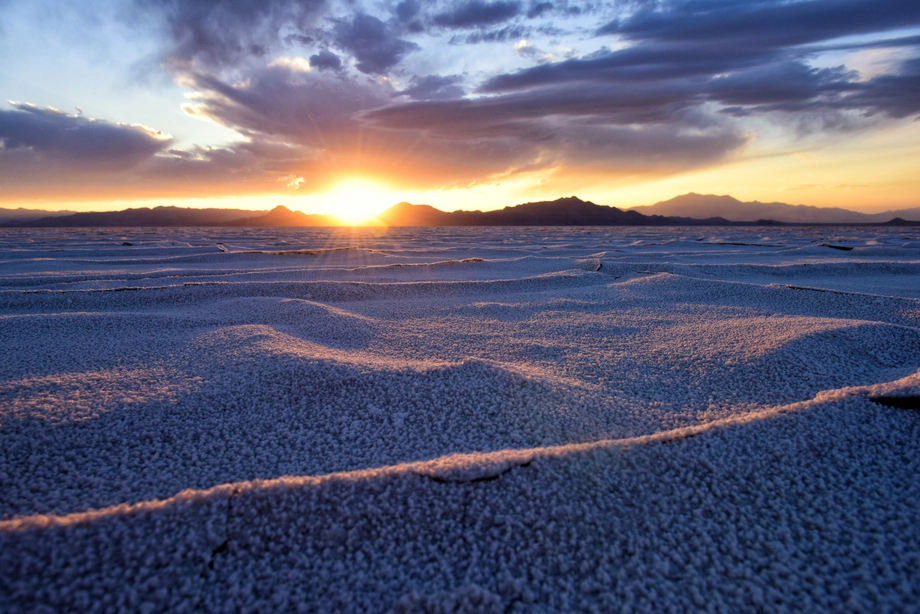 Bonneville Salt Flats – Sunset Adventure of the White Desert
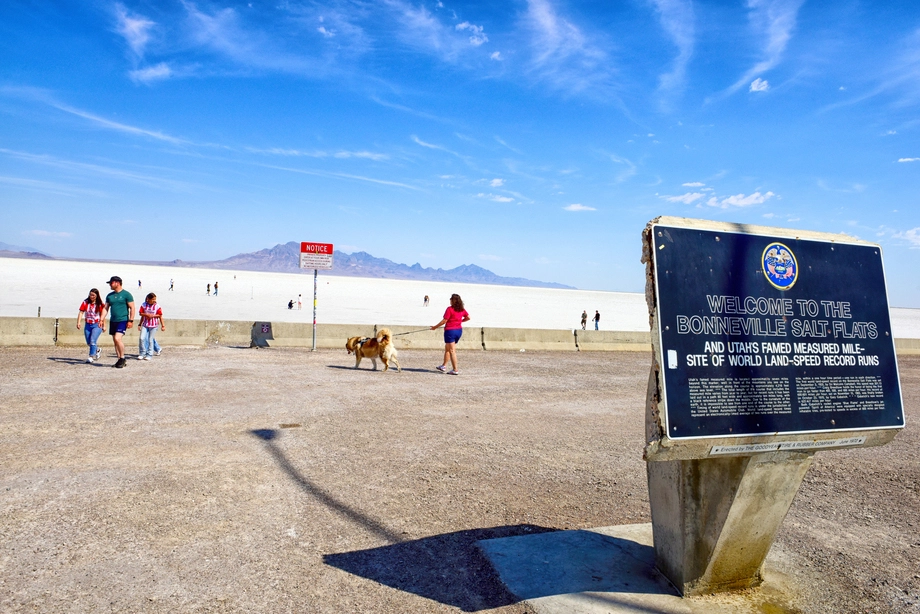 Bonneville Salt Flats – Journey to the Edge of the World
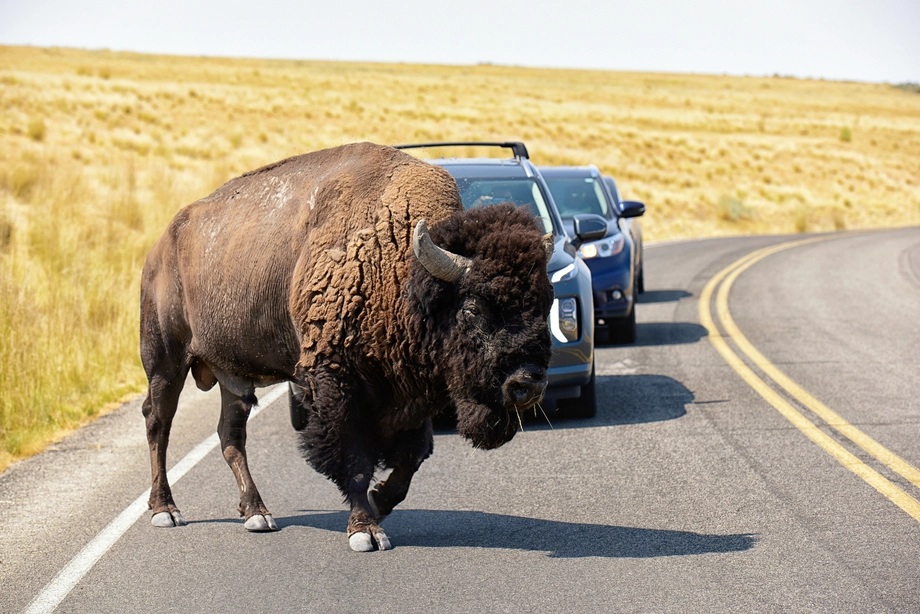 Antelope Island – Wild Heart of the Great Salt Lake Adventure
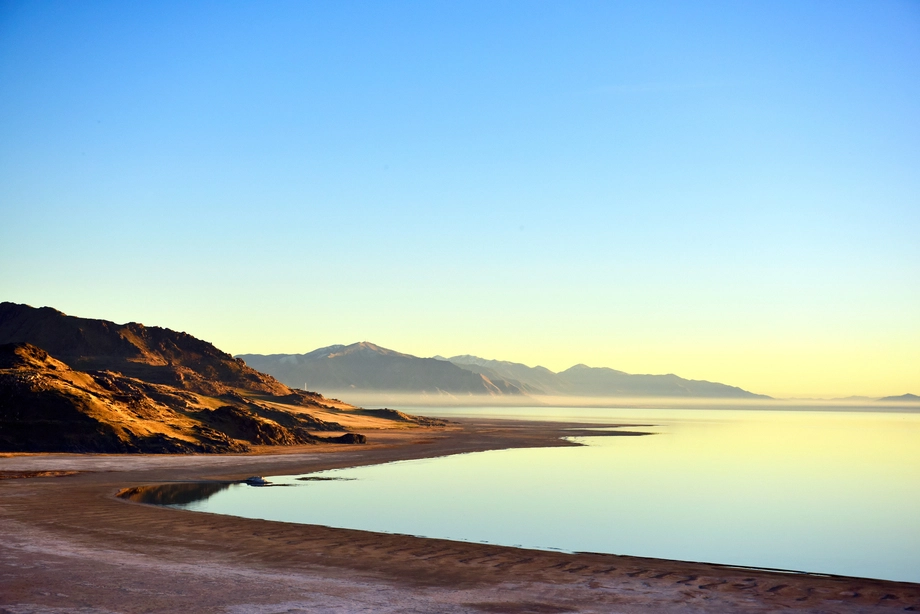 Antelope Island Sunset Wildlife Expedition – Great Salt Lake Odyssey
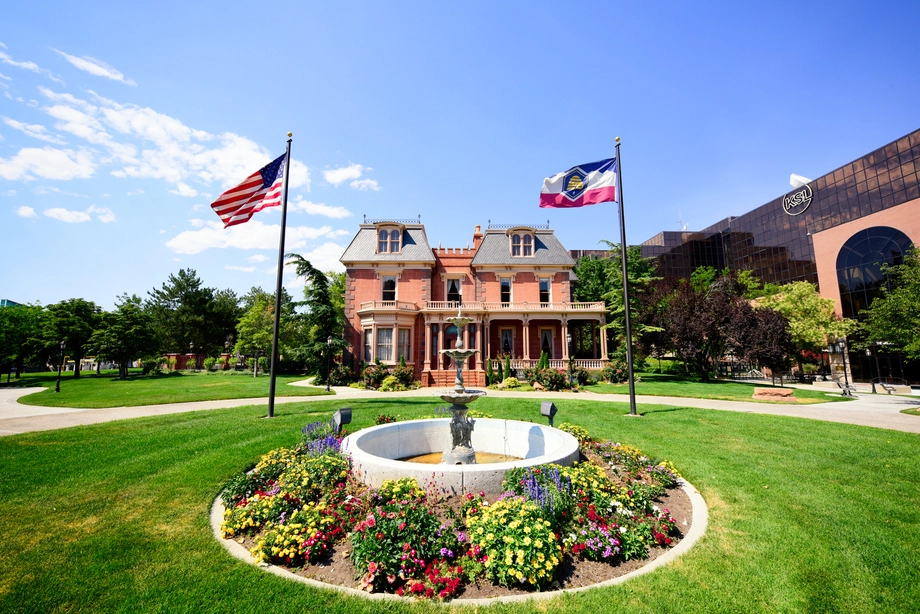 Salt Lake City – The City of Zion. Historical Interactive Walking Tour