
When You Should Skip Bryce Canyon: Weather Risks For Scenic Trips
Jan 30, 2026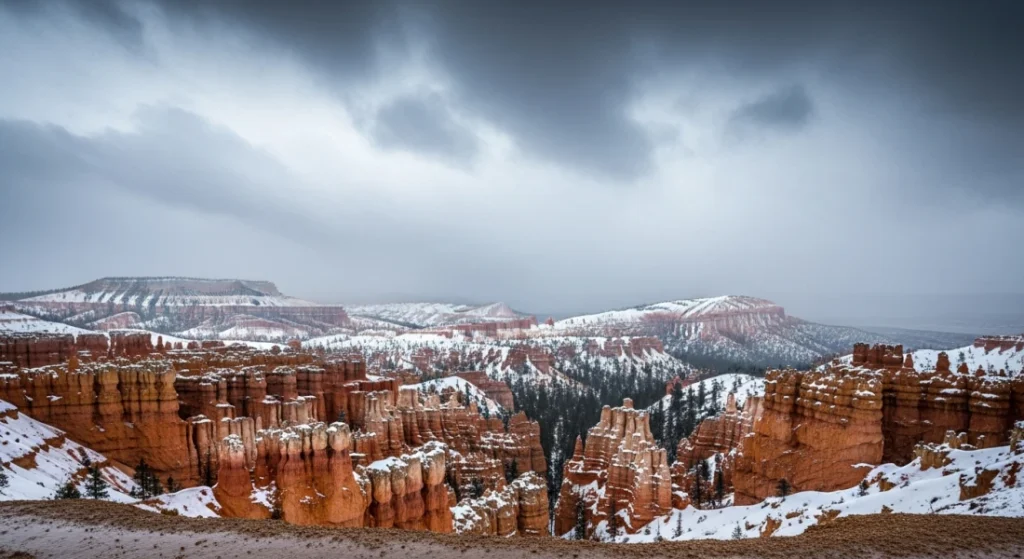
Bryce Canyon’s elevation brings snow, ice, and lightning that can make visits unsafe. In bad conditions, skip Bryce, use flexible tours from Salt Lake City, and pivot to lower‑risk Utah experiences instead.
Bryce Canyon looks calm and timeless in photos, yet on the ground its high elevation and exposed rim make weather the single biggest factor that can ruin a visit. Storm cells build fast, winter storms shut roads, and temperature swings catch even experienced hikers off guard. From a guide’s point of view, the most common trip failures here are not about fitness, but about timing and ignoring forecasts.
This article unpacks when you should not go to Bryce Canyon because of weather risks, how the seasons really feel on the rim, and what to do instead on difficult days. We will look at month‑by‑month hazards, how storms affect driving from Salt Lake City, when to pivot to other Utah national parks, and how guided day tours can save a shaky weather plan. You will also see pros and cons of different seasons, practical scenarios, common mistakes, and clear tips for planning safer, more flexible trips.
How altitude and microclimate make Bryce Canyon tricky
Why Bryce feels colder than the forecast
Bryce Canyon sits on a high plateau, so the rim is much colder than many travelers expect. Even in late spring, shaded trails can hold snow and ice while the sun feels warm at overlooks. The thin, dry air also means temperatures drop fast after sunset.
Many people plan using a generic Southern Utah forecast that better matches Zion or Arches. That leads to packing light layers for a place that can have morning frost in May. If you are driving down from Salt Lake City on a day tour to the Utah national parks, expect Bryce to be the chilliest stop by far.
Rapid weather changes on the rim
Clouds can move in quickly over the plateau. Clear mornings often turn into windy afternoons with scattered storms in summer. In shoulder seasons a sunny breakfast can be followed by blowing snow at lunch. The open amphitheaters offer huge views but almost no shelter.
This is why park rangers and local guides constantly refresh their plans. A morning walk along the rim might be safe, while afternoon hikes into the hoodoos are not. Travelers without that local feedback loop tend to commit to a full-day plan and then get surprised by conditions they did not see coming.
Key numbers to keep in mind
While specific daily values change, a few general rules help frame expectations. Winter overnight temperatures commonly drop well below freezing. Summer daytime highs can feel mild at the rim but combine with intense sun to create dehydration risk. Spring and fall often swing 20 to 30 degrees Fahrenheit between morning and afternoon.
That range is what makes packing and timing so important. A mid‑day stroll in shorts might be comfortable, but the same outfit at sunrise on the rim will feel punishingly cold. Think in layers and plan extra time for icy or muddy trail sections.
Season by season: When Bryce weather becomes a real problem
Winter: Beautiful, but often a “do not go” for casual visitors
Winter turns Bryce Canyon into a snow‑covered sculpture garden. The contrast of white snow and orange hoodoos is spectacular. At the same time, it is also the season when conditions most often justify skipping the park, especially for a quick day trip.
Snowstorms can temporarily close roads, and even after plowing, parking lots and viewpoints can stay slick. Trails leading below the rim form steep, icy switchbacks. Without traction devices and solid winter skills, a short walk can become genuinely dangerous.
Spring: Shoulder season and thaw hazards
Spring feels promising, but it is one of the trickiest periods for timing. Snow and ice start to melt, which creates mud, slush, and hidden ice patches on popular trails. Light rain can quickly turn sections into slick clay.
Access can also be inconsistent. Some viewpoints open earlier than others as crews clear snow and assess damage. If you are coming on a tight schedule from Salt Lake City, a late‑season storm can cut into already limited time at the park and make nearby alternatives a smarter choice.
Summer: Monsoon storms and lightning risk
By summer, many travelers assume the weather problem is “just heat.” Bryce instead faces a different risk pattern. High‑elevation sun is intense, yet afternoons often bring short but violent thunderstorms, especially in late July and August.
According to the National Park Service, summer thunderstorms frequently produce dangerous lightning and sudden downpours that can create localized flooding and hazardous trail conditions.
National Park Service, Bryce Canyon weather guidance
The biggest danger is lightning on exposed rim viewpoints. People linger at overlooks with metal railings and wide views, unaware that storms moving in from miles away can reach them fast. When thunder is close, it is simply not the time to stay on high ground.
Fall: Calm skies with early winter surprises
Fall often brings stable, clear skies and thinner crowds. It is one of the best times for longer hikes, but it is not risk free. Early snow can arrive in October, and nighttime temperatures drop sharply even in September.
For morning photographers and sunrise chasers, this means potentially icy steps and frosty railings. A flexible schedule is key. If a cold front moves in, it can be smarter to adjust your itinerary and focus on scenic day tours in Southern Utah at lower elevations instead.
You found a hidden promo code!
Use code WOWBLOG at checkout and get 10% OFF any tour!
Limited time offer. Book now and save!
Browse ToursTypical weather risks by month: Comparison table
Month‑by‑month risk overview
The table below summarizes common patterns. It does not replace a real‑time forecast, but it helps you see which months are more likely to force a change of plans.
| Month | Primary weather risks | When trips are often canceled or rerouted |
|---|---|---|
| Jan–Feb | Snowstorms, icy roads, sub‑freezing days | Frequent, especially during active storm cycles |
| Mar–Apr | Freeze–thaw ice, mud, lingering snow on trails | Moderate, mainly after fresh snow or heavy rain |
| May–Jun | Cold mornings, isolated storms, snow early May | Occasional, usually short weather delays |
| Jul–Aug | Thunderstorms, lightning, heavy downpours | Trail closures and viewpoint restrictions during storms |
| Sep–Oct | Early snow, frost, chilly nights | Low to moderate, higher during early cold snaps |
| Nov–Dec | Snow, ice, limited daylight | Frequent periods of poor driving and trail conditions |
In practice, guides building day tours from Salt Lake City to Bryce Canyon watch these patterns closely. On storm‑prone days, they may swap in destinations with safer access or more sheltered viewpoints, such as other Utah national parks or lower‑elevation landscapes.
Comparing Bryce to lower‑elevation alternatives
For many visitors, Bryce is just one stop in a larger loop that also includes other parks. When weather turns, elevation becomes the deciding factor. Places at lower altitude often remain comfortable and safe on days when Bryce is icy or stormy.
| Destination type | Elevation effect | Weather flexibility |
|---|---|---|
| High plateau parks like Bryce | Colder, more snow and ice, stronger wind on rims | Lower. Conditions change faster and can close roads or trails |
| Lower‑elevation desert areas | Warmer overall, less snow accumulation | Higher. More options to adjust routes around storms |
| Urban walking tours in Salt Lake City | City microclimate, quick access to shelter | Very high. Easier to adapt to rain, wind, or cold |
Knowing this helps you design plans with backups. If Bryce looks marginal, a scenic day tour in Southern Utah at lower elevation or a cultural day in the city can salvage your travel day instead of losing it to weather stress.
Should you go solo or join a guided tour when weather is uncertain?
How guided national park tours handle bad weather
Tours to Utah national parks from Salt Lake City usually include transport, planned viewpoints, and short hikes, all led by a guide who watches conditions. When storms or snow show up, that guide adjusts the schedule, shortens certain stops, or swaps in more sheltered walks.
This organized structure is valuable when you do not know local roads or typical storm patterns. Instead of guessing which side road might close or which overlook will be windy, you rely on someone who navigates these issues regularly.
Urban and ski alternatives on tough Bryce days
When Bryce Canyon is a poor choice because of snow, wind, or lightning, several other experiences from Salt Lake City stay viable. Group walking tours in the downtown area run in small groups with local guides and work even in cooler temperatures. Routes focus on historic buildings, hidden corners, and the story of the city’s layout and growth.
On clear winter days when canyon roads are risky but the mountains are well managed, day trips to Utah ski resorts from Salt Lake City can be a better fit. These tours include transfers to the resorts, time on the slopes, and help with orientation so you do not have to decode local logistics on your own.
Quick comparison: self‑drive vs guided day tour
When weather is on the edge, the style of trip matters as much as the forecast. Here is how the options usually compare.
| Option | Strengths in bad weather | Limitations |
|---|---|---|
| Self‑drive Bryce Canyon visit | Maximum flexibility on departure time and pace | Need to track forecasts, road status, and alternate routes yourself |
| Guided day tour to national parks from SLC | Guide handles logistics, timing, and weather reroutes | Fixed schedule. Some stops may be shortened for safety |
| Salt Lake City walking tour | Easy to adapt route and duration around rain or wind | Less dramatic scenery compared to canyon overlooks |
For travelers with limited experience in winter driving or desert storms, a guided approach usually reduces both risk and stress. You still get strong scenery, and sometimes a better overall day, even if Bryce itself is postponed.
Pros and cons of visiting Bryce in challenging weather
Advantages of off‑season and marginal‑weather visits
Bad‑ish weather is not always bad news. Under certain conditions, Bryce can be more rewarding with a little cloud or cold.
- Fewer crowds: Snowy or windy days see far fewer visitors, so overlooks feel quiet and more personal.
- Dramatic light: Passing clouds and post‑storm skies can create outstanding photo conditions compared to flat blue skies.
- Cooler temperatures for hiking: In summer, days right before or after storms are often cooler and more comfortable on longer trails.
- Unique perspectives: Winter snow outlines rock formations and trees, giving a different visual story compared to dry‑season visits.
- Flexible guide attention: On slower days, guides leading scenic day tours in Southern Utah often have more time to answer questions and adjust hikes.
Limitations and real downsides
Still, there are times when the risks and inconveniences outweigh the benefits. Those are the moments when you genuinely should not go.
- Road closures: Heavy snow or ice can close access roads, meaning long detours or no safe entry at all.
- Icy, steep trails: Routes below the rim can be treacherous without winter equipment or experience.
- Lightning on the rim: Thunderstorms make high, exposed viewpoints unsafe, drastically reducing what you can see.
- Limited visibility: Thick fog or blowing snow can hide most of the amphitheaters, making a long drive feel wasted.
- Short daylight: Winter days shorten your safe hiking window and squeeze travel time from Salt Lake City.
Real‑world scenarios: When travelers should skip Bryce
Case 1: Winter storm and a tight schedule
Imagine you are in Salt Lake City for three days in January. You planned a self‑drive day trip to Bryce. Two days before your outing, a strong winter storm is forecast with heavy snow across Southern Utah.
If you continue with the plan, you face slick highways, possible closures, and limited time in the park. A better choice is to pivot. You could join a small‑group city walking tour for history and hidden corners of Salt Lake on the storm day, then pick a clearer day for a different park by joining one of the organized tours to Utah national parks from Salt Lake City.
Case 2: Summer monsoon thunderstorm afternoon
In July, a family visits on a day tour from Salt Lake City that includes Bryce and another park. The morning is clear. By early afternoon, dark clouds build over the plateau, and rumbles of thunder start while the group is on the rim.
The guide cuts the rim walk short and moves the itinerary toward lower, less exposed areas and scenic drives. They skip deeper hikes into the amphitheater and use remaining time at viewpoints that can be quickly evacuated. If this were a self‑drive visit without local experience, the family might have pushed on and stayed exposed longer than is safe.
Case 3: Shoulder‑season ice with inexperienced hikers
In April, a couple without winter hiking gear plans to descend into the hoodoos. Overnight temperatures were below freezing, and a thin layer of ice formed on the upper switchbacks. They notice other visitors sliding and turning back.
Here, the right call is to treat the below‑rim trails as off‑limits for the day and stay with rim viewpoints. If they booked through an operator such as MateiTravel, the guide would likely suggest alternative short walks at less steep angles or a later start when the sun has softened the ice.

Common mistakes travelers make with Bryce weather
Planning errors that lead to risky days
Certain patterns show up again and again in traveler stories. Knowing them helps you avoid repeating the same problems.
- Using generic “Utah desert” expectations: People assume Bryce has Zion‑like warmth and underestimate the impact of elevation on temperature and snow.
- Ignoring early‑morning and late‑day cold: Sunrise photography plans rarely include adequate clothing or time to warm up afterward.
- Overcommitting to a fixed plan: Travelers lock in a long below‑rim hike even when conditions clearly change for the worse.
- Driving in storms without experience: Visitors from mild climates underestimate snow‑covered highways and canyon roads.
- Staying on the rim during nearby lightning: People misjudge how far lightning can travel from a storm cell and remain in exposed locations.
Why these mistakes happen
Most of these errors come from mixing picture‑perfect marketing images with limited local knowledge. Trip planners see sunny photos and do not read seasonal notes in depth. Others feel pressure to “make the most” of limited vacation time and push ahead even when conditions feel wrong.
Guided experiences with local operators exist partly to counteract these tendencies. A guide who runs day tours from Salt Lake City to Arches National Park, Bryce, and other sites has hands‑on memory of what certain clouds or road conditions usually mean a few hours later.
Practical tips for choosing the right day to visit Bryce
Check and interpret forecasts the right way
Weather apps are a start, not the finish. Always search specifically for Bryce Canyon National Park, and pay attention to both day and night temperatures. Look at hourly breakdowns, not just daily highs and lows, so you see when storms are most likely.
Also watch wind speeds. Strong wind on the rim lowers the effective temperature and can make certain viewpoints unpleasant or unsafe. If wind and snow are both forecast, consider moving Bryce to another day.
Build flexible itineraries from Salt Lake City
When you travel from Salt Lake City, give yourself at least one “flex” day that can shift between parks based on conditions. If Bryce looks bad but skies are clear elsewhere, you can still enjoy powerful scenery on other scenic day tours in Southern Utah or even a cultural day in the city.
Organized tours that start in Salt Lake City often spell out duration, physical effort, and cost in detail. That transparency helps you quickly compare options and make last‑minute switches if a storm system changes your original Bryce plan.
Pack for the coldest version of your plan
Use the lowest expected temperature of the day at Bryce as your packing reference. Even in summer, bring layers, a windproof outer shell, and something warm for sunrise or sunset. In spring and fall, add light gloves and a hat.
On any day when trails might be snowy or icy, carry traction devices if you intend to go below the rim. If you do not own them or do not feel comfortable on winter surfaces, be ready to limit yourself to plowed viewpoints and shorter walks.
Know when to say “not today”
Sometimes the best safety decision is simply to skip Bryce for that particular day. If road advisories mention closures or chains, if a solid block of thunderstorms sits over the plateau, or if wind chills dip extremely low, treat those as hard lines.
In those moments, there is no shame in pivoting to city walking tours, day trips to Utah ski resorts, or day tours from Salt Lake City to Arches National Park or other lower‑risk destinations. You protect your group and still gain deep experiences of Utah’s landscapes or history.
How MateiTravel helps you work around Bryce weather
Leveraging local guides and small groups
Local guides who lead small‑group walking tours in downtown Salt Lake City and day trips to the state’s ski resorts build daily habits around reading weather and terrain. They know how long each route takes in different conditions, where the steep sections are, and how guests of different ages usually respond.
When Bryce Canyon is part of a broader route of tours to Utah national parks from Salt Lake City, that same expertise helps shape safer itineraries. Guides can call audibles on the day, trimming or shifting the Bryce portion while still giving you a meaningful experience elsewhere.
Clear route details and online booking
MateiTravel designs day tours with clear descriptions of duration, distance, elevation profile, and overall effort. This detail lets you decide in advance whether a given trip matches your cold tolerance and fitness. You can see how much time is spent driving versus walking, and how exposed the routes are likely to be.
Because tours can be booked online, you also have the ability to compare alternatives side by side. On a week when the Bryce forecast looks unstable, it becomes easy to reserve a Salt Lake City city walk or a structured ski‑resort day instead, then save Bryce for a future visit in a more stable season.
Bryce Canyon’s beauty hides serious weather variability, especially with its high elevation and exposed rims. Winter storms, shoulder‑season ice, and summer lightning can turn a routine visit into a risky or disappointing day. By reading detailed forecasts, packing for the coldest part of your plan, and keeping backup options such as city walks, ski days, or other national park tours from Salt Lake City, you gain control over these risks.
Ultimately, the smartest travelers know when not to go to Bryce and choose a different experience instead of forcing a dangerous plan. If you want help building that kind of flexible trip, consider using MateiTravel to structure your time in Utah around both safety and unforgettable scenery.
FAQs about Bryce Canyon weather and trip planning
When is Bryce Canyon most likely to be unsafe due to weather?
The park is most often unsafe in mid‑winter during heavy snowstorms and in summer afternoons during strong thunderstorms with lightning. Winter brings road closures and icy trails, while summer storms make exposed rim viewpoints dangerous.
How does Bryce Canyon’s elevation affect my visit compared to other Utah parks?
Bryce sits on a high plateau, so it is much colder and windier than many lower‑elevation areas in Southern Utah. That means more snow and ice in winter and sharper temperature swings year round, which can force plan changes more often.
What is the main weather risk in summer at Bryce Canyon?
The primary summer risk is lightning from afternoon thunderstorms, especially in late July and August. These storms can develop quickly and make rim overlooks and high trails unsafe, even if the day started clear and sunny.
Should I cancel a Bryce Canyon day trip from Salt Lake City if snow is forecast?
If significant snow and wind are forecast along your route and at the park, it can be wise to skip Bryce that day. Consider switching to a Salt Lake City walking tour, a ski‑resort day trip, or another national park at lower elevation instead.
What are common mistakes people make with Bryce weather?
Typical mistakes include assuming Bryce has the same climate as other Utah deserts, under‑dressing for cold mornings, sticking stubbornly to long below‑rim hikes in bad conditions, and staying on rim overlooks when thunderstorms approach.
How can guided tours help manage Bryce Canyon weather risks?
Guides who run tours to Utah national parks from Salt Lake City monitor conditions and adjust routes in real time. They can shorten stops, avoid dangerous trails, or swap in alternate destinations so you still have a full, safe day even if Bryce is not ideal.
What should I pack for a shoulder‑season (spring or fall) visit to Bryce?
Bring warm layers, a windproof shell, hat and gloves for cold mornings, and footwear that handles mud and possible ice. If you plan to go below the rim when snow or ice may be present, traction devices are recommended, otherwise stay on plowed viewpoints.
How do MateiTravel tours provide flexibility when Bryce weather is bad?
MateiTravel offers a mix of city walking tours, day trips to Utah ski resorts, and national park routes from Salt Lake City with clear route details. That variety lets you easily pivot from a risky Bryce day to a safer alternative without losing valuable vacation time.
Is it worth visiting Bryce on a cloudy or slightly rainy day?
Yes, as long as there is no lightning or severe storm, clouds can create dramatic light and fewer crowds. The key is to stay flexible, favor rim viewpoints over steep trails, and be ready to leave if conditions deteriorate.

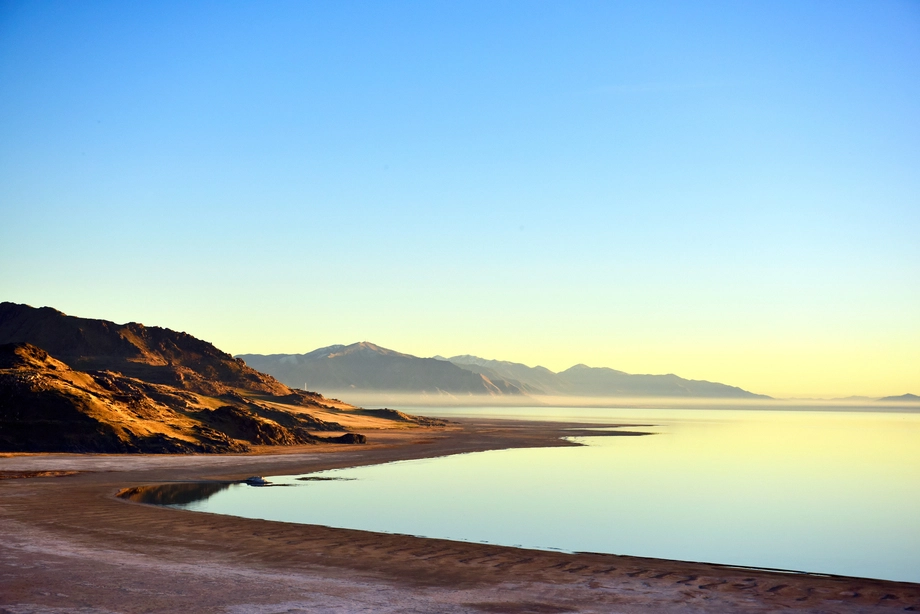 Antelope Island Sunset Wildlife Expedition – Great Salt Lake Odyssey
 Salt Lake City – The City of Zion. Historical Interactive Walking Tour
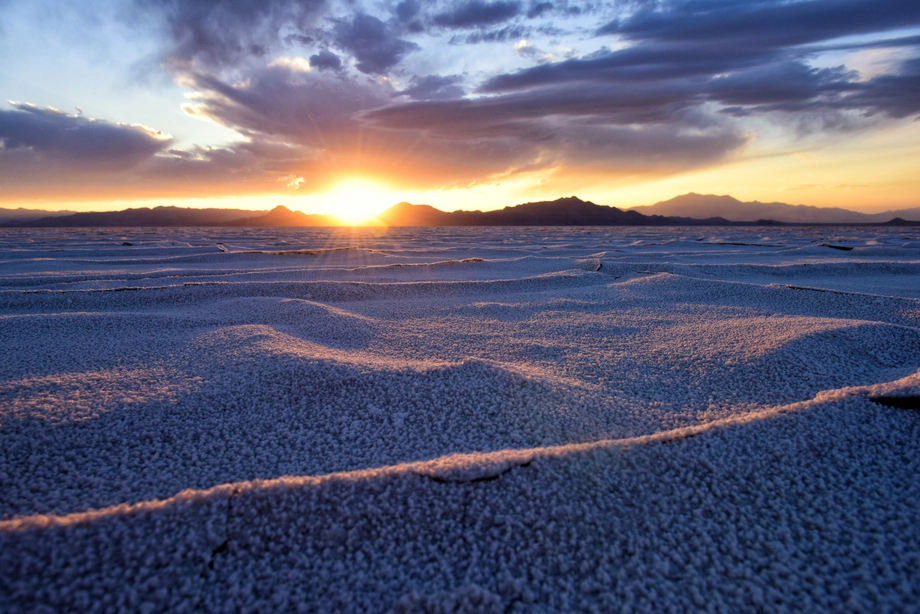 Bonneville Salt Flats – Sunset Adventure of the White Desert
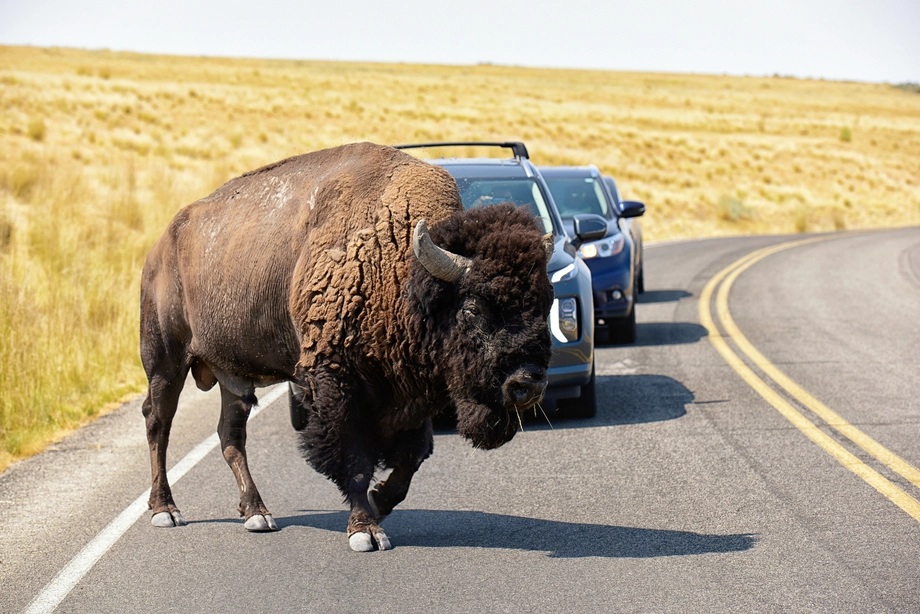 Antelope Island – Wild Heart of the Great Salt Lake Adventure
 Bonneville Salt Flats – Journey to the Edge of the World