
Is a Guided Rim-to-Rim Ride in Canyonlands Right for Strong Riders?
May 29, 2026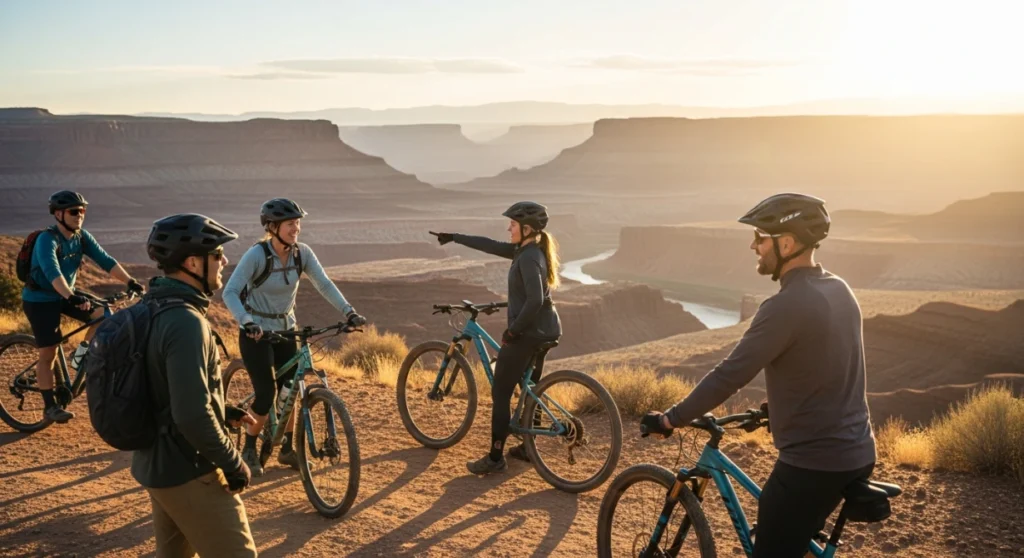
A guided Canyonlands rim ride suits strong riders who lack time or support for permits, water, vehicles, and camp logistics. DIY works best for experienced backcountry planners with enough days to build the trip around it.
Strong riders usually do not get hung up on the pedaling. They get tripped up by everything around it: permit timing, hauling water in a place with no reliable refill, moving camping gear, and figuring out how a hard backcountry block fits into a Utah trip that may also include Zion, Bryce Canyon, Arches, or Capitol Reef.
That is why this decision is less about whether you are fit enough and more about whether your vacation is built for a remote multi-day ride. If you are weighing a guided trip against doing it yourself, the useful question is not “Can I ride it?” but “Do I want to spend this trip’s time, energy, and margin for error on this one objective?”
When is a guided Canyonlands rim-to-rim ride the right choice for strong riders?
A guided trip is usually the right choice when you are strong on the bike but short on planning time, flying in, traveling without a support crew, or trying to keep a mixed-ability group moving smoothly. It is usually the wrong choice when you already have solid backcountry systems, enough lead time for permits, and the appetite to manage vehicles, water, food, and contingency planning yourself.
For many fit riders, paying for support is not about needing their hand held. It is about removing the pieces that are hardest to solve from afar: backcountry permits, route pacing over several days, camp logistics, and backup if the trip starts to unravel due to weather, heat, fatigue, or mechanical problems.
The opposite case is also real. If you routinely organize remote multi-day trips, understand desert constraints, and actually enjoy the preparation side, self-organizing can make sense. Strong riders are often physically capable of the route, but a guided option earns its value when logistics would otherwise swallow the rest of the vacation.
What do riders usually mean by a “Canyonlands rim-to-rim ride”?
Most riders using that phrase are talking about a White Rim-style ride in Canyonlands, not a simple one-day cross-park outing. In practice, that means a backcountry mountain bike route centered on White Rim Road, usually done over several days with vehicle support rather than as a light, casual tour.
According to the National Park Service page for White Rim Road, the route is a roughly 100-mile loop and mountain bike trips typically take three to four days, with no water available at campsites. That single fact changes the whole decision, because you are not choosing a scenic ride so much as a small expedition.
When experienced riders picture this well, they usually stop comparing it to a hard day on familiar trails. The better comparison is a remote, multi-day desert route where mileage, heat, camp routine, gear transport, and recovery all matter as much as raw fitness.
You found a hidden promo code!
Use code WOWBLOG at checkout and get 10% OFF any tour!
Limited time offer. Book now and save!
Browse ToursWho is this choice really for, and who should skip it this trip?
This choice fits riders who are already comfortable with long days, remote settings, and basic camp life, and who are willing to make Canyonlands a central commitment of the trip. It is a poor fit for travelers who mainly want a sampler of Utah’s parks, dislike logistics uncertainty, or are traveling with partners who do not want a demanding backcountry block.
A strong match usually looks like this:
- You are fit for repeated effort: One big day is not your ceiling, and you recover well enough to ride again the next morning.
- You are calm in remote terrain: Delays, mechanical issues, and slow sections do not rattle you.
- You can handle basic dirt-road descending: The route is not a technical bike-park experience, but steep sections and loose surfaces still require control.
- You have enough trip length: You can give the ride three to four days plus travel and some recovery without resentment.
- You accept the backcountry tradeoff: This is time not spent doing a broader park loop.
It is usually smarter to skip it this time if your Utah vacation is only a week, if your group has uneven ability, or if you mainly want to see several parks efficiently. That is where we often guide people toward a broader Utah National Parks Tour that includes Canyonlands and Moab without forcing the whole trip around one demanding objective.
Is being a “strong rider” enough for Canyonlands?
No. Fitness helps, but Canyonlands adds heat, remoteness, cumulative fatigue, and steep dirt-road sections that make the ride harder than the mileage alone suggests.
A lot of strong cyclists underestimate how different “I can ride 100 miles” is from “I can ride hard for several days in a dry, exposed, remote desert while managing sleep, camp routine, food, and mechanical risk.” In this setting, legs are only one input.
The route asks for a few distinct capacities at once:
- Desert tolerance: Heat and exposure magnify mistakes in pacing, hydration, and clothing choices.
- Durability over single-day speed: The relevant question is not your best day, but your third day.
- Descending confidence: You do not need elite technical skills, but you should be comfortable on steep, rough dirt road sections without burning too much energy on fear.
- Mechanical self-sufficiency: A small issue can become a large problem when you are far from quick help.
- Backcountry composure: Remote riding feels different when there is little margin for a bad decision.
This is also why guided trips are not automatically “watered down” for experienced riders. On the contrary, when a support vehicle carries much of the water, food, and camping load, strong riders can often focus more cleanly on the riding itself and finish each day with more left in the tank.
How much planning does an overnight White Rim-style trip really take?
More than many strong riders expect. Any overnight backcountry trip in Canyonlands requires a permit, and peak-season demand often means planning months ahead rather than deciding on a whim.
The practical issue is not just that permits exist. It is that the route is popular, seasonality matters, and your camps, dates, vehicles, and group plan need to line up. For travelers flying in or trying to coordinate a wider Utah circuit, that planning burden becomes the real bottleneck.
From a trip-design standpoint, this matters because permit uncertainty can affect everything around it. If your riding block shifts by a day, lodging, park sequencing, recovery time, and transport plans can shift with it. That is one reason we treat White Rim-style rides as itinerary anchors, not side activities.
Why are water and support logistics the real make-or-break factor?
Because there is no reliable water along White Rim Road or at campsites, every overnight group has to solve hydration and gear transport before worrying about pace. This is the part that turns an otherwise rideable route into a serious planning project.
Most groups rely on support vehicles to carry water, food, and camping gear. That is not just a convenience upgrade. It is often what makes the trip realistic, especially for visitors arriving from out of state without their own 4×4 support setup or local helpers.
For strong riders thinking, “I will just self-support it,” the hidden complexity is easy to miss:
- Water volume adds up fast: No reliable refill changes every packing decision.
- Food is not the hard part: Water and camping load drive the system.
- Vehicle support affects comfort and pace: Riding lighter changes each day’s effort.
- Mechanical backup matters more in remote terrain: A support setup can keep a small problem from ending the trip.
- Travel logistics matter before the ride starts: Visitors coming from Salt Lake City or flying into Utah often do not have an easy way to stage support on their own.
Should experienced riders go guided or self-organize?
Both can work, but they suit different kinds of strong riders. Guided is best for riders who want to spend vacation energy on riding; DIY is best for riders who actively want the backcountry planning project as part of the experience.
The cleanest way to decide is to compare what you truly want to own.
| Decision point | Self-organized trip | Guided trip with a licensed Canyonlands company |
|---|---|---|
| Permits | You monitor availability, align dates, and manage the booking window. | The company typically handles permit logistics within its operating process. |
| Water and food movement | You solve hauling and staging, often with support vehicles or a very demanding self-supported setup. | Support logistics are usually built into the trip plan. |
| Camp routine | You carry and organize your own sleeping and meal systems. | Camp setup and food support are commonly included or partially handled. |
| Route pacing | You decide daily splits and adapt on the fly. | The company sets realistic daily structure and timing. |
| Mechanical and safety backup | You bring your own repair depth and contingency thinking. | There is usually on-route backup and local route familiarity. |
| Best fit | Experienced backcountry planners with time, systems, and a high logistics appetite. | Strong riders with limited planning bandwidth, no support crew, or mixed groups. |
For many riders, the financial comparison is less straightforward than it first appears. DIY can avoid guide fees, but it may still involve vehicle arrangements, rental gear, extra nights, planning time, and the opportunity cost of building the whole trip around one complicated segment.
What questions should you ask before booking any guided option?
Ask about logistics first, not marketing language. A strong rider should know exactly how the company handles permits, support, daily mileage, water, camp tasks, and what happens when the group pace spreads out.
These are the questions that reveal whether the trip fits your standards:
- What daily mileage and elevation pattern should I expect? You want the real riding load, not a vague “intermediate to advanced” label.
- How is water handled? This tells you how supported the trip truly is.
- Is there vehicle support every day? Support level changes both comfort and risk.
- What camping tasks are handled by the company, and what is mine? Strong riders often care about this more than menus.
- How do you manage mixed-ability groups? This matters if you are joining with friends or a partner.
- What level of descending comfort do you expect? Skill fit is more useful than broad fitness claims.
- What happens if weather, fatigue, or mechanical issues change the plan? You are really asking how robust the operation is.
If the answers stay fuzzy, keep looking. Good operators are usually clear about what they handle and what they expect from riders.
When does DIY make the most sense for a strong rider?
DIY makes the most sense when you already know how to manage permits, support vehicles, desert water planning, and multi-day pacing, and when the planning process itself is part of the fun for you. It is less attractive when you are trying to bolt the ride onto a first-time Utah vacation with limited days.
In other words, DIY is not the “hardcore” option by default. It is the right option for a very specific profile: riders who are both physically strong and operationally experienced in remote, low-margin trips.
Common mistakes we see in self-organized plans include:
- Treating the route like a big trail ride: That mindset underestimates camp, water, and transport complexity.
- Ignoring itinerary knock-on effects: After three to four hard days, the rest of the vacation changes.
- Assuming group strength solves group dynamics: One rider being faster does not simplify a remote group trip.
- Leaving permits too late: Peak windows can push the whole plan off your preferred dates.
- Counting on improvisation: Desert trips punish loose planning more than local home rides do.
What if you only have 7 to 10 days in Utah?
For many travelers, a full White Rim-style ride is simply too expensive in time, even if they are physically capable of it. Three to four riding days, plus travel from Salt Lake City, plus setup and recovery, can consume most of a one-week vacation.
This is where the hidden tradeoff becomes obvious. Strong riders often can do the ride, but then they have to decide whether they want the trip to be mostly about that ride or about seeing several of Utah’s headline parks in one well-paced loop.
That distinction matters a lot if your short list includes some of the best national parks near Salt Lake City, or if you are also searching for things to do near Salt Lake City before or after a longer road trip. We build around that reality by sequencing high-effort days carefully, so one big objective in Canyonlands does not accidentally flatten the rest of the itinerary.
If your goal is broader park coverage, a smarter first trip is often to keep Canyonlands as one highlight within a larger circuit. We can also shape in lighter add-ons, or pair the trip with one of our Utah day tours if you have extra time around Salt Lake City and want a realistic active day without the overhead of a backcountry riding block.
What should mixed-ability groups do?
Mixed groups should be cautious about committing to a remote multi-day ride, because the whole trip runs at the pace and comfort level of the least prepared rider. If everyone is not comfortable with long desert days, basic camp life, and exposure to remoteness, an alternative Canyonlands plan is usually better.
This is one of the clearest cases where a guided option can help, because structure and support reduce friction. Even then, the route still demands that every rider be genuinely willing to spend several days in backcountry conditions.
If your partner or friends are less interested in the full ride, the better answer may be to keep Moab and Canyonlands in the trip while choosing a less committing experience. That preserves the destination without forcing the entire group into the hardest version of it.
What are the best alternatives if a rim ride is not the right fit this time?
The best alternative is not “skip Canyonlands.” It is to choose a version of Canyonlands and Moab that fits your available days, your group, and the rest of the Utah plan.
For first-time visitors, that often means one of three paths:
- Canyonlands as a major stop in a multi-park loop: You keep the park in the itinerary without letting one backcountry objective dominate the trip.
- Extra Moab days without a multi-day bike commitment: You preserve flexibility for active experiences while keeping lodging and transport simpler.
- A future dedicated riding trip: If White Rim is the real dream, it may deserve its own longer, bike-centered vacation rather than being squeezed into a first Utah sampler.
This broader frame is where our role is most useful. We organize Utah park trips from Salt Lake City and focus on realistic routing, seasonality, drive times, and activity load, including how a demanding Canyonlands segment affects the rest of the week. If your priorities also include how to visit Zion National Park efficiently, or how to combine Arches and Canyonlands without overscheduling yourselves, that bigger design question matters as much as the ride decision.
What is the practical checklist before you commit?
Book the ride only if the route, the logistics, and the rest of your vacation all fit together. If one of those three pieces is weak, the trip tends to feel heavier than expected.
Use this quick pre-booking check:
- Do I have enough total days? Count ride days, travel days, and one lower-key recovery window.
- Do I want to spend planning energy on permits and support? If not, guided deserves serious consideration.
- Am I comfortable with remote desert riding for several days? This matters more than one-day speed.
- Is everyone in my group aligned on effort and camping? A mismatch becomes magnified in Canyonlands.
- Is this trip mainly about the ride, or about seeing Utah broadly? Your answer should drive the format.
- Would a Canyonlands stop inside a larger parks itinerary leave me happier? Many first-time visitors answer yes once they do the math honestly.
The simplest rule is this: if you want the ride to be the centerpiece, plan around it early and treat it like a backcountry project. If you want a bigger Utah vacation with ambitious but realistic days, build Canyonlands into a wider park sequence instead of forcing one intense objective to dictate the whole week.
A guided Canyonlands rim-to-rim ride is worth it for strong riders when logistics, time pressure, and group dynamics are the real obstacles, not fitness. DIY makes sense when you already have the systems and desire to manage permits, support, water, and contingency planning yourself. If a full-on rim-to-rim ride does not quite fit, or if you want it to anchor a bigger Utah adventure, explore our Utah National Parks Tours and send a request with your total days, riding level, and priorities so we can help structure the rest of the trip realistically.
How long does a White Rim-style mountain bike trip usually take?
Most riders should think of it as a three- to four-day backcountry ride, not a quick add-on day. That time frame is a core reason it can dominate a short Utah vacation.
Do I need a permit for an overnight bike trip in Canyonlands?
Yes. Overnight backcountry trips require permits, so date flexibility and advance planning matter.
Can a very fit rider do the route without a guide?
Yes, physical ability may be enough, but only if you can also handle desert logistics, support planning, and backcountry contingencies. Fitness alone does not solve water, vehicles, or permits.
Is there water available along the route or at camp?
No reliable water should be assumed on the route or at campsites. Your water plan has to be solved before the ride starts.
Are guided trips too easy for experienced riders?
Not necessarily. Many guided formats still involve full days on the bike, and support can actually let strong riders ride more comfortably by reducing gear burden.
What if my partner or friends are less strong than I am?
Be careful with a remote multi-day plan, because the whole group has to be comfortable with the pace, camping, and desert exposure. In many cases, a different Canyonlands experience works better for the trip.
Is a White Rim-style ride a good idea on a first 7-day Utah trip?
Usually only if that ride is the main purpose of the vacation. If you also want Zion, Bryce, Arches, and other highlights, it often takes too much of the week.

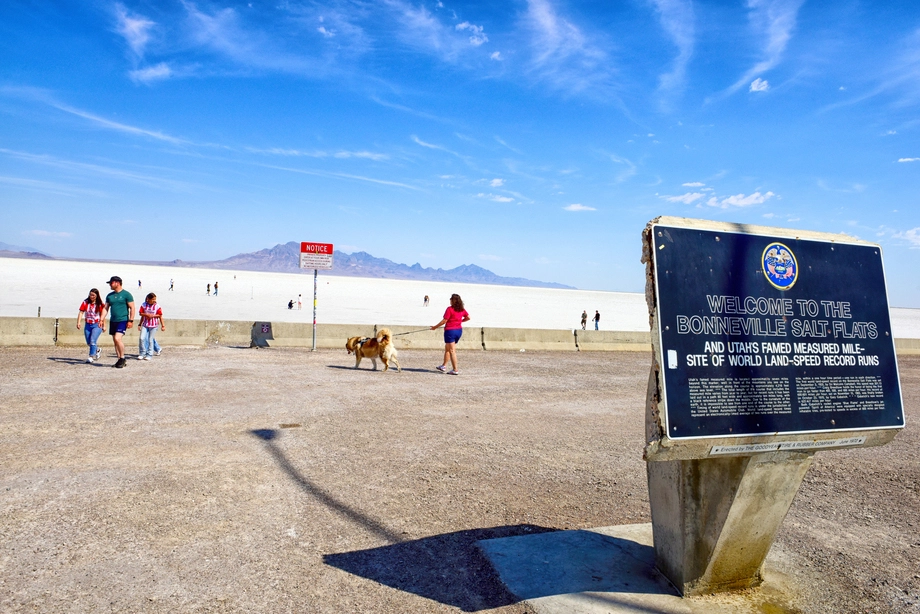 Bonneville Salt Flats – Journey to the Edge of the World
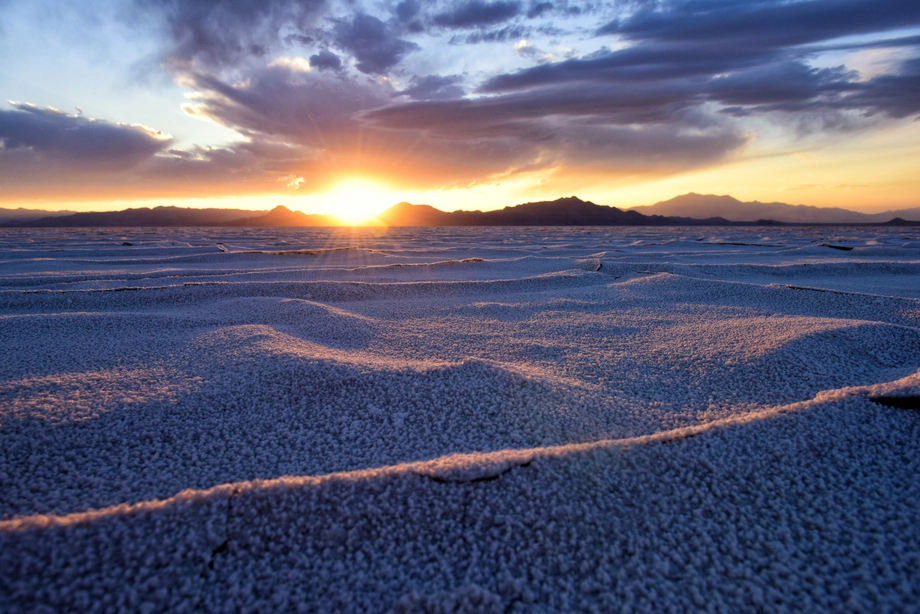 Bonneville Salt Flats – Sunset Adventure of the White Desert
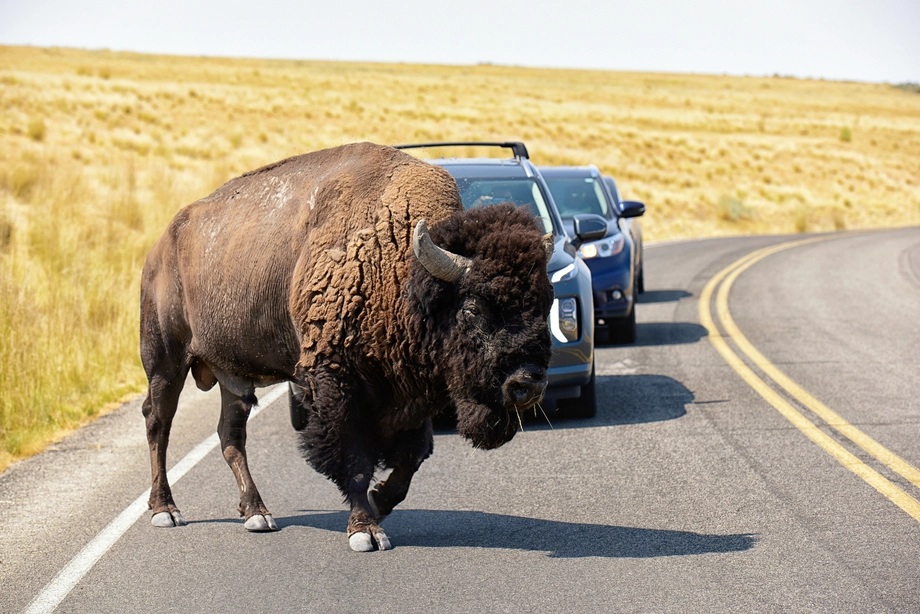 Antelope Island – Wild Heart of the Great Salt Lake Adventure
 Salt Lake City – The City of Zion. Historical Interactive Walking Tour
 Antelope Island Sunset Wildlife Expedition – Great Salt Lake Odyssey