
How Utah national parks tours handle bad weather and park closures effectively
Mar 4, 2026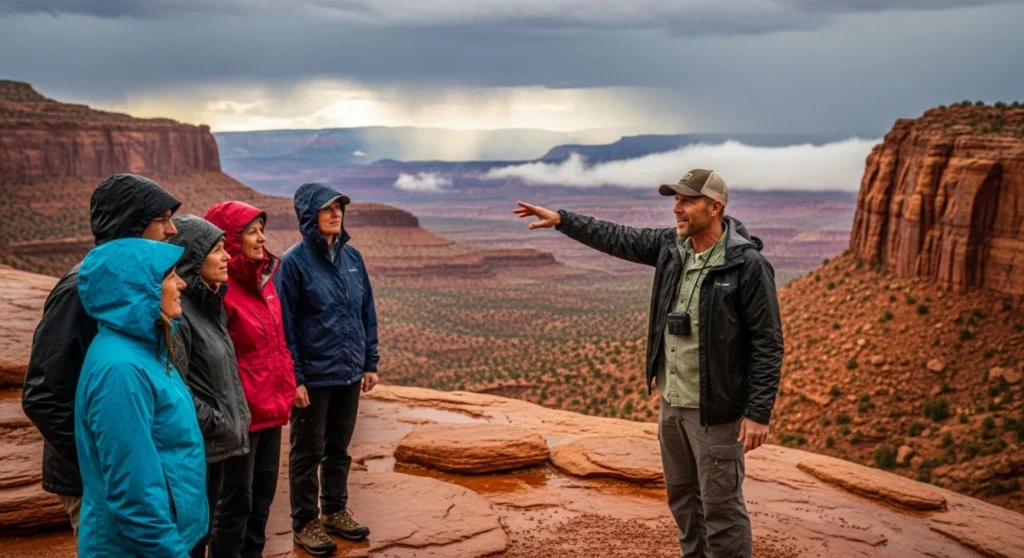
Guided Utah park tours triage weather by severity, then adjust timing, routes, and activities instead of cancelling outright. That planning and local expertise usually salvages a strong experience even under imperfect skies.
Nothing rattles a long‑planned Utah trip like waking up to rain over the red rock, wildfire smoke in the forecast, or a road closure alert just as you reach the park gate. The desert looks dry and predictable on Instagram, yet in reality flash floods, snow, heat and wind can all hit within a single week. Tour operators that know this landscape well build backup plans into every itinerary, which is why their groups usually keep exploring while many self‑drivers end up stuck, stressed, or heading back to the hotel early.
The key difference is how quickly guides recognize “this is normal and manageable” versus “this could be dangerous or shut things down,” then adjust the day without wasting time. Understanding that decision process helps you choose the right style of trip and know what to expect when the sky or the forecast turns on you.
Reading the “symptoms”: how weather really impacts a Utah park day
Bad weather is not one single problem. It shows up as specific symptoms that affect different parts of your itinerary in very different ways. Good guides start by noticing which symptom they are dealing with, then adjusting the right element of the tour rather than cancelling everything by default.
Typical disruption “symptoms” on a park tour
- Low clouds or haze: Viewpoints lose long‑range panoramas, but short walks and closer overlooks can still be excellent.
- Light rain or snow: Roads may stay open, yet some exposed trails or slickrock sections become unsafe.
- High heat or intense sun: Middle‑of‑the‑day hiking turns risky, while early and late hours remain workable.
- Strong wind: Sand and dust reduce comfort at exposed viewpoints, but sheltered canyons and forests can still be pleasant.
- Official closures: Entire roads, trailheads, or occasionally park entrances are blocked, which forces a reroute rather than a minor tweak.
On guided Utah national parks tours, the guide is constantly doing this triage in the background. They match what they see outside the window to a mental list of “safe,” “borderline,” and “off the table” activities before the group even steps out of the van.
Isolation tests: is it the whole trip or just one piece of the plan?
Once you notice a problem, the next step is to isolate its real impact. This is where experienced tour leaders save a day that a self driving tour of Utah national parks might treat as a total loss.
Quick diagnostic checks guides use
- Scope check: Is the issue limited to one road, one canyon, or one park, or does it affect the entire region?
- Timing check: Is this a short‑lived thunderstorm that will move through in an hour, or a full‑day event like a winter storm?
- Activity match: Does the disruption affect driving, walking, viewpoints, or only specific high‑risk trails?
- Official status: Are there posted closures or warnings, or is this only a comfort and visibility issue so far?
Good operators also run simple “if/then” tests. If a key scenic road is closed this morning, they might reverse the day’s order and come back in the afternoon once plows or rangers reopen it. If wind is strong at open overlooks, they shift first to more sheltered stops, then reassess conditions later.
Example: mild storm versus structural closure
Imagine you were heading from Salt Lake City toward the parks when rain starts and visibility drops. If radio and park alerts suggest the storm will clear by midday, a guide may lengthen a coffee break, switch to a shorter walk near the road, then resume the original route once the front passes. If instead a rockfall closes a main access road with no reopening estimate, the same guide immediately starts working through alternate access points or backup destinations.
You found a hidden promo code!
Use code WOWBLOG at checkout and get 10% OFF any tour!
Limited time offer. Book now and save!
Browse ToursFix paths by severity: how tours respond from “nuisance” to “trip‑changer”
Once the disruption is understood, experienced teams treat it according to severity. That is what keeps minor issues from cascading into missed highlights or unsafe choices.
| Severity level | Typical conditions | Tour response pattern |
|---|---|---|
| Level 1: Nuisance | Clouds, light rain, chilly wind, hazy views | Adjust timing, pick slightly different stops, keep core plan |
| Level 2: Significant | Short‑term storms, slick paths, strong gusts, heat spikes | Swap hikes, shorten exposure, add sheltered or indoor elements |
| Level 3: Major | Road closures, park alerts, flooding, heavy snow | Reroute day, change destination, or cut outdoor time sharply |
| Level 4: Critical | Wide regional closures, unsafe travel corridors | Suspend or cancel program, focus on guest safety and logistics |
Level 1: Comfort tweaks, not major changes
At the lowest level, most of the itinerary still works. Visibility might be softer or you may need a jacket, but safety is not in question.
- Typical guide actions: Swap one exposed lookout for another with a shorter walk, adjust photo stops, keep drives scenic but slightly longer to reduce time in the open.
- Guest impact: Schedule stays similar, and you still reach the main viewpoints that matter for you.
Level 2: Protecting safety while preserving the experience
Here, conditions can turn risky on certain terrain even if the roads remain open. For example, a short slot or narrow canyon can be hazardous with thunderstorms nearby, even if rain seems light where you stand.
- Typical guide actions: Remove exposed or narrow trails, emphasize overlooks near vehicles, shorten optional hikes, and build in more breaks in safe spots.
- Guest impact: You see most of what you came for, but with fewer long walks and more time at easily reachable viewpoints.
Level 3: Major disruption and rerouting
When the issue is structural, such as a closed park entrance road or a significant winter storm, the response moves from tweaking to redesigning the day.
- Typical guide actions: Select alternative routes, pivot to lesser‑known sites that remain reachable, rearrange the sequence of parks across multiple days when possible.
- Guest impact: You may miss a specific road or trail, yet still gain strong replacement experiences rather than lose the entire day.
Level 4: When continuing is no longer an option
This is rare but important. Widespread closures or unsafe driving conditions remove the ability to improvise safely.
- Typical guide actions: Suspend the day’s field activities, keep the group in a safe urban area like Salt Lake City, and focus on clear communication and next‑step planning.
- Guest impact: The outdoor portion pauses, yet you have a professional handling the logistics and explaining options instead of figuring it out alone in an unfamiliar region.
Guided tours vs self‑drive in bad weather: how resilience differs
When weather or closures appear, the real comparison between the best tours of Utah national parks and independent trips is not just comfort, but how many experiences you can still salvage from a bad situation.
| Aspect | Guided tour from Salt Lake City | Self‑drive trip |
|---|---|---|
| Driving responsibility | Professional driver manages winter roads and storms | You handle all driving, parking, and traction choices |
| Closure navigation | Guide quickly proposes alternate roads or sites | You must research and decide new routes on the fly |
| Local insight | Planned stops at lesser‑known viewpoints when main ones are affected | Harder to know which backups are worthwhile or open |
| Stress level | Most decisions handled in background, explained simply | High if you are watching weather, maps, and the clock alone |
| Flexibility | Within set schedule, route can shift to match conditions | Maximum freedom, but also full responsibility for every choice |
Operators that run Utah national parks tours from Salt Lake City bring the same mindset they use on city walks or Great Salt Lake outings. The driver‑guide focuses on safe transport and smart timing, while you keep your attention on the landscapes instead of on the next highway advisory.
Case studies: how a real day can change and still work
Scenario 1: Heat spike in the desert
You booked a multi‑park circuit during a warm spell. Forecasts suddenly show temperatures climbing higher than expected in the early afternoon. A good tour will start earlier, reach key viewpoints in the coolest hours, and shorten midday walks. Instead of a long exposed hike, you might get several short walks and scenic stops near vehicle access, with commentary about geology and local history filling the driving segments.
The day feels different from the original vision, yet you remain comfortable and safe, and still see the formations and canyon rims you came for. This is a textbook Level 2 adjustment that protects your health without sacrificing the essence of the experience.
Scenario 2: Road closure on a canyon route
On a different date, a rockslide closes a main canyon road before your group arrives. A self‑driving visitor who designed every hour around that specific road might face a near‑total plan collapse. By contrast, a small‑group tour can reroute via a different access road if one exists, or spend more time at reachable overlooks on the canyon rim and then extend the day at a second nearby destination.
If you were with a company like MateiTravel, that reroute conversation and decision‑making would happen between the guide and operations team rather than in the back seat of your rental car. You would hear a clear explanation of “here is what changed, and here is what we are doing instead.”
Escalation triggers: when guides change the plan or stop the day
Well‑run tours have internal “trip wires” that tell them when to escalate from minor adjustments to major route changes or full stops. These are not formal laws, but practical criteria learned from years on the road.
Common escalation triggers
- Official warnings: New restrictions or alerts from park services about flooding, rockfall, heavy snow, or fire risk.
- Road status changes: Sudden closure of a main access road with no clear reopening timeline.
- Rapidly worsening visibility: Dust, fog, or snow cutting sight lines enough that driving or cliff‑edge viewpoints would be unsafe.
- Group readiness: Multiple guests showing signs of heat stress, cold stress, or discomfort that cannot be solved with simple gear changes.
Desert and mountain conditions can shift quickly, and yesterday’s safe trail can become hazardous after just one storm or freeze‑thaw cycle.
When one or more of these triggers is met, the guide checks in with operations if available, then communicates the options to the group. You may be offered a choice between a shorter day with more city time, a different set of stops that stay within safe zones, or a complete weather hold if the situation requires it.

Practical ways tours mitigate weather before it becomes a problem
Prevention starts long before the first raindrop hits the windshield. Operators who regularly run park circuits, Great Salt Lake outings, and Salt Lake City walking tours build layered safeguards into planning and daily execution.
Preventive controls checklist
- Season‑appropriate timing: Early departures during hot months, avoiding the most exposed hours when heat or storms are likeliest.
- Flexible stop lists: Itineraries that include several optional viewpoints and short walks that can be swapped based on current conditions.
- Clear walking‑level descriptions: Each tour description notes walking intensity so guests can match their fitness and be better prepared for weather.
- Small group sizes: Groups of around a dozen people make it much easier to pivot mid‑day and keep everyone informed.
- Local guide expertise: Guides who know both the iconic overlooks and lesser‑known spots that work better in sub‑par weather.
Salt Lake City downtown walking tours run by small local groups show the same philosophy. Routes thread together landmark buildings and hidden corners, and can be adjusted on the fly when wind, rain, or heat suggests a more sheltered path through the city streets.
How to choose a weather‑resilient Utah tour
From the outside, many itineraries can look similar. To understand how well a specific option handles disruption, it helps to look at the details. This is especially important when you have only a few days free and want them to count, whether you spend them at the Great Salt Lake, in the city, or out toward the red rock.
Key signals to look for in tour descriptions
- Stated walking level: Clear notes like “walking/auto” or “walking only” help you imagine how exposed you will be and how easily the plan can be adjusted.
- Duration and daily rhythm: Tours of three to seven hours with a mix of driving and shorter walks are easier to adapt than rigid all‑day hikes.
- Round‑trip transport from Salt Lake City: Starting and ending in the city gives a safe base if tours must curtail outdoor time due to weather.
- Small group maximums: Caps of roughly 11 to 13 people typically allow more nimble changes than very large buses.
On pages describing Utah National Parks Tours, for example, you will see that departure points, approximate daily schedules, and walking descriptions are spelled out. That level of detail is a good sign that similar care is taken when plans must change on the ground.
Practical tips for guests: how to make your tour more “weather‑proof”
You cannot control the forecast, yet you can make choices that increase your odds of a satisfying experience even when skies misbehave.
- Pack for contrasts, not averages: Bring layers, a light rain shell, sun protection, and footwear with good traction so you stay ready for heat, cool evenings, or wet ground.
- Book flexible‑style itineraries: Choose tours that mix scenic drives, short walks, and multiple viewpoints rather than hinging everything on a single long trail.
- Plan recovery days in Salt Lake City: Leaving time for a downtown walking tour or Great Salt Lake outing gives you backup options if a park day shrinks.
- Ask pre‑trip questions: Before booking, ask how the operator handles closures and what kinds of alternative stops they have used in past seasons.
- Stay open to Plan B: Some of the best stories come from rerouted days, whether that means unexpected wildlife viewing on Antelope Island or unusual cloudscapes at the Bonneville Salt Flats.
Companies like MateiTravel design their Bonneville Salt Flats adventures, Antelope Island wildlife outings, and city heritage walks with these flex points in mind, which is why guests typically still get a full experience even when the specific skies or road conditions differ from what they imagined.
Weather and closures do not automatically ruin a Utah trip. What matters is how quickly issues are recognized, how precisely they are diagnosed, and how flexibly routes and activities adjust in response. Guided park journeys and nearby day trips from Salt Lake City build this resilience into their structure through small groups, clear walking‑level planning, and experienced local guides who know alternate viewpoints and routes. With realistic expectations, adaptable itineraries, and basic gear, you can still enjoy powerful canyon and desert moments under less‑than‑perfect skies. To travel this region with professional support when the forecast turns complicated, consider booking with a dedicated Utah tour specialist.
What happens if a park road closes during my Utah tour?
Your guide will first check the expected duration of the closure, then either reverse the day’s order to try again later or reroute to alternate viewpoints and accessible nearby areas.
Do Utah park tours still run if it rains?
Most tours continue in light rain with changes to specific walks or exposed viewpoints, focusing more on safe, easily reached overlooks and scenic drives instead of longer trails.
How do guided tours decide when to cancel for weather?
Cancellation is considered when travel corridors or large park areas are unsafe or closed regionally, leaving no reasonable way to adapt the day while keeping guests secure.
Can a small-group tour adjust for extreme heat?
Yes, guides commonly start earlier, shorten mid‑day walking segments, add shaded rest stops, and rely more on short scenic walks near vehicle access during hot spells.
Are self-drive park trips more likely to be disrupted?
Self‑drivers have maximum freedom but must handle all research and rerouting alone, so unexpected closures or storms can cause more stress and lost time than on a guided tour.
What should I ask a tour company about their bad-weather policy?
Ask how they handle last‑minute closures, what typical backup stops they use, and whether they have adjusted itineraries successfully in past seasons.
How do Salt Lake City walking tours cope with sudden weather changes?
Local guides can modify routes to use more sheltered streets, shorten exposure in open plazas, and focus on accessible historic buildings when conditions shift.
Do Utah day tours include transportation during winter conditions?
Many organized day trips provide round‑trip transport from Salt Lake City, so a professional driver manages winter canyon roads while you focus on the scenery.

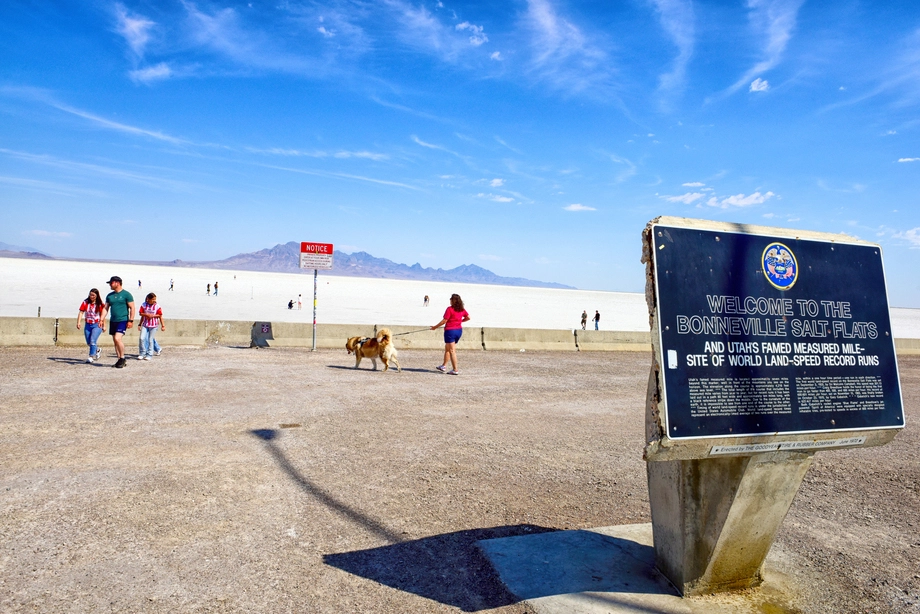 Bonneville Salt Flats – Journey to the Edge of the World
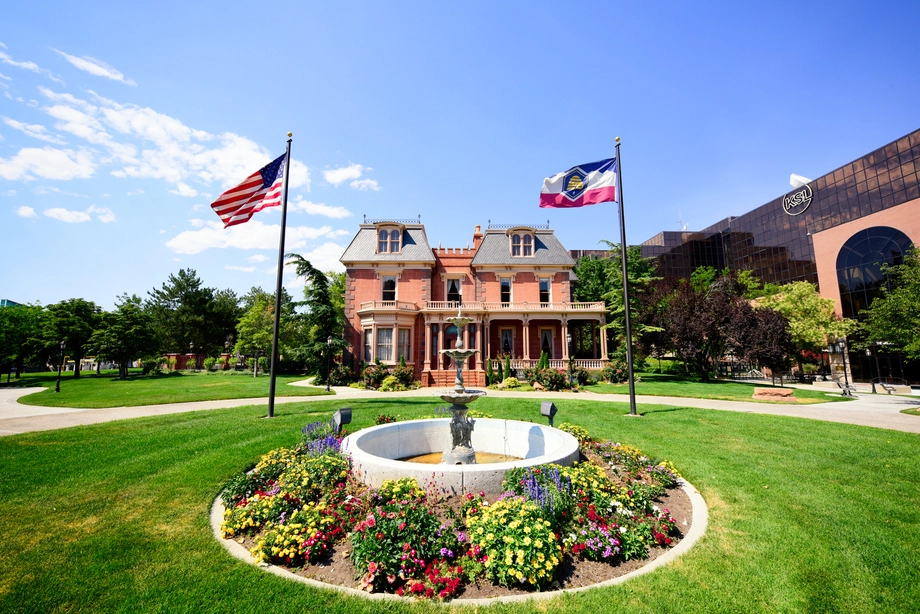 Salt Lake City – The City of Zion. Historical Interactive Walking Tour
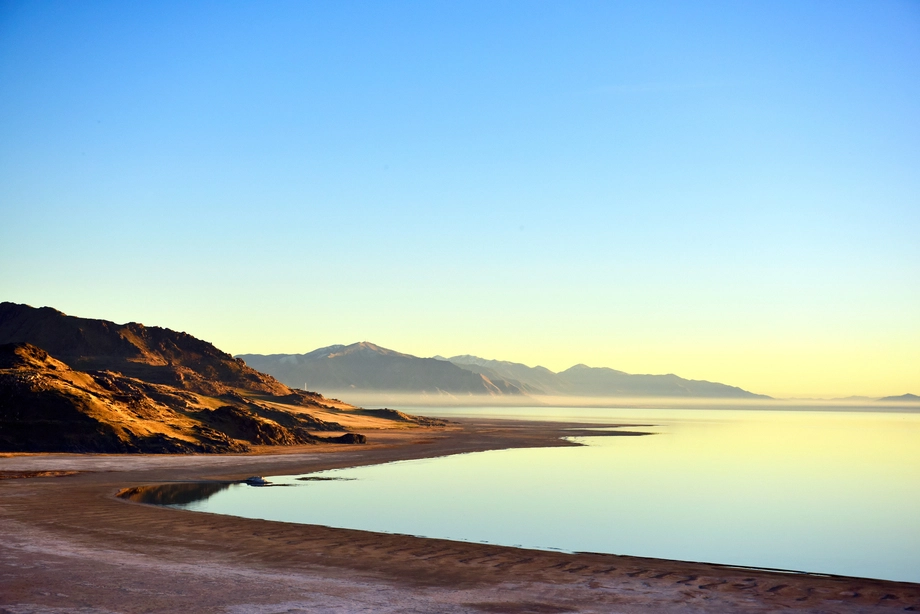 Antelope Island Sunset Wildlife Expedition – Great Salt Lake Odyssey
 Bonneville Salt Flats – Sunset Adventure of the White Desert
 Antelope Island – Wild Heart of the Great Salt Lake Adventure