
How to Visit Bryce Canyon If You Arrive in the Late Morning
Jun 17, 2026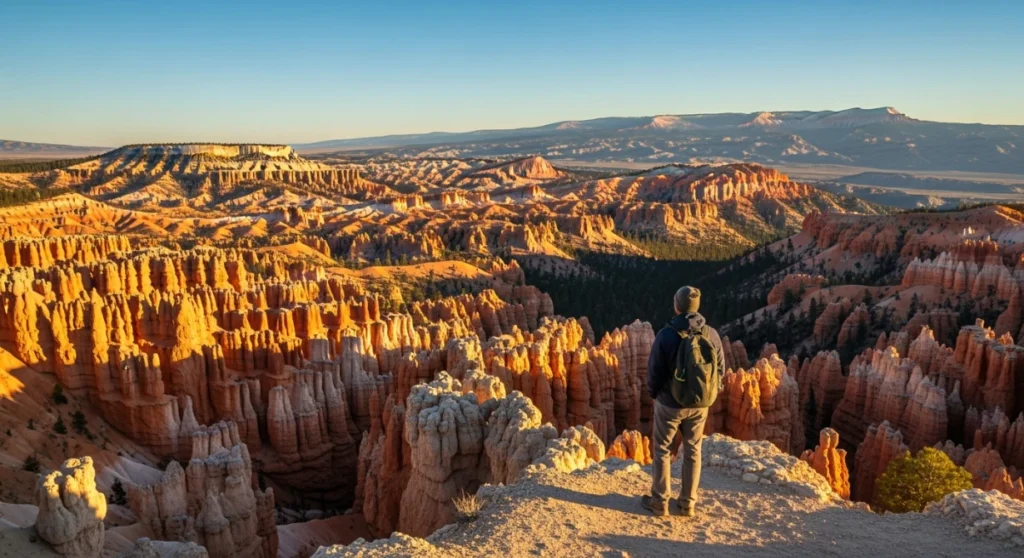
Yes, a late-morning Bryce Canyon visit is still worth it. Focus on the Bryce Amphitheater, use the free shuttle to reduce parking stress, and choose one realistic hike instead of chasing the full scenic road.
The biggest mistake we see with a late arrival at Bryce Canyon is trying to rescue the day by doing too much. People reach the park around midday, hear that Bryce is a sunrise park, and then overcorrect by driving farther, hunting for parking at every famous stop, and squeezing in a hike that does not fit their group.
This is a route-planning problem more than a sightseeing problem. If you only have 4 to 6 hours, the smart move is to treat Bryce Canyon as a concentrated half-day visit centered on the Bryce Amphitheater, where the most iconic overlooks and the most useful short trails sit close together near the front of the park.
That is exactly how we structure tight Utah itineraries. We organize guided excursions across the state, including Utah national park routes from Salt Lake City, and when time is compressed we favor a high-yield sequence over a maximal one.
Is a late-morning arrival at Bryce Canyon still worth it?
Yes. If you arrive roughly between 10:30 a.m. and 1:00 p.m., Bryce Canyon is still very worth visiting as long as you focus on the Bryce Amphitheater and stop trying to replicate a sunrise-to-sunset itinerary.
The payoff is still strong because Bryce’s signature hoodoo views are concentrated near the entrance area. The first part of the park road contains the famous amphitheater overlooks and accessible trails, so you can still get the classic Bryce experience without committing your short window to the full scenic road.
The tradeoff is simple. You are not trying to “cover Bryce Canyon.” You are trying to secure four things efficiently: one broad amphitheater panorama, one or two complementary rim angles, one short scenic walk or one down-and-up hike, and a clean exit without losing an hour to parking churn.
What counts as a late-morning arrival, and why does it change the usual advice?
For planning purposes, a late-morning arrival means reaching Bryce Canyon around 10:30 a.m. to 1:00 p.m. That timing changes the strategy because the classic advice built around sunrise, cool temperatures, and a longer scenic-road day no longer fits your available hours.
Most generic Bryce itineraries assume you will start early, watch sunrise, and then spend much of the day driving out to distant overlooks. That works for a full park day. It works poorly for a compressed visit because parking at the most popular amphitheater viewpoints can be limited later in the day, and every extra drive segment eats into your best short-hike window.
In practical terms, late arrival means you should do less but do it in a tighter order. Your priority becomes the Bryce Amphitheater, not the outer reaches of the park road.
- Use this workflow if: you have about 4 to 6 hours in the park, want the iconic Bryce views, and need a realistic plan for mixed fitness levels.
- Do not use this workflow if: you are arriving close to evening, want a long backcountry hike, or your group expects to stop at every scenic overlook in the park.
- Main shift from standard advice: skip the “see everything” mindset and build the visit around a few connected stops near the front of the park.
You found a hidden promo code!
Use code WOWBLOG at checkout and get 10% OFF any tour!
Limited time offer. Book now and save!
Browse ToursWhat should you prepare before you enter the park?
Prepare only the decisions that save time on the ground. You need a parking-and-shuttle plan, one hike decision, and a clear cutoff for when your group should stop adding extra stops.
The useful inputs are straightforward: your real arrival time, your group’s fitness, whether anyone is sensitive to altitude or heat, and whether you need a restroom and lunch break before starting. Bryce sits at high elevation, so a trail that looks short on paper can feel much harder on the climb back up.
- Primary plan: assume you will center the visit on Bryce, Inspiration, Sunrise, and Sunset Points.
- Parking plan: be ready to park once near the visitor area or another shuttle stop and use the free shuttle rather than circling each viewpoint lot.
- Trail plan: choose one of three levels before you arrive: viewpoints only, a short rim walk, or one down-and-up hike.
- Group filter: if anyone is uneasy about steep climbs, keep the day on the rim and avoid committing the whole group to descending into the amphitheater.
- Time boundary: if you have under 4 hours, cut the hike first, not the main viewpoints.
For travelers basing in Salt Lake City and trying to fit Bryce into a limited stay, this is where self-planning often starts to fray. Our Utah National Parks Tours are built for that exact tension: seeing the landmark viewpoints and a short walk without having to manage the long transfer, pacing, and stop order yourself.
What is the best 4 to 6 hour game plan after a late arrival?
The best compressed plan is to park once, use the shuttle if viewpoint lots are busy, and work the Bryce Amphitheater in a tight sequence. Start with your broadest overlook, add one short rim connection, then do one realistic hike if your group is up for it.
This order keeps the biggest views early, when everyone is fresh, and prevents the common mistake of spending your best hours on unnecessary driving. It also gives you a clean point to shorten the day if energy, weather, or timing changes.
- Arrive and reset, about 20 to 30 minutes: use the visitor area for essentials, confirm current conditions, and assume popular viewpoint parking may be limited. If lots look busy, switch immediately to the free shuttle instead of searching repeatedly for closer spaces.
- First panorama at Bryce or Inspiration Point, about 20 to 40 minutes: start with a wide amphitheater view. If your group wants the grandest first impression, Bryce Point or Inspiration Point does that better than saving them for later.
- Link Sunrise and Sunset on the rim, about 30 to 45 minutes: the Sunrise to Sunset section of the Rim Trail is a gentle half-mile segment with continuous views, making it the best low-effort connector in a short visit.
- Choose your one main active option, about 1.5 to 3 hours: either stay on the rim and continue viewpoint hopping, or commit to one down-and-up trail in the Queen’s Garden and Navajo Loop area if your group is reasonably fit and comfortable with the climb back out.
- Finish with one last overlook and photos, about 20 to 30 minutes: return to the rim for a final amphitheater stop rather than squeezing in a distant scenic-road detour.
- Exit before your energy drops hard: on a late-start day, leaving a little earlier is smarter than ending with a rushed, tiring extra stop that adds little to the experience.
A sample pacing split
| Time in park | Best use of that time | What to skip |
|---|---|---|
| About 4 hours | Main amphitheater viewpoints plus the Sunrise to Sunset rim segment | Any longer descent into the hoodoos and distant overlooks |
| About 5 hours | Viewpoints plus one short down-and-up hike in the Queen’s Garden / Navajo Loop area | Driving the full scenic road |
| About 6 hours | Full amphitheater focus with one hike, one rim walk, and a relaxed final overlook | Trying to add every named viewpoint in the park |
Which viewpoints matter most when time is tight?
Prioritize Bryce, Inspiration, Sunrise, and Sunset Points. Those four give you the strongest mix of wide amphitheater perspective, easy access, and efficient linking without spending your short visit on extra road miles.
These are the stops we would triage first because they overlap enough to stay efficient but differ enough to feel worth the stop. If you only see a handful of places, these are the places that make the visit feel unmistakably like Bryce.
- Bryce Point: a high-value first or last stop for a dramatic overview of the amphitheater.
- Inspiration Point: useful when you want layered hoodoo vistas and a strong panoramic complement to Bryce Point.
- Sunrise Point: a practical trail access point and a natural start for the gentle rim segment.
- Sunset Point: another essential amphitheater angle and a common access point for the Navajo Loop area.
If parking is easy, you can stop directly at one or two of these and then link the rest by trail or shuttle. If parking is tight, it is more efficient to stop fighting for spaces and let the shuttle connect the amphitheater viewpoints.
How should you use the free shuttle when you arrive late?
Use the shuttle as a way to reduce risk, not as a guarantee of a perfect midday visit. When popular viewpoint lots are crowded, parking once and riding between key amphitheater stops is usually the cleanest way to protect your limited time.
This matters more after late-morning arrival because Bryce, Inspiration, Sunrise, and Sunset Points are the exact places most short-visit travelers want. Their lots can be limited during busy periods, so repeatedly circling for parking can quietly consume the hour you thought you had for a hike.
The practical move is simple. If the first lot you try feels congested, stop escalating. Park where you can, ride to your priority viewpoints, and walk short rim segments only where they add value.
- Best use case: families, mixed-age groups, or anyone who wants the amphitheater stops without stitching everything together on foot.
- Why it helps: you avoid moving the car for every short stop and reduce the chance that your visit turns into repeated parking searches.
- What to confirm: check current shuttle operations and conditions when you arrive, since schedules and seasonal patterns can change.
Should your group do only viewpoints, add a rim walk, or take one short hike below the rim?
Choose based on energy and recovery, not ambition. The best late-arrival decision is the hardest option your group can still enjoy on the climb back up, because Bryce’s elevation turns a short descent into a more serious return.
If your group has children, older relatives, or anyone sensitive to altitude, the rim often gives the best experience-to-effort ratio. If everyone is moving well and you still have at least a couple of solid hours left, then one descent into the hoodoos becomes worthwhile.
| Group situation | Best choice | Why it fits |
|---|---|---|
| Tight timing, low energy, or altitude concerns | Viewpoints only | You preserve the core scenery and avoid a tiring climb out |
| Mixed ages or moderate stamina | Short rim walk plus viewpoints | The Sunrise to Sunset rim segment adds movement without committing to a steep return |
| Reasonably fit group with 5 to 6 hours | One down-and-up hike | You get the hoodoo interior experience without overloading the day |
If you should stay on the rim
Stay on the rim when your group wants easy scenery, regular rest opportunities, and flexible timing. This is also the best choice when weather, heat, or breathing at elevation makes the climb back up feel like a bad bet.
The strongest version of the rim-only visit is not passive. Pair two or three viewpoints with the Sunrise to Sunset segment so the day still has movement and changing angles.
If you want one hike below the rim
Choose one short, high-impact option in the Queen’s Garden and Navajo Loop area, and do not add a second serious trail. This is one of the best single-day hikes in Utah for visitors pressed for time because it delivers the hoodoo experience without requiring a full-day commitment.
What matters is not the trail name on its own but your group’s ability to handle the return climb. If anyone is uncertain, turn the descent into an out-and-back and keep it shorter rather than forcing a full loop just because it looks efficient on a map.
How do you know your late-arrival plan is working?
Your plan is working if you see the signature amphitheater views early, spend most of your time outside the car, and finish with enough energy to enjoy the last stop. A good half-day at Bryce feels concentrated, not frantic.
The clearest success signals are practical. You should have visited at least two major amphitheater viewpoints, completed either the Sunrise to Sunset rim section or one short descent below the rim, and avoided a pattern of repeated parking searches and rushed stop-and-go driving.
- Strong result: your group saw the core amphitheater from multiple angles and still had time to pause, photograph, and look around rather than just ticking boxes.
- Acceptable result: you stayed on the rim, skipped the hike, and still left feeling that you saw Bryce’s defining landscape.
- Warning sign: more than a small part of your visit disappeared into driving or trying to park at every overlook.
- Another warning sign: the group is dragging before the main hike even begins, which usually means the rim is the better finish.
What should you do if parking, energy, or timing disrupts the plan?
Cut the distant extras first, not the amphitheater core. If the day starts slipping, keep Bryce, Inspiration, Sunrise, and Sunset in play, shorten the walking, and drop anything that requires more driving or a steep return.
This is where realistic fallback paths matter. The best recovery is rarely “push harder.” It is usually “tighten the visit around the views that make Bryce unmistakable.”
- If parking feels messy: stop moving the car between popular lots and switch to the shuttle.
- If the group is slower than expected: keep the viewpoints, do only the Sunrise to Sunset rim walk, and skip the below-rim trail.
- If altitude hits someone hard: stay on top, take frequent breaks, and make the visit scenic rather than strenuous.
- If weather or conditions change: avoid committing to a late descent and keep the visit flexible around rim overlooks.
- If you have less than 4 hours left: choose two top viewpoints plus the short rim segment and finish strong instead of forcing a compromised hike.
How does a late Bryce visit fit into a larger Utah trip from Salt Lake City?
It fits, but only if you are honest about the driving burden and the cost of a slow start. Bryce is not the kind of stop you casually bolt onto a Salt Lake day without planning for transfer time, fatigue, and the need to arrive with enough usable park hours left.
This is why many short Utah itineraries work better as organized park days or multi-park routes rather than improvised self-drive add-ons. We build Utah itineraries around actual pacing on the ground, which means giving Bryce the focused amphitheater window it deserves instead of pretending the full scenic-road version fits every schedule.
If you are weighing Bryce against the closest national parks to Salt Lake City for a weekend road trip, the key question is not only distance. It is whether your available day allows you to arrive before the useful sightseeing window has already been spent on the road.
For travelers who want to see Bryce alongside Zion, Arches, Canyonlands, or Capitol Reef without backtracking through the planning, our Utah park itineraries are designed to handle the transfers, route logic, and stop prioritization for you. That is often the smarter choice when your timeframe is already as tight as a late-morning Bryce arrival.
When does a guided tour from Salt Lake City make more sense than self-driving?
A guided tour makes more sense when the long drive is likely to drain the value out of your park time. If your Utah stay is short, your group does not want to self-drive long distances, or you are trying to combine Bryce with other major parks, organized routing becomes the cleaner option.
This is not because Bryce is impossible to do on your own. It is because a compressed park visit rewards timing discipline, and long-distance self-driving from Salt Lake City adds fatigue before you even start making trail and parking decisions.
Our approach is straightforward: keep the route realistic, protect time at the main viewpoints, and match the walking to the group rather than to an idealized itinerary. That same logic shapes our small-group city walks in Salt Lake City and our day trips elsewhere in Utah, where local guides, manageable pacing, and clear route structure matter just as much as the destination.
For a short stay, the practical next step is to compare the Bryce-ready options on our Utah national parks tours page and choose the itinerary that gets you into the park with enough time to focus on the amphitheater instead of the logistics.
Late-morning arrival does not ruin Bryce Canyon. It just forces good triage: focus on the amphitheater, use the shuttle when parking gets messy, and choose one realistic level of walking instead of chasing every overlook.
The highest-value version of a 4 to 6 hour visit is simple. See the core viewpoints first, link one easy rim section, and only descend below the rim if your group has the time and energy for the climb back out.
If you are planning from Salt Lake City and want a route that gets the timing right, review our Utah National Parks Tours and book online or send a short inquiry with your expected arrival window.
Can you still see the best part of Bryce Canyon if you arrive around noon?
Yes. The best use of a short midday visit is the Bryce Amphitheater, where the signature overlooks and short trails are concentrated near the front of the park.
What is the first stop to prioritize on a late-arrival day?
Start with one big amphitheater panorama, usually Bryce Point or Inspiration Point, so you lock in the strongest view before energy or timing slips.
Is the Sunrise to Sunset walk a good option for kids or older relatives?
Usually, yes. It is a gentle rim segment with strong views, so it works well for groups that want scenery without a steep climb.
Should we drive the full scenic road if we only have a few hours?
No. On a compressed visit, the scenic road usually costs more time than it returns because the amphitheater area already contains the views most people came to see.
What if someone in our group is worried about the climb back up?
Stay on the rim or keep any descent short and reversible. A shorter scenic walk is better than committing the group to a climb that turns the day into a grind.
Why is the shuttle more useful after late-morning arrival?
Because the most popular amphitheater viewpoints can have limited parking later in the day. Parking once and riding between stops helps protect your limited sightseeing time.
Does Bryce make sense as part of a short Utah trip from Salt Lake City?
It can, but only with realistic routing. If your days are tight, an organized park itinerary often makes more sense than adding a long self-drive and hoping the timing works out.

 Bonneville Salt Flats – Sunset Adventure of the White Desert
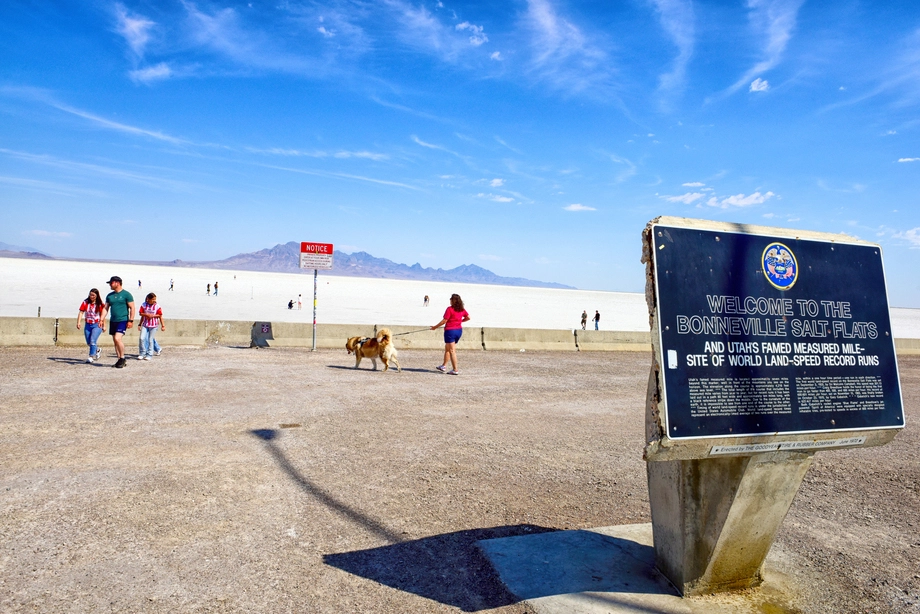 Bonneville Salt Flats – Journey to the Edge of the World
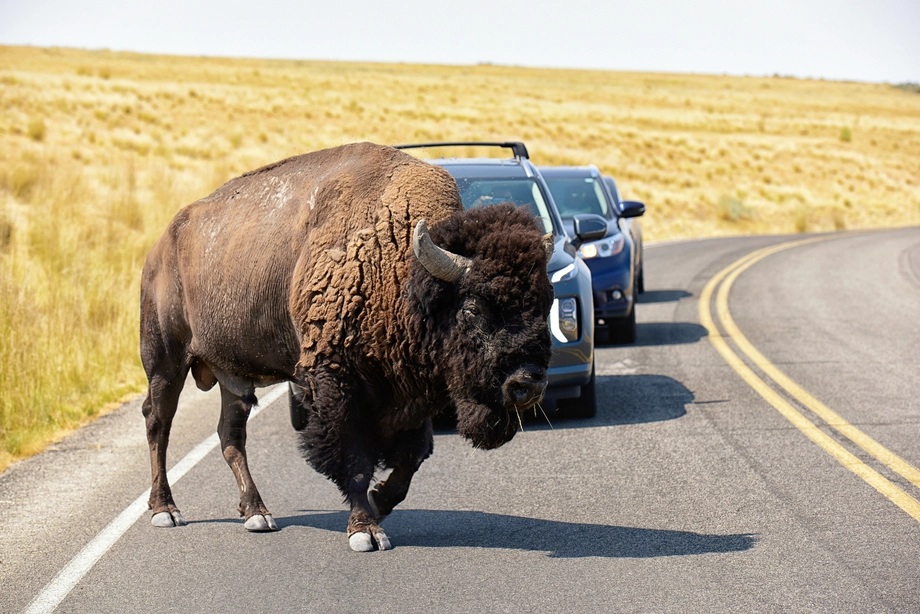 Antelope Island – Wild Heart of the Great Salt Lake Adventure
 Antelope Island Sunset Wildlife Expedition – Great Salt Lake Odyssey
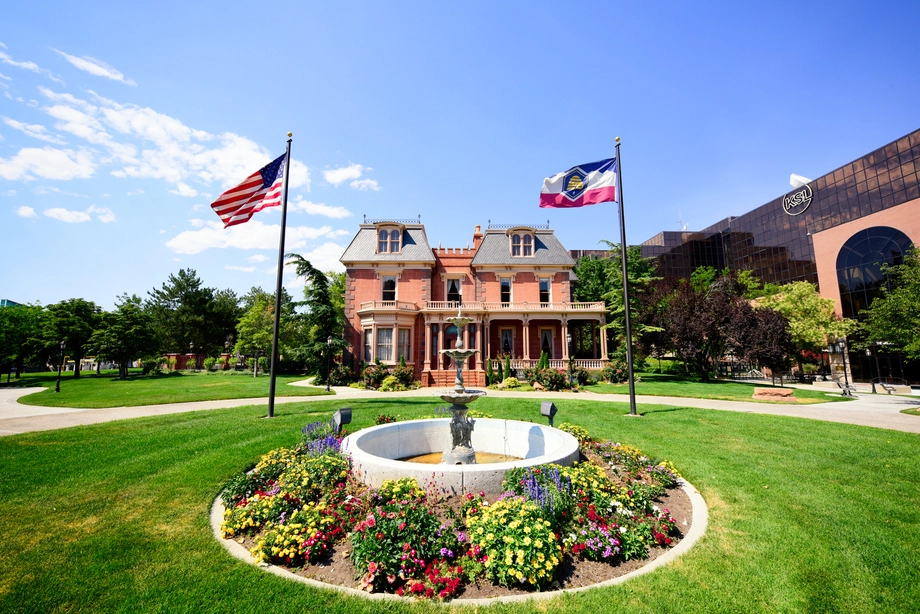 Salt Lake City – The City of Zion. Historical Interactive Walking Tour