
How to Pace a Salt Lake City Walk When Adjusting to Altitude
Aug 10, 2026
At 4,226 feet, Salt Lake City can make a normal city walk feel harder on arrival. Start with a flat, time-bounded route, use a conversational pace, take short breaks, and postpone mountain exertion.
A first afternoon in Salt Lake City can create an awkward choice: stay indoors to avoid feeling winded, or walk at your usual city-break pace and risk draining your energy early. At 4,226 feet above sea level, even a half-day toddler-friendly outdoor play and nature walk near Salt Lake City can feel more demanding than the same outing at sea level, so we treat the first walk as a deliberately paced orientation rather than an endurance test.
We organize Matei Travel Salt Lake City Walking Tours in the downtown core, where urban terrain makes it easier to choose a realistic first-day route instead of starting on steep hillside paths. Our local guides use small groups, and guests can ask questions or speak up if they need a brief pause while seeing historic buildings, hidden corners, and the story behind the city’s planning and development.
Should you start walking as soon as you arrive in Salt Lake City?
Gentle downtown walking is a sensible first-day activity for many healthy visitors, but strenuous walking, steep climbs, and high-elevation mountain plans are better saved until you know how your body feels. Salt Lake City is below the elevations where formal mountaineering acclimatization rules are most often applied, yet a slower first 24 to 48 hours remains a practical precaution.
Salt Lake City sits at approximately 4,226 feet, or 1,288 meters. Lower atmospheric pressure means less oxygen is available with each breath, which can make ordinary exertion feel unexpectedly heavier, particularly for people arriving from near sea level.
According to the Center for Wilderness Safety, healthy people commonly have oxygen saturation levels of 98 to 99 percent at sea level, and saturation declines at higher elevations. You do not need to monitor oxygen numbers to pace a city walk, but the physiology explains why fitness does not always make day-one effort feel normal.
Use this start gate before leaving your hotel
Choose an easy urban walk if you feel generally well, have eaten, and can move around without unusual breathlessness. Choose rest, a shorter errand, or medical advice instead of a planned walk if you already feel ill or have a health concern that could be affected by altitude or exertion.
- Good time to begin: You feel alert, can drink and eat normally, and have no concerning symptoms at rest.
- Scale back: You have a headache, nausea, unusual fatigue, or shortness of breath that feels out of proportion to simple movement.
- Seek personal medical guidance first: You have a heart or lung condition, are pregnant, or have another health concern that makes altitude or physical activity a question for your clinician.
What pace works best during your first 24 to 48 hours?
For the first day, choose a flat, limited-duration walk at a pace where you can speak in full sentences without needing to pause for breath. On the second day, increase distance or add a modestly longer outing only if the first day felt comfortable during the walk and afterward.
The goal is not to train your body through discomfort. It is to get moving, orient yourself, and leave enough energy for meals, museums, meetings, or a relaxed evening.
Step 1: Make day one a light urban session
Start with a route whose duration and distance are clearly stated before you leave. Avoid turning the first walk into an open-ended search for sights, because an unfamiliar street grid can quietly add distance after you are already tired.
We publish duration, distance, and terrain information for each Salt Lake City walking route so travelers can judge what the outing will feel like before joining. That practical detail matters more on arrival day than an ambitious list of stops.
Step 2: Walk below your normal sightseeing speed
Take shorter strides and let the slowest comfortable member of your party set the rhythm. If you find yourself breathing hard while walking on level sidewalks, ease off before it becomes a problem rather than trying to catch up.
The simplest check is the talk test: you should be able to answer a question in a full sentence. Briefly stopping to look at architecture, a map, or a storefront is useful pacing, not lost time.
Step 3: Add planned pauses instead of waiting for exhaustion
Pause briefly at natural stopping points, especially after several blocks or before any uphill segment. A short reset gives you a chance to notice thirst, warmth, fatigue, or a headache while symptoms are still mild.
- Before the walk: Eat something familiar, carry water, and check the expected temperature.
- During the first stretch: Keep effort easy enough for conversation and resist the urge to make up time.
- At each stop: Drink if thirsty, adjust a layer, and assess whether your breathing has settled.
- After the walk: Notice how you feel over the next few hours before scheduling a harder activity.
Step 4: Let day two earn its added activity
If the first walk was comfortable and you have no persistent symptoms, choose another city outing or extend your sightseeing gradually. If you felt depleted afterward, repeat a shorter, flatter plan rather than assuming a longer route will feel easier the next morning.
We design and recommend our downtown walking tours as a good choice for a first day in the city, and many visitors use that city-center orientation before exploring more of Utah. That sequencing keeps the early part of a trip focused on known terrain and predictable effort.
You found a hidden promo code!
Use code WOWBLOG at checkout and get 10% OFF any tour!
Limited time offer. Book now and save!
Browse ToursHow do you choose a guided walk that matches your altitude readiness?
The best first-day guided walk has transparent distance, duration, and terrain information, remains primarily on city streets, and leaves room to slow down. A small-group downtown format is often easier to pace than unguided wandering because the route has a defined endpoint and a local guide handles navigation.
For our Salt Lake City Walking Tours, we keep groups small so guests can ask questions easily along the way, including when they need a quick pause. We focus the routes on downtown Salt Lake City rather than steep hillside paths because visitors can explore the city center on urban terrain while they settle in.
| Route factor | Better choice for arrival day | Reason |
|---|---|---|
| Terrain | Mostly level downtown sidewalks | Limits the sudden effort increase caused by sustained climbing. |
| Duration | A defined, manageable time commitment | Helps prevent an easy start from becoming an exhausting afternoon. |
| Distance | Published in advance | Lets you compare the route with your energy, luggage, and arrival schedule. |
| Group format | Small group with a local guide | Makes it easier to communicate and ask about a brief pause. |
| Time of day | A time when you are fed, hydrated, and not rushing | Reduces avoidable fatigue that can be mistaken for altitude effects. |
Browse our Salt Lake City Walking Tours when you are ready to compare route details and book a downtown walk that fits your arrival-day comfort level. A structured route does not remove the need for personal judgment, but it does remove the guesswork of deciding where to go and how far you have walked.
What should you do while walking to avoid overexertion?
Breathe steadily, use a conversational stride, drink when thirsty, and stop briefly before fatigue becomes pronounced. Comfortable effort is the standard on a first walk, not the number of blocks completed.
Keep breathing simple and steady
Do not hold your breath while climbing stairs, hurrying through an intersection, or carrying bags. Slow down enough that your breathing becomes controlled again, then continue only at that easier rhythm.
Use micro-breaks well
A useful break is short and purposeful: stand in shade or shelter if needed, look around, take a drink, and check whether your breathing returns to normal. Long stops are not required unless you feel unwell, but repeated hard pushing followed by long recovery breaks is a sign that the route is too demanding today.
Carry water and manage layers
Bring water and drink regularly according to thirst rather than waiting until you feel depleted. Wear layers that can be added or removed, since feeling overheated or chilled can make a manageable walk feel much harder.
- Choose level connections: Favor direct downtown streets over detours that add steep grades.
- Leave a buffer: Do not schedule a demanding walk immediately after a flight, a poor night of sleep, or a long drive.
- Protect the next activity: End the first outing with energy still in reserve instead of treating fatigue as proof that you saw enough.
- Skip alcohol before exertion: If you plan to walk, avoid adding an avoidable stressor to hydration and recovery.
Which symptoms mean you should slow down, stop, or seek medical help?
Mild fatigue, headache, nausea, or shortness of breath can appear within hours of reaching higher elevation and should prompt you to slow down, rest, hydrate, and avoid further exertion. Severe, worsening, or alarming symptoms call for prompt medical evaluation rather than an attempt to finish the route.
Altitude-related symptoms can overlap with jet lag, dehydration, illness, heat, and simple overexertion. Neither a guide nor a travel companion can diagnose the cause during a walk, so the safest practical response is to take symptoms seriously and avoid pushing through them.
Stop and reassess for early symptoms
- Fatigue that feels unusual: Sit or stand still, rest, and decide whether returning to your hotel is more sensible than continuing.
- Headache or nausea: Pause activity, drink water if you can tolerate it, and do not add steep walking or a mountain excursion that day.
- Shortness of breath beyond normal exertion: Stop moving until your breathing settles. If it does not improve, seek medical advice.
Get urgent medical help for concerning signs
Seek urgent medical care for severe trouble breathing, chest pain, confusion, fainting, inability to walk steadily, or symptoms that are rapidly worsening. Do not treat a severe symptom as a sightseeing inconvenience or try to “walk it off.”
Our guides are not medical professionals and cannot diagnose or treat altitude illness. Tell the guide if you need to slow down or pause, then make decisions based on how you feel and seek medical help when symptoms are concerning.
When should you schedule mountain, ski, or wider Utah outings?
Schedule higher-altitude activities after you have had time to see how Salt Lake City feels on foot, ideally after a comfortable first day or two in the city. A downtown walk is a practical way to test your readiness, while ski resorts and mountain destinations can add elevation and exertion at the same time.
We run organized Utah day tours with planned routes, transportation, guide commentary, and short walking segments, which removes the burden of figuring out local logistics after you have settled into the city. For visitors adding skiing later in their stay, our ski resort day trips include transfers and flexible time on the slopes, creating a structured option once a gentler city day has helped you gauge your energy.
If mountain scenery is the priority after you acclimatize, compare the practical demands of our Utah day tours before committing to a longer outing. Visitors planning a later ski day can also review our Utah ski resort day trips, which include round-trip transportation between Salt Lake City and the resort.
What does a successful first Salt Lake City walk feel like?
A successful first walk leaves you oriented, comfortably tired at most, and able to continue your day without persistent symptoms. You should finish with enough energy to eat, hydrate, rest, and decide calmly whether tomorrow can include more walking.
Use the evening as a verification point. If you recover normally and feel well, a gradual increase in activity is reasonable; if headache, nausea, unusual fatigue, or breathlessness lingers or worsens, keep the next day easier and consider medical advice.
What is the fallback plan if your first walking plan does not work?
If the route feels harder than expected, shorten it immediately, return to a comfortable indoor or hotel setting, and postpone any climb or mountain transfer. Reducing effort early is a better outcome than finishing a planned distance while feeling unwell.
For a guided outing, tell the local guide as soon as you need a pause rather than waiting until you are struggling. Small groups make that conversation simpler, but visitors remain responsible for deciding when to rest, leave an activity, or seek care.
Salt Lake City’s elevation is moderate, not a reason to give up your first day. We recommend using a flat, clearly described downtown route, keeping your pace conversational, and saving greater elevation or exertion until you know how you feel. Our small-group city walks are designed around downtown terrain, local context, and route details that make this kind of first-day planning more straightforward. Choose a Salt Lake City Walking Tour with a listed duration, distance, and terrain profile that matches your arrival-day energy.
Is Salt Lake City high enough to affect walking?
It can be. At 4,226 feet, reduced oxygen availability may make normal exertion feel more difficult, especially after arriving from sea level.
Can a fit person walk at their usual pace on day one?
Fitness helps, but it does not eliminate the effect of elevation. Use the ability to speak comfortably as a practical limit for your initial pace.
How long should my first Salt Lake City walk be?
Choose a route with a stated duration and a clear endpoint rather than an open-ended exploration. Keep it easy enough that you have energy for the rest of the day.
What terrain is best when I first arrive?
Downtown sidewalks and mostly level streets are the best choice for managing effort. Save sustained hills and mountain trails for later in the visit.
What if I get a headache during a walk?
Stop, rest, and avoid increasing your effort. If the headache persists, worsens, or occurs with other concerning symptoms, seek medical advice.
Will a small-group walking tour let me take a break?
Small groups make it easier to communicate with the guide and ask for a brief pause. Tell the guide early if your pace needs to change.
Should I plan skiing or a mountain day on arrival day?
It is prudent to see how Salt Lake City feels first, then add higher-elevation activities later. A comfortable downtown day provides a more useful readiness check than immediately combining travel, altitude, and strenuous activity.

 Bonneville Salt Flats – Sunset Adventure of the White Desert
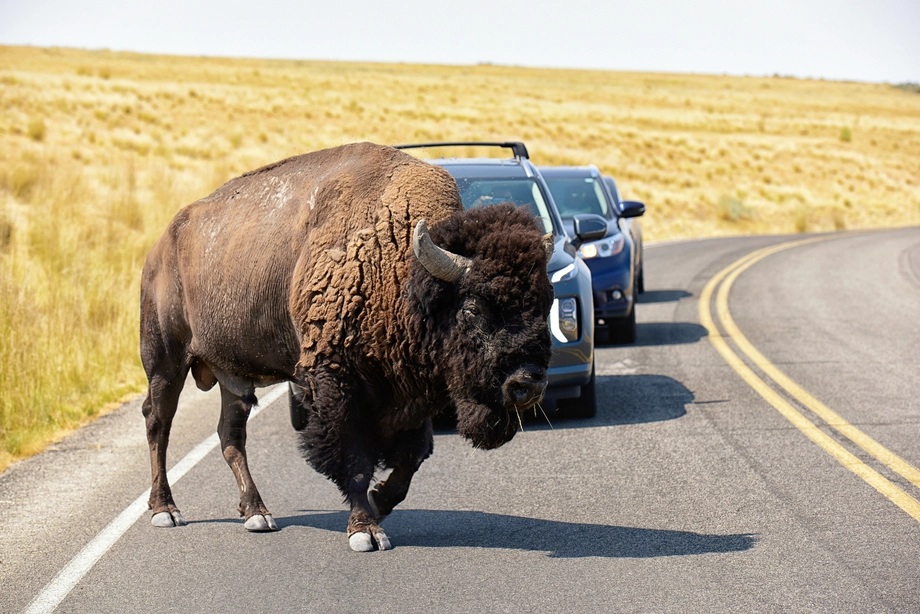 Antelope Island – Wild Heart of the Great Salt Lake Adventure
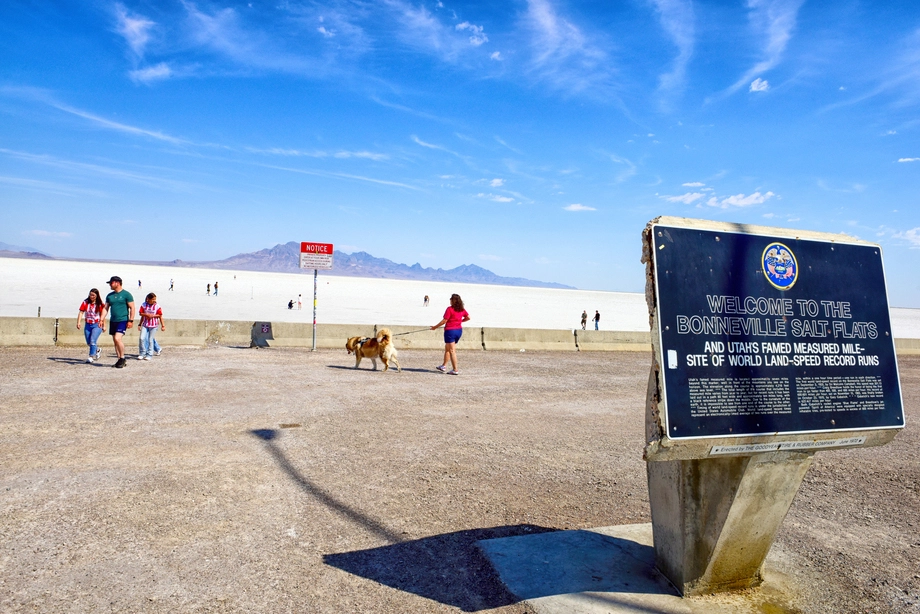 Bonneville Salt Flats – Journey to the Edge of the World
 Salt Lake City – The City of Zion. Historical Interactive Walking Tour
 Antelope Island Sunset Wildlife Expedition – Great Salt Lake Odyssey