
How to Choose Guided Moab and Canyonlands Experiences
Jun 3, 2026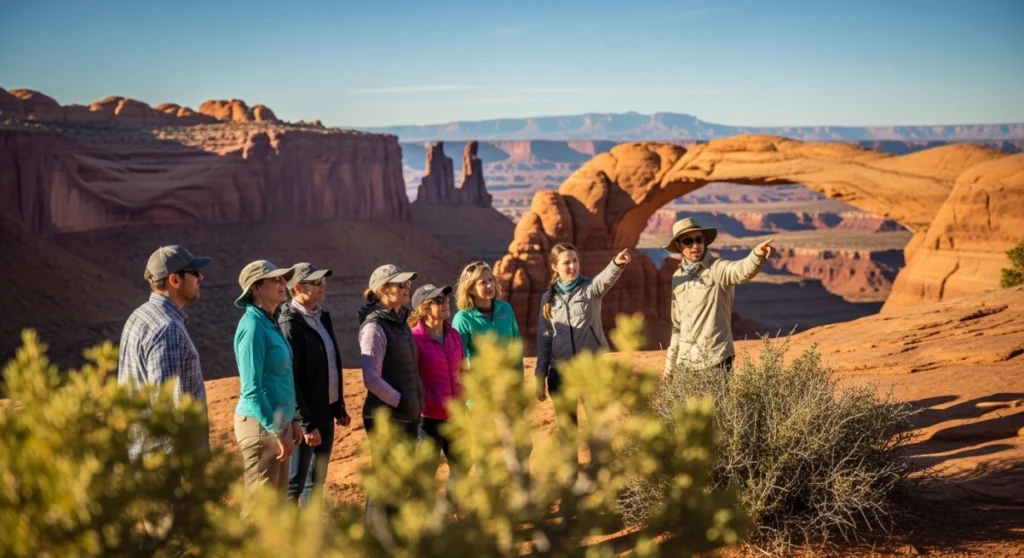
Choose your guided experience by starting with where you sleep, how much time you have, and whether the activity requires permits or specialized logistics. For many travelers, the best fit is the format that matches park rules and transport reality, not the most exciting-looking activity photo.
Most bad Moab and Canyonlands bookings start with the wrong first question. Travelers compare jeep tours, hikes, rafting trips, and bike outings as if they are interchangeable, then realize too late that their real constraint was drive time from Salt Lake City, heat tolerance, permit availability, or the fact that some activities in Canyonlands must be run by authorized operators.
Guided Moab and Canyonlands experiences sit in a broad planning category that includes front-country sightseeing, short interpretive walks, and true backcountry adventures. This matters if you want to book confidently, avoid paying for a format that does not fit your group, and decide whether to stay in Moab or join an organized Utah trip that starts farther north.
If you are searching for Moab guided canyon hikes suitable for kids under 10, the key is not the label alone. You need to check distance, footing, shade, exposure, vehicle time, and whether the day is really built for young kids or simply allows them.
What counts as a guided Moab and Canyonlands experience?
A guided experience here can mean anything from a scenic, road-based park day with short walks to a permit-dependent backcountry trip. The useful distinction is not “tour or no tour,” but front-country versus specialized access, because those formats carry very different safety, fitness, and booking implications.
In practice, most choices fall into a few buckets. Some focus on viewpoints and interpretation, some add moderate walking, and some depend on technical transport, river logistics, or backcountry planning.
- Scenic road-based tours: Best for broad views, photography stops, and travelers who want context without committing to long hikes.
- Guided hikes: Range from short interpretive walks to longer, more strenuous outings where route choice, heat management, and pace matter.
- 4×4 tours: Useful when the value is access and driving skill, not just narration.
- Rafting trips: Better treated as a distinct category because water levels, launch logistics, safety systems, and operator authorization matter.
- Biking and e-bike outings: Can be very different from casual rides near town, especially once terrain, permits, or backcountry support enter the picture.
- Combo days: Often mix scenic driving with short walks and are usually the easiest fit for mixed-age groups.
That range is why we plan Utah trips from the itinerary outward. A short marked trail near a viewpoint is a very different purchase decision from a remote biking or river day, even if both are marketed with similar canyon imagery.
Should you base yourself in Moab or start from Salt Lake City?
Base yourself in Moab if your priority is early starts, deeper access, and stacking multiple local activities over several days. Start from Salt Lake City if that is already your lodging base, you do not want a rental car, or you want a structured national parks itinerary without stitching together separate operators.
Your base changes everything: wake-up time, total windshield hours, how ambitious your activity can be, and whether a single organized trip solves more problems than independent booking. The same person who should self-drive short walks from Moab may be better off in a packaged format if they are starting in northern Utah and want Arches and Canyonlands within a larger loop.
We organize Utah National Parks Tours from Salt Lake City that include Arches and Canyonlands for travelers who want transport, realistic pacing, and park context handled as one plan. That approach is especially useful when the trip is about seeing multiple parks well enough, rather than maximizing one technical activity near Moab.
- Choose Moab as your base when: You have at least two nights there, want dawn or sunset flexibility, or plan a more demanding local activity.
- Choose Salt Lake City as your base when: You are already staying there, want to avoid a long self-drive, or prefer an organized multi-park structure.
- Skip the forced hybrid: If you only have one free day from Salt Lake City, do not book a highly specialized Moab activity that assumes local lodging and a flexible schedule.
We see this often in Utah planning. Once long-distance transfers are part of the day, a scenic-and-short-walk format is usually more realistic than a strenuous booking that leaves no margin for weather, fatigue, or different walking speeds.
You found a hidden promo code!
Use code WOWBLOG at checkout and get 10% OFF any tour!
Limited time offer. Book now and save!
Browse ToursWho is a guided experience actually for, and who should self-guide?
Guided trips are most valuable for travelers facing complexity: distance, permits, route-finding, technical driving, river logistics, or a group with mixed abilities. Self-guiding is usually fine for simple scenic overlooks, clearly marked short trails, and visitors who already have a car, maps, and enough park time.
This is where many people overspend. They buy a guide for places they could comfortably drive and walk on their own, then underinvest in the parts of the trip where expertise would have prevented a mismatch.
- A guided format is a strong fit if: You are new to the region, want geology and history explained, are juggling ages or fitness levels, or need transport from Salt Lake City.
- Self-guiding is often enough if: Your plan is a viewpoint circuit, a short signed trail, and you are comfortable reading park rules and driving between stops.
- A guide is close to essential if: The day depends on specialized vehicles, backcountry support, river operations, or regulations that ordinary visitors misunderstand.
Our own approach as a Utah tour organizer is built around that difference. We keep our Salt Lake City walking tours small so guests can ask questions, and we publish route details such as duration, distance, and terrain because expectation-setting matters more than flashy marketing.
Which selection criteria matter most when comparing options?
The six criteria that matter most are legality, guide qualifications, group size, difficulty, logistics, permits, and season. If a listing is vague on any of those, treat that as a planning problem, not a minor detail.
Readers often ask for one perfect filter. In reality, the safest and most satisfying booking comes from reading the experience through these practical lenses, in order.
- Authorization and legality: In Canyonlands, many commercial activities require an operator to be an authorized concessioner. For categories such as mountain biking, 4WD tours, and river running, that status is not optional background information. It is a core legitimacy check.
- Guide qualifications: Ask whether guides hold current First Aid and CPR certification, meet minimum age requirements, and receive training in safety, resource protection, and Leave No Trace. A guide who can explain geology is nice. A guide who can manage heat stress and group pace is non-negotiable.
- Group size: Smaller groups usually mean better pacing, more questions answered, and fewer delays at trail junctions or viewpoints. In some parts of Canyonlands, guided backpacking group sizes are capped, so “small” can also reflect compliance, not just style.
- Difficulty and terrain: Ignore simple labels like easy or moderate unless they are backed by real descriptions. Distance, elevation change, loose rock, drop-offs, heat exposure, and time in the vehicle all affect whether the day will feel manageable.
- Logistics: Start time, pickup point, transfer length, bathroom availability, meal planning, and what happens if weather shifts all matter. For travelers based in Salt Lake City, logistics often determine whether a local Moab activity makes sense at all.
- Permits and reservation pressure: Some of the most memorable backcountry experiences are also the least flexible. If your dates are fixed, a permit-light alternative may be smarter than waiting on a scarce overnight slot.
- Season: A trip that is comfortable in one month can become harsh in another. Heat, daylight, and crowd pressure change how ambitious your booking should be.
How do you match the right format to your time, fitness, and interests?
Start with your shortest true constraint, not your wish list. Usually that means available days, then heat and exposure tolerance, then the main interest that would make the trip feel worthwhile.
Once you do that, the “best” experience usually becomes obvious. Travelers with one day and broad sightseeing goals need a different answer than travelers with three Moab nights and a strong appetite for remote terrain.
| Your situation | Best-fit guided format | Why it works | What to avoid |
|---|---|---|---|
| One day, based in Salt Lake City, no rental car | Organized national parks or Utah day-trip format with transport and short walks | Solves distance and keeps the day realistic | Booking a technical local activity that assumes Moab lodging |
| Two to three days in Moab, moderate fitness, first visit | Scenic touring plus one guided hike or 4×4 day | Balances context, access, and recovery time | Stacking strenuous outings on consecutive hot days |
| Mixed ages or abilities | Scenic drive with optional short walks | Lets stronger walkers do more without stranding the rest of the group | Any outing marketed by mileage alone |
| Strong interest in geology, history, and landscape reading | Interpretive tour with frequent stops and guide commentary | Turns viewpoints into a coherent story rather than a photo checklist | Choosing only by vehicle type or action photos |
| Adventure priority, comfort with exposure, flexible dates | More specialized biking, river, or remote access outing | Worth paying for where skill, support, and permits matter | Leaving permit-dependent plans to the last minute |
Interest focus should break ties. Photographers usually benefit from patient scenic routing and timing. Families often do better with optional short walks than a single long outing. Strong hikers may want one anchor activity and one lighter scenic day so the trip does not become a fatigue contest.
If you are traveling with students or a learning-focused group, the same logic applies. A geology-heavy interpretive day can be far more useful than a more difficult activity if your real goal is understanding landscape, not maximizing exertion.
What safety and legality checks are non-negotiable in Canyonlands?
Non-negotiable means verifying NPS authorization where required, confirming guide training and medical certifications, and understanding group-size rules before you pay. If an operator is vague on those points, walk away.
Canyonlands is not a place to rely on branding alone. Regulations shape what legitimate operators can offer, and those rules exist precisely because terrain, remoteness, and resource protection are serious concerns.
- Cross-check authorization: For commercial activities that require it, verify that the company appears on the National Park Service authorized concessioner list for Canyonlands.
- Ask about guide qualifications: Current First Aid and CPR certification should be easy to confirm. Guides should also be trained in safety procedures, Leave No Trace, and resource protection.
- Confirm minimum guide standards: Guides must meet minimum age requirements and be prepared for field supervision, not just interpretation.
- Understand district-specific limits: In the Island in the Sky and Needles districts, guided backpacking groups are limited to seven people, including guides. That matters for both legality and experience quality.
- Read the terrain description carefully: Exposure, rocky footing, and heat can make a short route feel much harder than the mileage suggests.
This is also why we prefer a planning-first conversation over a pure activity-first sale. In Utah, legal access, safety systems, and realistic pacing are often the real product, especially once you move beyond front-country sightseeing.
How do permits and reservations change what you should book?
Permits can turn a dream itinerary into an unrealistic one if you treat every activity as equally bookable. The more backcountry and overnight your plan becomes, the more your dates and alternatives need to stay flexible.
White Rim overnights are the clearest example. Overnight mountain biking trips there require permits, and peak-season demand can exceed availability, so the right booking strategy is often to secure the structure first and keep backup options ready.
- Permit-sensitive choices: Overnight backcountry trips, especially bike-based overnights, need earlier planning and a backup plan.
- Less constrained alternatives: Scenic touring, short walks, and some day formats can still give you a strong Canyon Country experience without hinging on a scarce permit.
- Practical timing rule: If your travel dates are fixed and close, choose experiences that do not depend on hard-to-get overnight access.
- Do not assume a guide solves scarcity: A good organizer can help you choose realistic formats, but no legitimate company can guarantee that a limited permit will appear.
For travelers based in Salt Lake City, this matters even more. If the trip already includes major transfer time, permit-dependent overnights are rarely the smartest first booking unless the whole itinerary is built around them.
When is a guide genuinely worth the money, and when is self-guiding enough?
A guide is worth paying for when the day gets safer, smoother, or substantially more informative because of that expertise. Self-guiding is enough when the route is straightforward, the stakes are low, and you mainly want to stop at viewpoints and do short marked walks.
The simple test is this: if removing the guide leaves you with the same access and nearly the same understanding, you may not need one. If removing the guide leaves you with permit confusion, difficult logistics, or a weaker and riskier day, the value is real.
- Worth it: Complex 4×4 access, river trips, backcountry biking, remote routes, and itineraries starting far from Moab.
- Usually self-guidable: Scenic roads, major overlooks, and short signed hikes near the front country.
- Often worth it for context: First visits where geology, history, and landscape interpretation are part of why you came.
That is why some travelers do best with a mixed structure. They self-guide the simple park moments and spend their budget on the one day where professional planning materially changes the outcome.
What booking mistakes lead to the worst mismatches?
The biggest mistakes are choosing by photos instead of logistics, underestimating heat and exposure, and assuming all operators follow the same safety and authorization standards. Most disappointing trips were predictable from the listing details before the booking was made.
These are the patterns we would correct first in a planning call:
- Booking by activity fantasy: A biking or rafting day looks exciting, but your actual trip may only support a scenic mixed day.
- Ignoring the base city: A traveler sleeping in Salt Lake City should not plan like a traveler waking up in Moab.
- Reading only distance: Two miles on flat ground and two miles on exposed slickrock are not the same experience.
- Skipping the legality check: In Canyonlands, authorization status matters more than social media polish.
- Overpacking the schedule: One demanding outing per day is enough for most groups, especially in heat.
- Assuming one format fits everyone: Mixed-ability groups usually need optionality, not a single heroic plan.
If you are short on time and want a cleaner planning path from the Wasatch Front, our Utah day tours show the kind of realistic pacing we use for travelers who want transport and structure handled for them. That same itinerary discipline is what keeps a national parks day from becoming all drive and no actual visit.
What should you confirm before you book?
Confirm the operator’s legal standing, the real physical demands, the meeting and transport plan, and whether the experience depends on permits that may not be available. If you can answer those points clearly, you are unlikely to end up on an unsafe or mismatched trip.
Use this short checklist before paying:
- Base city: Are you sleeping in Moab, elsewhere in Utah, or in Salt Lake City?
- Time: How many usable park hours do you truly have after transfers?
- Fitness and comfort: Can every person in your group handle the stated terrain, footing, heat, and exposure?
- Experience type: Are you buying access, interpretation, technical support, or just convenience?
- Authorization: If the activity occurs in Canyonlands and falls under concession rules, has the operator been cross-checked against the NPS list?
- Guide qualifications: Did you confirm First Aid, CPR, and field training?
- Permits: Does the trip require scarce overnight access, and what is your backup plan?
- Group style: Will the format feel interactive or anonymous, and does that match what you want?
For many first-time visitors, the best choice is not the most adventurous-looking option. It is the one that fits your actual sleeping base, your season, and the level of complexity you want someone else to handle.
Choose guided Moab and Canyonlands experiences by working from itinerary reality outward: where you are based, how much time you have, how your group handles heat and uneven terrain, and whether park rules make the activity specialized. Once you filter options through authorization, guide qualifications, permits, and logistics, the right format becomes much easier to see. Some visitors should absolutely self-guide the simple parts, while others save time and avoid costly mistakes by putting the complex day inside a structured plan. Review the Utah national parks tours that include Arches and Canyonlands, and send us your dates, base city, and comfort level if you want help choosing the right format.
Can I see Canyonlands without booking a technical adventure?
Yes. Scenic touring with short walks is often the best fit for first-time visitors, mixed-ability groups, and travelers with limited time.
Is starting from Salt Lake City too far for a guided park experience?
It can work well if Salt Lake City is already your base and you want transport and pacing handled. It is less suitable for highly specialized local activities that assume Moab lodging.
What is the most important legitimacy check for Canyonlands operators?
For activities covered by park concession rules, verify that the company is authorized by the National Park Service. This matters more than polished marketing or dramatic photos.
How do I judge difficulty if the listing only says “easy” or “moderate”?
Look for distance, terrain, exposure, loose footing, and time in the vehicle. Those details tell you far more than a simple label.
Are guided backpacking groups in Canyonlands always large?
No. In some districts, guided backpacking group sizes are capped at seven people including guides, which can create a more manageable experience.
When should I avoid permit-dependent trips?
If your dates are fixed, your planning window is short, or your itinerary already includes long transfers, choose a less permit-sensitive format.
What kind of guided day works best for families or mixed abilities?
A scenic drive with optional short walks is usually the safest bet. It lets stronger walkers do more without forcing the whole group into one demanding route.

Exceptionally knowledgeable guide who knew his facts and figures and history. He did everything to make...
Read more →We really enjoyed our trip!! Our guide was awesome and he took lots of pictures of...
Read more →Take this tour! My tourguide was TOP KNOTCH!- a lovely Ukrainian gentleman. He was able to...
Read more →Great experience, for to see Bison and Pronghorns for the first time in my life.
Read more →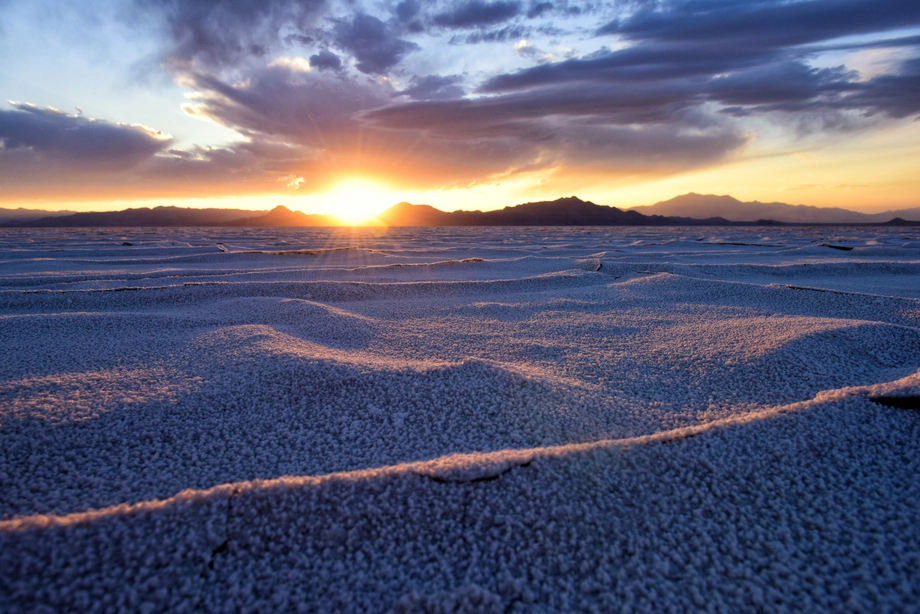 Bonneville Salt Flats – Sunset Adventure of the White Desert
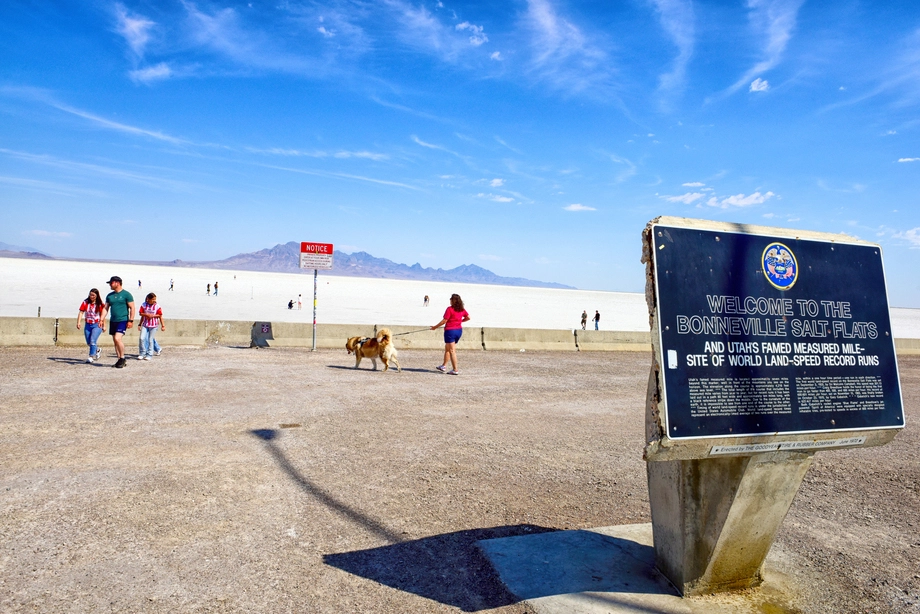 Bonneville Salt Flats – Journey to the Edge of the World
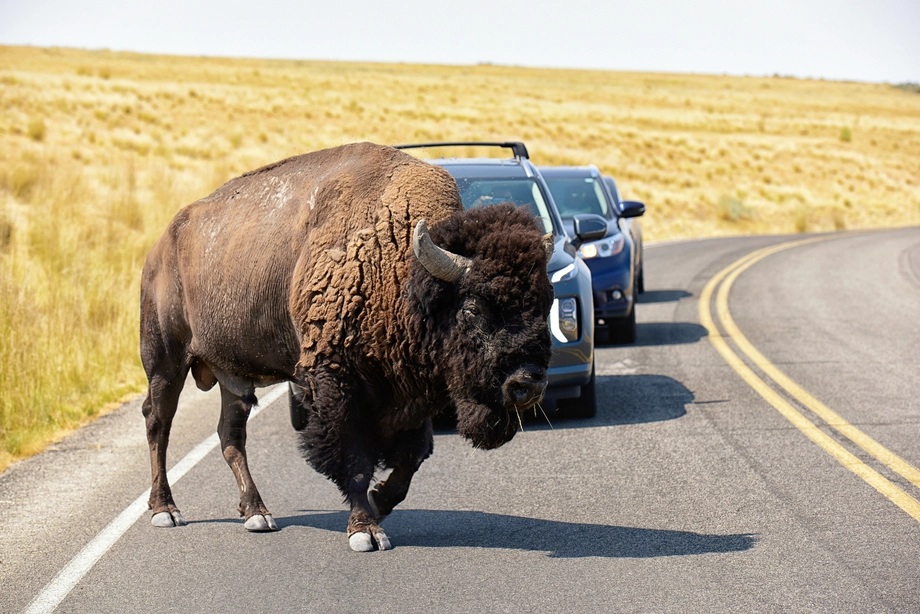 Antelope Island – Wild Heart of the Great Salt Lake Adventure
 Antelope Island Sunset Wildlife Expedition – Great Salt Lake Odyssey