
How wedding photography and permit assistance in Arches National Park actually works
Apr 6, 2026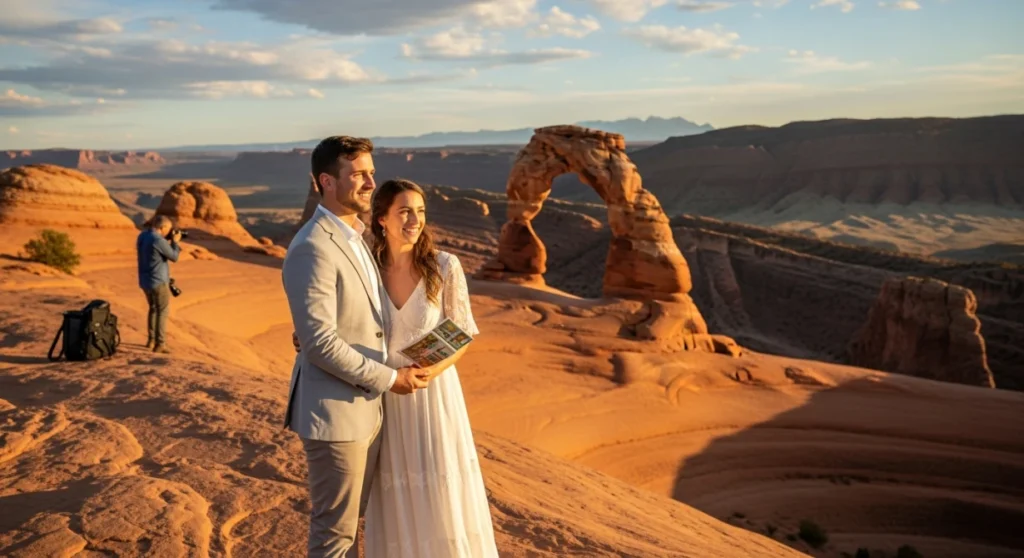
Treat your Arches wedding like a small production with clear roles. Decide who handles permits, timing, and logistics so your ceremony, portraits, and travel plans align smoothly.
Couples often fall in love with photos of Delicate Arch at sunset, then discover they have no idea how to legally get married there, where a photographer can shoot, or when permits are needed. Park rules change, daylight is brutal for portraits, and one wrong form or time choice can derail the plan you flew in for. The couples who walk away relaxed and glowing are the ones who treat the wedding day like a small production with clear roles, not a casual meetup with a camera.
That means deciding if you handle logistics yourself, lean on a local guide, or bring in a team that understands both ceremony rules and the realities of desert light. Once those responsibilities are clear, permits, timelines, and photos start to line up instead of fighting each other.
When a combined photo and permit service is the right fit
This kind of support is not necessary for every couple. Some weddings are simple enough that you can apply for your own permit, show up with a photographer, and be fine. Others benefit a lot from having someone coordinate the whole flow.
Good fit: couples who want the park but not the paperwork
Consider using combined wedding photography and permit help if you recognize yourself in at least two of these points.
- Short on time: You are flying in for a few days and do not want to spend them chasing forms, locations, and backup plans.
- First visit to Utah: You have never been to the desert and do not know how hiking times, heat, and crowds affect a ceremony.
- Clear photo vision: You already imagine specific backdrops and want someone to match them with legal, realistic spots and times.
- Guests in tow: You are bringing family or friends who are not hikers and need gentle access and pacing.
- Multiple locations: You want portraits at more than one viewpoint or arch and do not want to guess how long each move will take.
If those points resonate, full-service help keeps you focused on the vows instead of logistics.
Better on your own: very simple, ultra-small celebrations
If all of the following are true, a DIY approach can work if you are willing to research:
- Tiny group: Only the two of you plus one photographer and maybe one friend.
- Flexible expectations: You are fine changing locations or times the day before if rules or weather shift.
- Permit comfort: You are used to reading and following government forms and instructions.
- No strict schedule: You are not trying to fit the ceremony between flights or long drives the same day.
In that case, photo-only coverage with your own permit work can be enough, as long as you double-check current park rules yourself.
How the process works: stages and responsibilities
A well-run Arches wedding day follows a clear sequence. Each step has a primary owner so tasks do not fall through the cracks.
Stage 1. Vision and feasibility call
The first step is turning “we want a desert wedding” into something specific enough to plan around.
- Your role: Share your must-haves: group size, general date window, hiking comfort, and the kind of photos you love (arches, wide vistas, canyon rims).
- Photographer/planner role: Translate your ideas into 2–3 realistic location and timing concepts that line up with typical park access, light, and walking levels.
The goal here is not to lock details, but to decide whether your dream fits the park’s practical limits and how much permit support you want.
Stage 2. Location selection and rough timeline
Once the vision is clear, you narrow down to specific spots and a draft schedule.
- Your role: Choose between options based on hike length, crowd level, and how “wild” or accessible you want the setting to feel.
- Photographer/planner role: Suggest ceremony and portrait windows with the best light, and estimate how long each segment will take including walking and pauses.
At this stage you also decide whether to rely on a local tour to reach some of the surrounding parks during your trip or keep your own rental car. For context, Utah National Parks Tours from Salt Lake City bundle transport, light walks, and photo-friendly stops across the major parks, which can simplify days before or after your ceremony.
Stage 3. Permit strategy and applications
This is where the paperwork comes in. National parks typically require a special use permit for weddings and may also require a separate or related authorization for certain types of commercial photography.
Always confirm current permit types, fees, and processing times directly on the official national park website, as these details can change without notice.
The work divides naturally here.
- Your role: Decide who will be listed as the primary permit holder, sign any required forms, and pay fees directly to the park when needed.
- Photographer/planner role: Clarify which locations are allowed for ceremonies, suggest backup areas, and outline the steps and deadlines so nothing is missed.
Even if you fill out the form yourself, having someone sanity-check that locations, times, and group sizes match reality avoids last-minute surprises.
Stage 4. Detailed day-of schedule and guest communication
After permits are submitted, you refine the on-the-ground plan. This includes exactly when to meet, how far each walk is, and what guests should bring.
- Your role: Share arrival and preparation timing (hair, makeup, getting dressed) and confirm final headcount.
- Photographer/planner role: Build a shot-focused schedule that protects the best light for your top priorities and leaves buffer time for walking, bathroom stops, and water breaks.
This is also the best time to coordinate with any broader Utah travel you are doing. You might combine a self driving tour of utah national parks with one guided day from Salt Lake City so you see more viewpoints without worrying about navigation right after your wedding.
Stage 5. Wedding day execution
On the day itself, roles shift toward coordination and flexibility.
- Your role: Arrive on time, stay hydrated, and be open to quick adjustments if crowds or weather change.
- Photographer/planner role: Track the schedule, guide you and guests along the route, react to changing conditions, and keep an eye on both the light and park guidelines.
When everyone understands the plan ahead of time, the day feels relaxed rather than rushed, even if you are covering more than one location.
You found a hidden promo code!
Use code WOWBLOG at checkout and get 10% OFF any tour!
Limited time offer. Book now and save!
Browse ToursTimeline and expected deliverables
Couples often ask how far ahead they should start and what they actually receive at each stage. Here is a typical timeline and set of outputs you can expect when working with a structured service.
Planning and permit timeline
Exact permit processing times vary, but using a rough structure keeps you on track.
| When | Main focus | Primary responsibility |
|---|---|---|
| 3–6 months out | Vision call, location ideas, rough group size | You and photographer/planner |
| 2–4 months out | Choose locations, draft schedule, start permit prep | Photographer/planner for guidance, you for decisions |
| 1–3 months out | Submit permits, confirm travel and lodging | You for forms and payment, planner for checks |
| 2–4 weeks out | Finalize timeline, guest communication, shot list priorities | Shared, with planner driving structure |
| Week of wedding | Weather check, final tweaks, backup options | Planner for logistics, you for approvals |
Typical deliverables from a combined service
Specifics differ between providers, but a thorough approach usually includes several concrete items rather than vague promises.
- Location shortlist: A written overview of 2–4 approved or recommended ceremony and portrait spots with notes on access, walk time, and feel.
- Draft and final timelines: Two versions of your day plan, one early draft and one refined schedule with exact meet times.
- Permit guidance summary: A simple breakdown of which permits you need based on your plan, with relevant notes you can use when filling forms.
- Photo delivery: A gallery of edited images delivered in a clear timeframe, often grouped by part of the day so you can relive the flow.
Ask early for a sample timeline and gallery from a similar-size wedding so you understand the level of detail and coverage you are actually buying.
Quality control and acceptance criteria
To judge whether a team is handling your Arches wedding well, look for specific standards instead of general claims like “we take care of everything.”
Planning and communication quality
Strong planning shows up in how your questions are answered, how thoroughly your constraints are considered, and whether you feel prepared rather than overwhelmed.
- Clear ownership: It should always be obvious who is responsible for each action item, from submitting forms to sending guest directions.
- Realistic timing: Your schedule should include walking time, restroom breaks, and contingencies, not just back-to-back events.
- Documented plans: Agreements, timelines, and location decisions should come to you in writing, not only on calls.
If you sense pressure to cut corners on rules or safety “to get the shot,” that is a red flag rather than a sign of creativity.
Photo and experience quality
For photography, quality shows up both in the images and in how your day feels.
- Consistent editing: The gallery from your team should have a cohesive look in color and contrast, matching the style they show you ahead of time.
- Story coverage: You should see a logical sequence of the day, not just a few hero portraits and nothing of in-between moments.
- Guest comfort: The experience on the trail matters. People should feel guided yet unhurried, especially older guests or kids.
Ask how many hours of coverage are realistic, and how your photographer balances posed portraits with candid storytelling in a national park setting.
Comparing self-managed vs assisted approaches
If you are unsure whether to bring in full permit and planning help, contrasting the approaches side by side can clarify the decision.
| Aspect | Self-managed | With permit and photo support |
|---|---|---|
| Paperwork | You research, fill, and track all forms alone | You get step-by-step guidance and checks for consistency |
| Timeline | You guess walking and crowd times from online info | Timeline is based on local experience and prior weddings |
| Stress level | Higher, especially close to the date | Lower, because tasks and roles are clearly divided |
| Flexibility day-of | Changes can feel risky without backup plans | Alternate locations and timing tweaks are pre-discussed |
Use this as a quick check: if you enjoy logistics and research, self-management can work. If you already feel overloaded, the support will likely pay off in peace of mind.
Client preparation checklist
Even the best service cannot replace a bit of thoughtful preparation on your side. This checklist keeps your responsibilities simple and clear.
Essential decisions to make early
- Guest count and mobility: Confirm how many people you are inviting and whether anyone has limits with stairs, uneven trail, or heat.
- Date flexibility: Decide if your date is fixed or if you can move within a window for permit or availability reasons.
- Comfort with walking: Be honest about your own activity level so locations are matched properly and you actually enjoy the experience.
These basics shape almost every later decision, from ceremony spot to backup plans.
Information to share with your photographer/planner
Your team plans better when they understand you as people, not just as a schedule.
- Image preferences: Share a small set of favorite photos and explain what you like about them, such as wide landscapes, close emotions, or dramatic light.
- Non-negotiables: Mention any must-have moments, like reading letters at a specific lookout or including parents in certain portraits.
- Other park days: Tell them if you are also joining guided excursions from Salt Lake City or exploring other parks on your own, so they can avoid overloading your schedule.
This context helps your team design a pace and structure that fits your whole trip rather than just the ceremony window.
Practical gear and day-of prep
Desert weddings are beautiful but unforgiving if you come unprepared. You do not need mountaineering gear, just a few smart choices.
- Footwear: Bring stable shoes for walking between spots and, if you want, change into dress shoes only for the ceremony itself.
- Layers and sun protection: Light layers, sunscreen, and water-friendly makeup keep you comfortable and looking fresh.
- Simple props: Keep items like rugs, small bouquets, or vow books compact so they are easy to carry on short walks.
Share what you plan to bring so your photographer can factor it into timing and suggest anything that might get in the way on narrow trails.

Practical scenarios: what it looks like in real life
Two brief examples can help you picture how combined photo and permit help plays out on the ground.
Scenario 1. Sunrise elopement with just the couple
A couple chooses a quiet viewpoint reachable by a short walk, with no guests. They work with a photographer who suggests sunrise for softer light and lighter crowds.
The photographer helps them pick two portrait spots nearby so they do not waste time driving. They handle their own paperwork but follow a clear checklist to avoid errors. On the day, they meet before dawn, hike with headlamps, exchange vows, take portraits in two locations, and finish mid-morning with time to rest before exploring more of Utah.
Scenario 2. Micro-wedding with family and travel-heavy schedule
Another couple brings ten relatives, some of whom prefer minimal walking. They plan the ceremony for late afternoon with a short approach and schedule portraits in a more dramatic area just for the couple.
Because their trip is packed, they use support for permit guidance and timeline design. The schedule includes detailed guest instructions, meet points, and backup spots in case of crowds. After the ceremony and group photos, the photographer takes the couple for a short additional session while a helper walks the family back, keeping everyone comfortable and on time for dinner.
Practical recommendations to keep your Arches wedding smooth
- Protect the best light: Decide early whether sunrise or sunset matters more to you, then build everything else around that choice instead of trying to squeeze both into one short window.
- Match locations to people: Choose ceremony areas based on the least mobile guest, and save slightly longer walks for just the two of you if you want more adventurous portraits.
- Keep the schedule realistic: Add at least 15–20 minutes of buffer between major parts of the day so a bathroom stop or clothing adjustment does not create stress.
- Align permits with reality: Before submitting forms, compare the group size, location list, and timing on the application with your actual plan so there are no contradictions.
- Use tours strategically: Consider guided outings from Salt Lake City for sightseeing days and keep your wedding day itself focused and simple.
These small choices often matter more than squeezing in one more viewpoint or shot idea.
How tours and self-drive trips can complement your wedding
Many couples turn their wedding into a larger Utah adventure, using a mix of guided days and independent driving. Done thoughtfully, this enhances the wedding instead of exhausting you.
Balancing guided and independent days
Guided excursions from Salt Lake City typically include round-trip transportation, commentary on geology and history, and short walks to major viewpoints across several parks. This can be ideal before or after your wedding day when you want to see more without handling logistics.
In contrast, driving yourself between parks offers flexibility but also adds navigation, parking, and timing to your mental load. Combining both approaches lets you enjoy expert-led context in some parks while reserving your own car time for slower days and local exploring.
When guided days are especially helpful
- Tight itineraries: If you only have a few days in Utah, having transport, park access, and key viewpoints arranged for you saves precious time.
- Mixed interests: Guided routes often include both headline stops and lesser-known overlooks, which keeps non-photographer guests engaged.
- Post-wedding relaxation: Joining a small-group outing after your ceremony allows you to enjoy scenery while someone else handles driving and storytelling.
For couples who care both about photography and context, the best tours of utah national parks can become part of the overall story you document, even if your actual vows happen on a quieter, separately planned day.
A smooth Arches wedding is not about memorizing every rule. It is about assigning clear roles so permits, timelines, and photos all support the same simple goal: letting you focus on the moment. When you choose locations that match your group, leave sensible buffer time, and get the right level of help with paperwork, the desert becomes a backdrop rather than a source of stress.
Use the stages and checklists above to decide which tasks you want to own and which you want to delegate, then confirm that any photographer or planner you work with can meet the quality criteria that matter to you. Thoughtful planning now pays off in images and memories that still feel calm and genuine years later.
If you want expert help combining desert photography with clear, practical logistics for your Utah trip, MateiTravel can guide you through the options.
How early should we start planning an Arches wedding with permits?
Begin 3–6 months in advance so you have time to choose locations, align your schedule with park rules, and submit any required forms without rushing.
Can we handle the national park permits ourselves?
Yes, many couples do, but it works best if your group is small, you are flexible on locations and timing, and you are comfortable reading and following official instructions.
What information does our photographer or planner need from us first?
They need your date window, estimated guest count, walking comfort level, and examples of photos you love so they can propose realistic locations and timelines.
How do guided Utah tours fit around a wedding day?
Use guided days from Salt Lake City before or after the wedding for sightseeing and stories, and keep the ceremony day itself simpler and more focused.
How can we tell if our timeline for the day is realistic?
Check that it includes time for walking, restroom breaks, and unexpected delays, and that your key photo moments land in the best light rather than at midday.
What should guests know before attending a desert ceremony?
Tell them about walking distances, terrain, and expected temperatures, and ask them to bring water, sun protection, and comfortable shoes.
Do we need different spots for the ceremony and portraits?
Not always, but many couples choose an easy-access ceremony area for guests and a second, slightly more adventurous location just for their own portraits.
What makes a good backup plan for our wedding location?
A solid backup is an alternate nearby spot that is easier to access or less crowded and still works with your existing permits and time window.

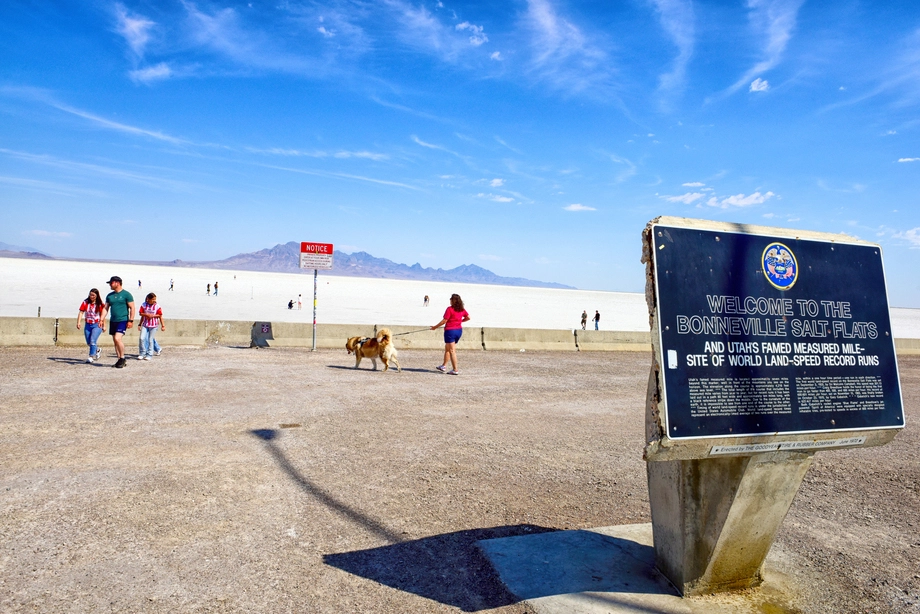 Bonneville Salt Flats – Journey to the Edge of the World
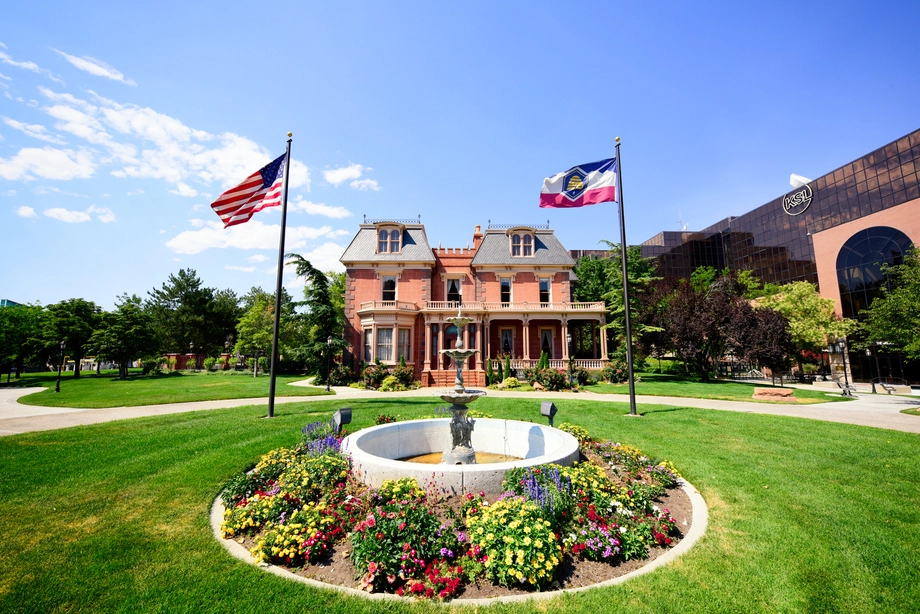 Salt Lake City – The City of Zion. Historical Interactive Walking Tour
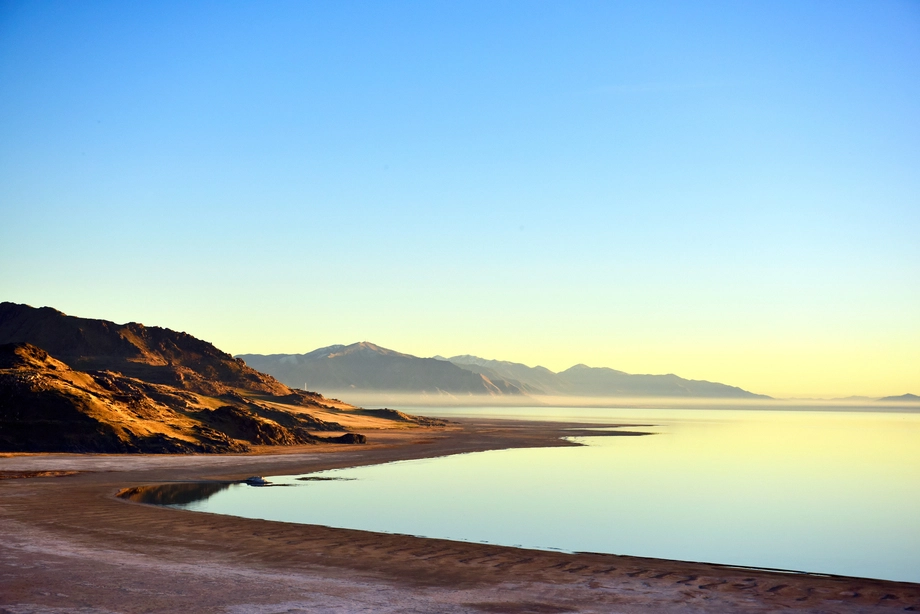 Antelope Island Sunset Wildlife Expedition – Great Salt Lake Odyssey
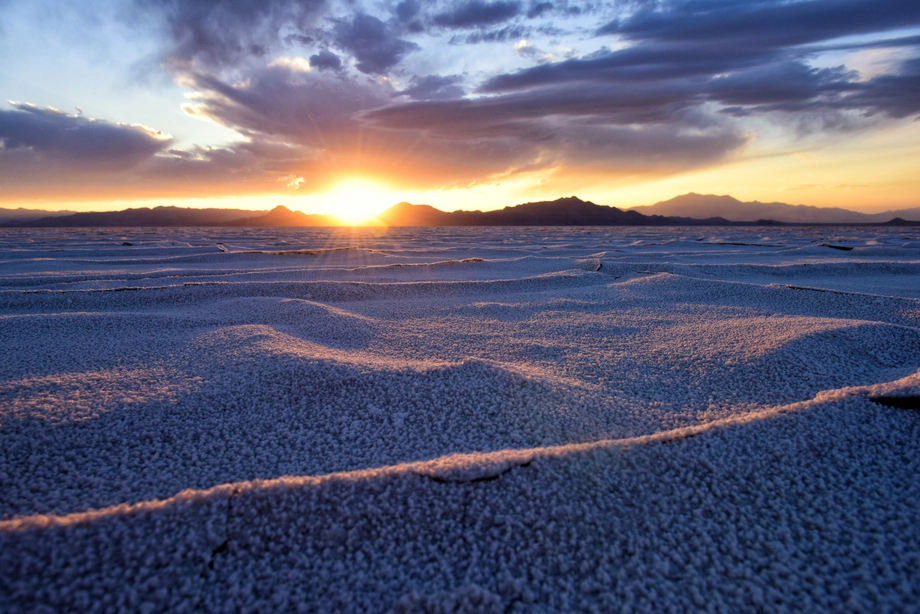 Bonneville Salt Flats – Sunset Adventure of the White Desert
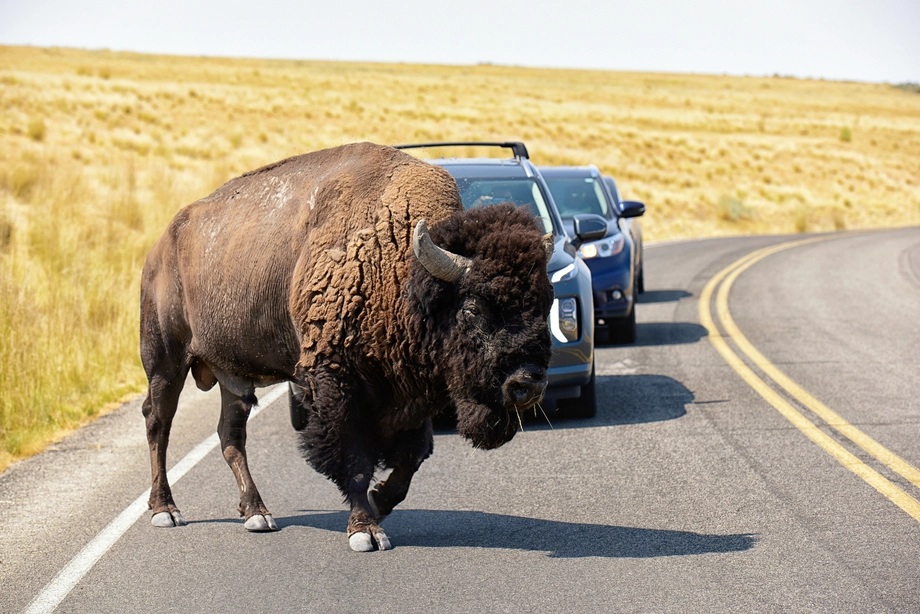 Antelope Island – Wild Heart of the Great Salt Lake Adventure