
How a Multi-Day Zion Elopement Package With Photographer Actually Works
Apr 25, 2026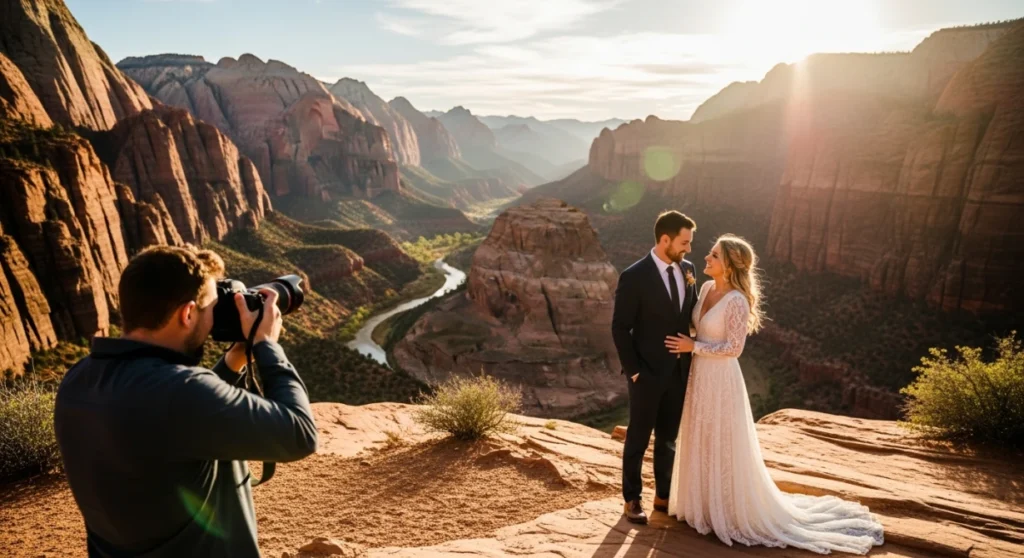
A multi-day Zion elopement package spreads permits, planning, ceremony time, and portraits across clear stages, giving you less stress, better light, and a fuller final gallery.
Couples often book a single sunrise session and then realize too late that the hardest part was never the photos. It was securing the ceremony permit, matching trail effort to energy, and building enough time for weather shifts, travel, and actual enjoyment.
That is why a multi-day elopement package with photographer in Zion National Park works better for many pairs than trying to compress everything into one rushed morning. When the service is built well, each day has a clear purpose, the legal steps are handled on time, and the images reflect a full experience instead of a frantic checklist.
When this kind of service is the right fit
A multi-day format makes sense when you want more than one look, more than one light condition, or more than one meaningful moment documented. Instead of squeezing a ceremony, portraits, and travel into a few hours, you spread the experience across separate windows that are easier to manage.
It is also the better choice when logistics feel heavier than expected. Zion requires a Special Use Permit for wedding ceremonies, elopements, and vow exchanges regardless of group size, and commercial photographers need their own authorization to work in the park.
- Best fit: You want a ceremony plus additional portrait time on another day or at another time of day.
- Best fit: You care about location scouting, timeline planning, and permit help, not just coverage with a camera.
- Best fit: You prefer lower stress and fewer rushed transitions between lodging, trailheads, and ceremony time.
- Maybe not ideal: You only want a very short portrait session with no ceremony or permit support.
- Maybe not ideal: What you really need is a private day tour from salt lake city to zion for sunrise photography and not an elopement-focused plan with ceremony logistics.
There is another practical distinction. A photography-centered elopement service is built around your vows and documentation, while broad sightseeing products are designed around viewpoints, transfer convenience, and general exploration.
How the process usually works, stage by stage
The strongest packages run like a shared project. The couple makes personal decisions, the photographer leads the visual and timing strategy, and the park-facing paperwork happens early enough to avoid preventable problems.
- Discovery and fit check: The couple shares priorities such as ceremony style, privacy level, mobility, and whether they want one location or several. The photographer confirms whether a multi-day structure is justified or whether a shorter format would do the job.
- Planning and permit setup: The photographer or planner typically helps identify ceremony options, map a workable schedule, and flag permit requirements. The couple provides the personal details and approvals needed for the application process, ideally more than three weeks before the event.
- Location scouting and timeline build: The photographer evaluates light, movement between stops, walking effort, and how much margin is needed for traffic or shuttle timing. The couple approves the final plan and decides where to place the ceremony, portraits, and quiet downtime.
- Pre-trip preparation: The couple secures clothing, rings, vow materials, and travel plans. The photographer confirms meeting points, backup timing, and what is realistic if conditions change.
- Coverage days: Each session block has one job. One day may hold the vow exchange, another may be reserved for sunrise or sunset portraits, detail shots, or a slower experience in a second part of the park.
- Post-production and delivery: The photographer culls, edits, and delivers the agreed image set. The couple reviews the final gallery against what was promised in the package.
Who owns what
| Stage | Photographer responsibility | Couple responsibility | Main output |
|---|---|---|---|
| Fit assessment | Evaluate scope, light windows, and feasibility | Share goals, guest count, and priorities | Recommended structure |
| Permit planning | Guide requirements and timing | Provide information and approvals for filing | Permit path and deadlines |
| Timeline design | Build route, session order, and buffer time | Approve pace and selections | Working itinerary |
| Coverage | Direct, document, and adapt in real time | Arrive prepared and on time | Captured photo story |
| Delivery | Edit and send final images | Review against package terms | Finished gallery |
A Special Use Permit is required for all wedding ceremonies, elopements, and vow exchanges in Zion National Park, regardless of group size, and applications should be submitted at least three weeks in advance.
You found a hidden promo code!
Use code WOWBLOG at checkout and get 10% OFF any tour!
Limited time offer. Book now and save!
Browse ToursTimeline and expected deliverables
Good packages are easier to evaluate when the deliverables are visible before booking. You should know what happens before the trip, what is covered on each day, and what you receive after the trip.
| Phase | Typical timing | What should be delivered | What to verify |
|---|---|---|---|
| Initial planning | As soon as dates are discussed | Scope recommendation and first logistics notes | Does the plan match your priorities and mobility? |
| Permit window | At least 3 weeks before the ceremony | Permit guidance and filing timeline | Has the ceremony permit been addressed? |
| Pre-event prep | Days or weeks before travel | Final timeline, meeting details, packing notes | Are start times, locations, and buffers clear? |
| Coverage days | During the trip | Documented ceremony and portrait sessions | Did each block have a defined goal? |
| Final delivery | After editing | Edited gallery as promised in the package | Are key moments, places, and people included? |
Extended coverage is the real benefit here. Multi-day service can document different locations and times of day, which is what gives the final gallery variety instead of a single repeated backdrop.
What quality control should look like before you say yes
Most disappointments come from vague promises, not from the park itself. If the package is described clearly, you can judge it before any money changes hands.
- Permit readiness: The ceremony permit requirement is acknowledged early, not left as a last-minute surprise.
- Commercial compliance: The photographer is prepared to work within park rules for commercial activity, including parking and vehicle-related limits.
- Stage clarity: You can point to who handles scouting, who submits what, and when each decision is due.
- Deliverable clarity: The package states what planning help is included, how many coverage periods are involved, and what final photo delivery looks like.
- Backup logic: There is a realistic response for weather, timing drift, or a location becoming impractical.
An easy acceptance test is this: if you cannot explain the schedule to a friend in under two minutes, the plan is still too loose. You should be able to name the ceremony window, portrait windows, travel buffers, and the final image delivery expectation without guessing.
Practical recommendations that save stress in Zion
- Submit paperwork early: Three weeks is the minimum lead time mentioned for the ceremony permit. Build more margin than that whenever possible so you are not making emotional decisions under deadline pressure.
- Separate vows from your longest portrait block: If the ceremony matters most, give it its own calm window instead of placing it at the tail end of a physically demanding outing.
- Ask for a route that respects energy, not just scenery: The prettiest stop is not automatically the best ceremony choice if reaching it leaves you winded, sweaty, or rushed.
- Protect one buffer period every day: In Zion, the difference between a smooth day and a chaotic one is often just one unscheduled block for rest, parking delays, or a shifted light plan.
- Pack for repetition: Multi-day sessions mean you may wear, carry, and reset the same essentials more than once. Put rings, vow books, and small personal items in one dedicated pouch so nothing is left behind.
Common mistakes couples make
The most frequent mistake is treating an elopement like a scenic portrait session with vows added on top. That mindset leads to thin timelines and missed legal steps.
- Waiting too long on permits: The park requirement applies even to very small vow exchanges.
- Planning too many locations per day: More stops can mean less calm and fewer strong images.
- Ignoring photographer authorization: Commercial work inside the park comes with its own rules.
- Confusing travel style with ceremony support: A broad sightseeing product is not the same as a wedding-focused workflow.
This is where comparisons matter. A self driving tour of utah national parks can be great for independent sightseeing, but it does not remove ceremony permits, scouting work, or coverage planning.

How this differs from a general Utah park trip
Some couples want to turn the elopement into a wider vacation, and that can work well if the roles stay clear. Your elopement plan handles the ceremony experience, while separate guided travel can be useful before or after for broader sightseeing.
If guests are joining you for other days, a guided option can reduce driving and trailhead stress. Utah National Parks tours are structured around transport from Salt Lake City, key viewpoints, optional short walks, and commentary about geology and local history, which suits visitors who want context without managing every road detail.
| Travel format | Primary purpose | Who handles logistics | Known details from available options |
|---|---|---|---|
| Multi-day Zion elopement service | Ceremony, portraits, permits, and story-driven coverage | Shared between couple and photographer | Often includes scouting, timeline planning, permit help, and extended coverage |
| Guided Utah park tour | General sightseeing across major parks | Guide handles transport and route context | Some tours start in Salt Lake City, include round-trip transport, short walks, and clearly listed duration or walking level |
| Independent road trip | Flexible vacation pacing | Traveler handles driving, parking, and timing | No built-in permit assistance or coverage workflow |
For people comparing ideas online, this is the practical split between elopement support and the best tours of utah national parks. One is about a personal event with legal and visual planning, the other is about efficient exploration.
Two realistic scenarios
Scenario one: ceremony first, portraits second
A couple wants private vows with minimal pressure. On day one, they use a short ceremony block with permit requirements handled in advance and enough margin for setup, then leave without forcing a second session when emotions are still high.
On day two, they return for a dedicated photo window at a different time of day. The result is a calmer ceremony, cleaner pacing, and a gallery that feels complete rather than squeezed into one long rush.
Scenario two: small guest presence, then a quieter couple-only session
A pair invites a few close people for the vow exchange, then reserves another block just for themselves later in the trip. That split avoids the common problem where guest management eats the entire schedule.
It also gives the photographer two very different sets of images. One reflects the shared moment, and the other captures the landscape experience without spectators in every frame.
Client preparation checklist
Use this as your final pre-trip check. If one of these items is still fuzzy, tighten it before travel.
- Ceremony permit: Confirm the application timeline and status.
- Photographer authorization: Make sure commercial work inside the park has been addressed properly.
- Final schedule: Save a written version with meeting points, session order, and built-in buffers.
- Personal items: Pack rings, attire, vow materials, water, and any sentimental details in one easy-to-carry system.
- Energy plan: Match the walking effort to the emotional weight of the day.
- Backup plan: Know what changes if timing slips or a location becomes unrealistic.
A well-run package should feel lighter as the date gets closer, not heavier. If planning still feels murky in the final stretch, that is a sign the workflow needs tightening.
Multi-day Zion elopements work best when the service is structured around responsibilities, permits, realistic timing, and clear deliverables. The extra day is not about adding fluff. It creates room for better light, calmer vows, and a more complete photo story. Judge any package by its planning logic, not just by pretty images. If you want that kind of structure in Utah, MateiTravel can help you plan the trip around it.
Do we need a permit even if it is just the two of us?
Yes. A Special Use Permit is required for wedding ceremonies, elopements, and vow exchanges in Zion regardless of group size.
How far ahead should permit planning start?
The application should be submitted at least three weeks in advance. Earlier is better because it leaves room for adjustments.
Why book more than one day of photo coverage?
Multiple days let you separate the ceremony from portraits and use different light conditions or locations. That usually leads to a less rushed experience and more variety in the gallery.
What should be included in the planning side of the package?
Look for location scouting, timeline planning, and permit assistance. Those are the pieces that keep the trip organized before the camera comes out.
How do we know if the timeline is realistic?
You should be able to identify the ceremony window, portrait windows, and buffer time without guessing. If those are vague, the plan needs work.
Is a guided sightseeing tour the same thing as an elopement package?
No. A sightseeing product focuses on transport, viewpoints, and general exploration, while an elopement package is built around vows, permits, and photography coverage.

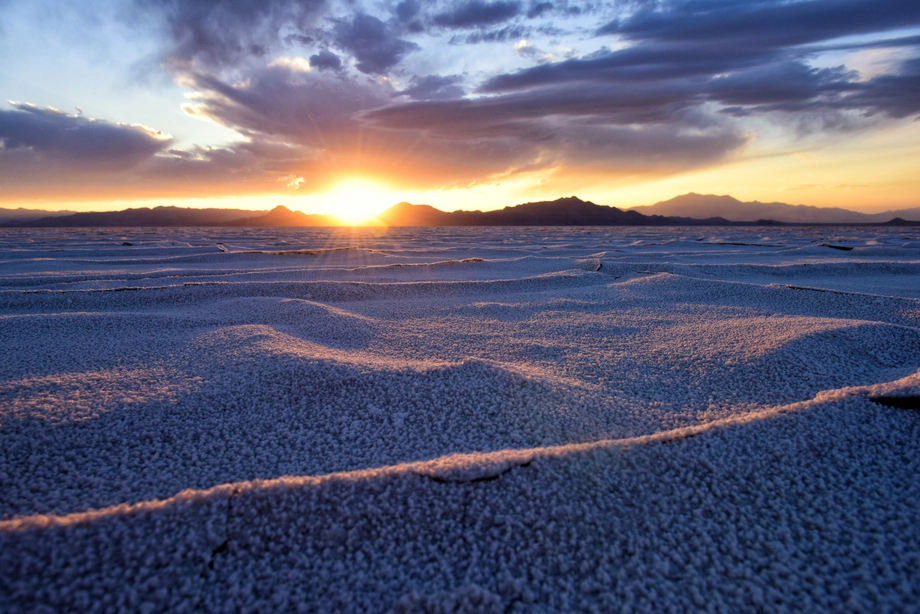 Bonneville Salt Flats – Sunset Adventure of the White Desert
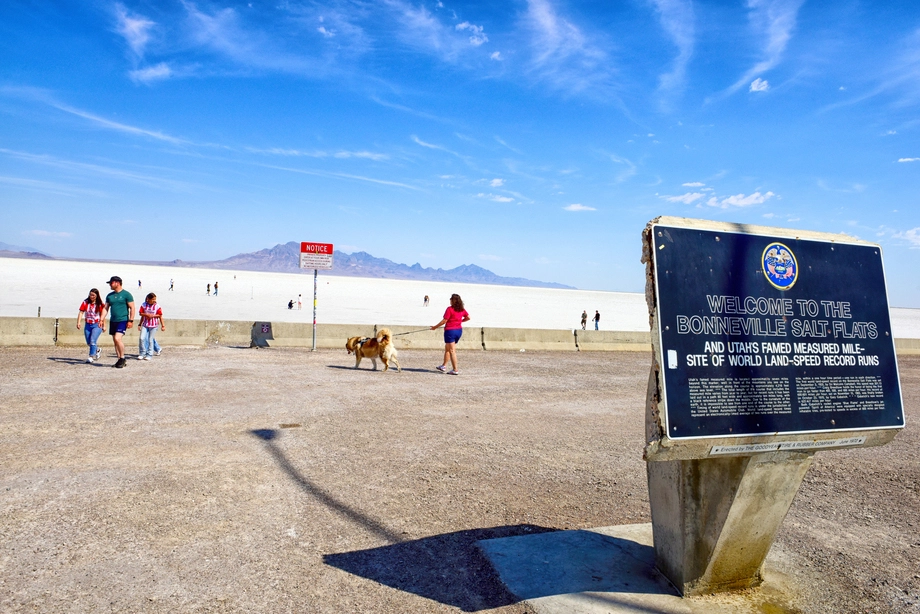 Bonneville Salt Flats – Journey to the Edge of the World
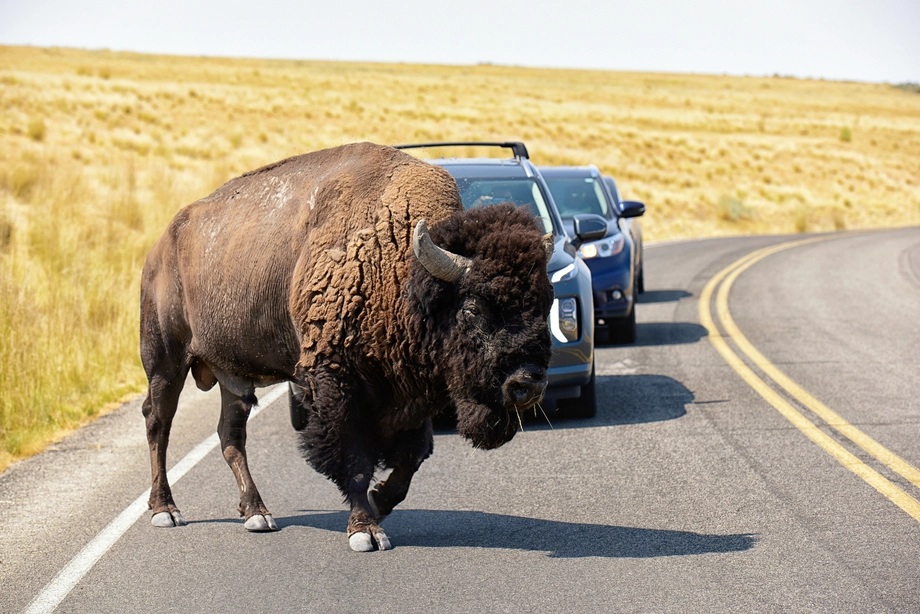 Antelope Island – Wild Heart of the Great Salt Lake Adventure
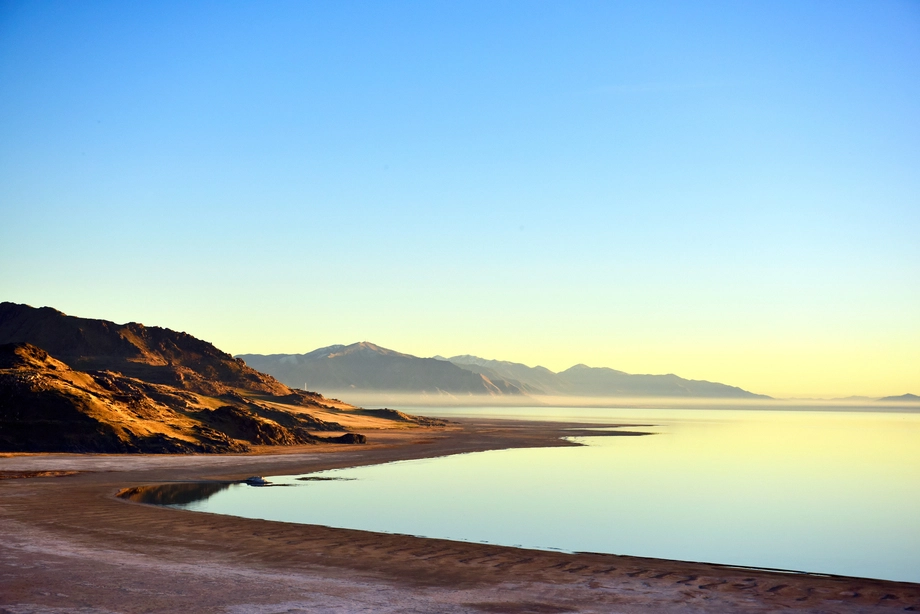 Antelope Island Sunset Wildlife Expedition – Great Salt Lake Odyssey
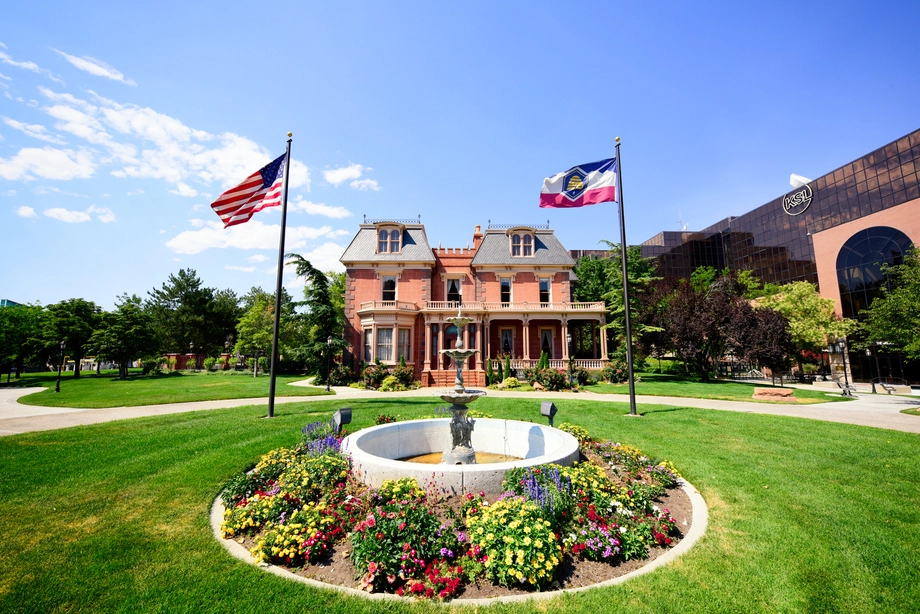 Salt Lake City – The City of Zion. Historical Interactive Walking Tour