
How a 3-Day Small-Group Zion, Bryce, and Arches Photo Workshop Actually Flows
May 30, 2026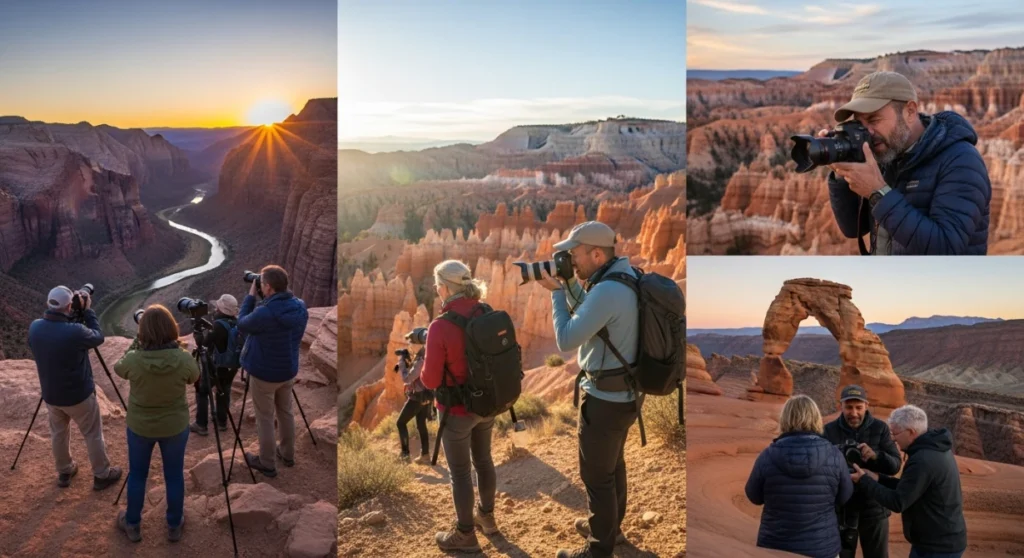
A realistic 3-day Zion, Bryce, and Arches photo workshop is intense but workable if the group is tiny, the days are built around sunrise and sunset, and you accept long drives and selective sightseeing.
The mistake we see most often is assuming three Utah parks in three days will either be a frantic checklist trip or an impossible photography workshop. In reality, it can work for the right travelers, but only if the route is built around sunrise, sunset, realistic drive times, and a very small group that moves quickly.
A 3-day small private group photography workshop through Zion, Bryce, and Arches is a custom multi-day national parks itinerary for travelers who care more about light, learning, and smart logistics than about claiming they “did everything.” For people deciding whether this format fits their pace, fitness, and photo goals, the useful question is not whether it is ambitious. It is whether the ambition is organized well enough to leave real shooting time on the ground.
That is how we approach it at MateiTravel. We already run structured small-group experiences with local guides and clear route expectations, and we apply the same planning logic to longer Utah trips starting from Salt Lake City: define the non-negotiables, cut the filler, and protect the best hours of light.
What do people really mean by a 3-day Zion, Bryce, and Arches photo workshop, and is it realistic?
They usually mean a fast, photographer-first road trip with guided shooting sessions at key times of day, not a slow vacation that covers every viewpoint in all three parks. Yes, it is realistic, but only if you accept early alarms, long transfers, and selective sightseeing.
The phrase sounds simple, but it hides a lot of tradeoffs. Covering Zion, Bryce Canyon, and Arches from Salt Lake City in three days means some hours will be spent in transit, some in active shooting, some in short recovery breaks, and a smaller slice in image review or editing. If you want broad coverage of every famous stop, this format will feel compressed. If you want a concentrated field workshop anchored to the best available light, it can be very satisfying.
The structure matters more than the label. A useful version of this trip is not a bus-style loop with cameras along for the ride. It is a tight itinerary that deliberately protects sunrise and sunset sessions, trims midday wandering, and keeps the group small enough that instruction does not disappear into crowd management.
Who is this format right for, and who should skip it?
This format is right for serious enthusiasts who can handle an intense schedule and who value guidance more than box-checking. It is not ideal for travelers who want late mornings, extensive hiking every day, or a leisurely pace with long hotel downtime.
The best fit is usually a couple, family, or group of friends who want private or very small-group instruction and are comfortable with the rhythm of dawn starts, daytime driving, and evening shooting. You do not need to be a professional photographer. A compact group lets the guide adjust between fundamentals such as exposure and composition for one participant and more advanced feedback for another.
It is a weaker fit for travelers who want to linger in each park for full days, visit every signature landmark, or avoid long road segments. The route works because it makes choices. Bryce gets a concentrated window for hoodoos and amphitheater light. Zion is often used for a sunset and sunrise pairing. Arches typically closes the loop with a final sunrise or early morning session before the return.
- Good fit: You care about light, timing, and instruction more than seeing every overlook.
- Good fit: You are comfortable with moderate walking from viewpoints or short trails, with options to scale up or down.
- Good fit: You want someone else handling route logic, parking strategy, and on-the-ground decisions.
- Not a good fit: You want a relaxed vacation rhythm with long meals, shopping, and late starts.
- Not a good fit: You expect to cover Zion, Bryce, and Arches in equal depth.
- Not a good fit: You dislike uncertainty around weather, seasonal conditions, or backup location changes.
Why does group size matter more than trying to see everything?
For a photography-focused trip, six guests or fewer is the tipping point where instruction stays personal and the day keeps moving. Once the group gets larger, flexibility drops, waiting increases, and the experience starts acting more like sightseeing than a workshop.
This matters on a three-day route because time gets lost in small ways. Larger groups take longer to unload, longer to regroup, longer to answer individual questions, and longer to reposition at viewpoints. That may not sound dramatic on paper, but those minutes add up quickly when you are chasing changing color in Bryce or trying to settle into a composition before sunrise in Arches.
Our small-group philosophy is simple. We would rather protect meaningful teaching moments than inflate the headcount. That same approach already shapes our local guided experiences: small groups, room for questions, local context, and clear route expectations instead of scripted monologues.
A tiny group also changes the quality of instruction. The guide can help one person simplify foreground choices while another works on timing, bracketing, or composition under different light. In a big bus-style outing, that kind of back-and-forth usually gets replaced by general announcements.
How do we connect Zion, Bryce, and Arches from Salt Lake City without pretending the drives are short?
The honest answer is that this route works as a triangle with one long opening push south, one cross-state transfer day, and one final park session before the return north. The drive-time reality is the price you pay for getting three distinct landscapes into one compact workshop.
Starting from Salt Lake City gives a clean logistics base, but it also means you cannot pretend every day is mostly spent behind the camera. The route has to be planned backward from distance, daylight, and park access. We organize our broader Utah National Parks Tours with that same logic: start from Salt Lake City, connect iconic parks efficiently, state the daily pace clearly, and build in time for photos instead of leaving guests to puzzle out transport and sequencing on their own.
For this custom version, the typical pattern is Day 1 to Zion, Day 2 from Zion to Bryce, and Day 3 from Bryce toward Arches with a final morning session built around the best feasible light and the return schedule. In some seasons, especially shoulder months or winter, the exact timing may shift to take advantage of lower crowds and distinctive light. Seasonal rules, road conditions, and any permit-related questions are always checked against official National Park Service information, because those details can change.
| Day | Main route logic | What gets protected | Main tradeoff |
|---|---|---|---|
| Day 1 | Salt Lake City to Zion | Afternoon scouting and golden hour | A long morning transfer |
| Day 2 | Zion sunrise, then transfer to Bryce | Two strong light windows, plus reset time | Limited mid-day sightseeing |
| Day 3 | Bryce or Arches dawn strategy, then return flow | One final concentrated shoot and image review | A compressed ending with substantial road time |
You found a hidden promo code!
Use code WOWBLOG at checkout and get 10% OFF any tour!
Limited time offer. Book now and save!
Browse ToursWhat does Day 1 usually look like from Salt Lake City to Zion?
Day 1 is mostly about getting south efficiently, arriving with enough energy to scout, and then using late light well instead of trying to “do Zion” in a few rushed hours. Expect a long travel block, a practical lunch stop, a short reset, and then a focused evening session.
A typical start is early from Salt Lake City so the group can make the transfer without destroying the evening. This is not the day for lots of roadside detours. The point is to arrive with time to settle, review the light forecast, talk through the first shooting plan, and choose an accessible Zion location that matches the season, the group’s walking comfort, and the sky conditions.
Once in the Zion area, the afternoon usually splits into three parts: short scouting, early dinner or quick break, and then the main golden-hour window. Depending on conditions, the guide may choose a viewpoint-oriented session, a river or canyon composition, or a compact walk that offers several framing options close together. The small group matters here because there is less standing around and more active coaching.
Day 1 is also when expectations get calibrated. The guide can see how quickly each person works, how much setup help they need, and whether the group wants more emphasis on camera handling, composition, or reading changing light. That first evening often sets the teaching balance for the rest of the trip.
- Early departure: Leave Salt Lake City with the goal of preserving the evening shoot, not squeezing in unrelated sightseeing.
- Transit block: Use the drive for basic planning, park logistics, and discussion of what the first light session will prioritize.
- Arrival reset: Short break for check-in, food, water, and a realistic weather check.
- Scouting: Visit one or two practical spots to judge access, crowding, and composition options.
- Golden hour and sunset: Work one main location properly instead of bouncing between too many overlooks.
- Brief review: End the night with a short discussion of what worked and what to adjust before dawn.
How does Day 2 balance a Zion sunrise with the move to Bryce?
Day 2 is the most balanced day of the trip because it gives you a sunrise in Zion, a transfer with clear purpose, and an evening session in Bryce after some recovery time. It is also the day that proves whether the workshop feels intentional or rushed.
The alarm comes early. You are up before first light, moving quickly, and usually returning after sunrise for breakfast and checkout. That first session is not about covering many spots. It is about being in one strong place with enough time to work it well, then getting on the road before the day disappears into indecision.
The midday move to Bryce is where honest planning helps. A self-drive trip often loses time to route uncertainty, slow meal stops, parking questions, or trying to improvise extra sights. We handle the sequencing so the group can rest, back up files, and talk through the next session instead of juggling logistics. That is the same operating principle behind our organized Utah day trips: remove the local-friction pieces so guests can focus on the activity itself.
After arrival near Bryce, a smart schedule usually includes some downtime. That may be a meal, a shower, a nap, or a short editing window. Research on workshop design points in the same direction: image review and post-processing are not filler. They help participants connect what they saw in the field to what they keep, edit, and try differently at the next shoot.
The evening at Bryce is the reason many photographers are willing to accept the pace of this itinerary. Hoodoos, amphitheater depth, and shifting side light create a lot to work with in a short period. Rather than attempting a huge list of overlooks, a good plan picks one main zone, gives people space to spread out slightly, and stays through sunset into blue hour when conditions are worth it.
Who is responsible for what on Day 2?
The guide owns route timing, location choice, seasonal adaptation, and keeping the day on schedule. Guests own being ready on time, communicating any fatigue or mobility limits early, and backing up their own images during breaks.
That division matters because a three-park route only works when everyone understands the handoff. We take responsibility for the structure. The group helps the structure hold by staying realistic about energy, pace, and what kind of instruction they want most.
What does Day 3 look like when Arches is part of the final push?
Day 3 is the most compressed part of the workshop, which is why it must be built around one strong final shooting window rather than a long sightseeing wish list. In practice, that means an early session connected to Arches, a selective stop strategy, and a disciplined return plan.
This is where the big tradeoff becomes clearest. If you include Arches in a three-day loop that also starts from Salt Lake City and includes Zion and Bryce, you are choosing breadth across three iconic landscapes over depth in any single one. For some photographers that is exactly the appeal: sandstone walls in Zion, hoodoos in Bryce, and fins or arches around Moab all in one intense trip. For others, it is the moment they realize they would be happier turning this into four or five days.
A realistic Day 3 usually starts before dawn, either because the group is already positioned for the final park session or because the itinerary has been timed to make that early shoot possible without wasting the best light in transit. The instruction often becomes more selective by this point. Instead of introducing many new ideas, the guide is reinforcing the two or three changes that will improve each participant’s results most.
After the main session, there may be time for a short walk, a second nearby composition, breakfast, and a compact image review. Then the trip turns decisively toward the return. That is not the glamorous part of the itinerary, but it is the honest one. A well-run final day knows when to stop adding stops.
What are the deliverables and acceptance criteria for a good 3-day workshop experience?
A good outcome is not “we saw everything.” A good outcome is that you got several well-timed field sessions, individualized feedback, a route that respected your fitness and schedule, and a clear sense of how to improve the images you made.
Because this is a custom service rather than a rigid package, the deliverables are experiential and planning-based. You should expect a clearly defined route concept before the trip, transparent discussion of pace and walking demands, guided field sessions at key light windows, and at least some dedicated time for review or post-processing when the schedule allows. The exact hotel pattern, stop list, and order can vary by season and group needs, but the structure should still feel deliberate.
From our side, acceptance criteria are straightforward. The itinerary should match what was promised in effort and rhythm. Drive-heavy segments should be acknowledged upfront, not hidden. The group size should remain small enough for real questions and adjustments. The selected locations should make sense for current light, access, and the abilities of the people on the trip.
- Planning quality: The route is built around daylight and distance, not a fantasy checklist.
- Instruction quality: Each participant gets direct feedback in the field.
- Pace honesty: You know before booking that alarms can be early and travel blocks are real.
- Fitness fit: Locations are matched to the group’s walking comfort within safety and time limits.
- Adaptability: Weather, crowding, or closures trigger backup choices rather than confusion.
What tradeoffs should you accept before booking this kind of trip?
The main tradeoff is simple: you are trading depth in each park for variety across three very different landscapes, while still trying to keep the photography experience serious. If that sounds exciting, the format can work very well. If that sounds like compromise piled on compromise, it is the wrong trip.
The first tradeoff is between coverage and quality of light. To preserve sunrise and sunset sessions, midday sightseeing often gets cut back. The second is between comfort and efficiency. Early starts and long drives are part of what makes the route possible. The third is between flexibility and certainty. Weather, seasonal access, and changing park conditions can alter specific spots, even when the core workshop goal stays intact.
Shoulder season and winter can improve the experience for some groups because crowds often ease and the light can be distinctive. But those periods also require more planning around road conditions, daylight length, and any current restrictions. The right expectation is not that every season works the same. The right expectation is that the route is adjusted to the season instead of copied blindly.
How is this different from self-driving the same parks with your camera?
The biggest difference is that a guided small-group workshop turns the route itself into part of the teaching, rather than leaving you to improvise timing, access, and location choices under pressure. You can self-drive this loop, but most travelers lose shooting quality to logistics fatigue.
On paper, self-driving looks cheaper and more flexible. In practice, it often means making every decision while tired: when to leave, where to park, which overlook is worth the effort in current light, whether to rest or keep pushing, and how to adapt when a plan falls apart. That mental load is exactly what a tightly structured workshop removes.
It also changes what happens between shoots. Instead of spending breaks on navigation and logistics, the group can use them for file backup, short image review, and targeted feedback. That is a practical difference, not just a luxury. A workshop earns its value when the non-shooting hours still move your photography forward.
What should you do before reaching out to customize one?
Come with your dates, group size, fitness comfort, and photography priorities already narrowed down. The more specific you are about pace and goals, the easier it is to shape a realistic three-day version instead of a wish list that collapses under its own weight.
The most useful prep is to decide what matters most: Zion canyon atmosphere at dawn, Bryce hoodoo light at sunset, arch and sandstone forms around Moab, or simply a balanced sampler of all three. Then be candid about walking tolerance. Some locations are close to parking and viewpoints. Others require more uneven terrain or longer time on your feet. Publishing clear duration, distance, and terrain expectations is part of how we already structure tours, because nobody benefits from vague promises.
Before you enquire, it helps to review our broader Utah National Parks tour options from Salt Lake City so you can see the kind of multi-park routing and day structure we already design. If you want a shorter or lower-intensity comparison point, our Utah day tours show the same planning principle on a smaller scale: organized transport, realistic time on the ground, and guided context without forcing guests to build the day themselves.
- Choose your group size: Private pair, family group, or a tiny group of friends works best.
- Set your dates: Include flexibility if shoulder season or winter interests you.
- State your photo goals: Landscape basics, composition coaching, light timing, or editing feedback.
- Describe fitness honestly: Mention whether you prefer viewpoint-based shooting or are open to short trails.
- Note schedule constraints: Arrival time in Salt Lake City, departure needs, and tolerance for dawn starts.
- Ask for the right variant: If three parks in three days feels too tight, say so and build from this sample instead of forcing it.
What is the simplest way to decide if this workshop style matches your expectations?
If you can read this sample flow and think, “That sounds intense, but purposeful,” you are probably the right kind of traveler for it. If your reaction is, “I need more sleep, more lingering, and more park depth,” then a longer or narrower itinerary will suit you better.
The key is not whether the schedule is ambitious. It is whether the ambition serves your goal. For photographers who want guided help, small-group flexibility, and three distinct Utah landscapes stitched together with honest logistics, this format can be a strong fit. For travelers who mainly want a scenic road trip with occasional photos, it is wiser to simplify.
A three-day Zion, Bryce, and Arches workshop works when the group is tiny, the route is built backward from light and distance, and everyone accepts the tradeoffs upfront. You are not buying a fantasy of seeing everything. You are choosing a focused, high-effort trip designed to create real shooting opportunities, practical feedback, and less logistics stress than a self-drive version. If that sounds like your pace, review our Utah National Parks tours and send us your dates, group size, and photography goals to shape a custom version.
How small should the group be for this kind of trip?
Six or fewer is the sweet spot if you want real field instruction and less waiting around at each stop. Bigger groups tend to lose flexibility fast.
Will there be time for editing, or is it all driving and shooting?
There is usually a short review or editing window built into breaks or evenings, especially on Day 2. It will not be a full classroom session, but it should be enough to reinforce what you shot.
Do I need to be an advanced photographer?
No. This format works for serious enthusiasts at mixed skill levels because a small group makes it easier to tailor coaching to each person.
Is this route too rushed for people with limited mobility?
Not automatically, because some strong shooting locations are close to viewpoints or parking areas. The important part is stating your walking limits early so the route can be shaped around them.
What happens if weather or road conditions change the plan?
The exact stop list can shift, but the core goal stays the same: protect the best available light and keep the trip useful for learning. Seasonal adaptation is part of good workshop planning.
Why include Bryce if the trip is already tight?
Bryce offers highly distinctive forms and light that are hard to duplicate elsewhere on this route. Even a concentrated sunset and blue-hour session there can justify the transfer for many photographers.
Should I choose this over a longer Utah itinerary?
Choose it if you want a sharp, intense sampler of three major parks with guided shooting windows. Choose a longer trip if you want more hiking, more downtime, or deeper coverage inside each park.

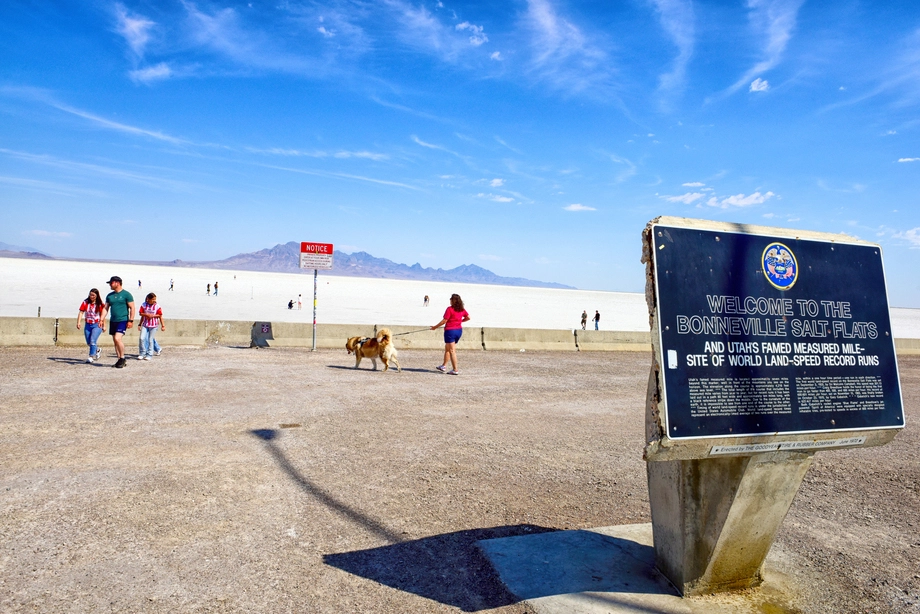 Bonneville Salt Flats – Journey to the Edge of the World
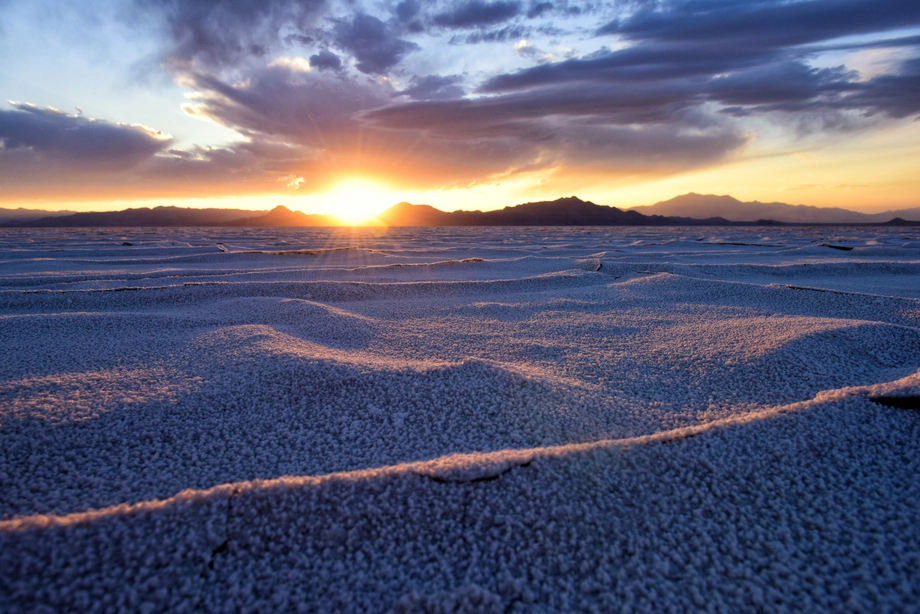 Bonneville Salt Flats – Sunset Adventure of the White Desert
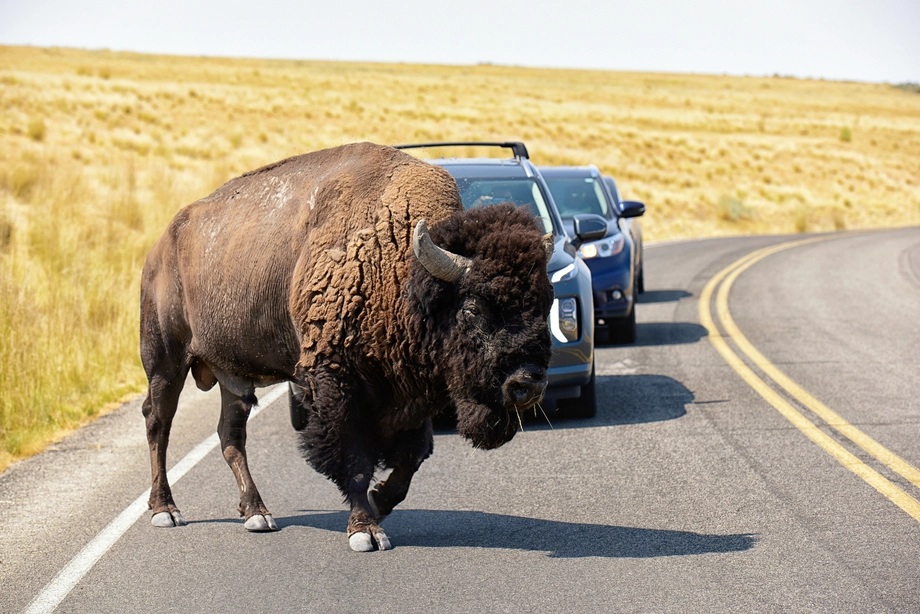 Antelope Island – Wild Heart of the Great Salt Lake Adventure
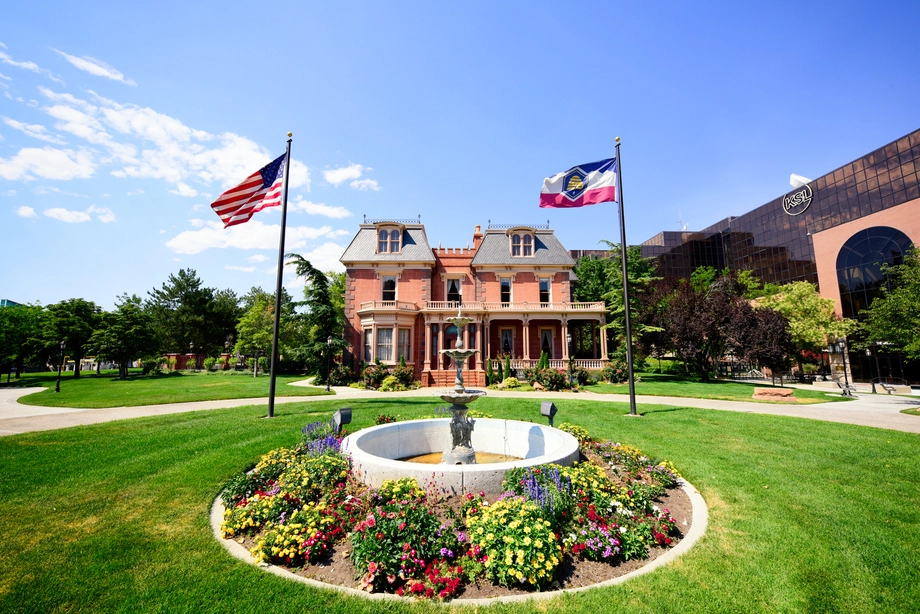 Salt Lake City – The City of Zion. Historical Interactive Walking Tour
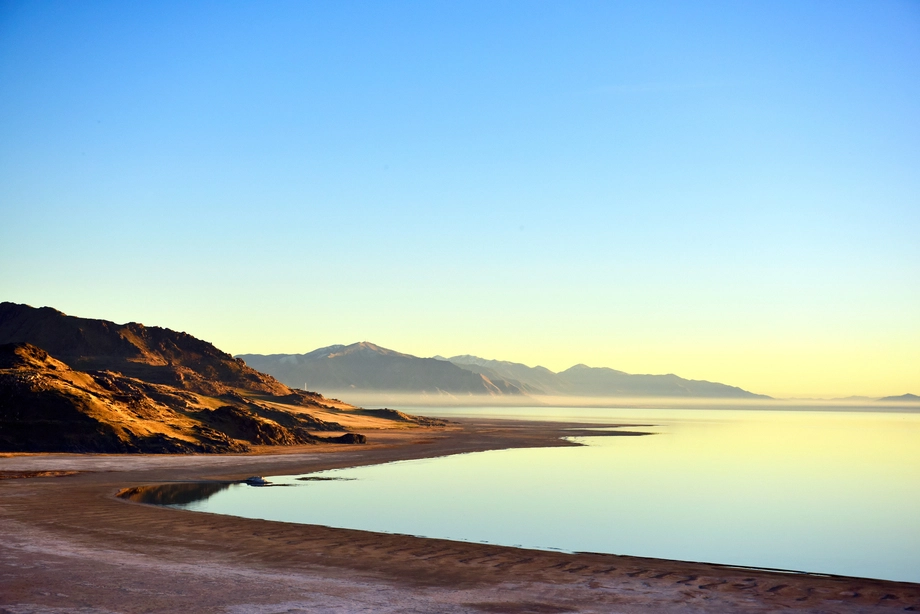 Antelope Island Sunset Wildlife Expedition – Great Salt Lake Odyssey