
Hiking tours in Utah: common fitness myths that stop beginners from starting
Feb 28, 2026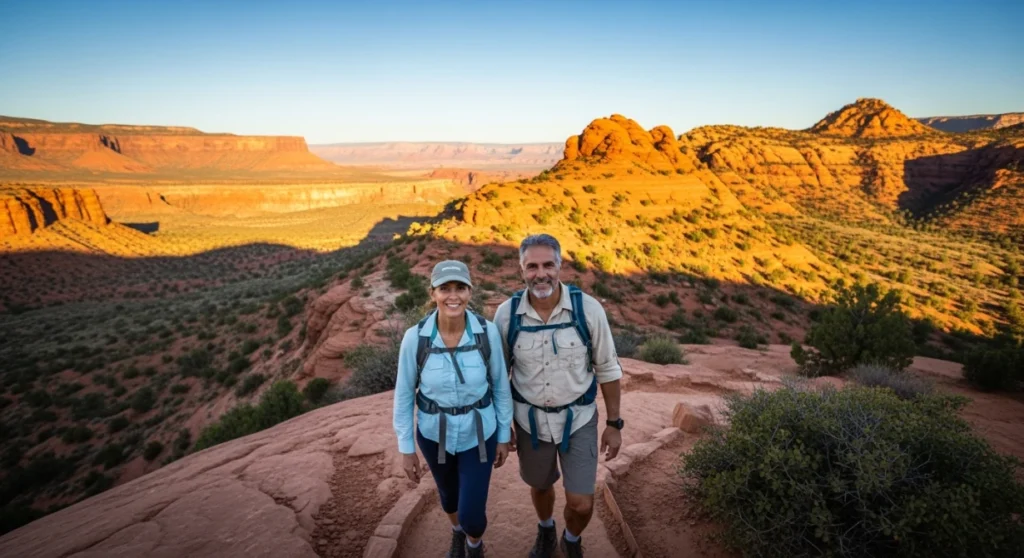
Most Utah hikes and tours are built for ordinary walkers, not athletes. Debunk fitness myths, plan hydration and clothing well, and choose short, clearly described outings that fit your current stamina.
The number one reason many visitors skip their first desert hike is not the heat or the distance. It is the belief that “real” hikers look a certain way, move at a certain speed, and never get out of breath. Then they ride a bus through Zion or Bryce, see people of all ages and body types walking to the viewpoints, and realize they could have done it too. The gap between what social media sells as “fit for the trail” and what you actually need for hiking tours Utah is huge, and that gap quietly cancels a lot of dream trips.
If you are planning a Utah trip and wondering whether your current fitness is enough, the good news is that most beginner-friendly trails and guided day tours are designed for ordinary travelers, not elite athletes. The real work is not in the miles. It is in sorting truth from the myths that keep you on the sidelines, then choosing routes and services that match where you are today, not where you think you “should” be.
Myth 1: “I must be in top shape before I even consider a Utah hike”
Short factual answer
You do not need peak conditioning to enjoy beginner-friendly trails and short scenic walks in Utah. You need honest self-assessment, the right route, and conservative pacing.
Why this myth appears
Utah’s landscapes often show up online as dramatic ridge walks and all-day canyon treks. That creates a false impression that every outing is extreme. Add photos of ultra-fit hikers sprinting up red rock and it is easy to believe you do not belong on the trail until you can run 10 miles or train in the gym five days a week.
Visitors also confuse “national park” with “backcountry expedition.” They imagine that if a park is world famous, every viewpoint must require long climbs and advanced fitness, when in reality many classic overlooks are a short, steady walk.
What practice and data actually show
Hiking itself is one of the easiest ways to build fitness from a modest base. Starting with brief, low‑elevation walks allows beginners to improve stamina safely. Problems mainly arise when people overestimate their ability and choose routes that are too long or steep for their current level.
For most first‑time visitors, light to moderate walking on marked paths with breaks is enough to reach memorable viewpoints. Guided day tours around Utah’s parks and scenic areas are specifically structured around that kind of comfortable outing, not endurance tests.
What to do instead
- Pick routes for your “today” self: Choose short walks or trails under 3 miles round trip with limited elevation gain for your first desert day.
- Test your base at home: Take a one‑hour walk on flat ground. If you can finish it with only mild fatigue, you are ready for many entry‑level viewpoints and city walking tours.
- Let the tour description guide you: Look for walking level labels like “walking” or “walking/auto” and small‑group formats where guides routinely adjust the pace.
- Plan recovery windows: Alternate slightly longer walks with scenic drives or shorter stops so your body has time to adapt.
Practical clarifications
Do I need to train for months? Not for shorter city or viewpoint walks. A few weeks of regular 30–45 minute walks helps, but you can still enjoy many routes with less preparation if you manage pace and distance.
Will I hold the group back? On small guided tours, local guides are used to mixed ability levels and plan stops with flexible walking time, so casual walkers do not feel rushed.
Myth 2: “Guided tours are only for very fit hikers who want big mileage”
Short factual answer
Many guided outings in Utah are built for travelers who like light to moderate walking with plenty of photo stops, not for high‑speed trekking.
Why this myth appears
People often imagine a “tour” as a forced‑march schedule where everyone must hike the same long trail together. That picture puts off beginners who fear slowing others down. Others assume that if a tour visits iconic places, it must reach them through rugged backcountry, not accessible paths or viewpoints close to the road.
What practice and data actually show
Structured Utah day trips usually mix scenic driving with optional strolls, short hikes, and overlook visits. Descriptions highlight walking time, group size, and terrain so guests can self‑select realistically. Groups remain small, questions are welcome, and guides choose stops that work for a wide range of ages and fitness levels.
In Salt Lake City itself, guided walking routes focus on historic streets, landmark buildings, and hidden corners, which means urban distances with frequent stops rather than long, uninterrupted pushes.
What to do instead
- Read the walking level, not just the headline: “Walking/auto” usually means you are in the vehicle for longer stretches with short walks at stops.
- Use group size as a comfort signal: Groups capped around a dozen people allow guides to notice if someone needs a slower pace.
- Ask about optional vs. mandatory walks: Many tours let you choose a shorter viewpoint stroll instead of the longest optional trail.
Myth vs. fact snapshot
| Belief | Reality |
|---|---|
| Guided trips are for hardcore hikers only | Many tours are designed around easy to moderate walks with flexible pacing |
| You must keep up with the fastest person | Small groups let guides adapt to the group’s comfortable speed |
| You will be walking non‑stop all day | Itineraries blend driving, viewpoints, stories, and shorter walks |
You found a hidden promo code!
Use code WOWBLOG at checkout and get 10% OFF any tour!
Limited time offer. Book now and save!
Browse ToursMyth 3: “If I am not hiking all day, a Utah park visit is not worth it”
Short factual answer
Short outings can still deliver big views. You do not need to spend eight hours on a trail to have a meaningful experience in Utah’s landscapes.
Why this myth appears
Many people equate “value” with hours on foot. They see long route names and feel that a quick overlook stop is somehow less authentic. Others compare themselves to friends who post multi‑day backcountry photos and assume a half‑day outing is hardly “doing” the park at all.
What practice and data actually show
Beginner‑friendly itineraries often string together several short walks, each to a different viewpoint or feature. That variety can feel richer than one long push to a single destination. Because you are less exhausted, you pay more attention to colors, rock shapes, and the guide’s stories.
Structured scenic trips around Utah’s parks typically highlight major overlooks, short access trails, and viewpoints right off the road, so you see a lot while keeping any single walk manageable.
What to do instead
- Think in viewpoints, not miles: Plan for a handful of memorable stops instead of one big “hero” trek.
- Use your energy budget: Decide how many hours you like being on your feet and choose tours that keep total walking within that window.
- Schedule “wow” moments early: Put one or two marquee viewpoints in the first half of your day before fatigue sets in.
Myth 4: “Desert hiking is just walking. I do not need to think about water or clothing”
Short factual answer
Hydration and clothing choices matter even on short routes. Dehydration and comfort issues show up fastest in beginners who underestimate the environment.
Why this myth appears
First‑time visitors are used to city strolls or shaded neighborhood walks, where forgetting a water bottle is an annoyance, not a health risk. Paved viewpoints and well‑marked trails can look similar, so guests assume they can treat a mid‑day walk in Utah’s dry climate like a casual errand run.
What practice and data actually show
Even moderate hiking without adequate water can quickly lead to dizziness, fatigue, and heat‑related problems, especially in dry climates. Planning at least half a liter of water per hiking hour is a basic safety standard.
Cotton shirts and socks soak up sweat, hold moisture, and can leave you chilled if wind picks up or temperatures drop in the evening. Lightweight, moisture‑wicking layers keep you more comfortable and reduce chafing and blisters.
What to do instead
- Calculate your water: Bring at least half a liter per hour you expect to walk, and sip regularly instead of waiting until you feel very thirsty.
- Dress for dry conditions: Choose quick‑dry tops and socks that pull moisture away from your skin instead of heavy cotton.
- Respect the sun: Use a brimmed hat, sunglasses, and light, breathable layers that cover skin where possible.
Practical clarifications
Is that much water overkill on short walks? It usually is not. You may carry a bit extra, but it is better than running out halfway back to the trailhead.
Do I need expensive gear? No. Focus on breathable clothing, a comfortable pair of shoes with some grip, and a simple day pack that lets you carry water and a light layer.
Myth 5: “If I am nervous, I should just do a self‑planned trip and walk ‘a little’”
Short factual answer
Planning everything yourself can increase decision stress and make it harder to choose routes that fit your actual fitness. Thoughtful guided options often remove both guesswork and pressure.
Why this myth appears
Some beginners fear being “trapped” on a group schedule, so they lean toward a fully independent itinerary. They picture themselves adjusting distance on the fly and “seeing how it goes,” without realizing how easy it is to misjudge time, weather, or how their body will react to elevation and heat.
What practice and data actually show
First‑time visitors spend a lot of mental energy on driving, finding trailheads, parking, and understanding park layouts. That fatigue can make them more likely to rush decisions about distance or to start a trail later in the day than planned. When a local guide handles logistics and timing, you can focus on listening to your body.
For those considering a self driving tour of Utah national parks, it often works best for travelers who already know how their fitness feels over multiple days of walking and who are comfortable choosing conservative routes on their own.
What to do instead
| Option | Best for | Key benefit for beginners |
|---|---|---|
| Guided small‑group day tour | First‑time visitors, mixed‑fitness couples or families | Set walking level, built‑in pacing, logistics handled |
| Independent self‑drive day | Repeat visitors with a clear sense of limits | Maximum flexibility if you already judge distance well |
- Use guided days as “training wheels”: Start with one or two structured outings to learn how your body responds, then add flexible time later if you want.
- Borrow the guide’s judgment: Ask specifically which short trails or viewpoints they recommend for cautious beginners, and note why.
Myth 6: “Utah park tours are wasted on me because I cannot hike far”
Short factual answer
Many of the best viewpoints in Utah are reachable with light walking. Tours are intentionally built so travelers with moderate or limited fitness can still see headline landscapes.
Why this myth appears
Marketing language often highlights “bucket‑list hikes” and dramatic trail names. Travelers who prefer shorter walks worry they will pay for a service that spends all day on routes they cannot enjoy. Others fear that if they skip the longest optional hike, they will miss the essence of the park.
What practice and data actually show
Curated itineraries usually start from main park roads and well‑known viewpoints, with time to walk around, take photos, and listen to the guide’s geology and history stories. Optional short hikes to arches or canyon rims are added for those who feel comfortable, but the core scenery remains accessible from easier stops.
When you join well‑planned Utah national parks tours from Salt Lake City, the biggest time savings come from not driving, not hunting for parking, and not guessing which short trail delivers the most reward for the effort, which is exactly what matters most if you do not want long, strenuous days.
What to do instead
- Look for clear walking descriptions: Choose itineraries that spell out approximate walking time and terrain rather than vague “active” labels.
- Ask about viewpoints vs. hikes: Confirm that signature stops can be seen from short paths or overlooks, even if you skip the longest optional route.
- Plan around your energy peaks: If mornings are your best time, choose departures that put walking earlier and more driving later.

How to honestly match your fitness to Utah trails and tours
Once you set aside the myths, the next step is simple: match what your body comfortably does today with the structure of the outing you choose.
Step 1: Take a simple pre‑trip “trail readiness” check
- One‑hour walk test: If you can walk for about an hour on flat or gently rolling ground with only mild fatigue, you can likely handle city walking tours and short park paths.
- Stair check: Climb one or two flights of stairs at a comfortable pace. If you recover your breath within a minute, gentle inclines should be manageable with occasional breaks.
- Heat awareness: Notice how you feel walking outdoors on a warm day at home. If heat drains you quickly, plan earlier or later outings in Utah and prioritize shaded or breezy viewpoints.
Step 2: Use tour details as your fitness “translation guide”
Structured guided Utah national parks tours publish practical information such as approximate duration, walking level, and typical schedule. Use those specifics to translate your at‑home test into a confident choice.
| Your current comfort level | Tour traits to look for | Why it works |
|---|---|---|
| Comfortable with city walks, new to desert trails | 3–7 hour day, “walking/auto” level, small group size | Mixes driving with short walks, more breaks, easier terrain |
| Walks several times a week, okay with gentle hills | 7‑hour day, “walking” level, optional short hikes | Gives variety without committing to one long route |
| Very cautious or recovering fitness | Shorter city walking tour with frequent stops | Lets you test stamina with easy exit options |
Step 3: Build a realistic Utah day around your body, not your ego
- Start shorter than you think you need: The desert can feel more tiring than home. You can always choose a slightly longer option once you see how you feel.
- Prioritize interest over distance: A historic downtown walk or a viewpoint‑rich park day often feels more rewarding than one ambitious route that leaves you exhausted.
- Plan hydration into the schedule: Structure snack and water breaks every hour of walking instead of waiting for big rest stops.
Realistic beginner scenarios and outcomes
Case 1: “Office worker, nervous about hills”
Alex spends most days at a desk and walks 30 minutes a few evenings a week. They worry they will not keep up on a full park hike but really want red rock photos. After a simple stair and one‑hour walk test, Alex chooses a mixed scenic drive and short‑walk day from Salt Lake City, plus a three‑hour downtown history walk on a separate day.
Outcome: The small group pace feels manageable. Alex uses break times to hydrate and rest. By day two, they feel confident enough to join an optional short hill walk to a viewpoint, returning home surprised by how much they did without ever feeling pushed beyond their limits.
Case 2: “Active at home, brand‑new to desert climate”
Sasha runs or cycles a few times a week but lives in a humid coastal city. They assume their cardio fitness will make Utah easy. On day one, they underestimate how dry air and sun exposure affect them and feel tired halfway through an independent walk, needing a long break and more water than expected.
Outcome: After regrouping, Sasha switches the next day to a guided outing where the driver handles logistics and the guide reminds everyone to drink regularly. With better pacing and planned shade stops, Sasha enjoys the scenery far more and avoids repeating the shaky mid‑day slump.
Practical recommendations to get started confidently
- Set a “comfort first” goal: Make your target “finish the day feeling pleasantly tired but not drained,” not “cover as many miles as possible.”
- Stack easier days first: Begin with city or short‑walk days, then decide if you want to add slightly longer trail options.
- Use your guide as a partner, not a leader to chase: Tell them early if you prefer slower pacing, so they can suggest where to walk and where to enjoy the view from closer stops.
- Monitor three signals: If you stop sweating, feel light‑headed, or cannot speak in full sentences while walking, it is time to slow down, drink water, or cut the route short.
- Debrief each day: At night, rate your fatigue from 1 to 10. If you are above 7, make the next day lighter; if you are around 4–6, you are matching your fitness well.
How fitness myths affect your choice of Utah experiences
Believing you are “not fit enough” tends to push you toward one of two extremes. You either avoid scenic walks completely and stay on the bus, or you overcompensate and sign up for more hiking than your body will enjoy. Both paths leave a lot of Utah’s magic untapped.
The most satisfying itineraries for beginners usually combine three elements: structured days with clear walking expectations, access to standout viewpoints without long approaches, and space to adjust based on how you feel. That can include small‑group walking tours in Salt Lake City, scenic day trips with optional short hikes, and, for those with more experience, carefully chosen self‑drive days.
Once you see through the myths, you can pick and mix options so your time in Utah matches your body, not someone else’s highlights reel.
Most first‑time visitors are far more capable on Utah’s trails and city walks than they initially believe. The real risk is not that you are unfit for every route, but that you let exaggerated fitness myths keep you from low‑effort, high‑reward experiences.
Start by testing your current stamina honestly, then choose outings with clear walking levels, small groups, and built‑in breaks. Treat hydration and clothing as basic tools, not advanced gear, and remember that several short, scenic walks can be more satisfying than one exhausting push.
When fitness myths are stripped away, guided Utah days and gentle hikes become one of the easiest ways to build confidence while seeing dramatic landscapes. If you want structured, beginner‑friendly options that respect real‑world energy levels, MateiTravel can help you match your comfort to the right Utah experiences.
Can I join a Utah tour if I only walk 30 minutes a few times a week?
Yes. If you can handle a 30–60 minute walk at home, you can usually manage beginner‑friendly tours that mix short walks with scenic driving and regular breaks.
How much water should I carry on short Utah hikes?
Plan for at least half a liter of water for every hour you expect to be walking and start drinking early instead of waiting until you feel very thirsty.
What clothing is best for easy hikes and walking tours?
Use lightweight, moisture‑wicking layers instead of heavy cotton, paired with comfortable shoes that have some grip and socks that dry quickly.
How do I know if a tour’s walking level matches my fitness?
Check for clear descriptions of walking time, terrain, and group size, and favor options labeled as light or moderate walking rather than intensive hiking.
Are guided Utah park tours worth it if I cannot do long trails?
They can be ideal, since itineraries focus on big viewpoints and short paths, so you see marquee landscapes without committing to long, strenuous routes.
What if I get tired faster than I expected on a tour?
Tell your guide early, slow your pace, take extra water breaks, and choose the shorter walking options when they are offered at each stop.
Should I plan self‑drive days if I am unsure about my stamina?
It is usually better to start with at least one structured day, learn how your body feels in Utah’s conditions, and then add independent days if you feel confident.
Can I still enjoy Utah if I prefer city walks over dirt trails?
Yes. Historic walking routes in Salt Lake City and urban viewpoints offer rich experiences with manageable distances and frequent stops.

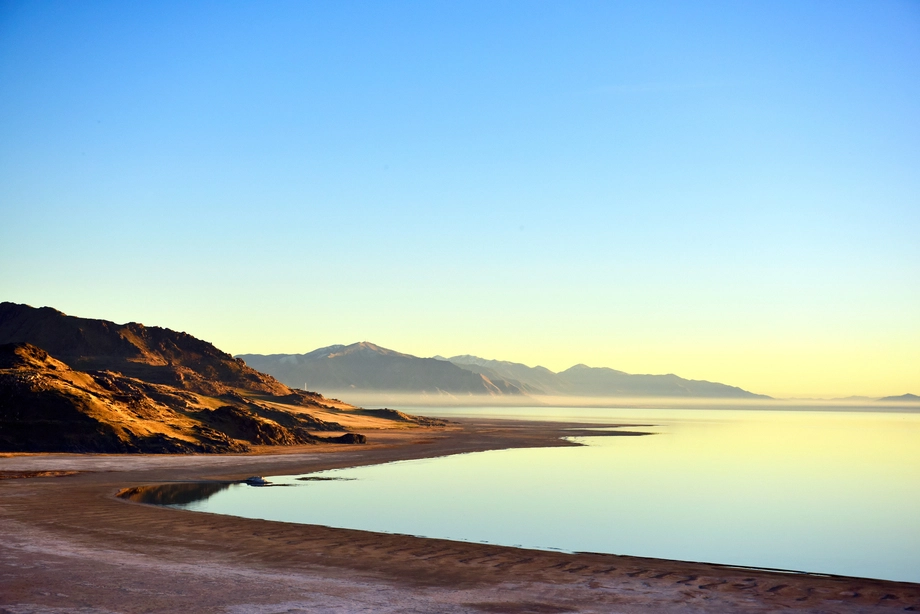 Antelope Island Sunset Wildlife Expedition – Great Salt Lake Odyssey
 Salt Lake City – The City of Zion. Historical Interactive Walking Tour
 Bonneville Salt Flats – Sunset Adventure of the White Desert
 Antelope Island – Wild Heart of the Great Salt Lake Adventure
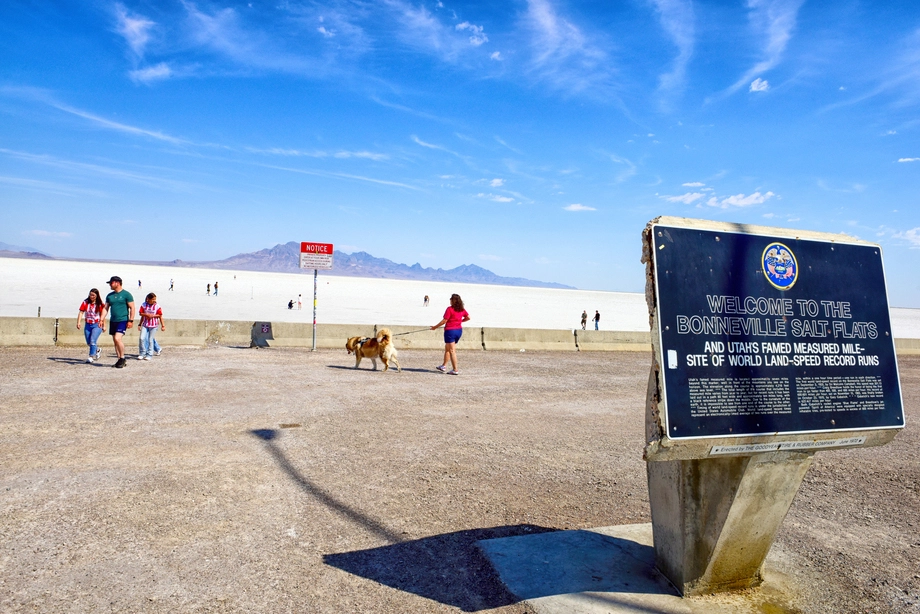 Bonneville Salt Flats – Journey to the Edge of the World