
Heli-hiking combo tours accessing remote canyons in Utah: mistakes to avoid
Apr 3, 2026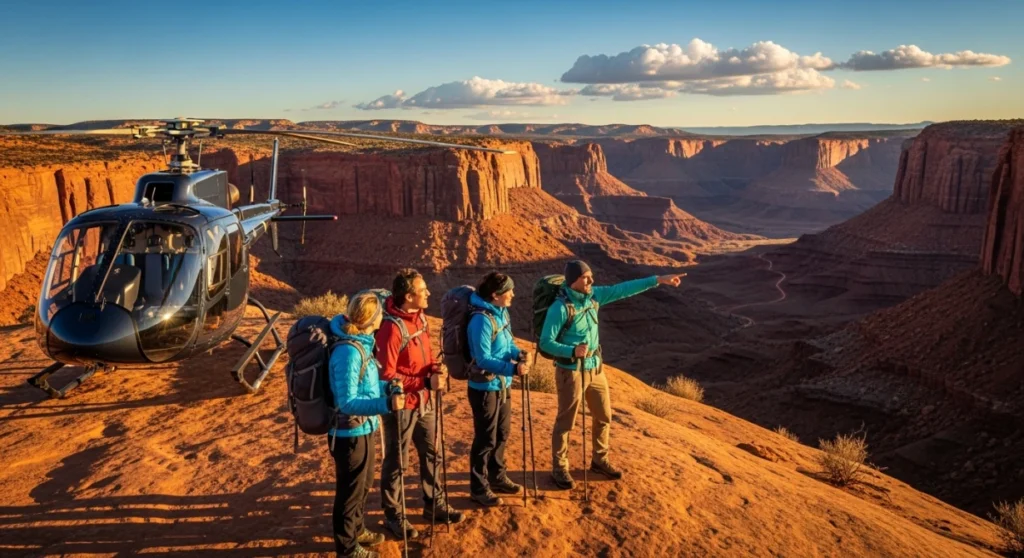
Plan heli-hiking in remote Utah canyons like a backcountry hike supported by a flight. Fix common mistakes by adding time buffers, matching fitness and terrain, and using structured tours to balance demanding days.
The most common way people ruin a once‑in‑a‑lifetime canyon heli-hike is not bad weather or a rough landing. It is quiet, preventable planning mistakes that only show up when the rotors stop and the canyon walls close in. Remote Utah terrain rewards precision. It also punishes casual assumptions about fitness, daylight, logistics, and what “guided” really includes.
If you want a smooth experience rather than a stressed one, you need to think about your heli day the way a guide does, not the way most visitors do. That means starting with the impact of mistakes, then working backward to design a safer, calmer plan.
When your dream canyon heli-hike goes wrong: early symptoms and impact
Problems with a remote canyon combo are rarely sudden. They build through small signals: rushed loading, nervous glances at the sky, or a guide quietly trimming the route because the group is already behind schedule. Paying attention to these symptoms helps you react before the day unravels.
Operational issues hit first. Helicopters may need to adjust routes for weather or visibility, which can compress your hiking time, especially in winter or shoulder seasons. If you stacked another activity the same day, such as an evening city tour or a long drive, even a small delay can trigger a domino of missed plans and extra stress.
On the personal side, people often realize too late that their fitness, footwear, or layering are not up to the terrain. Remote canyon hikes can feel much harder than a casual stroll on a city walking tour. Fatigue increases the risk of slips on rock, slower group pace, and frustration that you are not enjoying what you paid for.
The biggest impact is opportunity cost. You may reach incredible places but see very little of them because of rushed photo stops, skipped side canyons, or a constant need to watch the clock instead of the landscape. That loss is hard to fix after the fact.
Top mistakes people repeat on heli-hiking canyon combos
Mistake 1: Treating remote heli landings like roadside viewpoints
Symptom: You assume the landing zone will feel like a national park overlook with rails, obvious paths, and clear signage. On arrival, the space is wilder, steeper, and less intuitive than expected.
Why it happens: Many travelers base expectations on structured trips, such as Utah national parks tours from Salt Lake City, where the route, viewing areas, and short walks are clearly defined. A helicopter drop in canyon country is very different. Surfaces can be uneven, sandy, or rocky, and the “trail” may be a lightly used route chosen by the guide on the spot.
Fix: Before booking, ask specifically how “developed” the landing area and hike are. Use questions like:
- Surface: “Are we mostly on rock slabs, sand, or defined trail?”
- Exposure: “Any sections with narrow ledges or steep side slopes?”
- Support: “Will the guide be leading a single-file group, or is there room to spread out?”
Plan gear and expectations for backcountry travel, not for a paved viewpoint. Good traction shoes, stable ankles, and comfort with uneven terrain should be treated as non‑negotiable.
Mistake 2: Over-stacking the itinerary around your heli day
Symptom: Your schedule looks efficient on paper. Morning heli drop, remote hike, quick return, then a long drive or another tour. In reality, every small delay creates anxiety about the next commitment.
Why it happens: Travelers come to Utah for limited days and want to fit in everything, from canyonlands tours from moab to city walks and ski days. They underestimate how much energy and buffer time a remote flight and hike require, and they overlook how weather or operational checks can shift timing.
Fix: Treat your heli-hiking combo as the anchor of the day. Surround it with flexible, low‑stakes activities. For example, instead of planning a tight post‑flight drive, leave your evening for a relaxed downtown Salt Lake City walking experience, where local guides lead small groups through historic streets and hidden spots at a calmer pace.
Build at least a two to three hour buffer between the expected end of your heli outing and anything that has a fixed start time, such as another guided activity or dinner reservation.
Mistake 3: Misjudging fitness and pace for off‑trail canyon terrain
Symptom: You can handle city walks and short park trails but feel unexpectedly winded, especially on sandy sections or short, steep climbs. The group slows, and the guide trims the route to keep timing safe.
Why it happens: People compare their ability to urban walking tours, where small groups move on pavement and moderate grades. Remote canyon travel adds loose footing, small scrambles, and exposure to sun or cold. Even a short distance can feel like a much longer hike.
Fix: Use honest functional benchmarks before booking:
- Uphill test: You should comfortably climb several flights of stairs without needing a long break.
- Uneven ground: You should be able to walk on gravel, grass, or park trails for an hour without ankle or knee pain.
- Temperature tolerance: You should feel okay walking outdoors for an hour in the current season’s typical temperatures with proper layering.
Share your real fitness level with the tour operator. Ask what the minimum ability is to enjoy, not just survive, the route. If needed, request a shorter or gentler option.
Mistake 4: Packing like a scenic flight, not a serious hike
Symptom: You arrive dressed for photos and comfort in the helicopter, but not for time on exposed terrain. You either shiver when the wind picks up or overheat in heavy layers.
Why it happens: When people imagine helicopter experiences, they think of the flight more than the ground time. They forget that once you are dropped in a canyon, you are in the same conditions as any hiker, without easy vehicle access.
Fix: Think in systems, not single items:
- Layering: Base layer that wicks moisture, a warmth layer, and a wind‑resistant shell that you can pack away.
- Footwear: Closed‑toe shoes with good traction and support, already broken in.
- Essentials: Sun protection, light gloves or hat depending on season, and enough water for the planned hiking time.
Confirm in advance what capacity the aircraft has for small daypacks, and pack only what you will use during the hike. Keep pockets and straps tidy so nothing risks catching in the aircraft.
You found a hidden promo code!
Use code WOWBLOG at checkout and get 10% OFF any tour!
Limited time offer. Book now and save!
Browse ToursFix patterns: turning each mistake into a better plan
Once you understand the pattern behind each error, you can redesign your trip with simple, practical adjustments. Use the mistake–cause–correction model as a planning framework.
| Mistake | Underlying cause | Correction pattern |
|---|---|---|
| Expecting structured viewpoints | Assuming remote landings resemble park overlooks | Ask detailed terrain questions, prepare for backcountry surfaces |
| Overfull schedule | Trying to maximize limited days with too many fixed commitments | Anchor the day around the heli outing and add flexible activities |
| Fitness mismatch | Comparing ability to city walking or short, paved trails | Use stair and uneven ground tests, then book an appropriate route |
| Poor clothing/gear choices | Thinking of the flight, not the hike | Plan hiking layers, traction footwear, and essentials first |
Apply the same pattern to any new concern that comes up. Identify what you are assuming, ask focused questions, then change either your expectations or your booking choice.
Designing your overall Utah trip around a heli-hike day
Remote helicopter access makes the most sense when it fits smoothly into the rest of your Utah travels. Many visitors combine a high‑commitment day in the backcountry with more structured options like the best tours of Utah national parks, city walks, or resort day trips.
Think in terms of rhythm. Intense, high‑focus days like heli-hiking should be followed or preceded by lower‑stress experiences. For example, starting your time in the state with a small‑group walking tour in downtown Salt Lake City gives you a feel for local history and layout while your body adjusts to the climate and altitude.
Here is a simple way to compare different day types when you plan:
| Experience type | Structure level | Physical demand | Logistics handled for you |
|---|---|---|---|
| Remote heli-hiking combo | Flexible routes, backcountry conditions | Moderate to high, uneven terrain | Flight and guiding, but less infrastructure on site |
| Guided national park day | Defined viewpoints and short walks | Low to moderate, mostly trails/paths | Driving, timing, and navigation handled |
| Downtown walking tour | Fixed route through city streets | Low, even surfaces | Meeting point and timing set, easy access |
Use this comparison to balance your itinerary instead of stacking multiple demanding days back to back.
Prevention protocol: how to plan future heli-hiking canyon trips safely
A prevention mindset turns a risky, ad‑hoc plan into a confident one. Build your own simple protocol and follow it every time you consider booking heli-hiking combo tours accessing remote canyons in Utah.
Step 1: Clarify your objective and limits
Decide what matters most. Is it maximum flight time, unique landing zones, or a longer hike in one area you really want to see. At the same time, write down limits such as maximum hiking time, how much exposure you are comfortable with, and any mobility concerns.
Share these clearly when you inquire about tours. You will get more honest recommendations when the operator knows you are focused on fit rather than on checking a box.
Step 2: Cross‑check timing with other activities
Map your full day, not just the flight window. Include travel to the meeting point, safety briefings, actual flight and hike time, and the journey back. Compare this with any other tours or commitments you are considering, such as Utah ski resort day trips or longer park excursions.
Anywhere the margin between “planned end” and “next fixed start” is less than two hours, add flexibility or adjust your bookings. Aim for only one heavyweight activity per day.
Step 3: Prepare like a hiker, confirm like a flyer
Before departure, run two checklists. One is your hiking essentials list, including footwear, layers, sun and weather protection, and snacks. The other is your flight readiness, such as understanding weight limits for passengers and baggage and knowing any restrictions on loose gear.
Remote-area safety improves dramatically when participants are briefed on both aviation procedures and on-the-ground movement, rather than focusing on only one part of the experience.
Ask your operator how they brief guests before boarding and before stepping out into the canyon. This will give you a sense of their safety culture.
Step 4: Use city time to get oriented and warmed up
If you are starting in Salt Lake City, consider using a local walking tour early in the trip. Small groups led by residents can show you historic buildings, hidden corners, and the story of how the city developed, all while your legs adjust to walking at local altitude.
This is a gentle way to test footwear, layers, and comfort before you commit to more remote terrain the next day.
Quick self-diagnosis checklist before you book
Run through this short checklist to see if you are ready to commit or if you need more information first.
- Terrain clarity: Do you know whether the hike will be on established trails, mixed terrain, or mainly rock and sand.
- Fitness match: Have you tested yourself on stairs and uneven ground recently and felt comfortable.
- Schedule buffer: Is there at least a two‑hour gap after the planned end of your heli outing before your next fixed activity.
- Gear reality: Can you list exactly what you will wear on your feet, legs, and upper body and why each item makes sense for variable canyon weather.
- Contingency understanding: Do you know what happens if weather forces a timing change, and how that affects the rest of your day.
If you answer “no” or “not sure” to any of these, pause and ask targeted questions before you pay a deposit.

Two realistic trip scenarios: rushed day vs. well‑designed plan
Scenario 1: Overcommitted and stressed
A couple flies in late, spends the night, and books a morning heli-hike plus a long afternoon drive to another region. On paper, the timing works. On the ground, a weather‑related delay in the morning squeezes the entire day. They skip parts of the hike to rush back, spend the flight worrying about the next leg, and start their drive tired and hungry.
They technically “did everything” on their list but enjoyed very little of it. Most of the stress traced back to unrealistic timing and lack of buffer.
Scenario 2: Intentional pacing and better memories
Another traveler starts with a guided city walk that introduces Salt Lake City’s center, from historic buildings to less‑known corners, in a small group setting. The next day, their only commitment is the heli-hiking combo, with a free evening afterward.
When winds require a route tweak and a slightly later return, nothing important is at risk. They linger longer at viewpoints, take more photos, and end the day back in the city with time for dinner and rest. The same terrain feels completely different because the schedule supports it.
Practical recommendations to make your canyon heli-hike worth it
- Anchor your day: Choose one primary goal for the heli outing, such as a particular canyon or type of terrain, and let everything else in the schedule support that.
- Prioritize clarity over hype: Ask for plain descriptions of distance, elevation, and terrain instead of focusing on superlatives.
- Use structured tours as “recovery days”: Balance remote days with organized options like national park loops or downtown walks where logistics and navigation are handled.
- Debrief each day: After a hike or walk, note what worked with your gear and pacing. Adjust before your next, more demanding outing.
- Listen to early fatigue: If you feel more tired than expected on a city or park tour, treat that as feedback and consider dialing back the difficulty of any upcoming heli-hike.
Where MateiTravel fits into a smart Utah itinerary
Thoughtful sequencing of experiences is where a good planner makes a big difference. Structured offerings such as day tours to nearby canyons, resort areas, and national park viewpoints can frame your more adventurous heli days so they feel smoother and safer.
MateiTravel specializes in organizing guided excursions in Utah, from small‑group walking tours in downtown Salt Lake City to longer drives that combine scenic viewpoints with light hikes. Used well, these options help you learn the area, understand local conditions, and ease into the landscape before you commit to remote access.
Remote canyon heli-hiking in Utah delivers serious rewards when you treat it as a backcountry hike supported by a flight, not just a scenic ride. Most problems come from simple planning gaps around terrain, timing, fitness, and gear, all of which you can address in advance with targeted questions and honest self‑assessment.
Balance intense days with more structured tours and city walks so your body and schedule can keep up with your ambitions. Use the prevention protocol and self‑diagnosis checklist here to pressure‑test your plan before you book. When your itinerary supports the experience, you see more, worry less, and come home with better memories and photos instead of stories about what almost went wrong.
If you want help stitching heli access, canyon hikes, and grounded Utah tours into one coherent trip, MateiTravel can support the structured parts of your itinerary so your remote days stay calm and focused.
How much buffer time should I leave around a heli-hiking day?
Plan at least a two-hour gap between the end of your heli outing and any fixed next activity. This protects you from weather or operational delays and keeps the day relaxed.
How do I know if I am fit enough for a remote canyon heli-hike?
If you can climb several flights of stairs and walk on uneven ground for about an hour without major discomfort, you are in a good starting range. Always share your honest fitness level with the operator.
What should I wear for a heli-hiking combo in Utah canyons?
Wear sturdy closed-toe shoes with good traction, a moisture-wicking base layer, a warmth layer, and a light wind-resistant shell. Add sun protection and small extras like gloves or a hat for the season.
Can I combine a heli-hike with other tours on the same day?
You can, but do it carefully. Pair a heli outing with low-stress, flexible options rather than long drives or tours with strict start times right afterward.
Why is a city walking tour useful before a heli-hiking trip?
A city walk lets you test footwear, layering, and comfort at local altitude on easy terrain. It also gives you time to adjust to climate and learn local context before heading into remote areas.
What questions should I ask about the landing zone and route?
Ask what the surface is like, how much exposure or steepness to expect, and whether the route follows clear trails or mixed terrain. Clear answers help you match the trip to your comfort level.
How do structured Utah tours complement a heli-hiking day?
Structured tours handle driving, navigation, and timing for you, which makes them ideal as lighter days before or after demanding remote outings. They also give useful context about the region.
What is the biggest mistake to avoid when scheduling a heli-hike?
Do not pack the same day with multiple high-commitment plans. Over-stacking your schedule is the fastest way to turn a special experience into a rushed and stressful one.

 Antelope Island Sunset Wildlife Expedition – Great Salt Lake Odyssey
 Salt Lake City – The City of Zion. Historical Interactive Walking Tour
 Bonneville Salt Flats – Sunset Adventure of the White Desert
 Antelope Island – Wild Heart of the Great Salt Lake Adventure
 Bonneville Salt Flats – Journey to the Edge of the World