
Guided tours in Utah national parks: what a local guide really adds to your trip
Mar 16, 2026
Local-guided Utah trips work best when you have limited days, dislike long unfamiliar drives, and value context. Small groups, clear itineraries, and defined roles keep pacing comfortable and logistics stress-free.
Plenty of travelers land in Salt Lake City, rent a car, and then spend half their “Mighty Five” vacation wrestling with maps, parking, and park entrance logistics instead of looking up at the cliffs. The landscape is huge, distances are longer than they look on a screen, and first-time visitors often underestimate how much planning it takes to link the parks into a smooth route. That is exactly where guided tours utah national parks can turn a good trip into a genuinely easy one, especially when you start and end in the city.
If you only have a few days, the difference between “we saw a lot of rocks” and “we understood what we were seeing and never worried about details” usually comes down to having a local guide who handles the flow, the timing, and the context. Once you know when a guide actually adds value and how the process works from first inquiry to final drop-off, it becomes much easier to pick the right experience and get your money’s worth.
When a guided Utah parks tour is the right fit
Not everyone needs a structured service. Some travelers love deep trip planning and off-grid driving. For many visitors starting in Salt Lake City, though, a guided route is simply more efficient and less stressful.
Clear signs you should consider a local-guided experience
- Limited days: You have only three to five days in Utah and want to see multiple iconic areas without wasting hours on wrong turns or last‑minute re‑planning.
- Dislike for long unfamiliar drives: The idea of driving several hours each day in a landscape you do not know, then hunting for parking and trailheads, does not sound like a vacation.
- Mixed abilities in your group: Some travelers want light walks, others want viewpoints, and you need someone who can balance the day for everyone.
- Interest in stories, not just views: You care about geology, local history, and how people live around these landscapes, not only “Instagram stops.”
- Preference for small groups: You want to be able to ask questions and adjust a little on the fly, not follow a flag in a crowd of fifty.
Utah national parks tours from Salt Lake City are especially useful for first‑time visitors who want a loop that starts and ends in the city, with transport, timing and key stops handled for them. If you also like the idea of warming up with a city walk or a Bonneville Salt Flats sunset before heading south, having the same style of service for both can keep the whole trip coherent.
Who might be better with a self‑drive plan
- Very flexible schedule: You have several weeks, can wait out weather or crowds, and enjoy re‑routing on the fly.
- Strong desert driving experience: Long distances, varying conditions, and remote roads do not bother you.
- Hyper‑specific photography plans: You want full control of every sunrise and sunset location without group timing.
End‑to‑end process: how local‑guided Utah park trips actually work
Structuring the service as a clear shared process helps avoid surprises. Below is a typical engagement flow for small group tours Utah national parks starting and finishing in Salt Lake City, with ownership at each stage.
1. Initial fit check and selection (client + operator)
This is where you and the tour provider confirm that the route, style, and physical level make sense for your group.
- Your role: Share dates, number of travelers, walking comfort level, and any must‑see priorities such as specific viewpoints or short hikes.
- Guide/operator role: Suggest suitable itineraries or day trips, explain driving times, and outline what is realistically possible in the days you have.
For example, you might combine a Salt Lake City historical walking tour in the downtown area with a separate multi‑day circuit that visits famous canyon and arch landscapes. The provider should clearly explain which parts are primarily walking, which are walk/auto, and typical group size.
2. Detailed itinerary and logistics confirmation (operator‑led)
Once you confirm basic fit, the operator builds a more detailed plan and shares it with you.
- Operator responsibilities: Define daily start times, approximate driving blocks, key viewpoints, optional short walks, and where breaks or meals are likely to happen.
- Your responsibilities: Review the plan, ask clarifying questions, and flag any mobility concerns or timing constraints, such as early flights in or out of Salt Lake City.
At this stage you should also understand where the tour starts. For instance, downtown walking tours often meet at a clear landmark like the main entrance of the FamilySearch Center, with practical information on nearby parking garages such as at the Plaza Hotel or City Creek Center.
3. On‑tour execution and adjustments (guide‑led)
Once the trip starts, the guide owns day‑to‑day execution while you focus on the experience.
- Guide responsibilities: Manage timing, driving and parking, choose viewpoints and short walks that match group energy, and provide commentary about geology, local history, and culture.
- Your responsibilities: Be ready at agreed times, communicate clearly about comfort level, and let the guide know if you need slower pacing or extra photo time.
Small groups are especially valuable here. Because the groups are intentionally kept compact, travelers can ask questions, request brief extra stops when safe and reasonable, and get more tailored suggestions for short walks versus overlooks.
4. Wrap‑up and feedback (client‑led)
After returning to Salt Lake City, your final role is to give concrete feedback to help refine future routes.
- Your responsibilities: Share what worked and what felt rushed, and mention specific moments that were highlights.
- Operator responsibilities: Note patterns in feedback and adjust schedules, stop choices, or explanation style to keep quality consistent.
You found a hidden promo code!
Use code WOWBLOG at checkout and get 10% OFF any tour!
Limited time offer. Book now and save!
Browse ToursTimeline and expected deliverables from a Utah park tour service
Even on a short trip, you should know what to expect before, during, and after the experience. Think in terms of simple phases and outputs from each.
Typical timeline for day and multi‑day experiences
| Phase | Timing | Main ownership | Key deliverables |
|---|---|---|---|
| Inquiry & fit check | Days to weeks before | Shared | Suggested routes, walking level match, rough price and dates |
| Itinerary confirmation | Within a few days of fit | Operator | Daily outline with start/finish location, typical stops, and inclusions |
| Pre‑departure prep | Week to day before | Client | Packing based on advice, meeting point confirmed, questions resolved |
| Tour days | 3–7 hours per listed day | Guide | Transport where applicable, commentary, structured viewpoints and optional short walks |
| Post‑tour follow‑up | Within a week | Client | Feedback on pacing, favorite stops, and guide performance |
What an organized provider should clearly deliver
- Transparent tour descriptions: Each experience should list approximate duration, how much walking to expect, and what is included in the price.
- Group size details: Maximum group size, such as up to around a dozen people, should be specified for realistic expectations about flexibility and interaction.
- Transport information: For trips that include driving, you should know whether round‑trip transport from Salt Lake City is part of the service.
- Concrete meeting points: Exact spots, such as the entrance to a specific building for city walks, help you start stress‑free.
Quality control and acceptance criteria: how to judge a “good” guided experience
High‑quality best tours of utah national parks are built on more than a checklist of famous stops. They should feel smooth while still allowing you to connect with the place.
Service quality: what you should notice during the tour
- Timing feels natural: Viewpoints and short walks never feel rushed, and you are not spending half the day waiting around.
- Clear explanations: The guide connects geology, local stories, and history into narratives instead of random facts.
- Safety and comfort: Driving is calm and controlled, and walking routes match the advertised level.
- Engagement: The group is small enough that your questions are welcome and actually answered.
A simple test is how you feel at the end of the day. You should be pleasantly tired from fresh air and sights, not drained from logistics or confusion.
Acceptance criteria you can apply
Before booking, define what “success” looks like in concrete terms, for example:
- Coverage: You reached the major viewpoints and at least one lesser‑known stop described in the tour outline.
- Pacing: Total walking felt consistent with the advertised level, without surprise strenuous sections.
- Clarity: You left with a basic grasp of how the landscape formed and how people built cities and routes around it.
- Reliability: Start and return times matched the plan closely enough that you could schedule other activities in Salt Lake City the same evening.
Client preparation checklist: how to get the most from your guide
Thoughtful preparation lets the guide focus on enhancing your experience instead of fixing basic issues.
Practical checklist before departure
- Confirm meeting logistics: Double‑check the starting point, especially for downtown walks and early‑morning departures, and know your parking or rideshare plan.
- Review walking level: Make sure everyone in your group understands whether it is mainly walking, walk/auto, or just short strolls at viewpoints.
- Pack for variable conditions: Bring layers, sun protection, and comfortable walking shoes. Even city‑based tours like historical walks or Bonneville Salt Flats outings involve spending time outdoors.
- List your priorities: Share 2–3 things that matter most to you, such as extra photo time, more history, or gentler pacing.
- Plan meals and snacks: Check whether food is included or if you should eat beforehand and carry water and light snacks.
On‑tour behavior that pays off
- Communicate early: If the pace is too quick or slow, tell the guide within the first hour so they can adjust.
- Ask targeted questions: Instead of “tell us something interesting,” ask about specific buildings in Salt Lake City, how the grid system works, or why certain rock layers form arches.
- Respect group timing: Return to the vehicle or meeting point at the agreed time to keep the whole day running smoothly.
Local guide vs self‑drive: what you gain and what you trade
Choosing between an organized service and independent travel is not about right or wrong. It is about matching your style, time, and comfort level with desert travel and city navigation.
| Aspect | Local‑guided small group | Self‑drive trip |
|---|---|---|
| Driving and parking | Handled for you on driving‑based tours, including canyon and salt flats routes | Fully your responsibility, including winter, traffic, and finding trailheads |
| Planning effort | Low, most logistics pre‑organized | High, requires detailed research and daily adjustments |
| Context & stories | Live commentary on geology, history, and city development | Self‑guided resources only |
| Flexibility | Moderate within the group’s comfort and timing | Very high, but at the cost of more planning and responsibility |
| Interaction | Chance to ask questions and share the experience with up to around a dozen people | Private, but less exposure to local perspectives |

Concrete scenarios: how a local guide changes real trips
Scenario 1: Tight schedule from Salt Lake City
A couple arrives in Salt Lake City on a Friday afternoon with only three free days before flying out. They join an evening historical walking tour downtown, where a local guide leads a small group past significant buildings and tucked‑away spots while explaining how the city’s layout and development evolved. The next morning they leave on a pre‑planned day trip toward wide‑open salt flats for a sunset experience with clear commentary, photo stops, and no worries about navigation or return time.
Because transport, timing, and stops are handled, they never spend time debating parking, searching for viewpoints, or guessing when to leave to be back in time. Their energy goes into seeing and learning instead of constant coordination.
Scenario 2: Friends with mixed activity levels
Four friends want a taste of Utah’s landscapes but differ in how much walking they enjoy. They book a small group route that mixes scenic drives with short optional walks to overlooks or canyon rims. The guide checks in frequently about energy levels, suggests who might skip a given viewpoint if needed, and balances the day so nobody feels pushed or held back.
At the end of the trip the more active travelers still get their quick walks and extra viewpoints, while the others enjoy easier access overlooks, stories, and a comfortable ride without worrying about driving or complex navigation.
Practical recommendations for choosing and using a Utah guide
To convert the general advantages of guided trips into a reliable personal outcome, use clear selection criteria before you book.
- Prioritize clear itineraries: Choose providers that state duration, walking expectations, and inclusions for each tour so you can match them to your group’s comfort level.
- Look for small groups: Opt for experiences that cap group size around a dozen or less to keep interaction and flexibility high.
- Start in Salt Lake City when possible: Using the city as a hub simplifies arrival, parking, and evening plans, especially when combining downtown walking tours with longer drives.
- Combine themes smartly: Pair city history walks with landscape‑focused day trips, like sunset salt flats or wildlife‑oriented outings, to see different sides of Utah without over‑scheduling.
- Ask about commentary focus: If you care more about geology, wildlife, or urban history, say so in advance so the guide can tune their stories.
How MateiTravel structures Utah experiences from Salt Lake City
MateiTravel focuses on small‑group experiences in and around Utah, including downtown Salt Lake City walking routes led by local guides. These city walks move through central streets, highlight significant architecture, and include lesser‑known corners while explaining how the city’s plan and growth relate to the surrounding mountains and lakes.
Beyond the city, day trips such as Bonneville Salt Flats sunset outings, Antelope Island wildlife experiences, and other nearby landscape routes typically last around three or seven hours depending on type. These outings blend driving with walking, use round‑trip transport from central meeting points, and keep groups compact so guests can ask questions and adjust the feel of the day within reasonable limits.
You can review a range of structured options and their walking levels, approximate timings, and starting points on the Utah National Parks Tours page.
A local‑guided Utah experience is most valuable when you want to compress a lot of scenery and context into limited days without carrying the full load of planning and driving. Clear division of roles between you and your guide, from pre‑trip planning to daily pacing, keeps expectations aligned and days running smoothly. By checking walking levels, group size, and itinerary detail up front, you can choose a service that fits your comfort and curiosity rather than hoping it works out on arrival. With a thoughtful provider, you return to Salt Lake City each evening pleasantly tired and confident you used your time well. To turn your own Utah visit into that kind of focused, well‑run trip, consider planning with MateiTravel.
How small are typical guided groups on Utah trips?
Groups are intentionally kept compact, usually around a dozen people or fewer, so you can ask questions and the guide can adjust pacing more easily.
Do Utah park tours from Salt Lake City include transport?
Many day trips and landscape experiences include round‑trip transport from central Salt Lake City meeting points, which removes the need to drive and park yourself.
How much walking should I expect on these tours?
Walking levels range from primarily walking city routes to mixed walking/auto experiences with short hikes to overlooks, arches, or canyon rims.
Can a local guide adjust the itinerary during the day?
Within reason, guides can tweak stops and pacing based on group energy, interests, and conditions, especially when group size is small.
What should I clarify before booking a guided Utah tour?
Confirm duration, walking expectations, what is included in the price, meeting point details, and maximum group size so the experience matches your needs.
Are Salt Lake City walking tours suitable before longer park trips?
Yes, a city walk can be a good warm‑up, giving you context about local history and layout before you head out to more remote landscapes.
How far in advance should I book a small group Utah tour?
Booking several days to weeks ahead is wise so you can secure dates, review the detailed itinerary, and prepare properly based on guide advice.

 Bonneville Salt Flats – Sunset Adventure of the White Desert
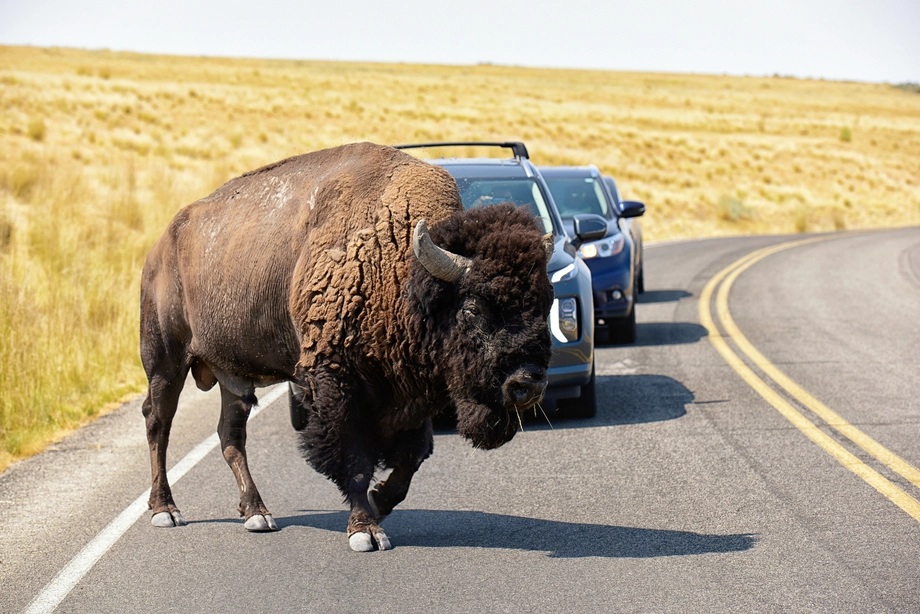 Antelope Island – Wild Heart of the Great Salt Lake Adventure
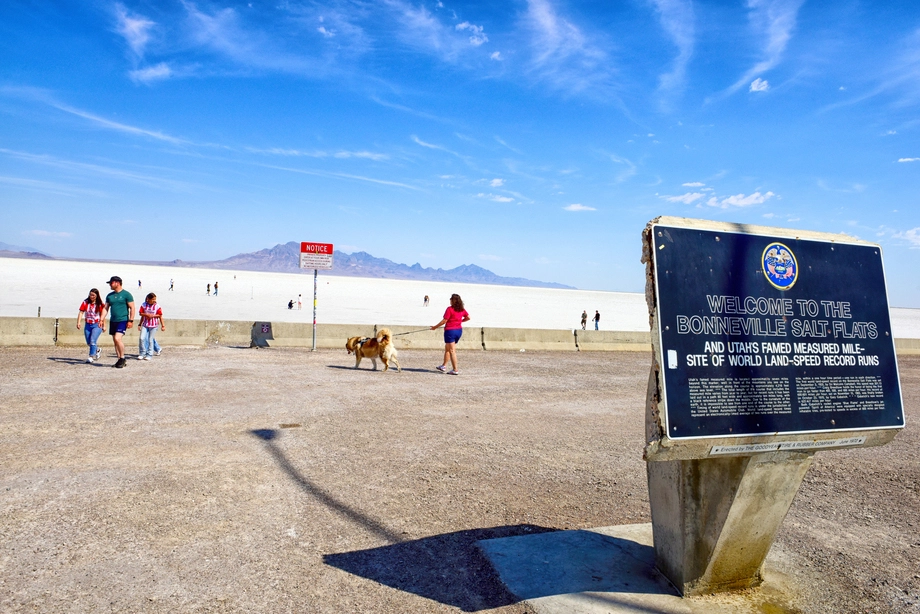 Bonneville Salt Flats – Journey to the Edge of the World
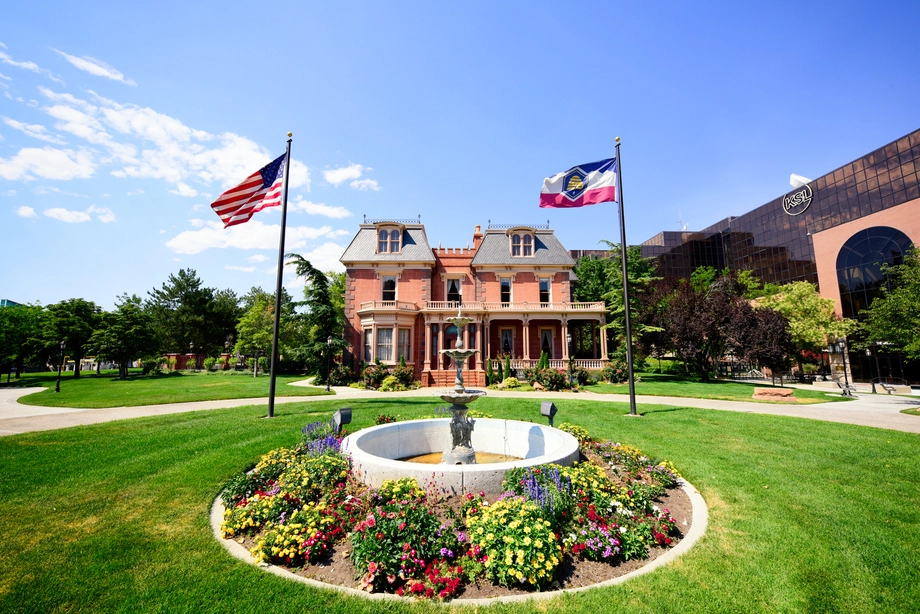 Salt Lake City – The City of Zion. Historical Interactive Walking Tour
 Antelope Island Sunset Wildlife Expedition – Great Salt Lake Odyssey