
Guided Avalanche-Aware Ski Touring Near Alta With a Certified Guide: Basics
Apr 24, 2026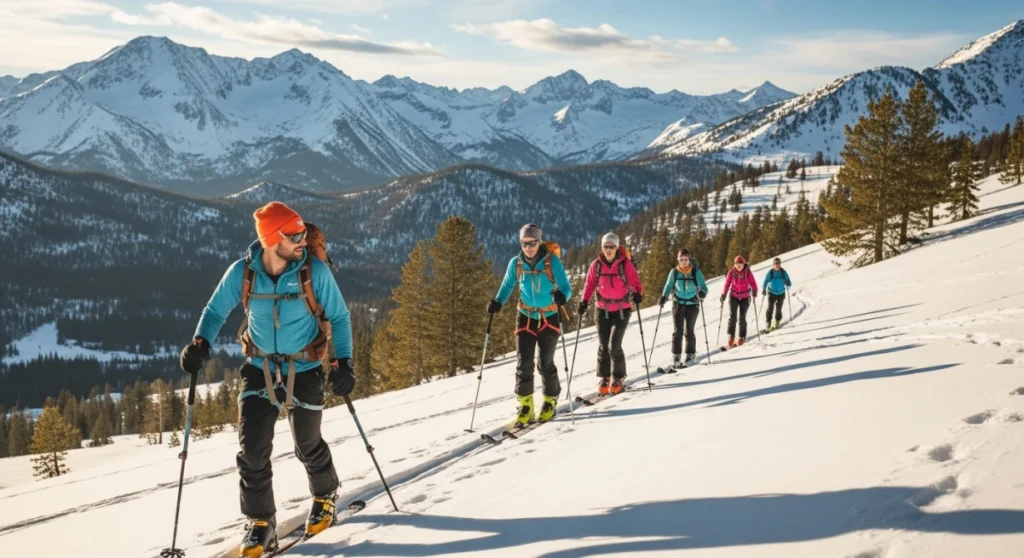
A good first touring day near Alta is about terrain choice, pacing, and honest communication, not steep lines. A certified guide helps turn changing conditions into safer decisions.
A lot of strong resort skiers make the same mistake around Alta. They assume fitness and powder skills automatically transfer to backcountry judgment. That gap matters most in the Wasatch because access can feel easy, terrain changes fast, and a short approach can still lead into serious avalanche exposure.
For many visitors, guided avalanche-aware ski touring near Alta with certified guide support is the smart starting point because the real value is not just route finding. It is learning how terrain, weather, pace, and group decisions fit together before a small error turns into a consequential one.
What avalanche-aware touring means near Alta in real practice
In practice, avalanche-aware travel is not a vague promise to be careful. It means choosing terrain that matches the day’s conditions, your skill level, and the group’s ability to move efficiently without rushing. A certified leader also watches the less obvious factors, such as how long transitions take, where people bunch up, and whether a skin track is drifting into a loaded slope.
Near Alta, that usually starts with conservative terrain choices, clean spacing habits, and honest conversation about what each person can actually do. A good day is not defined by maximum steepness. It is defined by returning with useful learning, enough energy, and no close calls that were excused as normal mountain drama.
- Terrain selection: The day’s route should fit current stability, visibility, wind effect, and the weakest skier in the group.
- Group management: People move one at a time through suspect areas, stop in safer spots, and communicate before dropping or traversing.
- Pacing: Efficient uphill movement matters because fatigue leads to poor transitions, slower reactions, and sloppy spacing.
- Turnaround discipline: A guide may shorten or change the objective if conditions or group energy do not support the original plan.
The biggest practical benefit is context. Many skiers can memorize warning signs. Far fewer can connect those signs to a real decision at 10 a.m. when the weather shifts and the attractive line is no longer the responsible one.
What a certified guide adds beyond navigation
Navigation is only part of the job. Certified leadership helps translate conditions into choices you can understand, not just follow. That makes the day more useful, especially if you want to build judgment instead of collecting one-off descents.
| Guide contribution | What it looks like on the day | Why it matters |
|---|---|---|
| Terrain matching | Adjusting the objective to weather, snowpack clues, and group ability | Reduces pressure to force a line that no longer fits |
| Movement management | Clear spacing, regroup points, and transition timing | Limits exposure and keeps the group efficient |
| Decision framing | Explaining why a slope is avoided or a plan is changed | Builds real understanding rather than blind following |
| Local travel efficiency | Choosing practical starts and realistic turnaround times | Prevents late-day fatigue and rushed exits |
Where people misinterpret it and why
The most common misunderstanding is thinking avalanche-aware means avalanche-proof. It does not. It means risk is being assessed and managed with deliberate choices, conservative margins, and willingness to back off.
Another misunderstanding is assuming the day should feel adventurous at all times to be worthwhile. In reality, a beginner-friendly outing may spend more time on route choice, transitions, and reading terrain than on steep descents. That is not a lesser day. It is often the right day.
Strong backcountry decisions usually look less dramatic than poor ones in the moment.
Common field wisdom among mountain professionals
- Myth: If a route is close to a ski area, it is automatically controlled or predictable. Reality: Once you leave managed terrain, you are relying on backcountry judgment, not resort mitigation.
- Myth: A fit skier can make up for weak planning. Reality: Fitness helps, but poor line choice and bad spacing are not solved by stronger legs.
- Myth: Hiring a professional means your role is passive. Reality: You still need to communicate honestly about fatigue, skills, and comfort level.
This is also where visitors get tripped up by expectation. They may book a mountain day imagining a highlight reel, then feel disappointed when the safest option is lower angle or shorter. A better frame is to judge the outing by decision quality, not only by vertical or steepness.
You found a hidden promo code!
Use code WOWBLOG at checkout and get 10% OFF any tour!
Limited time offer. Book now and save!
Browse ToursDecision scenarios that change the right choice
Theory only becomes useful when it changes your plan. Near Alta, the same person may need a very different objective depending on weather, visibility, wind loading, and how quickly the group moves uphill. That is why a preselected line should stay provisional until the day is underway.
Scenario 1: Strong skier, first backcountry day
A resort skier who is confident in powder and trees often expects a bigger objective than is appropriate. The better choice is usually mellow terrain with clean route finding, repeated transitions, and simple descents where the skier can focus on movement habits rather than survival mode.
Likely outcome: the skier gets fewer bragging-rights turns, but learns how spacing, skin-track etiquette, and descent timing actually work. That foundation is what prevents rushed decisions on future days.
Scenario 2: Mixed-ability group with changing weather
If one person is much slower on the uphill and visibility starts to flatten, the smart option is not to push harder. It is to shorten the objective, stay in terrain with simpler consequences, and preserve enough margin for a calm exit.
Likely outcome: nobody gets dragged into a tired, late descent with poor communication. The group finishes with energy and a clearer sense of what a realistic next outing should be.
| Situation | Better choice | Red flag that says step back |
|---|---|---|
| First touring day | Simple terrain, short transitions, moderate pace | Chasing steep lines to “make it worth it” |
| Low visibility | Use familiar, lower-consequence terrain | Committing to complex route finding in flat light |
| Mixed group speed | Shorter objective with clear regroup points | Fast skiers pulling the group apart |
| Fatigue by midday | Turn early and keep the descent straightforward | Extending the plan because the snow looks good |
Practical recommendations before you go
- Describe your real experience: Say whether your background is mostly resort skiing, previous skinning, or true backcountry travel. “Advanced” means very different things in each setting.
- Ask what success looks like: Clarify whether the outing is meant to teach movement and judgment, cover more ground, or target a specific style of terrain.
- Bring a flexible mindset: The strongest sign of good leadership is often a changed plan, not stubborn commitment to the original one.
- Be honest about uphill pace: A realistic speed estimate helps set safer terrain and timing choices.
- Flag any transition issues early: Trouble with skins, layers, or downhill setup can turn into long delays if nobody speaks up.
If your Utah trip includes non-ski days, keeping backup plans helps. Some travelers mix resort time, Utah Day Tours, and even Utah national parks tours from Salt Lake City when conditions make a mountain objective a poor fit.
Common mistakes and how to prevent them
The first recurring error is treating the morning conversation as small talk. That chat about ability, injuries, pace, and comfort level often shapes the whole objective. If someone overstates experience, the route may be set too ambitiously from the start.
The second is poor spacing on both the climb and the descent. People tend to bunch up when they are excited, cold, or confused. Prevention is simple but not automatic: pause, wait for instructions, move one at a time where exposure increases, and stop only in intentionally chosen spots.
- Overpacking layers and extras: Too much bulk slows transitions and creates frustration. Bring what you can manage efficiently.
- Chasing another group’s track: A skin track is not proof of a good decision for your team or for that day.
- Hiding fatigue: Quietly suffering usually leads to slower movement and weaker judgment later in the outing.
- Obsessing over downhill quality: Great snow can distract people from deteriorating visibility, timing, or route complexity.
Visitors also underestimate logistics around mountain access and timing. If you are building a broader winter itinerary, separate your backcountry day from other Utah ski tours or long sightseeing plans so the schedule leaves room for weather changes and conservative decisions.

Priority checklist for a better first day near Alta
Use this in order. If the first items are weak, the later ones do not rescue the day.
- Match the objective to your actual background. Resort confidence is helpful, but it is not the same as backcountry judgment or efficient transitions.
- Confirm the day’s goal. Decide whether the priority is learning, mileage, or a certain type of terrain. One day rarely delivers all three well.
- Protect communication. Say when you are cold, slow, confused, or uncomfortable before the group is committed to a bigger line.
- Watch timing, not just conditions. Good snow is not enough if the group is running late or moving poorly.
- Accept route changes quickly. Strong mountain days often improve when ego leaves the plan early.
That checklist sounds simple, but it is usually the difference between a useful introduction and a day spent reacting to avoidable problems.
Avalanche-aware touring near Alta starts with good judgment, not with chasing the biggest line you can reach. The right certified guide helps turn conditions, terrain, and group ability into practical choices you can understand and repeat later. If you treat the day as a skills and decision-making session, you are far more likely to finish with confidence that is earned rather than assumed. For a broader Utah trip, MateiTravel can help you build a winter plan that leaves room for smart mountain decisions.
Is a strong resort skier automatically ready for backcountry touring near Alta?
No. Solid downhill ability helps, but uphill efficiency, terrain judgment, and spacing habits still need to be learned.
What makes a first guided day successful if the terrain is not very steep?
A successful first day teaches clean movement, better decision-making, and realistic pacing. Those skills matter more than chasing a dramatic descent.
Why might a certified guide change the original plan?
The best route can shift with visibility, wind effect, group speed, or fatigue. A plan change usually means the day is being managed well.
What should I tell the guide before the outing?
Share your true skiing background, touring experience, current fitness, and any concerns about pace or comfort. Accurate information leads to better terrain choices.
How does mixed ability affect route choice?
It often means choosing a shorter or simpler objective with clearer regroup points. Keeping the team together is more important than forcing a bigger plan.
Does proximity to Alta make backcountry terrain safer by default?
No. Once you leave managed ski area terrain, decisions depend on backcountry assessment rather than resort control work.

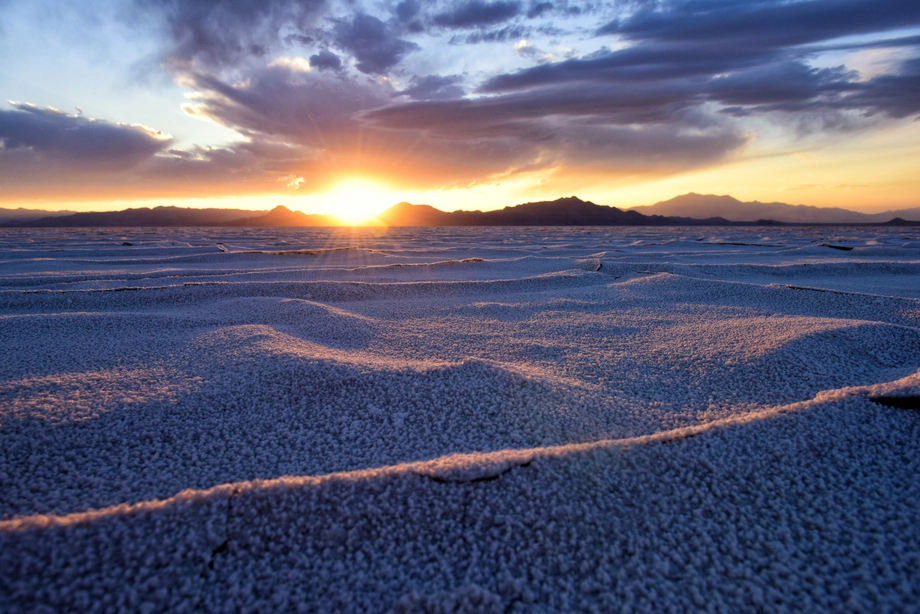 Bonneville Salt Flats – Sunset Adventure of the White Desert
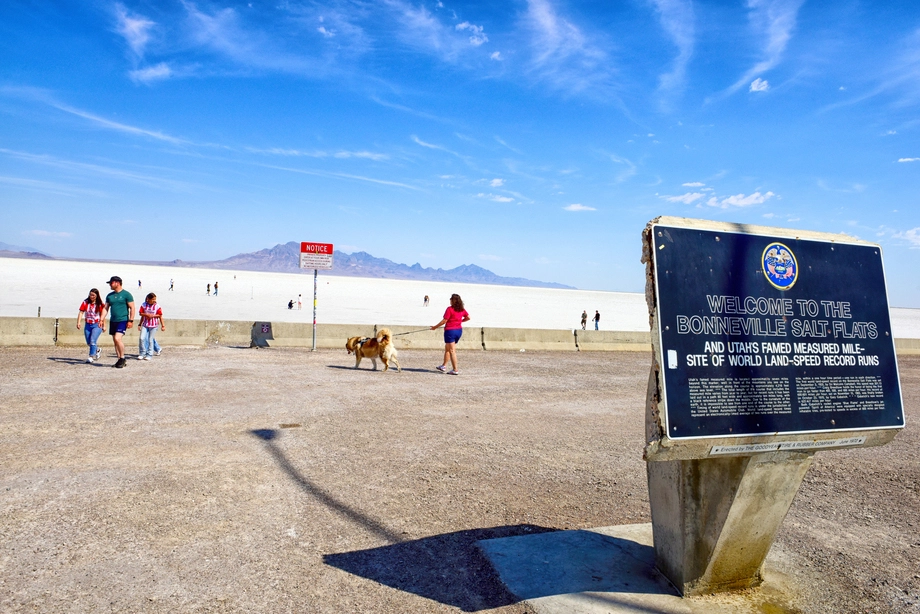 Bonneville Salt Flats – Journey to the Edge of the World
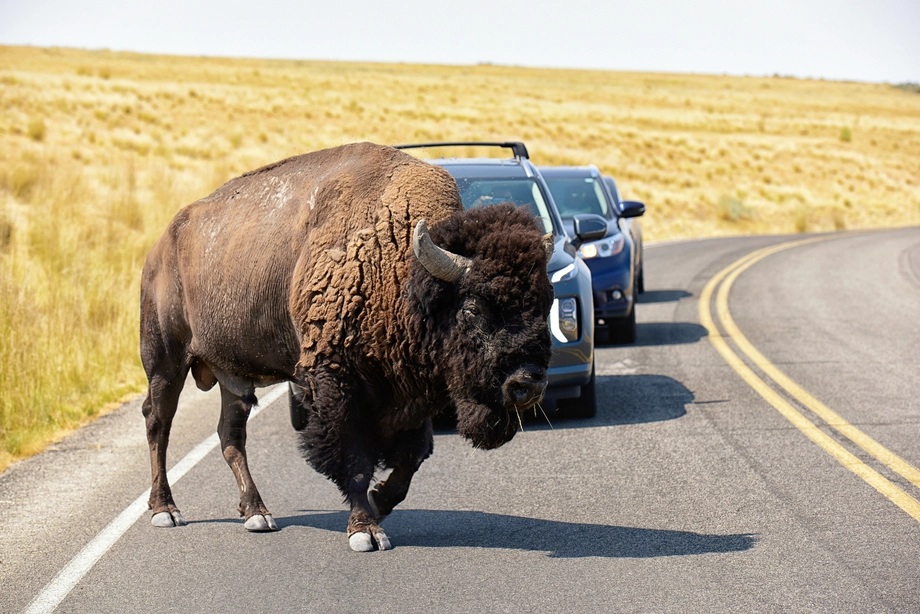 Antelope Island – Wild Heart of the Great Salt Lake Adventure
 Antelope Island Sunset Wildlife Expedition – Great Salt Lake Odyssey
 Salt Lake City – The City of Zion. Historical Interactive Walking Tour