
Guide to Salt Lake City Neighborhoods for Tourists and Walking Tours
Jan 10, 2026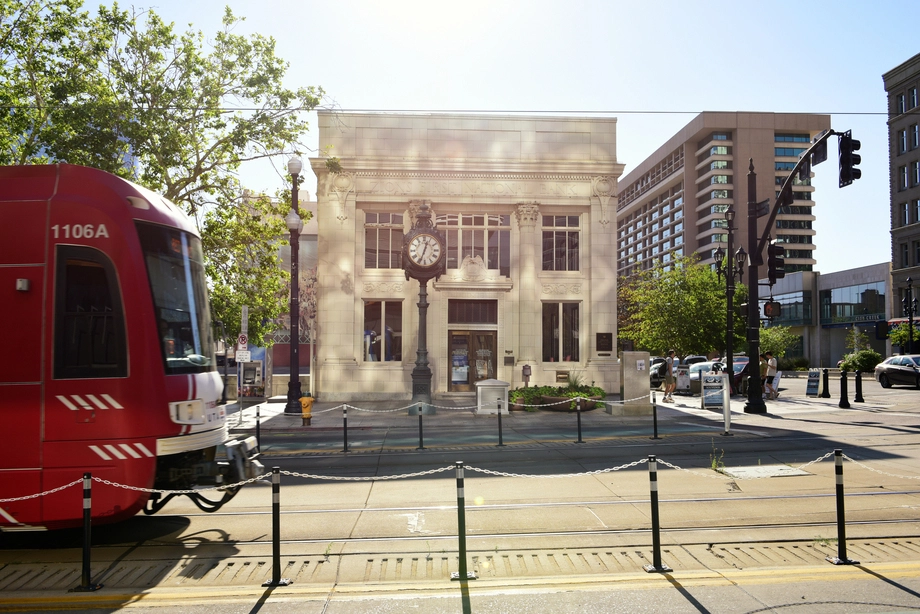
Stay downtown for easy walking tours and logistics, choose foothill neighborhoods for ski access, and use small-group city walks plus organized day trips to explore Utah efficiently and comfortably.
Many visitors land in Salt Lake City, head straight for a ski resort or a national park, and only then realize they barely saw the city itself. Yet your choice of neighborhood can completely change how you experience local history, food, and Utah’s legendary landscapes. With a thoughtful base and the right mix of guided and self-guided exploring, even a short stay becomes much richer.
This guide walks through the most useful areas of Salt Lake City for travelers, compares who each neighborhood suits best, and shows how to combine them with city walks, ski day trips, and excursions to Utah’s famous national parks. You will also find practical pros and cons, common planning mistakes, and expert tips from the perspective of a tour organizer working daily with visitors’ real itineraries.
How is Salt Lake City organized and why do neighborhoods matter?
The grid and getting around
Salt Lake City is built on a clear grid with numbered streets that radiate from Temple Square. Addresses are measured in blocks from this central point. That makes basic navigation easy, but distance can still surprise first-time visitors because the blocks are long and the metro area is spread out.
Most visitors who want to explore on foot stay in or near downtown. From there you can walk to Temple Square, Capitol Hill, parts of The Avenues, and the growing restaurant scene. Other areas like Sugar House or 9th & 9th are still city neighborhoods, but they feel more like separate districts and often require a short drive or rideshare from downtown hotels.
Season and trip style
Your season affects which neighborhood is practical. In winter, staying closer to the canyon roads and ski transfer pickup points saves time on snowy mornings. In summer, many travelers prefer walkable areas with tree shade, parks, and outdoor patios such as Sugar House or the historic streets on Capitol Hill.
Think first about your main goal. If you want museums and history, downtown and Capitol Hill work well. For cafés and local nightlife, Sugar House or 9th & 9th stand out. If your priority is mountains and fast access to ski day trips, the University and Foothill area can be a strong choice.
Where walking fits in
Salt Lake City is not a tiny compact old town, but several neighborhoods work very well for walking. Guided group walks in the center focus on stories, hidden courtyards, and how the city developed from a frontier settlement into a regional capital. A self-guided walking tour of Salt Lake City can complement that, letting you revisit places you heard about or branch out to quieter districts at your own pace.
Downtown and Temple Square: the classic first-time base
What it feels like
Downtown is the practical heart of Salt Lake City for tourists. You are close to light rail, many hotels, and the historic religious and civic core around Temple Square. Streets are wide and modern, with a mix of office towers, restaurants, and landmark buildings from the late 19th and early 20th centuries.
The area is busiest on weekdays, while evenings and weekends can feel calmer than in some big cities. For many visitors that quieter rhythm is a plus, especially after busy national park drives or long ski days.
Key sights and walks
Most first-time visitors mix a structured city walk with independent exploring. Salt Lake City walking tours with local guides typically keep groups small so you can ask questions and learn how the city’s grid, religious history, and architecture connect. Routes often pass historic buildings, public squares, and a few less obvious corners you might not notice on your own.
After a guided walk, you can create your own loop between Temple Square, nearby museums, and the foothill views of Capitol Hill. This area also works well if you are trying to design something close to a free walking tour of Salt Lake City by using public spaces and open landmarks without formal entry fees.
Who downtown suits best
Downtown is ideal if you are in the city for the first time and have only a day or two before or after a longer Utah trip. It minimizes logistics, since many organized excursions depart from central pickup points. That includes day tours to Utah’s ski resorts, national parks, and other landscapes that begin in Salt Lake City.
It also works well if you do not want to rent a car. You can walk many of the central sites and rely on transfers included in day tours for everything farther away.
You found a hidden promo code!
Use code WOWBLOG at checkout and get 10% OFF any tour!
Limited time offer. Book now and save!
Browse ToursCapitol Hill and The Avenues: historic streets and views
Atmosphere and architecture
Just north and northeast of downtown, Capitol Hill and The Avenues feel more residential and historic. Streets rise towards the Utah State Capitol and then continue into sloped blocks with older homes, mature trees, and impressive views over the valley.
Compared with downtown, the pace here is quieter. The grid becomes more intimate, and the combination of hilltop lawns, porches, and older architecture gives a sense of how the city grew from its original core.
Sights and walking routes
From downtown you can walk up to the Capitol for panoramic city and mountain views. Many visitors weave this into a longer urban hike that loops through parts of The Avenues, then descends back to the center. It is a good option if you enjoy city walks with a bit of elevation change and want to mix architecture, viewpoints, and local life.
This area is also a strong extension to guided city walks that focus on the planning and development of Salt Lake City. Once you have the historical context from a local guide, wandering these streets helps you see those stories in the fabric of the neighborhood.
Best for which travelers
Capitol Hill and The Avenues suit travelers who appreciate characterful neighborhoods and do not mind some uphill walking. They work especially well in spring and fall when temperatures are mild and the views are clear.
If you plan to spend most of your daylight hours on day tours or ski trips, staying here still keeps you fairly close to downtown pickup points, though you may prefer a short rideshare instead of walking early in the morning or after dark.
Sugar House and 9th & 9th: cafés, parks, and local energy
The vibe in Sugar House
Sugar House, southeast of downtown, blends older homes with newer developments, independent shops, and one of the city’s favorite parks. The neighborhood has a relaxed but lively feel, especially around its main streets and the lake and paths of Sugar House Park.
It is less about big landmarks and more about everyday local life. Many visitors come here once or twice during their stay for a different perspective on the city beyond the downtown core.
9th & 9th and nearby streets
The 9th & 9th intersection and surrounding blocks are another pocket of local restaurants, coffee shops, and boutiques. This area feels intimate, with walkable blocks that reward strolling and people watching.
In short, these southeastern neighborhoods are ideal if you like to start or end your touring days with a slow walk for coffee, dinner, or park time instead of staying only among office towers.
Traveler types that love these areas
Sugar House and 9th & 9th work best for travelers who are comfortable using a car or rideshare. From here, you will usually drive to downtown, meeting points for group tours, or the canyon roads that lead to the ski areas.
They are good choices for longer stays, remote workers mixing business and leisure, or repeat visitors who already know the central historic sites and now want a more local neighborhood feel.
University and Foothill: active travelers and mountain access
Campus and museums
The University of Utah and the Foothill Drive corridor sit east of downtown at the base of the mountains. The area combines campus energy, museums, and residential streets that climb towards the foothills.
From here it is relatively easy to reach trailheads in the nearby hills or simply enjoy views back across the city. You are still within reach of central sights, though most visitors will use a car, light rail, or transfers rather than walk all the way downtown.
Gateway to the canyons
This part of the city is particularly practical if your main goal is time in the mountains. Organized one-day tours from Salt Lake City to Utah’s ski resorts start in the city, then provide transfers and guidance up to the slopes. Staying closer to the foothills shortens your morning drive to pickup points or canyon roads.
These ski day trips are designed to remove the stress of learning each resort’s small details. They give you flexible time on the snow, help you orient at the resort, and support both confident skiers and first-timers who would rather focus on the experience than on logistics.
Combining day trips and neighborhood time
If you choose this area, plan at least one non-ski day in the city as well. You can join a guided walking tour downtown on your first day to get oriented, then spend the next one or two days on the slopes before continuing to national parks or other Utah landscapes.
This pattern works well for travelers who want a balanced itinerary with culture, history, and outdoor adventure in the same short trip.
Guided vs self-guided walking in Salt Lake City
Why consider a guided city walk
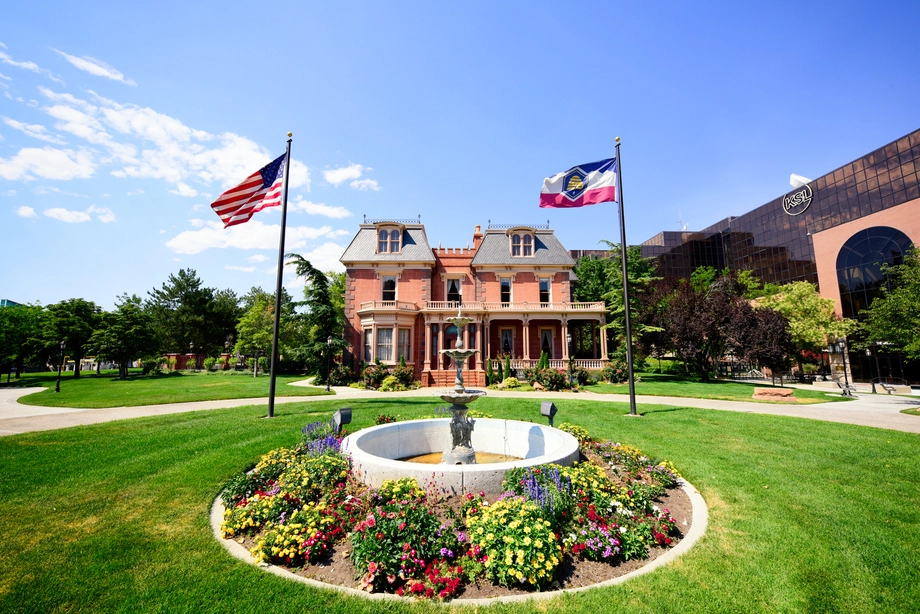
For many visitors, the most efficient first step is to join a small-group walking tour in central Salt Lake City. Local guides lead you through key streets, historic buildings, and quieter corners while explaining how the city’s plan, religion, and geography shaped what you see today.
The groups are intentionally small so you can ask about everything from architecture details to how the grid works. Detailed route descriptions, including distance and terrain, are usually available before you book so you know what to expect in terms of effort.
Designing your own self-guided walking route
Once you have that background, designing your own self-guided walking tour of Salt Lake City becomes easier and more rewarding. You already know which landmarks matter to you and how long typical routes feel, so you can connect neighborhoods in a realistic way.
A common pattern is to start at your hotel downtown, loop through Temple Square and the Capitol, then descend via The Avenues or back through side streets you noticed during the guided walk. You can add Sugar House or 9th & 9th by combining walking with a short transit or rideshare hop.
What about “free” walking tours?
Some travelers try to build a free walking tour style experience by patching together online information and focusing on places without entry fees. Central Salt Lake City works fairly well for this approach because many outdoor landmarks, public squares, and viewpoints are open and accessible.
However, in practice the most efficient way to understand the city’s story is usually a paid guided walk, at least on your first day. After that, you can use your new knowledge to explore more independently, which keeps your overall trip both budget-conscious and rich in context.
Day trips from each neighborhood: ski slopes, national parks, and open landscapes
One-day ski resort tours from the city
Salt Lake City is a base for one-day tours to Utah’s ski resorts. These trips start in the city and include transfers to the mountains, then give you flexible time on the slopes. Guides help you find your way around each resort so you spend more time skiing and less time decoding signage or trail maps.
This format works for couples, families, or groups of friends. Experienced skiers get quick access to local information, while newcomers benefit from reduced stress and clear orientation on how to move around the resort safely.
Excursions to Utah’s national parks
From Salt Lake City, organized tours also head out to Utah’s national parks such as Zion, Bryce Canyon, Arches, Canyonlands, and Capitol Reef. These excursions include transport to and from the parks, visits to major viewpoints with time for photos, and short hikes to arches, ridgelines, and canyons.
Routes follow scenic highways with photo stops and commentary about geology, history, and local stories. Information on duration, daily schedule, physical effort, and cost is provided in advance so you can pick a route that fits your energy level and available time.
Other one-day landscapes: salt flats and wildlife
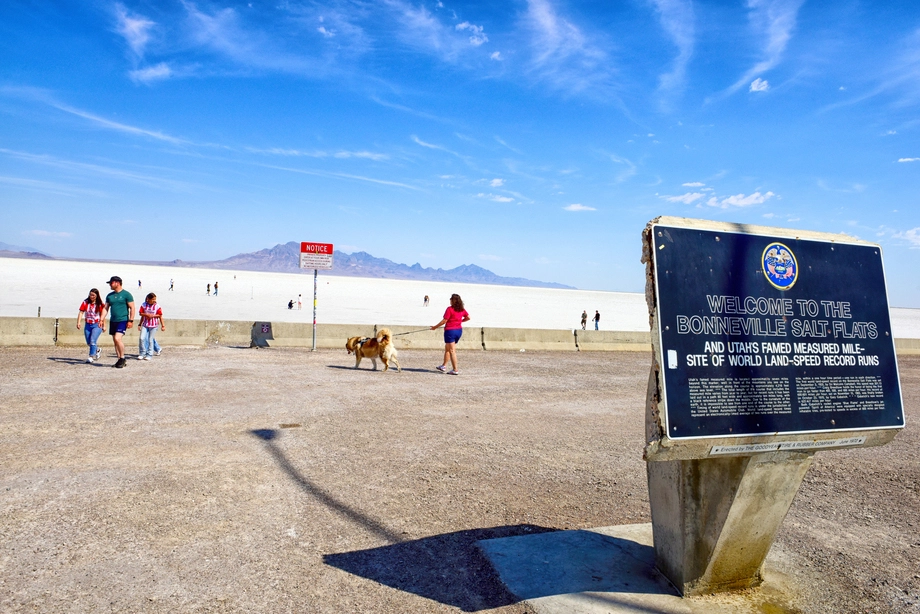
Not every traveler has time for multi-day national park trips. For those with tighter schedules, one-day tours from Salt Lake City visit closer natural highlights such as the Bonneville Salt Flats or Antelope Island. These routes balance drive time and time on site so the day feels full but realistic.
Some day trips focus on wildlife, others on vast open spaces, and some combine both types of experience. Tours typically include transfers, a planned route, a guide’s commentary, and short escorted walks so you can safely enjoy viewpoints and trails without worrying about navigation.
Pros and cons of key neighborhoods for tourists
Main advantages
- Easy downtown logistics: Staying in the central area keeps you close to walking tours, dining, and many pickup points for day trips and ski transfers.
- Diverse neighborhood styles: Visitors can choose between historic streets on Capitol Hill, lively local zones like Sugar House, and mountain-facing areas near the University.
- Strong walking options: Several districts allow pleasant urban walks, especially when combined with small-group tours that highlight hidden courtyards and lesser-known corners.
- Flexible day-trip choices: From any main neighborhood you can join organized excursions to ski resorts, national parks, or nearby landscapes without managing all the logistics yourself.
- Clear pre-trip information: For many experiences, details like route length, terrain, and daily schedule are available before booking, which helps you match activities to your fitness and preferences.
Key limitations
- Spread-out city layout: Even with a grid, distances between neighborhoods can be longer than they look on a map, so you cannot rely only on walking for everything.
- Seasonal weather swings: Heat in midsummer and snow or ice in winter can affect how comfortable city walks feel, especially in hilly areas such as Capitol Hill.
- Car dependence in some districts: Areas like Sugar House or 9th & 9th are great for local strolling but usually require a drive or rideshare to downtown and tour departure points.
- Limited late-night energy downtown: The city center can feel quiet in the late evening compared with larger nightlife destinations, which may not suit every traveler’s expectations.
- Early starts for day trips: National park and ski excursions often begin early, so staying far from meeting points can mean earlier wake-ups or extra transfers.
Quick neighborhood comparison
| Neighborhood | Main Strength | Best For | Walking Difficulty |
|---|---|---|---|
| Downtown & Temple Square | Central logistics and landmarks | First-time visitors, car-free travelers | Mostly flat city streets |
| Capitol Hill & The Avenues | Views and historic character | Walkers who enjoy hills and scenery | Moderate to steep in places |
| Sugar House & 9th & 9th | Cafés, shops, and parks | Repeat visitors, longer stays | Gentle, neighborhood-style walking |
| University & Foothill | Mountain proximity | Skiers and active travelers | Mixed, some slopes towards foothills |

Common planning mistakes and how to avoid them
Misjudging distances and walkability
One of the biggest surprises for visitors is how far apart some destinations are, even within the city. Maps make the grid look simple, but blocks are large, hills are real, and walking between every stop can turn a pleasant day into a tiring one.
To avoid this, combine walking with guided tours and transfers. Use a central guided walk on your first day to see the highest-value streets on foot and understand which areas feel comfortable for you, then use rideshares or included transfers for longer hops.
Underestimating altitude and weather
Salt Lake City sits at a higher elevation than many other US cities, and nearby ski resorts are higher still. That can make even moderate uphill walks feel more demanding, especially in the first 24–48 hours after arrival.
Travel medicine specialists recommend allowing at least a day of lighter activity when arriving at higher elevations so your body can adapt before intense exertion.
Travel Health Guidance, 2023
Plan your neighborhood strolls and city walks at the start of your trip, but give yourself flexibility to shorten routes if you feel tired. Drink more water than you normally would and dress for sudden weather changes, particularly in shoulder seasons.
Overloading day-trip schedules
Another frequent mistake is trying to fit a guided city walk, a long drive to a national park, and perhaps a ski day all into a two-day stopover. That usually leaves you exhausted and with only surface impressions of each experience.
A more realistic pattern is one full day centered on the city itself, including a walking tour and some independent exploring, and one full day focused on a single major excursion such as a ski resort or a signature national park route.
Not matching neighborhood to itinerary
Some visitors instinctively choose the same type of neighborhood they enjoy at home, without checking how it aligns with their plan. For example, staying far from downtown when every tour you booked departs from central meeting points adds extra transfers to every day.
Before you commit, list the specific tours and activities you want. Then pick a neighborhood that minimizes backtracking to those starting points while still giving you the atmosphere you prefer.
Practical tips for choosing your Salt Lake City base
Match neighborhood to your main goal
- For first-timers: Base yourself downtown or by Temple Square. You will be able to walk most central sites and reach guided city walks in minutes.
- For repeat visitors: Consider Sugar House, 9th & 9th, or The Avenues to experience more residential and local-feeling streets.
- For ski-focused trips: Look towards the University and Foothill area for quicker access to canyon roads and ski transfers.
Use guided walks to “unlock” the city
In practice, one of the smartest moves is to schedule a guided small-group walk on your first day in Salt Lake City. It gives you a narrative for the places you see, clarifies the grid, and highlights which neighborhoods you might want to revisit independently.
After that, you can assemble your own mix of independent walking, relaxed café time, and structured excursions without wasting energy on trial-and-error navigation.
Plan day trips with realistic energy in mind
When booking day tours to ski resorts, national parks, or other Utah landscapes, check the provided information on duration, terrain, and driving time. Choose routes that leave you with enough energy to enjoy an evening stroll and dinner back in your neighborhood of choice.
For many visitors, a rhythm of city-focused day, then day trip, then another city or light day trip works better than stacking demanding excursions back-to-back.
Book key experiences early in peak seasons
Winter for skiing and late spring through early fall for national parks see the highest demand. Organizing your main day trips and central walking tour ahead of time gives you a framework, then you can fill the gaps with flexible self-guided walks, park visits, or café time.
In quieter seasons you may have more last-minute freedom, but it is still wise to confirm at least one structured activity for each full day in the city so your time feels purposeful rather than random.
Comparing ways to explore from your neighborhood
How walking tours and day trips work together
Different types of tours from Salt Lake City complement each other instead of competing. City walks give you orientation and cultural context. Ski day trips provide easy access to the slopes without the stress of driving in winter. National park and other one-day excursions showcase Utah’s landscapes when you do not have time for a full road trip.
The table below shows how these formats differ in focus and ideal timing within your stay.
| Experience Type | Main Focus | Typical Duration | Best Trip Timing |
|---|---|---|---|
| Central walking tour | History, planning, hidden city corners | Half day or less | First full day in Salt Lake City |
| One-day ski resort tour | Skiing or snowboarding with low-stress logistics | Full day | Any winter day after initial city orientation |
| National park excursion | Iconic landscapes, viewpoints, short hikes | Full day or longer | Middle of trip, with rest time before and after |
| Other one-day Utah tour | Salt flats, wildlife, or open spaces | Full day | When you have one spare day and limited time |
Example itineraries by neighborhood
To make all this more concrete, imagine two different travelers. One stays downtown for three nights. On day one they join a small-group walking tour, then take a self-guided loop through Capitol Hill. Day two is a full-day ski excursion with transfers. Day three is a relaxed morning café visit and souvenir stop before departure.
Another traveler stays in Sugar House for four nights. On the first afternoon they walk the neighborhood and park, then head downtown the next morning for a guided city walk. The third day is a national park day trip with scenic drives and short hikes. The fourth day they enjoy a slower pace with a visit to 9th & 9th and an easy evening stroll.
Conclusion: choosing your Salt Lake City home base
Salt Lake City’s neighborhoods offer very different experiences, from the landmark-filled streets around Temple Square to the hilltop views of Capitol Hill and the café culture of Sugar House. When you align your base with your priorities, the city becomes a comfortable launchpad rather than just a stopover.
Thoughtfully combining guided small-group walks, your own independent routes, and well-organized day trips creates a trip that feels both efficient and personal. Whether you are here mainly for skiing, national parks, or urban exploring, the right neighborhood choice will reduce stress and increase what you see and learn.
If you prefer to skip complex logistics and focus on the experience, consider planning your city walks and one-day excursions with MateiTravel so you can spend more time enjoying Salt Lake City and less time worrying about the details.

 Bonneville Salt Flats – Sunset Adventure of the White Desert
 Antelope Island – Wild Heart of the Great Salt Lake Adventure
 Bonneville Salt Flats – Journey to the Edge of the World
 Salt Lake City – The City of Zion. Historical Interactive Walking Tour
 Antelope Island Sunset Wildlife Expedition – Great Salt Lake Odyssey