
Family Paleontology Digs Near Capitol Reef: What Kids Should Expect
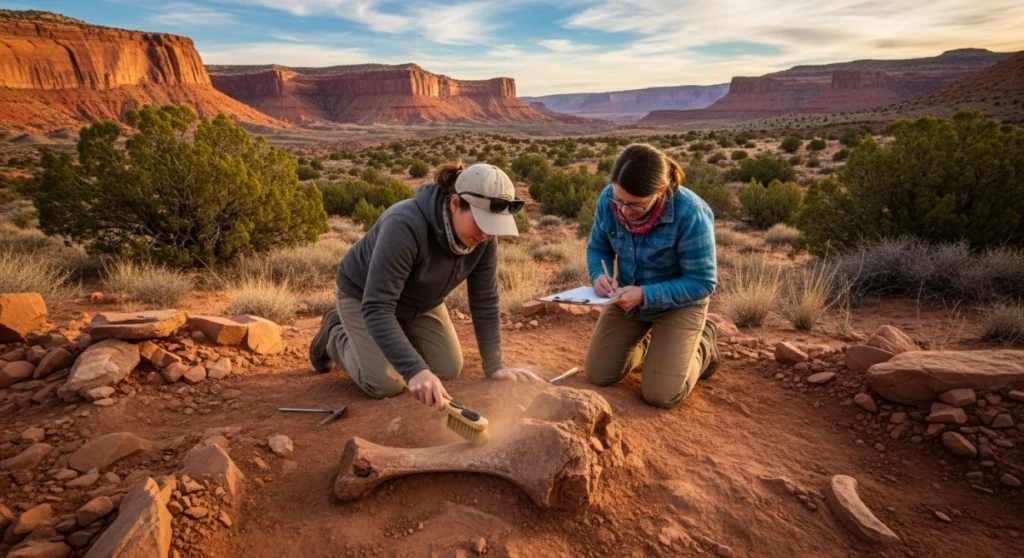
Kids usually enjoy paleontology stops near Capitol Reef most when families expect slow, hands-on learning rather than nonstop digging. Plan around energy, heat, and realistic attention spans.
Parents usually picture a child kneeling over a fossil, brushing off a perfect bone, and staying fascinated for hours. What happens more often is slower, dustier, and much more about patience than discovery. Around Capitol Reef, that gap between the fantasy and the real experience matters because families often stack a dig stop into a tight Utah parks trip and then wonder why the day feels flat.
The fix is not lowering the fun. It is setting the right expectations before anyone gets in the car. When kids know that paleontology is mostly careful looking, listening, waiting, and following site rules, they are far more likely to enjoy the outing instead of treating it like a treasure hunt that failed.
What a family paleontology outing near Capitol Reef means in real life
For most families, a paleontology-focused stop near Capitol Reef is less about active excavation and more about learning how fossils are found, protected, and interpreted. Kids may see rock layers, hear geology stories, look for patterns in stone, and use simple observation tools rather than “digging up dinosaurs” in the movie sense.
If you are looking for a private paleontology dig experience near Capitol Reef for families with child-friendly tools, treat that search like a screening question, not a guaranteed format. Ask whether children will actually handle tools, how long hands-on time lasts, and what counts as participation for younger kids who lose focus quickly.
- Best expectation: A guided learning experience with some tactile moments, not a nonstop excavation.
- Likely pace: Slow observation, short bursts of activity, and plenty of adult explanation.
- What kids remember: Holding a brush, spotting shapes in rock, and hearing the story behind what they saw.
- What adults need to manage: Heat, boredom threshold, and the child’s ability to follow directions around sensitive areas.
“The families who enjoy these stops most are rarely the ones chasing a major find. They are the ones who arrive expecting a science experience first and a discovery moment second.”
Practical trip-planning note
Where families misread the experience
The biggest misunderstanding is assuming “dig” means free-form digging. In practice, children often get a structured activity, limited handling, or a demonstration-led session. That is not a lesser experience. It is usually the safer and more educational one for mixed ages.
Another common miss is treating the stop like a playground reward after a long scenic drive. Capitol Reef days can already include overlooks, short walks, and photo stops. By the time a family reaches a fossil-themed activity, some children are tired, thirsty, or mentally done with “one more cool place.”
Misconceptions that cause disappointment
- “My child will be digging the whole time”: Many experiences focus on identification, context, and careful handling rather than active excavation.
- “Younger kids will love this automatically”: Preschoolers often enjoy tools for five minutes and then need a different kind of engagement.
- “A fossil day equals a low-effort day”: Desert travel still means sun, dust, transitions, and logistics.
- “If nothing is found, the activity failed”: The real win is learning how scientists notice evidence and why not every rock tells a clear story.
| Expectation | What usually works better | What to check before booking |
|---|---|---|
| Treasure-hunt excitement | Science-focused curiosity | Whether the activity emphasizes interpretation over excavation |
| Long attention span | Short, rotating engagement | Session length and shade or rest options |
| Equal fit for all ages | Different roles for different kids | Minimum age guidance and hands-on access |
| Big souvenir moment | Memorable story and photos | What children can touch, try, or take away as a learning memory |
You found a hidden promo code!
Use code WOWBLOG at checkout and get 10% OFF any tour!
Limited time offer. Book now and save!
Browse ToursHow to turn the idea into a smart family decision
Whether a paleontology stop makes sense depends on your child’s temperament, the rest of your route, and how much driving your group can absorb. This is where many families need a practical filter, especially if they are combining Capitol Reef with broader Utah sightseeing.
If your plan already includes multiple parks, compare the fossil outing against the total energy cost of the day. A child who can handle one scenic drive, one short walk, and one structured learning activity is different from a child who melts down after an hour in the car.
Scenario 1: You want a science highlight during a short Utah trip
This works best when the fossil-themed stop is the day’s anchor, not an add-on after too many viewpoints. Families flying into Salt Lake City often underestimate how much logistics can eat into patience. In that case, guided planning can reduce decision fatigue, especially if you are balancing geology, sightseeing, and age-appropriate walking.
For families comparing options like Utah national parks tours from Salt Lake City with a fully independent route, the key question is not just cost or freedom. It is whether your kids do better when transport, timing, and context are handled for you, leaving parents free to focus on the child’s attention and comfort.
Scenario 2: You are building a broader road trip with camping
A family-friendly two-day Utah parks itinerary from Salt Lake City with camping can sound manageable on paper, but paleontology-themed stops are rarely ideal when squeezed between camp setup, early starts, and long drives. The experience lands better when the family arrives rested and has enough margin for a slower pace.
If your children love tools, rocks, and stories, put the science element earlier in the day and save overlooks for later. If they care more about movement than details, reverse that. Let the fossil outing be the focused part, then use scenic stops as decompression instead of the other way around.
| Trip style | Strengths for families | Tradeoffs to expect |
|---|---|---|
| Guided park touring from Salt Lake City | Round-trip transport, park context, clear schedule, viewpoints and short walks already planned | Less control over spontaneous stops and pacing |
| Self driving tour of Utah national parks | Flexible timing, easier to pivot around naps or moods, custom stop sequence | Parents handle navigation, parking, trailhead decisions, and energy management |
| Camping-based two-day route | More immersion and evening downtime if the family camps well | Setup tasks can compete with kid energy for learning-focused activities |
Practical recommendations that make kids happier on the ground
Children respond better when adults frame the outing as detective work, not guaranteed discovery. The day also goes smoother when one adult watches the schedule and the other watches the child’s energy. That division sounds simple, but it prevents a lot of avoidable conflict.
- Describe the activity honestly: Tell kids they may look, brush, compare, and listen more than they dig.
- Set a time target in kid language: Use short chunks like “first we explore for twenty minutes, then we get water and a snack.”
- Give each child one job: One can be the rock-shape spotter, another the photo helper, another the question asker.
- Protect the best attention window: Schedule the stop before the hottest, crankiest part of the day whenever possible.
- Pack for touch and reset moments: Water, shade planning, a wipe for dusty hands, and a simple snack often matter more than extra gear.

Frequent mistakes and how to avoid them
Parents often oversell the “dinosaur” angle because they want buy-in. The downside is obvious. If the child hears dinosaur and gets mostly rock layers, they feel tricked, even if the science is excellent.
Another mistake is stacking too much education into one outing. A child does not need a full geology lecture to feel engaged. One or two clear ideas, such as how fossils form or why scientists work slowly, are enough for most elementary-age visitors.
- Avoid hype: Promise a chance to learn how fossil hunters work, not a dramatic discovery.
- Avoid overlong days: Do not pair a demanding scenic drive, multiple hikes, and a structured science stop unless your children already travel well.
- Avoid one-size-fits-all pacing: Siblings often need different roles and different break timing.
- Avoid last-minute planning: Confirm what the experience includes, how active it is, and whether younger children can participate meaningfully.
A priority checklist before you commit
Use this as a fast filter when deciding whether a fossil-oriented stop belongs in your Capitol Reef plan. If you cannot answer most of these clearly, the risk of frustration rises.
- Match the child: Does your kid enjoy slow observation, guided learning, or hands-on tools?
- Check the true format: Is it actual digging, demonstration, or interpretation-focused exploration?
- Check the day load: How many hours in the car and how many stops come before it?
- Check conditions: What will heat, sun, and dust do to your child’s mood by that point?
- Check recovery time: Is there room afterward for food, rest, and a no-pressure scenic stop?
Families who answer those questions honestly usually make better choices than families who chase the most exciting description. A science stop near Capitol Reef can be excellent for kids, but only when the adults plan around attention span, not around a dream version of paleontology.
The best family paleontology outings near Capitol Reef feel successful when kids expect careful science, not nonstop digging. A slower, well-timed stop usually delivers more enjoyment than a packed day built around big promises. Match the experience to your child’s patience, place it in the strongest part of the day, and confirm what hands-on participation actually means. If you want help balancing Capitol Reef with broader Utah sightseeing, MateiTravel can simplify the route planning.
Are paleontology activities near Capitol Reef usually full digging experiences?
Not usually. Many family-friendly options lean more toward observation, explanation, and limited hands-on participation.
What age does best with a fossil-focused stop?
Kids who can handle slower pacing and follow instructions tend to enjoy it most. Younger children can still do well if the session is short and adults keep expectations simple.
Should a fossil outing come before or after major sightseeing stops?
Before is often better. Children are more patient when they are not already worn out from driving and multiple viewpoints.
Is a guided Utah trip better than driving yourself with kids?
It depends on your family. Guided touring reduces logistics, while self-driving gives you more freedom to adjust around naps, food breaks, and mood.
What is the most important question to ask before booking?
Ask what children will actually do on site. That tells you far more than the word “dig” in a description.
Can a camping trip and a paleontology stop work in two days?
Yes, but only if the schedule has breathing room. Camp setup and long drives can drain the energy needed for a focused learning activity.

Dima, owner and guide, is passionate in his advocacy for the health of Utah\'s parks and...
Read more →Such an amazing trip and experience. Dima is a cool tour guide, very humorous and willing...
Read more →Your was super thorough and guide was very helpful and informative throughout the tour
Read more →Our guide was very knowledgeable, friendly and helpful. We saw lots of interesting parts of Utah...
Read more →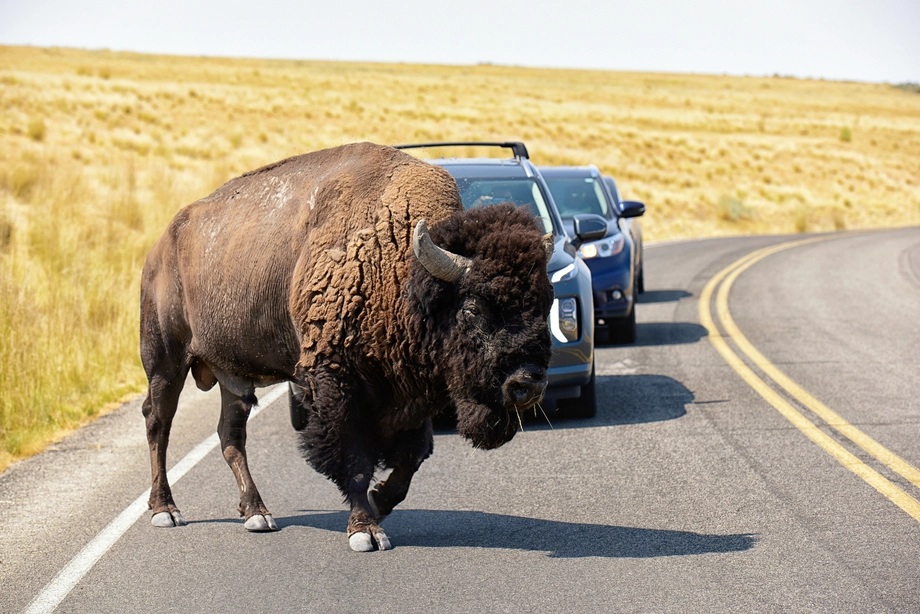 Antelope Island – Wild Heart of the Great Salt Lake Adventure
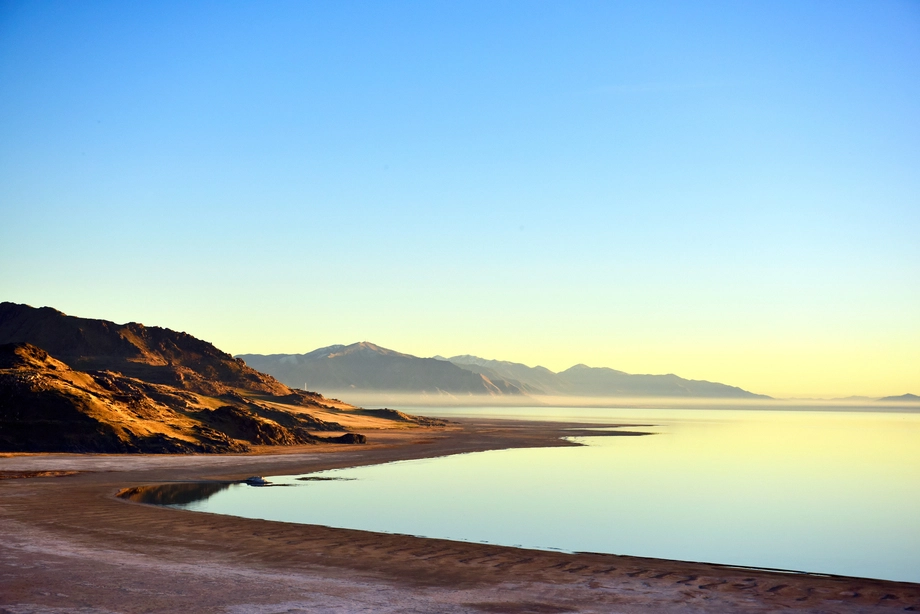 Antelope Island Sunset Wildlife Expedition – Great Salt Lake Odyssey
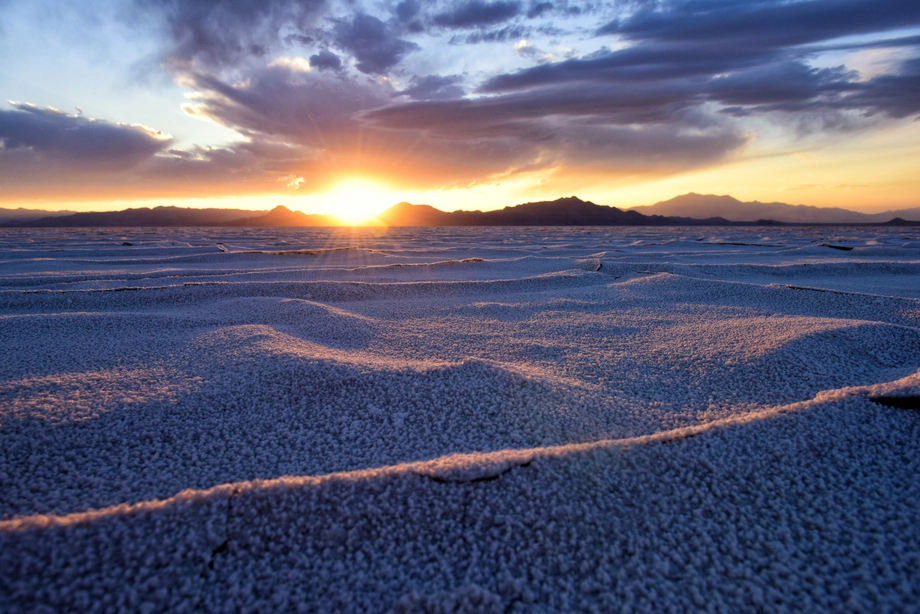 Bonneville Salt Flats – Sunset Adventure of the White Desert
 Bonneville Salt Flats – Journey to the Edge of the World