
Electric bike canyon tours for older adults: what to expect on Utah trails
Apr 7, 2026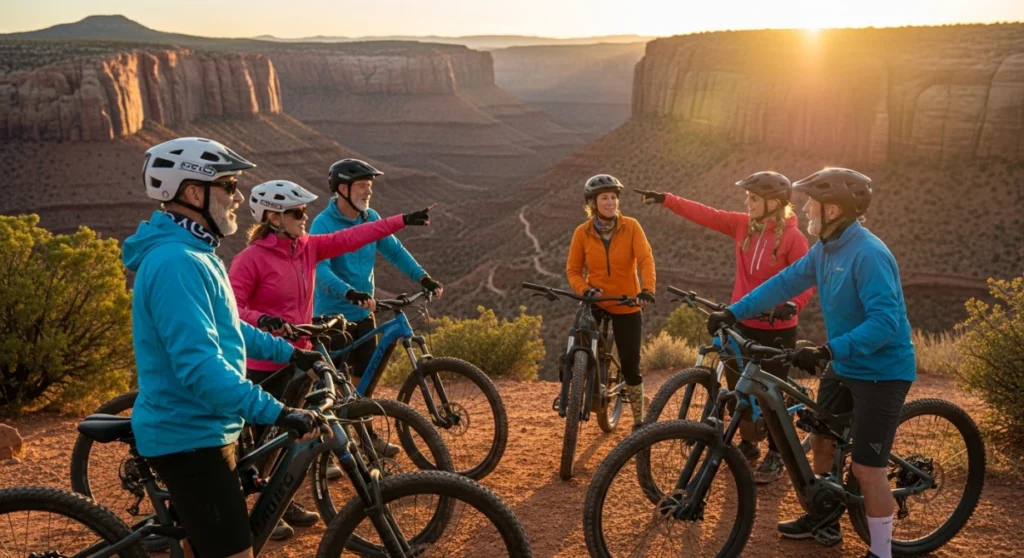
Older adults can enjoy canyon e-bike outings when routes, duration, and support match real fitness and balance. Combine short assisted rides with small-group Utah park touring for comfort and flexibility.
Many older travelers love red rock scenery but quietly worry about one thing: “Will I be the slowest person on the trail?” Electric bikes change that dynamic, especially on canyon roads and gentle paths, but only when you choose the right route, pace, and support. As more people in their 60s and 70s add Utah canyons to their bucket list, understanding how electric bike outings really work matters more than ever for safety and enjoyment. The most relaxed experiences start with matching your fitness and comfort level to the right terrain, group style, and add-ons like shuttle support and short walks.
What electric bike canyon tours look like in real life
On the ground, an electric bike canyon outing is less about speed and more about managing climbs while keeping your heart rate in a comfortable range. You still need basic balance and the ability to get on and off the saddle, but the motor helps flatten long grades so you can focus on views and photos instead of grinding uphill.
For older adults, a typical day combines several short riding segments with unhurried breaks at overlooks, visitor centers, or shaded rest areas. Instead of long continuous rides, you move in sections that might last 20 to 45 minutes, then stop to stretch, drink water, and enjoy the scenery.
Many travelers also combine riding with vehicle-based sightseeing. In Utah, that often means using a van or shuttle for the longer transfers, then hopping on an e-bike only where the road is smooth, scenic, and safe. This hybrid approach resembles how Utah National Parks Tours structure their days, with a mix of scenic drives, short walks, and well-timed stops so you are never pushed past your comfort zone.
Where people misinterpret e-bike canyon tours (and what really matters)
The biggest misconception is that electric assist means “no effort.” Even in the highest power mode, you still pedal and handle the bike, which requires attention, coordination, and some stamina. For many older adults this is welcome light activity, but it is not the same as sitting on a shuttle bus.
Another common mistake is assuming all canyon routes are alike. Canyons can have narrow shoulders, variable wind, and sudden changes in light as you move between shade and bright sun. A route that feels easy by car can feel intimidating from a bike saddle if traffic is busy or the shoulder disappears.
Finally, people often overestimate how long they will want to stay on the bike once afternoon fatigue sets in. Steady riding at altitude, even on an electric bike, can be tiring. The most enjoyable experiences build in options to shorten or skip a segment, or to switch to a vehicle for part of the day if your body asks for a break.
You found a hidden promo code!
Use code WOWBLOG at checkout and get 10% OFF any tour!
Limited time offer. Book now and save!
Browse ToursHow this compares to small-group canyon sightseeing tours
Many older adults try to decide between cycling in canyons and joining guided van-based sightseeing. In practice, you can think of these as different tools for different comfort zones rather than rivals.
| Experience type | Best for | Physical effort | Flexibility |
|---|---|---|---|
| E-bike canyon outing | Active travelers who are steady on a bike and like some exercise | Light to moderate, depending on route and assist level | Good, if there is vehicle support and options to shorten rides |
| Small-group canyon sightseeing by van | Travelers who prefer walking and photo stops over cycling | Light walking at overlooks and short trails | High, with easy adjustments to walking distance and timing |
Services like small group tours utah national parks typically focus on scenic drives, stops at major viewpoints, and optional short walks rather than cycling. These are ideal if your priorities are comfort, storytelling from a local guide, and seeing as much as possible in a limited number of days.
If you love the idea of an electric bike but are not sure how your body will react to elevation and desert air, one smart strategy is to schedule a van-based national parks tour first. You can observe the roads, canyon grades, and walking paths from the vehicle, then decide whether a future visit with more cycling makes sense.
Accessibility and mobility: matching routes to real abilities
Mobility needs vary widely among older travelers. Some are lifelong cyclists with knee replacements who feel great as long as climbing is reduced, while others manage arthritis, balance challenges, or limited walking range. That is why your first planning step should be a clear-eyed look at how far you comfortably walk on a normal day and how steady you feel getting on and off a bike.
If walking is your stronger side, you may enjoy vehicle-based sightseeing with short, guided strolls more than riding. Many Utah experiences already cater to this style, combining scenic drives with gentle walks to viewpoints where you can take photos, hear about geology and history, and then return to a comfortable seat.
For visitors who rely on wheeled mobility devices, the priority often shifts from riding to finding smooth, paved routes and reliable ride support. That is where wheelchair accessible Zion canyon shuttle and trail recommendations become valuable, since they help you enjoy canyon scenery on paved paths and overlooks without needing to balance on two wheels.
Health and safety realities for older cyclists in canyon terrain
Canyon environments stack several stressors: altitude, dry air, sun exposure, and in some seasons, heat. Electric assist reduces muscular effort but does not eliminate cardiovascular load or the effects of environment on your body.
Before planning any ride, ask yourself how you typically react to walking up a long but gentle hill. If you get noticeably short of breath, need frequent rests, or recover slowly, you will want short e-bike segments, generous breaks, and ideally the option to ride in a vehicle whenever needed.
Hydration and sun protection are not small details. Many visitors underestimate both because wind and motion make the air feel cooler than it is. Plan to drink small amounts of water often, wear a brimmed hat when off the bike, and use sun-protective clothing so you are not relying only on sunscreen.
Older adults tend to do best in outdoor activities when intensity is kept moderate, rest breaks are regular, and there is an easy way to stop or reduce exertion if any warning signs appear.
Decision scenarios: is an electric bike canyon tour right for you?
Turning theory into a real decision is easier if you think in concrete scenarios rather than abstract fitness labels. Below are three common profiles and how canyon riding usually feels for each one.
Scenario 1: Active walker, occasional cyclist
You comfortably walk 2 to 4 miles on flat ground, maybe on city walking tours, but you only ride a bike a few times a year. An electric motor sounds appealing because hills are your least favorite part of exercise.
In this case, a short canyon ride on smooth pavement can work well if the group stays small, the pace remains unhurried, and there is a support vehicle nearby. Expect your hands and shoulders to work almost as much as your legs, since bike handling and braking will be less automatic for you than for frequent riders.
- Practical choice: Choose routes with limited traffic and wide shoulders, and keep total riding time under two hours with several breaks.
- Backup plan: Make sure you can easily sit out a section in the vehicle if you feel tired or tense.
Scenario 2: Experienced cyclist with joint concerns
You ride regularly at home on paved paths but avoid steep climbs because of knees or hips. You want to see spectacular canyon scenery without worrying that one long hill will ruin your joints for the week.
For this profile, electric assist is an excellent fit. You can use higher support on climbs to protect joints, then drop assist on flats to get some gentle exercise. The main watchpoints are altitude, unfamiliar road conditions, and the temptation to overdo it because the riding feels easier than usual.
- Practical choice: Opt for half-day rides paired with vehicle-based sightseeing so you are not on the bike the entire day.
- Backup plan: Decide in advance what signs (knee twinges, fatigue, heat) mean you will switch to the shuttle.
Scenario 3: Limited balance or new to bikes
You have not been on a bike in years or feel unsteady, especially when starting and stopping. You still want to experience canyons but are nervous about traffic, descents, and sharing space with other riders.
In this scenario, cycling inside canyon roads is usually not the best first step. You may be far happier in a small vehicle group with short, flat walks and plenty of viewing points. Electric bikes can always wait for a future trip after you have practiced at home on quiet, flat paths.
- Practical choice: Focus on guided road trips and gentle walking options, particularly the best tours of utah national parks that keep walking levels light to moderate.
- Backup plan: Treat any future e-bike experience as a bonus activity, not the core of your canyon visit.

Common mistakes older adults make when planning canyon e-bike days
Most unpleasant surprises can be traced back to a few predictable planning errors. The good news is that each one is easy to avoid with a little forethought.
- Overestimating daily range: People often plan for continuous riding instead of spacing out short segments with scenic rest stops.
- Ignoring altitude: Canyons and nearby plateaus sit higher than many visitors’ home towns, which can magnify effort and fatigue.
- Under-planning shade and snacks: Long, exposed stretches feel much harder without regular access to cool places and light food.
- Assuming all group tours are the same: Some emphasize hiking, others focus on photo stops and commentary, and not all include cycling.
Another frequent issue is lack of clear communication with guides about comfort levels. Older guests sometimes downplay concerns because they do not want to slow the group. This can backfire once the ride begins. Being honest about what feels realistic helps your guide pace the day, choose appropriate stops, and suggest adjustments early, before you are tired.
Using small-group Utah tours to support or replace e-bike riding
For many older adults, the most satisfying solution is not “bike or no bike” but “how much ride time fits comfortably inside a broader canyon experience.” Small vehicle groups, particularly those focused on Utah’s national parks, are a practical way to add structure, logistics support, and local insight around any cycling you choose to do independently.
These group outings typically start from Salt Lake City with round-trip transport, which removes the stress of driving long distances or navigating canyon roads yourself. Days are centered on iconic parks such as Zion, Bryce, Arches, and Canyonlands, with time to walk at viewpoints, take photos, and join optional short hikes to arches, rims, or canyon overlooks.
Because group sizes remain modest, it is easy to ask questions and discuss local geology, history, and stories with a guide. Walking levels and schedules are clearly described in advance, so you can select departures that match your preferred effort level and build a realistic plan for your trip.
| Feature | Utah national parks small-group road trip | Independent e-bike canyon outing |
|---|---|---|
| Logistics | Route, timing, and park entry handled by guide | You plan transport, timing, and park access |
| Effort level | Light to moderate walking | Light to moderate cycling plus balance demands |
| Flexibility | Fixed main route, flexible at stops | Fully flexible but requires planning |
| Ideal for | Older adults who value comfort and context | Confident riders who want more activity |
Action checklist: preparing for a safe, enjoyable canyon e-bike experience
Once you have a realistic sense of your comfort zone, use this priority checklist to fine-tune your plans. Working through each point reduces unpleasant surprises and increases your chances of finishing the day happy and energized.
- Clarify your true activity level: Write down how far you comfortably walk now and how often you ride a bike at home, including terrain and typical duration.
- Decide your maximum time in the saddle: Based on your home riding, set a realistic upper limit for any single ride segment and for total daily riding time.
- Check route characteristics, not just distance: Look for descriptions of road width, traffic levels, grade, and available shade or rest stops, not only mileage.
- Prioritize backup options: Make sure you have a clear way to shorten or skip a segment, such as access to a support vehicle or easy return points.
- Prepare your body: In the weeks before travel, practice short rides on slightly longer hills or gentle inclines so you know how your joints and heart rate respond.
- Pack for comfort and safety: Plan sun-protective clothing, light layers for variable temperatures, ample water, and simple snacks that sit well with you.
- Communicate clearly with guides: Before departure, share any concerns about balance, stamina, or medical conditions so pacing and route choices can reflect your needs.
Putting it together: choosing the right mix of riding and guided touring
Electric bike canyon tours for older adults work best when they are framed as one activity among several, not the only way you plan to experience Utah’s landscapes. The more options you build into your itinerary, the easier it becomes to adapt to how you feel in real time.
A balanced plan might include a small-group road-based visit to several parks, a day with only light walking and photo stops, and perhaps one shorter e-bike ride on a gentle route if you feel enthusiastic and rested. This mix lets you enjoy the drama of cliffs, arches, and open sky from the comfort of a vehicle while still giving you the chance to move your body in a way that feels satisfying, not exhausting.
When in doubt, lean toward slightly less daily effort and more flexibility. Most older travelers are happier wishing they had ridden a bit more than regretting a day that was too long or intense. If you want tailored help matching canyon logistics, walking levels, and route choices to your abilities, MateiTravel can help you choose the most comfortable way to explore Utah.
Are canyon e-bike tours suitable for beginners in their 60s and 70s?
They can be, if routes are short, mostly flat or gently graded, and supported by a vehicle so you can stop early. True beginners should practice on flat paths at home before riding in canyons.
How long should older adults plan to ride an electric bike in one day?
Most older travelers do best with 1.5 to 3 hours of total riding broken into several short segments. Spacing rides with scenic breaks and photo stops helps you stay fresh and safe.
Is a guided van tour better than an e-bike day if I have knee issues?
If your knees dislike long hills, a small-group van tour with light walking is usually more comfortable. Some riders with joint issues enjoy e-bikes on gentle routes but still keep cycling time modest.
What should I tell my guide before a canyon e-bike outing?
Share how far you normally walk, how often you ride a bike, and any concerns about balance, stamina, or heat. Clear details help your guide pace the day and suggest safe adjustments.
How does altitude in Utah affect older cyclists?
Higher elevations can make hills feel harder and recovery slower, even with electric assist. Plan shorter segments, drink water often, and be ready to switch to a vehicle if you feel unusually winded.
Can I still enjoy Utah canyons if I decide not to ride an e-bike?
Yes, you can see major viewpoints, enjoy short walks, and learn local stories on guided road-based park visits. Many older adults find this approach more relaxing than cycling.
What clothing and gear are most important for older adults on canyon rides?
Light layers, sun-protective clothing, and a brimmed hat for off-bike time matter more than specialized gear. Bring water and simple snacks so you can maintain energy and comfort throughout the day.
How can I avoid overexertion on an electric bike in canyon terrain?
Use higher assist on climbs, stick to your planned time limits, and schedule frequent breaks in shade. If you feel unusually tired, hot, or short of breath, switch to the support vehicle for a while.

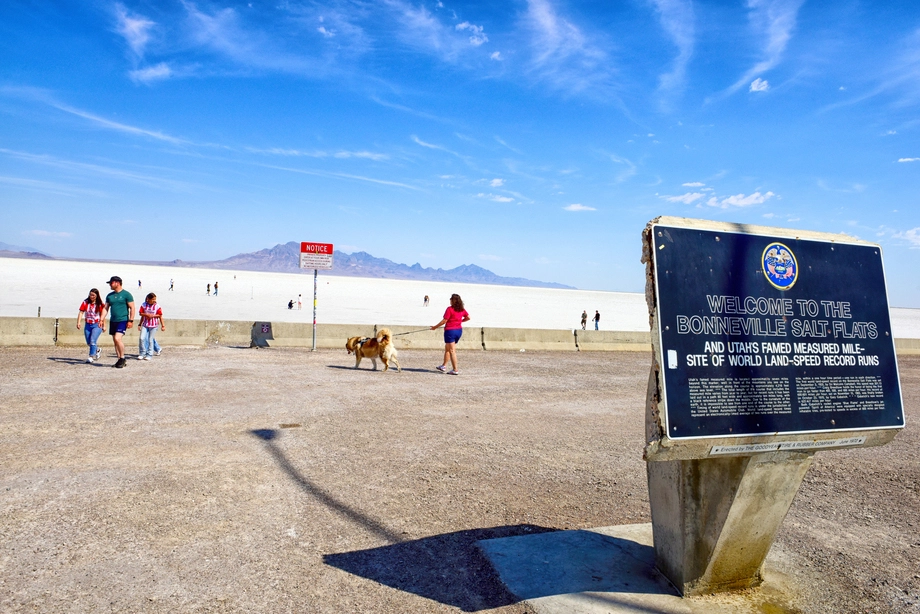 Bonneville Salt Flats – Journey to the Edge of the World
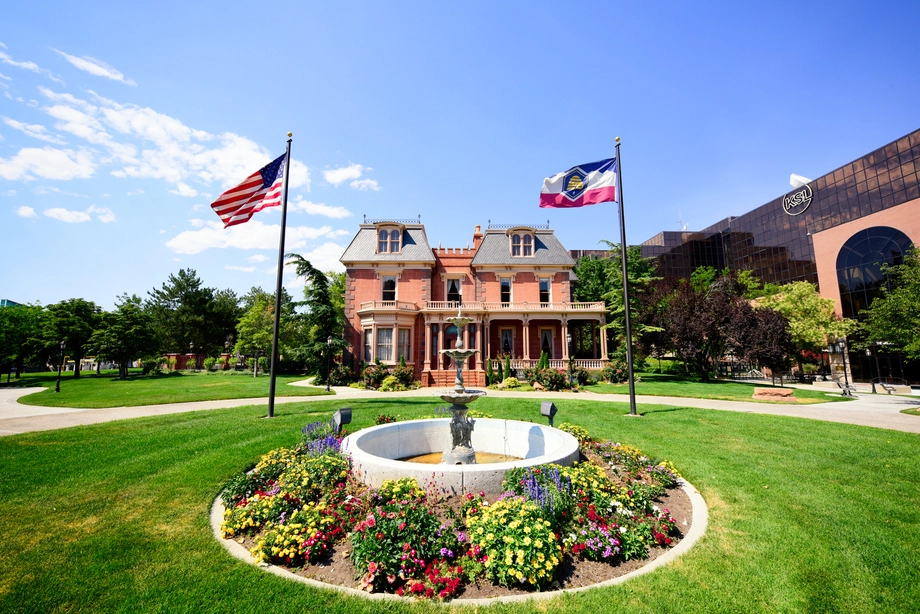 Salt Lake City – The City of Zion. Historical Interactive Walking Tour
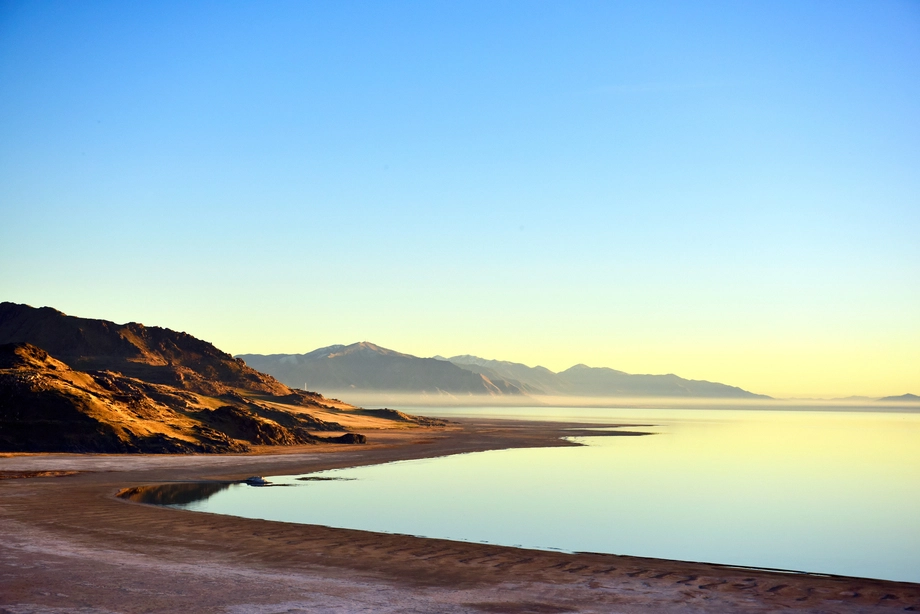 Antelope Island Sunset Wildlife Expedition – Great Salt Lake Odyssey
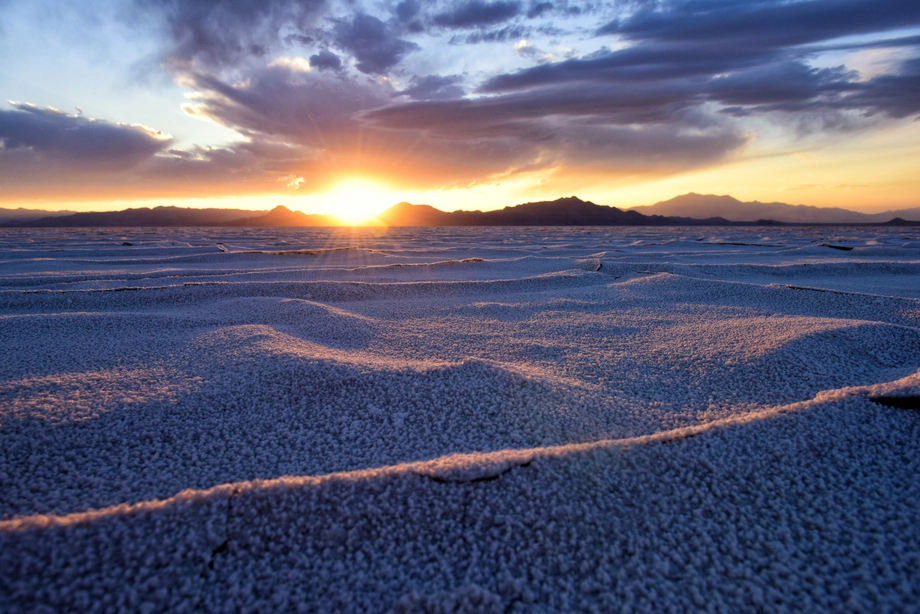 Bonneville Salt Flats – Sunset Adventure of the White Desert
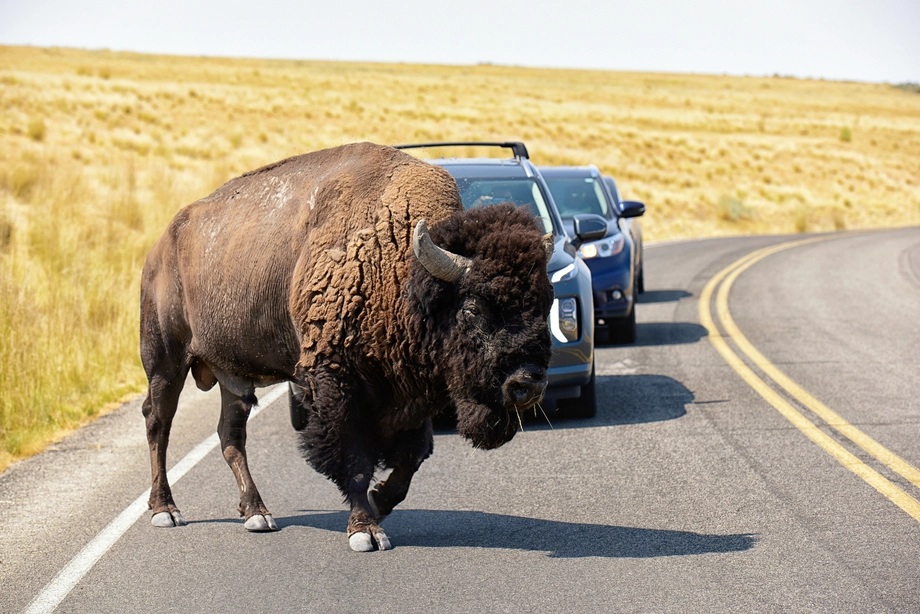 Antelope Island – Wild Heart of the Great Salt Lake Adventure