
Eco Routes in Utah: How to Travel Consciously and Respect Nature
Dec 25, 2025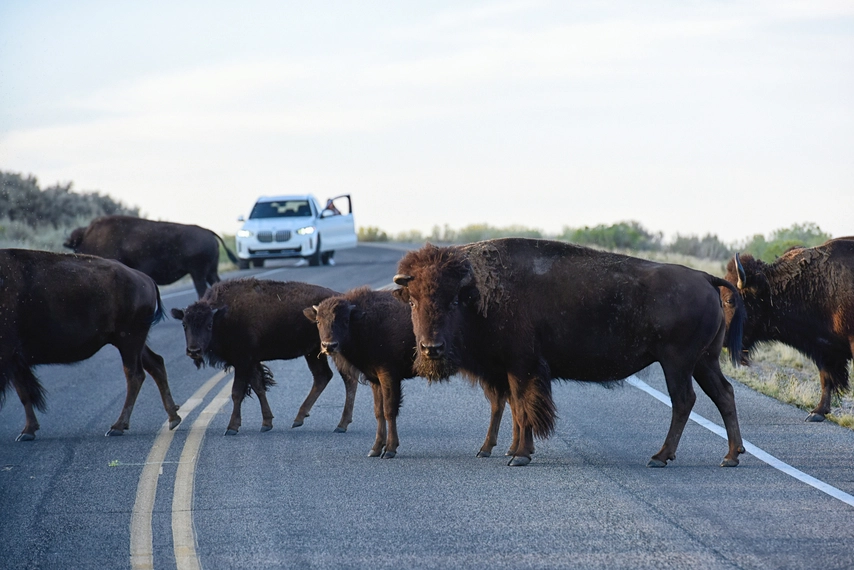
Plan eco routes in Utah by combining walking tours, shared day trips, and respectful wildlife viewing, minimizing waste and car use while supporting local guides and learning about Salt Lake City and Antelope Island.
Travel in Utah is booming, yet the landscapes that attract visitors are also the ones most at risk from careless tourism. Salt flats, red-rock canyons, mountain resorts, and the Great Salt Lake all feel the impact when trips are planned only around convenience and Instagram shots. Conscious travelers are now asking how to explore this state in a way that protects its fragile ecosystems and supports local communities.
This article explains how to build eco-friendly itineraries in Utah, from walking tours in Salt Lake City to low-impact day trips to Antelope Island and beyond. You will learn how to choose transportation, activities, and local providers that reduce your footprint while still giving you memorable experiences. We will look at practical packing lists, typical mistakes to avoid, and specific examples of sustainable day tours that fit busy schedules.
By the end, you will understand how to turn “Еко-маршрути Юти: як подорожувати свідомо” from a slogan into a concrete travel plan tailored to your time and comfort level.
🌿 What does conscious travel in Utah really mean?
Understanding sustainable travel in simple terms
Sustainable travel means visiting places in a way that protects nature, respects local culture, and benefits the people who live there. According to global tourism experts, the goal is to reduce negative impacts while increasing positive economic, social, and environmental effects. In Utah, that often means thinking carefully about water, wildlife, and the desert and mountain ecosystems you enter.
Instead of focusing only on how many sights you can check off, conscious travel focuses on how you move between them, what you consume, and how you interact with residents. It includes ethical choices such as staying on marked trails, buying from local businesses, and avoiding products that harm wildlife or fragile habitats.
Key principles for eco routes in Utah
For a practical perspective, eco routes in Utah usually follow a few simple principles. These principles help you build an itinerary that feels balanced rather than restrictive.
- Efficient transport: Prefer walking tours, biking, public transit, or shared vans instead of multiple private car trips.
- Light footprint: Minimize waste, avoid single-use plastics, and pack reusable items.
- Local connection: Eat local food, support local guides, and respect local customs and histories.
- Wildlife respect: Observe animals from a distance and never feed or chase them for photos.
These ideas are not about perfection. They are about making better choices at each step of your trip.
How Utah’s landscapes shape conscious itineraries
Utah combines urban spaces like downtown Salt Lake City with wetlands, islands, deserts, and mountain ranges. This variety creates amazing opportunities for low-impact trips that still feel very diverse. It also introduces real risks when people wander off trail, disturb wildlife, or treat the lake and desert as playgrounds without rules.
Because the Great Salt Lake and surrounding ecosystems are sensitive, routes that focus on walking, short scenic stops, and guided interpretation often provide both environmental benefits and deeper understanding. This is where professionally guided day tours can play an important role.
🚶♀️ Why start with walking tours in Salt Lake City?
Low-impact exploration on your first day
Taking a walking tour of downtown Salt Lake City on your first day is one of the easiest conscious choices you can make. Walking uses no fuel, reduces road congestion, and allows you to notice details that you would miss from a car. It also gives you a sense of the city’s layout, so you can navigate more confidently later using public transit or short rideshares instead of long drives.
Such tours usually start near central hotels and transport hubs, which keeps extra transfers to a minimum. They are suitable for solo travelers, couples, families, and even business visitors who have just a few hours between meetings.
What you actually see and learn on city eco routes
Conscious walking routes in Salt Lake City typically connect historical, religious, and administrative buildings with hidden courtyards, passages, and elevated viewpoints. Instead of rushing between landmarks, guides explain how religion, mountains, and the lake influenced the way the city was planned and built.
This context matters for eco travel because it shows why certain green spaces are preserved, why water is managed so carefully, and how local communities think about their environment. When you understand these stories, you are more likely to act respectfully in parks, canyons, and around the lake itself.
Pros and cons of choosing walking tours
To help you decide when a walking tour makes sense, it helps to look at both its strengths and its limits.
- + Very low emissions: Walking eliminates fuel use and reduces your carbon footprint for that day.
- + Deep local insight: Guides can share stories, answer questions, and adapt the route to your interests.
- + Flexible pace: Small groups can pause for photos, snacks, or short detours without heavy time pressure.
- + Good city orientation: You quickly learn where key neighborhoods, parks, and transit stops are located.
- + Inclusive experience: Suitable for many ages and fitness levels when routes are chosen carefully.
- – Weather dependent: Extreme heat, cold, or rain may make walking uncomfortable or unsafe.
- – Limited range: You can only cover a relatively small area compared with bike or vehicle tours.
- – Mobility challenges: Not all streets and historic sites are equally accessible for visitors with reduced mobility.
- – Time constraints: Some business travelers may not have enough free hours for a full walking route.
- – No remote nature: City walks do not replace the experience of Utah’s islands, canyons, or national parks.
On balance, walking tours are an excellent foundation for a conscious itinerary, especially as an introduction to Salt Lake City.
You found a hidden promo code!
Use code WOWBLOG at checkout and get 10% OFF any tour!
Limited time offer. Book now and save!
Browse Tours🚐 How do eco-friendly day tours from Salt Lake City work?
Shared transport as an eco advantage
For visitors with limited time who still want to see nature, shared day tours can be an efficient and more sustainable choice than renting a separate car. Sustainable travel experts note that using shared vehicles reduces per-person emissions compared with many individual journeys in private cars.
From Salt Lake City, well-designed day tours usually include round-trip transfers, which means you avoid repeated local trips back and forth. You join one small group instead of adding another vehicle to the highway and parking lots.
Example: Antelope Island eco day tour
MateiTravel operates a popular Antelope Island itinerary that illustrates many conscious travel practices in one package. The tour typically lasts around 7 hours and takes place in a modern Mercedes Sprinter that accommodates up to 13 guests, which keeps the group size intimate while still sharing transport efficiently.
Guests are picked up and dropped off at their hotels, so there is no need to arrange extra taxis or parking. A professional guide leads the day, providing context about the island’s geology, ecosystem, and history while you travel and walk.
What makes this kind of tour eco-conscious
Several features of this Antelope Island trip align with sustainable travel principles, beyond the shared vehicle itself.
- Minimal extra purchases: Bottled water is provided, which helps limit impulse buys of single-use plastic bottles at each stop.
- Support for physical safety: Trekking poles and binoculars are available, which encourages safe hiking and distant wildlife viewing.
- Insurance and planning: Insurance coverage and pre-planned routes reduce emergency risks that can strain local resources.
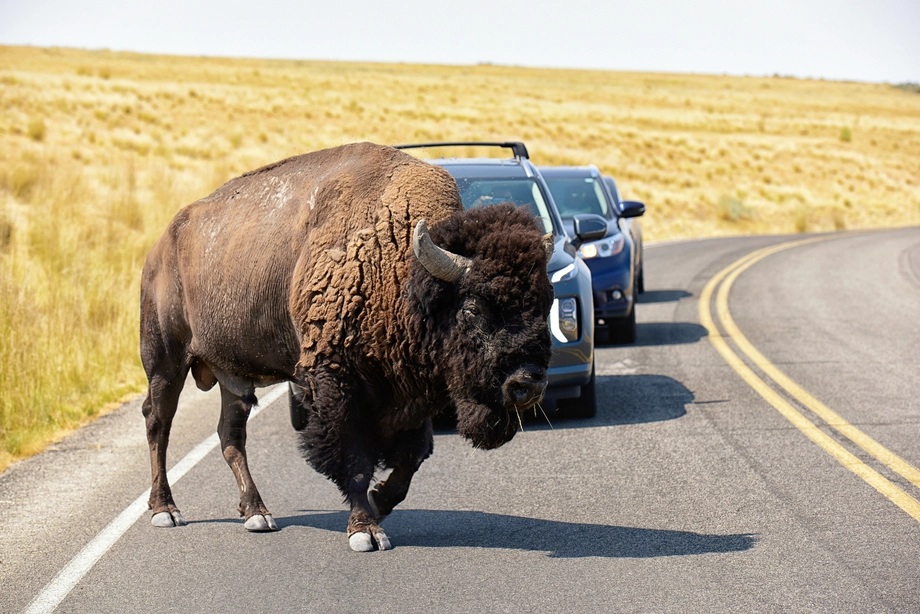
- Wildlife-friendly viewing: The route emphasizes observation of bison, antelope, and birds from respectful distances.
- Cultural education: A visit to Fielding Garr Ranch brings pioneer history into the experience, connecting culture with landscape.
Put simply, you see more with less stress and less environmental impact than a series of unplanned drives and random stops.
🦬 What can you experience on eco routes to Antelope Island and the Great Salt Lake?
Wildlife encounters done the right way
Antelope Island is home to one of the oldest surviving wild bison herds, along with antelope, deer, and a wide variety of birds. Conscious tours help you see these animals without affecting their natural behavior. Guides explain viewing distances, safe positions relative to the herd, and how to react if animals move closer.
In many cases, binoculars are provided so you can enjoy close-up views without leaving designated paths. This combination of access and restraint is essential for ethical wildlife tourism.
Landscape, geology, and gentle hikes
Eco routes on the island frequently include short, gentle hikes to scenic viewpoints. These walks allow panoramic views of the Great Salt Lake and surrounding ranges without requiring advanced fitness. When routes stay on established trails, erosion and plant damage remain limited.
The island’s geological formations tell a story of ancient seas and changing climates. With a guide, even a simple rock outcrop becomes a lesson in deep time, rather than just a backdrop for photos.
The unique experience of the Great Salt Lake
The Great Salt Lake has such high salinity that people can float in the water with very little effort. This is an extraordinary sensation, but it calls for careful behavior. Visitors are encouraged not to wear lotions or products that can pollute the water and to avoid disturbing crusts or sensitive shoreline zones.
As a result, responsible operators focus on selected access points, short water experiences where appropriate, and strong guidance on how to protect the lake. These choices keep the magic of the lake available for future travelers.
🧭 How to choose between self-drive, city walking, and guided eco day tours
Comparing key options at a glance
To support your planning, here is a simple comparison of three common ways to explore the area around Salt Lake City through an eco-conscious lens.
| Option | Main Strength | Main Limitation | Eco Consideration |
|---|---|---|---|
| City walking tour | Deep local context and flexible pace | Stays within city area | Very low emissions, supports local guides |
| Self-drive day trip | Maximum independence and timing control | Higher emissions, parking stress | Eco-friendly only if car is full, routes well planned |
| Guided shared day tour | Efficient access to nature with expert guide | Fixed schedule and group pace | Shared vehicle reduces per-person footprint |
Each option can be part of a conscious itinerary when chosen for the right day and purpose instead of by habit.
When guided tours are the better conscious choice
Guided day tours departing from Salt Lake City are especially effective for visitors with limited time who still want to explore scenic viewpoints and short hiking sections without complex logistics. Services like Utah Day Tours offer well-planned routes, photo stops, and clear information about terrain and walking distances.
This structure matters for eco travel. A clear plan means fewer unnecessary drives, less risk of getting lost, and a lower chance of damaging sensitive areas by accident. It also reduces stress, which makes you more open to learning about the places you visit.
Sample eco itinerary for a short business stay
For a three-day business trip, a conscious route might look like this. These choices prioritize shared transport and walking, while still giving you strong first impressions of Utah.
| Day | Morning | Afternoon | Eco Focus |
|---|---|---|---|
| 1 | Arrive and check in | Walking tour of downtown Salt Lake City | No car use on first day |
| 2 | Guided Antelope Island excursion | Return to hotel and local dinner | Shared transport, wildlife education |
| 3 | Free time in city parks or museums | Departure | Short local transit, minimal extra travel |
In short, with limited time you can still support local guides, reduce emissions, and gain a meaningful picture of Utah’s nature and culture.
⚖️ Pros and cons of eco routes and guided experiences
Advantages of eco-conscious tours
Here is a focused look at the main benefits when you choose structured eco routes instead of purely spontaneous driving.
- Lower environmental impact: Shared transport and walking significantly reduce fuel consumption.
- Higher learning value: Guides add historical, cultural, and ecological context that you rarely get from guidebooks alone.
- Safety and comfort: Pre-planned routes, insurance, and professional equipment like trekking poles lower risk.
- Support for local economies: Licensed guides and local services receive direct financial support from your visit.
- Better time management: You can see key highlights in one day without worrying about navigation or parking.
Limitations to keep in mind
Now a fair look at the trade-offs, so expectations stay realistic.
- Less personal control: You follow a set schedule and cannot always linger at one spot.
- Group dynamics: The pace and mood can be influenced by other participants.
- Booking requirements: Popular tours may require advance reservation, especially in peak months.
- Cost considerations: Guided days can cost more than driving yourself if you are already in a full car.
- Fixed route: You might not be able to visit niche or very remote places on group tours.
For many travelers, the balance still favors eco routes, especially when time or confidence behind the wheel in a new region is limited.
❌ Common mistakes travelers make on eco routes in Utah
Underestimating weather and terrain
One frequent error is assuming that short hikes will always be easy. Utah’s sun, altitude, and rapid weather changes can quickly turn a gentle walk into a tiring experience. Visitors sometimes bring no hat, insufficient water, or the wrong footwear, then overuse resources on site to compensate.
To avoid this, always check the forecast, wear layered clothing, and follow guide recommendations on footwear and hydration, even for short tours.
Ignoring wildlife boundaries
Another typical mistake is approaching bison or antelope too closely to capture a better photo. This happens when people underestimate the speed and power of large animals, or when they see others already standing too near and copy that behavior.
Responsible guides set clear rules about distance and use binoculars or zoom lenses for better views. Listen to these instructions and never step beyond them for a snapshot.
Overusing single-use plastics
Many travelers arrive with disposable water bottles, coffee cups, and snack wrappers, which add up to significant waste along popular routes. This is especially problematic around the Great Salt Lake and island ecosystems, where plastic can blow into sensitive habitats.
Minimize this by packing a reusable bottle and small reusable snack containers. When tours offer water refills, take advantage of them rather than buying new bottles.
Skipping cultural context
Some visitors treat day tours as photo safaris and ignore explanations about local history, indigenous connections to the land, or ongoing environmental issues. This leads to shallow experiences and missed chances to act more responsibly.
A simple fix is to stay engaged, ask questions, and treat the guide as a resource, not just a navigator.
Trying to see everything in one trip
Finally, a very common error is trying to visit multiple distant regions of Utah in a single short stay. This creates long drives, rushed stops, and higher emissions with less real appreciation.
Instead, focus on one or two areas per visit, such as Salt Lake City plus Antelope Island. You can always return for national parks or ski resorts on another trip.

🧳 Practical tips for planning your own eco route in Utah
Smart packing for low-waste travel
Some of the most powerful eco decisions happen before you leave home. A well-planned packing list reduces both waste and stress on the road.
- Reusable bottle and mug: Essential for avoiding single-use plastics throughout your trip.
- Compact daypack: Allows you to carry layers, snacks, and water on walking tours and short hikes.
- Sun protection: Hat, sunglasses, and mineral sunscreen that is kinder to sensitive ecosystems.
- Comfortable footwear: Shoes suitable for both city pavements and gentle trails.
- Lightweight layers: A breathable base layer and a light shell for rapid weather changes.
Choosing truly eco-friendly activities
Not every activity labeled “green” is equally beneficial. Some still involve heavy vehicle use or high resource consumption. To make better choices, look at how an activity uses transport, energy, and local resources, not just the marketing label.
As many sustainable tourism guidelines highlight, ethical tourism focuses on positive impacts on local communities, environments, and cultures, not just on carbon numbers alone.
— Global Sustainable Tourism Insight (2023)
For Utah, low-impact options include guided hiking, wildlife watching with proper distance, city walking tours, and educational visits that discuss conservation or local history.
Step-by-step: building a conscious one-day route
Here is a simple sequence you can follow when planning any eco route around Salt Lake City.
- Define your focus: Decide whether you want more culture, more wildlife, or a mix.
- Pick your primary transport: Choose walking, shared van, or transit before adding extras.
- Limit your radius: Choose one core region rather than several distant ones.
- Add one highlight activity: Such as a guided island hike or city history walk.
- Plan local meals: Choose eateries that use regional ingredients when possible.
- Prepare gear: Pack appropriate clothing, bottle, and any requested items from your tour provider.
By following this sequence, you reduce last-minute decisions that often lead to more driving and more waste.
Working with MateiTravel for tailored experiences
If you prefer professional support, MateiTravel can help design private or corporate tours based on your group’s interests and sustainability priorities. Customized routes can blend downtown exploration, scenic viewpoints, and wildlife observation while staying within your time window and comfort level.
In practice, this means you can request more walking, extra interpretation of environmental issues, or specific cultural themes while still enjoying safe transport in comfortable vehicles and clear logistical planning.
🔚 Conclusion: turning good intentions into real eco routes
Conscious travel in Utah is less about strict rules and more about consistent, thoughtful choices. By combining walking tours in Salt Lake City with shared day trips to places like Antelope Island, you can lower your environmental impact while gaining a deeper understanding of the region’s history, wildlife, and geology.
Efficient transportation, support for local guides and businesses, and care around wildlife and waste all contribute to a more ethical style of tourism. When you plan your routes with these principles in mind, even a short business visit can become a meaningful and responsible journey.
If you are ready to put these ideas into practice, consider partnering with MateiTravel to build eco routes that match your schedule, interests, and values.
Sources
— Global Sustainable Tourism Insight (2023)
— Utah Environmental Travel Brief (2024)
— Salt Lake County Outdoor Recreation Overview (2023)
— Sustainable Mobility in Tourism Report (2022)
— Heritage and Wildlife Interpretation Guidelines (2023)
FAQ
What makes the Antelope Island tour an eco-conscious choice?
The Antelope Island tour uses a shared Mercedes Sprinter for up to 13 guests, which reduces per-person emissions compared with separate car rentals. It also includes gentle hikes on established routes, careful wildlife viewing with binoculars, and educational stops like Fielding Garr Ranch.
How long does a typical eco-friendly Antelope Island excursion last?
The described tour usually lasts around 7 hours from hotel pickup to drop-off. This allows enough time for scenic drives, short hikes, wildlife observation, and a visit to historic locations without rushing or adding extra drives.
Why are walking tours in downtown Salt Lake City considered sustainable?
Walking tours rely on human power instead of fuel, so they create almost no direct emissions. They also start near central hotels and transit, reduce the need for extra transportation, and support local guides who share cultural and environmental context.
How can I reduce plastic waste while touring Utah?
Bring a reusable water bottle and small food containers so you can avoid buying single-use bottles and packaged snacks at every stop. Many guided tours provide water or refills, which lets you top up your bottle instead of creating more waste around sensitive areas.
What common mistake should I avoid when watching bison on Antelope Island?
A key mistake is walking too close to bison or antelope to get a better photo, which is unsafe and stressful for the animals. Follow your guide’s distance rules and use binoculars or camera zoom so you can enjoy close views without leaving designated paths.
Is a guided day tour better than renting a car for a short visit?
For many short stays, a guided day tour is more efficient and often more sustainable because transport is shared and routes are optimized. It also removes the stress of navigation and parking, while giving you cultural and ecological explanations that you would miss when driving alone.
How do eco routes around the Great Salt Lake handle floating experiences?
Responsible operators choose specific access points and provide guidance on how to enter the salty water without disturbing shorelines or leaving products behind. They emphasize short, mindful experiences and encourage visitors not to use lotions or items that could pollute the lake.
What should I pack for a conscious day tour from Salt Lake City?
Pack a reusable bottle, comfortable walking shoes, layered clothing, sun protection, and a small daypack. These basics help you stay safe and comfortable on city walks and gentle hikes, while avoiding excess waste and emergency purchases.
Can MateiTravel customize eco-friendly routes for corporate groups?
Yes, MateiTravel offers customized private tours for special occasions and corporate groups. Routes can prioritize more walking, focused wildlife interpretation, or specific cultural themes while keeping logistics, safety, and environmental impact in balance.

 Bonneville Salt Flats – Sunset Adventure of the White Desert
 Antelope Island – Wild Heart of the Great Salt Lake Adventure
 Bonneville Salt Flats – Journey to the Edge of the World
 Salt Lake City – The City of Zion. Historical Interactive Walking Tour
 Antelope Island Sunset Wildlife Expedition – Great Salt Lake Odyssey