
Where to Eat in Moab After Trekking: Smart Post‑Hike Food Choices
Jan 19, 2026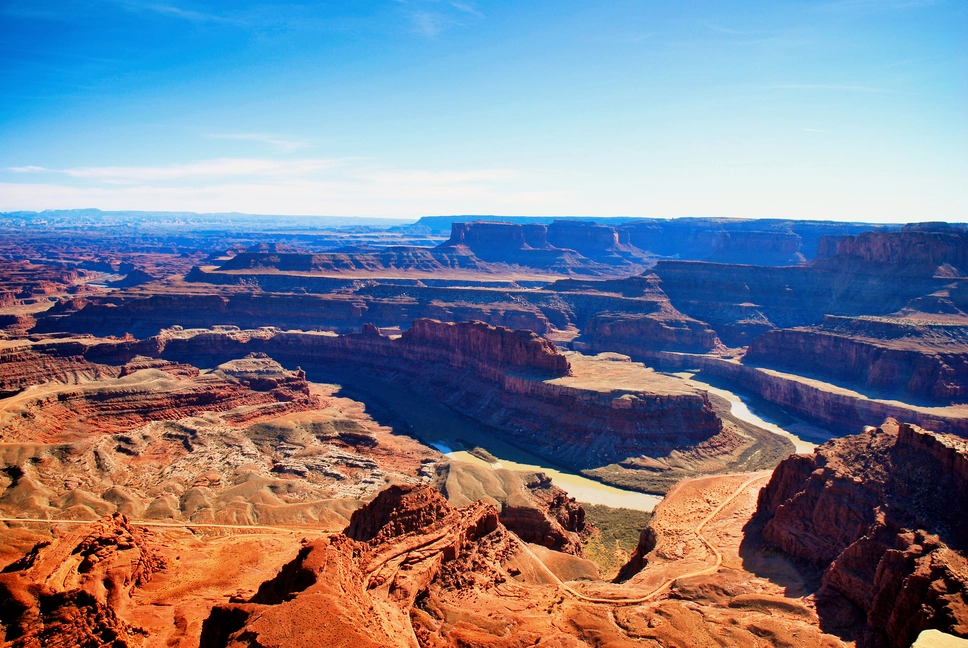
Refuel in Moab with balanced, salty and carb-rich meals, lots of water, and timing that fits your hikes or MateiTravel tours, choosing fast casual, takeout, or sit‑down spots based on your energy.
Desert hiking around Moab is gorgeous, but it is also demanding. Long miles on red rock, big temperature swings, and dry air mean your body needs more than a random snack at the end of the day. Choosing where and how to eat after a trek is part of how you recover, enjoy the evening, and get ready for the next trail.
This guide walks you through what to look for in Moab restaurants after hiking, how to refuel smartly, and how to match the type of meal to the kind of day you just had. You will also see how food planning fits into broader Utah itineraries, including day tours from Salt Lake City to Arches National Park and other southern scenic day tours of Southern Utah that MateiTravel organizes.
By the end, you will know which kind of place to pick for a quick refuel, when to slow down for a full dinner, how to avoid common food mistakes after trekking, and how to combine good meals with well‑planned tours so your whole Utah trip feels smooth, not stressful.
What makes eating in Moab after trekking feel so different?
Desert miles are harder than they look
Even on “easy” trails near Moab, sun exposure and rock underfoot make each mile feel longer. You are losing water faster than you notice and burning through salt and carbs with every climb and descent. By the time you are back at the car, your hunger signals might lag behind what your body actually needs.
That is why your post‑hike meal is not just about taste. You want enough calories, salt, and fluids to replace what you lost without upsetting your stomach. In practice, that means looking for menus with a mix of carbs, protein, and something salty, plus easy access to water or low‑sugar drinks.
Timing your meal with the desert heat
Moab days often start cool and end hot. Many hikers head out early, finish by early afternoon, and then look for food while the sun is still high. Others join guided tours that run into the evening and only sit down at a table after sunset.
Because of this, the best “where to eat” answer changes by time of day. Midday, you may want shaded patios, fast service, and light food. After dark, hot meals and heavier dishes feel better, especially if you have a big hike or tour again tomorrow.
Moab’s role in longer Utah itineraries
For many visitors, Moab is not the only stop. It is a key base on multi‑day trips through Utah’s national parks. Some guests arrive on organized tours that start in Salt Lake City, visit Arches and Canyonlands, then continue to other parks like Bryce Canyon or Capitol Reef.
When your day rhythm is set by a guide, food choices need to match pickup and drop‑off times. That is where structured options, such as MateiTravel’s tours to national parks in Utah from Salt Lake City, help you understand exactly when you will be free to eat in town and what kind of meal makes sense.
Where to grab a quick bite in Moab after a long hike
Fast casual spots for when you are starving
After a tough trek, many people want food now, not in an hour. Fast casual places in Moab, the kind where you order at a counter and sit down with a number, are perfect here. You get real meals without a full sit‑down time commitment.
Look for menus with bowls, wraps, salads with added protein, and hearty sides like potatoes or rice. These options usually hit the carb and protein mix you need and can be customized if your appetite is still off from the heat.
Takeout to eat back at your lodging
If you are dusty, tired, and not in the mood to be social, takeout works well. Many Moab spots package meals so they travel fine in the car for 10–15 minutes back to a rental or campground. This is ideal if you want to shower first and then eat without going out again.
For takeout, pick items that reheat or hold heat easily, like burritos, pasta, rice bowls, or grilled meats. Avoid anything that will go soggy fast. When you are staying on a longer MateiTravel itinerary that includes multiple national parks, this kind of easy dinner can also help you get to bed early before an early transfer or next hike.
Quick snacks between hikes or tours
Some days you are not done after one hike. You might have a morning trek in Arches, a break, then an evening walk or a downtown stroll. In those cases, you do not want to overeat midday. The better choice is a snack‑focused stop.
Think smoothies with added protein, yogurt parfaits, hummus plates, or simple sandwiches. Pair that with plenty of water and maybe an electrolyte drink. Then you can save a larger, slower meal for after you finish your final outing of the day.
You found a hidden promo code!
Use code WOWBLOG at checkout and get 10% OFF any tour!
Limited time offer. Book now and save!
Browse ToursBest sit‑down dinners to celebrate a big hiking day
When to choose a full service restaurant
Some trekking days deserve a real celebration. Maybe you finally hiked a longer route or wrapped up a multi‑day loop around the “Mighty Five” parks. That is when a sit‑down dinner makes sense, even if you are tired.
Sit‑down restaurants in Moab give you time to unwind, talk through the day, and enjoy a broader menu. More choices means you can tune the meal for recovery. Add a starter with salt and carbs, pick a protein‑rich main, and finish with something light and sweet if you still have room.
What to look for on the menu
Not all “big” meals are equal for recovery. Heavy fried foods can feel great for the first 10 minutes, then sit like a rock in your stomach. A better approach is to aim for balance between comfort and fuel.
- Carb base: Pastas, potatoes, rice, or good bread help refill your energy stores.
- Lean protein: Grilled chicken, fish, beans, or tofu help muscle repair overnight.
- Salt and vegetables: Soups, roasted veggies, or side salads add micronutrients and replace lost sodium.
In short, think “big but balanced,” not just “big and greasy.” Your body will thank you on tomorrow’s trail.
Sit‑down vs quick meals: a comparison
| Option | Typical duration | Best for | Potential downside |
|---|---|---|---|
| Fast casual counter service | 20–40 minutes | Very hungry, limited time, early evening | Less relaxed atmosphere |
| Takeout to lodging | Pickup in 10–20 minutes, eat anytime | Shower first, families with kids, early bedtimes | Food can cool down or get soggy |
| Full service sit‑down | 60–90 minutes | Celebrations, post‑tour debrief, slower pace | Need more energy and patience after big hikes |
How to eat for recovery after trekking in the desert
The basics of refueling after a hike
Recovering well after hiking around Moab is simple once you know the basics. You want to replace three things: fluids, electrolytes, and energy. Water comes first. Then a mix of salty foods and carbs, plus some protein.
According to the National Park Service, dehydration is one of the most common issues visitors face in desert parks such as Arches and Canyonlands, especially when they underestimate heat and exposure.
Many visitors to desert parks do not realize how quickly they lose water and electrolytes. Thirst is a late signal. Plan hydration and recovery as carefully as you plan your route.
National Park Service, Desert Hiking Safety
Hydration strategy around meals
Start sipping water while you are still on the trail instead of waiting until dinner. Once you are at a restaurant, keep drinking. Alternate water with low‑sugar drinks or unsweetened iced tea. Alcohol can feel tempting, but it slows hydration.
A simple approach is to drink one full glass of water before your meal arrives, another during, and one more over the next hour. Add a salty appetizer, such as soup or a snack with olives or pickles, to help pull water back into your cells.
Balancing comfort food and performance food
You are on vacation. Food should also be fun. The trick is to combine “comfort” with recovery instead of choosing one or the other. A burger with a side of roasted vegetables or a salad works better than the same burger with only fries, for example.
If you are joining multiple MateiTravel national park tours out of Salt Lake City and hiking for several days in a row, this balance really matters. A few smarter choices each evening can be the difference between waking up ready to go and feeling worn out halfway through the trip.
Pros and cons of popular post‑hike dining options in Moab
Advantages of different meal types
- Fast casual: Quick, usually affordable, and flexible for different diets. Easy to walk into right from the trail without worrying about reservations.
- Takeout: Lets you combine downtime, showers, and food. Ideal if you are too tired to sit in a busy space or have kids who need a familiar environment.
- Full service: Offers the most atmosphere and menu variety. Great for special nights or for talking through the day’s experiences with a group.
- Cafes and light bites: Perfect when you have an early dinner on a tour and only need something light before bed or between hikes.
- Grocery / DIY meals: Budget friendly and customizable if you have dietary restrictions, plus great for assembling trail lunches for the next day.
Limitations to keep in mind
- Wait times: On busy evenings, sit‑down places can have long waits, which is rough if you are already tired and hungry.
- Overeating: Huge portions right before bed can disturb sleep and make you sluggish for tomorrow’s trek or day tour.
- Limited late‑night options: In a smaller town, many kitchens close earlier than in big cities. That matters after evening hikes or sunset tours.
- Alcohol and dehydration: Drinks hit harder after hours in the sun and can worsen overnight dehydration if you are not careful with water and electrolytes.
- Logistics with tours: If you are relying on scheduled transfers, you may not have time for a long meal before or after, so planning ahead matters.
Common mistakes when choosing where to eat in Moab after trekking
Going straight for the heaviest food
One frequent mistake is treating every post‑hike meal like an eating contest. You feel like you “earned it,” so you order the biggest, richest thing on the menu. For the first few bites, that can feel great. Two hours later, not so much.
This often happens when people confuse emotional reward with physical need. A better compromise is to order something balanced, then share a dessert or side if you still want that “reward” feeling.
Ignoring hydration once you sit down
Another common issue is stopping water intake once you reach town. You feel safe and cool, so you forget that your body is still catching up. Swapping all fluids for sodas or alcohol just extends the dehydration problem.
An easy fix is to set a small rule for yourself. For every drink that is not water, have a glass of water as well. You will feel much better the next morning.
Not checking closing times
In small desert towns, restaurant hours can be shorter than in big cities. Some kitchens close earlier on weekdays or outside peak season. Hikers who finish sunset treks sometimes arrive to find their first choice already closed.
To avoid this, quickly check hours before you head out for an evening hike. Plan a backup option that you know will still be open when you are likely to finish.
Forgetting about tomorrow’s plan
When you are staying a few days in Moab or traveling through multiple parks on guided itineraries, tomorrow’s schedule matters. A huge, late dinner before a 5 a.m. pickup from your hotel for a park transfer is not ideal.
Instead, match tonight’s meal to tomorrow’s plan. Light and early before a dawn start, or heavier and later on a “rest” morning.

Real‑world examples: how food fits into Utah park itineraries
Example 1: Arches day, Moab evening
Imagine you join a guided visit to Arches that starts in Salt Lake City with an early morning transfer. The day includes scenic driving, short hikes to famous arches, and time for photos. You return to Moab tired but still excited, with the evening free.
The smart play is a two‑stage food plan. First, a quick snack and lots of water right after the tour. Then, after a short rest or shower, a balanced sit‑down dinner in town. This gives your body time to settle from the drive while still getting enough fuel before bed.
Example 2: Multi‑park loop with limited evenings
Now think about a longer MateiTravel itinerary that connects several of Utah’s parks. You might start with a walking tour of Salt Lake City’s downtown, then join a day trip to the ski resorts, and later connect to national park tours that include Arches, Canyonlands, Bryce Canyon, and Capitol Reef.
On those days, your free time in places like Moab or other gateway towns is precious. You may have one or two hours in the evening to shower, eat, and unwind. In that case, fast casual or takeout dinners become your best friend, letting you recover without stressing about time or logistics.
Meal planning vs spontaneous choices: a quick comparison
| Approach | When it works best | Benefits | Risks |
|---|---|---|---|
| Plan meals ahead | On structured tours with fixed transfers | Less stress, better recovery, easier for groups | Requires a bit of research and flexibility |
| Decide on the spot | Free days with no tight schedule | More spontaneity and local discovery | Possible long waits or limited choices late |
Practical tips for eating well in Moab after trekking
Actionable recommendations
- Think “food stages”: Have a small, salty snack and water right after the hike, then a bigger meal 60–90 minutes later once your appetite normalizes.
- Check hours before evening hikes: Look up closing times so you know which places will still be serving when you are likely to get back.
- Prioritize water first: Drink at least one glass of water before ordering any sugary drinks or alcohol, especially after desert hikes.
- Split huge portions: Share large mains or sides to avoid that overstuffed feeling and to sleep better.
- Use grocery stops smartly: When passing through Salt Lake City at the start of MateiTravel tours, pick up simple items like nuts, fruit, and instant oats for breakfasts and backup snacks.
- Match meal size to next day: Eat lighter if you have an early start or a demanding hike the next morning, and heavier on evenings before shorter, easier days.
- Ask locals and guides: Your walking tour guides in Salt Lake City and your national park guides are great resources for current, realistic dining suggestions based on timing and crowds.
How MateiTravel tours help you coordinate food and trekking
Clear schedules make meal planning easier
One big advantage of joining organized tours to Utah’s national parks from Salt Lake City is clarity. With MateiTravel, you know your departure times, approximate return times, and how much walking or hiking is involved. That makes it much easier to choose where to eat in Moab after trekking, because you can predict when you will actually be back in town.
Detailed route descriptions cover duration, distance, and terrain on city walking tours and on national park day trips. You can match your meal plan to your physical effort, not just to the clock.
Stress‑free logistics around long days
On longer trips, such as Southern Utah scenic day tours that combine several viewpoints and short hikes, it is easy to underestimate how draining constant movement and transfers can be. Having a driver and guide removes navigation stress so you can focus on enjoying the views and thinking ahead about food instead of traffic.
For ski resort day trips from Salt Lake City, MateiTravel takes care of transport and orientation at the resort. After time on the slopes, you return to the city tired but with a clear schedule. That makes it simple to grab a good dinner in town, stock up on groceries, and be ready for the next leg of your Utah adventure, which might take you toward Moab and Arches.
Combining city food and desert food experiences
Using Salt Lake City as a hub has another benefit. You get both urban and small‑town dining in one trip. Start with a guided walking tour through downtown, hear about the city’s history and layout from local guides, then pick a restaurant based on their tips.
Later, when you connect to Arches or other parks, you can contrast that with Moab’s more relaxed, adventure‑centric dining scene. In essence, you get two very different post‑trek food cultures in a single journey without having to manage the entire logistics puzzle yourself.
If you want that mix of well‑planned touring and flexible food choices, consider booking your Utah adventures with MateiTravel so your trekking, transfers, and meals all support each other instead of competing for your energy.
Eating well in Moab after trekking is about more than finding a table. It is about replacing what desert miles took out of you while still enjoying the flavors and atmosphere of a classic adventure town. When you pay attention to hydration, balance heavy cravings with real recovery food, and match the type of meal to your schedule, your evenings become part of the trip’s highlights instead of an afterthought.
Structured experiences, like MateiTravel’s day tours from Salt Lake City to Arches and other Utah parks, give you the clear timing you need to plan smart food stops in Moab and beyond. Use that structure, plus the tips in this guide, to turn every post‑hike meal into fuel for the next trail, not a reason to slow down.
FAQ
How should I structure my eating on a big hiking day around Moab?
Use a two‑stage approach. Have a small, salty snack and plenty of water as soon as you finish the hike, then a larger, balanced meal about an hour later once your appetite and body have settled. This helps both recovery and comfort.
What kind of restaurant is best right after a long trek?
Fast casual places or takeout are usually best right after a long trek, because you get real food quickly without the time and energy investment of a full service dinner. Sit‑down restaurants work better when you have rested a bit and want to celebrate the day.
How do MateiTravel tours from Salt Lake City affect where I eat in Moab?
MateiTravel provides clear start and return times for tours that include Arches and other parks, so you know when you will be free for dinner. That makes it easier to decide whether to plan a quick bite, a takeout meal at your lodging, or a full sit‑down restaurant in Moab.
What are common mistakes people make with food after desert hikes?
Typical mistakes include going straight for the heaviest food on the menu, forgetting to hydrate once they sit down, not checking restaurant closing times, and eating a huge late meal right before an early start the next day. All of these can make you feel worse rather than better.
How can I avoid dehydration when eating out after hiking near Moab?
Start drinking water before you reach town and keep drinking during your meal, aiming for at least one full glass before food and another during. For every soda or alcoholic drink, pair it with a glass of water and include something salty to replace lost electrolytes.
Is it better to plan meals ahead or choose restaurants spontaneously?
Planning ahead works best if you are on structured tours with fixed transfers or early departures, because it reduces stress and waiting. Spontaneous choices are fine on free days with no tight schedule, but you risk longer waits or fewer options late in the evening.
What should I look for on a menu to help with recovery after trekking?
Look for a good carb base like pasta, potatoes, or rice, combined with lean protein such as grilled chicken, fish, beans, or tofu. Add salty items and vegetables through soups, roasted sides, or salads to support hydration and overall recovery.
How do broader Utah itineraries influence my dinner choices in Moab?
If you are on a multi‑park trip that starts in Salt Lake City and visits places like Arches, Canyonlands, Bryce Canyon, and Capitol Reef, your evenings can be short and precious. In those cases, quick or takeout dinners often make more sense than long meals, so you can rest and prepare for the next day.
Can I combine city dining in Salt Lake City with Moab meals on one trip?
Yes. Many travelers begin with a walking tour of downtown Salt Lake City, enjoy urban dining based on local guide suggestions, and then continue to Moab for a more relaxed adventure‑focused food scene. Using MateiTravel to connect these stops lets you enjoy both without managing all the logistics yourself.

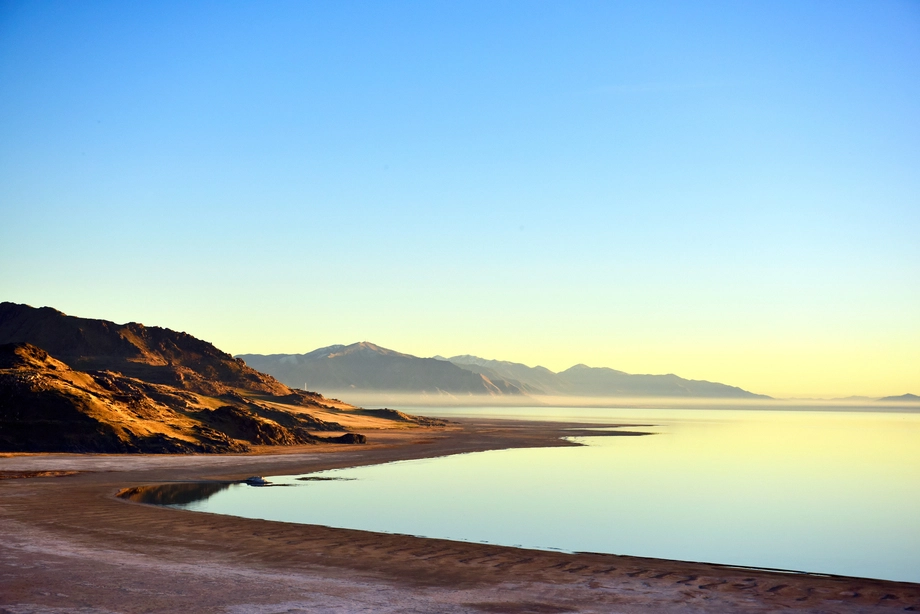 Antelope Island Sunset Wildlife Expedition – Great Salt Lake Odyssey
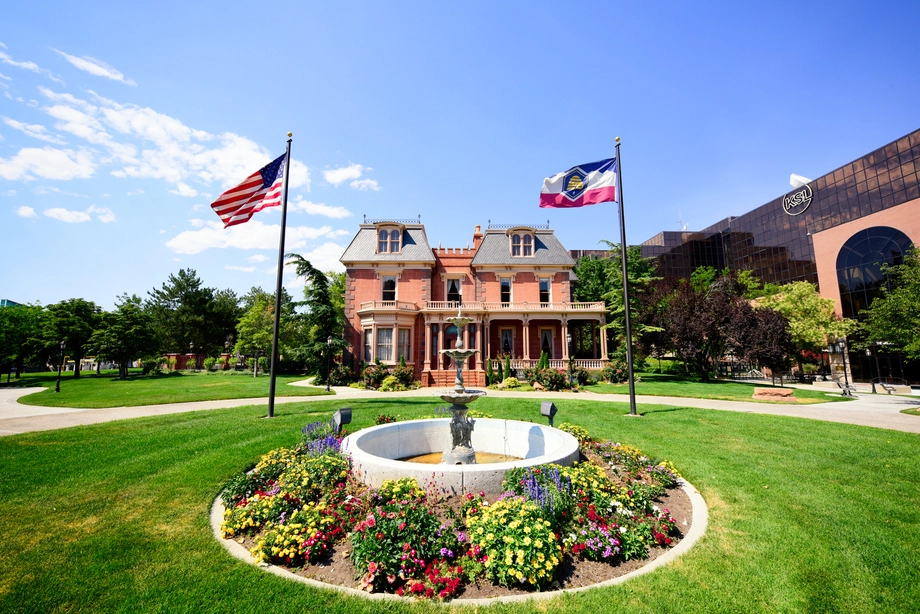 Salt Lake City – The City of Zion. Historical Interactive Walking Tour
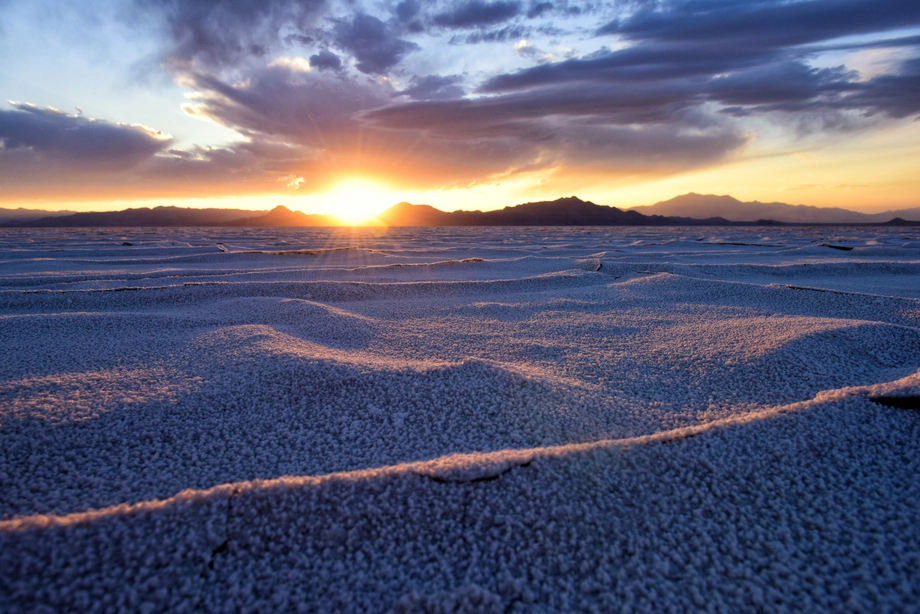 Bonneville Salt Flats – Sunset Adventure of the White Desert
 Antelope Island – Wild Heart of the Great Salt Lake Adventure
 Bonneville Salt Flats – Journey to the Edge of the World