
Why local guides are better: 9 reasons to trust them on every trip
Dec 6, 2025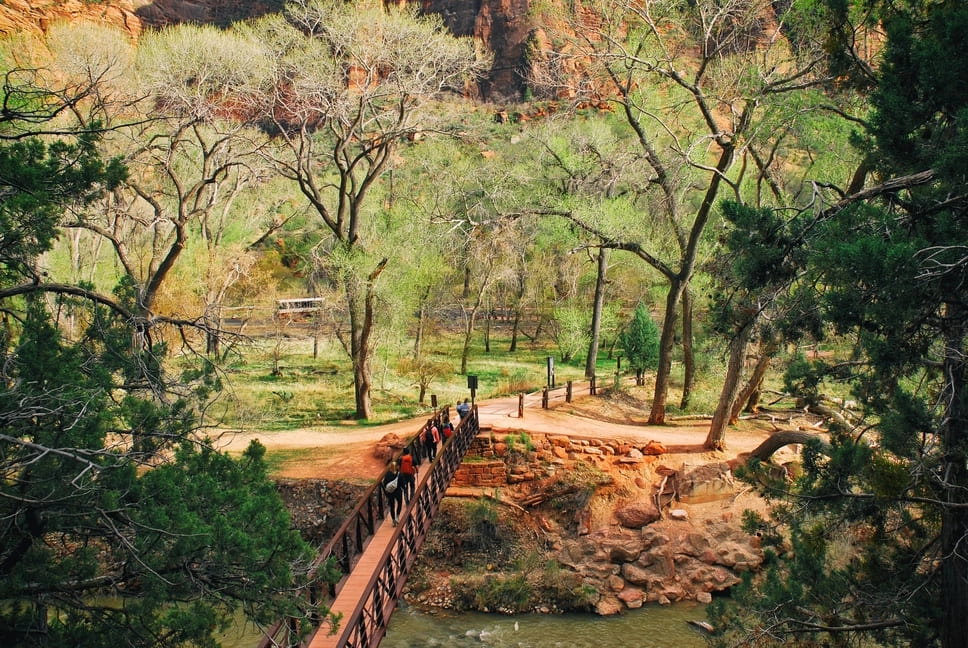
Local guides combine lived experience, real-time awareness, and human connection to make trips safer, richer, and less stressful. They manage logistics, adapt to conditions, and share stories you will not find in apps. For Utah adventures, companies like MateiTravel add expert guides, custom tours, and comfortable group transport for a smoother journey.
Why local guides are better: short answer
Local guides are usually better because they combine lived experience, insider access, and up‑to‑date knowledge of conditions on the ground. They help you see more in less time, avoid crowds and unsafe spots, and understand the stories behind what you see. In brief, a skilled local guide turns a good trip into a meaningful, stress‑free experience.
Today many travelers can navigate with apps, online reviews, and social media. Yet the more independent travel becomes, the more value real human expertise has. Local specialists interpret complex landscapes, cultures, and logistics in a way no algorithm can fully replace, especially in destinations with changing weather, fragile ecosystems, or rich history like Utah.
In this article you will learn how local guides work, 9 concrete reasons to trust them, honest pros and cons, real examples from Utah, common mistakes travelers make, and practical tips to choose the right guide or tour company such as MateiTravel.
😊 What makes local guides different from generic tours?
Local knowledge is lived, not memorized
A true local guide is not just someone who read a script. They grew up in the region or have spent years there, so their knowledge comes from daily life, not only guidebooks. That affects every choice they make for your group, from the best sunrise viewpoint to which bakery is still open after your late hike.
In short, a local guide connects facts with real stories. Instead of only dates and names, you hear how people actually live in Salt Lake City, why certain trails in Utah’s national parks matter to locals, or how winter conditions shift from one canyon to the next.
Context that apps cannot give you
Navigation tools will tell you how to reach a viewpoint. A local guide tells you why it matters and how to behave respectfully when you get there. They can explain Indigenous history, environmental challenges, or local customs in clear language suited to your group’s interests and ages.
That context is essential in sensitive places, for example desert ecosystems or religious neighborhoods in downtown Salt Lake City, where small actions can have big social or environmental impacts.
Real-time adaptation to local conditions
Weather, traffic, seasonal closures, and crowd patterns change quickly, especially in mountain and desert regions. Local guides track this in real time through personal experience and local networks. They know when a canyon overheats by midday or when a snowstorm makes a scenic road unsafe.
The key takeaway is that a local guide helps you avoid wasted hours and risky situations by adjusting the plan before problems appear.
You found a hidden promo code!
Use code WOWBLOG at checkout and get 10% OFF any tour!
Limited time offer. Book now and save!
Browse Tours🧭 Reasons 1–3: Insight, stories, and culture
1. Deeper cultural understanding
Good local guides act as cultural interpreters. They can explain how Utah’s pioneer history shaped modern Salt Lake City, what outdoor recreation means to residents, or why certain community events matter more than tourist “must-sees.”
This cultural layer is what turns a photo spot into a story you remember. It also helps you avoid unintentional disrespect, for example with dress codes near religious buildings or behavior in small rural towns.
2. Personal storytelling that makes places stick
People remember stories much more than raw information. Local guides share personal anecdotes, legends, and community memories. A canyon becomes the place where your guide’s grandparents hiked as kids. A café is not just “top rated” but the spot where local skiers meet after a powder day.
Bottom line, stories create emotional connection. That often becomes the highlight guests mention long after the trip is over.
3. Recommendations that match your style, not the average tourist
Online lists favor mass appeal. Local guides observe you in real time and recommend experiences that fit your pace, fitness level, and interests. If your family includes young kids and grandparents, they can swap a long hike for a short, scenic walk paired with a fun local snack stop.
For guests staying in Salt Lake City, that might mean adapting a standard city itinerary into something more focused on architecture, food, or outdoor viewpoints, depending on your priorities.
🌄 Reasons 4–6: Safety, logistics, and hidden spots
4. Better safety in changing environments
Desert heat, snow conditions, flash floods, and altitude are real risks in many destinations. In Utah, local guides constantly monitor trail conditions, avalanche forecasts in ski resorts, and park advisories. They know when to turn around, when to start earlier, or when to skip a route entirely.
To summarize, a local guide functions as your on-the-ground risk manager, quietly preventing situations that could ruin your trip.
5. Efficient logistics that save time and energy
Transport, parking, permits, and entry timings can be surprisingly complex. Local operators like MateiTravel plan routes around traffic peaks, park capacity limits, and restroom stops so that the day feels smooth rather than rushed.
Their own comfortable transport and private transfers also mean your group stays together, with gear safely stored and ready, instead of juggling several rental cars or rideshares.
6. Discovery of lesser-known places
Local guides balance famous landmarks with quieter spots. They know alternative viewpoints, side trails, and timing tricks that help you experience iconic locations without feeling overwhelmed by crowds.
In areas like Utah’s national parks, that might mean choosing a lesser-known overlook for sunset or a short detour that offers a similar view with far fewer people.
🚐 Reasons 7–9: Comfort, flexibility, and group experience
7. Comfort that lets you enjoy, not manage
Travel is more relaxing when someone else thinks about driving, parking, timing, and tickets. On a guided tour, especially with a dedicated vehicle, you can focus on the scenery, conversations, and photos instead of maps, gas stops, or signposts.
This is especially valuable for multi-generational groups or corporate teams who want to bond rather than debate navigation at every intersection.
8. Flexibility to adjust the day
Skilled guides read the group’s energy and adjust social stops, photo breaks, and pace. If your group falls in love with a view, they can often rearrange minor elements so you have a little extra time without missing the major highlights.
Companies that design their own custom itineraries, like MateiTravel does with unique author tours, have much more freedom to adapt on the spot than rigid, mass-market operators.
9. Stronger group atmosphere and shared memories
A good guide does more than talk. They host. They help strangers bond, draw quieter guests into conversations, and create shared rituals like a favorite snack stop or group photo tradition.
What matters most is that you leave not just with pictures, but with stories you share with each other, anchored by your guide’s personality and care.
📍 Real-world examples from Utah and Salt Lake City
Salt Lake City city tour example
Imagine arriving in Salt Lake City for the first time. You could wander the downtown grid with a map. Or you could join one of the curated Salt Lake City tours run by local guides who know the city’s history, viewpoints, and neighborhoods.
A local guide might adjust the route if a cultural event blocks a street, add an unscheduled stop at a viewpoint with perfect light, or recommend a local dinner spot based on your dietary needs and budget.
Utah day tour scenario
On a long driving day, say a day tour in Utah, local expertise really shows. The guide knows exactly which gas station has clean restrooms, which detours are worth the time, and how to sequence stops so you reach the most exposed viewpoint before the desert heat peaks.
Without that knowledge, travelers often spend much of the day in trial and error, which means fewer meaningful stops and more frustration.
National parks experience
On a guided adventure through Utah’s famous parks, such as one of the curated Utah national parks tours, local guides manage more than just trail choices. They check park alerts at dawn, track shuttle schedules, and discuss Leave No Trace practices so your visit preserves the fragile environment.
In a self-planned trip, missing a shuttle cutoff or underestimating heat can mean skipping a highlight you traveled thousands of miles to see.
⚖️ Pros and cons of hiring local guides
Advantages of local guides
- Deeper experience You gain cultural insight, stories, and context that apps and signs cannot provide.
- Safety and risk management Guides monitor weather, closures, and group condition to keep you safe.
- Time efficiency You see more in one day because logistics are optimized and you avoid mistakes.
- Comfortable transport With companies that own vehicles and transfers, you travel in one group with less stress.
- Access to hidden gems Locals know quieter viewpoints, timing secrets, and seasonal highlights.
Limitations of local guides
- Additional cost Guided tours cost more upfront than going entirely on your own.
- Less spontaneity Some travelers feel constrained by a pre-planned schedule, even if guides remain flexible.
- Variable quality Not every “local guide” is equally trained, so choosing a reputable operator matters.
- Group dynamics In shared tours, you adapt to the group’s pace and interests, which may differ from yours.
- Language availability In some regions, guides fluent in your preferred language may be limited.
❌ Common mistakes travelers make with guides
Booking purely on price
Many travelers filter by lowest price and ignore guide training, group size, or safety policies. This can result in rushed schedules, overcrowded vehicles, or guides who only recite basic facts.
A better approach is to compare what is included, maximum group size, transport quality, and how custom the itinerary is.
Not sharing needs and limits in advance
Guests sometimes avoid mentioning health limits, fears of heights, or dietary restrictions. Guides then pick activities that unintentionally stress or exclude someone in the group.
To avoid this, communicate clearly before the tour and again at the start of the day so your guide can adapt early.
Expecting a private tour but booking shared
Shared tours are usually more affordable, yet some guests still expect full personalization. That mismatch leads to frustration when the guide must balance several preferences at once.
Check whether your tour is private or shared and decide which format best matches your expectations.
Ignoring guide recommendations
Occasionally, travelers insist on a specific plan even when a guide raises safety or timing concerns. That can create avoidable risk or disappointment.
While it is your vacation, treat the guide’s advice as you would a local doctor’s. Ask questions, but take warnings seriously.
Underestimating tipping and appreciation
Guides invest emotional energy in hosting groups. When travelers overlook tipping norms or basic feedback, it can feel discouraging for professionals who did their best.
Ask about local tipping customs and consider a short, specific “thank you” message describing what you enjoyed most.

✅ Practical tips for choosing and working with a local guide
How to choose a reliable local operator
Look at more than marketing photos. Check years of operation, training or certifications for guides, and how they describe safety and environmental practices. Companies that design their own itineraries and own transport, such as MateiTravel, usually have tighter control over quality.
Read reviews that mention guides by name, timing accuracy, and how staff handled unexpected events like sudden storms or closures.
Questions to ask before booking
- Group size and format What is the maximum group size and is the tour private or shared?
- Guide profile Is my guide a local resident and what experience do they have in this specific region?
- Safety and flexibility How do you handle bad weather, closures, or guest injuries or fatigue?
- Transport Is there a dedicated vehicle and is pick-up or private transfer included?
- Customization How much can we adjust the itinerary on the day of the tour?
How to get the most from your guide
Arrive on time, wear suitable clothing, and bring the basics your guide recommends. During the day, ask questions, share your interests, and give feedback about pace and comfort. Guides are happy to adjust when they know what you need.
In brief, treat your guide as a partner, not just a driver or GPS, and you will unlock much more depth from the region.
📊 Local guide vs self-guided travel: quick comparison
Experience and safety comparison
| Aspect | Local guided tour | Self-guided trip |
|---|---|---|
| Cultural insight | High. Real stories and context from locals. | Variable. Depends on your research and time. |
| Safety management | Guide monitors conditions and adjusts plans. | You track risks alone and may miss alerts. |
| Time efficiency | Optimized routes and timing. | Trial and error, more chance of detours. |
| Stress level | Low. Logistics handled for you. | Higher. You manage all decisions. |
| Cost per day | Higher upfront, but includes expertise and transport. | Lower upfront, extra costs can add up. |
Different guided options in Utah
| Tour type | Typical focus | Best for | Local value |
|---|---|---|---|
| City tours (Salt Lake City) | History, culture, urban viewpoints | First-time visitors, short stays | Local stories, hidden neighborhoods, food tips |
| Day tours across Utah | Scenic drives, short hikes, key highlights | Travelers with limited time | Efficient routing, safe timing, varied stops |
| National parks tours | Iconic trails, viewpoints, geology | Nature lovers, photographers | Trail selection, park rules, safety briefings |
| Ski resort outings | Slopes, après-ski, mountain villages | Winter sports fans | Snow conditions, local runs, safety on mountains |
The key takeaway is that guided experiences, from urban walks to mountain days, compress more insight and comfort into each day than most travelers can achieve alone.
🧩 When a local guide is essential and when you can skip one
Situations where a guide is highly recommended
In regions with complex terrain, such as Utah’s canyons or winter ski areas, a local guide is strongly recommended for safety. It is also valuable when your time is short and you want to see several highlights in one day without worrying about planning.
Large groups, corporate events, or family reunions benefit from having a professional handle logistics and group coordination.
When self-guided can be enough
If you stay within a compact, walkable downtown and have plenty of time, self-guided exploration can work well. You might choose one guided day to understand the broader context, then explore at your own pace later.
Budget travelers who are comfortable with research and uncertainty can also combine a few targeted guided days with lower-cost independent days.
Blending guided and independent days
One effective strategy is to start your trip with a guided tour. For example, join a national parks or city tour at the beginning of your stay, then use what you learned to plan your remaining days.
Bottom line, guides do not remove your freedom. They give you knowledge that makes your later independent choices more informed and enjoyable.
🧾 Conclusion: why trusting local guides pays off
Local guides blend lived experience, real-time awareness, and human connection into every tour. They help you understand a region’s culture, avoid safety pitfalls, and make the most of limited time, whether you are exploring a city or a remote national park.
For travelers heading to Utah, operators like MateiTravel add even more value through experienced local guides, creative author tours, and comfortable group transport with private transfers. You enjoy the scenery and stories while someone else handles the details.
If you want your next trip to be richer, safer, and less stressful, consider adding at least one guided day. Start with a city tour, a day trip, or a national park adventure and let local expertise show you what you would otherwise miss.
Sources
— World Travel & Tourism Council, Adventure Tourism Guidelines (2023)
— Outdoor Industry Association, Outdoor Recreation Participation Trends (2022)
— National Park Service, Visitor Use Management Framework (2021)
— Utah Office of Tourism, Traveler Insights Report (2023)
— Independent Guide Training Handbook, Mountain and Desert Environments (2022)
World Travel & Tourism Council (2023) emphasizes that trained local guides significantly reduce risk and improve cultural understanding for adventure travelers, especially in environments with fast-changing conditions.
FAQ
Why are local guides especially valuable in Utah’s national parks?
Local guides track weather, trail conditions, and park alerts that change quickly in Utah’s canyons and high desert. They choose routes and timings that avoid heat, crowds, and safety risks, so you see key viewpoints without wasting time or putting your group in danger.
What is the main difference between a local guided tour and a self-guided trip?
A local guided tour gives you expert logistics, cultural context, and real-time safety management, as shown in the comparison table above. Self-guided trips offer more spontaneity, but you handle all research, driving, and risk assessment on your own.
When is it worth paying extra for a private guide instead of a shared tour?
A private guide makes sense for large families, corporate groups, or travelers with specific interests or mobility needs. In these cases, full control over pace, stops, and content often justifies the higher price compared with adapting to a mixed group.
How does MateiTravel’s own transport improve the tour experience?
Because MateiTravel uses its own comfortable vehicles and private transfers, your group stays together with secure storage for gear and fewer delays. That reduces stress compared with juggling multiple rental cars or rideshares and allows guides to optimize routes more freely.
What common mistake do travelers make when choosing a guide?
Many people book purely on price and ignore group size, guide training, and safety practices. The article explains that this can lead to overcrowded vehicles, rushed schedules, and limited personalization, so it is better to compare overall value, not just cost.
How can I get the most value from a guided day at the start of my trip?
Use the first guided day to learn local history, safety tips, and orientation from your guide. Then apply that knowledge to plan self-guided days, as suggested in the blended strategy section, so your entire trip benefits from early expert input.
Are local guides only useful for outdoor adventures, or also in cities?
Local guides add value in both settings. In cities like Salt Lake City they provide cultural context, neighborhood insight, and food recommendations. In outdoor areas, they focus more on safety, route choice, and environmental protection, but the core benefit of lived experience is the same.
What questions should I ask a tour company before booking?
The article recommends asking about maximum group size, whether the tour is private or shared, guide experience, safety protocols, transport type, and how flexible the itinerary is. Clear answers on these points help you match the tour to your expectations.
Can I still explore independently if I book a guided tour with MateiTravel?
Yes. You can use a MateiTravel guided day, such as a city or national park tour, to build a strong foundation of knowledge. After that, you are free to explore independently with better understanding of routes, customs, and safety considerations.

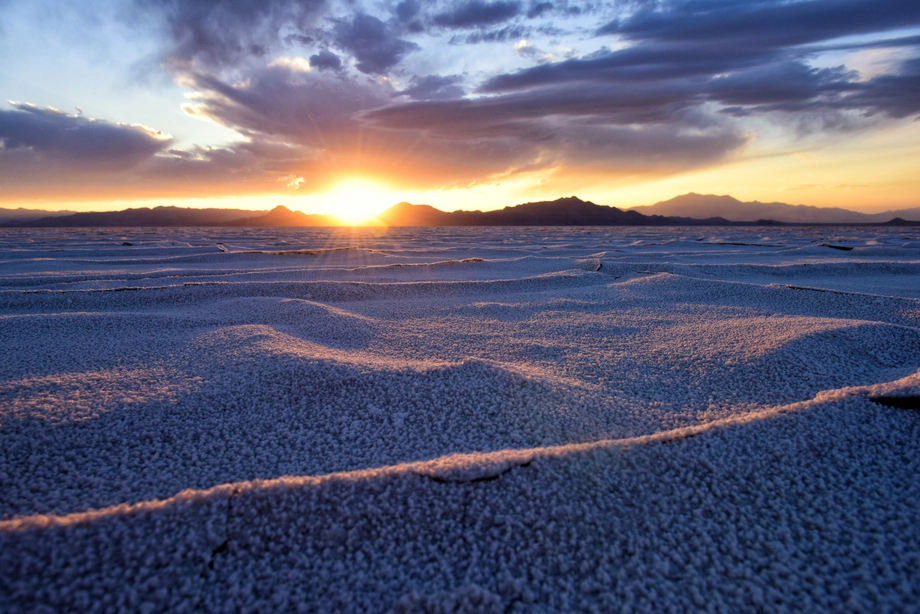 Bonneville Salt Flats – Sunset Adventure of the White Desert
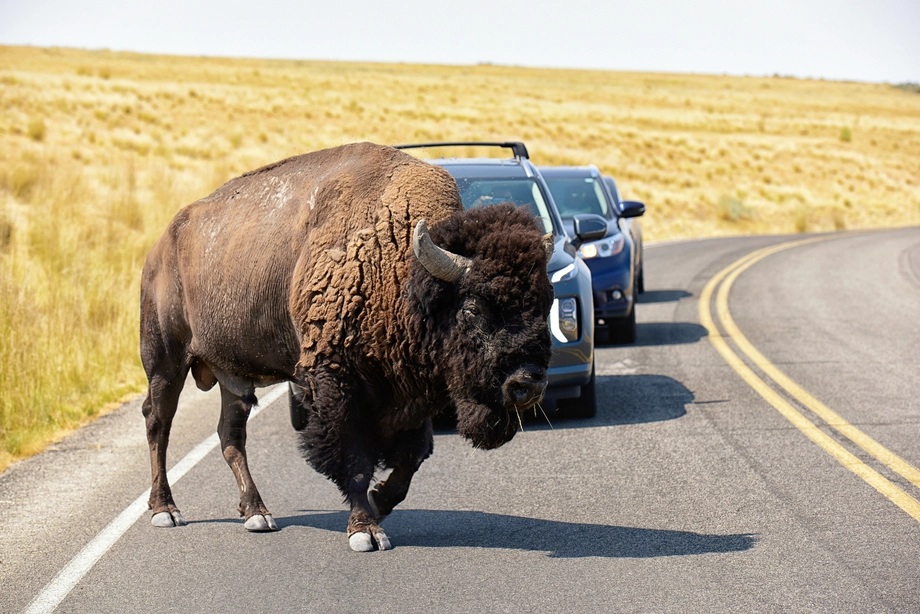 Antelope Island – Wild Heart of the Great Salt Lake Adventure
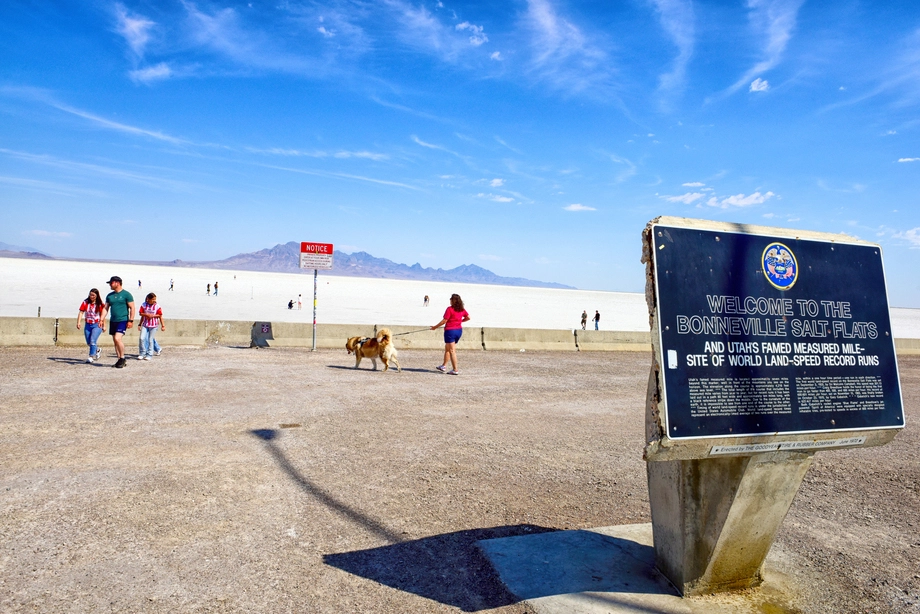 Bonneville Salt Flats – Journey to the Edge of the World
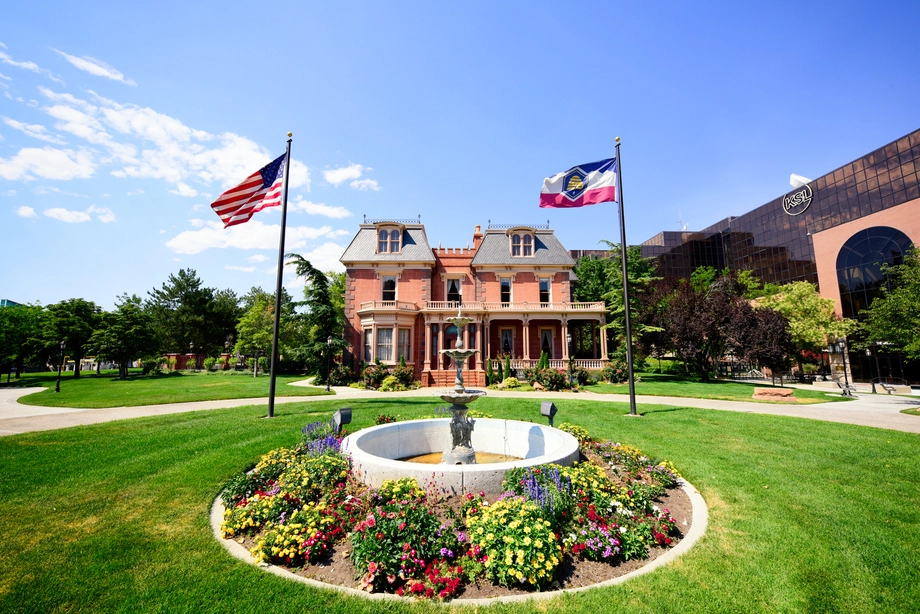 Salt Lake City – The City of Zion. Historical Interactive Walking Tour
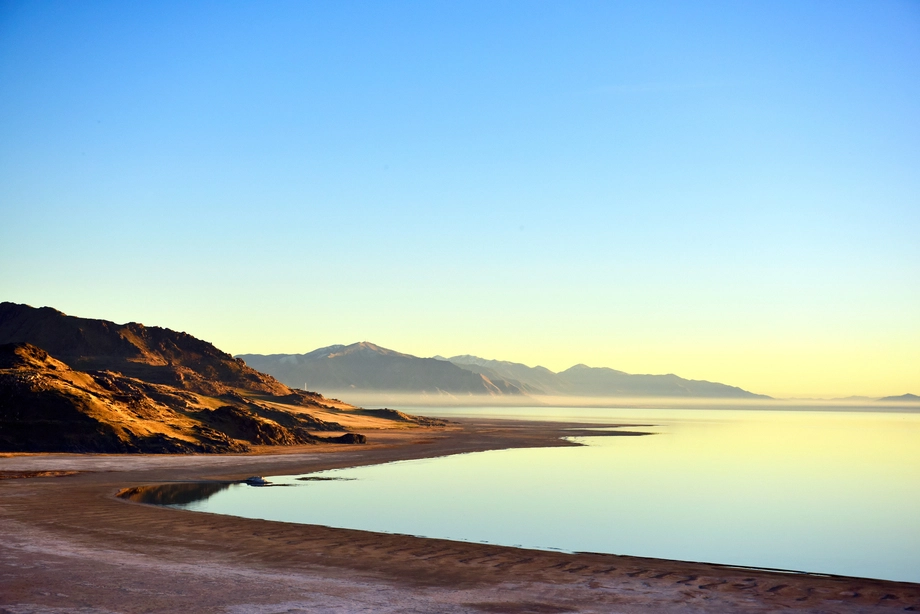 Antelope Island Sunset Wildlife Expedition – Great Salt Lake Odyssey