
Do You Really Need Trekking Poles in the Desert for Utah Hikes?
Feb 8, 2026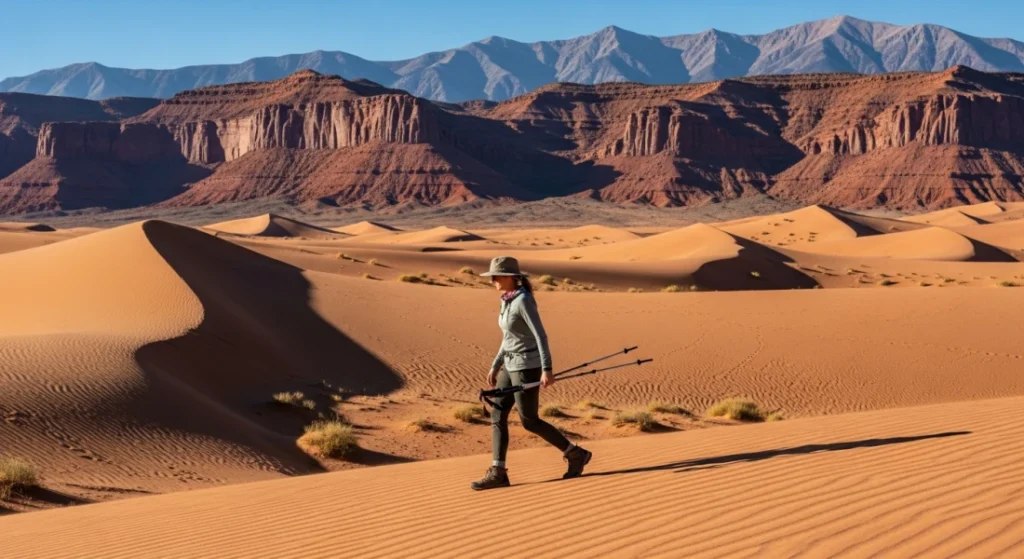
Trekking poles are optional in the desert but very helpful on longer, mixed-terrain hikes with climbs and descents. Bring them for Utah national park days and keep them packed for short city and viewpoint walks.
In the last few years, more hikers have started bringing trekking poles into desert landscapes, not just on steep mountain trails. If you are planning a desert hike in Utah’s national parks or joining a day trip from Salt Lake City, you have probably wondered whether those poles are worth the space on the bus and the extra weight in your luggage. The answer is not as simple as “always” or “never”. It depends on your route, your body, and how you like to move.
This article walks through when trekking poles truly help in the desert, when they are just extra gear, and how to use them well if you bring them. We will look at specific situations from Utah’s canyon country, discuss pros and cons, share practical examples from guided tours, and finish with concrete tips and common mistakes to avoid.
What Makes Desert Hiking Different From Mountain Trails?
Heat, exposure, and energy drain
Desert hiking feels very different from a forest or alpine trail. The sun is often relentless, there is little shade, and even easy terrain can feel exhausting after a few hours. Your body works hard just to stay cool and hydrated, which changes how helpful trekking poles might be.
On long, exposed routes in Utah, your biggest risks are usually heat, dehydration, and misjudging distances. Anything that helps you move more efficiently and keep a steady pace can be valuable, but at the same time you do not want unnecessary gear that slows you down or makes you overheat.
Sand, loose gravel, and slickrock
Instead of deep mud or roots, desert trails often mean sand, small pebbles, and large slabs of bare rock called slickrock. Sand can cause your feet to slide backward on climbs and forward on descents. Slickrock offers great friction most of the time, yet can feel awkward on steep angles or with a heavy pack.
In these conditions, trekking poles can give extra balance, but only if you plant them correctly and keep your hands relaxed. Used poorly, poles can skid on smooth rock or sink in soft sand and actually break your rhythm.
Long distances that feel longer
Desert trails are often visually wide open. You see your destination for hours, which can be mentally draining. That “almost there” feeling can last the entire afternoon. Even relatively flat routes to viewpoints, arches, or canyon rims may feel harder than their numbers suggest.
In short, desert hiking is a slow burn. Any small efficiency gain, including using poles to keep a steady cadence, can add up over a full day. But you want to be very honest about whether the extra movement of your arms helps you or just adds more work in the heat.
How Trekking Poles Actually Help in Desert Terrain
Reducing load on legs and supporting joints
One of the main arguments for trekking poles is reduced strain on your lower body. Research on mountain walking has shown that poles lower the perceived effort during climbs and can limit muscle damage in the legs.
“Trekking poles reduce perceived load during uphill walking in the mountains.”
Trekking poles reduce exercise-induced muscle injury during mountain walking
While this study focused on mountain terrain, the principle is similar in the desert. Every time you plant a pole and push gently, your arms share a small part of the work that your knees and hips would otherwise take. Over many hours this can translate into less soreness at the end of the day, especially on descents from canyon rims or cliff viewpoints.
Stability on sand, rubble, and uneven steps
Loose sand and small rocks can turn even a gentle slope into a slipping hazard. Two extra contact points give you better balance when stepping down off ledges, walking along the edge of a wash, or picking your way through boulders at the base of a canyon.
Used with a light touch, poles act like feelers in front of your feet. You test the ground, then commit your weight. This can be especially comforting if you are carrying a camera, hiking with kids, or recovering from a previous ankle or knee issue.
Rhythm, breathing, and pacing on long flats
Many desert approaches follow old roads or gentle plateau trails before reaching the dramatic viewpoints. On these flat or rolling sections, poles can help you settle into a repeatable stride. Plant, step, breath, repeat. That rhythm often keeps your breathing under control and your pace consistent without constant clock-checking.
For some hikers, this “metronome” effect matters more than pure physical support. The less you think about each step, the more you can enjoy the landscape and listen to your guide’s stories about Utah’s geology and history.
You found a hidden promo code!
Use code WOWBLOG at checkout and get 10% OFF any tour!
Limited time offer. Book now and save!
Browse ToursPros and Cons of Using Trekking Poles in the Desert
Key advantages of poles in dry landscapes
Before packing poles for a desert trip, it helps to weigh the strengths and trade-offs clearly. Below is an honest look at what they do well and where they fall short.
- Better joint comfort: Poles share part of the impact when you step down from rocky ledges or walk long descents, which can ease pressure on knees and hips.
- Improved balance: Extra contact points stabilize you on loose sand, small stones, and uneven steps beside dry washes or canyon drops.
- More efficient pacing: A regular pole rhythm can help you keep a sustainable speed, which is valuable on long, exposed crossings where distances are deceptive.
- Helpful for heavier loads: If you carry extra water or camera gear, poles let your upper body contribute more to forward motion.
- Confidence boost: Many newer hikers simply feel more secure when they can touch the ground in front of them before fully committing their weight.
Real limitations and downsides
- Extra weight and bulk: Even light poles must be carried or strapped to a pack, which matters on hot days when every ounce feels heavier.
- Busy hands: Holding poles can make it harder to take photos, drink water, or check a map on a self-guided walk without constant stopping.
- Less effective on pure slickrock: On very smooth, steep rock, poles can skid, and your own good footwear grip is usually more important.
- Technique required: Without basic skills, poles may trip you, poke other hikers, or encourage over-striding that actually tires you faster.
- Storage on city sections: If your day includes both a walking tour in Salt Lake City and a short desert hike, poles can be awkward in crowded sidewalks or indoor stops.
When poles make the biggest difference
In short, trekking poles help most on moderate to long hikes with some elevation change, mixed desert surfaces, and a bit of fatigue near the end. Think of the classic full-day walks you might do on organized tours from Salt Lake City to Utah’s national parks. On these, poles often pay for themselves in comfort.
On very short viewpoint walks, smooth city streets, or easy rim-side paths, they are nice but not essential. You might enjoy the freedom of empty hands more than the extra support.
Practical Scenarios From Utah Deserts and Tours
Short scenic walks on day trips from Salt Lake City
Many visitors join day tours that start in Salt Lake City, then head out to desert highlights. Some routes include gentle walks to viewpoints over canyons or salt flats, with clear paths and only small ups and downs.
For these low-effort stops, poles are typically optional. You can keep them collapsed in your pack and pull them out only if you feel wobbly on a particular section. The focus is more on photos, guide commentary, and simply enjoying the open space.
Full-day national park hikes with MateiTravel
When you join longer tours from Salt Lake City to national parks like Zion, Bryce Canyon, Arches, Canyonlands, or Capitol Reef, you are more likely to face longer trails with mixed terrain. Short arches walks can still feel demanding under the sun, and canyon routes may involve frequent small ascents and descents.
On these days, poles can shine. You might hike several short trails in a single day. By the afternoon, your knees and balance often feel the difference between having poles and carrying your full body weight with every step.
Self-guided vs guided walking experiences
If you prefer a self-guided walking tour in Salt Lake City, poles do not matter much. Urban sidewalks, plazas, and parks rarely justify trekking poles unless you use them daily for joint support. Guided city tours led by local guides focus on stories, hidden spots, and historic buildings rather than physical challenge.
In contrast, on guided national park days where your MateiTravel guide explains the geology and history while leading you along desert paths, poles can quietly absorb part of the background strain. You listen, look, and take photos while your body works a bit less hard on each step.
How to Choose and Adjust Poles for Desert Use
Dialing in the right pole length
Proper length is more important than many hikers think. Too long and your shoulders lift, wasting energy and straining joints. Too short and you hunch, which can compress your chest and make breathing in hot air even less pleasant.
A good rule for most desert walking is this. With the pole planted near your foot on flat ground, your elbow should be close to a right angle. Adjust slightly shorter for steep climbs and slightly longer for long downhills, if your poles allow quick changes.
Tips, baskets, and grips for dry terrain
Desert trails usually do not require big snow baskets. Slim or minimal baskets keep the pole from sinking too deeply into soft sand but stay out of the way on rock. Rubber tips can grip better on some rock types, while bare carbide tips bite into sandy soil.
Grips matter for sweat. Foam or cork-style grips tend to be more comfortable in heat than hard plastic. Whatever you use, keep your hands relaxed. Let the straps carry part of the load instead of clenching the handle all day.
Packing poles on organized day tours
On tours that start from Salt Lake City, you will likely store your gear on the vehicle between stops. Collapsible or telescopic poles are popular because they shrink down small, fit inside a daypack, or strap neatly onto the outside.
Ask your guide where to keep poles during city segments, in national park shuttles, or while visiting viewpoints with railings. A little planning keeps them out of the way of other guests yet handy when the hiking section begins.
Common Mistakes Hikers Make With Poles in Dry Landscapes
Technique errors that waste energy
- Overreaching: Planting the pole too far ahead makes you lean forward and pull yourself along, which tires shoulders and disrupts balance.
- Gripping too hard: A tight grip increases hand fatigue and can cause numbness. Let the strap support your wrist so your fingers stay loose.
- Poles too long: If your elbows are straight or almost locked, your shoulders work overtime, which is the last thing you want in desert heat.
These errors usually come from copying others without guidance. Slowing down for a few minutes, shortening your pole slightly, and focusing on a light, vertical plant often fixes most issues.
Planning and route choice misunderstandings
Another frequent mistake is bringing poles for every single walk, even when most of the day is urban. If you spend the morning on a guided walking tour in Salt Lake City and only have a very short viewpoint stroll in the late afternoon, you may never unfold them.
On the other hand, some hikers underestimate longer national park trails and leave poles on the bus. Then, by mid-afternoon, their knees complain. Better to check the tour’s detailed route descriptions in advance and decide where poles genuinely help.
Etiquette on narrow or crowded trails
Trekking poles require awareness of people around you. On narrow paths or in busy viewpoints, swinging poles wide can hit nearby hikers or scratch rock formations at the edge of the trail.
Keep your poles closer to your body when passing others, and consider shortening or stowing them through the tightest sections. On group tours, a little courtesy goes a long way toward everyone feeling comfortable.
Technique Basics: Using Poles Efficiently on Sand and Rock
Climbing on loose sand and gravel
For soft climbs, shorten your poles slightly, plant them near your feet, and push backward as you step up. The idea is to reduce sliding in the sand by giving your legs something to push against.
Avoid stabbing far ahead. Small, quick plants combined with shorter steps usually feel more stable. If your poles keep sinking deeply, move toward firmer ground or rock slabs, and rest your poles there instead.
Descending safely from canyon rims
On descents, lengthen the poles a little so you are not bending too much at the waist. Plant them just ahead and slightly to the side of your feet, then step down lightly, letting your arms absorb part of the impact.
Take your time in the steepest sections. In some cases, you may choose to put one pole away and keep the other in your stronger hand for extra balance while keeping one hand free for rock holds or railings.
Crossing slickrock and small ledges
Slickrock offers reliable grip for good hiking shoes, so your feet usually provide better security than poles. Many experienced hikers shorten or even stow poles temporarily on very smooth rock to let hands and feet do the work.
If you keep using poles, plant them with care, test for slip, and avoid leaning fully on them. Use them more as balance points than supports, and never jam tips into cracks that could trap them.

Comparing Different Desert Situations: When Poles Help Most
Quick comparison of common route types
To make decisions easier, it helps to compare typical Utah experiences side by side. The table below summarizes where trekking poles add the most value.
| Route type | Typical terrain | Recommended pole use |
|---|---|---|
| City walking tour in Salt Lake City | Paved sidewalks, gentle slopes | Usually not needed unless for joint support |
| Short viewpoint walk from parking lot | Well-defined trail, minor elevation | Optional, poles can stay packed |
| Half-day desert hike to arches or rims | Sand, rock steps, some climbs | Helpful, especially on descents |
| Full-day national park hiking from SLC | Mixed surfaces, repeated ups and downs | Strongly recommended for comfort and balance |
With vs without poles on similar trails
Here is another way to look at the decision. Same hiker, same desert trail, different choice about poles.
| Aspect | With trekking poles | Without trekking poles |
|---|---|---|
| Knee comfort on descents | Lower impact, less soreness at day’s end | More strain, especially with extra water weight |
| Balance on sand and rubble | More stable, fewer slips | Requires more core and ankle strength |
| Hands free for photos | Need to stop or use straps creatively | Hands always free for camera or phone |
| Heat and energy use | More muscles working, but smoother rhythm | Slightly less arm effort, possibly rougher pace |
Practical Tips for Making the Right Choice
Clear, actionable recommendations
- Match poles to the plan: Review your tour’s route descriptions, including distance, elevation, and terrain, and bring poles for the longest or steepest desert hike on the schedule.
- Practice before your trip: Take a few local walks with your poles at home so you arrive in Utah already comfortable with length and rhythm.
- Use straps correctly: Thread your hand up through the strap and then grip the handle so the strap supports your wrist, which saves hand strength on all-day hikes.
- Pack collapsible models: Choose poles that fold or telescope small enough to fit easily in a daypack when you join a free-style city exploration or a guided urban tour.
- Stay flexible: There is no rule that you must use poles all the time. Switch between using both, one, or none depending on the immediate terrain.
- Prioritize water and sun protection: If weight is tight, always choose enough water, a hat, and sun protection first, then add poles if you still have capacity.
Combining Poles With City Sightseeing and Regional Tours
From downtown walking to desert viewpoints
Many visitors structure their first day in Utah around a guided walking tour in Salt Lake City. Small groups led by local guides explore the compact downtown, weaving past historic buildings and lesser-known corners of the city. For this type of urban experience, poles generally stay in the hotel or folded in your bag.
Once you move on to day trips and national park tours that start from Salt Lake City, the focus shifts. Now you spend more time on desert paths, short hikes to arches, or walks along canyon rims. That is where trekking poles may start to justify the space they take in your luggage.
When to keep poles packed away
There are also situations where poles are more trouble than they are worth. Busy city sidewalks, museum visits, or compact viewpoints with railings do not benefit much from extra support. If you are joining something similar to free walking tours of Salt Lake City, think of yourself as a city stroller, not a trekker.
On these days, treat your hiking poles as gear for later in the trip. Keep your hands free for coffee, photos, and notes about the city’s history and planning, which your guide will explain as you move through downtown.
Budget and “free” alternatives for extra stability
If you are not ready to buy poles just for a single desert visit, you can improvise some support. A sturdy walking stick picked up near the trailhead, or simply slowing your pace and shortening your steps, can mimic some of the balance benefits.
For visitors on a tighter budget who prefer something like a self-guided walking tour in Salt Lake City combined with one or two short hikes, learning a few simple balance drills before the trip may be more useful than investing in gear you use only once.
Trekking poles are not an absolute requirement in the desert, but they can make a clear difference in comfort and stability on many Utah hikes, especially longer national park days with mixed sand and rock. They reduce strain on joints, help with balance on loose terrain, and support a steady pace when the sun and distance start to wear you down. For short city walks or brief viewpoint stops, they are usually optional and sometimes just extra bulk.
The smartest approach is flexible. Bring poles if you already like them, use them on the more demanding desert sections of your MateiTravel tours, and keep them packed away during light urban days or simple scenic strolls. If you want experienced guidance on matching hikes, gear, and route difficulty, consider planning your Utah adventures with MateiTravel so you can focus on the landscape while someone else handles the logistics.
FAQ
Are trekking poles necessary for every desert hike in Utah?
No, they are not necessary for every route. They help most on longer national park hikes with mixed sand and rock or repeated climbs and descents, and are usually optional on short viewpoint walks or city-based days.
Should I bring trekking poles on a walking tour in Salt Lake City?
For a typical guided or self-guided walking tour in Salt Lake City, poles are usually unnecessary because the terrain is paved and gentle. Save them for later desert hikes that you do from the city instead.
How should I set the correct length for trekking poles in the desert?
On flat ground, adjust your poles so that your elbow forms roughly a right angle when you hold the grip and plant the tip near your foot. You can shorten them slightly for steep climbs and lengthen them a bit for extended descents.
Do trekking poles really reduce strain on my knees in desert terrain?
Yes, they can. Research on mountain walking shows that poles reduce perceived effort on climbs and limit muscle damage, and the same sharing of load between arms and legs applies on desert descents and uneven ground.
Are poles useful on slickrock in Utah’s national parks?
They can help with balance but are less critical than on sand or gravel. Many hikers rely mainly on their shoes on slickrock and may shorten or even stow poles on the smoothest sections to avoid skidding tips.
What are common mistakes when using trekking poles in the desert?
Typical errors include setting poles too long, planting them too far ahead, gripping the handles too tightly, and swinging them wide near other hikers. These issues waste energy and can cause discomfort, but are easy to fix with minor technique changes.
Can I manage Utah desert hikes without trekking poles?
Many hikers do fine without poles, especially on shorter or easier trails. If you have healthy joints, carry a moderate load, and pace yourself carefully, you can safely enjoy desert routes, though poles may still add comfort.
How do trekking poles affect my energy use in hot conditions?
Poles bring more upper-body muscles into play, which can feel like extra work, but they often create a smoother rhythm that reduces sudden effort spikes. Most hikers find that the better balance and pacing outweigh the small increase in arm activity.
Should I prioritize water or trekking poles if I have limited pack space?
Always prioritize water and sun protection first on desert hikes. Only bring poles if you still have enough capacity after packing hydration, a hat, and basic safety items.
When do MateiTravel tours make the best use of trekking poles?
Poles are most valuable on MateiTravel’s longer national park days that start from Salt Lake City and include several short hikes with elevation changes. They matter much less on city-focused days or brief scenic stops near parking areas.

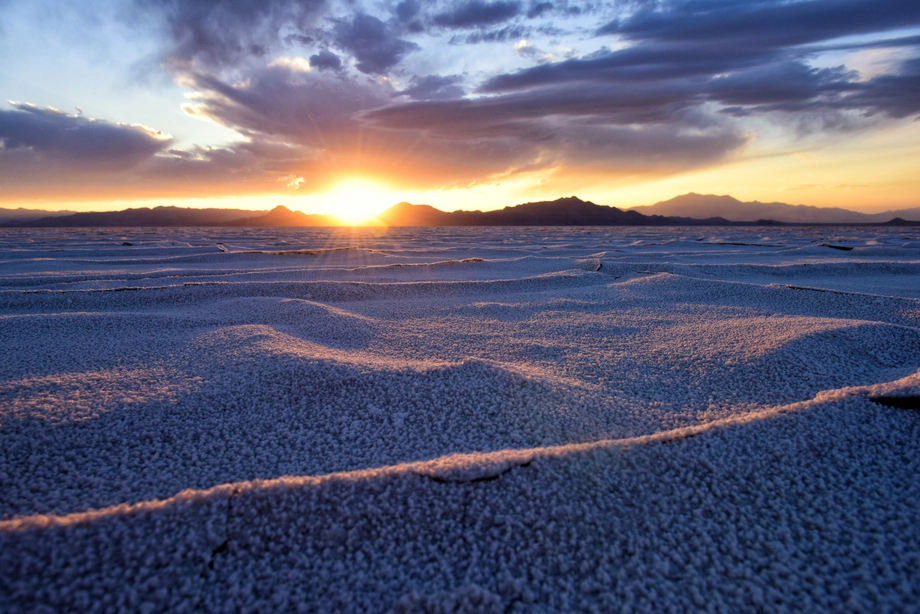 Bonneville Salt Flats – Sunset Adventure of the White Desert
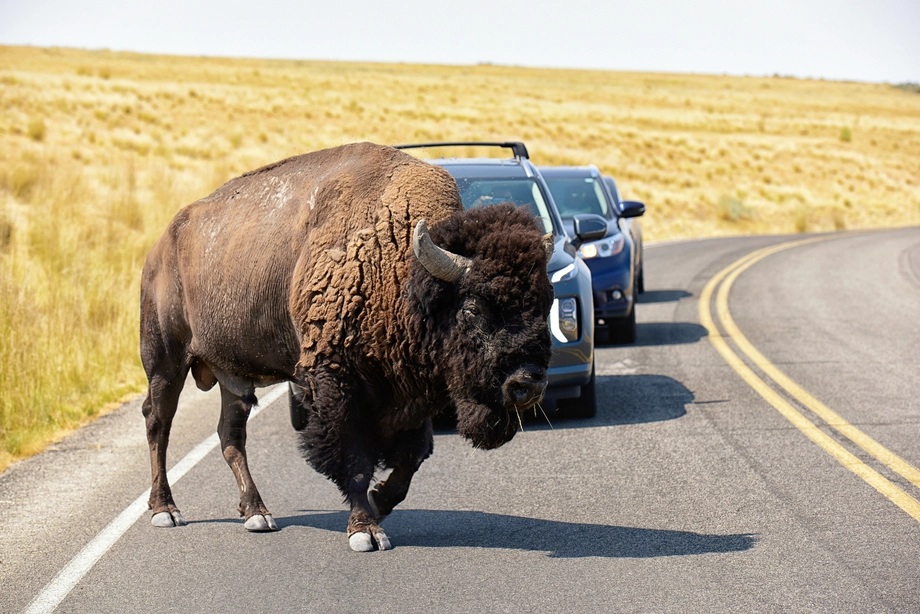 Antelope Island – Wild Heart of the Great Salt Lake Adventure
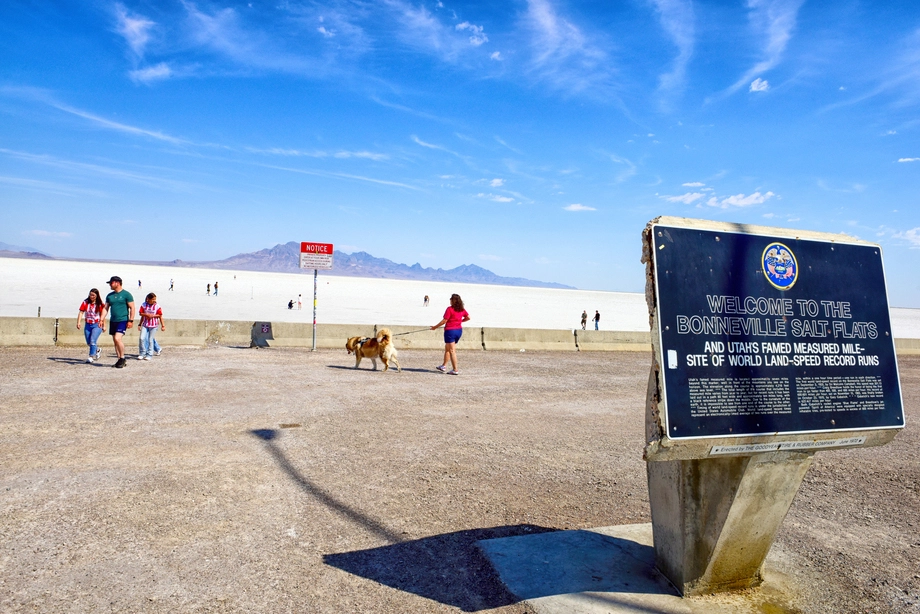 Bonneville Salt Flats – Journey to the Edge of the World
 Salt Lake City – The City of Zion. Historical Interactive Walking Tour
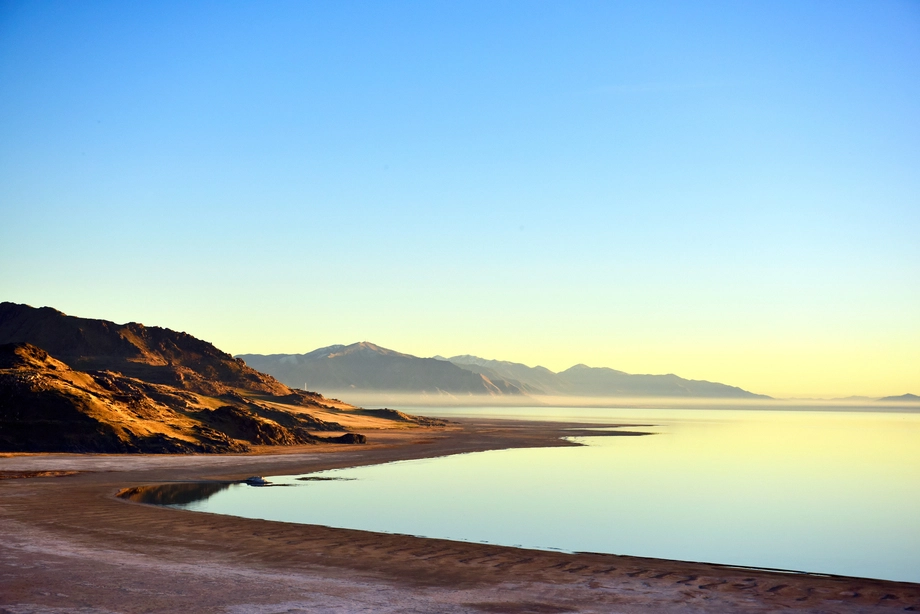 Antelope Island Sunset Wildlife Expedition – Great Salt Lake Odyssey