
Do You Need a Permit? Rules in Utah Parks for Independent Visitors and Tours
Jan 17, 2026
Many Utah parks use permits or timed entry for peak seasons, specific hikes, and backcountry trips. Check current rules and consider guided MateiTravel tours to avoid permit stress on tight Salt Lake City based itineraries.
Utah’s parks look effortless in photos. In reality, the rules behind those views are getting more complex every year. Timed entry systems, day use quotas, and hike specific permits now shape how and when you can explore many of the state’s most famous landscapes.
That is not a bad thing. It protects fragile trails, keeps crowding manageable, and improves safety. But it also means you cannot always just show up at a trailhead and expect to walk in. If you are planning anything from a quick city break in Salt Lake City to a loop through the mighty national parks, you need a clear picture of when a permit is essential and when it is not.
This article walks through the main permit types you might meet in Utah’s national and state parks, how they affect common itineraries from Salt Lake City, and where organized tours remove the permit headache entirely. We will also cover pros and cons of planning permits yourself, typical mistakes that derail trips, and practical tips to keep your visit smooth and legal while you enjoy southern Utah scenic day tours and urban experiences alike.
Why do Utah parks use permits in the first place?
Protecting fragile desert and alpine environments
Desert soil, canyon walls, and high alpine meadows do not recover quickly from overuse. When too many people walk off trail or cluster in a narrow canyon, damage can last for years. Permits cap daily visitor numbers on sensitive trails and routes so the land can keep up with the pressure.
In some areas, like narrow slot canyons or popular arches, there is also a safety component. Fewer people in tight spaces means fewer accidents and faster emergency access if something does go wrong.
Managing crowding and visitor experience
Permits and timed entry systems are also crowd control tools. They spread visitors through the day instead of allowing a single morning rush that overwhelms parking lots, shuttle systems, and viewpoints.
As the National Park Service explains, timed entry and reservation systems are used “to reduce congestion, improve visitor experiences, and protect park resources” during peak seasons.
“Many parks are using timed entry or reservations during busy periods to balance access with protection and provide a better overall visit.”
National Park Service, 2023
For you, that can mean less time stuck in traffic and more time actually on trails or enjoying viewpoints.
Ensuring safety on specific routes
Some permits are linked directly to risk. Technical canyons, long backcountry routes, or hikes with exposure may require permits so rangers know who is out there and can limit numbers.
This is common on famous routes where people underestimate difficulty. A permit system creates a small pause where visitors see warnings, distance, elevation gain, and required experience before they commit.
When do you actually need a permit in Utah parks?
Park entry and timed reservations
In recent years, several Utah national parks have used timed entry systems for vehicles during peak seasons. You may need a reservation window for your car in addition to the standard park entry fee.
These systems usually apply in the busiest months and hours of the day. If you plan early morning, evening, or off season visits, you might avoid them. However, you should always check current rules shortly before your trip in case policies change.
Backcountry, camping, and overnight trips
Backpacking and overnight camping outside developed campgrounds almost always require a permit. The goal is to limit the number of groups in fragile areas and ensure everyone has basic safety information.
These permits may be allocated months in advance, by daily walk up issuance, or a mix of both. If your Utah plan includes sleeping in the backcountry, treat permits as seriously as you would treat your tent or water filter.
Special hikes, canyoneering, and high demand routes
Some individual trails and activities require special permits even for day use. That can include technical canyons, narrow river slots, or famous summit hikes where space is limited.
These permits are often lottery based or released in daily or weekly batches online. Missing the application window can mean you must choose a different hike or switch to a guided option that handles the logistics.
Filming, events, and commercial activities
Professional filming, large events, or commercial guiding in national and state parks fall under separate permit categories. These are arranged by operators and do not usually concern regular visitors directly.
If you join an organized group, the company should already hold the necessary approvals. It is smart to confirm that any operator you book with understands and follows park regulations.
You found a hidden promo code!
Use code WOWBLOG at checkout and get 10% OFF any tour!
Limited time offer. Book now and save!
Browse ToursHow permits affect visitors traveling from Salt Lake City
Limited time and fixed travel days
Many visitors base themselves in Salt Lake City and only have one or two days to see Utah’s natural highlights. That is where permits can become a real bottleneck. A required reservation on the wrong day can throw off your whole plan.
If your Utah stay is built around specific dates, you must match permit windows to your travel days instead of the other way around. That requires quick, accurate information, not guesswork.
Driving time versus time on the trail
Reaching the major parks from Salt Lake City often means several hours of driving each way. When a timed entry or trail permit blocks you from entering at the right moment, you risk spending more time in the car than on the trail.
Visitors doing day tours from Salt Lake City to Arches National Park, for example, need those time windows lined up so that arrival, park entry, and short hikes fit into one long but realistic day. Poor permit planning can cut your hike time down to a quick photo stop.
Peak weekends and holiday pressure
Weekends, holidays, and school breaks bring heavier crowds and tighter permit competition. Travelers who live nearby can be flexible and choose a weekday when reservations are easier. If you are flying in and out of Salt Lake City, however, your schedule is locked.
In these cases, it helps to prioritize must see spots early in your planning. Decide which permit controlled experiences matter most, then build driving, lodging, and other activities around those anchors.
How permits interact with popular tour types from Salt Lake City
City walking tours in downtown Salt Lake City
Good news first. Guided walking tours in central Salt Lake City usually do not require any special visitor permits. They take place in public urban spaces, around historic buildings, plazas, and lesser known corners of the city layout.
Small groups led by local guides move on sidewalks and public paths. That keeps logistics simple. All you need is a reservation with the tour operator, who provides route details such as distance, elevation, and duration in advance.
Day tours to Utah ski resorts
For day trips from Salt Lake City to nearby ski resorts, you do not deal with park style permits at all. Instead, you handle lift tickets and resort specific rules. That is a different system and usually much more straightforward for the visitor.
Organized day tours to ski areas include transfers, help orienting yourself on the mountain, and flexible time on the slopes for couples, families, and groups of friends. Because the operator knows local procedures, you avoid the stress of parking rules or unexpected restrictions on where beginners can ski.
Tours from Salt Lake City to Utah’s national parks
When you join tours that start in Salt Lake City and visit major national parks such as Zion, Bryce Canyon, Arches, Canyonlands, or Capitol Reef, the permit puzzle happens mostly in the background. The company monitors current park rules and secures any required entries or commercial approvals.
These itineraries usually combine key viewpoints, short photo stops, and short hikes along signed trails. You get commentary on geology, history, and local stories while traveling along scenic roads and stopping at classic overlooks. Because the route and schedule are defined, the operator can match them to available park entries and day use limits.
Single day scenic tours within Utah
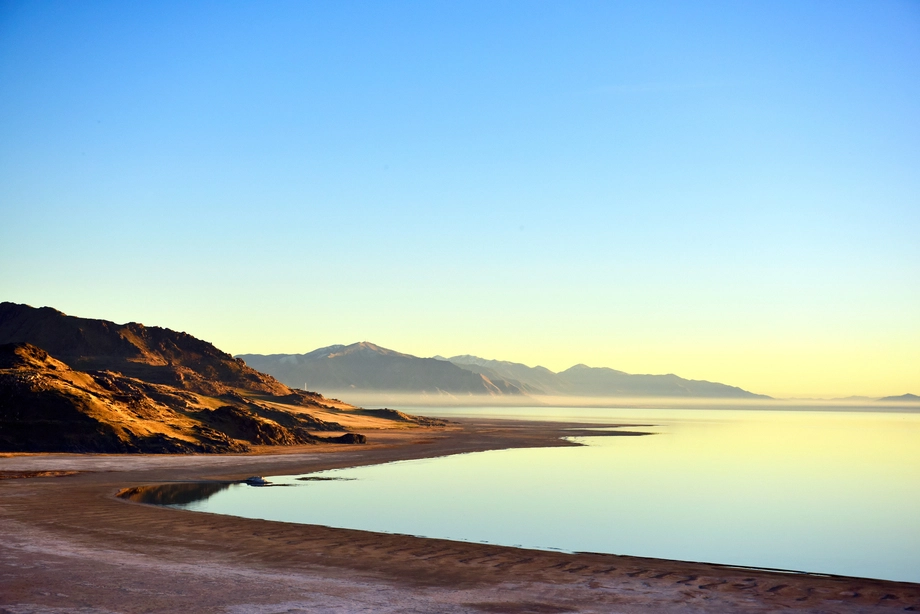
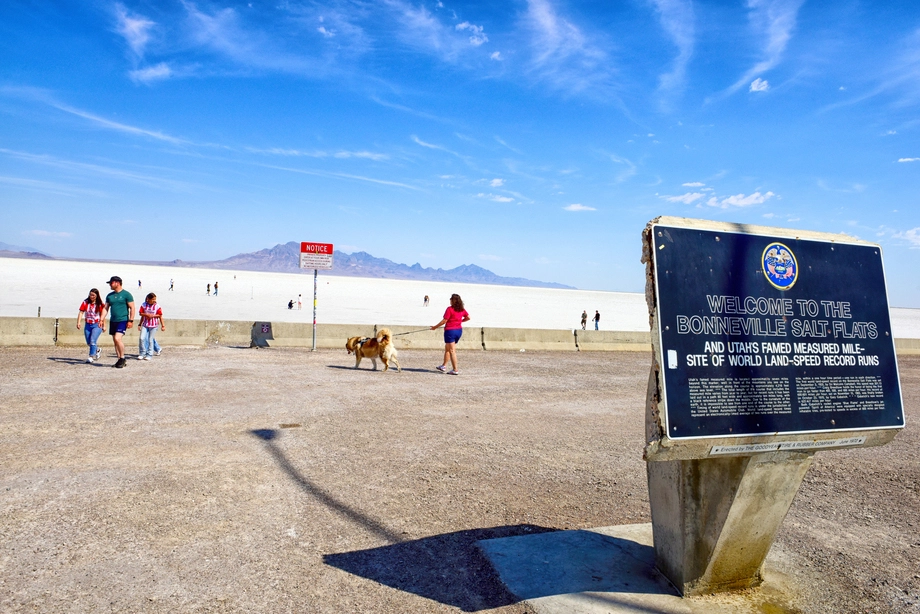
Not every memorable Utah outing involves a major park. Day trips from Salt Lake City to places like the Bonneville Salt Flats or Antelope Island State Park often have simpler rules. Some areas require only a standard entry fee, with no quotas or timed entry.
These tours are ideal if your time is short or you want wide open spaces without worrying about reservations. You get transfers, guide commentary, and short walks to viewpoints or wildlife zones, all without juggling multiple permit types.
Pros and cons of handling permits yourself vs using guided tours
Advantages of managing your own permits
- Full flexibility: You choose exact trails, start times, and side trips instead of following a fixed group schedule.
- Deeper customization: You can target niche locations or longer backcountry routes that are not included in group itineraries.
- Potential savings: If you already have a vehicle and gear, self planning can sometimes be cheaper, especially for larger groups.
- Personal challenge: Some travelers enjoy mastering reservation systems and logistics as part of the adventure.
Limitations of self managed permits
- Steep learning curve: Every park has different rules, deadlines, and systems that can change year to year.
- Higher risk of mistakes: One wrong date or missed detail can mean losing a coveted hike or even being turned away at an entrance station.
- Time intensive planning: Researching, booking, and tracking multiple permits can take hours you might prefer to spend on other trip details.
- Stress on travel days: If traffic or weather delay you, a fixed entry window might not line up with your actual arrival.
Benefits of joining guided tours from Salt Lake City
- No permit admin: Operators handle all required park entries and commercial approvals for the group.
- Optimized timing: Schedules are designed to match typical permit windows, driving distances, and daylight.
- Local insight: Guides share background on geology, planning history, and local stories so you understand what you are seeing.
- Lower stress: You can focus on photos and views rather than worrying about whether you are in the right place at the right time.
Key permit types at a glance
To make the main categories clearer, here is a quick comparison of common permit and reservation situations you may encounter in Utah’s parks.
| Permit or reservation type | Typical use case | How it affects visitors |
|---|---|---|
| Timed vehicle entry | Busy national park entrances in peak season | Requires you to arrive in a specific time window with a reservation code |
| Backcountry or overnight permit | Multi day backpacking, remote campsites | Limits trip start dates and locations, often booked well in advance |
| Day use or trail specific permit | High demand hikes, slot canyons, or sensitive areas | May use lotteries or limited daily quotas that can sell out quickly |
| Filming or event permit | Commercial filming, weddings, races, or large gatherings | Handled by organizers, not typical visitors; can restrict locations and times |
In broad terms, regular visitors mostly interact with timed entry, day use, and backcountry permits. Filming and event approvals sit in the background for most travelers.
Common mistakes visitors make with Utah park permits
Assuming “it will be fine” in peak season
A frequent error is treating summer or holiday visits like an off season weekday. People drive hours from Salt Lake City only to find they needed a timed entry or day use reservation for the exact park they are trying to enter.
This happens when travelers rely on old blog posts or social media without checking current park rules. Policies can change from year to year based on crowding and resource needs.
Mixing up park fees and permits
Entry fees, passes, and permits are not the same thing. Paying a standard entrance fee, or holding a general pass, does not automatically include day use reservations, backcountry approvals, or trail specific permissions.
Confusion here leads people to assume they are fully covered when they are not. Always check whether your activity requires both a fee and a separate reservation or permit.
Booking permits that do not match driving times
Another classic mistake is choosing permit windows that do not match real world travel. For example, selecting a narrow entry window in the early morning while staying far from the park can force dangerous driving or cause you to miss the slot entirely.
Visitors on tight schedules from Salt Lake City can be especially vulnerable to this. Underestimating driving time, gas stops, and weather delays leads to unnecessary stress and late arrivals.
Overloading one day with too many permits
Some travelers stack multiple permit required experiences into a single day. On paper it looks efficient. In practice it feels rushed and often falls apart when something takes longer than expected.
Permits work best when you leave buffer time around them. That way you can enjoy a hike or viewpoint without constantly watching the clock for the next reservation.
Ignoring simpler alternatives
With all the attention on famous hikes, many visitors overlook equally beautiful areas with easier access. They pour energy into a single lottery while skipping other trails and parks that need only a standard entry fee.
If a key permit does not work out, having alternate plans ready can save your trip. This might mean different parks, scenic drives, or guided excursions that do not depend on the same quotas.

Practical tips to navigate Utah park permits smoothly
Start with your dates and must see priorities
First decide when you will be in Utah and what you absolutely want to experience. Is it a specific arch, a dramatic canyon overlook, or a general sweep through multiple parks from a Salt Lake City base?
Once you know your top priorities, you can check whether they fall under timed entry, trail specific, or backcountry permit rules. That helps you focus effort where it matters most.
Check official park rules shortly before your trip
Permit systems are not static. They adjust to crowd levels and resource conditions. A park that used timed entry last summer may pause it in the shoulder season, or a new day use quota might appear on a popular trail.
To stay accurate, review official information a few weeks before departure and again a few days before your key park visits. Do not rely on year old advice from friends or forum posts.
Match permit windows to realistic travel times
Look at real driving distances between Salt Lake City, your lodging, and each park entrance. Add time for fuel, food, and scenic stops. Then choose permit windows that fit conservative travel estimates, not optimistic ones.
This is especially important for any single day trip where you must drive in and out on the same day. Longer windows or midday entries can be less stressful than narrow first thing openings.
Keep at least one low permit day in your plan
Build flexibility into your itinerary by including at least one day that relies on locations with minimal or no permit requirements. This could be a city walking tour, a day at a ski resort, or a scenic visit to places like the Bonneville Salt Flats or Antelope Island.
That “light” day gives you room to adjust if weather or a last minute change affects a permit based activity. You still see something memorable without fighting reservation systems every day.
Use guided tours to cover complex days
For particularly packed days, or for parks where rules feel overwhelming, guided tours can be a smart solution. Operators design itineraries specifically around current regulations and know how to time transfers, viewpoints, and short hikes.
For example, joining day tours from Salt Lake City to Arches National Park means someone else has balanced driving, park entry, and time at scenic stops. You get a realistic loop through the highlights without wrestling with multiple reservations.
Real world examples: how permits change your day
Example 1: A national park day with a key trail permit
Imagine you are staying in Salt Lake City with only one spare day to visit a famous national park that uses both a timed vehicle entry and a trail specific permit for its most popular hike. You secure a late morning vehicle entry and an early afternoon trail slot.
Because you planned those times around driving distance, you arrive without rushing. You enter the park, enjoy one or two viewpoints, then start your hike at the scheduled time. After the trail, you have daylight left for a scenic drive and photos, all without feeling squeezed.
Example 2: A flexible scenic day without permits
Now consider a different day focused on landscapes closer to Salt Lake City. You join a small group tour that visits the Bonneville Salt Flats and another viewpoint rich area in northern Utah. No quotas, no timed entries, just a standard access fee where required.
The group has periods of guided commentary and free time to walk, take photos, and soak in the wide open views. If weather nudges the schedule, the guide swaps stops or adjusts timing. You still get a full day of scenery, even though no one ever showed a permit at a gate.
Example 3: Multi day loop with varied permit intensity
Consider a longer trip where you start with a walking tour in downtown Salt Lake City, move on to a guided ski resort day, then finish with a national park excursion in southern Utah. Only the last segment is heavily affected by park permit rules.
This layered plan uses simple, low admin days at the beginning so you are not juggling multiple complex bookings at once. By the time you reach the permit sensitive park, you can focus on that one set of rules, knowing the other days are already sorted.
Independent visit vs guided tour: how permits differ
To highlight the practical differences, here is a comparison between organizing everything yourself and joining a guided park focused tour from Salt Lake City.
| Aspect | Independent visitor | Guided tour from Salt Lake City |
|---|---|---|
| Permit research | You check each park’s website and updates yourself | Handled by the tour operator as part of trip design |
| Booking entry slots | You create accounts, monitor release times, and book | Operator secures required park entries for the group |
| Adapting to rule changes | You must react if permits change before your trip | Tour adjusts itinerary based on current regulations |
| On the day logistics | You manage timing, parking, and trail choices | Guide sets schedule and leads short hikes or stops |
| Stress level | Higher if you are new to Utah systems | Lower, since complex rules stay behind the scenes |
Neither approach is “right” for everyone. Many travelers mix them, using guided days for more complex parks and exploring simpler areas independently.
How MateiTravel helps you navigate Utah park rules
Structured city, ski, and nature experiences
MateiTravel focuses on curated experiences that fit real visitor schedules in Utah. Their small group walking tours in downtown Salt Lake City are built for first time visitors who want to understand the city’s history, planning, and hidden corners without dealing with permits.
You get clearly described routes with realistic distances and terrain, plus the ability to ask questions in a small group setting. It is an easy first day in Utah that requires only an online booking.
Stress free ski resort day trips
On the winter side, MateiTravel organizes day tours from Salt Lake City to ski resorts across Utah. They handle transfers, help you get oriented on the mountain, and leave open time for you to ski or ride at your own pace.
This format works well for couples, families, or groups of friends. Experienced skiers appreciate fast access to local information, while newcomers benefit from reduced stress compared with figuring out resort logistics alone.
National park and scenic day tours
For the big landscapes, MateiTravel offers tours from Salt Lake City to Utah’s major national parks, including routes that let you see multiple highlights of the “Mighty Five” without self managing park rules. You get scenic drives, classic overlooks, and short hikes to arches, ridges, and canyon viewpoints.
Because the company designs these trips around current regulations, you can experience southern Utah scenic day tours in a realistic timeframe. Timings, viewpoints, and walking sections are chosen to match what is actually possible in a single day or short multi day loop.
Online booking and clear expectations
All of these experiences can be booked online with details on duration, distance, terrain, and typical effort level. That transparency helps you match your fitness, interests, and time budget to the right tour, without guesswork.
If you prefer to avoid dealing with permits directly, or you simply want a few stress free days woven into a longer independent trip, you can let MateiTravel handle the structure while you focus on the experience.
Permits in Utah’s parks are not there to make your life hard. They exist to protect landscapes, manage crowds, and keep visitors safe. The key is understanding when you truly need one and when a standard entry fee or simple booking is enough.
By learning the main permit types, avoiding common planning mistakes, and matching your reservations to realistic schedules, you can turn potential friction into a smoother, more focused trip. Guided options from Salt Lake City add another layer of flexibility, especially on days when distance and rules collide.
If you want expert support with logistics while you soak up Utah’s cities, mountains, and canyons, consider letting MateiTravel handle the planning. You will spend less time worrying about permits and more time actually standing in the landscapes you came to see.
FAQ
Do I always need a permit to visit a Utah national park?
No. You always need to pay the standard park entry fee or use a valid pass, but special permits or timed entry are only required in specific parks, seasons, or for certain trails and activities. Always check current rules shortly before your trip.
How do timed entry reservations affect day trips from Salt Lake City?
Timed entry sets a window when your vehicle can enter the park, which you must match to real driving times from Salt Lake City, fuel stops, and any traffic. Choosing a window that is too tight can cause stress or even a missed entry if you arrive late.
What is the difference between an entry fee and a permit?
An entry fee or pass lets you access the park in general, while a permit or reservation can be an additional requirement for specific days, times, trails, or overnight trips. Paying the fee alone does not guarantee access to limited quota hikes or backcountry routes.
Can guided tours help me avoid managing permits myself?
Yes. Guided tours from Salt Lake City to Utah’s parks typically handle all necessary park entries and commercial approvals in the background. The operator designs routes and schedules around current permit systems so you can focus on the experience.
Are there Utah experiences that do not involve complex permits?
Many do not. City walking tours in downtown Salt Lake City, ski resort day trips, and scenic visits to areas like the Bonneville Salt Flats or Antelope Island usually involve only standard access fees and a tour booking. They are great options for low hassle days.
What common mistakes should I avoid with Utah park permits?
People often assume permits are not needed in peak season, confuse entry fees with reservations, pick unrealistic time windows, or overload a single day with too many bookings. Planning around actual driving times and keeping at least one low permit day helps avoid these pitfalls.
How far in advance should I think about permits for my Utah trip?
Start checking permit requirements as soon as your travel dates are set so you know which parks or hikes need early reservations or lotteries. Recheck park rules a few weeks and then a few days before your visit, since systems can change between seasons.
What does MateiTravel do to simplify Utah park rules for guests?
MateiTravel designs walking, ski, and national park tours that already account for current regulations, driving distances, and realistic activity levels. They handle permit related logistics on guided days so guests can relax, learn from local guides, and enjoy the scenery.

 Antelope Island Sunset Wildlife Expedition – Great Salt Lake Odyssey
 Salt Lake City – The City of Zion. Historical Interactive Walking Tour
 Bonneville Salt Flats – Sunset Adventure of the White Desert
 Antelope Island – Wild Heart of the Great Salt Lake Adventure
 Bonneville Salt Flats – Journey to the Edge of the World