
Checklist for a Three-Day Hiking Challenge in Canyonlands and Needles
Apr 10, 2026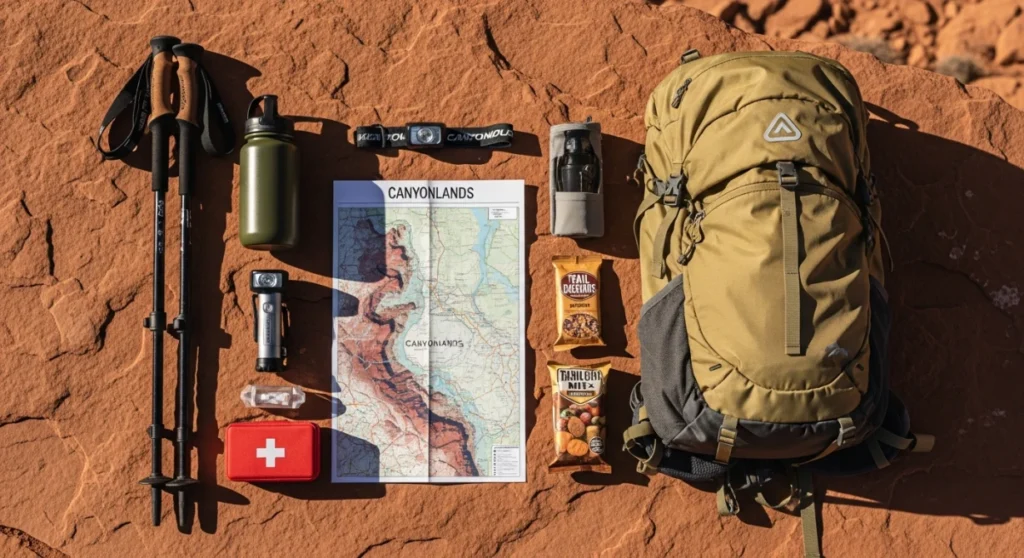
Use a must/should/nice checklist focused on water, permits, navigation, and realistic mileage, then run a strict go/no-go check on start day so your three-day Canyonlands hike stays demanding but safe.
You see it all the time on trail: people turn back halfway through day one because their pack is overloaded, they misjudged water, or they assumed Canyonlands would be like a forested mountain hike. Out here the routes are rougher, the heat hits harder, and there are very few second chances if you blow your preparation. If you want a three-day guided hiking challenge across Canyonlands and Needles District to feel demanding but controlled, you need a brutally honest readiness checklist, not a romantic packing list.
The good news is that Canyonlands rewards any group that plans around water, permits, and navigation before they think about camp coffee or sunset photos. Start by defining your goal, then sort your gear and decisions into musts, shoulds, and nice extras. From there, use clear go or no-go questions so you never step off the rim on a sketchy plan.
Define your goal and measurable readiness criteria
Before you book permits or flights, write down what “success” looks like for this three-day challenge. The more specific you are, the easier it is to decide what you really need and whether you are ready.
Clarify your trip goal
- Main objective: Decide if this trip is about pushing mileage, visiting specific viewpoints, or learning desert backpacking skills. Choose one primary goal so your daily routes match it.
- Desired difficulty: Rate your target effort on a simple scale (for example, “solid workout” vs “hard challenge” vs “on the limit”) and match daily distance and elevation to that band.
- Style of trip: Choose between a continuous backpacking loop/point-to-point or three long day hikes with car or shuttle support between districts.
Once the objective is clear, translate it into numbers and skills you can check before leaving home.
Physical and skills benchmarks
- Endurance benchmark: You should comfortably hike 8–10 miles on back-to-back days with a loaded pack at home without joint pain or extreme fatigue.
- Pack carry test: Do one full day hike carrying the weight you expect in Canyonlands, including water. If you finish with extra energy, you are in the right zone.
- Navigation ability: You must be able to follow a route using a topographic map plus compass or GPS when the path is faint or marked only by cairns.
- Heat management: Practice hiking in warm conditions near home with sun protection and hydration strategy to see how your body reacts.
Administrative readiness
- Permits in hand: All overnight backcountry trips in Canyonlands require a backcountry permit. Treat “confirmed permit” as non‑negotiable before finalizing any travel.
- Travel plan: Decide if you are driving yourself, combining your hike with Utah National Parks tours from Salt Lake City, or ending the trek with easier sightseeing days.
- Emergency contact: Leave your route, planned camps, and return date with a trusted person at home.
Must-do essentials for a safe three-day Canyonlands hike
Your must-do items are the things that protect life, limbs, and legal access. If any of these are missing or not working, the trip becomes a no-go.
Non‑negotiable logistics and paperwork
- Backcountry permit: Secure your overnight permit for specific dates and campsites or zones before you plan anything else, especially in spring and fall.
- Route research: Choose routes that match your team’s skills and water capacity. Study elevation profiles, known water sources, and exit options.
- Weather check: Check the forecast for all three days and the day after. Flag extreme heat, storms, or sudden cold snaps as potential reasons to change the plan.
Water, food, and fuel minimums
Water scarcity defines Canyonlands trips. Build your checklist around that reality.
- Water volume: Plan to carry at least 4 liters (about 1 gallon) of water per person per day, more if conditions are very hot or your route is exposed.
- Backup buffer: Add an extra 1–2 liters per person for the group as a shared emergency reserve on each day.
- Food calories: Pack enough lightweight food for three full days plus one extra day of simple backup meals like bars or nuts.
- Stove and fuel: If you plan to cook, bring a reliable backpacking stove and enough fuel, since campfires are not allowed in the backcountry.
Core safety and navigation kit
- Navigation tools: Topographic map that covers the entire route, compass, and a GPS device or app with maps downloaded for offline use.
- Lighting: Headlamp for each person plus spare batteries. Canyon terrain makes walking in the dark risky without strong light.
- First‑aid kit: Include blister care, bandages, pain relief, and materials to stabilize minor sprains.
- Emergency signaling: Whistle and a fully charged phone or satellite communicator where coverage is unreliable.
Desert‑specific clothing and shelter
- Sun protection: Wide‑brimmed hat, UV‑blocking clothing, sunglasses, and high‑SPF sunscreen.
- Layering: Light base layers, insulating layer for cool evenings, wind‑resistant shell, and a warm hat for night.
- Shelter and sleep: Tent or shelter appropriate for open desert camps, sleeping bag suited to expected night temperatures, and a sleeping pad for warmth and comfort.
You found a hidden promo code!
Use code WOWBLOG at checkout and get 10% OFF any tour!
Limited time offer. Book now and save!
Browse ToursShould-do upgrades for comfort and efficiency
Once life‑critical items are covered, shift to gear and habits that make the challenge more efficient and less punishing on your body.
- Trekking poles: Helpful on slickrock descents, in dry washes, and when carrying heavier water loads.
- Lightweight camp shoes: Simple sandals or light shoes can protect your feet around camp and let your hiking boots dry or air out.
- Water treatment: Carry a filter or chemical treatment even if you think you will rely on carried water, so you have options if you find a reliable source.
- Navigation redundancy: A second navigation tool such as an extra GPS-capable device or another person carrying a full set of maps.
- Comfort food: A few morale‑boosting snacks or drinks for evenings make long days feel more rewarding.
These items reduce fatigue, support problem‑solving if conditions change, and help prevent small issues from growing into decision‑changers on day two or three.
Nice-to-have extras that add enjoyment
Nice‑to‑have gear should never push your pack beyond what you can comfortably carry with full water loads. Use this checklist after you weigh your base kit.
- Lightweight camera: For those who want better photos than a phone can provide, as long as it does not encourage dangerous cliff‑edge positions.
- Compact seat pad: Useful for breaks on hot rock or rough surfaces and adds comfort in camp.
- Small field notebook: Record route notes, lessons learned, and any observations you want to use when planning future trips.
- Compact star map or app: Night skies in the desert are often spectacular, and knowing a few constellations can add to the experience.
Priority buckets at a glance
Use this table to double‑check you have not accidentally treated essentials as optional or packed too many extras.
| Item or Decision | Priority | Purpose |
|---|---|---|
| Backcountry permit | Must‑do | Legal access to overnight areas |
| 4+ liters of water per person per day | Must‑do | Hydration in an arid environment with scarce sources |
| Topographic map and compass | Must‑do | Staying on route when trails are faint |
| Trekking poles | Should‑do | Protect joints and improve stability |
| Water treatment method | Should‑do | Allows flexibility if you locate dependable water |
| Lightweight camp shoes | Should‑do | Foot comfort and hygiene in camp |
| Camera beyond phone | Nice‑to‑have | Higher‑quality images without affecting safety |
| Seat pad | Nice‑to‑have | Additional comfort during breaks and evenings |
Execution order and timing windows
Think of this trip as three phases: pre‑trip prep, daily execution, and end‑of‑day resets. Each phase has its own small checklist to keep you ahead of problems.
30–7 days before your trip
- Lock permits and route: Confirm your backcountry permit and finalize a realistic three‑day itinerary with planned camps.
- Test your full kit: Do at least one local hike carrying the exact pack weight you expect in Canyonlands, with all systems (stove, navigation, shoes) tested.
- Review water strategy: Decide which days rely entirely on carried water and which may include known, reliable sources you can treat.
- Share your plan: Give your route and expected check‑in times to your emergency contact at home.
48–12 hours before departure
- Weather and trail status: Check for updated forecasts and any alerts that could affect your route or driving approach.
- Final gear check: Lay everything out by must‑do, should‑do, and nice‑to‑have groups and weigh your packed backpack with full water load.
- Navigation review: Study maps again, marking bail‑out points and alternate shorter options for each day.
- Sleep and hydration: Arrive rested and well‑hydrated rather than racing through last‑minute errands.
Morning routine on each hiking day
- Water audit: Confirm each person has the planned day’s water plus their share of group reserve.
- Route briefing: Review key waypoints, estimated hiking time, known tricky sections, and turnaround time if progress is slower.
- Layer check: Make sure sun protection, hat, and first layers are on from the start rather than waiting until you feel burned or chilled.
End-of-day reset in camp
- Foot care: Address any hot spots, blisters, or soreness before sleeping.
- Next‑day prep: Repack the top of your bag with what you will need early in the morning and review the next segment’s map.
- Group status check: Ask each person about energy level, appetite, and any pain so you can adjust the plan if needed.
Risk controls and critical misses
Canyonlands rewards caution and punishes wishful thinking. Use this section to identify common failure points and how to prevent them.
Water and heat management
Backpackers in this park should plan to carry at least 4 liters of water per person per day because natural water sources are limited and cannot be relied upon.
Underestimating water needs is one of the quickest ways to turn a challenging hike into an emergency. Never reduce planned water volumes just to lighten your pack unless you have confirmed, reliable sources and treatment options along your route.
- Control: Set a strict minimum of 4 liters per person per day, plus shared emergency water, and schedule regular drink breaks before anyone feels thirsty.
- No‑go trigger: If you cannot physically carry your required water for the planned distance and conditions, shorten the route or switch to a less committing plan.
Navigation and route‑finding
Backcountry routes in Canyonlands can be hard to follow. Cairns, slickrock sections, and canyons that look alike make it easy to drift off your intended line.
- Control: Practice using your topographic map and compass before the trip and have at least two people in the group capable of navigating.
- No‑go trigger: If you arrive without a detailed map, or no one can confidently use one, limit yourself to very well‑marked, shorter routes or postpone the trip.
Fire regulations and cooking
Campfires are not allowed in the backcountry. That means you cannot rely on found wood for warmth or cooking, and you must plan meals and fuel accordingly.
- Control: Bring a dependable stove and enough fuel for three days of hot meals if you choose to cook, or pack no‑cook meals to reduce stove dependence.
- No‑go trigger: If your entire meal plan depends on a stove that you have never tested, or you forgot fuel, revise to no‑cook food or change your itinerary.
Group decision‑making
Groups often push on because “we already came this far” even when conditions change. A written go/no‑go checklist makes it easier to choose caution over sunk costs.
- Control: Appoint a trip leader but agree that anyone can call for a reassessment if they notice safety issues.
- No‑go trigger: If more than one person feels unwell or overwhelmed, do not start a committing off‑trail section or long descent with no quick exit.

Practical scenarios: what good and bad preparation look like
Scenario 1: Well‑prepared team
A group trains with loaded packs on local trails, practices navigation with maps, and runs a full gear rehearsal two weeks before flying to Utah. They arrive with permits secured, daily water plans, and a clear understanding of turnaround times. During the trip they adjust day two’s route when one member feels tired, using a pre‑planned shorter option that still keeps them within sight of major viewpoints.
Scenario 2: Underprepared but lucky
Another pair shows up with minimal desert experience, heavy gear they have never carried fully loaded, and no clear understanding of water needs. They realize on day one that their packs feel too heavy and they are drinking faster than expected. Because they have a good map and discussed alternate endings in advance, they choose a shorter second day and finish their three days tired but safe, having learned how important water planning and pack testing are.
Comparing trip styles for a three-day Canyonlands experience
If you are unsure about a full backcountry challenge, you can still build a three‑day Canyonlands‑focused visit that fits your comfort level. Use this comparison to choose your approach.
| Option | Main Features | Who it fits |
|---|---|---|
| Three‑day backpacking challenge | Carry all gear and water, camp in backcountry, permits required, higher navigation demands | Hikers with strong fitness and backcountry skills |
| Guided scenic tour days | Round‑trip transport from Salt Lake City, key viewpoints, short walks and photo stops, guide handles logistics | Travelers who want iconic scenery without managing long drives or complex planning |
| Self driving tour of Utah national parks | You drive between parks, manage permits, choose trails and timing, flexible itinerary | Independent travelers comfortable with route research and long drives |
Some hikers combine a demanding overnight trip with one or two easier guided days, for example by adding Utah National Parks Tours before or after their backpack to cover more viewpoints with less effort.
Go / No-Go readiness checklist for day one
Use this short, decisive checklist on the morning you plan to start hiking. If any must‑do item is not satisfied, adjust the plan before stepping onto the trail.
Go if all of these are true
- Permits confirmed: You have your backcountry permit information accessible and know your designated camping areas.
- Water packed: Each person carries at least 4 liters plus the group’s emergency reserve for the first day.
- Navigation ready: Maps are accessible, at least two people can use them, and backup electronic navigation is fully charged.
- Weather acceptable: Forecast shows conditions within your group’s tolerance with no imminent severe storms or extreme temperatures you are not prepared for.
- Group health solid: Everyone feels well, has slept reasonably, and has no injuries that could worsen under load.
No-Go or modify if any of these are true
- Insufficient water capacity: You cannot carry enough for the planned day and do not have guaranteed, treatable water sources en route.
- Navigation gap: The only person who understands the route is unwell, absent, or unsure.
- Unmanageable weather: Forecast indicates dangerous heat, storms, or conditions beyond your equipment and experience.
- Pack too heavy: During a short test walk near the trailhead, someone struggles significantly with their pack weight.
If you call a no‑go, that is not a failure. It is a sign your decision‑making process is working. You can pivot to a less committing day hike, join canyonlands tours from moab on a different visit, or explore other nearby areas while you gather the skills and equipment you need.
Practical recommendations to make your three days count
- Plan conservative daily distances: Choose mileage that feels easy on paper so you have margin for route‑finding delays and photo stops.
- Carry more water than feels “reasonable”: In an arid desert environment, extra weight is preferable to the risk of running dry.
- Train with your actual gear: Use the same shoes, backpack, and clothing on practice hikes so there are no surprises.
- Keep navigation in hand, not in your pack: Check your map regularly instead of waiting until you are uncertain of your location.
- Debrief each evening: Spend five minutes as a group reviewing what went well and what to adjust for the next day.
If you decide you prefer a mix of challenging walks and guided context, look for the best tours of Utah national parks that match your fitness and interest level, then anchor your harder hiking days around those fixed dates.
A three‑day hiking challenge in Canyonlands rewards any group that treats preparation as seriously as the adventure itself. Start with clear goals and honest readiness checks, then sort your planning into must‑do, should‑do, and nice‑to‑have priorities. Use water, navigation, and permits as your non‑negotiable pillars, and let everything else adjust around them. Finally, let your go/no‑go checklist guide daily decisions so the trip feels demanding but never reckless. If you want expert context or easier add‑on days around your hike, MateiTravel can help you structure the Utah portion of your journey.
How much water should I carry for a three-day Canyonlands hike?
Plan for at least 4 liters per person per day, plus some shared emergency reserve. Increase that amount if your route is very exposed or temperatures are higher than expected.
Do I need a permit for overnight trips in Canyonlands?
Yes, every overnight backcountry trip requires a permit for specific dates and areas. Secure this before committing to flights, lodging, or detailed route plans.
What makes a three-day Canyonlands trip a no-go on start day?
Missing permits, inadequate water capacity, unmanageable weather, or no one in the group confident with navigation are all strong reasons to change or postpone your plan.
How can I tell if my backpack weight is realistic?
Do a full‑gear test hike at home with the same water load. If you can comfortably complete a long day without excessive fatigue or pain, your pack weight is likely acceptable.
Are campfires allowed during a multi-day Canyonlands hike?
No, campfires are not permitted in the backcountry. Plan to cook on a stove or bring no‑cook meals and rely on your clothing and sleeping system for warmth.
What skills are most important for a three-day Canyonlands challenge?
Strong navigation with map and compass or GPS, realistic water planning, and experience hiking consecutive long days with a loaded pack are key.
Can I combine a backpacking trip with guided Utah park tours?
Yes, many travelers pair a demanding backcountry segment with guided sightseeing days before or after, which can cover more viewpoints with less logistical stress.
How early should I start daily hiking stages?
Begin early in the morning to avoid midday heat, allow generous time for breaks and navigation, and ensure you reach camp well before dark.

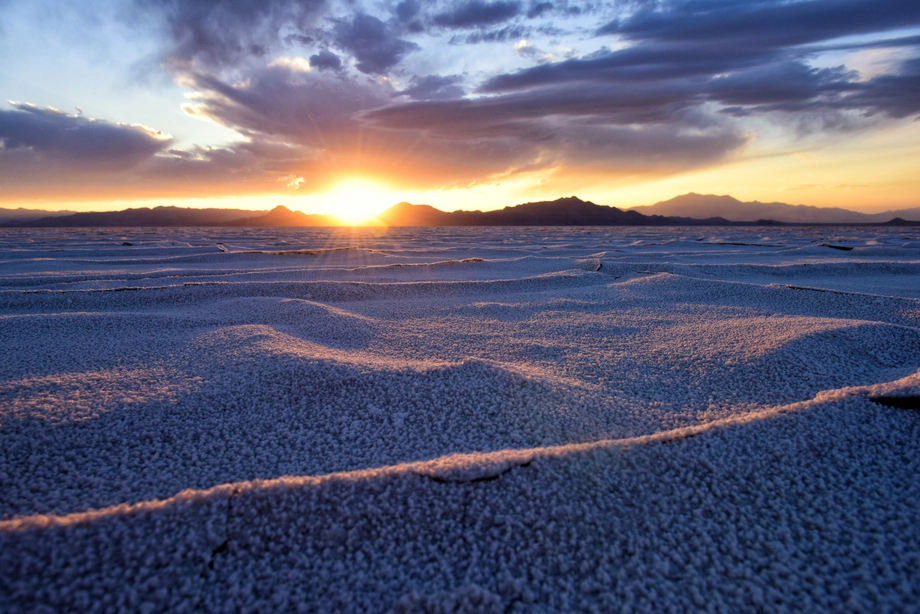 Bonneville Salt Flats – Sunset Adventure of the White Desert
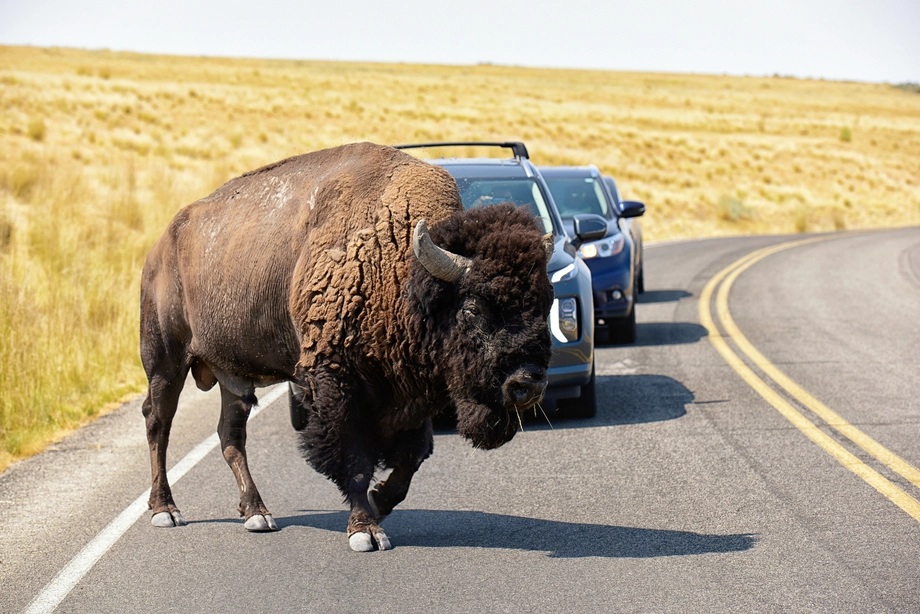 Antelope Island – Wild Heart of the Great Salt Lake Adventure
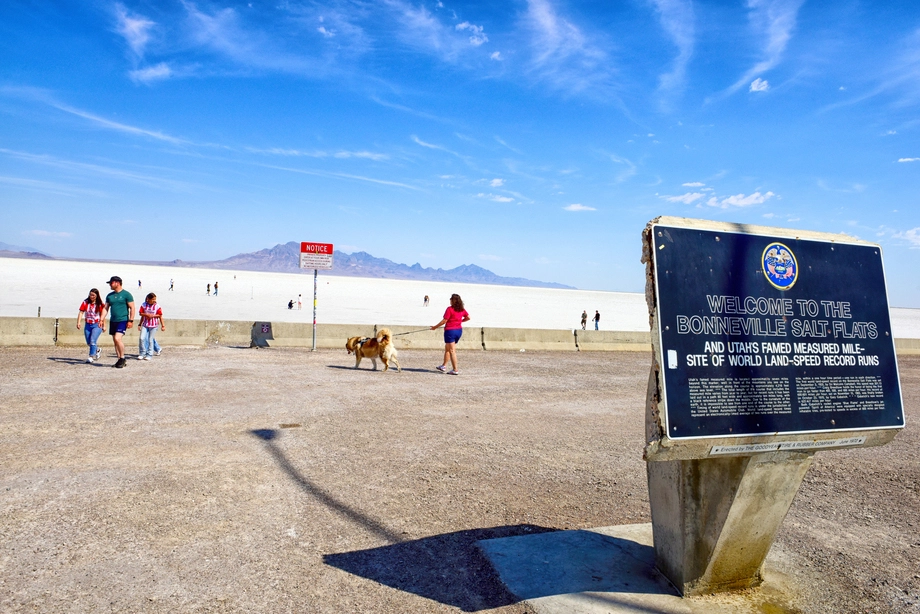 Bonneville Salt Flats – Journey to the Edge of the World
 Salt Lake City – The City of Zion. Historical Interactive Walking Tour
 Antelope Island Sunset Wildlife Expedition – Great Salt Lake Odyssey