
Bus tours to Utah national parks: who they suit and who they don’t
Mar 18, 2026
Bus-based Utah park trips work best for travelers who want scenery and stories without driving, are fine with light walking, and accept shared schedules. Independent, long-hike, or ultra-flexible travelers should consider other formats.
Many travelers land in Salt Lake City dreaming of red-rock arches and narrow canyons, then freeze when they see the driving times, park reservation rules, and parking headaches. Some grit their teeth and rent a car anyway, only to spend more time stressing over logistics than actually looking at the landscape. Others jump on the first bus offer they see and later realize the pace, walking level, or crowd style was all wrong for them.
This choice matters even more now, when trips are short and people want every day to count. With limited vacation or a spare weekend on a work trip, picking the wrong format can mean watching Utah’s best scenery through a fogged bus window instead of standing at the overlooks you actually care about.
If you understand who bus tours truly serve well, how walking levels and schedules work, and how small-group dynamics feel in real life, you can choose a format that matches your energy, mobility, and expectations instead of fighting them the whole way.
When bus-based Utah park tours are a good fit
Bus-based itineraries are ideal if you want to see the big-name parks and viewpoints without driving hundreds of miles on unfamiliar roads. These trips usually start and end in Salt Lake City, include scenic drives past iconic overlooks, and give you structured time to walk around, take photos, or join short hikes to arches or canyon rims.
They work especially well for travelers who value convenience and context over total freedom. A driver-guide handles the transport, parking, and park entry, while you listen to stories about geology and local history that you would not piece together on your own. For many visitors, that mix of effortless logistics and guided interpretation is worth more than squeezing in one extra viewpoint.
Small-group departures are also a good match if you like asking questions and learning from a local. With group sizes kept modest on these routes, the guide can adjust commentary to the group’s interests and check how people are handling the walking pace and altitude.
These experiences are particularly strong for:
- Couples and friends: You can both look out the window instead of one person driving and the other navigating.
- Families with teens and adults: Light to moderate walking and short optional hikes tend to work well across generations who are reasonably mobile.
- Short-stay visitors: If you only have a few days, having someone else optimize the schedule gives you more actual views per hour.
Who should avoid bus park tours and consider alternatives
These trips are not for everyone. If you want to set your own pace down to the minute, stop for photos whenever you feel like it, or hike long distances into quieter corners of the parks, a bus format will feel restrictive. The schedule is built for the group, not for one person’s ideal day.
They can also be a poor fit for travelers who dislike any kind of group structure. Even with smaller groups, you will be sharing viewpoints, vehicle space, and timeline with others. If solitude and unscripted wandering matter more than convenience, you will be happier self-driving and planning your own hikes.
People with very limited mobility or specific accessibility needs should look closely at the advertised walking level. Most itineraries include some on-foot time at viewpoints and optional strolls. If “walking” or “walking/auto” is more than you comfortably handle, a more customized private option or a city-based walking tour with easy exits may suit you better.
Finally, highly budget-focused travelers who want to minimize costs at all costs often prefer driving themselves and cherry-picking just one or two short park stops. A guided bus journey offers value in expertise and logistics, but it is still a structured, professionally run experience rather than a bare-bones transport option.
You found a hidden promo code!
Use code WOWBLOG at checkout and get 10% OFF any tour!
Limited time offer. Book now and save!
Browse ToursKey criteria for choosing the right tour format
Once you know whether a bus-based itinerary suits your travel style, the next step is to evaluate specific options. Use these criteria to decide whether a particular departure really matches how you want to experience Utah.
1. Walking level and physical demands
Every program should clearly state the general walking level. Some emphasize “walking/auto,” with most viewpoints accessible from short strolls near the vehicle. Others build in optional short hikes to overlooks, arches, or canyon rims that demand more stamina and comfortable footwear.
- If you enjoy light activity: Look for routes that focus on scenic drives with frequent stops and optional, not mandatory, hikes.
- If you want to move more: Choose itineraries that highlight several short hikes instead of only roadside viewpoints.
- If you have joint or balance issues: Prioritize tours where your participation at each stop is flexible, and you can remain near the vehicle without feeling pressured.
2. Duration and daily rhythm
Current offerings around Salt Lake City include trips of about 3 hours and others closer to 7 hours, with some national park programs stretching to full days. Longer schedules allow for unhurried drives, multiple park viewpoints, and relaxed photo stops, but they also mean more time in the vehicle.
Shorter outings are great if you tire easily or want to fit a tour into a busy work or conference schedule. A 3‑hour walking experience in downtown Salt Lake City, for example, lets you stay active without dedicating an entire day to travel.
3. Group size and interaction style
Smaller groups, often capped around a dozen guests, create a very different feel from a large coach. With fewer people, guides can answer individual questions, move more efficiently between stops, and adapt commentary to the group’s interests.
Group size also affects how long you wait for everyone to get on and off the vehicle. In compact groups of 11 to 13 guests, transitions are faster and you spend more of your limited time actually at viewpoints or walking routes instead of waiting at the door of a coach.
4. Starting point and logistics from Salt Lake City
Many utah national parks tours from salt lake city begin from central meeting points that are easy to reach by foot or local transport. Some city-based walking programs, for instance, begin at the main entrance of the FamilySearch Center, close to central parking at the Plaza Hotel Garage and City Creek Center.
When you evaluate a national park departure, confirm:
- Exact meeting spot: Is it easy to find if you are new in town, and will you be there on time without extra stress?
- Parking options: If you have a rental car, can you leave it safely near the pick-up point for the day?
- Return time: Does the planned end of the tour fit with evening plans, such as dinner or another short activity in the city?
5. Content focus: scenery, stories, or both
Some people only care about ticking off famous viewpoints. Others value stories, city context, and hidden details as much as raw scenery. Local guides who also lead walking tours in downtown Salt Lake City are used to explaining how the city was planned, how it grew, and how local history connects to the landscapes visitors see on longer day trips.
If you enjoy understanding both the rocks and the people, choose experiences where guides emphasize history, planning, and development, not just photo stops. You will come home with a more complete sense of place instead of a camera roll of disconnected images.
Comparing tour styles at a glance
The table below will help you see how different small-group formats feel in practice, from intense park days to lighter city immersions and nearby nature excursions.
| Tour style | Typical duration | Walking level | Best for |
|---|---|---|---|
| National park bus itinerary | Full day | Light to moderate, with optional short hikes | Seeing major parks and viewpoints without driving yourself |
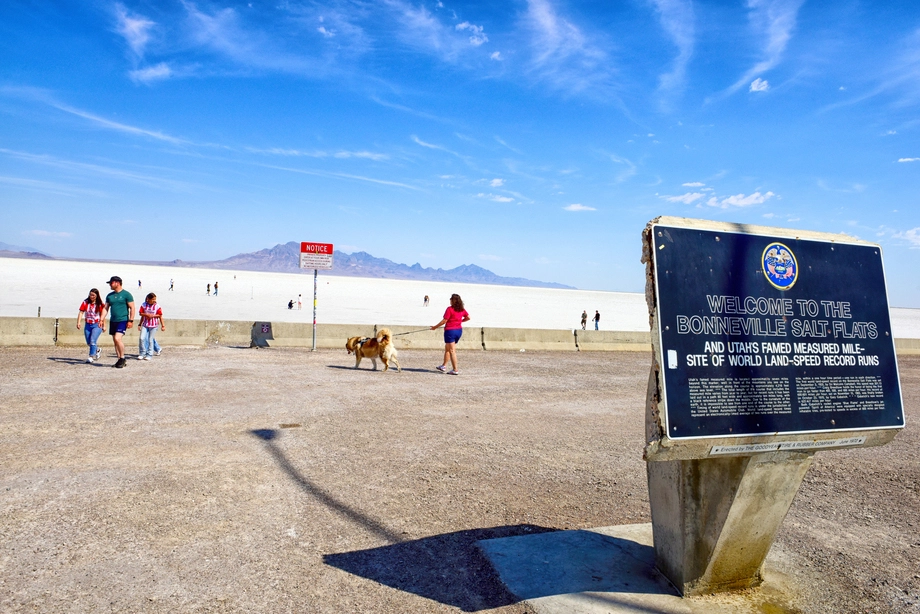
| Nearby nature day trip (Bonneville Salt Flats, Antelope Island) | About 7 hours | Walking/auto | Experiencing dramatic landscapes closer to the city with flexible walking |
| Salt Lake City historical walking tour | About 3 hours | Walking | Learning city history, planning, and hidden corners on foot |
Mapping options to real use-cases
Scenario 1: You have two free days around a business trip
Imagine you are in Salt Lake City for a conference and have one full free day plus an open evening. Driving long distances to multiple parks might be too risky if you need to be fresh for meetings, but you still want to see Utah beyond the convention center.
A smart sequence would be a full-day small-group nature excursion, such as a 7‑hour visit to the Bonneville Salt Flats or Antelope Island, where your driver handles transport and you split your time between scenic drives and manageable walks. On another day or evening, you could join a 3‑hour downtown walking tour that explores historic buildings and tucked-away spots while a local explains how the city was laid out and grew over time.
That pair gives you a deep sense of both landscape and city life without long driving days or overly intense physical demands. You return each night to your hotel in the city, ready for the next day’s obligations.
Scenario 2: A family with mixed fitness levels
Consider a family of four. One parent hikes regularly, another prefers light strolls, and the teenagers are energetic but not used to desert heat. They want to see famous views but not exhaust anyone.
A small-group park-focused bus day with clearly stated “light to moderate” walking is often ideal. Those who feel strong can join optional short hikes to arches or canyon rims. Others can stay closer to the vehicle, enjoy nearby viewpoints, and still experience the same landscapes and guide commentary.
On a second day, the family might pick a walking/auto day trip like the Journey to the Edge of the World at the Bonneville Salt Flats, where distances on foot are manageable and the main spectacle is the vast white desert itself. That variety prevents burnout and keeps everyone engaged.
How small-group park tours compare to other local experiences
It helps to compare a full park day with the other types of guided experiences currently available from Salt Lake City. Each serves a distinct purpose in a broader Utah itinerary.
| Feature | National park bus day | Nature day trip (Antelope / Bonneville) | City walking tour |
|---|---|---|---|
| Max group size | Small, typically around a dozen guests | Up to 11–13 guests | Small downtown groups guided by locals |
| Primary focus | Iconic park views and short hikes | Unique landscapes like salt flats and island wildlife | History, planning, and development of Salt Lake City |
| Movement style | Vehicle plus walking at park viewpoints | Combination of driving and easy walks | Continuous walking through central streets |
| Ideal traveler | Visitors seeking the “Mighty Five” feel without driving | Guests wanting dramatic nature close to the city | Curious travelers who love stories and hidden spots |

Common mistakes when booking bus-based park experiences
Many disappointing trips trace back to a few preventable errors. Avoid these pitfalls when you evaluate bus tours utah national parks options.
- Ignoring walking descriptions: People sometimes book based solely on photos and distance, then discover that “walking/auto” still includes more time on foot than they expected.
- Underestimating travel time: A full-day park journey means hours in the vehicle, even with scenic stops. If you dislike long rides, a closer 7‑hour day trip or city experience may fit better.
- Not checking group size: Larger groups can feel impersonal and slow at stops. Smaller caps allow more questions and smoother movement.
- Overloading the schedule: Trying to pack a long park day, a city walk, and evening plans into 24 hours leaves you exhausted and less able to enjoy what you see.
- Overlooking meeting logistics: Guests sometimes underestimate the time needed to reach central pick-up points or find parking, starting their day stressed instead of relaxed.
Pre-booking checklist for Utah park buses
Before you commit to a specific departure, walk through this checklist to confirm the program really fits you.
- Clarify your priority: Decide whether your main goal is maximum scenery, deeper stories, or an even balance of both.
- Match walking level to reality: Compare the listed walking demands to what you comfortably manage at home, not to what you hope you might handle on vacation.
- Confirm timing: Look at start and end times and ensure they fit your arrival day, conference schedule, or flight home without stressing you.
- Check group size limits: Choose small group tours utah national parks style if you value direct interaction with your guide and quicker transitions.
- Plan how you will reach the meeting point: Decide whether you will walk, take local transport, or park in a nearby garage, and add that time to your morning.
Practical tips to get the most from your tour
A good match on format is only half the story. The way you participate on the day makes a big difference in how memorable the experience feels.
- Use your guide’s expertise: Ask about geology, local history, and even dining ideas in Salt Lake City. Guides who also lead central walking tours are used to fielding wide-ranging questions.
- Balance photos with presence: Take your shots, then put the camera down for a minute at each major viewpoint so you actually experience the silence, color, and scale.
- Respect the group rhythm: Returning to the vehicle at the agreed time keeps the day on track and ensures no one misses later stops.
- Listen for local context: The same guide who narrates the story of downtown’s grid and historic buildings can connect that narrative to settlement patterns and park landscapes farther away.
- Leave some flexibility: Rather than filling every free evening, keep space to join a shorter 3‑hour city walk or just rest, depending on how you feel after your day out.
Why local guiding experience matters
Utah’s landscapes are impressive on their own, but local knowledge weaves them into a coherent story. Guides who spend part of their week leading downtown walking groups gain practice explaining how Salt Lake City’s layout, public buildings, and hidden corners came to be, and how the region’s development shaped the routes visitors now travel.
That same skill transfers naturally to park and nature itineraries. When someone can show you both a historical city square and a remote salt flat, they tend to connect the dots between water, resources, planning decisions, and the human stories behind them.
Thoughtful travelers increasingly look for guides who can interpret both streets and landscapes, turning each stop into a piece of a larger narrative instead of an isolated photo opportunity.
For many guests, this style of guiding is what converts a simple day out into a deeper memory of Utah as a living place rather than just a backdrop.
Bus-based trips to Utah’s parks and nearby landscapes are a strong choice when you want maximum scenery with minimal logistical stress and are happy to share the day with a small group. They work best for travelers who are comfortable with light to moderate walking, value stories and context, and prefer not to drive long distances themselves. If you crave complete freedom, long hikes, or total solitude, self-driving or more customized options will match you better.
Evaluate each itinerary by walking level, group size, start and end times, and how much guiding depth it offers, then layer in city walks or shorter nature outings around it. With a clear sense of your priorities, you can use services like those from MateiTravel to build a balanced Utah stay instead of a rushed checklist. When you are ready, book the format that fits your energy and curiosity, not just the one with the most famous name on the map.
To plan a balanced mix of park, nature, and city experiences from Salt Lake City, contact MateiTravel and outline your ideal pace and interests.
Are bus-based Utah park tours suitable if I do not like hiking?
Yes, many itineraries focus on scenic drives and short walks to overlooks, with optional hikes you can skip if you prefer minimal exertion.
How big are the groups on these tours?
Group sizes are typically small, often around 11 to 13 guests, which keeps the experience more personal and efficient at each stop.
Can I combine a national park day with a Salt Lake City tour?
Many visitors pair a full park or nature day with a separate 3‑hour downtown walking tour on another day or evening to understand the city’s history.
What if someone in my group has limited mobility?
Choose tours labeled as walking/auto and make sure participation at each stop is flexible so they can stay near the vehicle when needed.
Do these tours start from central Salt Lake City locations?
Yes, departures use central meeting points, such as near the FamilySearch Center, with nearby parking options for guests who drive in.
Is one full-day tour enough to experience Utah’s landscapes?
One full day gives you a strong first impression, and adding a second shorter nature or city tour deepens your understanding without overloading your schedule.
How far in advance should I book a small-group tour?
Booking early is wise, especially for small groups, since limited spaces fill faster than large coach departures.
What kind of commentary can I expect from local guides?
Local guides typically share geology, history, city planning stories, and local anecdotes, not just basic facts about each viewpoint.

 Bonneville Salt Flats – Journey to the Edge of the World
 Salt Lake City – The City of Zion. Historical Interactive Walking Tour
 Antelope Island Sunset Wildlife Expedition – Great Salt Lake Odyssey
 Bonneville Salt Flats – Sunset Adventure of the White Desert
 Antelope Island – Wild Heart of the Great Salt Lake Adventure