
How to Plan a Utah Hiking Vacation Around One Home Base City in 7 Days
Mar 1, 2026
Use Salt Lake City as a single hub, mix guided tours with nearby hikes, follow a 7-day timeline with recovery and buffer days, and match walking levels to your group for a low-stress Utah trip.
Many Utah trips fail for the same reason: people chase too many parks, switch hotels every night, and spend more time unpacking the car than walking on trail. With distances spread across desert plateaus and canyon country, every extra move costs energy, daylight, and focus.
Using one strategic city as a base fixes most of that. You trade constant reshuffling for simple routines, clearer choices each morning, and room to adjust when weather or legs say “not today.” In Utah, Salt Lake City gives you that mix of flight access, nearby hikes, and organized tours reaching farther parks.
Below is a practical, timeline-based way to build your trip around a single hub, whether you prefer driving yourself, letting guides handle logistics, or blending both.
Choose Your Base-City Plan: Variant A, B, or C
Before picking trails or booking nights, decide how you want to move. Your home base plan shapes every day’s driving time, hiking energy, and budget.
Variant A: Car-free or Low-Driving, Tour-Based Week
This option fits travelers who dislike long highway days, are uneasy driving mountain or desert roads, or simply want to relax between hikes. You stay in Salt Lake City the entire time and reach landscapes through organized day and multi-day outings.
- Who it suits: Couples, families, and small groups who prefer guides, commentary, and no parking stress.
- Core tools: Central hotel, walkable downtown, and a mix of Salt Lake City walking tours and longer excursions into Utah’s open spaces.
- Main tradeoff: You see less ultra-remote terrain but avoid fatigue from a constant self driving tour of Utah national parks regions.
Variant B: Hybrid Base With 2 Hub Cities
Here you still start and end in Salt Lake City, but you add one 2–3 night stay closer to the national parks corridor. You keep repacking to a minimum while shrinking drive times on your biggest hiking days.
- Who it suits: Active travelers wanting longer trails in iconic parks plus some days with no car keys in hand.
- Core tools: One rental car or shared driving in your own vehicle, one hotel in Salt Lake City, one hotel near the southern parks, and optional guided Utah National Parks tours from Salt Lake City at the start or end.
- Main tradeoff: Slightly more complex bookings, but your longest hikes fall on days with short commutes.
Variant C: Long Weekend or 3–4 Day Base Only
This is a focused stay when your calendar or budget is tight. You use Salt Lake City as your only base and limit yourself to day trips and half-day urban walks instead of trying to cross the whole state.
- Who it suits: Travelers with 3–4 days off, conference visitors adding a mini-trip, winter guests adding a ski day.
- Core tools: One centrally located hotel, at least one organized nature outing from Utah day tours, plus one day for city exploring and shorter hikes.
- Main tradeoff: You skip deeper national park circuits in exchange for realistic pace and zero hotel changes.
7-Day Timeline: How to Structure Your Base-City Hiking Trip
Use this as a template, then swap days or activities to fit your chosen variant. Durations and effort are balanced so legs and attention stay fresh all week.
Day 1: Arrival and On-Foot Orientation
Land in Salt Lake City, check into a downtown or transit-accessible hotel, and avoid long drives after your flight. Getting a feel for the city on foot helps you adjust to elevation and time zone without draining yourself.
- Action: Book an afternoon or evening city walk. Group tours of central Salt Lake, led by local guides, introduce key buildings, hidden corners, and the story of how the city grew.
- Why it matters: You stretch your legs after travel, ask locals about current trail conditions, and learn where to find gear, groceries, or dinner for the rest of the week.
Day 2: Nearby Scenery and Low-Commitment Hiking
Keep the first outdoor day shorter. Choose a moderate outing where you can combine scenic driving, photo stops, and short, well-defined walks rather than a full backcountry push.
- Option A: Join a guided visit to a broad salt plain or island landscape, mixing short walks with wildlife or big-sky views.
- Option B: If you have a car, pick a half-day hike in foothills near the city, staying aware of weather and trailhead parking limits.
- Goal: Get used to sun, altitude, and terrain without overcommitting your legs before the bigger days.
Day 3–4: Extended National Parks Segment
These are your “anchor” days for iconic scenery. How you structure them depends on your chosen variant.
Variant A: Guided Multi-Day Segment From Salt Lake City
Book a 2–3 day guided park-focused itinerary that departs from the city. Transport, route choices, and viewpoints are handled for you, with time for short hikes to overlooks, arches, or canyon rims.
- Benefits: You avoid chasing park shuttles or parking, and you get context about geology and history while traveling between stops.
- Hiking style: Several short trails each day instead of one huge push. That suits mixed-ability groups and keeps energy even.
Variant B: Self-Drive to Secondary Hub, Park Days, Return
On Day 3, drive to your second base closer to the parks corridor. Aim to arrive midday, check in, then add a short late-afternoon hike or overlook stroll.
- Day 4 focus: One longer hike plus a scenic drive hitting 2–3 major viewpoints. Keep a backup shorter trail in mind in case of heat or crowds.
- End-of-day rule: Be back at your lodging before dark so you start Day 5 with sleep, not stress.
Variant C: Day-trippable Landscapes Only
Stick to day tours or drives that realistically allow an evening back in Salt Lake City. This might mean a full-day outing to the west desert or an island area, with light to moderate walks built in.
- Focus: Maximize variety rather than mileage. You can still see wide-open spaces, wildlife, and unique terrain in a single long day out and back.
Day 5: Flex and Recovery Day
By now your legs, feet, and shoulders will tell you how hard to go. Use Day 5 to recover or catch what you missed.
- If you pushed hard: Stay in or near the city. Add a museum, relaxed walk, or easy trail along lower elevations.
- If you feel strong: Slot in another half-day hike or a shorter guided outing you could not fit earlier.
- Logistics check: Refill water containers, snacks, sunscreen, and check weather for your last days.
Day 6: Signature Hike or Alternate Activity
This is your “hero” day, built around the one hike or terrain type that matters most to you. For some, that is a canyon rim walk. For others, in winter, it might be a lift-access snow day.
- Summer/fall idea: Choose a longer but non-technical trail with steady elevation rather than big exposure, especially if you are newer to desert hiking.
- Winter idea: Book a ski resort day trip from the city. Transport, local guidance on snow conditions, and a fixed return time allow you to focus on skiing or riding instead of winter road driving.
Day 7: Short Walk, City Time, Departure
Avoid cramming a full-day hike before a long flight. Schedule a final easy walk, brunch, or short city wander instead.
- Morning: Quick stroll in a nearby park or neighborhood, one last coffee, and time to pack without rushing.
- Afternoon: Head to the airport with margin for traffic and rental car return.
You found a hidden promo code!
Use code WOWBLOG at checkout and get 10% OFF any tour!
Limited time offer. Book now and save!
Browse ToursBuffers and Fallback Options When Things Change
Utah’s weather, especially at elevation, can shift fast. Trails close for mud, thunderstorms, or snow, and your own energy can fluctuate. Building buffers into a one-base itinerary keeps your trip on track.
Weather and Trail Closures
- Backup trail list: For each major day, note one shorter, lower-elevation alternative within 60–90 minutes of your base.
- Museum or city backups: Keep a short list of indoor options for thunderstorms or extreme heat days.
- Guided tour pivot: If driving conditions look bad, consider swapping a self-drive day for a guided day tour where a local driver handles the route.
Energy and Group Dynamics
Not everyone recovers at the same pace. Flexibility is easier from a single home base, because you can split the group without stress.
- Two-tier days: Design at least two days where part of the group can choose a longer hike while others stick to viewpoints and shorter walks.
- Opt-out structure: On city days, make it clear that anyone can sleep in, read, or explore on foot without the car leaving them stranded.
Transport Hiccups
Flight delays, car issues, or fatigue can compress your time. A base-city plan helps you absorb that.
- Arrival buffer: Keep Day 1 low-commitment, with only refundable or inexpensive activities booked.
- Departure buffer: Avoid long one-way drives back to the airport on your last day. Try to be back in Salt Lake City the night before departure.
Time and Budget Load by Trip Phase
Understanding when your trip is heaviest on costs and effort helps with smarter decisions. The table below compares a mostly tour-based week with a hybrid week that includes self-driving to a second hub.
| Phase | Tour-Based From Salt Lake City | Hybrid (Salt Lake City + Second Hub) |
|---|---|---|
| Days 1–2 | Moderate spend on city hotel and one guided outing, low driving stress | Similar costs, but add rental car earlier if you drive yourself |
| Days 3–4 | Higher cost for multi-day guided parks segment, low effort planning | Moderate cost for fuel and second hotel, more planning time |
| Day 5 | Low to moderate expenses, recovery and flexible activities | Low to moderate expenses, may include scenic drive back to base |
| Day 6 | Optional guided activity or ski day trip, variable cost | Choice of independent hike or paid activity, fuel plus possible fees |
| Day 7 | Lower cost, mostly city time and airport transfer | Same as tour-based, assuming you are already back at primary base |
In both models, your highest spend days cluster in the middle, when you go farthest from the city or join longer tours. This is also when your legs work hardest, so plan lighter bookends.
Pre-Start Checklist for a Smooth One-Base Hiking Trip
A bit of upfront organization saves you from scrambling once you arrive. Use this checklist to confirm you are ready.
- Lodging: Reserve your Salt Lake City hotel first, then any secondary hub nights, aiming for free cancellation where possible.
- Tours and transport: Pre-book key Utah National Parks Tours or day trips and confirm meeting points, start times, and walking levels.
- Packing: Bring broken-in footwear, sun protection, layered clothing for desert temperature swings, and a small daypack.
- Navigation: Download offline maps for any self-drive segments and save tour confirmation emails where you can access them offline.
- Health and safety: Plan water capacity for at least several hours between refills, and ensure everyone knows basic desert heat signs.
Practical Recommendations to Get the Most Out of Your Base City
1. Start With a City Walking Orientation
On your first day, a guided group walk through central Salt Lake City gives you context about layout, transit, and history. Because groups are small, you can ask the guide specific questions about trailheads, best gear shops, and current local conditions.
2. Use Tours to “Anchor” the Week
Pick one or two guided outings as non-movable anchors in your calendar. These could be a national parks-focused segment or a sunset wildlife and landscape experience in the west desert.
- Benefit: Once those are fixed, you can arrange your self-guided days around them, avoiding overloading adjacent days.
3. Pair Big Driving Days With Shorter Hikes
If one day involves several hours by road, keep hiking ambitions modest. Choose high-payoff, low-distance trails, or viewpoints where you can stretch your legs without racing sunset back to the city.
4. Match Walking Level to Your Group’s Weakest Member
Many guided options list walking level and approximate daily schedule. Use those as your ceiling, then plan independent days that do not exceed that effort, so everyone finishes the week tired but not broken.
5. Reserve City Evenings for Recovery and Planning
Use dinners in Salt Lake City to review the next day. Check weather, confirm departure times, and adjust when someone needs a lighter day. Doing this in a familiar base instead of from a new motel nightly keeps the process quick.

Case Studies: How Different Travelers Use One Base
Case 1: Family of Four With Mixed Abilities
A family with two teens and one parent less comfortable on steep trails decides on Variant A. They spend seven nights in Salt Lake City, book one extended parks-focused guided segment in the middle, and add two shorter day tours on either side.
Because daily walking levels are clearly indicated in advance, the less-confident hiker can sit out a short trail or stay near a viewpoint while the others take an optional spur. Evenings back in the same hotel make it easy to reset for the next day.
Case 2: Active Couple With Limited Vacation Days
A couple with only five days available chooses Variant C. They land in Salt Lake City, use their arrival day for a historical city walk, then take one full-day wild landscape tour that includes short hikes and scenic stops.
Next they drive themselves to a nearby trail area for a moderate hike, use Day 4 for a winter ski day trip during February, then keep Day 5 mostly open before an evening flight. They never switch hotels, yet still combine snow, desert-like scenery, and city time.
Guided vs. Mostly Independent: Which Fits Your Style?
Some travelers love handling every detail. Others would rather focus entirely on the view. Comparing the two approaches within a single-base plan helps you calibrate your own balance.
| Aspect | Guided Heavy Week | Mostly Independent Week |
|---|---|---|
| Driving | Professionals handle long transfers and parking | You manage all driving, timing, and navigation |
| Flexibility | Fixed departure times, but options within the day | Full control of start times and route changes |
| Learning | Built-in commentary on geology, history, local stories | You research in advance or on your own devices |
| Planning Effort | Low; tour descriptions outline schedule and inclusions | Higher; you piece together trails, stops, and logistics |
| Group Fit | Good for mixed abilities with clear walking levels | Best if everyone shares similar pace and comfort |
Many visitors land somewhere in the middle: a core guided park segment plus a couple of independent city or foothill hikes.
Common Mistakes When Using One City as a Hiking Hub
- Underestimating drive times: Utah’s open roads look short on a map, but real-world travel includes climbs, curves, and photo stops.
- Overpacking the first two days: Going straight from a flight into a big hike invites altitude and fatigue problems.
- Ignoring walking levels on tours: Picking outings above your comfort costs you energy for the rest of the week.
- Leaving no buffer days: One storm or sore knee can unravel a tightly packed schedule lacking any flex.
- Switching hotels unnecessarily: Packing up every night erases much of the benefit of a home base city.
Simple Safety and Comfort Guidelines
Even with guides handling logistics, you are still responsible for your own comfort on the trail. A few rules go a long way.
Plan your hiking days around the least experienced person in your group, carry more water than you think you need, and avoid starting long trails late in the day when temperatures or light are dropping.
- Hydration: Drink steadily, not just at viewpoints. In dry air, you dehydrate faster than you feel.
- Sun and heat: Wear a hat, sunglasses, and sunscreen. Favor early starts for any exposed route.
- Foot care: Use socks and shoes you have tested before the trip. Blisters will ruin even the best tours of Utah national parks.
Keeping these basics in mind makes your base-city strategy work the way it should: less stress, more trail time.
Building your Utah hiking vacation around one primary home base, especially Salt Lake City, simplifies logistics, smooths out energy levels, and leaves more attention for actual scenery. By choosing the right variant, setting a realistic timeline, and planning buffers, you avoid the trap of constant packing and rushed drives.
Use guided outings for the longest or most complex days, then fill the gaps with flexible city time and shorter hikes that match your group’s ability. A simple pre-start checklist and awareness of weather, distance, and walking levels will keep your week balanced and memorable.
If you prefer someone else to handle the logistics while you focus on walking and views, MateiTravel offers curated day and multi-day options built around Salt Lake City as your hub.
Is one base city enough time-wise to see Utah’s highlights?
Yes, if you focus your week and accept that you will sample rather than exhaust every park. A mix of guided days and closer hikes keeps travel times reasonable.
How many guided outings should I book in a 7-day base-city trip?
Two to three anchor tours in the middle of the week work well, leaving early and late days for city walks, recovery, and flexible shorter hikes.
Can I do this plan without renting a car?
You can, especially with a tour-heavy Variant A that uses Salt Lake City as a hub, but you will rely more on organized transport for distant landscapes.
What if the weather changes during my planned long hike day?
Have a shorter, lower-elevation backup route ready and consider swapping a self-drive day with a guided excursion where local drivers know current conditions.
Is a single base practical for families with different hiking abilities?
Yes. It is easier to split days into short and long options from one city, and guided tours with clear walking levels help everyone stay comfortable.
How far in advance should I book tours from Salt Lake City?
Book key national park and day tours as soon as your dates are fixed, especially for peak seasons, leaving some open days for spontaneous local hikes.
Can I combine skiing and hiking from one base city?
In winter, you can add a ski resort day trip to a mostly hiking or walking-focused week, using the same Salt Lake City hotel and organized transport.
What is the biggest advantage of using a single home base?
You reduce constant packing, check-ins, and navigation stress, which leaves more time and energy for actual trails and viewpoints.

 Antelope Island – Wild Heart of the Great Salt Lake Adventure
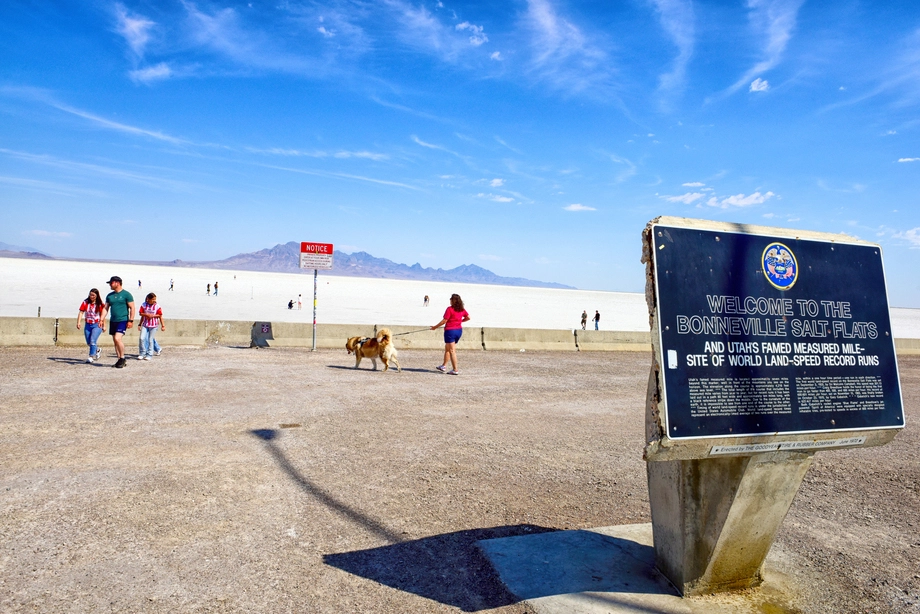 Bonneville Salt Flats – Journey to the Edge of the World
 Salt Lake City – The City of Zion. Historical Interactive Walking Tour
 Bonneville Salt Flats – Sunset Adventure of the White Desert
 Antelope Island Sunset Wildlife Expedition – Great Salt Lake Odyssey