
Best Single-Day Hikes in Utah When Time Is Tight
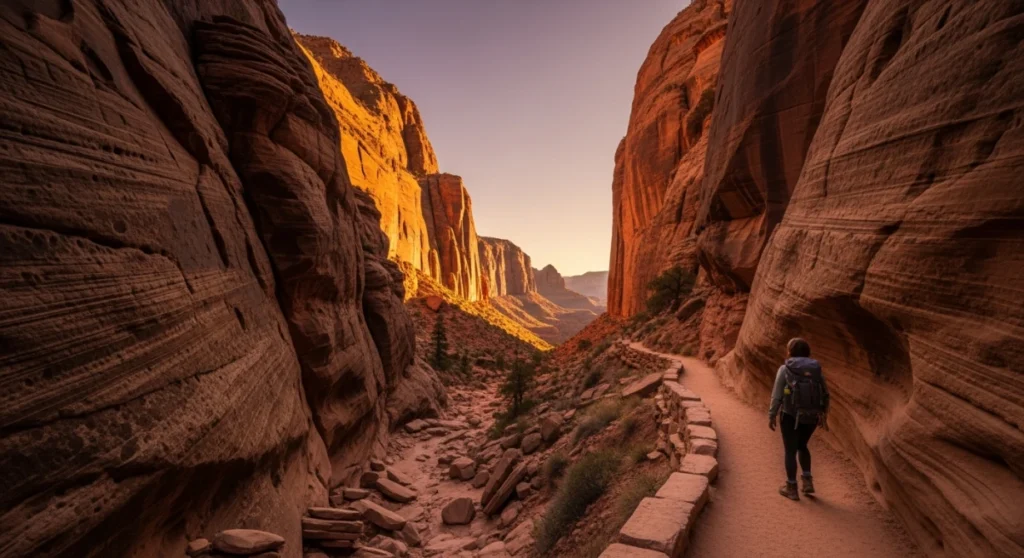
If you only have one free day in Utah, the best hike is the one that fits your real door-to-door time, elevation tolerance, and season. Near Salt Lake City, stay local; for park hikes, pick one signature trail and build the whole day around it.
Most rushed Utah hiking days fail for a simple reason. People choose the trail first and only later notice the drive, altitude, heat, parking, and how tired they already are from travel. That is exactly why a one-day outing needs to be planned as a full door-to-door day, not as a trail name on a map.
This is a practical guide to the best single-day hikes in Utah for visitors pressed for time, especially travelers based in Salt Lake City or passing through with just one free day. It is built for people who want a short list of high-impact options, realistic timing, and clear tradeoffs so they can choose fast without overcommitting.
We plan these days the same way we plan city walks and longer outings. We start with usable hours, likely pace, terrain, and how elevation or heat changes what feels comfortable. That matters even more for first-time visitors arriving from sea level, families, and mixed-ability groups.
Who is this guide for, and what does “time-tight” really mean in Utah?
This guide is for travelers with only one usable day, often about 6 to 10 hours including driving, breaks, and the hike itself. In Utah, that time window is enough for one well-chosen trail and a few viewpoints, but rarely enough for a long drive plus an ambitious hike plus multiple major stops.
The sweet spot is a day that feels full without feeling frantic. If you are based in Salt Lake City, that usually means choosing between a nearby mountain or basin outing and a much longer national-park-style day with limited hiking time on the ground. If you are already sleeping near Zion, Bryce, Capitol Reef, or Arches, your options expand immediately because the drive burden drops.
This matters most for visitors who are tempted by iconic trail photos but have not translated them into a real schedule yet. Utah rewards focus. One signature landscape, done at the right pace, is usually a better memory than three rushed stops stitched together.
How do we evaluate a single-day Utah hike when time is limited?
We judge a one-day hike by total day length, realistic pace, and how much scenery you get per hour. On paper, a trail may look short, but at elevation or in heat, short mileage can still turn into a draining day.
Our rule of thumb is simple. Plan from your hotel door, not from the trailhead. In higher terrain, a useful working pace is about 2 miles per hour, especially once photo stops, altitude, and uneven footing are added. In Capitol Reef, the National Park Service notes that many hikers average about that pace, and visitors from lower elevations can find even easier routes more demanding.
We also treat elevation and temperature as difficulty multipliers. Bryce Canyon sits around 8,000 feet, where there is only about 70% of sea-level oxygen, so a short descent-and-climb route may feel harder than a longer walk at lower elevation. Summer heat changes the equation again, which is why a water-based route can make more sense than an exposed desert arch trail on the same day.
This is also how we think about our own tours. On our Salt Lake City Walking Tours, we already spell out duration, distance, and terrain so first-time visitors know what the day will actually feel like. We apply the same pacing logic to nature-focused day planning: honest walking time, manageable sequencing, and enough buffer that the day stays enjoyable.
You found a hidden promo code!
Use code WOWBLOG at checkout and get 10% OFF any tour!
Limited time offer. Book now and save!
Browse ToursWhich plan variant fits your day best?
The right plan depends first on where you are starting, second on how much driving you will tolerate, and third on whether the season favors exposed desert, high elevation, or water. If you choose the wrong region for your base and weather, even a famous trail can become the wrong single-day pick.
| Plan variant | Best for | What to choose | What to skip |
|---|---|---|---|
| A. Near Salt Lake City | 6 to 8 usable hours, arrival day, low planning energy, mixed fitness | Alpine or basin landscapes, shorter walks, scenic stops | Trying to force a far southern park day with substantial hiking |
| B. Long day from Salt Lake City | Very early start, full-day commitment, strong motivation for an iconic park landscape | One signature park area, one main walk, a few viewpoints | Multiple major trails or a park-hopping schedule |
| C. Already near a park | Travelers overnighting near Zion, Bryce, Capitol Reef, or Arches | A classic trail timed around heat, altitude, or crowds | Overscheduling scenic stops before you know your pace |
- Choose Zion-style canyon hiking if you want river scenery and summer relief from heat.
- Choose Bryce if hoodoos matter most and you can handle altitude more than heat.
- Choose Arches if you want a classic arch with a moderate walk and strong sunrise or early-day timing.
- Choose Capitol Reef if you are already nearby and want lower crowds with realistic expectations about pace.
- Choose a nearer Salt Lake outing if your day starts late, your group is mixed, or you are acclimating.
What are the best day-plan hikes to shortlist quickly?
If you need fast choices, shortlist one nearby mountain option from Salt Lake City, one water-focused canyon option for hot weather, one altitude-aware Bryce option, one classic arch route, and one lower-pressure Capitol Reef walk if you are already in that region. These are not the longest or hardest trails. They are the ones that most often make sense in a single day.
1. A Wasatch foothill or alpine trail from Salt Lake City
This is the most efficient option if you are staying in the city and truly only have part of a day. You get mountain scenery, cooler air than the desert in warm months, and far less logistical risk than forcing a distant park run.
Use this plan when your usable window is closer to 6 or 7 hours, when you landed recently, or when someone in your group is not ready for a big altitude push. Build the day around one moderate walk, a scenic drive into the mountains, and a relaxed return. This is often the highest scenery-per-hour choice for travelers who think they need a national park to make the day count.
It also pairs well with an easy acclimatization strategy. If your first day is mostly about getting oriented and walking without strain, our Salt Lake City Walking Tours are a strong arrival-day option because they are small-group, locally led, and clearly described by distance and terrain. Then your free nature day can be used where it matters most.
2. Zion’s Narrows as a summer one-day priority
The Narrows is one of the smartest hot-weather choices when you are already near Zion because the hike happens in the river itself. It is not a fast dry trail, but it can be more comfortable than exposed desert routes in high heat.
This route works best when the goal is a single memorable canyon experience rather than maximum mileage. Utah.com describes the hike as essentially walking in the Virgin River, with stretches of wading and sometimes swimming, which is exactly why the route behaves differently from a normal trail. You move more slowly, you need more caution, and conditions matter more, but in warm months the cooler environment can make the day feel far more manageable than an exposed sandstone climb.
For a one-day visit, the efficient version is simple: start early, build in turnaround discipline, and treat the hike as an out-and-back with a firm cutoff time. If you are asking how to visit Zion National Park in a single day, this is often the answer for summer travelers who want one iconic hike instead of a rushed sampler.
3. Bryce Canyon’s short hoodoo loop or rim-to-below-rim sampler
Bryce is ideal for travelers who want classic hoodoos and dramatic views in a compact area, but the altitude is the catch. Even a short route can feel surprisingly hard if you arrived from low elevation or went too fast at the start.
Bryce is often one of the closest national parks to Salt Lake City for a weekend road trip in the broader sense of southern Utah access, but as a strict same-day hike from the city it is still a long commitment. It becomes a much better one-day hiking choice if you are already overnighting nearby or if your outing is built as a full guided park day with limited on-foot mileage.
The efficient strategy is to combine one modest descent with rim views instead of chasing a longer loop. Keep the day focused on one main trail segment and several viewpoints. Most people remember the color, scale, and shape more than the mileage anyway.
4. Delicate Arch in Arches for a classic half-day trail
Delicate Arch is one of the clearest “one famous hike, done well” options in Utah. The route is only about 3 miles round trip, but exposure, scrambling, and crowd timing matter enough that it still needs a plan.
Utah.com characterizes the hike as easy to moderate, with some scrambly and exposed sections. That makes it realistic for many visitors, but not effortless, especially in midday heat. If your day is tight, sunrise or early morning is usually the smarter play than sunset because you avoid some crowd pressure and protect the rest of your schedule.
This is a strong option if you are already near Arches or if your broader day is organized around a few viewpoints and one signature walk. It is much less effective if you try to stack it with multiple ambitious trails. For most one-day visitors, Delicate Arch plus scenic stops is a complete day.
5. Capitol Reef’s short scenic hike with a conservative pace
Capitol Reef is a great one-day region for travelers already nearby because it offers strong scenery without the same crowd intensity as some better-known parks. The key is to believe the slower pace, not the mileage on paper.
The National Park Service notes that hikers in Capitol Reef average about 2 miles per hour, and summer temperatures in the 90s to 100s Fahrenheit make early or late starts advisable. That is exactly the kind of detail time-crunched visitors tend to ignore. A route that looks quick can quietly absorb more time than expected once elevation, heat, and photo stops are added.
The efficient version of a Capitol Reef day is one short hike, one scenic drive segment, and a few high-value overlooks. If you are traveling with older adults or children, this region can work very well when the walking remains modest and the start is early.
6. A scenic-drive-plus-short-walk day in Utah’s open landscapes
Sometimes the right “hiking day” is actually a shorter walk attached to a scenic driving day. That is often the best call when your group has uneven fitness, the weather is hot, or you are starting from Salt Lake City with limited hours.
This approach gives you flexibility. You can stop for short viewpoints, add one easy trail if energy is good, and still finish the day feeling like you saw real Utah rather than spending most of the time managing logistics. It is also one of the safest ways to avoid the common mistake of turning a beautiful outing into a forced march.
For visitors looking for the best scenic drives near Salt Lake City with some light walking rather than a trail-centric mission, this is where a planned day tour earns its keep. Our Utah Day Tours are built around that balance: transport, a realistic route, commentary, and short walking segments that make sense for a limited schedule.
How should you structure the day from morning to return time?
A good Utah hiking day needs a simple timeline with buffers, not a perfect-looking itinerary. If the plan has no slack for parking, slower walking, weather, or fatigue, it is already too aggressive.
- Pre-start phase: Check your actual available hours, who is coming, and whether anyone is arriving from sea level or recovering from travel. Choose one primary hike and one lighter fallback, not two equal “must-do” options.
- Departure phase: Leave earlier than your instincts suggest for desert trails or any park day. Early starts protect you from heat, parking stress, and the slow-motion effect of tired legs at elevation.
- Main hiking phase: Hike with a turnaround time, not just a destination in mind. This matters most on out-and-back routes and river hikes, where return time is easy to underestimate.
- Buffer phase: Keep at least one uncommitted block in the middle or late part of the day. Use it for extra viewpoints if things are going well, or spend it on rest, food, or a shorter stop if the hike took more out of the group than expected.
- Return phase: Assume the drive back feels longer than the drive out. Fatigue, darkness, and hunger change the mood of a rushed day fast.
If you are doing the day yourself, this timeline is your guardrail. If you would rather spend the day looking around than constantly checking your watch, a pre-planned park outing on the Utah National Parks Tours side of our site shows the kind of one-day structure that works well: transport included, key stops chosen in advance, and walking levels stated clearly.
What buffers and fallback options should you build in?
The best buffer is not extra energy. It is a lighter alternate plan you are happy to use. In Utah, the day can change quickly because of heat, altitude, trail conditions, or simply a slower-than-expected pace.
- If heat spikes: Shift from exposed rock to a water-based or shorter shaded option, or reduce the hike and keep the scenic drive.
- If altitude hits someone hard: Replace the below-rim Bryce idea with rim viewpoints and a very short walk.
- If parking or access is delayed: Drop secondary stops immediately instead of compressing the entire day.
- If kids or older adults slow down: Use the first 20 to 30 minutes as a test. If the pace feels strained early, shorten the route before the return becomes the hard part.
- If the group is mixed: Pick a trail where the experience starts early, not one where all the payoff is at the far end.
The common planning mistake is assuming that a fallback is a failure. It is not. On a one-day schedule, a shorter hike completed comfortably is often the better outcome than a longer route that crowds out the rest of the day or leaves everyone wiped out.
What season and pacing rules matter most?
The three rules that matter most are these: altitude slows you down, summer punishes late starts on exposed trails, and river hikes are their own category. If you remember those three points, you will avoid most single-day planning errors.
At Bryce Canyon, altitude is the headline issue. Around 8,000 feet, the oxygen reduction is noticeable, especially for visitors who arrived from sea level. That does not mean you should avoid Bryce. It means you should shorten the hike, walk slower than your usual pace, and be cautious about stacking climbs into the same day.
At Capitol Reef, the danger is underestimating a seemingly short route. A 2-mile-per-hour pace is a better planning assumption than a brisk flatland pace, and hot summer days make early or late starts the smart move. In practical terms, if your schedule only works with a late morning trailhead arrival, choose a shorter route.
Zion’s Narrows behaves differently from a dry hike. Since you are moving in the river, the hike is slower, colder, and more condition-dependent than the mileage suggests. That is exactly why it can be such a good hot-weather choice, but it also means you should not compare it directly with a dry trail of the same length.
If you are traveling with kids, older adults, or anyone not used to altitude, lower the ambition by one level. “Easy” in Utah can become “moderate” fast once you combine travel fatigue, elevation, and sun exposure.
Which hikes make sense as true day trips from Salt Lake City, and which are better after repositioning?
From Salt Lake City, nearby mountain and open-landscape outings are the most realistic true day trips. Southern Utah park hikes are usually better if you are already staying closer, or if you accept that the day will be long and the hike itself relatively limited.
This is where honest categorization helps more than dream itineraries. A local or near-local outing from the city can still feel distinctly Utah, and it usually leaves room for unhurried walking. By contrast, a long national park day from Salt Lake City can be worthwhile, but only if you narrow the goal to one main walk and several drive-up or short-stop highlights.
- Best true day-trip logic from Salt Lake City: Foothill or alpine walks, basin landscapes, scenic road segments, and short nature stops.
- Possible but long: A single southern park region with one short to moderate hike and limited add-ons.
- Best after repositioning closer: The Narrows, Bryce below-rim hiking, Delicate Arch at relaxed timing, and most Capitol Reef day hikes.
If your main concern is that everything looks far on the map, your instinct is right. The question is not whether a park day is possible. It is whether the hike you want still fits once the drive, breaks, and return are included. That is why we generally advise time-crunched visitors to choose either a nearer natural outing or a structured full-day park trip, rather than improvising both at once.
When is it worth booking a guided Utah day tour instead of going DIY?
A guided day tour is worth it when your biggest risk is not fitness but logistics. If you only have one free day, do not know the area, or want a full day without constant navigation and timing decisions, guided planning can be the higher-value choice.
DIY is perfectly reasonable when you have a nearby trail, a simple route, and enough margin to adapt. Guided planning becomes more attractive when the day involves a long transfer, a mixed-ability group, an arrival-from-sea-level factor, or a park region where one wrong timing decision can cost a major part of the experience.
Our approach is not to cram in the maximum number of stops. It is to design human-paced days that feel full without feeling rushed, with walking level and day length made clear in advance. That is the same small-group, locally informed logic behind our city tours, and it carries naturally into one-day Utah outings and national park visits.
What should you check the night before you commit to a one-day hike?
A short pre-start check prevents most bad single-day decisions. If any answer comes back shaky, shorten the plan before morning.
- Usable hours: How many real hours do you have from leaving to returning?
- Starting point: Are you in Salt Lake City, in transit, or already near the park?
- Group pace: Who sets the pace, and are they ready for elevation or uneven terrain?
- Season fit: Is this an exposed route in heat, a high-altitude route after arrival, or a water hike that needs extra caution?
- Main goal: Do you want arches, hoodoos, canyon water, alpine views, or simply one beautiful outdoor day?
- Fallback: What is your shorter alternate if the first plan feels too ambitious by the first half hour?
If you can answer those six questions clearly, you can plan the day with confidence. If not, that uncertainty is often the sign that a ready-made one-day itinerary is the simpler option.
How should you decide right now?
Choose the region that matches your base, then pick the shortest hike that still delivers the scenery you came for. A well-matched one-day Utah outing is absolutely worth doing, but only when the schedule is built around reality instead of wishful mileage.
If you are in or around Salt Lake City, stay local unless you truly have a full-day window and are comfortable making one park your entire day. If you are already near a park, focus on one standout route such as a water canyon, a hoodoo sampler, a classic arch walk, or a short Capitol Reef hike with an early start. For travelers who want the scenery without the last-minute logistics, the practical next step is to compare one-day options on our Utah Day Tours or Utah National Parks Tours pages and choose the walking level that fits your day.
One free day is enough for a memorable Utah hike if you pick for real conditions, not for bragging rights. Start with your base, your season, and your honest pace, then let the scenery do the rest. If you want help turning that into a realistic one-day plan, book or send a short inquiry through Matei Travel with your date, starting point, and preferred difficulty.
Is one day really enough for a worthwhile Utah hike?
Yes, if you build the day around one main landscape and one realistic trail. The mistake is trying to combine too much driving with too much hiking.
What is the safest choice if I just arrived from sea level?
A shorter walk near Salt Lake City or a modest scenic-drive-plus-walk day is usually the smartest start. High places like Bryce can wait until you know how your body handles altitude.
Why does a short Utah hike sometimes take longer than expected?
Elevation, heat, footing, and photo stops all slow the day down. In places like Capitol Reef, a planning pace of about 2 miles per hour is more realistic than a fast flatland pace.
Is Delicate Arch a good same-day choice for most visitors?
It can be, especially if you are already near Arches and start early. Treat it as the main walk of the day rather than one stop in an overloaded itinerary.
When does the Narrows make more sense than a dry trail?
It often makes more sense in warm weather because the river environment is cooler. You still need to respect conditions and slower progress since the hike is in water.
What is the best plan for a mixed group with kids or older adults?
Choose a route with scenery that begins early and keep a shorter fallback ready. Scenic stops plus one gentle walk usually work better than a long out-and-back trail.
Should I book a guided day tour or just rent a car and go?
If your route is close, simple, and low-stakes, DIY is fine. A guided day makes more sense when your time is very limited, the drive is long, or you want help matching the walk to the group.
 Should You Cancel a Utah Outdoor Day Because of Wildfire Smoke?
 When Should a Utah Park Day Trip From Salt Lake City Become an Overnight?
 Your First Evening in Salt Lake City: A Low-Pressure Orientation Plan
 Bonneville Salt Flats Photography Etiquette: How to Protect the Surface and Share the View
 How to Plan an Antelope Island Birdwatching Visit
 Why Are There So Many Brine Flies on Antelope Island?

Guide was Great! The salt flats had alot of water due to recent rain which limited...
Read more →I booked the Bonneville Salt Flats tour w Matei bc the owners are Ukrainian. I’m so...
Read more →This experience is a must-do! Dima explains the history of the area as well as the...
Read more →I had never been on a guided tour before, but Dima made it the best experience...
Read more → Antelope Island – Wild Heart of the Great Salt Lake Adventure
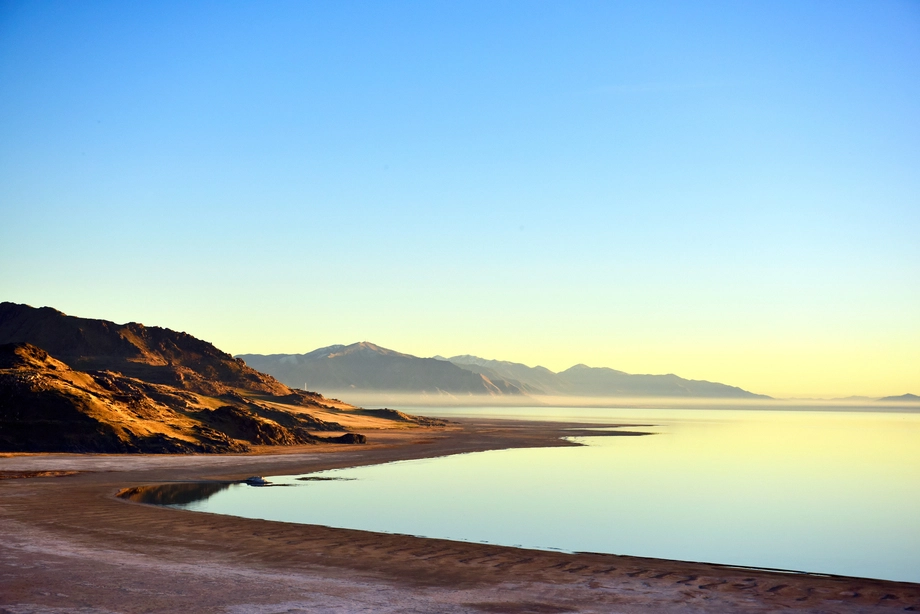 Antelope Island Sunset Wildlife Expedition – Great Salt Lake Odyssey
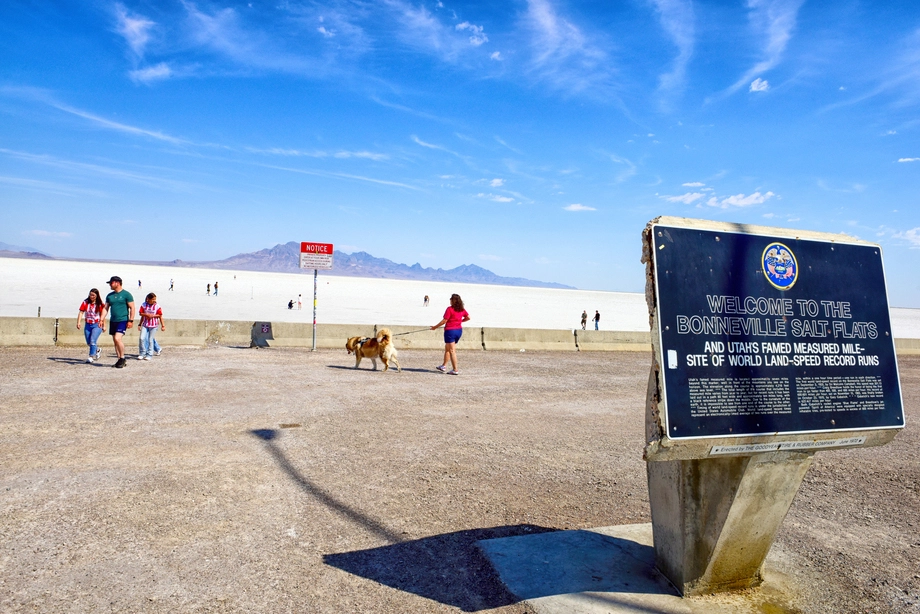 Bonneville Salt Flats – Journey to the Edge of the World
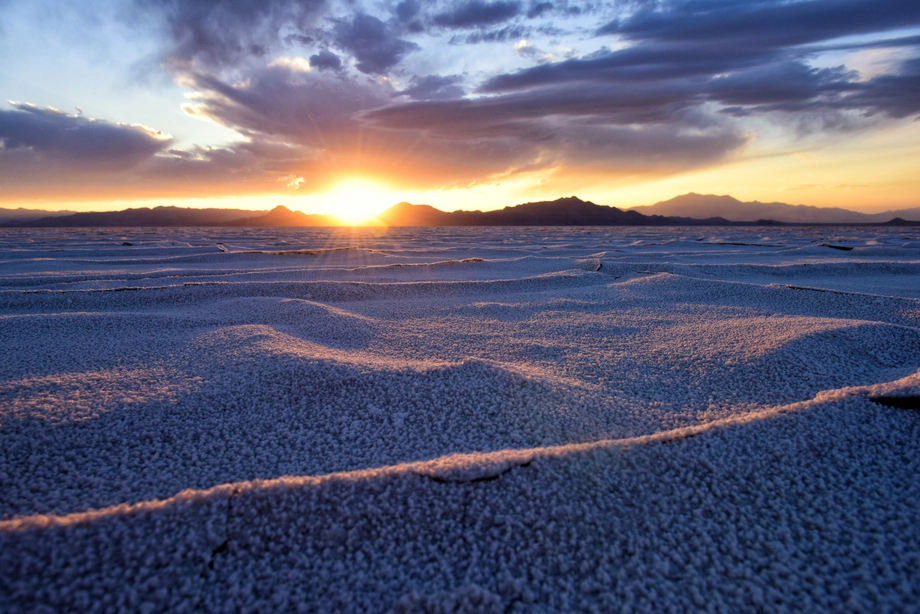 Bonneville Salt Flats – Sunset Adventure of the White Desert