
Beginner-Friendly Backcountry Ski Routes Near Park City: When to Choose the Resort Instead
Jul 5, 2026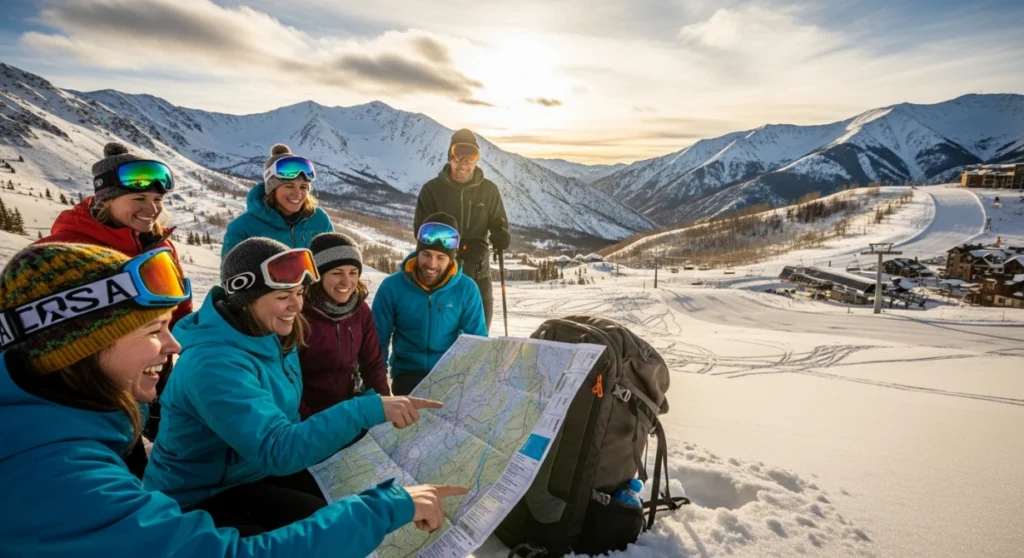
Choose resort skiing near Park City if you do not already have avalanche training, beacon-shovel-probe practice, trusted partners, and time to prepare. For most short Utah trips, controlled resort terrain is the smarter call.
The mistake we see most often is not poor skiing. It is strong resort skiers assuming that a “beginner” backcountry outing near Park City is basically a quiet green run with a skin track attached. Around Park City, the real dividing line is not whether you can ski blue or black terrain. It is whether you can recognize avalanche problems, travel with the right gear, and make conservative decisions in unpatrolled snow.
This question sits in the trip-planning category more than the gear-dreaming category. It matters most for visitors with one or two ski days who want scenery, a sense of exploration, and a realistic plan that does not burn vacation time on avoidable risk. Our job is to match that ambition to the right kind of Utah snow day, and for many visitors that means a well-chosen resort day rather than rushing into uncontrolled terrain.
When should a visiting skier choose the resort instead of trying backcountry near Park City?
You should choose the resort if you do not already have formal avalanche training, current rescue gear, practiced partners, and enough trip time to verify conditions and make conservative decisions. For most visitors on a short Utah trip, that is the honest answer.
Downhill ability by itself does not qualify someone for backcountry travel. A skier who looks comfortable on steep inbounds runs can still be a beginner in avalanche terrain, because route-finding, terrain selection, group spacing, and rescue readiness are separate skills.
We organize day trips from Salt Lake City to Utah ski resorts because many visitors want a full ski day without also taking on winter driving, parking, and local logistics. That is especially useful when the alternative is trying to decode unfamiliar snowpack, access points, and risk management with almost no margin for error.
If your Utah visit is short, the tradeoff is simple. You can spend precious time building confidence on patrolled terrain, or you can spend it entering terrain that demands education and preparation you either already have or you do not. If you land on resort for this trip, the practical next step is to look at our Utah Ski Resort Day Trips and choose a ski day that fits your dates and group.
What do people get wrong about “beginner backcountry” near Park City?
The biggest myth is that “beginner backcountry” means beginner risk. It does not. Easier skinning angles or mellower descents can still exist in avalanche terrain, outside patrol coverage, with serious consequences for simple mistakes.
This myth appears because resort skiers naturally map downhill difficulty onto everything else. In a resort, a green run signals managed terrain, signs, patrol presence, and avalanche control within the ski area boundary. Outside that system, “easy” usually describes how hard the skiing feels, not how much hazard management disappears.
- Myth: It is just like a green run without lifts. Fact: True backcountry is unpatrolled, uncontrolled for avalanches, and lacks resort-style safety systems.
- Myth: If I am a strong resort skier, I can jump onto a beginner tour. Fact: Ski strength does not replace avalanche education, rescue practice, route choice, or local decision-making.
- Myth: If a route is popular, someone else has already made it safe. Fact: Other tracks do not remove avalanche danger, terrain traps, changing snow, or the need to make your own go or no-go call.
- Myth: Resort-adjacent uphill access is basically backcountry lite. Fact: Even uphill travel inside resort-managed space happens only on designated routes and during specific hours, and those policies can change with conditions and operations.
What practice shows is more straightforward than the myth. The same skier who has a fun, scenic, low-stress day inbounds often has a more productive trip than the skier who spends the day second-guessing access, weather, snowpack, and partner choices in terrain they are not trained to evaluate.
What to do instead is build the picture you actually want in stages. Start with long, forgiving resort terrain. If uphill movement interests you, look for resort-managed uphill opportunities only within current policy, and treat them as a controlled taste of effort, not as a substitute for avalanche training. Then pursue proper avalanche education separately before planning true touring days.
Practical clarifications
- Quiet scenery: You do not need unmanaged terrain to get a scenic, less frantic ski day.
- Mixed-ability groups: Resorts work better because people can split up by ability and regroup easily.
- Short trips: One or two Utah ski days rarely leave enough time to add real backcountry preparation from scratch.
How does Park City Mountain Resort differ from true backcountry around Park City?
Park City Mountain Resort is a managed ski area with patrol, avalanche control work inside the resort boundary, signage, marked runs, and beginner infrastructure. True backcountry around Park City is outside that system, with variable snow, no patrol response as a built-in service, and no avalanche mitigation done for your run choice.
That distinction matters more than terrain color. A mellow inbounds green run is still part of an operating ski area. A mellow-looking slope outside the boundary can involve unstable snow, hidden consequences, and route-finding decisions that are invisible from the parking lot.
| Decision factor | Park City Mountain Resort | True backcountry near Park City |
|---|---|---|
| Patrol presence | Professional ski patrol operates in the resort | No resort patrol system in place |
| Avalanche control | Managed within the resort boundary | No routine control work for your chosen line |
| Signage and boundaries | Marked trails, signs, and managed access | Limited or no managed signage where it matters most |
| Snow consistency | More controlled skiing environment | Highly variable snowpack, wind effect, crust, ice, and changing conditions |
| Consequence of a wrong turn | Often lower, though still real | Can escalate quickly because help, navigation, and hazard control are not built in |
| What downhill skill solves | A lot of the day | Only part of the day |
There is another subtle difference visitors miss. In a resort, many risks are being actively managed around you, even though skiing is never risk-free. In the backcountry, you and your partners become the management system. If that sounds like a role you are not trained for yet, the resort is not the timid choice. It is the informed choice.
What avalanche basics does a curious beginner need to know before leaving controlled terrain?
The minimum before leaving controlled terrain is formal avalanche education, a beacon, shovel, and probe for every person, partners who know how to use them, and the habit of checking the avalanche forecast before the day starts. Reading one article, including this one, is not enough training.
Avalanche safety is practical, not theoretical. You need to recognize when terrain angle, recent weather, wind-loaded snow, and group behavior turn a pleasant outing into a rescue problem. You also need to be able to respond fast if something goes wrong, because carrying rescue gear without practice is not the same as being ready.
- Education: Take a formal avalanche course before planning real backcountry objectives.
- Equipment: Every person needs a beacon, shovel, and probe, not just one or two people in the group.
- Partners: Go only with people who understand spacing, communication, and rescue roles.
- Forecast habit: Check the avalanche forecast every time, not only after storms.
- Mindset: Be willing to turn around before the descent if conditions or group readiness do not match the plan.
For visitors, the hardest part is not buying gear. It is building enough repetitions that these habits become automatic. That is why our safety-first advice is conservative here. If you are still learning what avalanche terrain means in practice, use this trip to ski managed terrain and save the backcountry goal for after proper training.
You found a hidden promo code!
Use code WOWBLOG at checkout and get 10% OFF any tour!
Limited time offer. Book now and save!
Browse ToursHow can resort terrain near Park City help you progress toward future touring?
Resort terrain can build many of the movement skills and judgment habits that later support touring, without exposing you to uncontrolled avalanche terrain on day one. Park City Mountain Resort is especially useful for this because it has extensive beginner-friendly terrain, two designated slow-skiing areas, and the long Home Run green trail for sustained, controlled practice.
That matters for advancing skiers who are not beginners on snow but still want smoother fundamentals. A long green like Home Run gives you time to work on balance, speed control, linked turns, stance changes in variable grooming, and endurance without the pressure of committing to complex terrain.
These are the resort-based skills that translate well later:
- Efficiency: Skiing relaxed, round turns instead of fighting every change in pitch.
- Pacing: Managing energy over a longer run, which matters on touring days.
- Terrain reading: Looking ahead, choosing cleaner snow, and planning direction changes early.
- Conservative judgment: Stopping in appropriate places and skiing within visibility and confidence.
- Group management: Agreeing on meeting points and keeping mixed-ability friends coordinated.
If uphill travel is part of the appeal, remember that resort uphill access is not open-ended freedom. It is allowed only on specific routes and during specific hours, and those rules can change with conditions and operations. Treat any such access as a tightly managed environment, not proof that you are ready for unmanaged terrain.
Today, are you a resort skier or a backcountry skier?
If you answer “no” to even one of the first six questions below, you should treat yourself as a resort skier for this trip. The goal is not to gatekeep. It is to separate curiosity from readiness.
- Have you completed formal avalanche training? If no, choose the resort.
- Do you personally have a beacon, shovel, and probe, and know how to use them? If no, choose the resort.
- Are your partners equally prepared and practiced? If no, choose the resort.
- Will you check the avalanche forecast and let that change your plan? If no, choose the resort.
- Can you recognize that strong inbounds skiing does not equal backcountry competence? If no, choose the resort.
- Do you have enough trip time to avoid rushing into unfamiliar terrain? If no, choose the resort.
- Is everyone in your group seeking the same level of risk and effort? If no, choose the resort.
- Would a scenic, skill-building, lower-stress ski day still feel worthwhile? If yes, the resort is probably the better match for this vacation.
For most people flying into Utah for a short stay, this checklist lands on resort. That is not settling. It is matching the day to your actual preparation instead of to a fantasy version of “easy” backcountry.
What does an organized resort day make easier on a short Utah trip?
An organized resort day removes the non-skiing friction that eats into short vacations, especially if you do not want to rent a car or drive winter roads. It does not make skiing risk-free, but it does make the day more straightforward and realistic.
Our Utah Ski Tours are built around that idea. You start from Salt Lake City, get round-trip transport to a Utah resort, and have flexible time on the slopes without needing to figure out every local nuance yourself. We also help guests orient themselves to where to begin the day based on ability level and current conditions, and we can point them toward rentals, lift-ticket logistics, and food options on the mountain.
That setup is especially helpful for a few common trip shapes:
- Mixed-ability friends or families: One person can lap easier terrain while another explores more of the mountain, then everyone reconnects smoothly.
- Work-trip add-ons: A planned return time keeps the rest of the day usable.
- Visitors without a car: You skip parking stress and winter-road decision making.
- People curious about backcountry: You still get a scenic, full-value snow day while postponing uncontrolled terrain until you have proper training.
If your schedule includes a non-ski arrival day, adding one of our Utah day tours can round out the trip without turning it into an all-or-nothing ski mission. That same small-group, information-rich planning approach is how we think about snow days too. We would rather put guests on a conservative plan they fully enjoy than push them toward terrain they are not prepared for.
So what is the smart recommendation for most visitors asking about “beginner backcountry” near Park City?
For most visitors, the smart recommendation is to ski the resort now and treat backcountry as a separate project that begins with avalanche education, not with a random route on vacation. That is especially true if you only have one or two ski days in Utah.
Park City Mountain Resort already gives developing skiers a lot of what they are actually looking for: long scenic runs, beginner-focused zones, and room for mixed-ability groups to have a satisfying day. The backcountry adds a different job description, and if you are not ready for that role yet, your trip will usually be better in managed terrain.
Choose the mountain day that matches your real preparation, not your curiosity alone. If that points you inbounds, book the resort day and use the trip to build skills, confidence, and a clearer plan for future avalanche training.
Check upcoming dates for a Park City-area ski day through our Utah ski resort tours and build the rest of your Utah itinerary from there.
Can a strong resort skier still be a backcountry beginner?
Yes. Good downhill technique does not cover avalanche assessment, rescue practice, route-finding, or group travel decisions.
Is there any truly risk-free beginner backcountry near Park City?
No. Easier terrain may reduce difficulty, but unmanaged snow outside resort controls still carries real hazards.
What is the minimum gear before leaving resort boundaries?
Each person needs a beacon, shovel, and probe, plus the knowledge to use them quickly with partners.
Does uphill access at a resort mean I am doing backcountry safely?
No. Resort uphill travel follows specific routes and hours and remains a managed activity, not a substitute for avalanche training.
Why is Park City Mountain Resort a good progression option?
It offers extensive beginner terrain, designated slow-skiing areas, and the long Home Run green trail for controlled repetition.
What if my group has mixed abilities and only one ski day?
Resort terrain is usually the best fit because everyone can choose appropriate runs and meet up without complex backcountry decisions.
Will an organized resort day include off-piste or backcountry guiding?
No. The service is focused on transport and resort-day organization, not guiding guests into uncontrolled terrain.

Had a great tour with Dima. Very knowledgeable, fun and courteous. Highly recommend this tour guide....
Read more →Dima, owner and guide, is passionate in his advocacy for the health of Utah\'s parks and...
Read more →Such an amazing trip and experience. Dima is a cool tour guide, very humorous and willing...
Read more →Your was super thorough and guide was very helpful and informative throughout the tour
Read more → Antelope Island – Wild Heart of the Great Salt Lake Adventure
 Antelope Island Sunset Wildlife Expedition – Great Salt Lake Odyssey
 Bonneville Salt Flats – Sunset Adventure of the White Desert
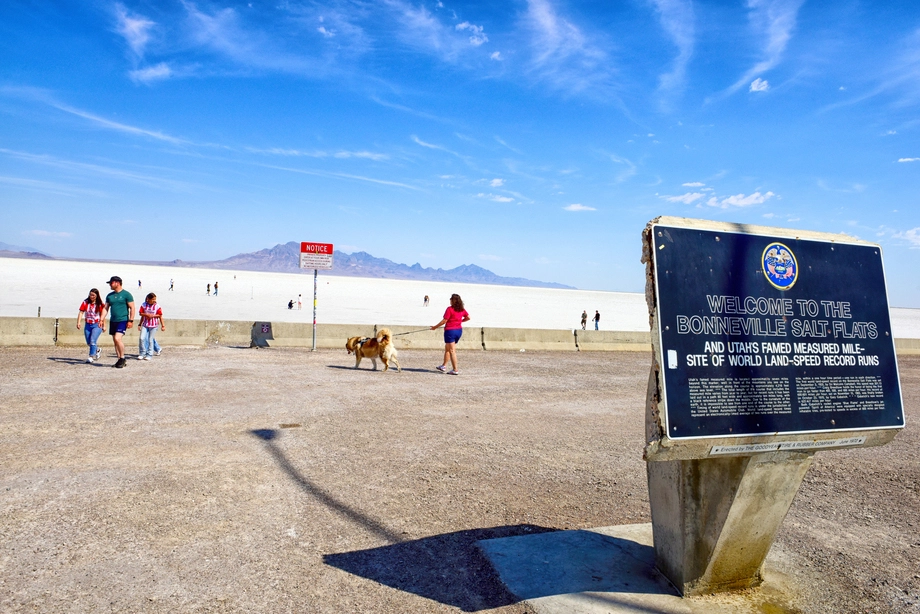 Bonneville Salt Flats – Journey to the Edge of the World