
Arches Night-Sky Photography Class: Is One Day Enough?
Jun 18, 2026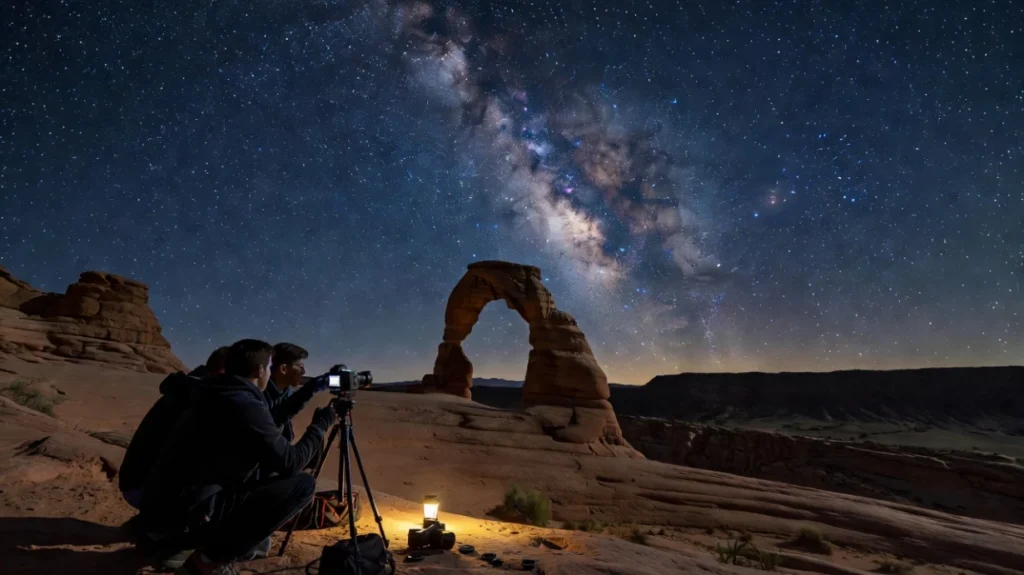
One night is enough for beginners or travelers who want core skills and a few strong personal images. It is not enough for portfolio-level results, weather backup, or deep multi-location instruction.
The usual mistake is not booking too little instruction. It is trying to squeeze a late-night photography session into a Utah trip that already has a long drive, a full park day, and an early checkout the next morning. For most travelers, the real question is not whether one night can teach useful skills. It is whether the rest of the itinerary gives that night a fair chance to succeed.
An Arches night-sky class sits in a very specific category: a short, high-focus field learning experience inside a bigger national parks trip. It helps travelers who want practical Milky Way basics, better camera confidence after dark, and a realistic way to add night photography to a Moab stop without turning the whole vacation into a dedicated workshop.
When is one day in Arches enough, and when is it not?
One night is enough when your goal is basic competence, a few satisfying images, and hands-on help with settings, focus, and simple compositions. It is not enough when you want portfolio-level variety, weather backup, repeated practice, or advanced instruction across several nights and locations.
If you are considering a one-day intensive Arches night-sky photography class focused on light pollution reduction, treat it as a concentrated field session, not a complete astrophotography education. That mindset usually leads to the right booking choice.
| Situation | Is one night enough? | Why |
|---|---|---|
| Beginner who wants to learn the basics and come home with a few personal-use images | Usually yes | A single evening can cover core settings, focusing in the dark, and basic composition if you arrive rested and prepared. |
| Traveler with only one night near Moab and limited vacation time | Often yes | One class can add real value when it fits into a sensible route and does not follow an exhausting travel day. |
| Intermediate photographer who wants more consistency | Sometimes | Instruction can help, but you will usually need extra unguided shooting nights to reinforce what you learn. |
| Photographer aiming for a polished portfolio set | Usually no | That goal benefits from multiple nights, multiple compositions, weather flexibility, and more detailed critique. |
| Traveler who cannot afford a weather miss | No, if this is your only dark-sky chance | A single night has no backup if clouds, storms, haze, or moonlight reduce the session. |
- Good fit: You want confidence, not mastery.
- Good fit: You have one or two realistic shooting goals, such as learning Milky Way exposure and getting one strong foreground composition.
- Not a good fit: You expect one session to cover shooting, editing depth, multiple advanced techniques, and several park locations.
- Not a good fit: Your whole Utah schedule leaves no room for rest, rescheduling, or a second dark-sky attempt elsewhere.
Who gets the most value from a single-night class?
A one-night class works best for beginners, casual enthusiasts, and travelers who want guided help overcoming the first barriers to night photography. It is a weaker fit for advanced shooters who already know their camera well and need repetition, refinement, and selective conditions more than basic instruction.
We plan Utah trips from Salt Lake City with this exact distinction in mind. Some guests need only one well-timed night near Moab. Others need a route that leaves room for follow-up shooting in Canyon Country instead of treating Arches as a single all-or-nothing attempt.
The strongest candidates usually look like this:
- Complete beginners: You know your camera in daylight but freeze once it gets dark.
- Travelers with limited time: You cannot spare five or six nights in one place, but you still want a meaningful night-sky experience.
- Mixed-interest groups: You are traveling with family or friends who do not want a full multi-day photography workshop.
- Landscape photographers crossing into astro: You already compose well in daylight and mainly need help translating that skill to nighttime shooting.
The weakest candidates are usually advanced hobbyists chasing a polished body of work, travelers arriving in Moab late the same day, and anyone who has only one night in dark-sky country and would feel the trip failed if the weather does not cooperate.
You found a hidden promo code!
Use code WOWBLOG at checkout and get 10% OFF any tour!
Limited time offer. Book now and save!
Browse ToursWhat does a realistic one-day or one-night class actually include?
A realistic one-night class usually includes basic preparation, a short theory component, an in-field shooting window, and a brief wrap-up. It can teach essential camera handling and a few compositions, but it cannot deliver the depth or repetition of a multi-day workshop.
Short Arches-area night tours of roughly 3 to 4 hours exist for a reason. The fundamentals of Milky Way photography can be taught quickly in the field when the group stays focused on a narrow set of outcomes.
Typical flow of a single-night session
- Pre-class setup: You confirm your camera basics, lens choice, tripod use, batteries, memory cards, and cold-weather or late-night clothing before sunset.
- Evening briefing: The instructor usually covers exposure logic at a high level, focusing methods, foreground awareness, and how the night’s conditions affect the plan.
- On-location shooting: This is the heart of the class. Students practice a few frames, review results, adjust settings, and refine composition with hands-on guidance.
- Quick wrap-up: You leave with a repeatable starting process, not a fully comprehensive workflow.
Core skills a one-night class can cover well
- Basic Milky Way exposure: Understanding a practical starting point for shutter speed, aperture, and ISO.
- Focusing in the dark: One of the biggest beginner barriers, and one of the most valuable skills to learn in person.
- Simple composition: Choosing a foreground shape, placing the sky, and avoiding cluttered framing.
- Reviewing results: Checking sharpness, exposure, and obvious mistakes before the night ends.
- Working around local glow: Adjusting direction and composition when nearby town light affects part of the horizon.
What it usually does not cover in depth is advanced blending, a wide range of creative variations, extensive post-processing, or repeated attempts at different locations. That is why longer workshops exist. Established Arches-area programs lasting five nights and six days are designed to create more teaching time, more location variety, and more resilience when conditions change.
What are the main limits of a single-night booking?
The main limits are weather risk, moon phase, fatigue, access constraints, and the simple fact that one session gives you no second try. These are planning limits as much as learning limits, which is why trip structure matters so much.
Cloud cover or storms can shrink the usable sky window without much warning. A multi-night workshop spreads that risk across several evenings, but a one-night class lives or dies on that single block of time.
Weather and sky conditions
Clear desert skies are never guaranteed. Even when the forecast looks decent, haze, clouds, or wind can weaken the session, and a bright moon can reduce the kind of dark-sky contrast many travelers are hoping for.
If you only have one night, the smart response is not panic. It is building one or two additional chances into the broader route, whether in Moab, Canyonlands, or another dark-sky park on the same trip.
Travel fatigue
This is the most common self-inflicted problem. Driving from Salt Lake City, checking in, spending the day in the park, and then trying to stay sharp for a late-night class is a recipe for rushed decisions and poor concentration.
Our Utah National Parks Tours are built around the practical rhythm of long-distance park travel from Salt Lake City, with clear expectations about route length, stops, and daily pacing. That same planning logic helps travelers judge whether an evening session will feel exciting or simply exhausting.
Park rules and on-site constraints
A night session still has to operate within park access rules and normal visitor-use boundaries. You should also expect that some techniques, such as aggressive light use around others, may be limited by etiquette, conditions, or local guidance on the night.
The practical takeaway is simple: go in expecting a focused lesson, not total creative freedom at every spot and every hour.
Light pollution around Moab
Arches and the wider Moab area offer strong dark-sky appeal, but nearby town glow can still affect some horizons and compositions. In a short class, the instructor may choose positions and shooting directions that reduce that impact rather than spending time driving between many alternatives.
That is another reason expectations matter. One good location used well can teach more than a rushed attempt to cover too much ground.
How should you decide based on skill, goals, and total nights in Utah?
The best decision comes from matching three variables: your current level, your image standard, and how many dark-sky nights your trip actually contains. In practice, that leads to one of three sensible choices: one class only, one class plus extra self-guided nights, or a longer workshop.
Use the matrix below as a planning shortcut before you book anything.
| Your profile | Best choice | Why |
|---|---|---|
| Beginner, wants vacation memories and basic confidence, 1 night in Moab | One class only | Focused instruction can deliver strong value if you prepare beforehand and arrive rested. |
| Beginner or intermediate, wants a few clearly better images, 2 to 3 dark-sky nights in Utah | One class plus extra self-guided nights | You learn the process once, then repeat it on your own while it is still fresh. |
| Intermediate, wants consistency across several scenes, 3 or more nights in dark-sky areas | One class plus multiple practice nights, or consider a longer workshop | Repetition matters more than one burst of instruction. |
| Advanced shooter, wants a refined portfolio set or multiple compositions under changing conditions | Longer workshop | That goal usually needs more depth, location variety, and weather flexibility than one night can provide. |
| Mixed family trip where only one person wants to shoot at night | One class inside a broader itinerary | It preserves the wider vacation while still giving the photographer a focused evening. |
A simple rule works well here:
- Choose one night only if your goal is comfort and competence.
- Add self-guided nights if your goal is improvement through repetition.
- Upgrade to a longer workshop if your goal is a carefully built body of work and weather backup.
How can you stretch one night of instruction into a better multi-night learning experience?
You can dramatically increase the value of a one-night class by doing light prep before the trip and by adding independent shooting nights around it. For many travelers, that is the best middle ground between a short class and a full workshop.
The class should teach your process. Your extra nights should reinforce it while the lessons are still fresh.
What to do before you leave home
- Learn your camera menus: Night classes move faster when you already know how to change focus mode, ISO, shutter speed, and image review settings.
- Practice tripod setup: You do not want your first dark setup to happen in a group under time pressure.
- Set one clear goal: For example, “I want one sharp Milky Way image with a recognizable foreground,” not “I want to master astrophotography.”
What to do on the ground
- Scout in daylight: Even a short look at foreground shapes and walking surfaces makes nighttime work easier.
- Protect your energy: Avoid stacking a hard hike, a long transfer, and a late class on the same day.
- Keep the next morning light: Do not plan your most demanding sunrise or longest drive immediately after the class if you can help it.
This is where a broader route matters. If you are building a longer Utah trip, combining Moab with other parks can create extra low-pressure nights for practice after the formal lesson. Travelers with less time can also look at our Utah Day Tours for shorter Utah experiences before or after the national parks portion, instead of trying to cram every big goal into the same Moab stop.
How does one night compare with a multi-day workshop?
One night wins on efficiency and flexibility for a normal vacation. A multi-day workshop wins on instructional depth, repeated practice, location variety, and resilience against clouds or other poor conditions.
Neither format is inherently better for every traveler. The better choice depends on whether you are trying to learn enough to enjoy the trip, or trying to build a stronger body of work under a wider range of conditions.
Where a one-night class has the advantage
- Lower time commitment: Easier to fit into a broader Utah itinerary.
- Lower cost exposure: You are not dedicating nearly a week to one specialized activity.
- Better fit for mixed-purpose travel: Family members or non-photographers can enjoy the rest of the trip without being tied to a long workshop schedule.
- Fast skill transfer: Beginners can often cross the biggest learning hump in a single guided session.
Where multi-day programs clearly do more
- More repetitions: Students can make mistakes, correct them, and try again on later nights.
- More weather protection: Several evenings improve the odds of usable skies.
- More locations and compositions: There is time to vary foregrounds and shooting directions.
- More instructional depth: Longer formats can go beyond survival-level technique into refinement and workflow.
The existence of both formats tells you something important. A short tour proves that the essential skills can be taught in one evening. A five-night or six-day intensive proves that full-spectrum learning and dependable portfolio building usually take much longer.
What should you book instead if one night is not enough?
If one night is not enough for your goals, the best next step is usually not abandoning Arches. It is either adding extra independent shooting nights to your route or choosing a longer workshop if photography is the main reason for the trip.
For most people starting from Salt Lake City on a finite vacation, the sweet spot is not a week-long workshop. It is a well-timed Arches-area class inside a trip that also leaves room for additional dark-sky opportunities in Moab and nearby parks.
That is how we think about route design. We organize Utah trips from Salt Lake City to places such as Arches, Canyonlands, Zion, Bryce Canyon, and Capitol Reef, and our role is to make the travel days, overnight pattern, and park timing realistic enough that a late class still feels enjoyable. We are not replacing a specialized instructor. We are making sure the rest of the itinerary does not sabotage the experience.
One-night classes are best viewed as a tool, not a verdict on your whole photography trip. Book one when you need a practical push and have realistic expectations. Add nights when you need repetition. Choose a longer workshop when your goal truly requires depth, flexibility, and multiple attempts. Review the Utah route that gives you at least one night near Arches or Canyonlands, then send your dates and night-sky goals so we can help you judge how many nights near Moab make sense.
Is one night in Moab a waste if I am a total beginner?
No. One guided evening can be very productive for a beginner if you know your camera basics before you arrive and do not show up exhausted.
Can a single class realistically help me get a Milky Way photo I like?
Yes, that is a realistic goal. What is not realistic is expecting one session to produce a full portfolio across many locations and conditions.
What is the biggest risk of booking only one night?
Weather is the main risk. With just one session, clouds or poor sky conditions can reduce your shooting window and leave no second attempt.
Should I drive from Salt Lake City and do a night class the same day?
That is usually a poor plan. Long travel plus a late session often means lower energy, weaker concentration, and less enjoyment.
Do I need a multi-day workshop to get good personal-use photos?
No. Many travelers can get good personal results from one focused class, especially if they add extra practice nights later in the trip.
What if my family does not want a photography-heavy vacation?
A single-night class is often the best compromise. One person gets focused instruction while the broader trip stays flexible for everyone else.
How many extra nights should I add if I want better odds and more practice?
Even one or two additional dark-sky nights can make a big difference. They give you a chance to repeat what you learned without turning the trip into a full workshop.

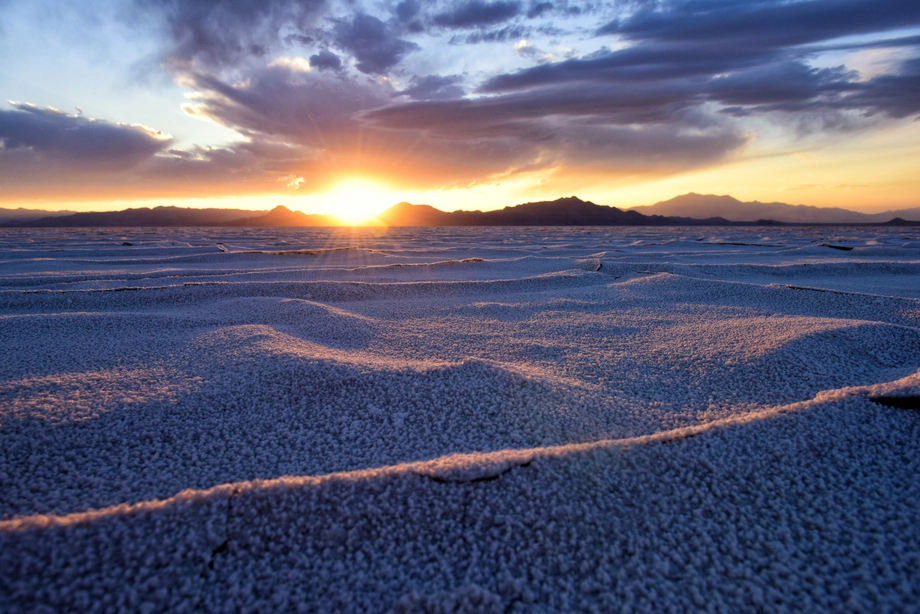 Bonneville Salt Flats – Sunset Adventure of the White Desert
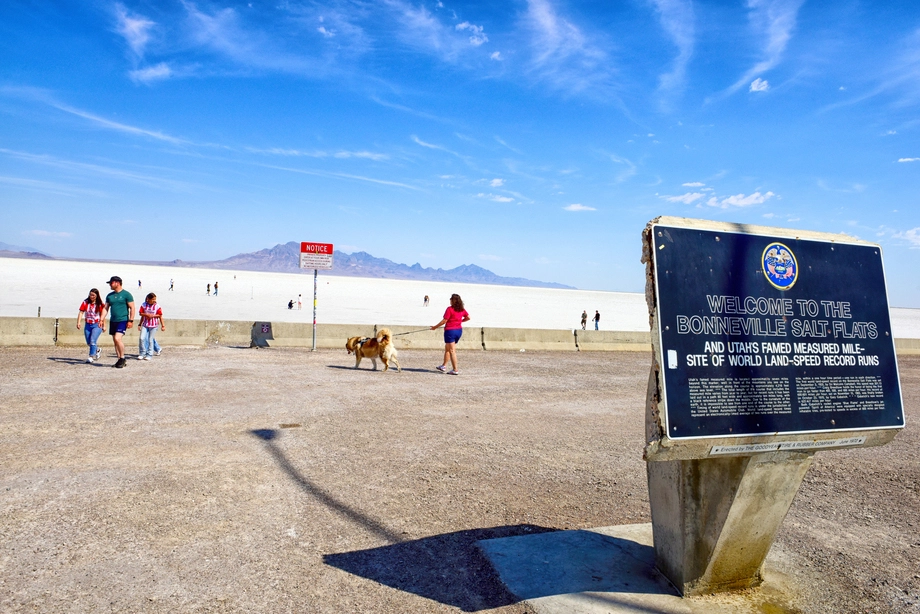 Bonneville Salt Flats – Journey to the Edge of the World
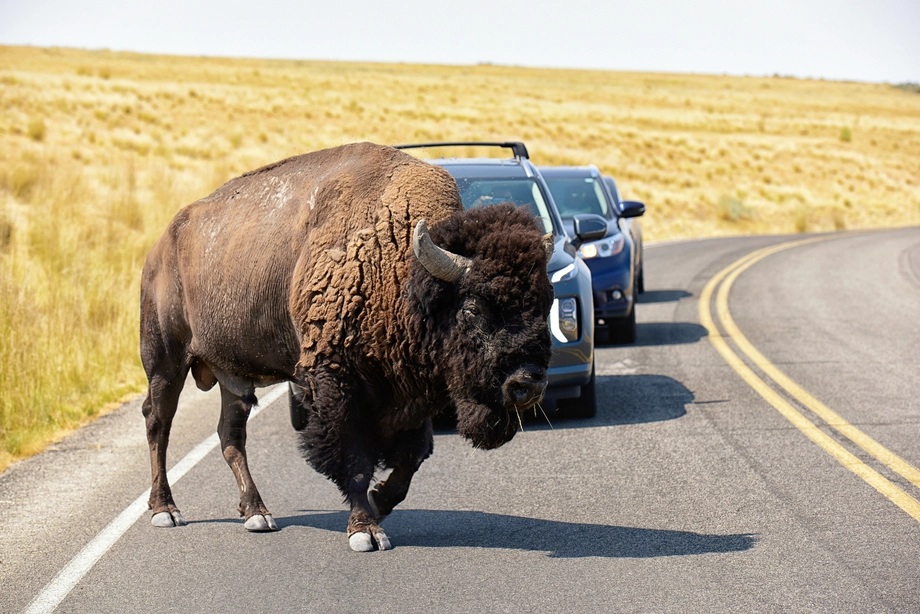 Antelope Island – Wild Heart of the Great Salt Lake Adventure
 Antelope Island Sunset Wildlife Expedition – Great Salt Lake Odyssey
 Salt Lake City – The City of Zion. Historical Interactive Walking Tour