
Angel’s Landing Sunrise From Springdale: When Permit Help Actually Matters
May 31, 2026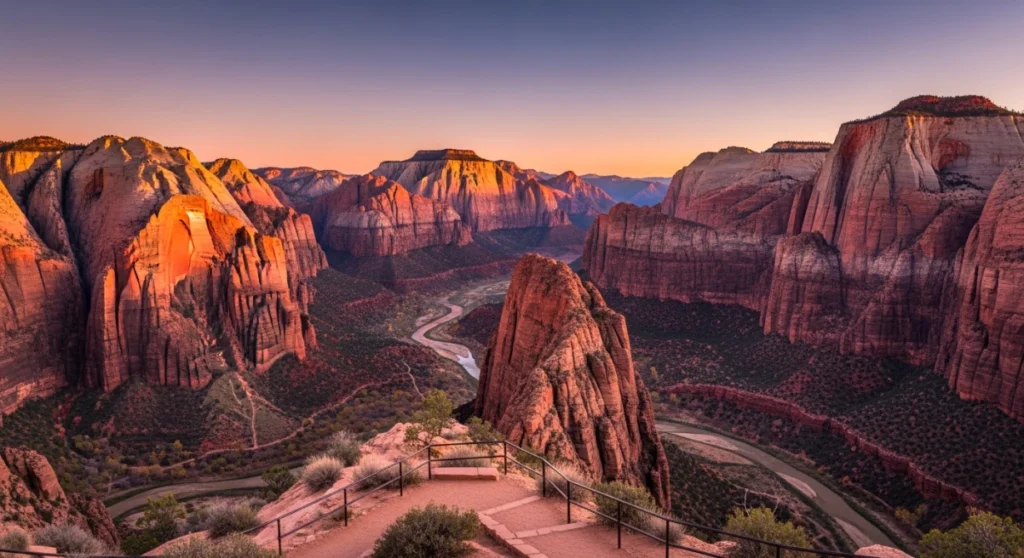
A Springdale sunrise attempt only works when the permit start window, transport, and your hiking pace align. Real permit help is itinerary strategy and backup planning, not special access.
The mistake we see most often is planning Angel’s Landing around a dream photo and only later discovering that the permit controls when you can start from the Grotto, not when you reach the summit. That matters even more now because permits are required at all hours, so a sunrise attempt from Springdale has to be built around official start windows, transportation timing, and your real hiking pace.
This is a practical planning guide for travelers staying in Springdale who are considering a guided Angel’s Landing sunrise hike from Springdale with permit help, but are not sure whether outside support is truly useful. Our view is simple: no guide can create access that the official permit system does not allow, so the smart question is not “Who can get me in?” but “Who can help me structure the whole Utah trip so this is realistic, and still worthwhile if it is not?”
Who is this guide for?
This guide is for Springdale-based visitors who want Angel’s Landing at or near sunrise and need a realistic plan under the current permit rules. It is especially useful if you have fixed travel dates, limited Zion days, or are debating whether to organize the hike yourself or build Zion into a professionally planned Utah itinerary.
It is less relevant if Angel’s Landing is only a casual idea and you are happy to choose another hike on the day. In that case, you can stay flexible and keep your decision-making lighter.
Is a true sunrise summit from Springdale actually realistic now?
Sometimes, but not automatically. Under the current system, a true summit-at-sunrise attempt from Springdale is constrained by your permit start window, your ability to reach the Grotto early enough, and how quickly and confidently your group hikes.
The key reality check is that “sunrise hike” is not an independent category. It is only possible when several moving parts line up on the same date: the permit time slot, transportation into Zion Canyon, your trail speed, and your comfort on steep terrain with exposure. If one of those pieces is off, the morning can still be excellent, but it may no longer be a true sunrise-on-top experience.
This is why we design Zion days from the calendar outward. When we organize Utah itineraries that include Zion, we look at permit timing, likely hiking duration, shuttle dependence, and group ability before treating Angel’s Landing as a must-hit sunrise objective.
You found a hidden promo code!
Use code WOWBLOG at checkout and get 10% OFF any tour!
Limited time offer. Book now and save!
Browse ToursHow does the Angel’s Landing permit system really work today?
Permits are required 24/7 for any portion of Angel’s Landing, including sunrise attempts. The permit is tied to a start window from the Grotto trailhead, and there are no walk-up permits issued inside the park.
That one rule answers several common misconceptions at once. You cannot legally decide at dawn to go up the chains if you did not secure the proper permit through the official National Park Service and Recreation.gov process. You also cannot start from some other point to get around the time-slot rule, because the permit is built around beginning your hike from the Grotto during the window shown on the permit.
There is also a cost structure to plan for. A nonrefundable application fee is charged for each lottery entry, and an additional per-person fee applies if your permit is awarded. Those fees are not the main challenge, though. The real issue is that the system rewards advance planning, not improvisation.
- Who qualifies: Hikers who obtain an official permit for the correct day and time slot, and who can begin from the Grotto within that window.
- Who does not: Visitors hoping to sort it out at the park, travelers relying on a guide to bypass the lottery, or anyone planning to start outside the permitted window.
- Main limit: The permit governs your trailhead start time, not the moment you stand on the summit.
- Planning consequence: A sunrise goal may be realistic on some dates and unrealistic on others, even if your lodging in Springdale stays the same.
What does “sunrise hike” actually mean when your permit is time-slotted?
With a timed permit, “sunrise hike” means you must reverse-plan from the permit window, not from the photo you want. Reaching the top at sunrise depends on whether your allowed Grotto start time, morning transport, and hiking pace line up tightly enough.
This is the point many marketing claims blur. A permit window such as an early slot can make an early ascent possible, but it does not guarantee dawn on the summit. If your group moves steadily, handles elevation well, and is efficient at transitions, your chances improve. If your group includes slower hikers, people uneasy with exposure, or anyone who needs extra time on the final ridge, the same permit may still produce a beautiful morning hike without producing the exact sunrise image you imagined.
That distinction is why “permit help” should mean decision support, not magic access. Useful support is choosing the right date to try, matching the group to the terrain, and honestly deciding when another dawn hike in Zion would serve you better.
What changes the outcome most?
- Permit window: Early-start access matters more than any photo goal or social media plan.
- Trailhead arrival: If getting to the Grotto early is complicated on your date, the whole sunrise concept weakens fast.
- Group pace: Strong hikers can still lose time if the group is uneven or hesitant on exposed sections.
- Decision speed: Organized gear, water, layers, and headlamps matter because delays before first light add up.
- Backup mindset: If your only acceptable outcome is one exact summit photo, you are planning too narrowly for the current rules.
What does the trip from Springdale to the Grotto look like before sunrise?
It is manageable only when the timeline is built carefully around transportation and your permit window. The main constraint is that your day starts long before the dramatic part of the hike, and small delays in town can erase the margin you needed on the trail.
Because operational details change, the safest way to think about it is as a sequence, not a fixed clock. You need enough lead time to wake, prepare, reach the park access point, continue into Zion Canyon, arrive at the Grotto within your permit window, and then climb at a pace that still makes your sunrise goal plausible.
| Planning element | What it controls | Why it matters for sunrise |
|---|---|---|
| Permit time slot | When you may begin from the Grotto | An early goal fails immediately if your allowed start is too late |
| Springdale lodging position | How much buffer you have before park access | Being “close to Zion” is not the same as being ready to move efficiently before dawn |
| Transport into Zion Canyon | Your actual trailhead arrival | Even fit hikers cannot make up time they lose before starting |
| Group fitness and exposure comfort | Ascent speed and stopping frequency | Sunrise chances improve when the whole group moves consistently |
| Weather flexibility | Whether the morning is worth the push | A rigid one-shot plan can waste your best Zion day |
For most travelers, this is the moment the idea becomes clearer. The challenge is not only the climb itself. It is building a morning that works from hotel door to trailhead to summit attempt, without pretending that every early permit produces the same result.
What to prepare before you commit to the attempt
- Choose your priority level: Decide whether Angel’s Landing at sunrise is a must-do, a strong preference, or just one good option in Zion.
- Check your group honestly: Separate strong hiking fitness from comfort with heights. They are not the same thing.
- Protect the day before: Do not schedule a punishing transfer or late arrival if the next morning is your best permit opportunity.
- Build a Plan B: Pick a backup Zion morning that still feels worth waking up for if the permit does not align.
When does professional planning or a guided day actually add value?
Permit help matters most when the trip is inflexible, the group is mixed, or Zion is only one piece of a larger Utah plan. It matters less for highly experienced, flexible hikers who have time to apply, adjust, and accept a backup route without frustration.
The biggest misconception is that paying for support should improve your odds in the lottery. It does not. All hikers, guided or independent, must go through the same official permit system. The real value is what happens around that system: choosing the best candidate dates, designing a realistic morning, and avoiding a domino effect that ruins Bryce, Arches, or travel days later in the trip.
- Fixed dates: If your Zion stay cannot move, strategy matters more because you have fewer chances to line up the right permit window.
- Short visits: One or two park days leave very little room for trial and error.
- Large or mixed-ability groups: A permit for the group is only useful if the group can execute the day together.
- First-time Zion visitors: People who do not want to decode permits, transport, and trail sequencing often benefit from having the whole day structured.
- Photo-focused travelers: If timing and light are the main goal, you need an honest feasibility check, not optimistic sales language.
- Multi-park trips: This is where organized planning often pays off most. Our Utah National Parks Tours are built around realistic distances, stops, and walking commitments so Zion can fit into a broader Utah route without every park day becoming a logistics puzzle.
We organize excursions and tours across Utah with local guides, small groups, and route planning built around duration, terrain, and practical timing. That same planning style is what helps with an Angel’s Landing decision: not selling false certainty, but structuring the trip so your best Zion day is used intelligently whether Plan A or Plan B happens.
When is doing it yourself completely reasonable?
DIY planning is often the right choice if you are fit, flexible, comfortable with exposure, and willing to let the permit outcome decide the day. If Angel’s Landing is important but not the only reason for visiting Zion, self-planning can work very well.
Experienced hikers usually do fine when they can tolerate uncertainty. They understand that an early permit may still not produce a true sunrise summit, and that a denied permit does not make Zion a wasted stop. Those travelers often prefer to manage the official application themselves and keep the rest of the day simple.
Where DIY becomes harder is not the trail but the trip architecture. If you are also trying to answer how to visit Zion National Park efficiently inside a broader Utah vacation, and you are comparing Zion with other stops among the best national parks near Salt Lake City, logistics start compounding quickly. That is where an organized multi-day plan can save more stress than a single guided trail day alone.
What does a smart application and planning flow look like?
The best setup is to treat the permit as one decision gate in a larger itinerary, not as a standalone gamble. Prepare your dates, group details, fitness reality, and backup priorities before you enter the lottery so you can make fast, sensible choices once results are known.
We recommend this sequence because it keeps expectations realistic and reduces wasted park days.
- Rank your travel dates: Identify which Zion morning is your best Angel’s Landing candidate and which dates can absorb a backup hike.
- Define your group readiness: Note fitness level, exposure comfort, and whether everyone truly wants the chains section.
- Apply through the official system only: Do not rely on any company claiming separate access or in-park permit solutions.
- Plan two versions of Zion day: One with Angel’s Landing as Plan A, one with a non-permit option that still justifies an early start.
- Protect the wider itinerary: Keep Bryce, Arches, transfer days, and lodging order sensible so a permit miss does not unravel the whole trip.
Typical failure points
- Late improvisation: Waiting until arrival in Zion leaves you exposed to permit disappointment and poor day sequencing.
- Overestimating pace: Strong hikers still lose sunrise chances when the group is uneven or stops often.
- Treating any permit as perfect: The wrong start window may be legal but still unworkable for the exact morning you imagined.
- No backup plan: If the permit does not come through, an unplanned day feels like a loss even though Zion offers strong alternatives.
How should you decide whether to ask for help?
Ask for help when itinerary design is the real problem, not just the permit form. If Angel’s Landing is a priority inside a short Utah trip, professional planning earns its keep by sequencing the park days, travel legs, and backup hikes around what the permit system actually allows.
If that sounds like your situation, the practical next step is to review our Utah National Parks Tours and then inquire with your dates, fitness level, and whether Angel’s Landing at sunrise is a must-do or a nice-to-have. That gives us enough to suggest an itinerary that either makes a realistic attempt possible or steers you toward a better-timed Zion day with strong alternatives.
Travelers with less time may also want to look at how we structure realistic, efficient days in our broader Utah Day Tours. The same organized approach applies here: clear commitments, sensible pacing, and less time spent decoding local rules on your own.
An Angel’s Landing sunrise from Springdale is possible on some trips, but it is never just a matter of “book a guide and go.” The permit controls your legal start from the Grotto, transportation and pace determine whether sunrise is realistic, and the best support is honest planning, not claims of special access. If Angel’s Landing matters to your Utah trip, start with a Zion-friendly itinerary and a solid backup plan so the permit system shapes your day without ruining your vacation. Explore our Utah National Parks Tours and send your dates and priorities to start planning around what is actually possible.
Can a guide get an Angel’s Landing permit for me or use a separate allotment?
No. Every hiker must use the same official permit system, and guided support does not create special access.
Does the permit time tell me when I have to be at the summit?
No. It tells you when you may begin from the Grotto trailhead, so summit timing depends on your pace after that.
Can I wait until I get to Zion and sort out the permit in person?
That is a poor strategy if Angel’s Landing matters to your trip. There are no walk-up permits issued inside the park.
Who benefits most from planning help for this hike?
Travelers with fixed dates, short Zion stays, mixed-ability groups, or a larger Utah itinerary usually gain the most from outside planning support.
When is self-planning enough?
If you are experienced, flexible, and comfortable letting the permit outcome dictate the day, DIY planning is often perfectly reasonable.
What should I send in an inquiry if Angel’s Landing is a priority?
Share your dates, group size, fitness level, comfort with heights, and whether a sunrise attempt is essential or simply preferred.

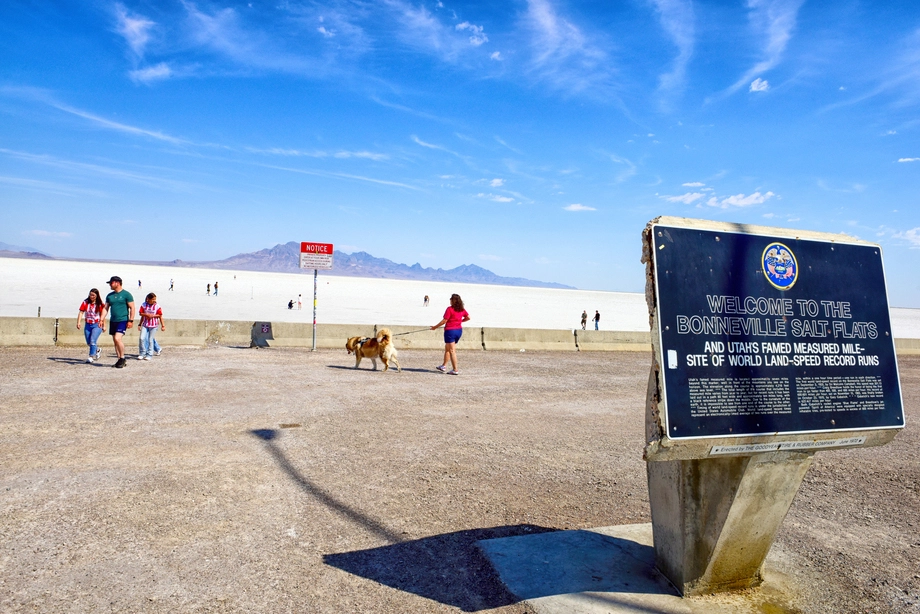 Bonneville Salt Flats – Journey to the Edge of the World
 Bonneville Salt Flats – Sunset Adventure of the White Desert
 Antelope Island – Wild Heart of the Great Salt Lake Adventure
 Salt Lake City – The City of Zion. Historical Interactive Walking Tour
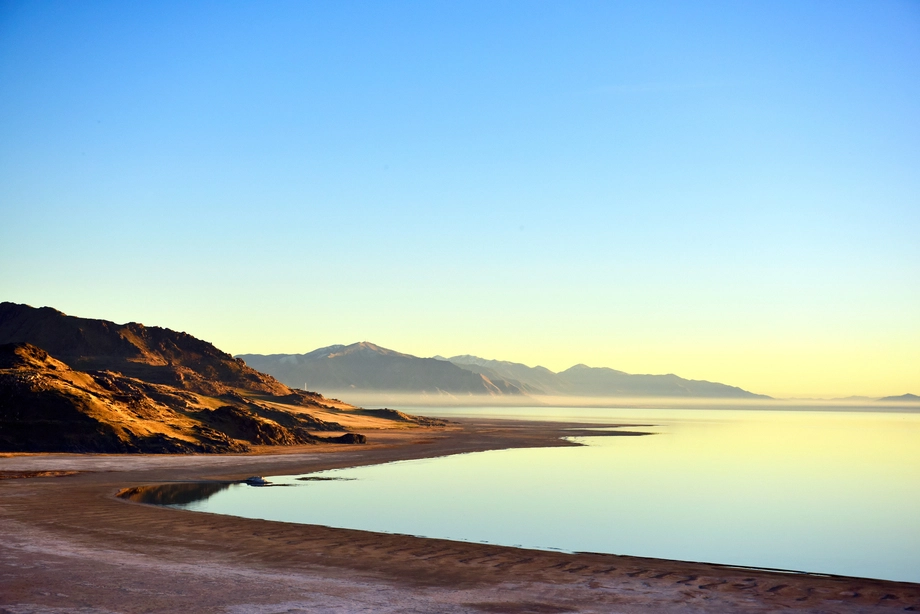 Antelope Island Sunset Wildlife Expedition – Great Salt Lake Odyssey