
Affordable Tour Package to Utah National Parks With Shuttle Between Parks
Jul 29, 2026
A Utah national parks package works best when it coordinates lodging, road time, access rules, and hikes around your dates. Advance planning expands options, while late trips need flexible routes and gateway lodging.
A Utah parks trip can look simple on a map and become complicated the moment you try to line up a hotel, a sought-after hike, a park shuttle rule, and a realistic driving day. A Utah national parks vacation package, as we use the term here, is a structured trip that puts those moving parts into one workable plan for travelers who want time in the parks without spending their vacation managing road-trip logistics.
The practical question is not whether you can visit Zion, Bryce Canyon, Capitol Reef, Arches, Canyonlands, or all five. It is whether the route leaves enough time to enjoy them after arrival, check-in, transfers, walking, and the long distances between park regions are accounted for.
When is a Utah national parks package the right fit?
A package is a strong fit when you want a planned route, ground transportation, and clear daily expectations without personally coordinating every reservation and access rule. Independent travel remains a good choice for visitors who enjoy research, can commit time to booking windows, and are comfortable changing plans when availability shifts.
Renting a car and doing it yourself is absolutely possible. The hidden workload is tracking lodging availability, comparing gateway towns, deciding which hikes need advance action, and preventing a scenic itinerary from becoming a series of rushed drives.
| Planning approach | Best for | Your main responsibility | Primary risk |
|---|---|---|---|
| DIY road trip | Travelers who enjoy detailed trip research and flexible problem-solving | Book lodging, transport, access arrangements, and a realistic route | Missing scarce rooms or discovering late that a desired activity does not fit |
| Structured parks package | Visitors who want the major logistics organized around a coherent itinerary | Choose dates, pace, priorities, and review the stated inclusions | Assuming every premium activity or expense is automatically included |
| Shorter guided day experience | Travelers based in Salt Lake City with limited time | Select the experience that matches your available day and walking comfort | Trying to turn a day trip into a substitute for a multi-park road trip |
Our Utah National Parks Tours are designed for travelers who want major viewpoints, scenic drives, optional short walks, and park-to-park transportation organized from Salt Lake City. A vacation package does not have to mean a rigid, large-group bus schedule. The useful structure is the part that protects time for stops, photos, walks, and the route itself.
How does the trip come together from arrival to departure?
A workable parks itinerary starts with an arrival point and ends with a departure point, with each overnight location chosen to support the next day rather than simply fill a map. We build the trip around travel time, lodging position, walking level, and the access constraints that affect the places you care about most.
Stage 1: Choose the entry point and arrival day
Salt Lake City is a practical starting point for many Utah routes because it gives travelers a clear place to arrive, orient themselves, and begin the road portion of the trip. Arriving late in the day usually calls for a local first night rather than immediately committing to a long transfer.
A first-day activity can make that arrival day more useful without overloading it. Our Salt Lake City Walking Tours are led by local guides in small groups and cover the city’s historic buildings, hidden places, layout, and development. The route descriptions also state duration, distance, and terrain, which reflects the same practical planning standard we apply to longer travel days.
Stage 2: Turn a wish list into a route
Trying to see all five Utah national parks works best when you have enough days to make a larger loop feel deliberate. On a shorter trip, selecting fewer parks usually creates a better experience because it preserves time for overlooks, short hikes, meals, check-ins, and weather or traffic variation.
- Southern focus: A route centered on Zion and Bryce Canyon can reduce the pressure to cross the state too quickly.
- Eastern focus: Arches and Canyonlands make more sense when the itinerary allows time in that region rather than treating them as a brief detour.
- Full-state loop: A Mighty Five-style route needs enough overnights and should not be judged by the number of park signs crossed.
For travelers searching for an affordable tour package to Utah national parks with shuttle between parks, the important comparison is not transport alone. Look at whether transfers are aligned with overnight locations and whether the itinerary identifies the daily walking level and time on the road.
Stage 3: Confirm lodging and key activities
Once dates and route priorities are clear, lodging becomes the anchor for the itinerary. High-demand rooms and popular hikes can shape the entire sequence, so a responsible plan identifies alternatives instead of treating every preferred option as guaranteed.
Stage 4: Travel, walk, and adjust within the plan
On the road, a sound itinerary balances major viewpoints with time to get out of the vehicle. Our tour descriptions list duration, an approximate daily schedule, walking level, and stated price inclusions so guests can assess the physical and logistical shape of the experience before booking.
You found a hidden promo code!
Use code WOWBLOG at checkout and get 10% OFF any tour!
Limited time offer. Book now and save!
Browse ToursWhat does lodging inside a park change?
In-park lodging can shorten the start and end of a park day, while gateway-town lodging often gives more availability and can be a sensible alternative. The tradeoff is simple: staying closer may save driving time, but rooms inside popular parks are expensive and limited.
Examples such as Zion Lodge and Bryce Canyon Lodge illustrate the planning issue. Lodging inside Utah’s national parks is commonly expensive, with reported rates around $250 to $350 per night, and high-demand dates often need to be reserved about six months ahead.
That timeline affects package design in practical ways. A trip confirmed well ahead of travel has a broader lodging pool; a late enquiry may require gateway towns, a different park sequence, or less time-sensitive alternatives. We do not promise scarce in-park rooms or high-demand permits, especially close to departure, but we can build a route around what can realistically be secured.
- In-park stay: Choose it when proximity to a specific park day matters most and you can plan early.
- Gateway-town stay: Choose it when availability, a different price point, or a more flexible booking timeline matters more.
- Split lodging: Use different overnight areas when it reduces repeated backtracking and makes the next morning practical.
How do permits, shuttles, and access rules affect the itinerary?
Permits, shuttle systems, and timed access can determine whether a specific hike or area is realistic on your dates. They should be checked before the route is treated as final, because having a car does not automatically guarantee convenient access everywhere.
Many popular hikes in Utah’s national parks require permits obtained months in advance. Park systems can also use shuttles or timed-entry arrangements that influence when visitors can reach certain areas, so last-minute planning carries more risk than travelers often expect.
If you are figuring out how to visit Zion National Park for the first time, separate your priorities into two groups: experiences that depend on a limited permit or access window, and viewpoints or shorter walks that remain practical without building the entire day around one scarce reservation. Official requirements can change, and the National Park Service publishes the current rules; the trip-planning job is to make sure those rules fit the actual route.
How we keep access rules from taking over the trip
We treat high-demand activities as priorities to pursue, not assumptions to bury in an itinerary. If a permit or preferred access option is unavailable, the route can still emphasize scenic drives, key viewpoints, and shorter walks that suit the day’s location and walking level.
- Identify non-negotiables: Tell us which hike, park, or experience matters most before the route is shaped.
- Check timing early: Dates should be tested against lodging and access constraints before flights or other fixed plans narrow the options.
- Keep a backup experience: A practical itinerary has a worthwhile alternative rather than an empty day if a limited activity cannot be included.
What is usually included in a Utah parks package, and what is not?
Most packages combine core components such as accommodation, planned ground transportation, and some guided activities, but the exact list varies by itinerary. Travelers should judge the value by the written inclusions and exclusions, not by a headline price or a broad promise of an all-in trip.
In the wider vacation market, advertised packages may exclude resort fees, premium drinks, certain excursions, and mandatory gratuities. Those extras can materially change the final cost, especially when they are only visible in detailed terms.
Our approach is to state what is included in each applicable tour description, alongside duration, schedule, walking level, and price. Before confirming any component, review what accommodation, transfers, guided elements, park-related costs, meals or drinks, optional activities, fees, and gratuities are specifically listed.
| Cost area | What to verify before booking |
|---|---|
| Accommodation | Which nights and lodging areas are included, plus any charges that may be collected separately |
| Ground transportation | Pickup and return points, park transfers, and whether travel is part of the stated itinerary |
| Activities | Which guided walks, viewpoints, or excursions are included and which are optional |
| Food and drinks | Whether meals are listed and whether premium drinks are outside the package |
| Gratuities and fees | Whether gratuities, resort fees, or similar charges are excluded or expected separately |
What should you approve before you book?
You should approve a package when the route, overnight logic, physical expectations, inclusions, and exclusions are clear enough that you can picture each day. A polished park list is not sufficient if it does not explain how you will move between places or what happens when a scarce option is unavailable.
Use these acceptance criteria before booking:
- Route clarity: You know where the trip starts, where it ends, and why each overnight stop supports the following day.
- Realistic pace: The schedule allows for driving, stops, walking, check-in, and personal time.
- Physical fit: The stated walking level and terrain match your group’s comfort and ability.
- Access plan: Permit-dependent activities are identified, along with a credible alternative if they cannot be secured.
- Cost transparency: You can distinguish included items from likely extra expenses before you commit.
These checks are particularly important when comparing a local specialist with a generic marketplace listing. The point is not to demand a perfect, risk-free trip. It is to know which decisions are fixed, which depend on availability, and which can remain flexible.
What should you send in a trip enquiry?
A useful enquiry gives us enough information to recommend a route that fits the time you actually have. Dates, group size, arrival and departure plans, preferred pace, and must-see priorities are more valuable than a long unranked list of parks.
- Travel dates: Include flexibility of a day or two if you have it, especially for peak-season lodging.
- Group details: Share the number of travelers and any mobility, terrain, or walking considerations.
- Flight plan: Tell us where and when you expect to arrive and depart, including whether Salt Lake City is your starting point.
- Priorities: Rank the parks, viewpoints, or hikes that matter most to you.
- Pace preference: Say whether you want a fuller sightseeing schedule, more short walks, or more unstructured time.
- Budget boundaries: Flag whether in-park lodging is a priority or whether gateway accommodations are acceptable.
If your time is limited to a single day from Salt Lake City, our Utah Day Tours provide a different format: transportation, a planned route, guide context, and short walking support without attempting to compress a multi-park vacation into one day.
What to do next
The right Utah package is the one whose lodging, access plan, road time, and walking expectations match your dates rather than an overly ambitious checklist. Start with a parks route that leaves room for the reality of travel days, then add a Salt Lake City arrival activity if it improves your first-day schedule.
Browse Matei Travel’s Utah National Parks Tours for concrete routes, durations, walking levels, and stated inclusions, then use online booking where available or send your dates, group size, and preferred pace for a fitting recommendation.
How far ahead should I plan a Utah national parks trip?
For peak dates, begin around six months ahead if in-park lodging is important. Earlier planning also gives more flexibility for popular hikes and nearby accommodations.
Can I still have a good trip if in-park lodges are unavailable?
Yes. Gateway towns and a revised park sequence can still support a strong itinerary, though they may add driving time to some days.
Do I need a permit for every hike in Utah’s national parks?
No, but many of the most popular hikes have permit requirements. Identify your must-do hike early so its rules can be considered with the rest of the trip.
Will a Utah package include every meal and extra charge?
Do not assume that it will. Check the written terms for meals, drinks, optional excursions, gratuities, and fees that may be separate.
Is a full five-park itinerary sensible for a short vacation?
Usually, a short trip is more enjoyable when it focuses on fewer parks. A five-park loop needs enough days to avoid spending most of the trip in transit.
Why add a Salt Lake City walking tour before the parks?
It gives you a low-pressure way to orient yourself after arrival while learning the city’s layout and history. It can also make better use of a partial first day.
What information helps a tour planner recommend the right route?
Send your dates, group size, arrival and departure plans, preferred walking level, and top park priorities. Mention whether you would accept gateway lodging if park rooms are limited.

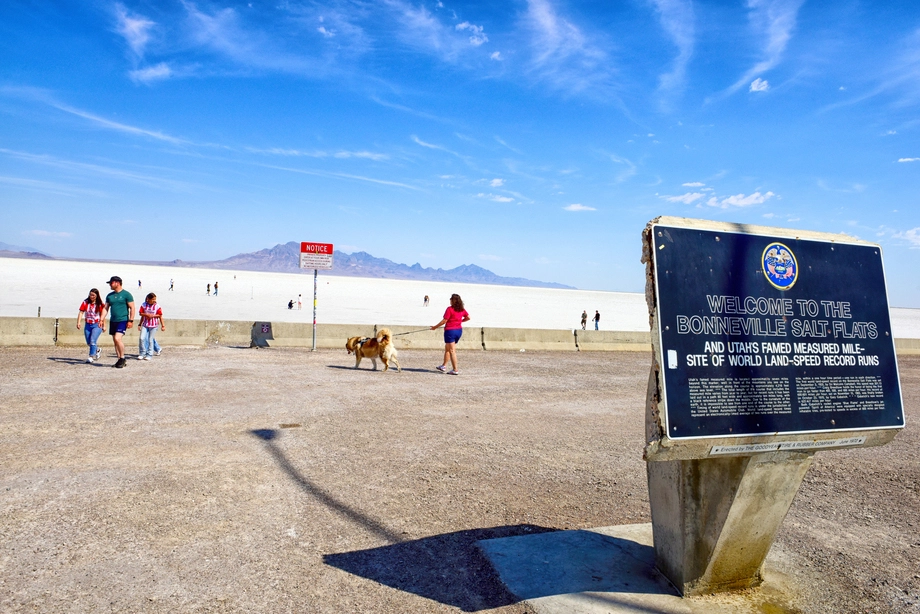 Bonneville Salt Flats – Journey to the Edge of the World
 Bonneville Salt Flats – Sunset Adventure of the White Desert
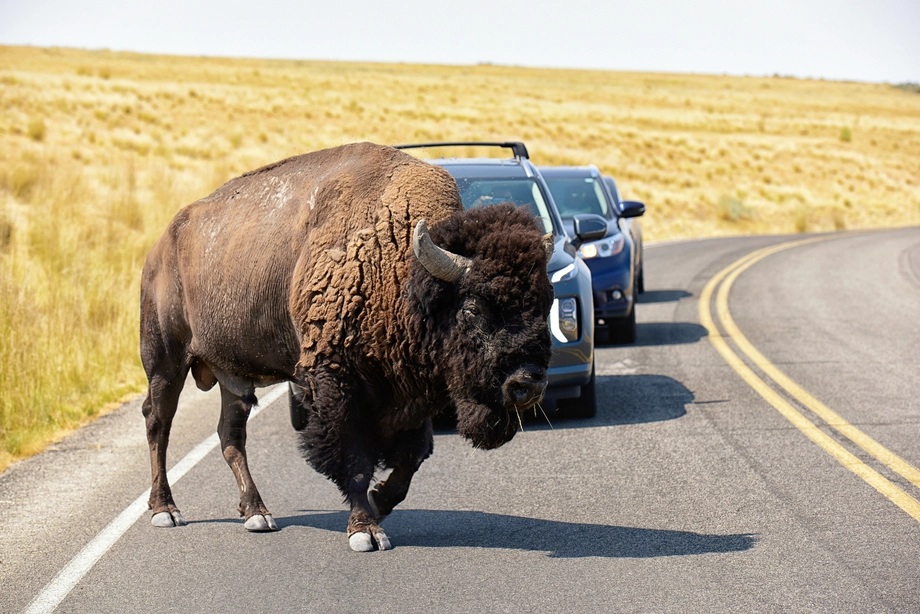 Antelope Island – Wild Heart of the Great Salt Lake Adventure
 Antelope Island Sunset Wildlife Expedition – Great Salt Lake Odyssey
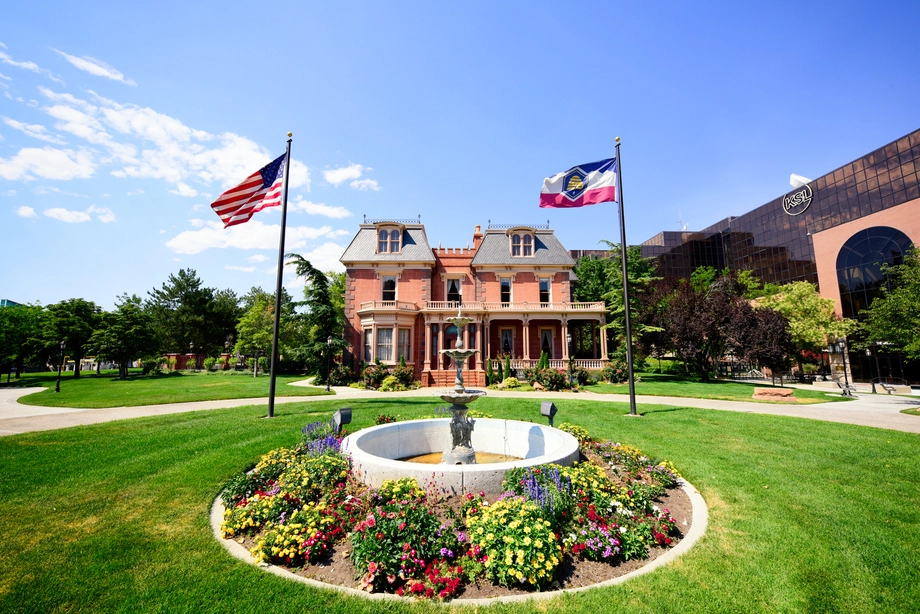 Salt Lake City – The City of Zion. Historical Interactive Walking Tour